Where to Stay at Pangong Tso
An expert guide to choosing between luxury tents, village homestays, and lakeside camps along Ladakh's famous salt lake.
Discover where to stay in pangong tso. Compare tented camps with village guesthouses, choose between Spangmik and Merak, and learn sustainable travel tips.
Tented camps near Spangmik offer warm comfort against the cold desert night.Photo: Jagseer S Sidhu · CC BY-SA 4.0
When darkness falls over Pangong Tso, the temperature plummets below zero and the Milky Way arcs sharp and bright across an unfiltered sky. Choosing where to stay in pangong tso determines whether you spend those freezing hours shivering in a thin canvas dome or resting comfortably in an insulated geodesic tent.
Accommodation options have evolved rapidly from basic sleeping bags on dirt floors to well-appointed eco-resorts. However, the fragile desert ecosystem means that luxury comes with environmental trade-offs that conscientious travellers should weigh carefully.
In this comprehensive guide, we compare tented camps with village guesthouses, contrast the bustling energy of Spangmik with the quiet solitude of Merak, and help you pick the right bed for your night by the water.
Tented Camps vs Village Guesthouses
The classic way to experience the lake is luxury camping Ladakh style. Swiss cottage tents and geodesic domes cluster primarily around Spangmik, offering raised wooden floors, double-layer canvas walls, and attached western bathrooms with running water.
Alternatively, staying in family-run guesthouses in nearby villages like Tangtse or Man provides a warmer, more traditional shelter. While guesthouses often feature shared bathrooms and simple bedding, their thick stone walls retain daytime heat much better than canvas tents during chilly nights.
- Swiss Tents: Scenic lake proximity, private toilets, canvas walls.
- Geodesic Domes: Panoramic ceiling windows for stargazing, electric blankets.
- Village Guesthouses: Thick stone walls, family hosting, shared facilities.
Location Benefits: Spangmik vs Merak
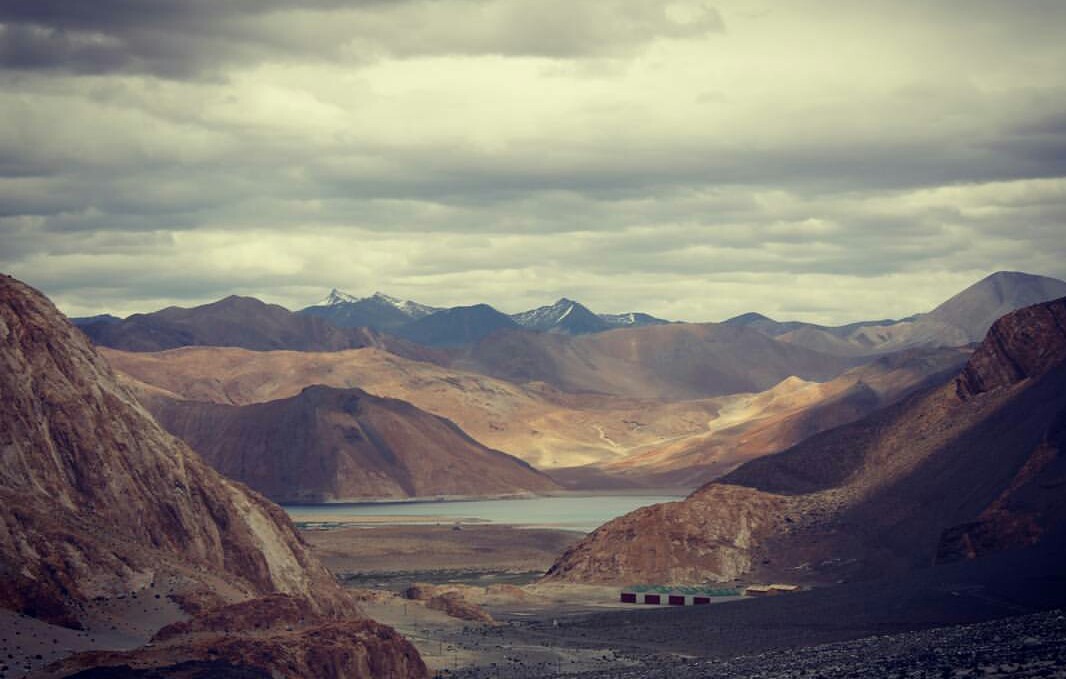
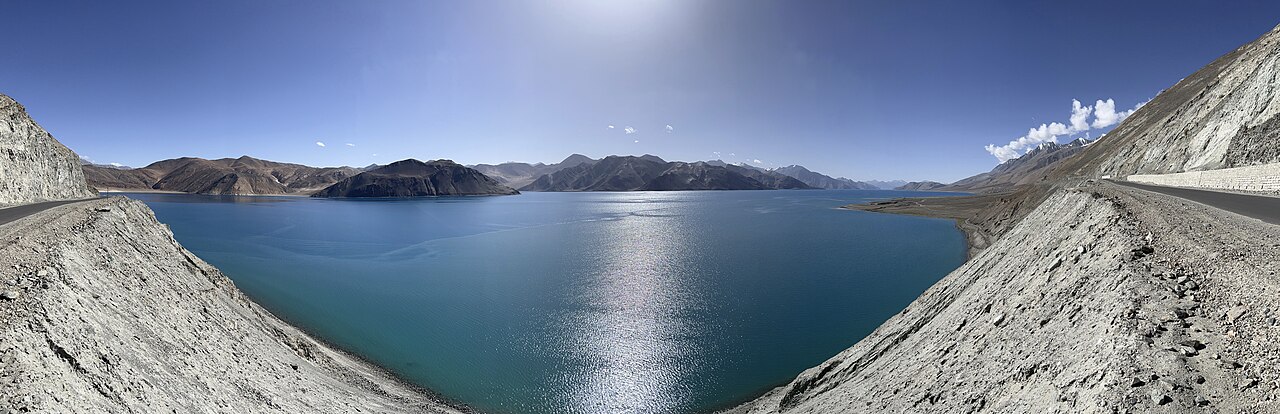
Geography dictates your lake experience based on where you pitch your tent. Spangmik is the primary tourist hub, sitting about seven kilometres past the initial checkpoint. It offers the widest selection of camps, dining tents, and uninterrupted views of the famous long blue inlet.
If you prefer absolute quiet and darker skies for astrophotography, continue past Spangmik down the rough unpaved track to Merak village. Merak sits closer to the Chinese border and sees a fraction of the tour buses, making it the premier choice for travellers seeking solitude.
Spangmik: Convenience and Views
Spangmik puts you right at the heart of the most photographed section of the lake. It is convenient for morning photography walks, and camp operators here provide reliable generator-backed electricity for charging camera batteries.
Merak: Silence and Stargazing
Merak offers smaller eco-camps and authentic village home stays. The lack of heavy diesel generators here means the night sky is completely undisturbed, and local conservation initiatives protect the surrounding wetland habitat.
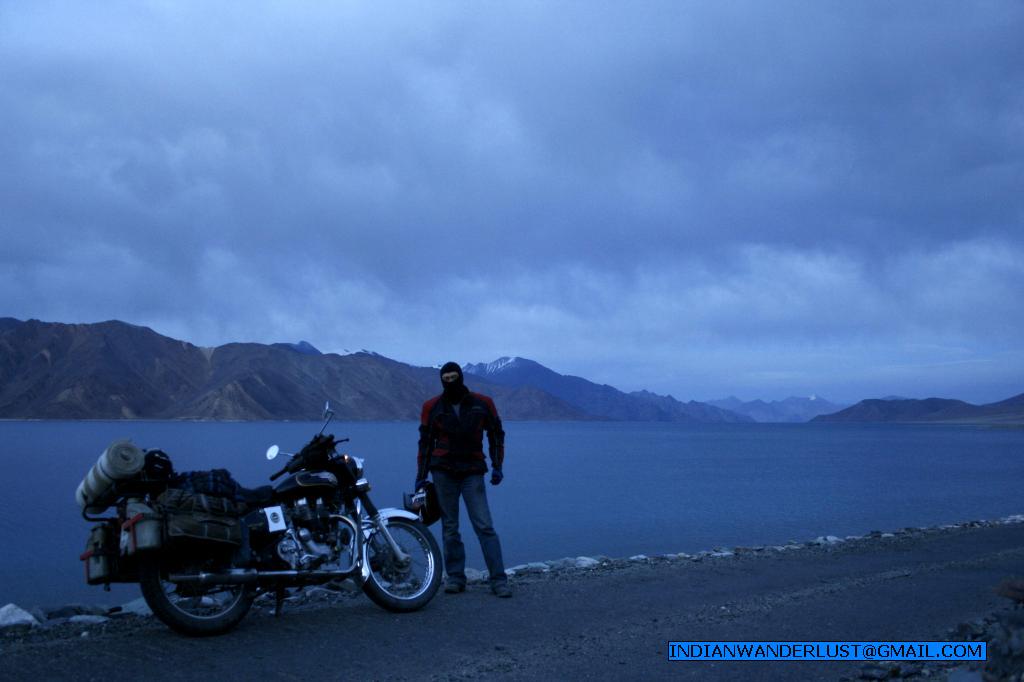
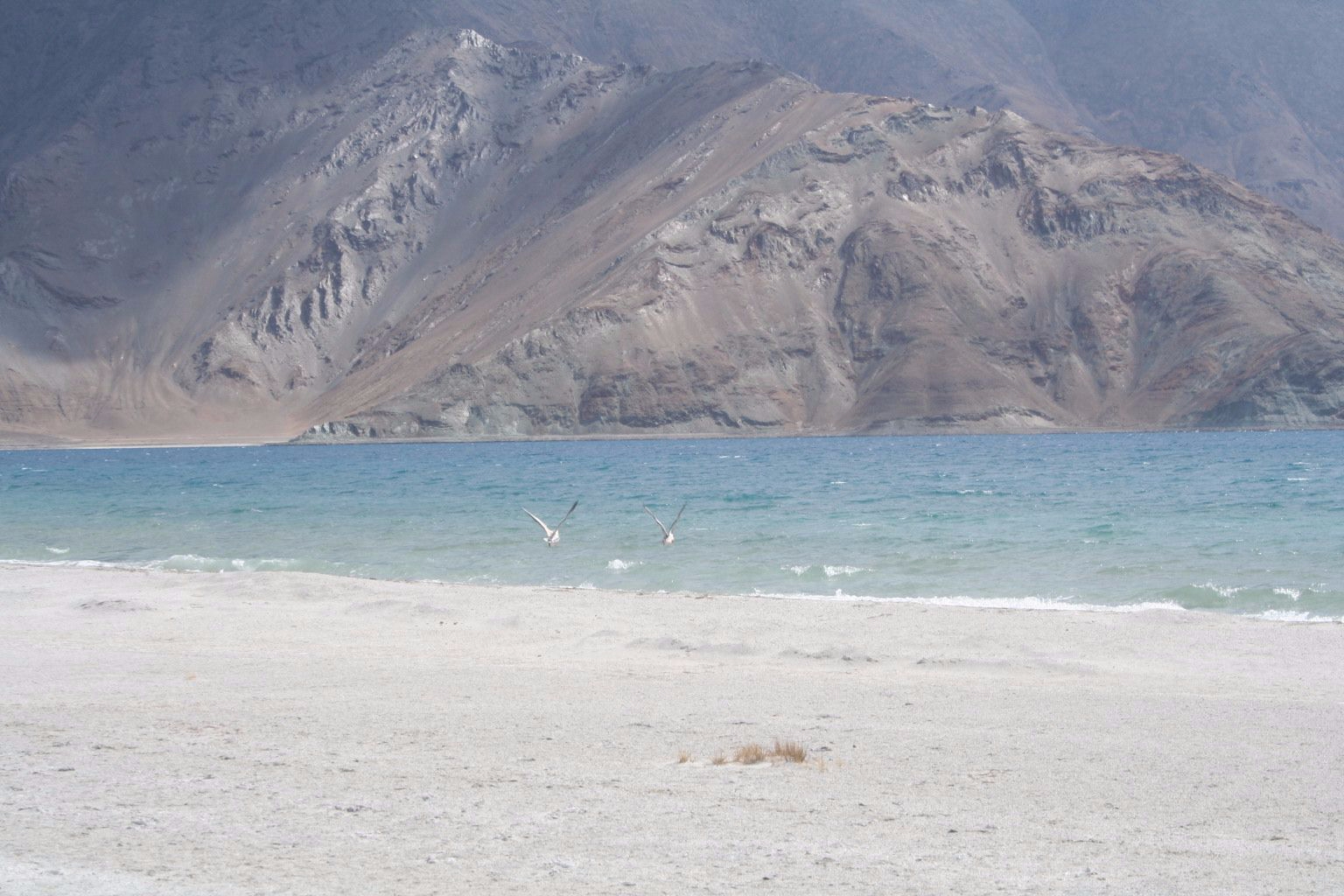
Choosing where to stay at Pangong Tso determines whether you spend freezing hours shivering in a canvas dome or resting comfortably.
What to Expect from Facilities at 4,350 Metres
Managing expectations regarding plumbing and electricity is vital for a pleasant stay. Because Pangong Tso sits at an elevation of 4,350 metres, water lines freeze easily during the night, and hot water in camps is often supplied via bucket service rather than continuous electric geysers.
Electricity in most camps runs on timed generator schedules—typically from 7:00 PM to 10:30 PM—to conserve diesel fuel hauled in from Leh. Plan your phone and camera battery charging accordingly during those evening hours.
Booking in Advance During Peak Season
Finding pangong tso accommodation on a walk-in basis during July and August is a gamble you want to avoid. With thousands of travellers arriving daily, the best camps book out months in advance through established operators.
If you arrive without a reservation during peak summer, you may be forced to settle for basic emergency bedding or drive all the way back to Tangtse or Leh as darkness falls. Secure your rooms as part of an integrated tour itinerary to guarantee your bed.
Sustainable Travel and Supporting Local Stays
Tourism growth puts immense pressure on Pangong's fragile high-altitude desert ecology. Waste management, greywater disposal, and heavy diesel use threaten the very pristine nature that travellers come to witness.
Opting for community-run homestays directly benefits local Ladakhi families rather than outside investors. Many eco-camps now utilise solar water heaters and dry composting toilets to minimise their footprint. Supporting these sustainable initiatives ensures the lake remains pristine for future years.
- Choose camps using solar-powered lighting and heating systems.
- Carry all plastic waste back to Leh instead of leaving it in local bins.
- Respect wildlife habitats and maintain distance from nesting bar-headed geese.
Best Times of Year for Camping at the Lake
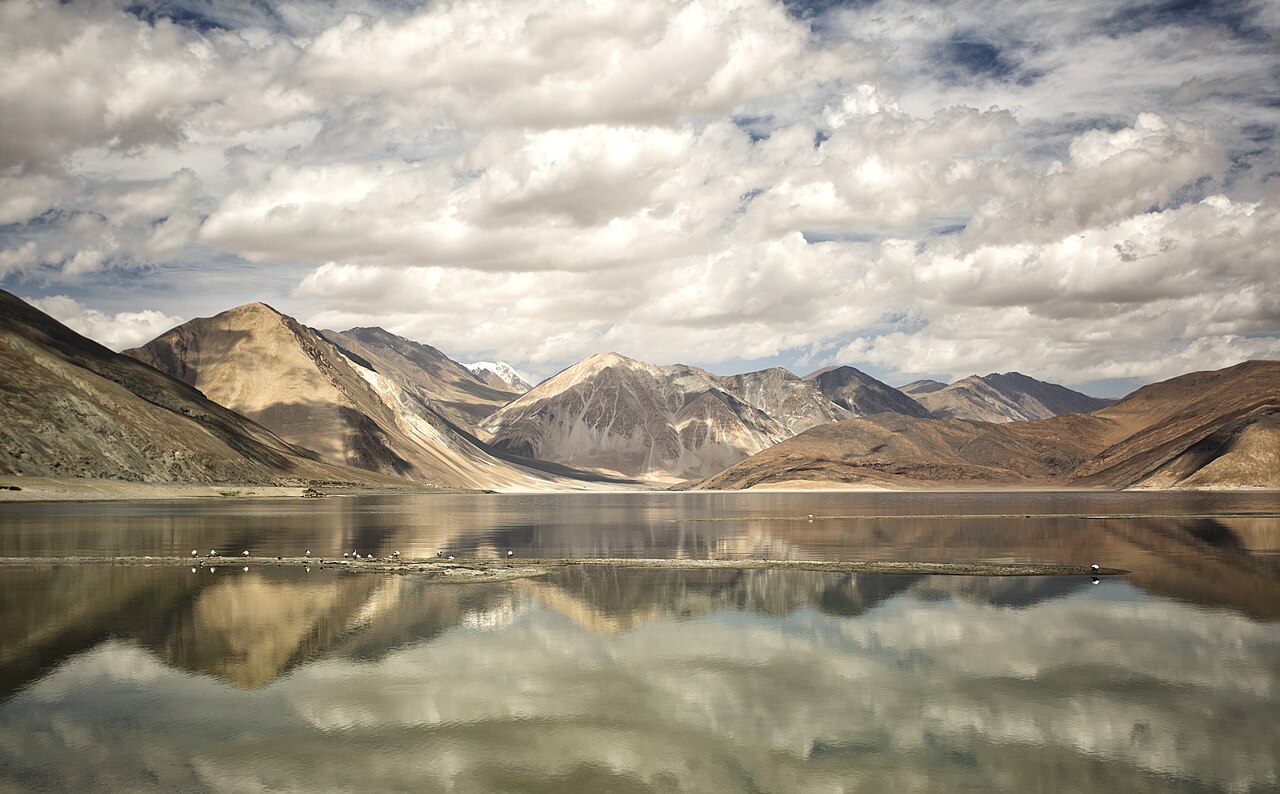
Camps near the lake generally operate from May through September. June and July offer pleasant daytime temperatures and vibrant blue water, though afternoon winds can buffet tents fiercely.
By late September, nightly temperatures plunge well below freezing, prompting most luxury tented camps to dismantle their structures and close until the following spring thaw.
Before you book
Finding the right place to stay near the blue salt lake turns a simple overnight stop into one of the most memorable nights of your Himalayan journey. Whether you choose a luxury dome in Spangmik or a warm stone guesthouse in Merak, respecting the environment ensures the valley remains unspoiled.
If you need help selecting a comfortable camp or guesthouse that matches your travel style, our team is always here to assist.
Find Your Ideal Stay at Pangong Tso
Let our local experts match you with verified tented camps and eco-guesthouses for your upcoming Ladakh holiday.
Explore StaysCaption for your own post
Deciding where to stay at Pangong Tso? From luxury geodesic domes in Spangmik to quiet village homestays in Merak, here is what to expect.
Written by
Kashmir, Jammu & Ladakh specialists
We plan and run trips across Kashmir, Jammu and Ladakh every week of the year. Everything here comes from routes we drive, stays we inspect and questions our travellers actually ask.
Written by a Skywale editor who has stayed in both Spangmik luxury tents and Merak village homestays.
Quick answers
Questions we get asked
Are permanent concrete hotels allowed near Pangong Tso?
No. Environmental regulations prohibit permanent concrete construction right by the lake shore to protect the fragile wetland ecology, which is why temporary tented camps and village homestays are used.
Do camps provide heating during cold mountain nights?
Luxury and mid-range camps provide heavy fleece blankets, hot water bags, and often electric blankets powered during evening generator hours.
Is it better to stay in Spangmik or Merak village?
Spangmik is best for first-time visitors who want camp amenities and classic photography angles. Merak suits travellers seeking absolute quiet and superior stargazing.
Can I book pangong tso accommodation upon arrival?
It is strongly discouraged during peak summer months (July-August) because camps fill up completely, leaving walk-in visitors stranded.
Do homestays in Merak have attached bathrooms?
Most traditional village homestays feature clean but shared external dry-composting or western toilets rather than en-suite bathrooms.
Photography credits
- Photo: Jagseer S Sidhu · CC BY-SA 4.0
- Photo: Dheekshi · CC BY-SA 4.0
- Photo: 16paruljain · CC BY-SA 4.0
- Photo: Biplav Arya, 3rd July 2009 · CC BY 3.0
- Photo: SlartibErtfass der bertige · CC BY-SA 3.0
- Photo: Krzysztof Popławski · CC BY 4.0
- Photo: ANKITNARANG297 · CC BY-SA 4.0