Pangong Tso Altitude: Understanding High-Altitude Safety
Planning your trip to the Himalayas? We explain the reality of the Pangong Tso altitude and how to manage acclimatisation effectively.
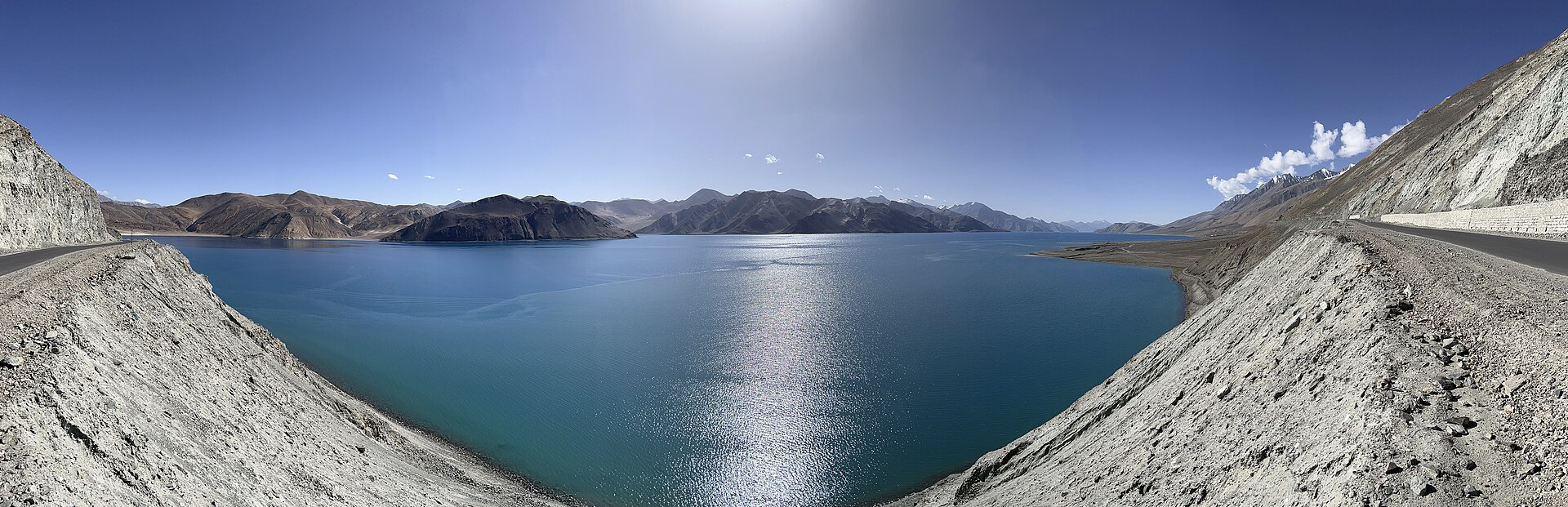
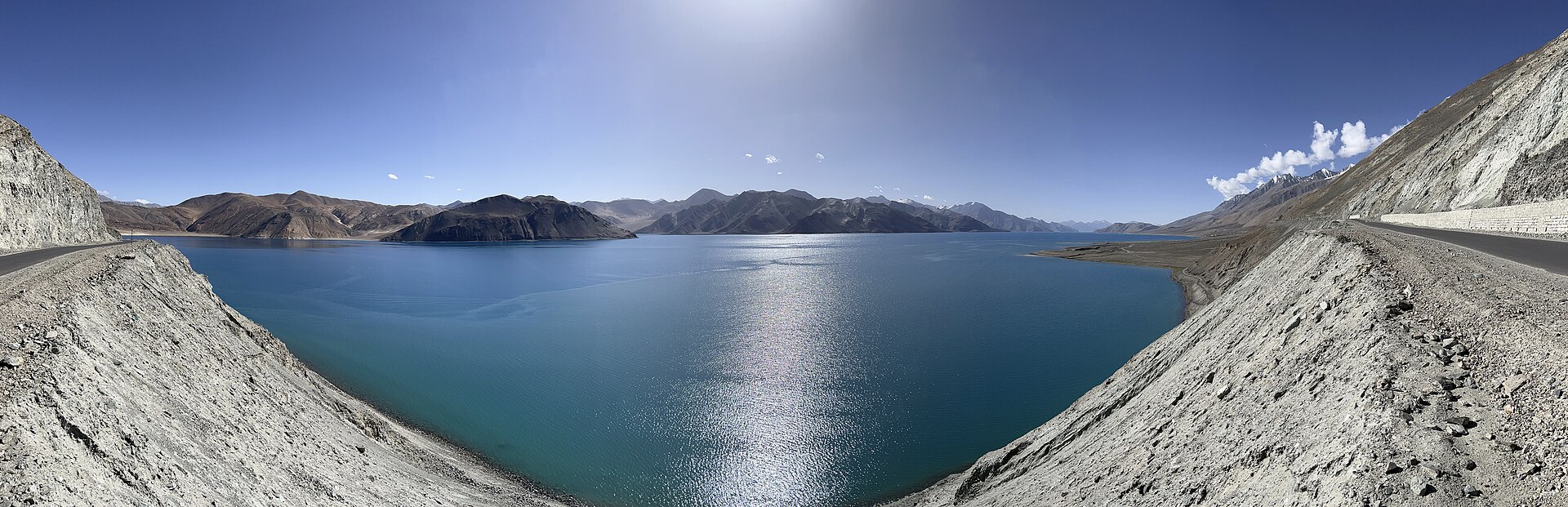
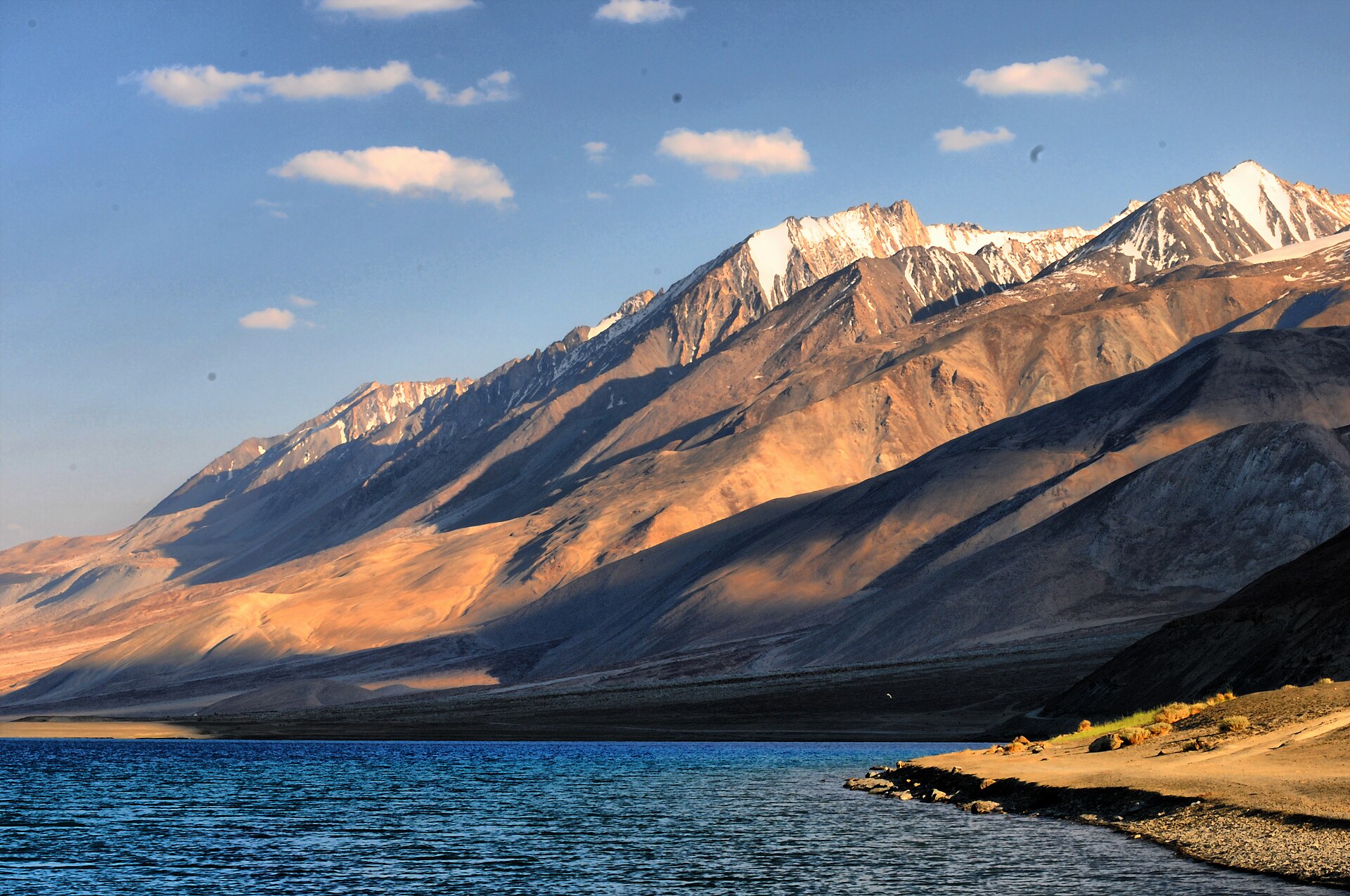
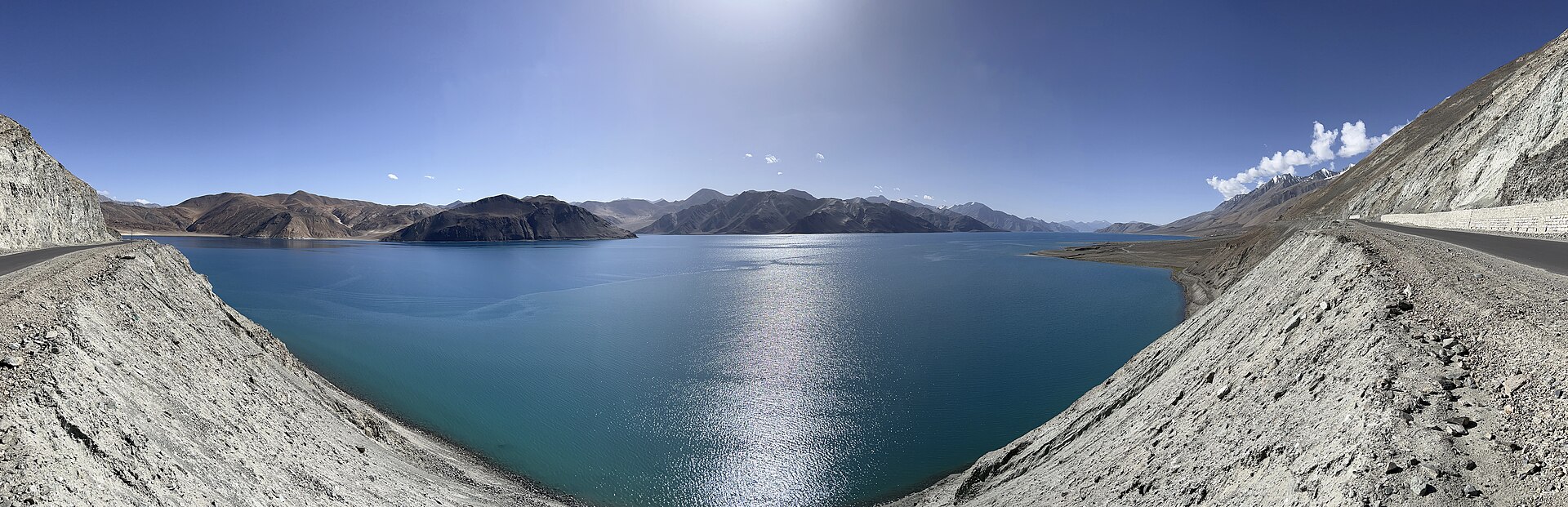
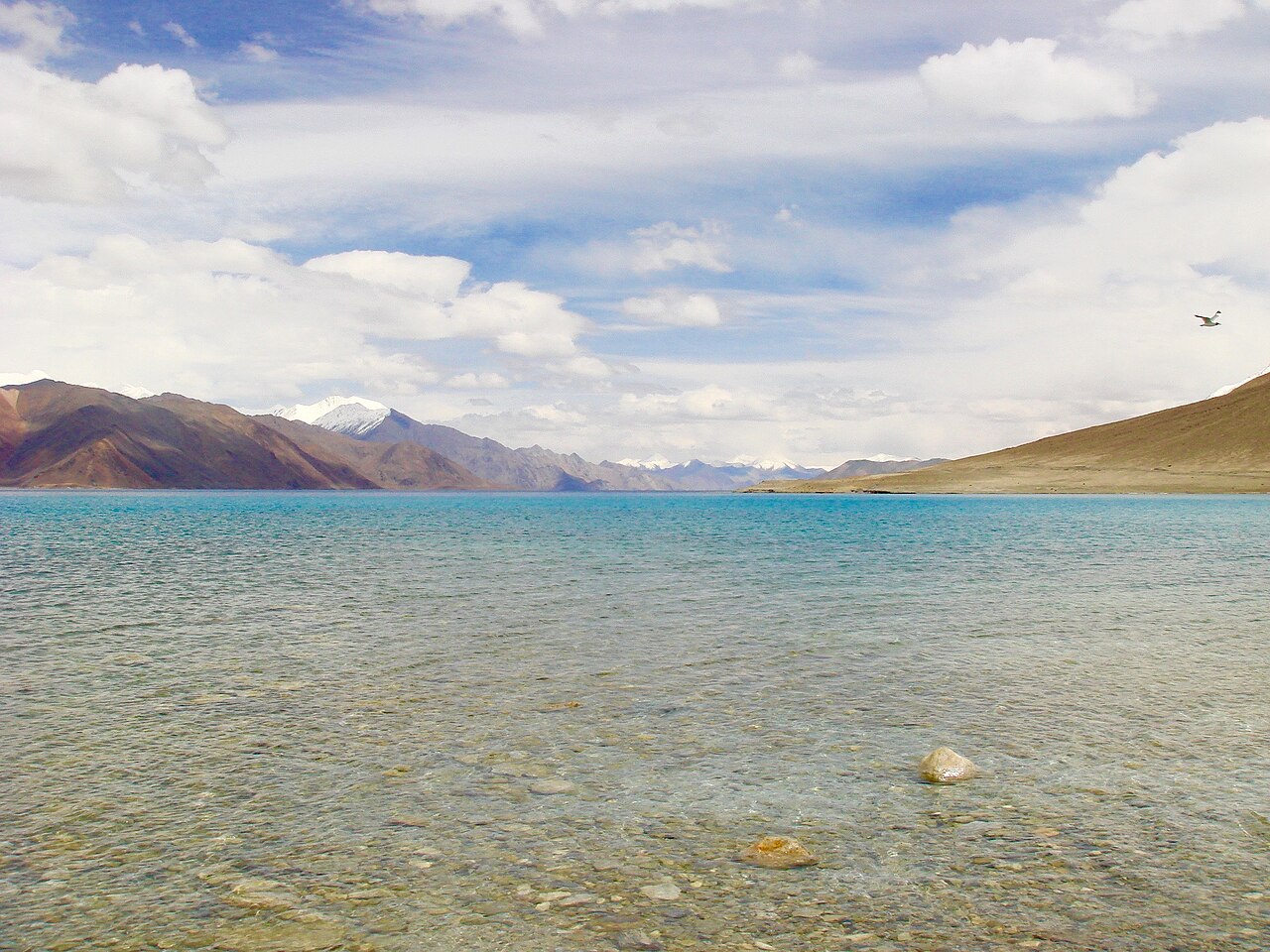
The sheer scale of Pangong Tso at 4,350 metres.Photo: Krzysztof Popławski · CC BY 4.0
The first time I stood on the banks of Pangong Tso, I didn't notice the beauty first; I noticed the thin air. It catches you off guard. You step out of the vehicle, the wind is crisp and silent, and you feel that slight, tight pull in your chest. It is a reminder that you are standing at nearly 4,350 metres.
Understanding the pangong tso altitude is not about inducing fear; it is about respecting the geography of Ladakh. This region demands patience. If you rush, the mountains will tell you. If you go slow, they will show you some of the most startling sights on the planet. Here is how we help our travellers manage the heights.
How high is Pangong Tso exactly?
Pangong Tso sits at approximately 4,350 metres (14,270 feet) above sea level. This is high by any standard. To put it into perspective, it is significantly higher than most European alpine resorts. The air pressure here is roughly 60 percent of what you find at sea level, which means every breath you take contains much less oxygen.
Because the lake spans a vast distance between India and China, the elevation fluctuates slightly along the shoreline. However, when you reach the popular tourist spots, expect the altitude to remain constant. It is not a place where you can sprint or hike aggressively upon arrival. The landscape is unforgiving to those who do not respect the elevation.
Managing altitude in Ladakh
The biggest mistake we see travellers make is flying into Leh and rushing to the high lakes the very next morning. Your body needs time to adjust to the pressure. We always insist on at least two full days of rest in Leh before attempting to cross passes like Chang La, which sits at over 5,300 metres.
Acclimatisation is not just about lying in bed. It involves light walking, drinking plenty of water, and avoiding heavy meals. By the time you head toward Pangong, your red blood cell count should have started to adapt. If you skip this, the risk of acute mountain sickness (AMS) increases significantly.
- Stay hydrated: Drink 3-4 litres of water daily.
- Avoid alcohol and sedatives during the first 48 hours.
- Eat light, carbohydrate-rich meals.
- Listen to your body; if you feel a headache, descend.

Recognising symptoms of altitude sickness
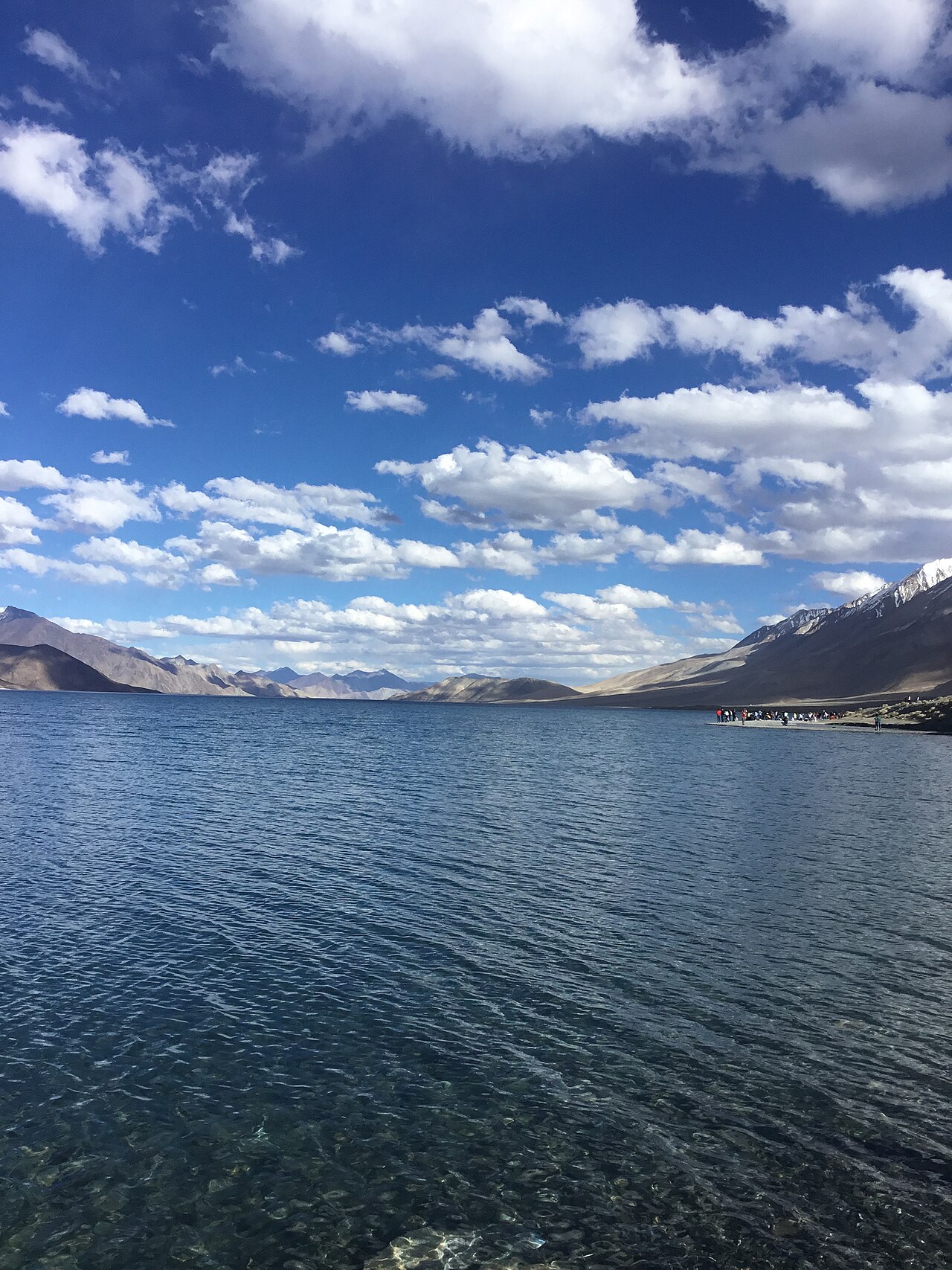
Recognising the early warning signs of AMS is a skill every traveller in Ladakh should possess. It usually starts with a dull, persistent headache that refuses to go away with standard painkillers. You might feel mild nausea, loss of appetite, or a general sense of fatigue that feels deeper than simple exhaustion.
More serious symptoms include difficulty breathing even while resting, confusion, or a loss of coordination. If you or someone in your group struggles to walk in a straight line, that is a medical emergency. Never ignore these signs, thinking they will just 'pass' as you climb higher.
Essential acclimatisation tips for Ladakh
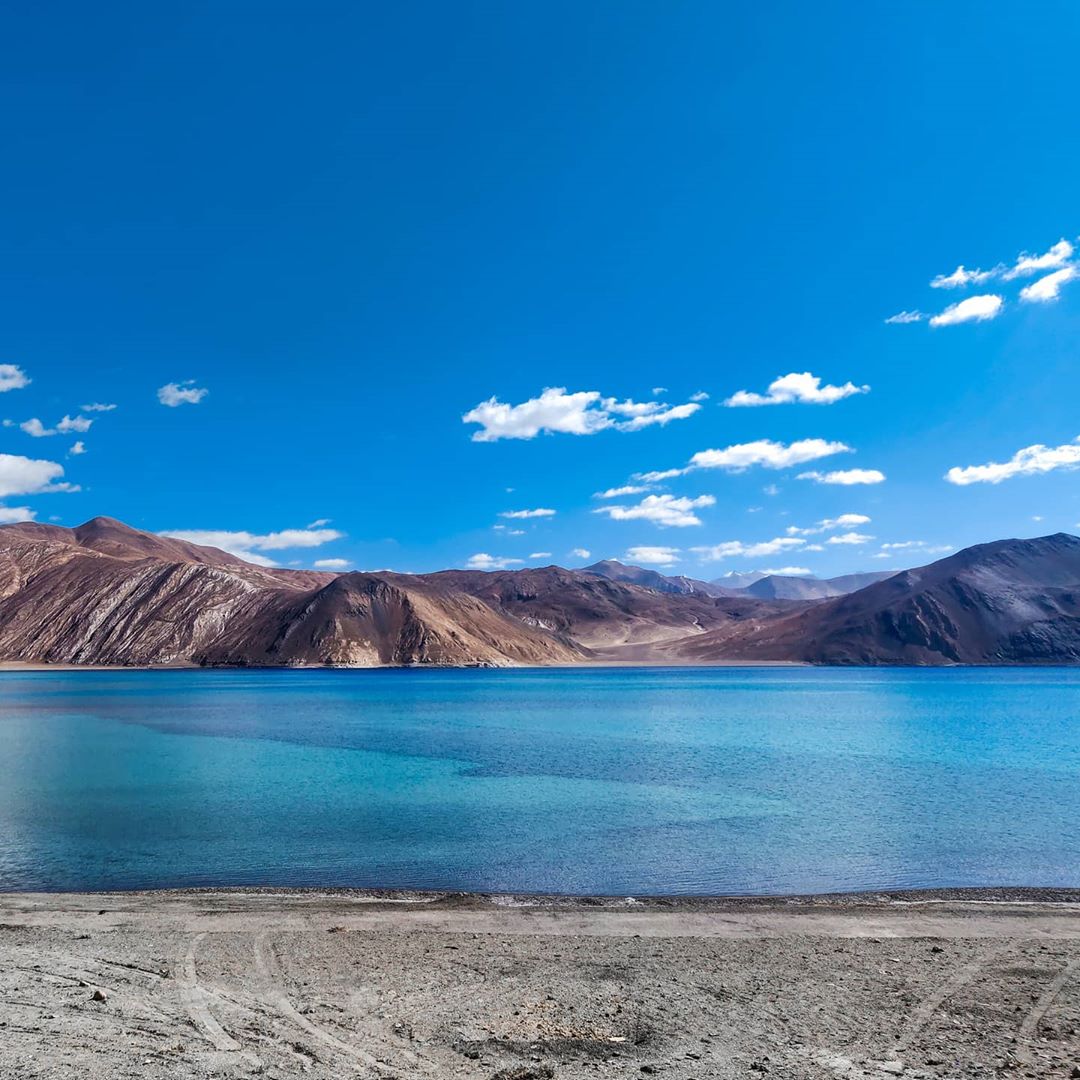
Pacing is everything. When driving from Leh, your driver will likely make several stops. Use these to get out, stretch, and check how your body feels. Do not consume caffeine in excess, as it can dehydrate you, which only makes altitude issues worse. Keep your movements deliberate and slow.
We often recommend that our clients keep Diamox in their medical kits, but please consult a doctor before using it. It is not a substitute for proper rest. The most effective medicine is altitude management through sensible planning and timing your arrival at the lake.
When to seek medical help
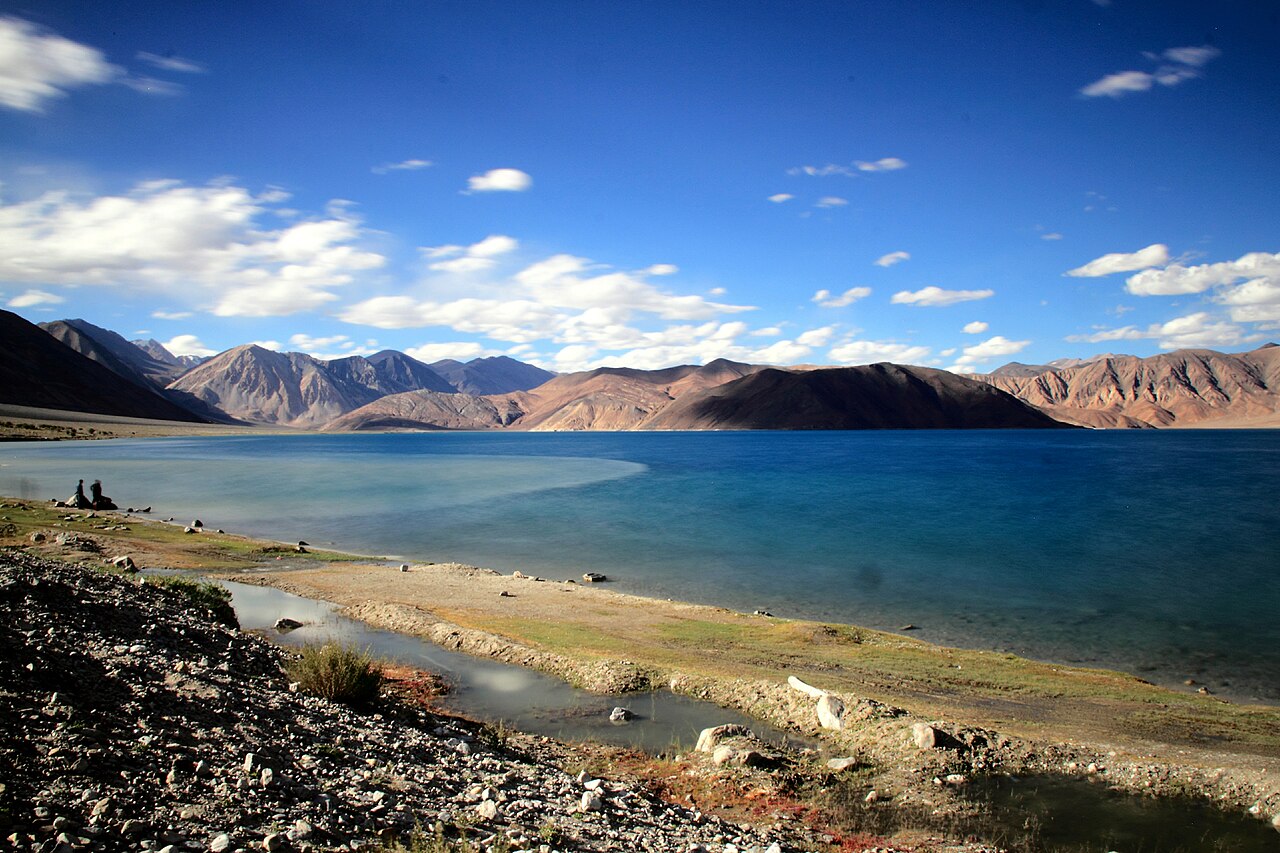
If your symptoms don't improve with rest or if they worsen despite taking precautions, the only cure is to lose altitude. Sometimes, this means turning back from the journey. It is a tough decision, but it is the right one. Our local network in Leh and the villages along the route are equipped to assist, but you must be the one to speak up if you feel unwell.
We have had situations where guests simply needed an oxygen cylinder for a few hours. We carry these in our vehicles for exactly this reason. Do not be ashamed to ask for one; safety is the priority over any photograph.
Before you book
The pangong tso altitude is a challenge, but one that is entirely manageable with the right approach. We see hundreds of guests enjoy these shores safely every year, provided they allow the mountains to dictate the pace. Do not let the prospect of thin air keep you away.
If you are concerned about your itinerary or need advice on how to build in enough time for safety, reach out. We can help you map out a route that prioritises your well-being, ensuring your time in Ladakh remains a highlight for the right reasons.
Need help planning your Ladakh itinerary?
We can build a route that accounts for proper altitude acclimatisation so you can enjoy the views.
Get in touchWritten by
Kashmir, Jammu & Ladakh specialists
We plan and run trips across Kashmir, Jammu and Ladakh every week of the year. Everything here comes from routes we drive, stays we inspect and questions our travellers actually ask.
Quick answers
Questions we get asked
Can I take medicine for altitude sickness?
Consult your doctor about Diamox. It can help with acclimatisation, but it is not a cure-all. It works best when combined with proper hydration and slow, gradual ascent.
How long does it take to get used to the altitude?
Most people need 48 to 72 hours of low-intensity activity in Leh before heading to higher elevations. Everyone reacts differently, so listen to your body closely.
Is oxygen available at the lake?
Most professional tour operators carry portable oxygen cylinders. If you are travelling independently, ensure your taxi or tour provider has one on board.
What is the most common mistake people make?
Rushing the process. Trying to drive over high passes immediately after arriving in Leh is the fastest way to ruin your trip with altitude sickness.
Are children at higher risk?
Yes, children and the elderly are often more susceptible to AMS. If you are travelling with family, ensure the itinerary includes extra buffer days.
Photography credits
- Photo: Krzysztof Popławski · CC BY 4.0
- Photo: Arindam Das · CC BY 3.0
- Photo: Akash Satpathy · CC BY-SA 4.0
- Photo: ThePoeticFrame · CC BY-SA 4.0
- Photo: Hritik412000 · CC BY-SA 4.0
- Photo: Fulvio Spada from Torino, Italy · CC BY-SA 2.0
- Photo: Hugh Richardson · Public domain