How to Pronounce Pangong Tso Correctly in English
Wondering how to pronounce Pangong Tso? We break down the linguistics of Ladakh's most famous lake so you can speak like a local.
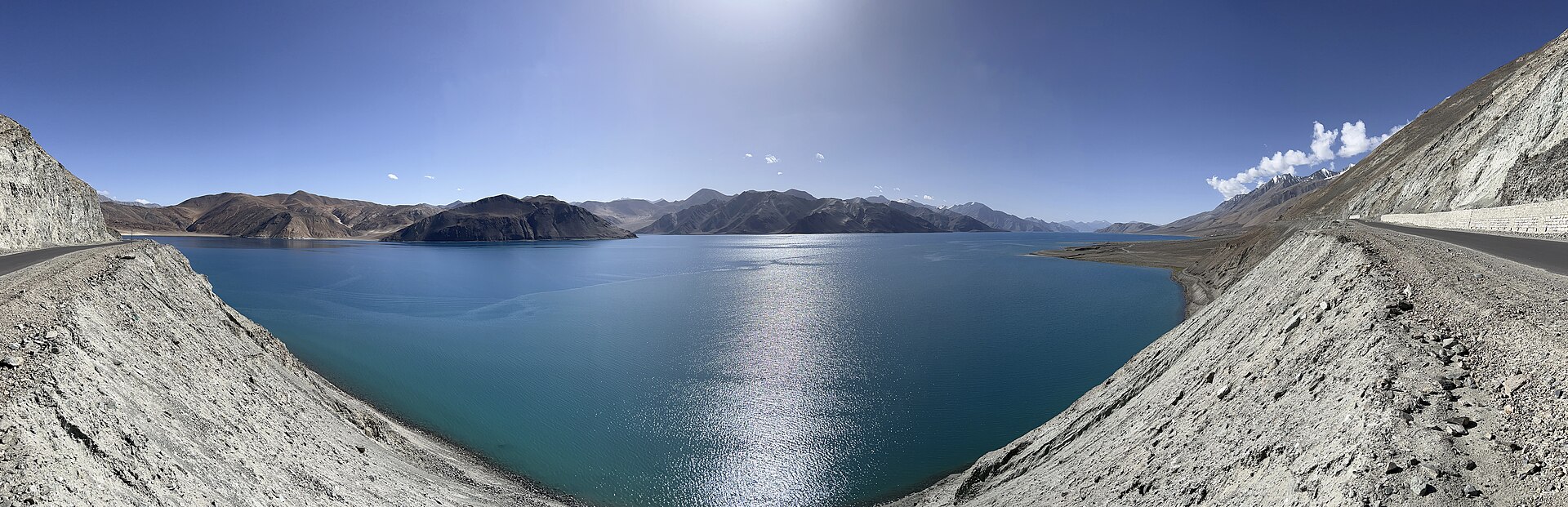
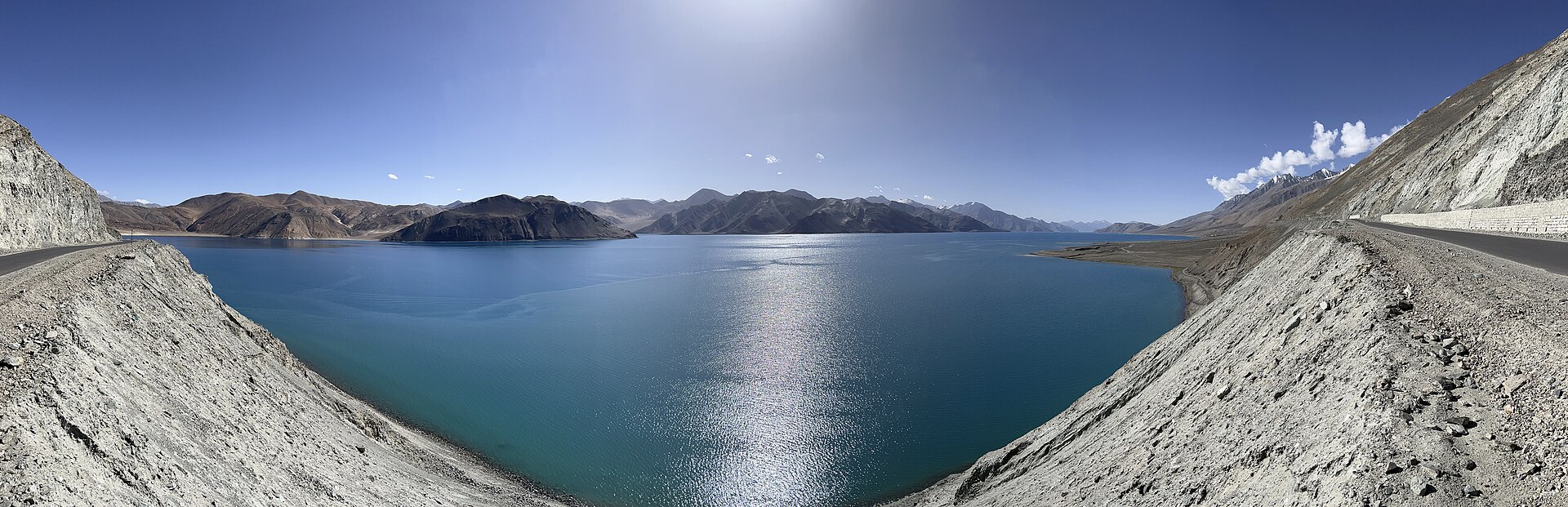
The beautiful expanse of Pangong Tso.Photo: Krzysztof Popławski · CC BY 4.0
I have heard the name of this lake butchered by tourists in at least ten different ways. In the cafes of Leh, you hear 'Pang-gong', 'Pan-gone', or even a clumsy 'Pang-ong'. It is a common source of mild amusement for our local drivers, but getting it right is a sign of respect for the land.
The truth is that learning how to pronounce Pangong Tso is fairly simple once you understand that it is derived from Tibetan. Let us clear up the confusion and help you sound a little less like a standard tourist and a little more like a seasoned explorer.
Breaking down the pronunciation
Start with 'Pang'. Think of the 'a' sound like the word 'father'. It is a crisp, open sound. The second part, 'gong', is soft; you don't over-pronounce the 'g' at the end. It is a gentle closing of the throat, almost like a whisper.
Then we reach 'Tso'. This is where most people stumble. The 'Ts' is a single sound—a sharp, aspirated 'ts' like in the word 'cats'. It is not 'So', it is not 'Cho'. It is a quick 'ts' sound followed by an 'o'. Put it together: Pang-gong-ts-o.
The meaning of Pangong Tso
In the Tibetan language, which is the root of many Ladakhi place names, 'Tso' simply means 'lake'. So when people say 'Pangong Tso Lake', they are technically saying 'Pangong Lake Lake'. It is a common linguistic redundancy, much like saying 'the Rio Grande river'.
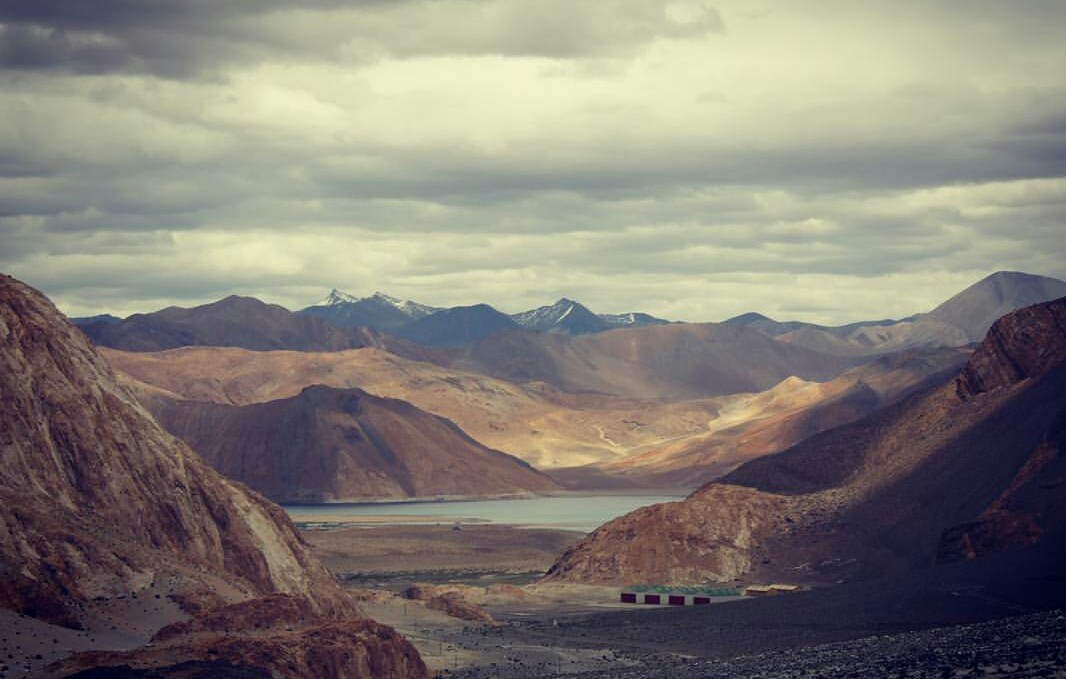
The 'Pangong' part refers to the long, narrow nature of the waterbody. It translates roughly to 'long, narrow, enchanted lake'. When you look at the way it stretches between the mountains, the name feels fitting. It is not just a destination; it is a feature of the high-altitude landscape.
Common mispronunciations to avoid
Avoid turning the 'Tso' into a 'Cho'. While some nearby regions in India have similar phonetics, the Ladakhi 'Tso' is distinct. Avoid dragging out the vowels too long, either. It is a sharp, snappy name.
Another trap is treating the two words as one long, rolling syllable. Keep the slight pause between 'Pangong' and 'Tso'. It gives the name the weight and gravity it deserves.
Why correct naming matters
Why bother getting the pronunciation right? It is about connection. When you ask a local driver for directions or chat with a homestay host, using the correct name breaks down a tiny, invisible barrier. It shows you have taken the time to understand where you are, rather than just treating it as a pin on a map.
It also helps you when you are deeper into the mountains. Many lakes in this region end in 'Tso'. If you can say 'Tso' correctly, you will find it much easier to communicate when you are looking for Tso Moriri or other smaller, hidden waterbodies.
Before you book
Language is a window into a culture. By learning how to pronounce the places you visit, you stop being a spectator and start participating in the conversation of the landscape. It is a small thing, but it changes your experience.
If you are planning your visit, keep these tips in mind. And if you are still feeling nervous about your trip logistics, we are here to help you navigate every step of the journey, from your first word to your final destination.
Planning a journey to Ladakh?
We can handle the permits and the transport, so all you have to do is enjoy the view.
View our itinerariesWritten by
Kashmir, Jammu & Ladakh specialists
We plan and run trips across Kashmir, Jammu and Ladakh every week of the year. Everything here comes from routes we drive, stays we inspect and questions our travellers actually ask.
Quick answers
Questions we get asked
Is it Pangong or Pang-gong?
It is pronounced with a distinct 'g' sound, but keep it soft. Do not over-emphasise the 'g' as if it were a hard 'g' at the start of a word.
Does Tso mean lake?
Yes, 'Tso' is the Tibetan word for lake. It is used throughout the Ladakh and Zanskar regions for various water bodies.
Why do people say Pangong Tso Lake?
It is a linguistic redundancy that has become common in English. It is technically repetitive, but locals understand what you mean.
Is it hard for locals to understand me if I say it wrong?
Most locals in the tourism industry are used to hearing it butchered. They will understand, but they will certainly appreciate the effort if you say it correctly.
Are there other 'Tso's in Ladakh?
Yes, Tso Moriri is the other famous example. Once you master the pronunciation of 'Tso', you are set for the whole region.
Photography credits
- Photo: Krzysztof Popławski · CC BY 4.0
- Photo: Kunalkumarshah · CC BY-SA 4.0
- Photo: 16paruljain · CC BY-SA 4.0
- Photo: Arindam Das · CC BY 3.0
- Photo: ThePoeticFrame · CC BY-SA 4.0
- Photo: Hugh Richardson · Public domain
- Photo: Hritik412000 · CC BY-SA 4.0