Things to Do at Pangong Tso: A Guide to the Lake's Shore
Beyond the movie spots and the blue water: how to experience Ladakh's famous high-altitude lake properly.
A comprehensive guide to things to do in Pangong Tso, from exploring remote villages like Merak to ethical birdwatching and photography.
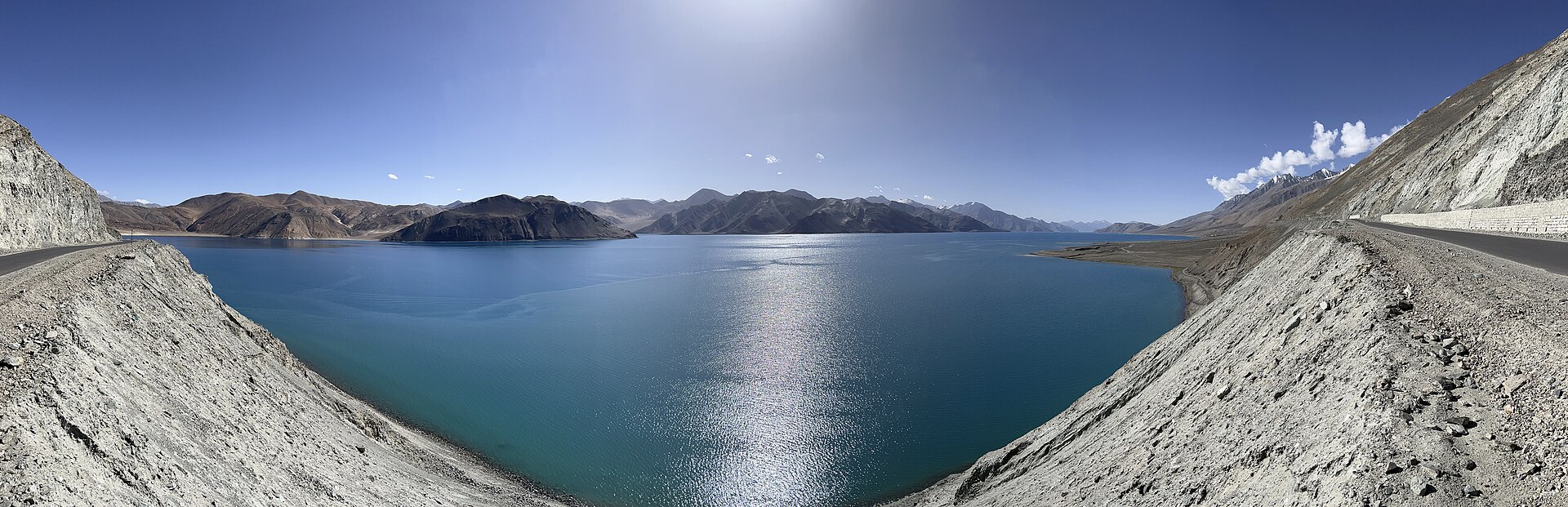
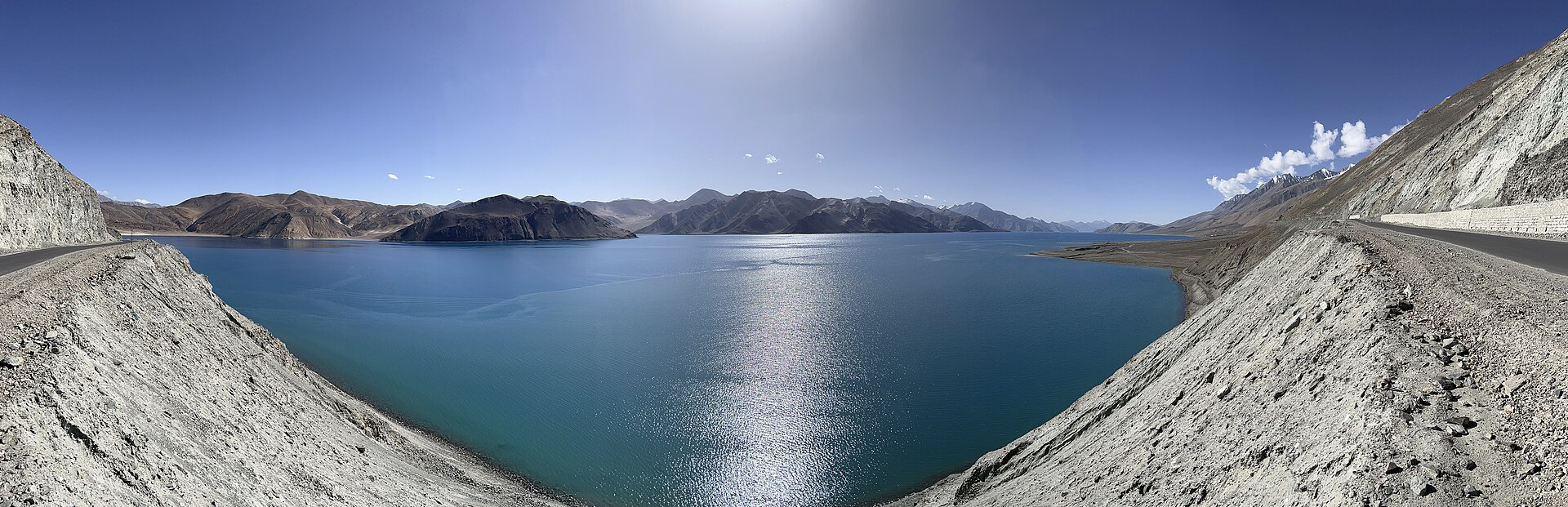
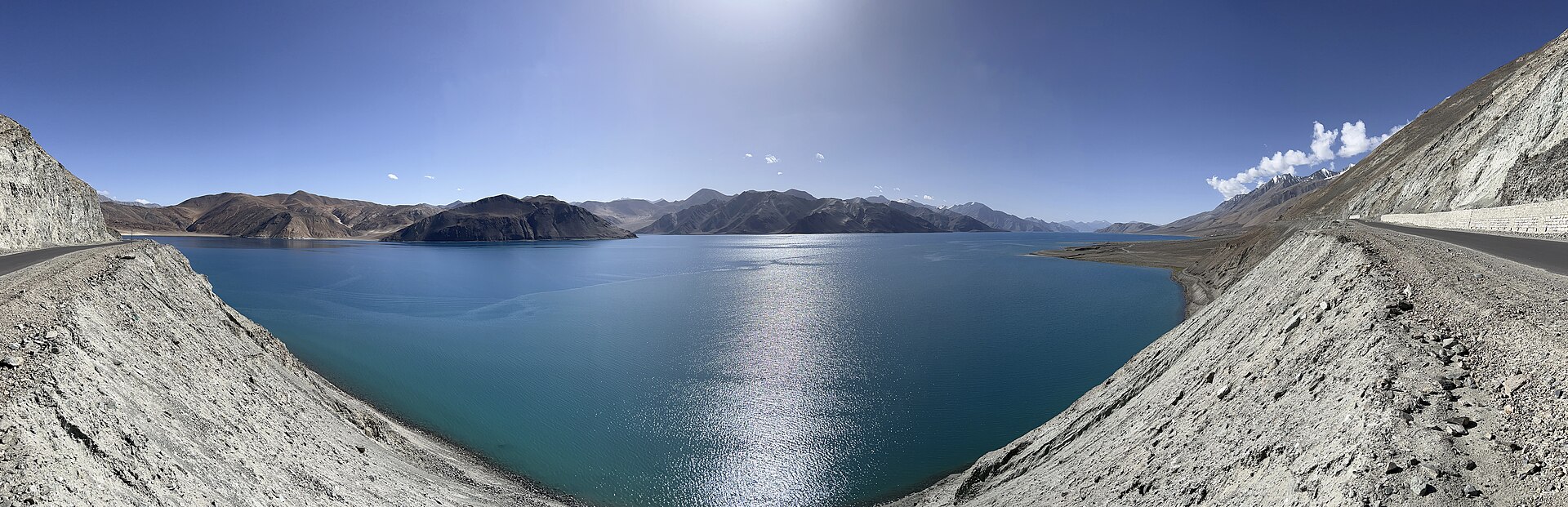
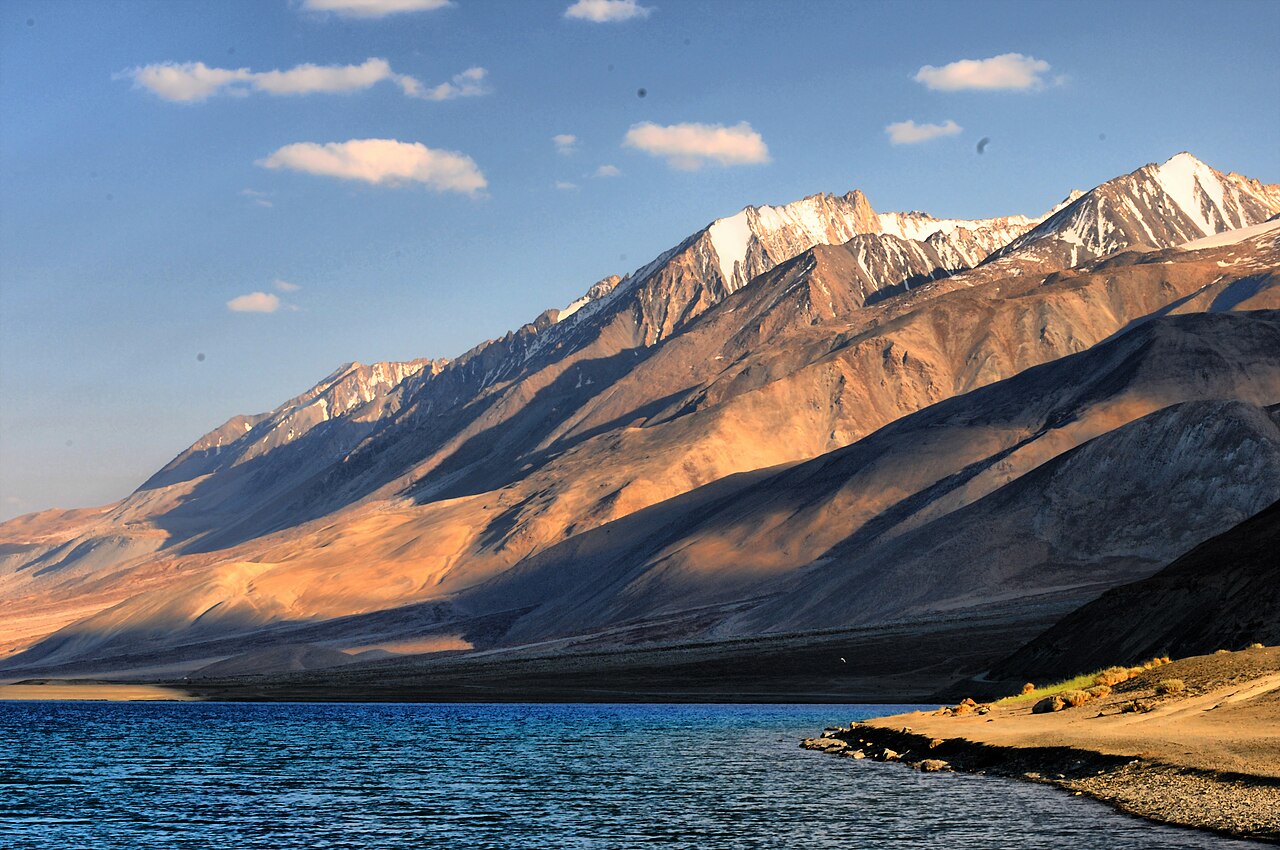
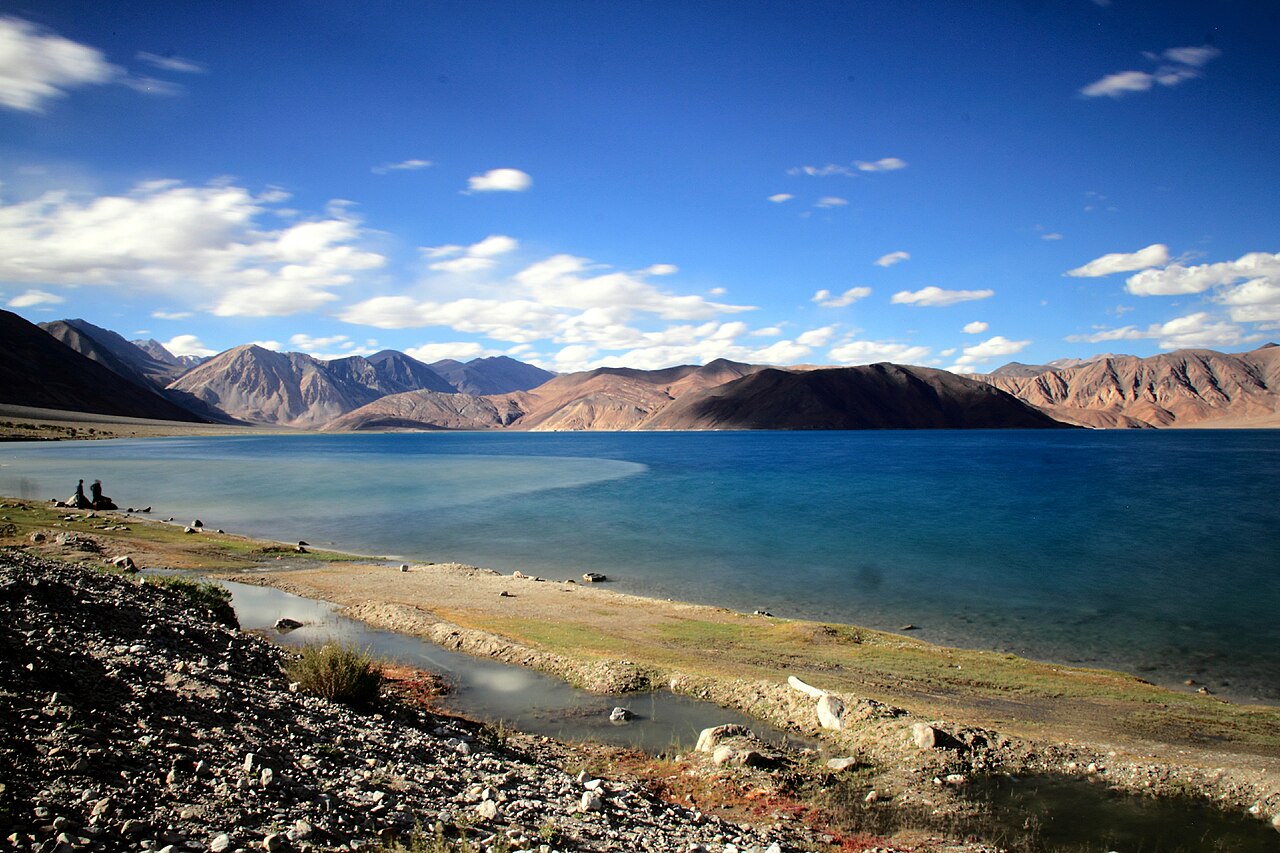
The striking blue waters of Pangong Tso stretch out towards the Tibetan mountains.Photo: Krzysztof Popławski · CC BY 4.0
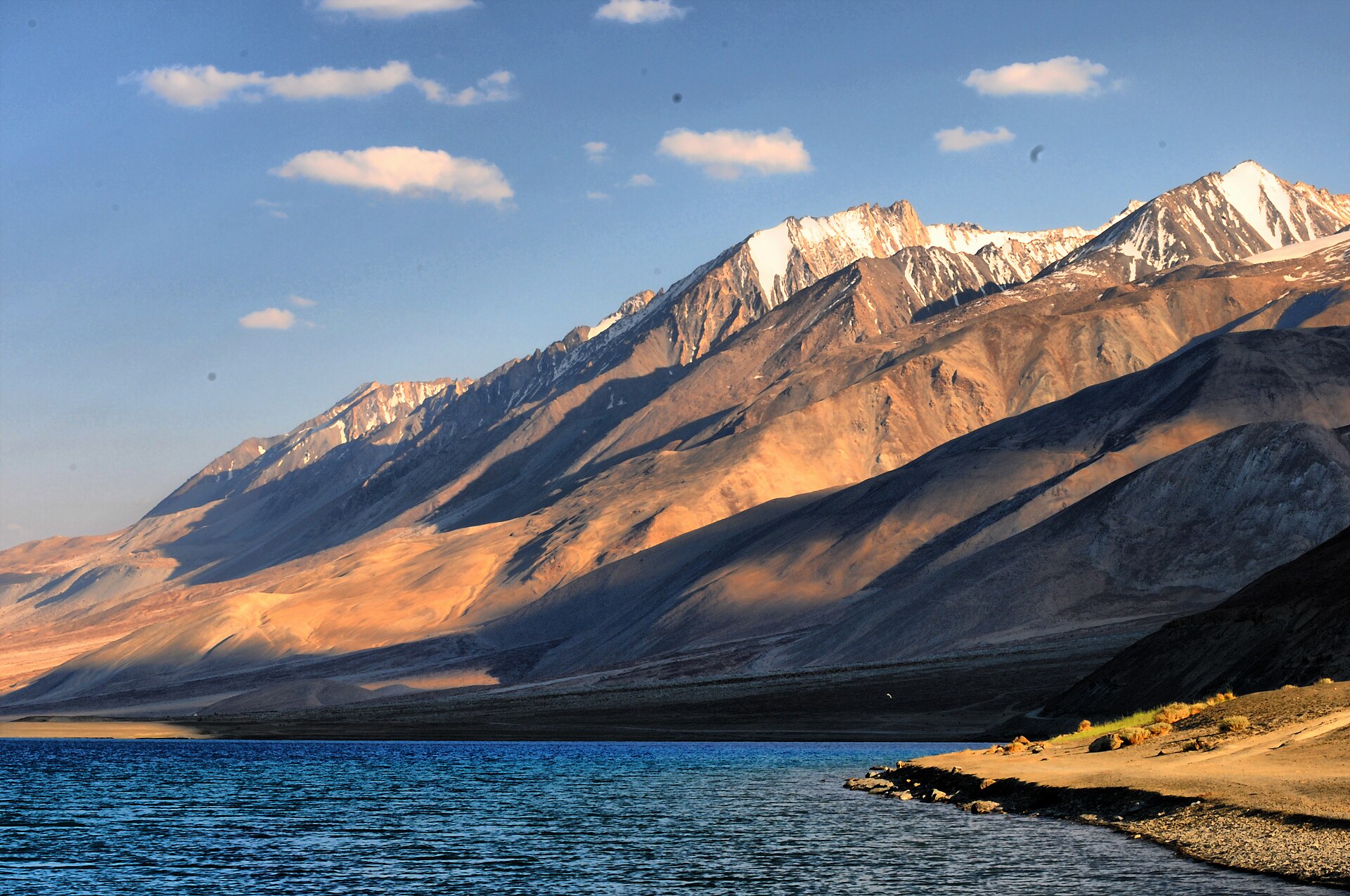
The blue of Pangong does not sit still on the water. It shifts from pale turquoise to a deep, bruised navy depending on where the sun hits the ridges of the Changthang plateau and how hard the wind is coming off the Tibetan side.
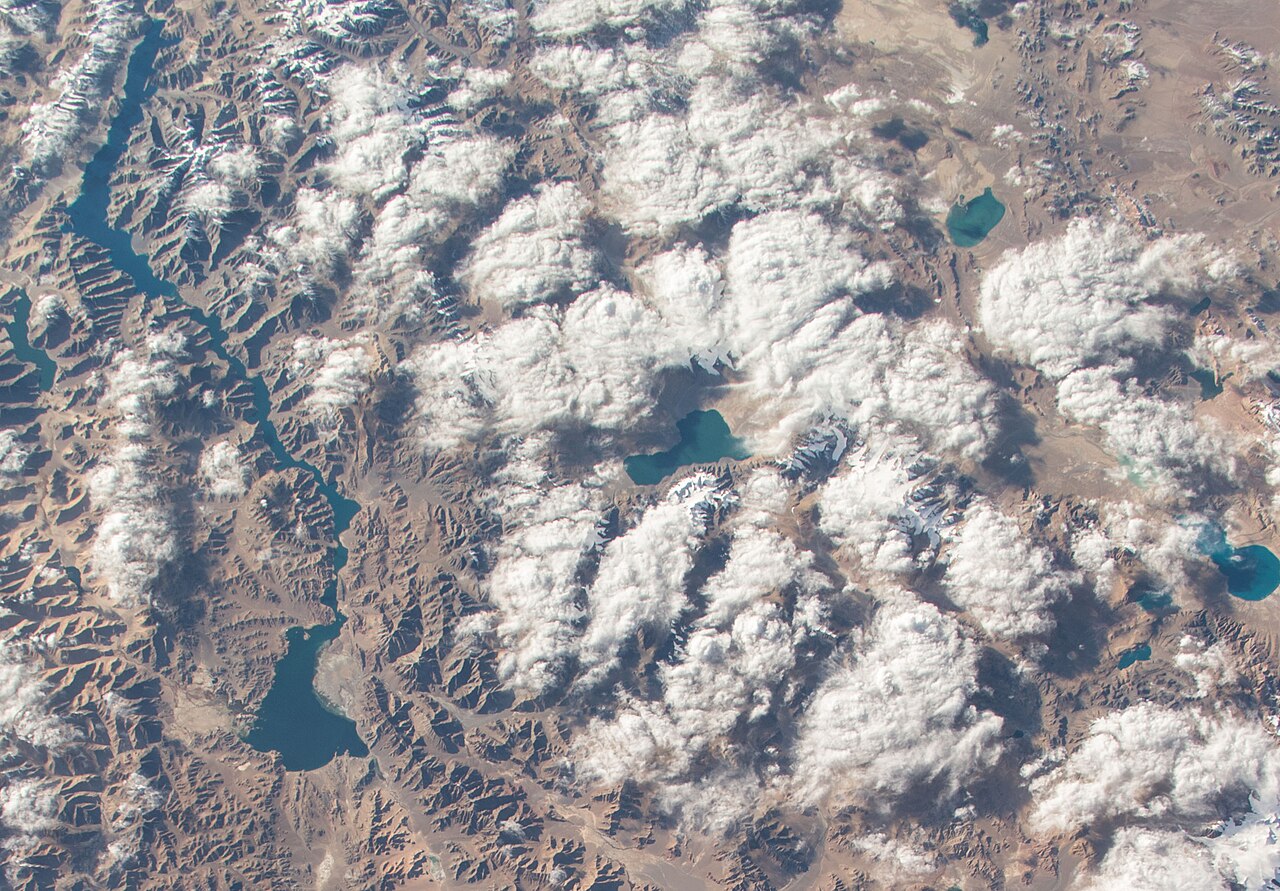
Most visitors arrive via the Changla pass, take a walk along the crowded stretch near Spangmik, pose with the yellow scooter from a Bollywood film, and head back to Leh before dark. That approach misses almost everything that makes this 134-kilometre-long brackish lake worth the jarring six-hour drive.
When we send travellers out toward the borderlands, we encourage them to slow down, stay overnight in a homestay, and look beyond the obvious viewpoints. Here is a practical guide to the real things to do in Pangong Tso.
Experiencing the Ever-Changing Lake Colours
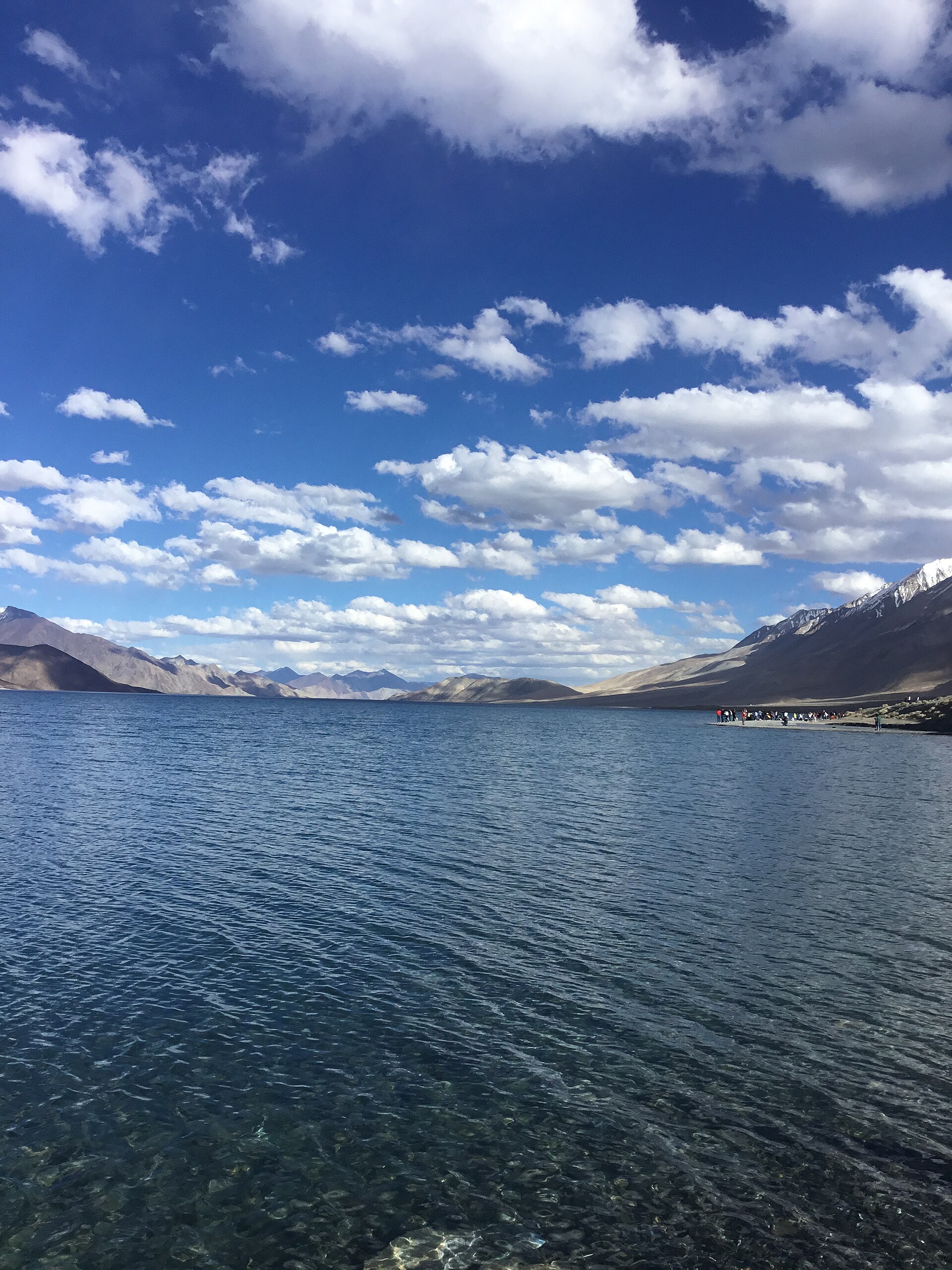
You can spend hours sitting on the shingle beach watching the water colour change without a single repetition. The high mineral content and intense sunlight create an optical shift that tricks your eyes.
The best way to experience this is to walk away from the main camp clusters near the shore entrance. Follow the gravel track eastward towards Man or westward back towards Lukung where the tourist jeeps rarely stop.
Morning light is sharp and clear, casting long shadows from the arid mountains straight into the water. By mid-afternoon, the wind picks up, kicking up tiny whitecaps that catch the glare.
Exploring the Shoreline Beyond Spangmik
Spangmik is where most tented camps sit, but the shore stretches much further than most people realise. Driving past Spangmik towards Man and Merak is where the landscape truly opens up.
The road deteriorates into a rough dirt track past the village, hugging the water's edge so closely that your tyres kick up spray from the lake. You will pass lonely mani stone walls carved with Tibetan mantras, their red and white paint stark against the brown earth.
Keep an eye out for wild horses and herds of pashmina goats grazing on the sparse scrubby grass near the shore. The silence out here is absolute, broken only by the whistling of the plateau wind.
Walking the Shingle Beaches
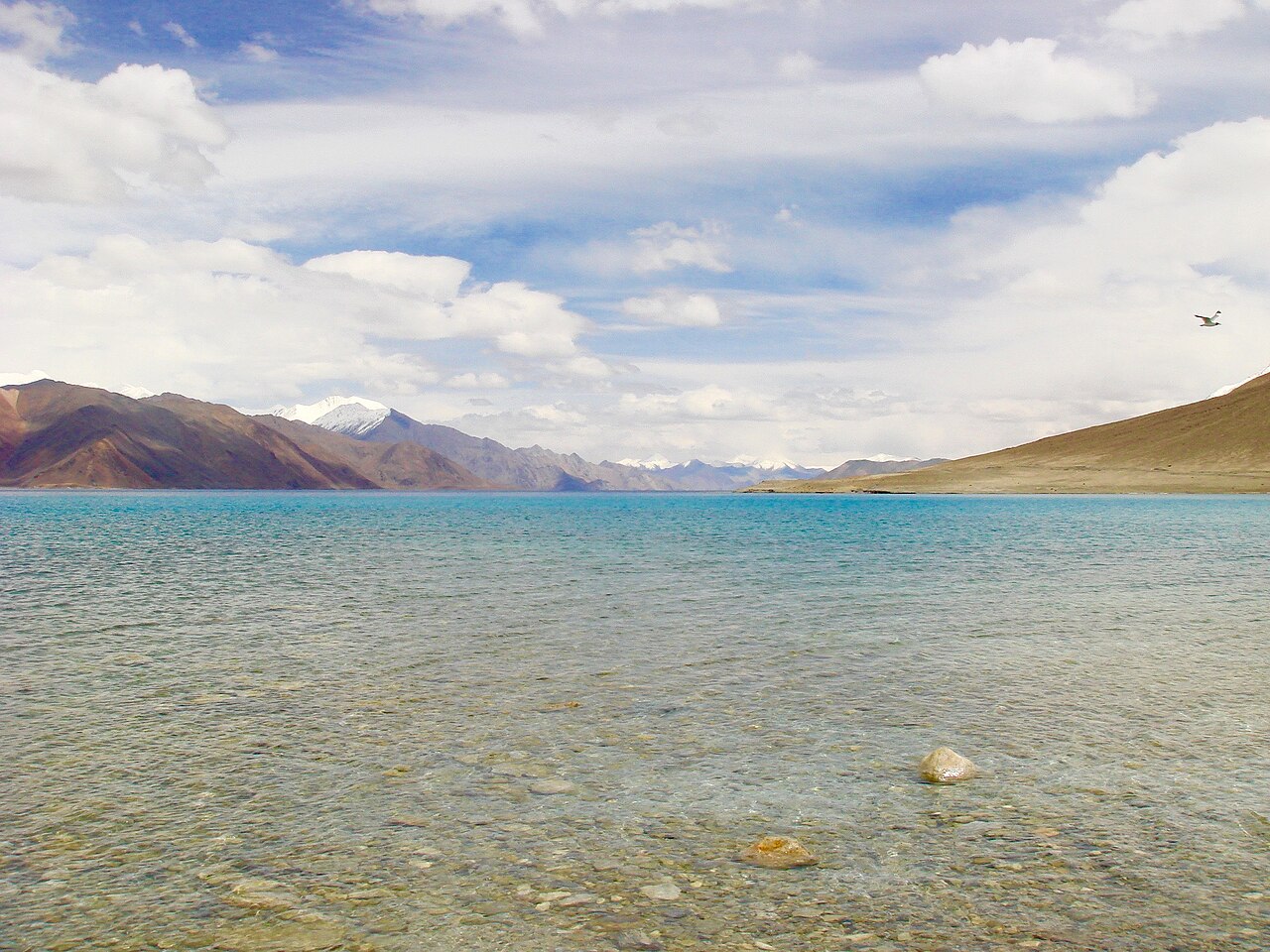
The shoreline is made of smooth, grey-blue shale and rounded stones rather than sand. Walking along the edge requires sturdy boots to prevent rolled ankles, but the reward is finding undisturbed spots where the water laps gently against the pebbles.
Finding Quiet Coves
If you hike up the low hills behind the shore, you can find small protected coves where the wind drops entirely. Sitting here out of the gale lets you hear the distinct lapping sound of the waves.
Visiting Remote Villages: Merak and Beyond
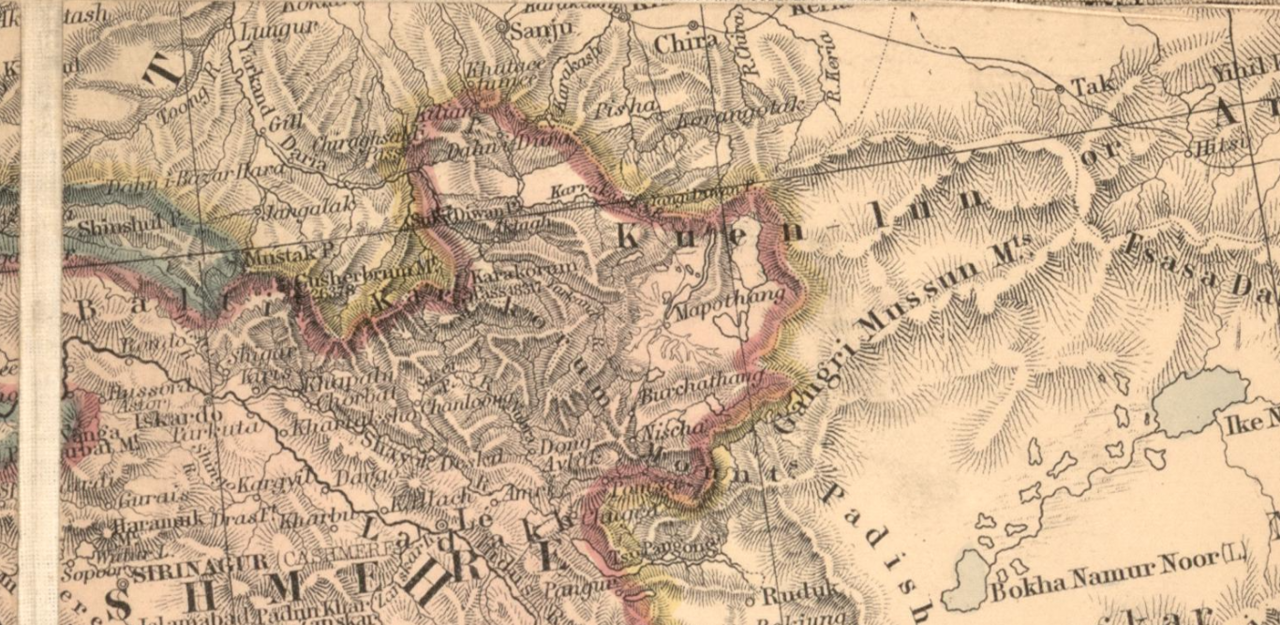
If you have the permit and the time, driving all the way to Merak village is essential. Located just a few kilometres from the Line of Actual Control, Merak is a cluster of traditional stone houses surrounded by small walled barley fields.
Life here is governed by extreme winters and brief summers. Solar power has transformed the village in recent years, but the rhythm remains tied to livestock and the lake.
Staying in a local family homestay here gives you a window into Changpa culture that you will never get from a commercial luxury camp. You will drink butter tea heated over a dung stove and share stories by candlelight.
Birdwatching at High Altitude
Pangong Tso is a crucial breeding ground for several high-altitude bird species. Despite the brackish water and harsh climate, summer brings a surprising variety of avian life to the marshes and inlets.
You can spot bar-headed geese nesting on the small rocky islets near the shore, their distinctive striped heads unmistakable through a zoom lens. Brahminy ducks, great crested grebes, and occasionally black-necked cranes can also be seen if you remain patient and quiet.
Dawn is the best hour for birdwatching before the winds churn up the lake surface and send the birds seeking shelter in the protected bays.
Photography Tips for Pangong Tso
Photographing a landscape this vast presents unique challenges. Scale is difficult to capture because there are no trees or familiar architectural landmarks to give the eye a frame of reference.
Always include a human element, a vehicle, or a traditional stone wall in your foreground to anchor the shot and show the true scale of the surrounding mountains.
Battery drain is severe at 4,350 metres due to the cold temperatures, even in summer. Keep your spare camera batteries inside your inner jacket pocket close to your body heat.
Before you book
Pangong Tso demands respect for its altitude, its fragile ecosystem, and its remote border location. When you treat the journey as an exploration rather than a quick photo stop, the lake reveals its true character.
Let us help you arrange your permits, secure comfortable homestays, and plan a sensible driving route across Ladakh. Reach out to our team today.
Plan Your Ladakh Journey with Us
We handle permits, experienced drivers, and authentic stays for your trip to Pangong Tso and beyond.
Contact Our TeamWritten by
Kashmir, Jammu & Ladakh specialists
We plan and run trips across Kashmir, Jammu and Ladakh every week of the year. Everything here comes from routes we drive, stays we inspect and questions our travellers actually ask.
Quick answers
Questions we get asked
Do I need a permit to visit Pangong Tso?
Yes, Indian nationals and foreign tourists both require an Inner Line Permit to visit Pangong Tso, which can be arranged online or through a registered travel agent in Leh.
Can I drive all the way to Merak village?
Yes, standard vehicles can reach Merak, though the road past Spangmik is a rough unpaved track that requires careful driving and high clearance.
Is swimming allowed in Pangong Tso?
Swimming is strictly discouraged due to the freezing water temperatures, high altitude risks, and respect for the fragile local ecosystem.
What kind of wildlife can I see near the lake?
You can spot marmots, kiang (wild Tibetan asses), pashmina goats, and various waterbirds including bar-headed geese and Brahminy ducks.
How cold does it get at night near the lake?
Even in mid-summer, night temperatures frequently drop close to freezing, requiring heavy blankets or thermal sleeping gear.
Photography credits
- Photo: Krzysztof Popławski · CC BY 4.0
- Photo: ThePoeticFrame · CC BY-SA 4.0
- Photo: Kashmir photographer · CC BY-SA 4.0
- Photo: Edward Stanford Ltd., established in 1853 by Edward Stanford (1827–1904),Stanford's Geographical Establishment, London. · Public domain
- Photo: Akash Satpathy · CC BY-SA 4.0
- Photo: Fulvio Spada from Torino, Italy · CC BY-SA 2.0
- Photo: Earth Science and Remote Sensing Unit , Lyndon B. Johnson Space Center · Public domain