The Best Time to Visit Pangong Tso: Seasonal Weather Guide
Navigating altitude, road openings, and frozen shores across the Ladakh calendar.
An honest seasonal guide to finding the best time to visit Pangong Lake, covering summer accessibility, autumn colours, and winter ice.
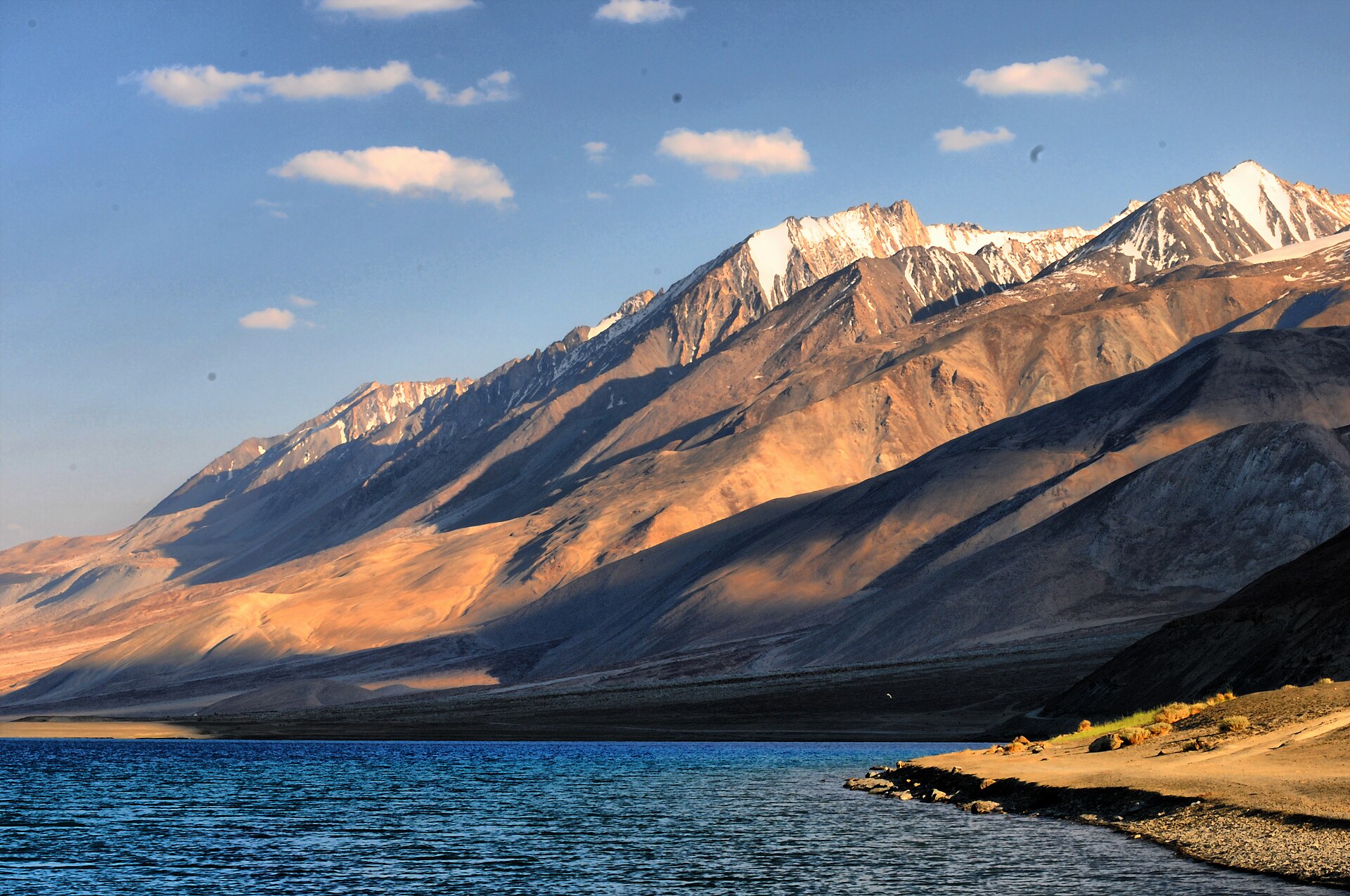
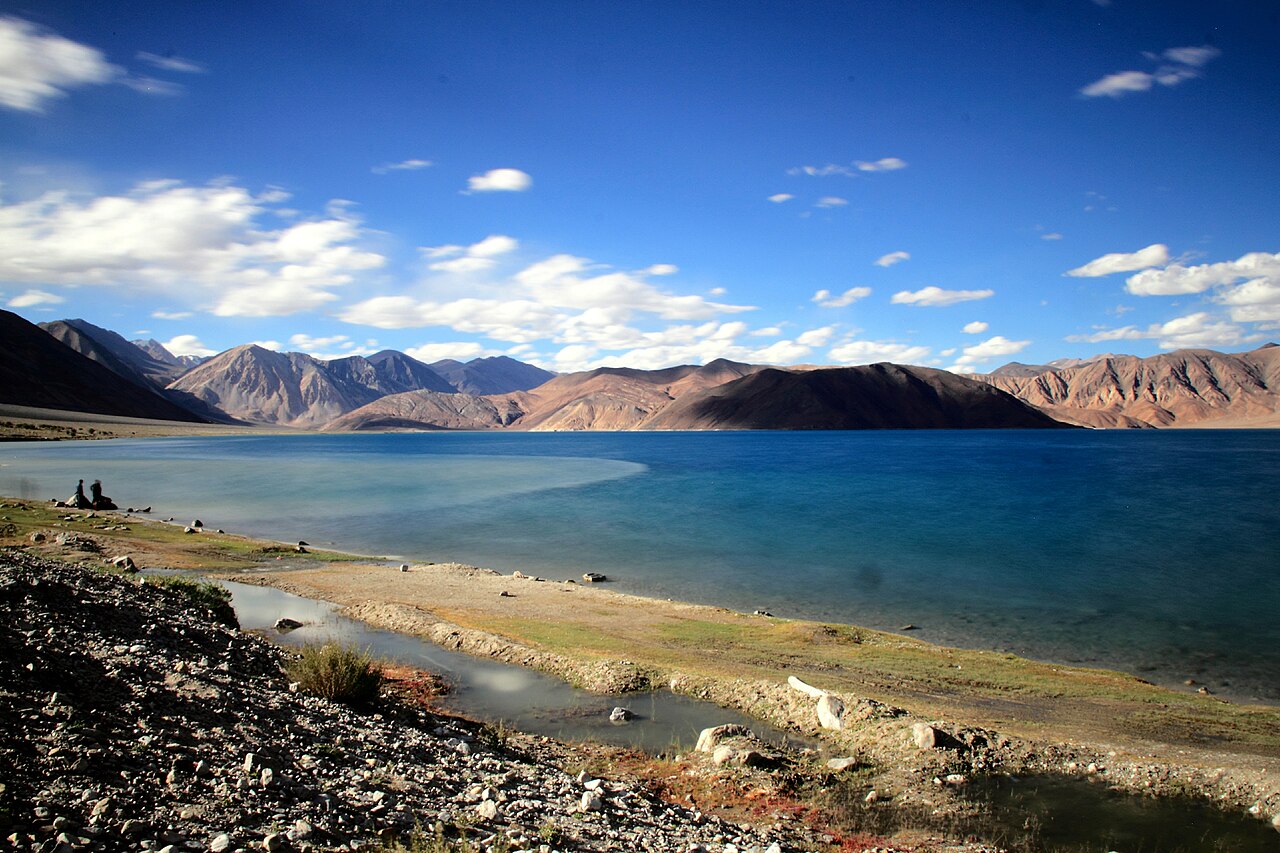
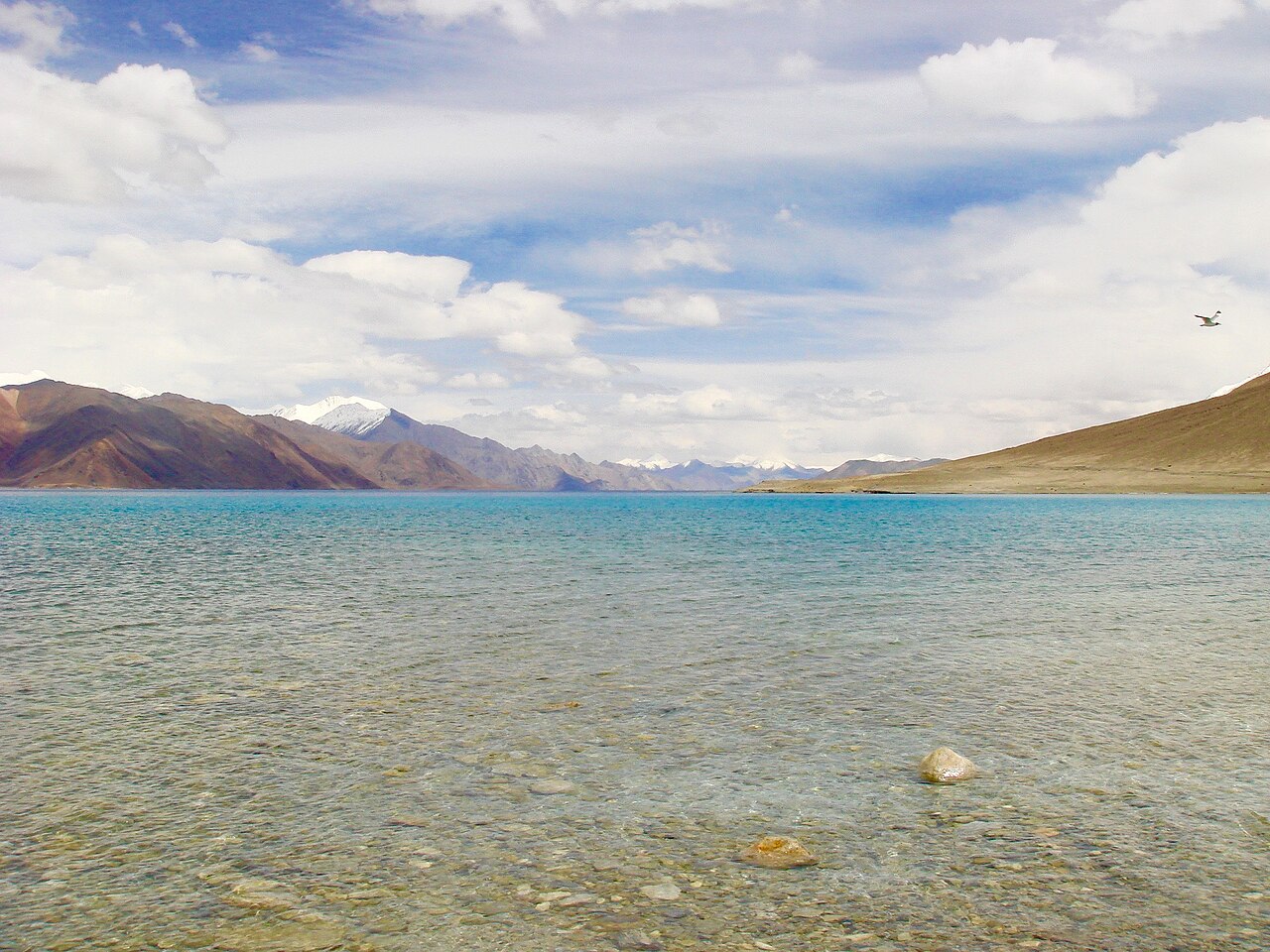
Summer brings calm reflections and accessible roads to the shores of Pangong Tso.Photo: Kashmir photographer · CC BY-SA 4.0
Ice forms on the margins of Pangong as early as November, thick enough to hold a dog's weight.
Ice forms on the margins of Pangong as early as November, thick enough to hold a dog's weight, and by January the entire 134-kilometre expanse freezes into a solid sheet of salt-laced crystal that turns blinding white under the winter sun.
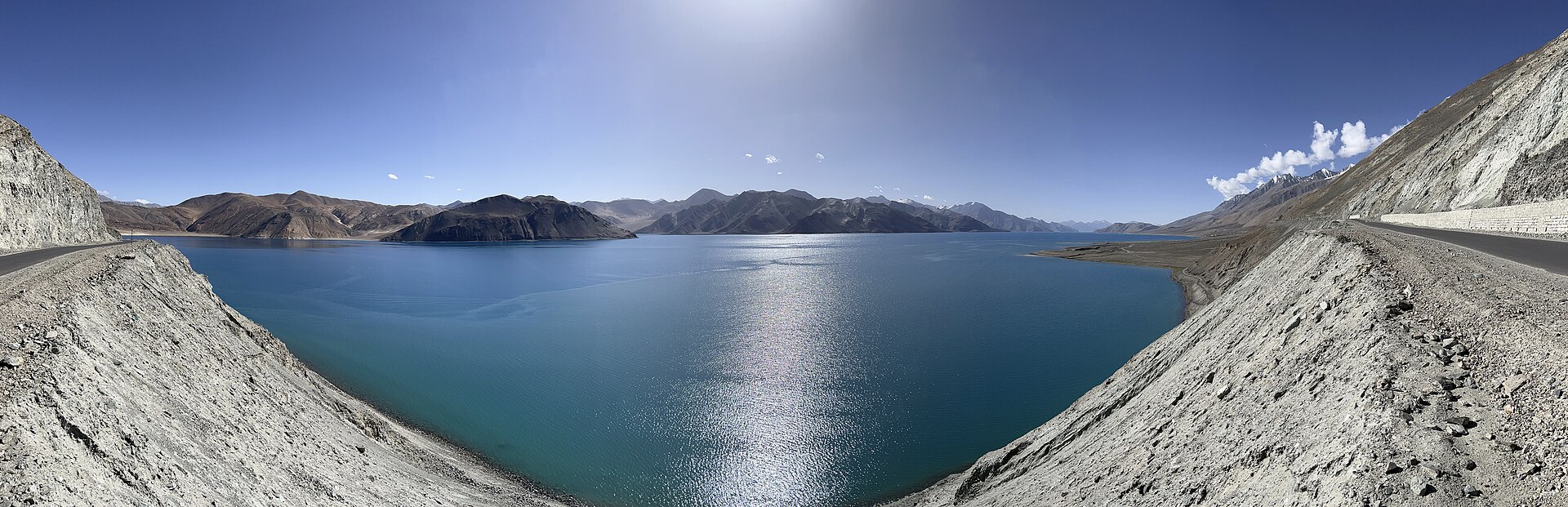
Most travellers do not see that version of the lake. They see the turquoise mirror of July when the mountain passes are clear of snow and the guesthouses along the shore are humming with generators.
Choosing the best time to visit Pangong Lake requires balancing your tolerance for cold against your desire for clear roads and open amenities. Here is how the year unfolds at 4,350 metres.
Understanding the High-Altitude Seasons in Ladakh
Unlike the rest of India, Ladakh operates on two primary seasons: a brief summer window when tourism is possible, and a long, punishing winter when most of the high-altitude infrastructure shuts down completely.
Spring and autumn are fleeting here, lasting only a few weeks each. The transition months catch many travellers off guard because a sudden blizzard over the Changla pass can trap vehicles for hours even in late May.
Understanding this rhythm is essential before you book your flights to Leh. The weather does not negotiate with hotel bookings.
Visiting in Summer for Reliable Accessibility
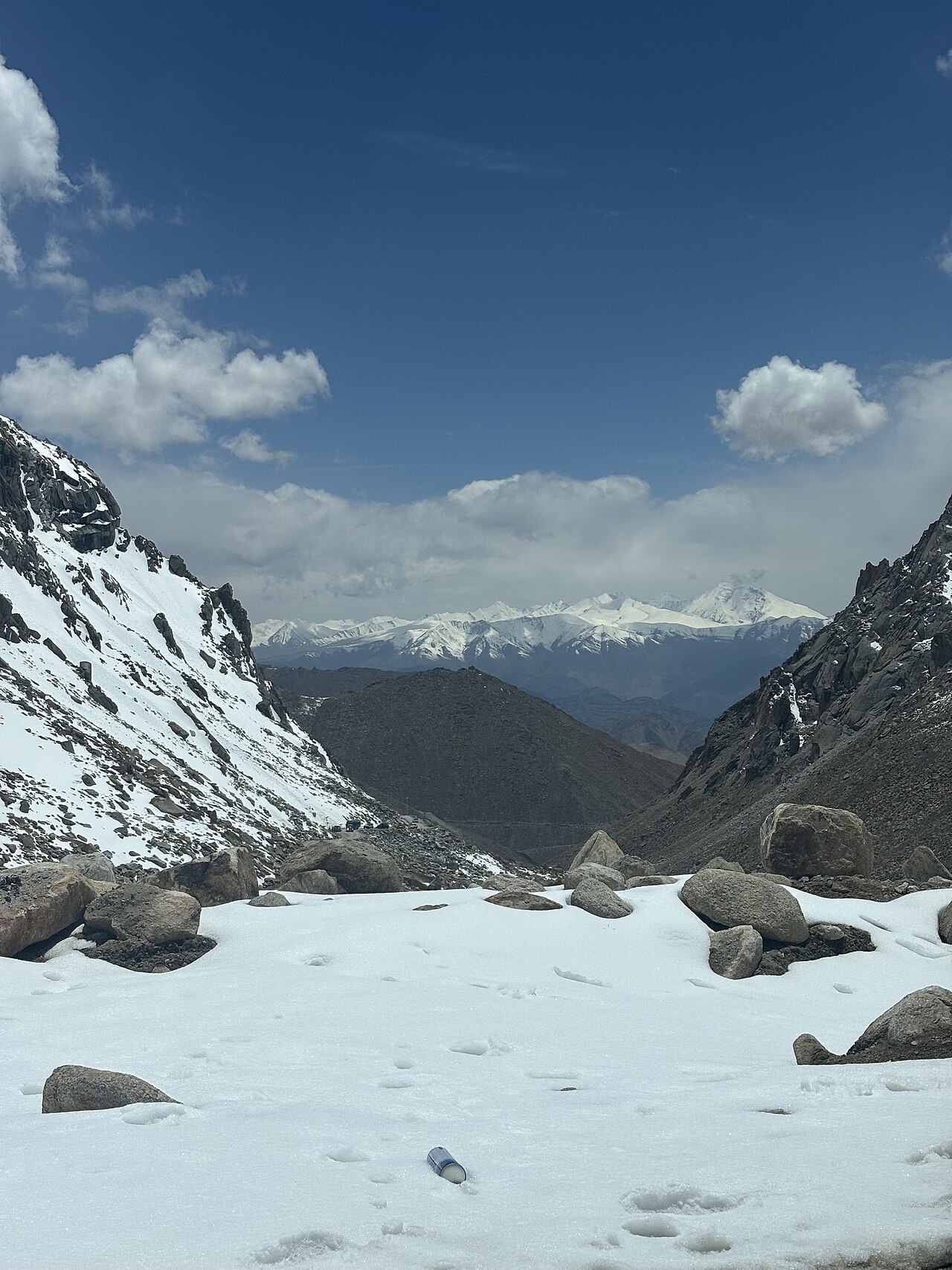
June through September is the undisputed peak season and the practical answer for most visitors. Daytime temperatures at the lake hover around 15 to 20 degrees Celsius, and the sun feels fierce and direct through the thin mountain air.
The mountain passes, including Changla and Khardung La, are fully cleared and open. Tented camps are operational, running hot water systems and serving hot meals in central dining tents.
The main trade-off is the crowds. Convoys of rental SUVs arrive daily from Leh, filling the shore around Spangmik with engine noise and foot traffic during the afternoon hours.
The Golden Quiet of Autumn at the Lake
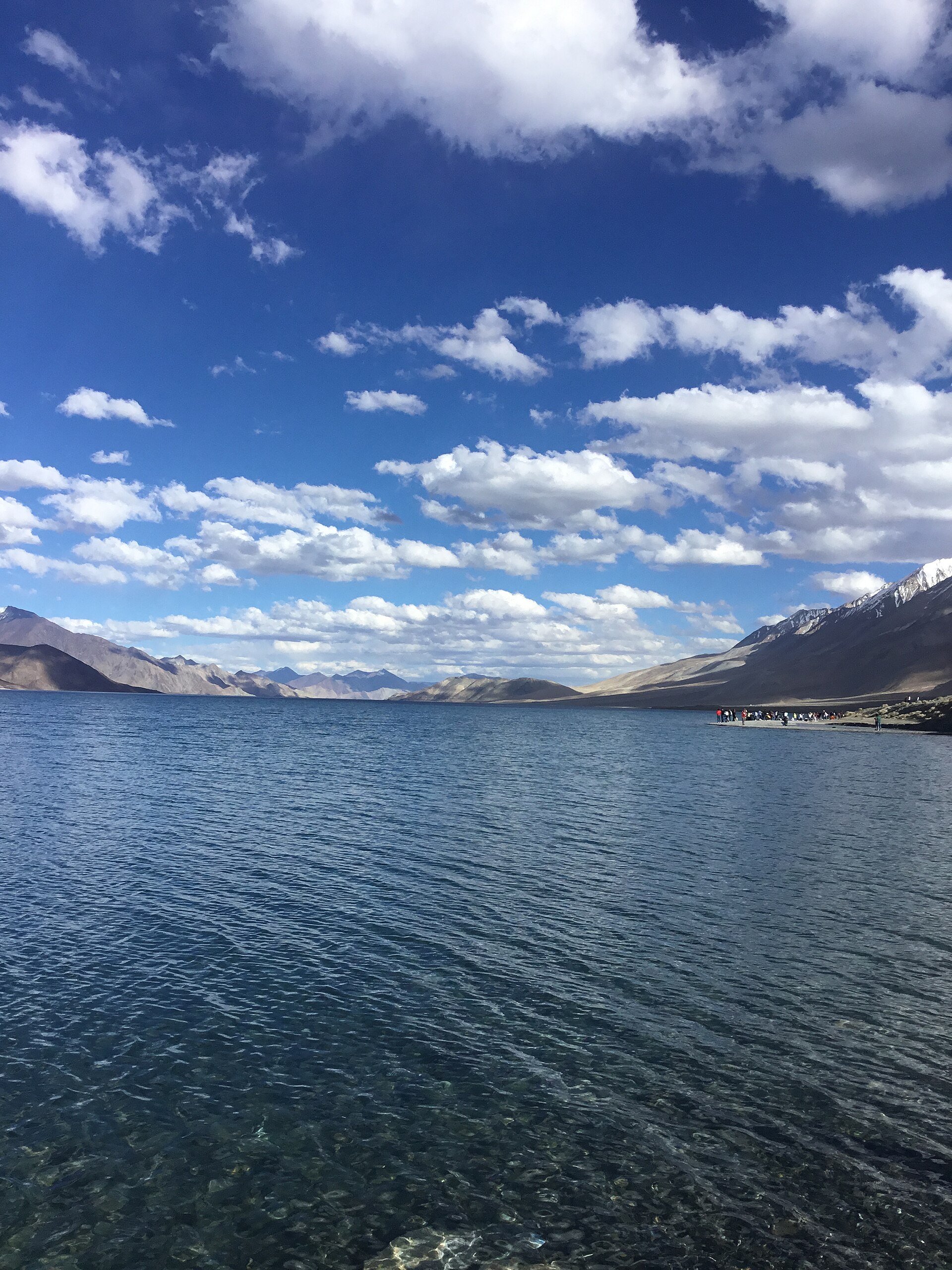
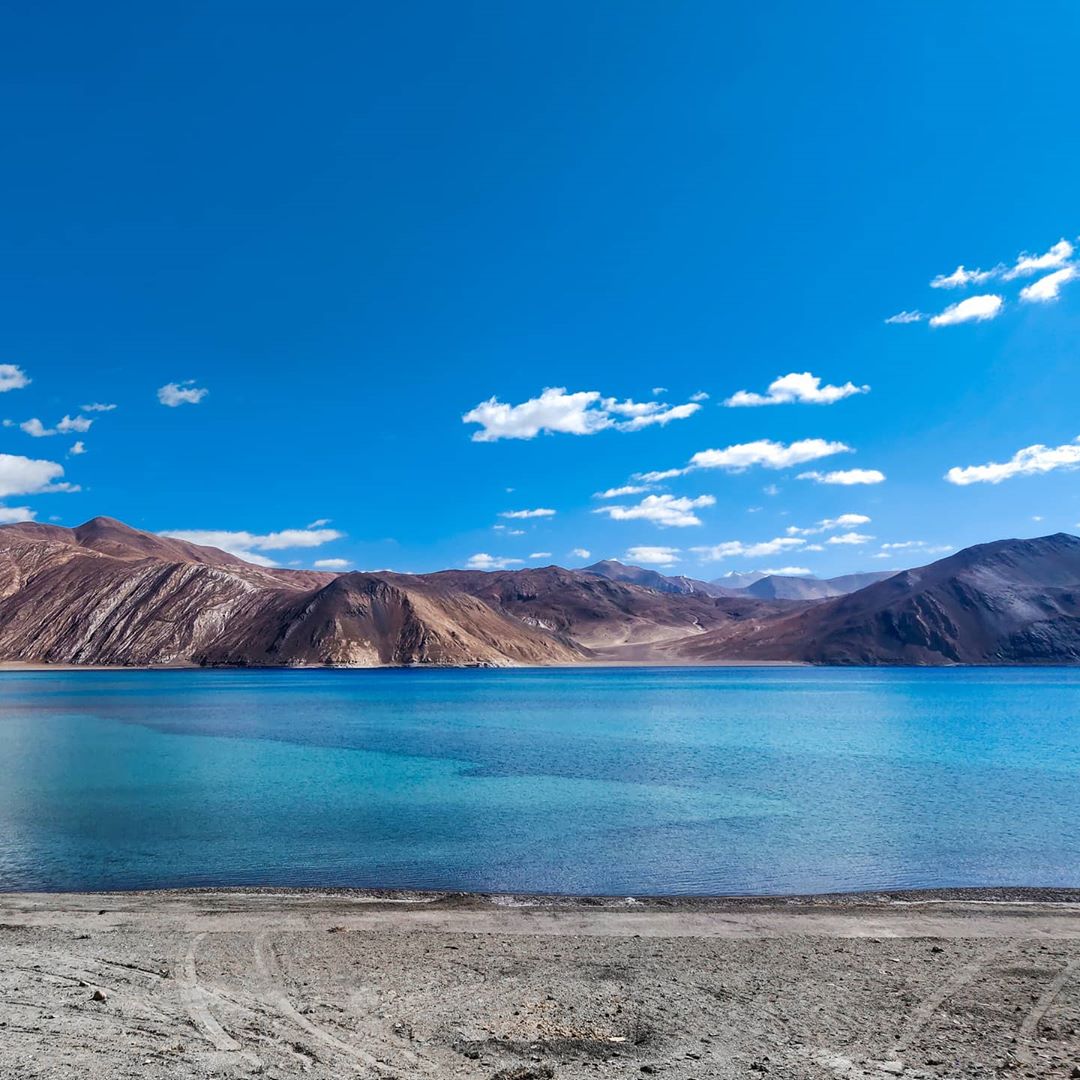
By late September and into October, the tourist rush evaporates. The air turns bone-dry and exceptionally crisp, offering some of the sharpest mountain visibility of the entire year.
Daytime temperatures drop sharply to around 5 to 10 degrees Celsius, and nights plunge well below freezing. Many of the permanent tented camps begin packing up their canvas for the winter, leaving only a few homestays open in villages like Man and Merak.
If you are prepared for the cold and want to photograph the lake without tour groups blocking your frame, this shoulder window is unmatched.
Why Winter Brings Frozen Challenges
Winter at Pangong Tso—from November to March—is strictly for experienced expedition travellers. Temperatures regularly drop to minus 20 degrees Celsius or lower.
Most guesthouses close entirely, running water pipes freeze solid, and oxygen levels feel even harsher due to the bitter cold. Reaching the lake requires negotiating snow-blocked passes where black ice makes driving perilous.
Those who make the journey are rewarded with a surreal landscape: a silent, frozen ocean of ice framed by snow-dusted peaks, where you can occasionally spot wolves or snow leopards prowling the ridges.
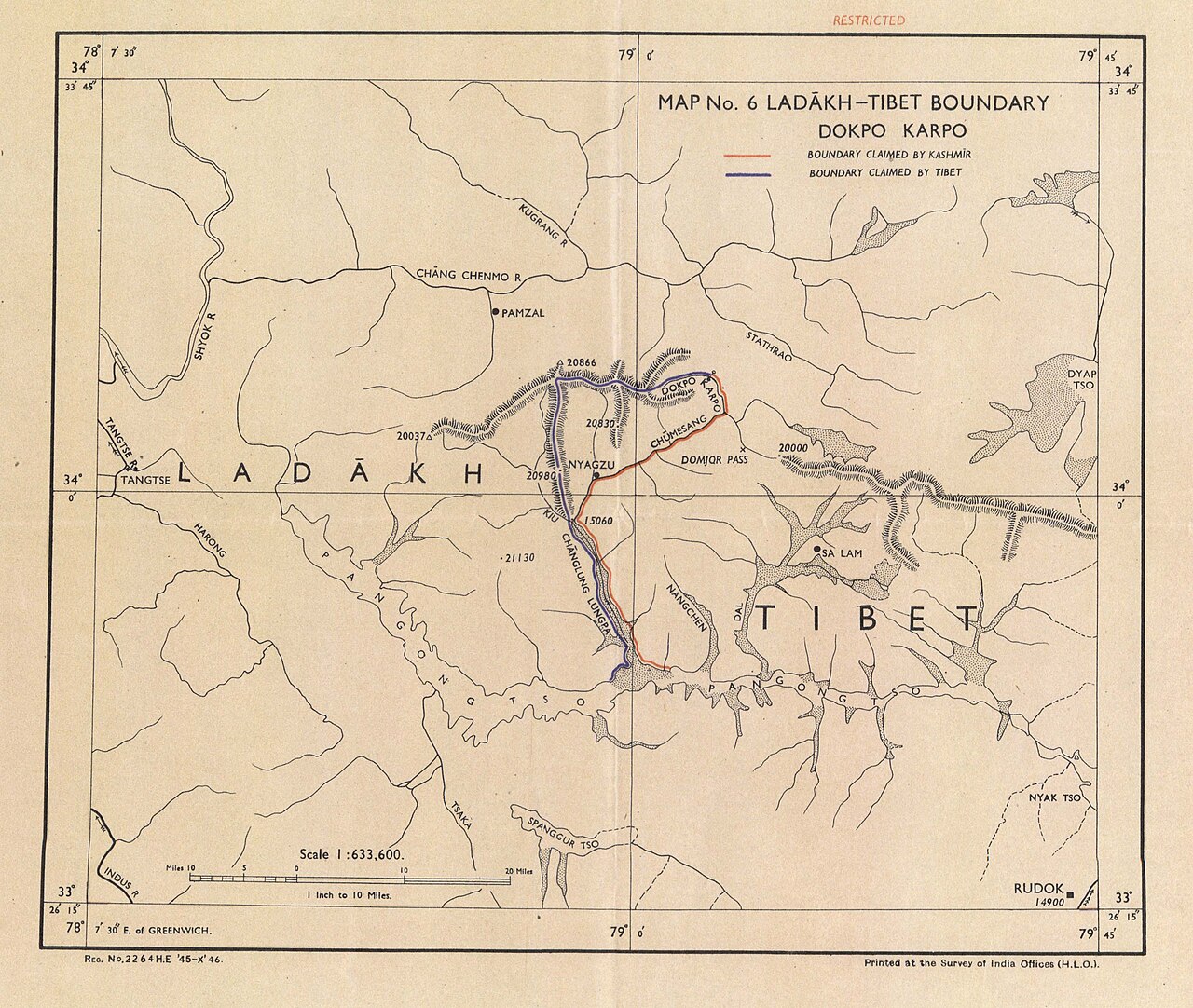
Monthly Weather Overview for Planners
May marks the tentative opening of the summer season, though ice still clings to parts of the shoreline. June and July offer the most stable weather and warmest daytime temperatures.
August brings occasional unpredictable storms that sweep across the plateau from the north. September and October offer clear skies but rapidly dropping temperatures.
We help our clients choose their exact travel dates based on whether they prioritize warm weather, empty roads, or specific photography goals.
Before you book
Choosing when to see Pangong Tso comes down to what kind of traveler you are. Whether you want the lively summer blue or the stark, frozen silence of winter, respect the altitude and the weather above all else.
Let our team help you design a safe, well-paced Ladakh itinerary tailored to the exact month you want to travel. Contact us to start planning.
Plan Your Seasonal Ladakh Trip
Speak with our local specialists to coordinate permits, drivers, and safe travel timelines for Ladakh.
Talk to Our ExpertsWritten by
Kashmir, Jammu & Ladakh specialists
We plan and run trips across Kashmir, Jammu and Ladakh every week of the year. Everything here comes from routes we drive, stays we inspect and questions our travellers actually ask.
Quick answers
Questions we get asked
What is the best month to visit Pangong Lake?
July and August offer the warmest weather and fully open roads, while June and September offer fewer crowds with good accessibility.
Can I visit Pangong Lake in January?
Yes, but it requires specialized winter gear, permits, experienced drivers, and staying in heated homestays since most camps are closed.
How cold does Pangong get in summer?
While daytime temperatures reach around 20°C in the sun, night temperatures often drop to 2°C to 5°C, requiring warm layers.
Are the roads to Pangong open year-round?
The Changla pass can experience temporary winter closures due to heavy snowfall, occasionally cutting off road access for days at a time.
Does altitude sickness happen at the lake?
Yes, Pangong Sits at 4,350 metres, so proper acclimatisation in Leh for at least two days before visiting is essential to prevent severe AMS.
Photography credits
- Photo: Kashmir photographer · CC BY-SA 4.0
- Photo: ThePoeticFrame · CC BY-SA 4.0
- Photo: Puneetripti · CC0
- Photo: Fulvio Spada from Torino, Italy · CC BY-SA 2.0
- Photo: Hritik412000 · CC BY-SA 4.0
- Photo: Hugh Richardson · Public domain
- Photo: Akash Satpathy · CC BY-SA 4.0