Is Achabal Garden open today?
Essential planning advice for visiting the Mughal springs of Anantnag.
Wondering if Achabal Garden is open today? Get the latest on operating hours, seasonal access, and travel tips for this historic site in Anantnag.
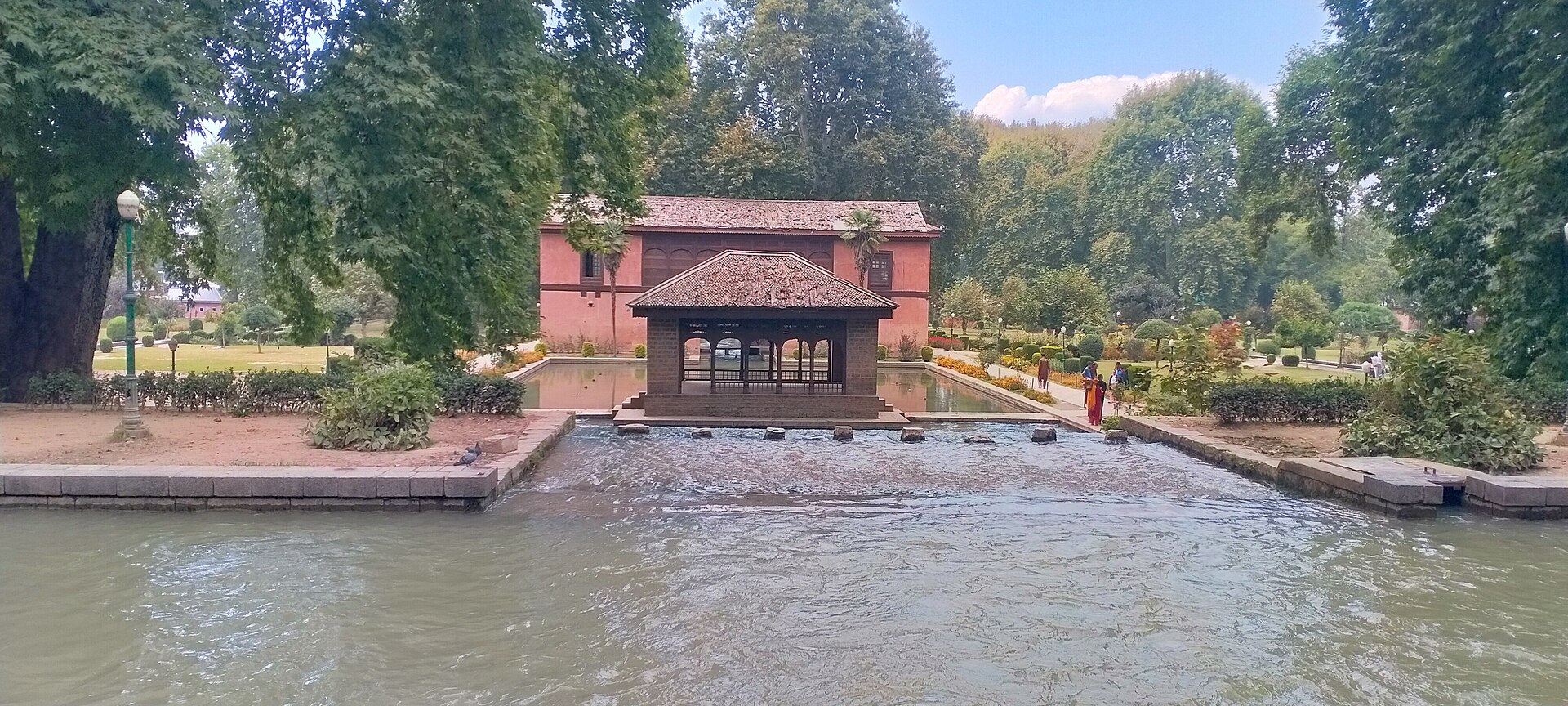
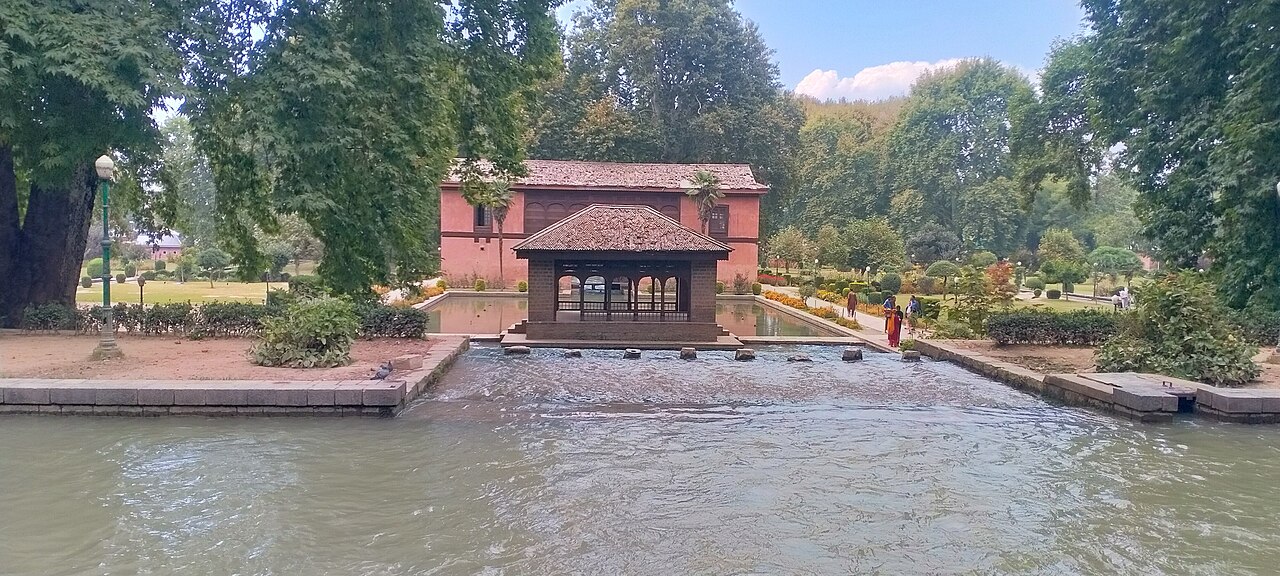
The spring-fed water channels of Achabal offer a quiet retreat in southern Kashmir.Photo: KahkashaaN · CC BY-SA 4.0
I remember pulling up to the main gate at Achabal on a Tuesday morning in late May; the air was thick with the scent of wet chinar leaves and the insistent, cool roar of the spring water. If you are asking yourself if Achabal Garden is open today, the short answer is yes, as it operates daily throughout the year.
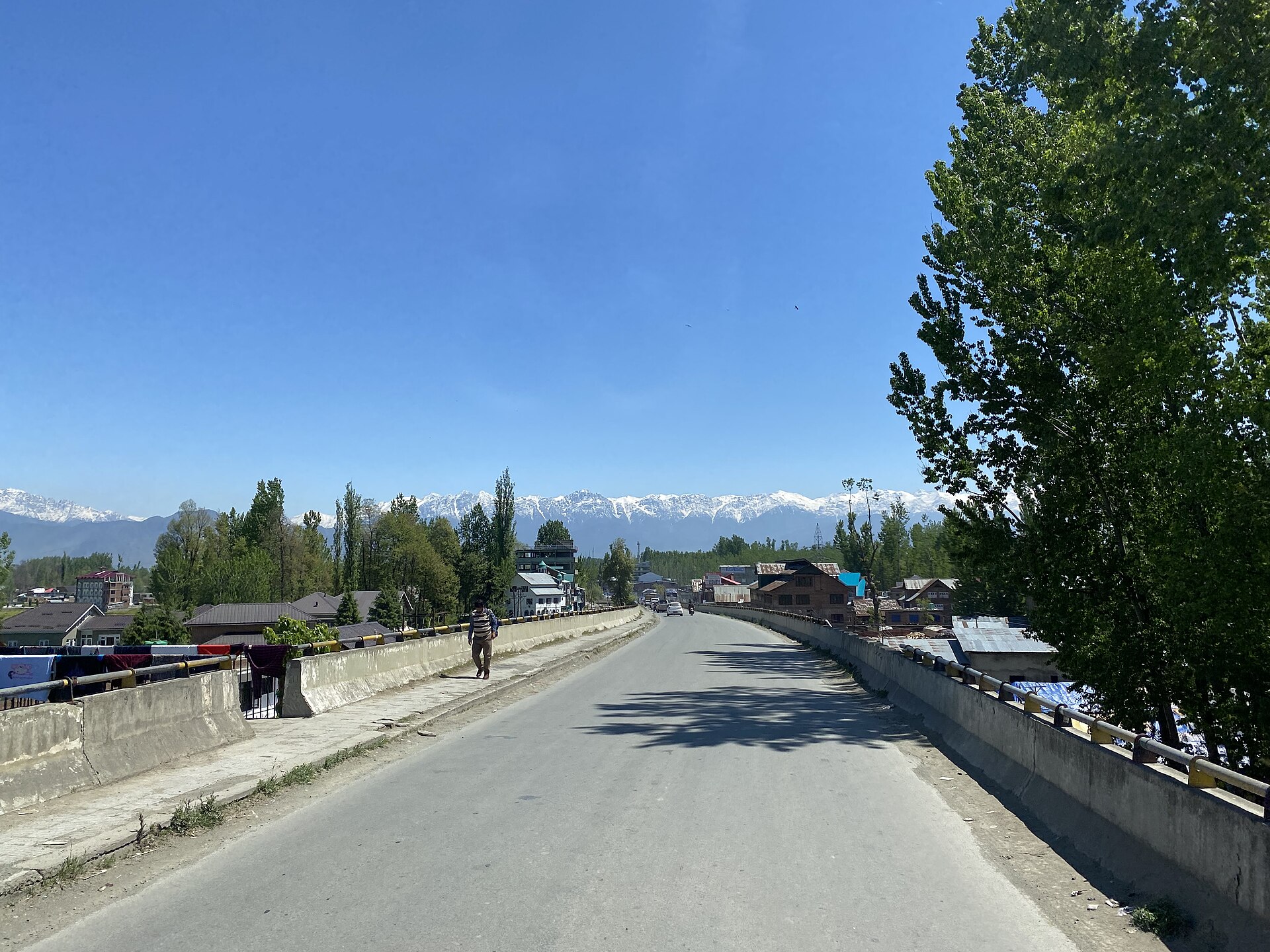
Whether you are planning a stopover on your way to Pahalgam or making a dedicated day trip from Srinagar, the site remains accessible. However, knowing the nuances of when to go—and when to avoid the crowds—will change your experience entirely.
Standard Operating Hours
Achabal Garden typically opens its gates from sunrise, around 07:00, and closes shortly after sunset, generally by 19:00. These hours remain consistent regardless of the day of the week. There is rarely a 'closed' day unless there is a specific security advisory or local government event, which is uncommon for this site.
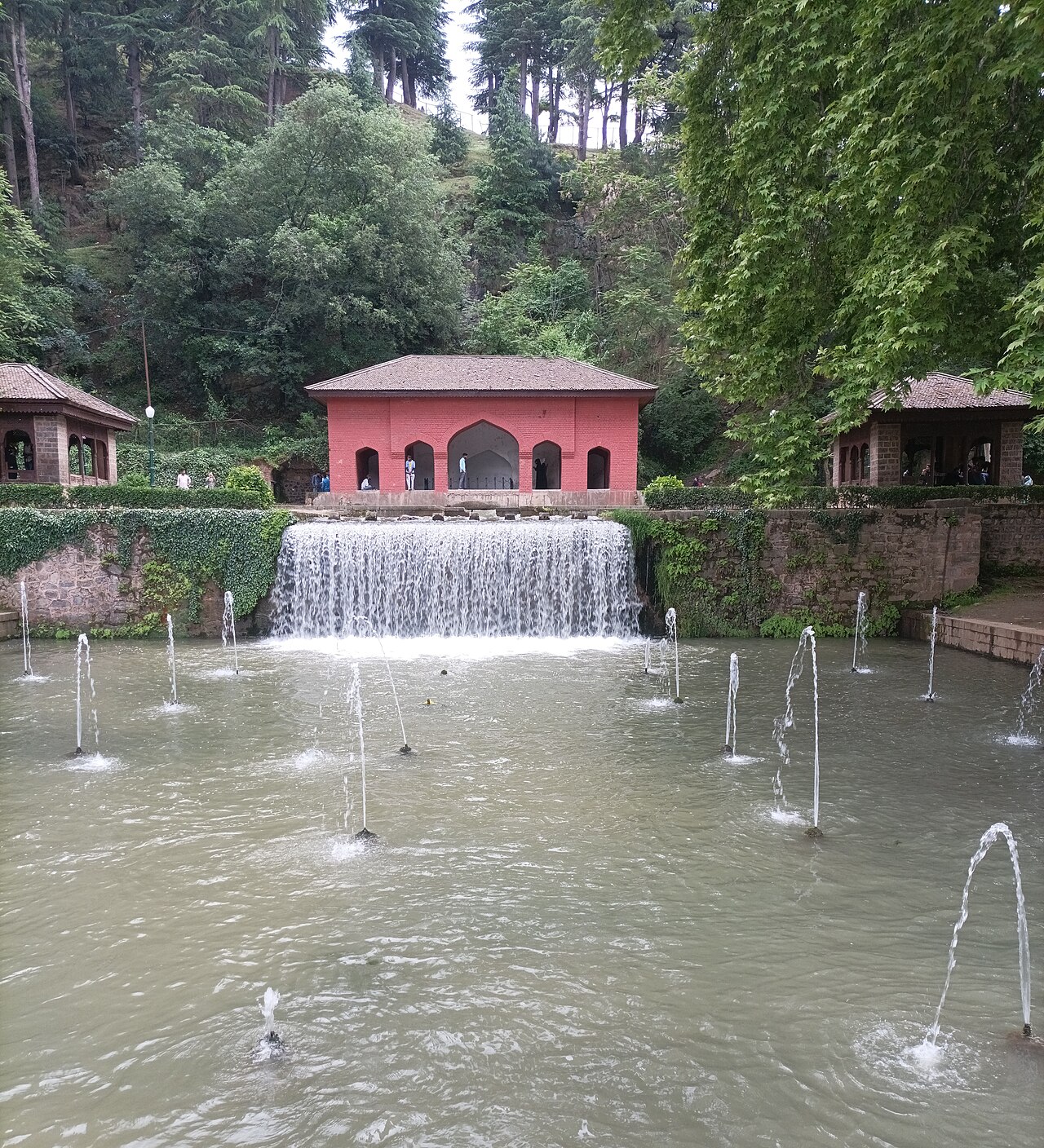
If you arrive before 08:00, you will likely have the lower terraces to yourself. By 11:00, the sun climbs over the hills, and the light shifts, making the water features look entirely different. I always suggest our guests aim for an early morning arrival to witness the transition of the light.
Seasonal Changes in Accessibility
The garden is a year-round destination, but the experience shifts with the seasons. In the height of summer, the shade of the chinar trees is a necessary relief, and the water flow is at its peak. In autumn, the foliage turns deep shades of copper and gold, which makes for spectacular photography.
Winters can be biting. While the site is open, deep snow sometimes makes the stone pathways slippery. If you are travelling in January or February, check with our local team before departing. It is rarely inaccessible, but local conditions can dictate how much of the garden you can safely explore.
Best Time of Day to Arrive
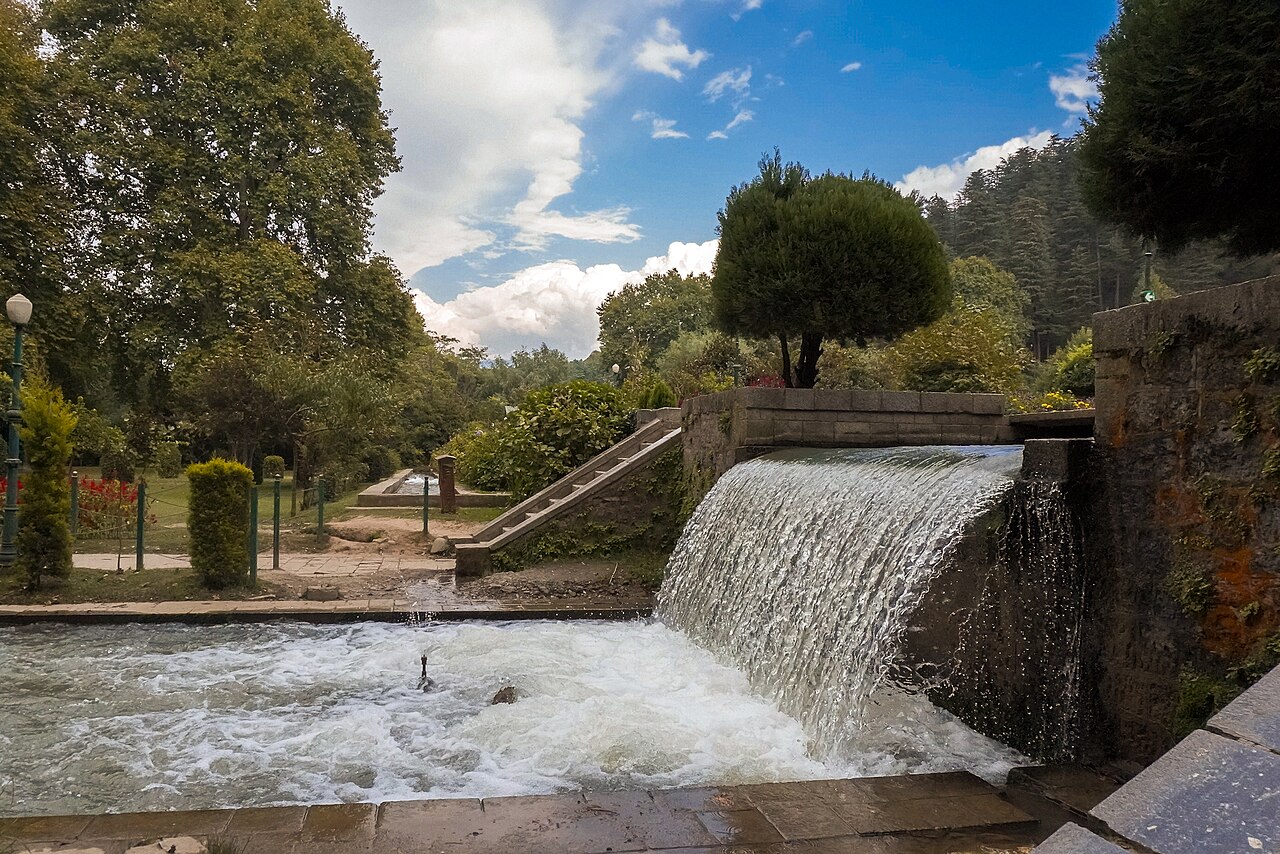
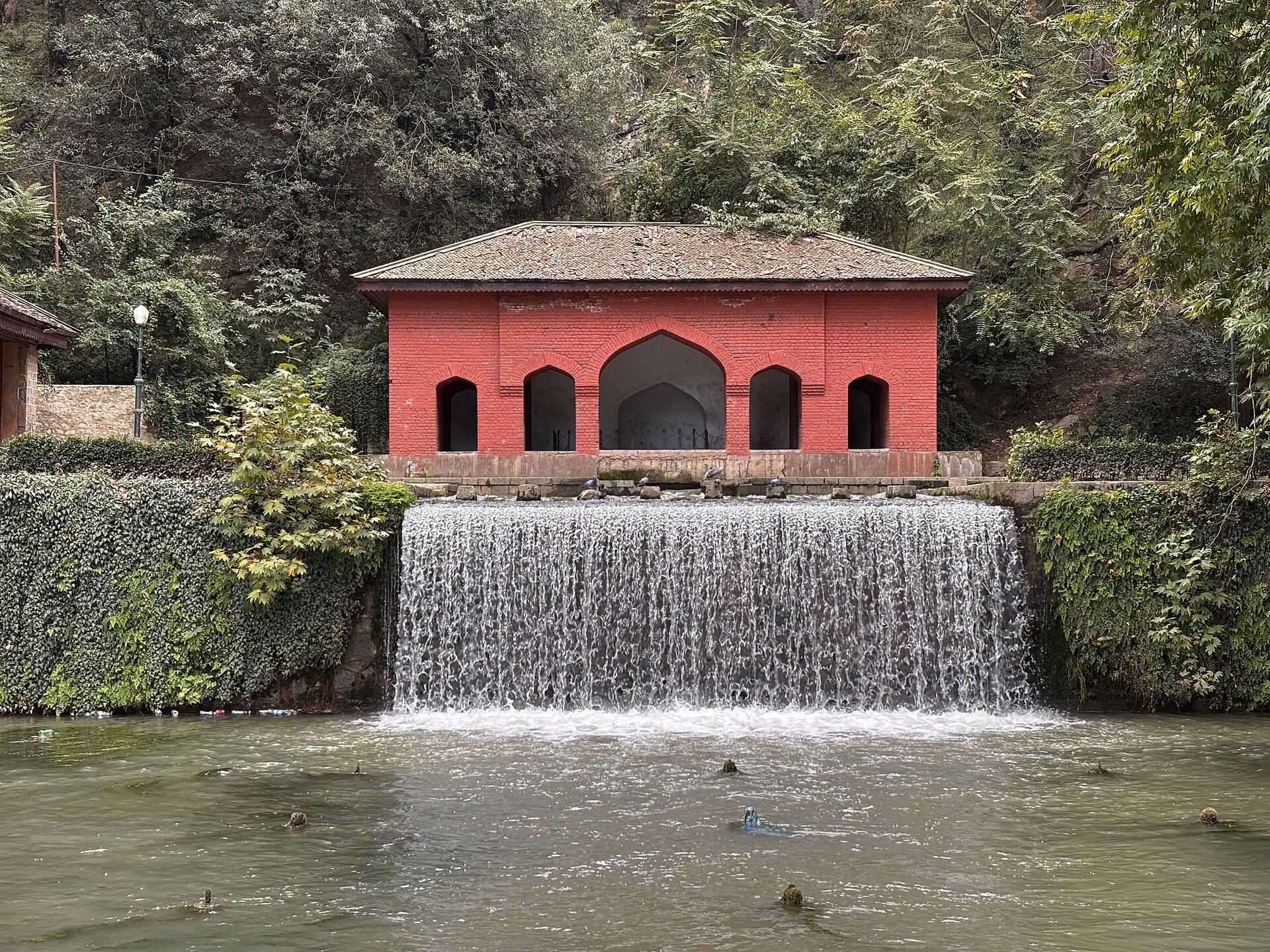
Mid-day at Achabal can get busy, especially during the peak tourist months of May and June. If you want the solitude that this place deserves, be at the gate by 07:30. Most tour buses from Srinagar don't pull into the parking lot until 11:00 or 12:00.
The light for photography is best in the late afternoon, around 16:30. At this hour, the sun hits the stone walls and reflects off the main water channel, casting long shadows from the chinars. It is the best time to sit near the spring head and listen to the water without the usual hum of visitors.
What to Expect During Your Visit
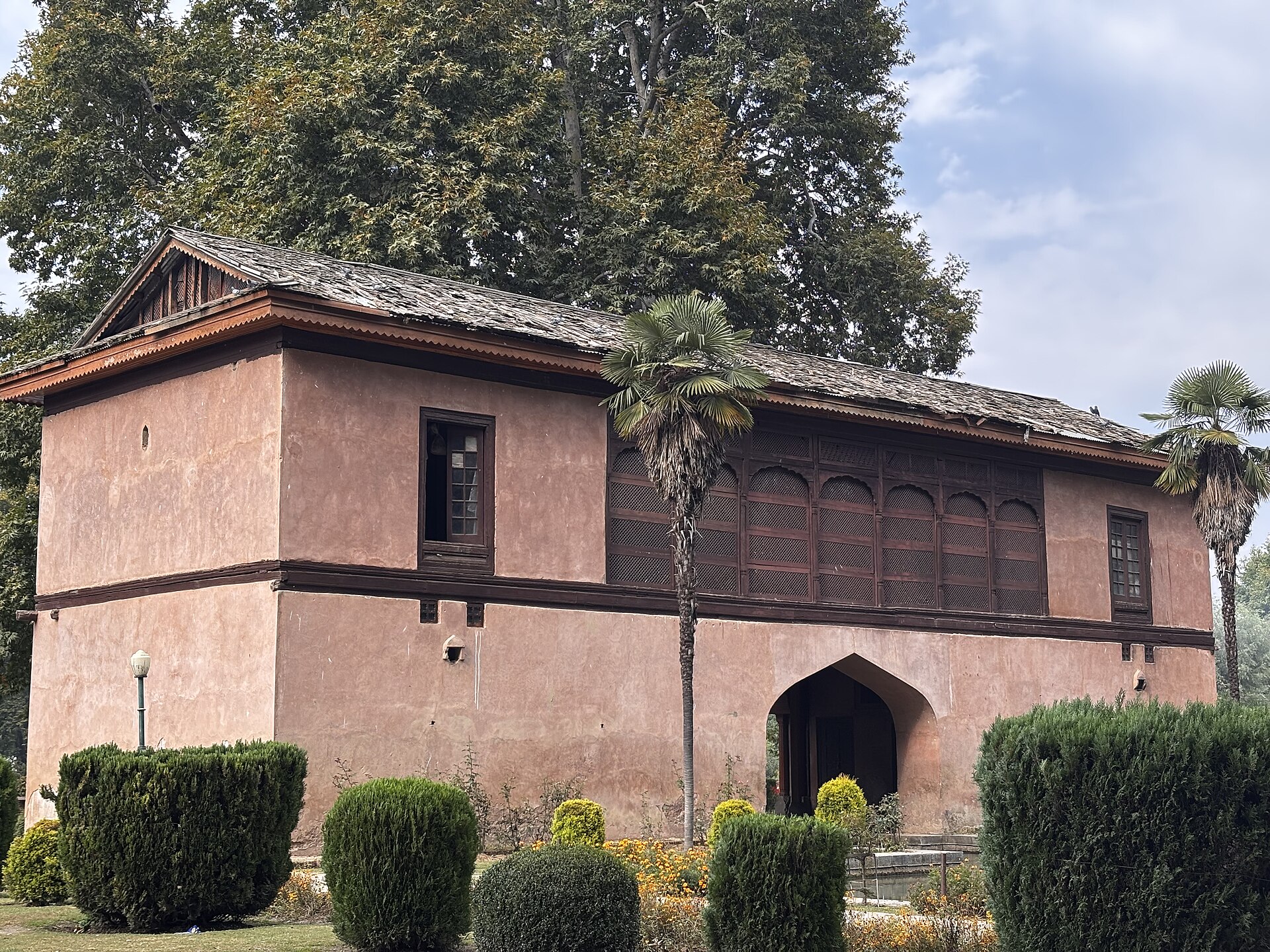
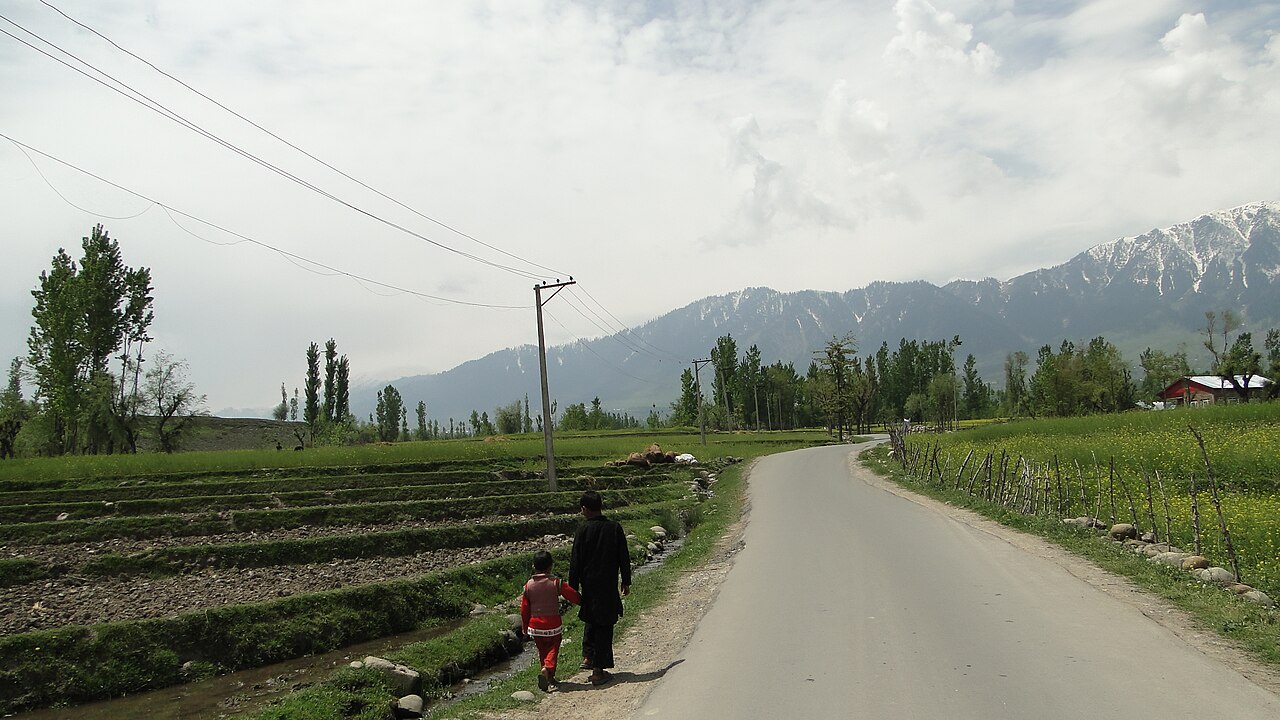
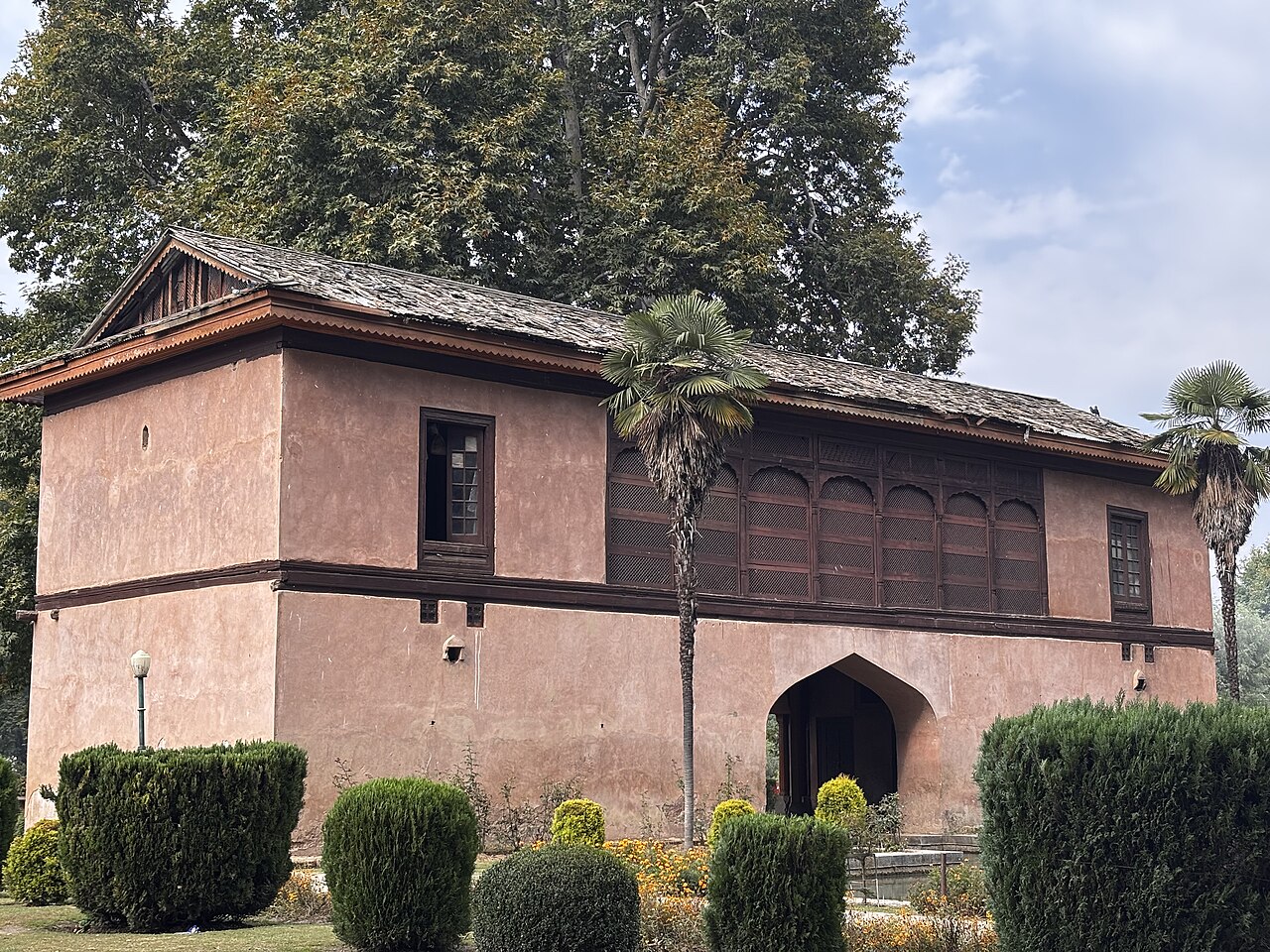
Achabal is smaller than the Nishat or Shalimar gardens in Srinagar, but it feels more intimate because of the constant presence of the mountain spring. The water emerges from the hill directly into the garden, which is what gives the site its unique energy.
You will find well-maintained walking paths, clear signage, and a few small stalls outside the main entrance selling local tea and snacks. Don't expect large cafes inside the garden walls; this is a place for walking, not dining.
Entry Requirements and Tips
Entry fees are minimal, usually just a few rupees for maintenance. Keep your ticket handy, as there are sometimes spot checks near the inner garden areas. If you are travelling in a group, it is helpful to have one person manage the tickets for the whole party to speed up the entry process.
If you are exploring more of the Anantnag district, you can combine this with a visit to <a href="/destinations/kashmir/kokernag">Kokernag</a> or continue your journey toward <a href="/destinations/kashmir/pahalgam">Pahalgam</a>. These locations are all within easy driving distance.
Before you book
Achabal remains one of the more serene spots in southern Kashmir. It doesn't have the commercial density of the Srinagar gardens, which allows you to engage with the history and the landscape more deeply. Whether you visit in the heat of summer or during the crisp days of autumn, it offers a necessary pause in your journey.
If you need help arranging transport or want to link your visit to Achabal with a broader route through Anantnag, please <a href="/contact">reach out to us</a>. We can help you build a pace that works for your schedule.
Need help planning your route?
We specialise in custom itineraries across Kashmir. Tell us your travel dates, and we will handle the rest.
Contact our teamWritten by
Kashmir, Jammu & Ladakh specialists
We plan and run trips across Kashmir, Jammu and Ladakh every week of the year. Everything here comes from routes we drive, stays we inspect and questions our travellers actually ask.
Quick answers
Questions we get asked
Is Achabal Garden open on Sundays?
Yes, Achabal Garden is open on Sundays and every other day of the week. There are no regular closures throughout the year, making it a reliable stop for your itinerary.
What is the best time of year to visit?
Late spring and autumn are ideal. In spring, the gardens are in bloom, and in autumn, the chinar trees change colour, providing a beautiful backdrop for your visit.
How much time should I spend at Achabal?
Most visitors spend between 60 and 90 minutes here. It is an excellent place for a quiet walk, but it is not a location that requires an entire day.
Are there restaurants inside the garden?
No, there are no restaurants inside the garden walls. You will find small vendors and tea stalls just outside the entrance, but it is best to pack water and light snacks.
Is it easy to get to Achabal from Srinagar?
It is about a 2-hour drive from Srinagar. We often suggest including it as part of a wider day trip that covers other southern Kashmir sites to maximise your travel time.
Photography credits
- Photo: KahkashaaN · CC BY-SA 4.0
- Photo: KahkashaaN · CC BY-SA 4.0
- Photo: TheAafi · CC BY-SA 4.0
- Photo: Mahi zahidi · CC BY-SA 4.0
- Photo: Ankur P from Pune, India · CC BY-SA 2.0
- Photo: KahkashaaN · CC BY-SA 4.0
- Photo: Sabaaya · CC BY-SA 4.0