Finding Achabal: The Mughal Jewel of Anantnag
A practical guide to finding where is achabal garden located in the heart of South Kashmir.
Discover where is achabal garden located, how to reach this historic Mughal retreat in Anantnag, and what to expect when you arrive.
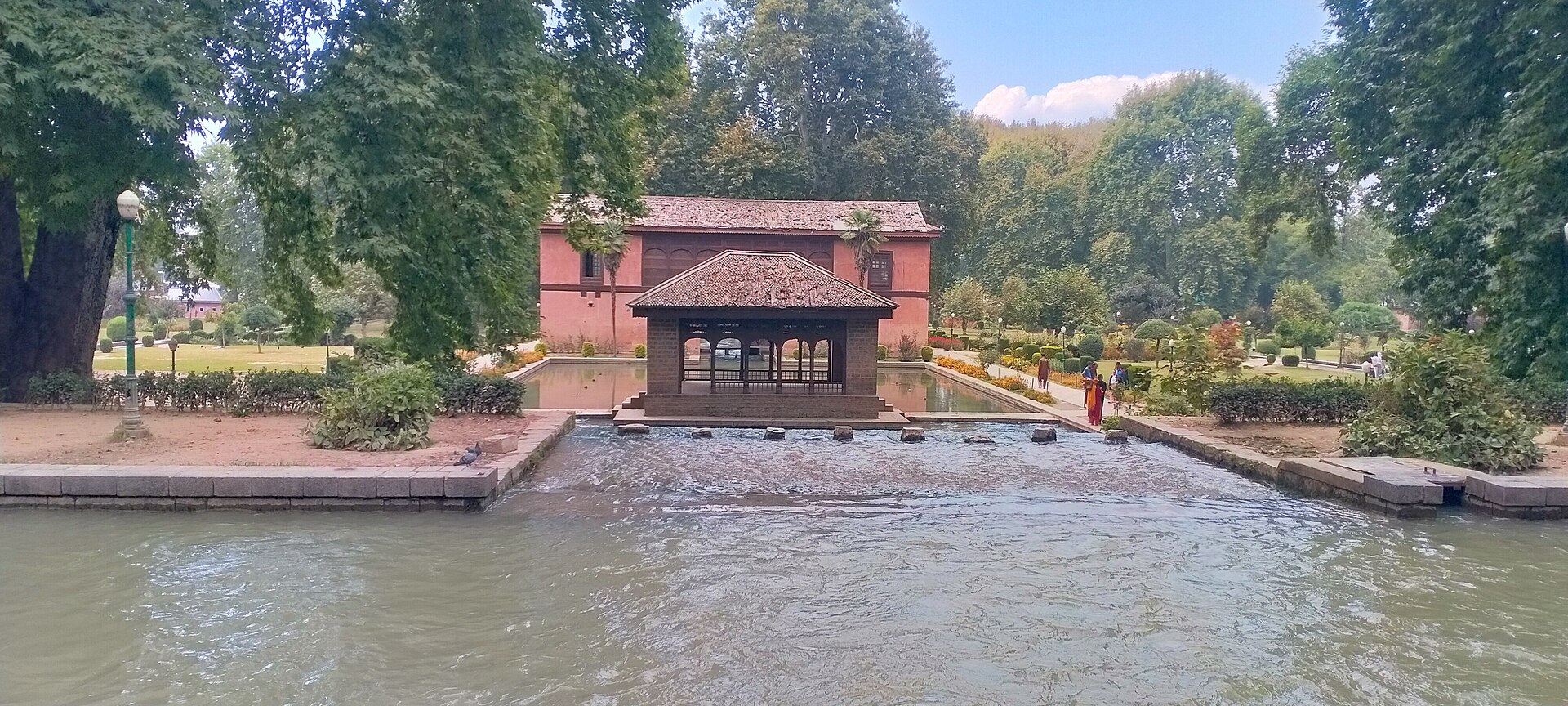
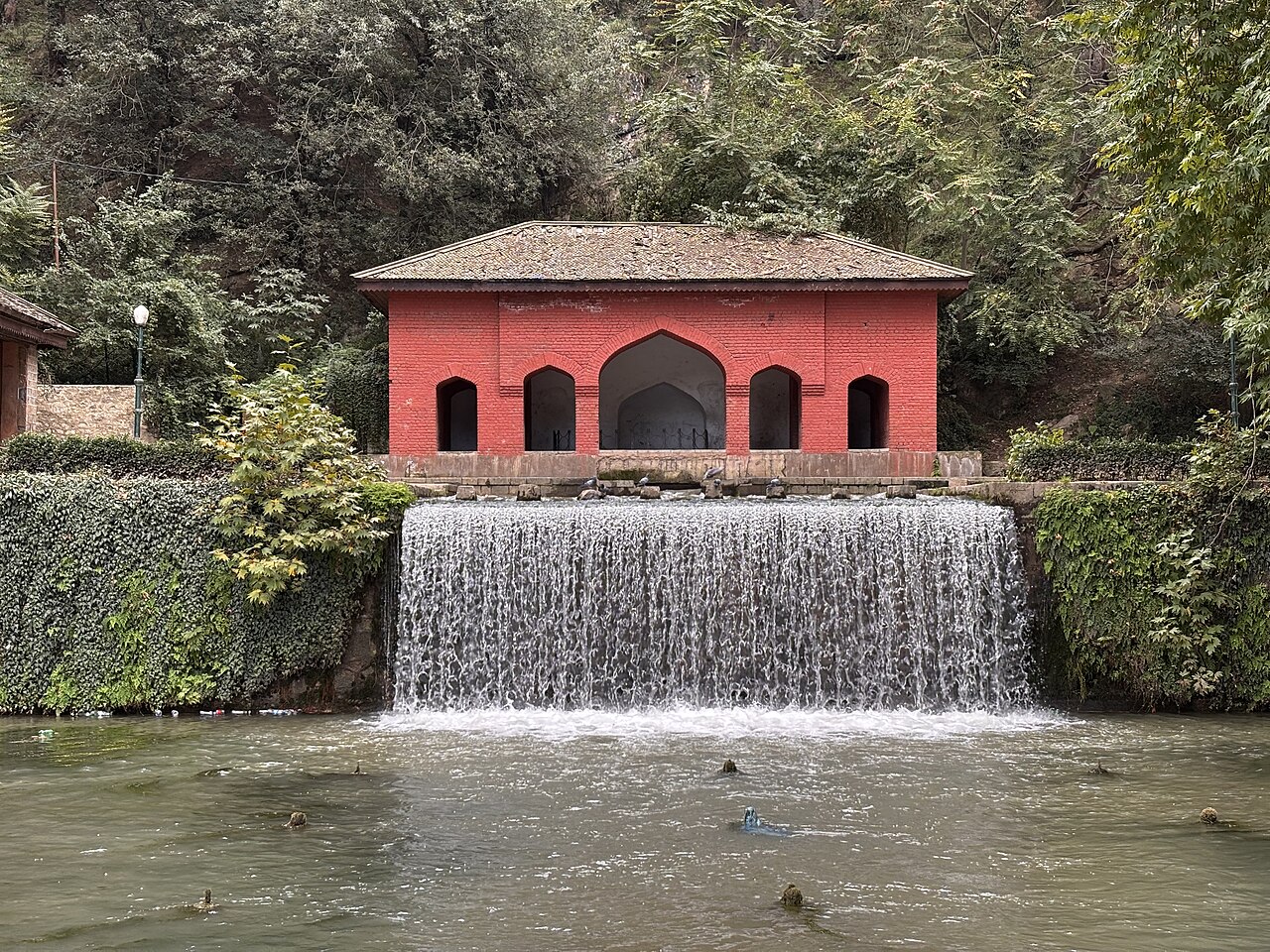
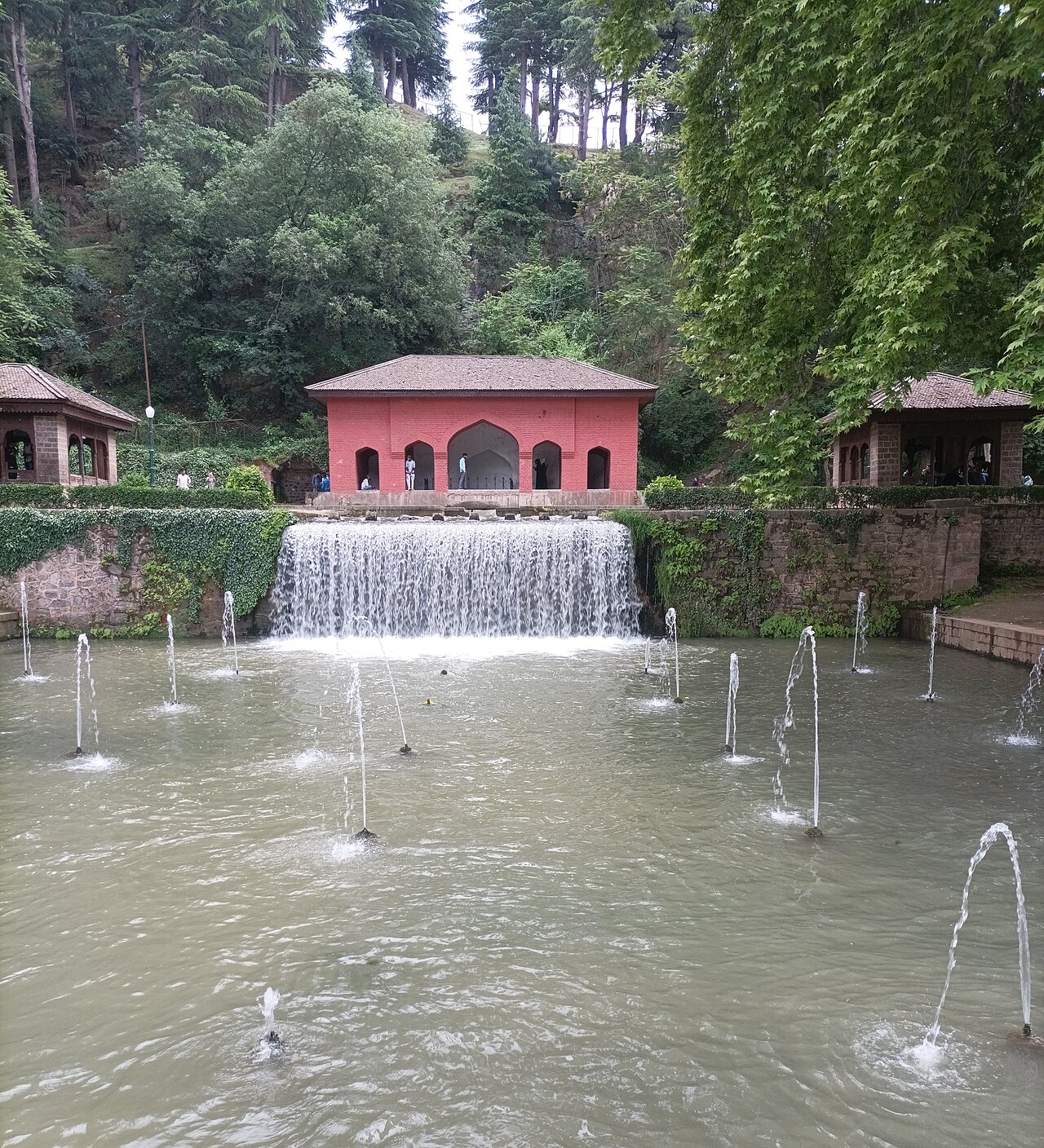
The pristine water fountains of Achabal flow continuously from the mountain spring.Photo: Sabaaya · CC BY-SA 4.0
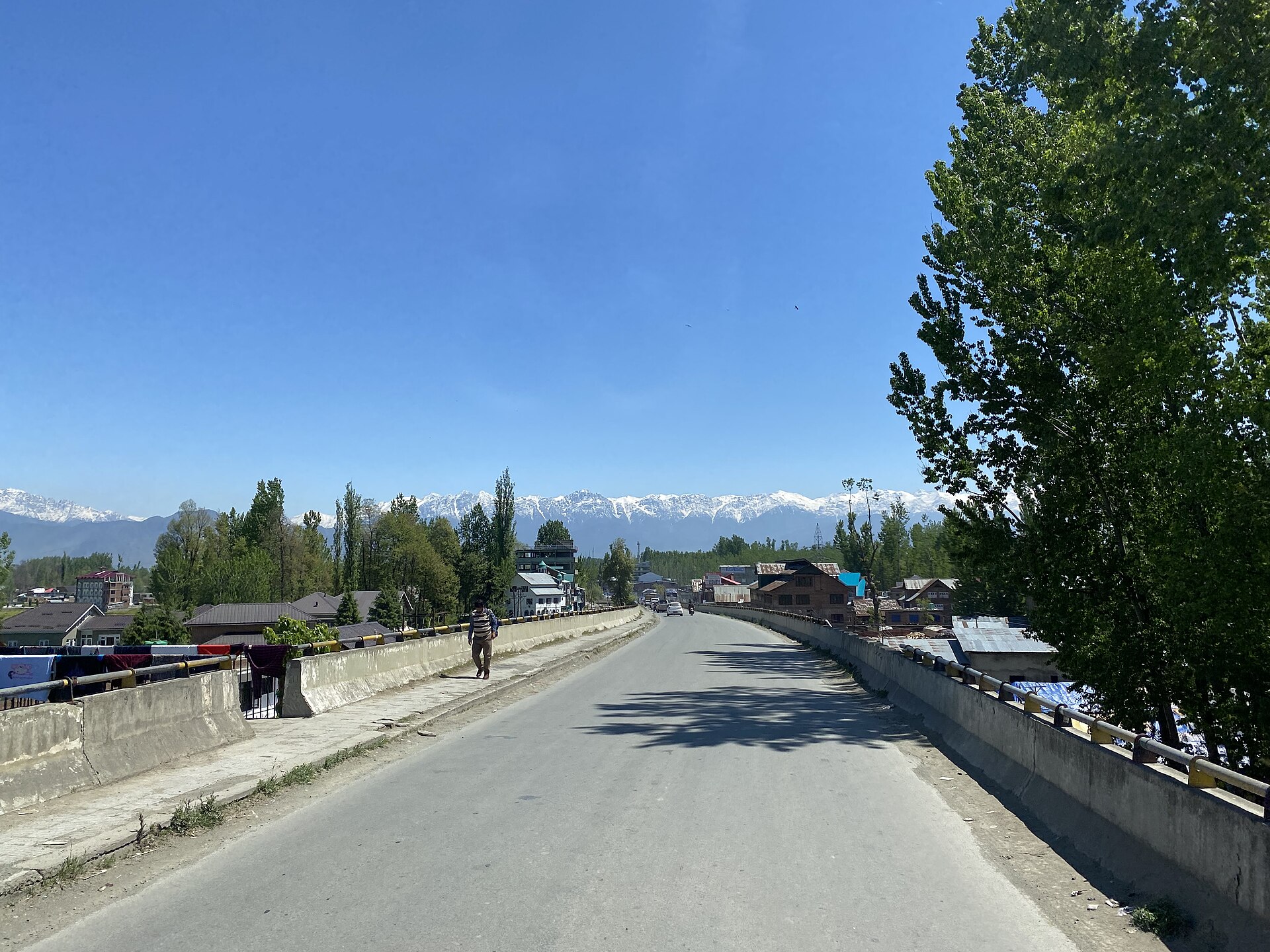
The water here does not trickle; it erupts from the mountain limestone with a cold, clear force that has fed civilization for four centuries. When you first set out to discover where is achabal garden located, you leave behind the frantic hum of Srinagar's highway and drop into the broad, agricultural plains of the Anantnag district.
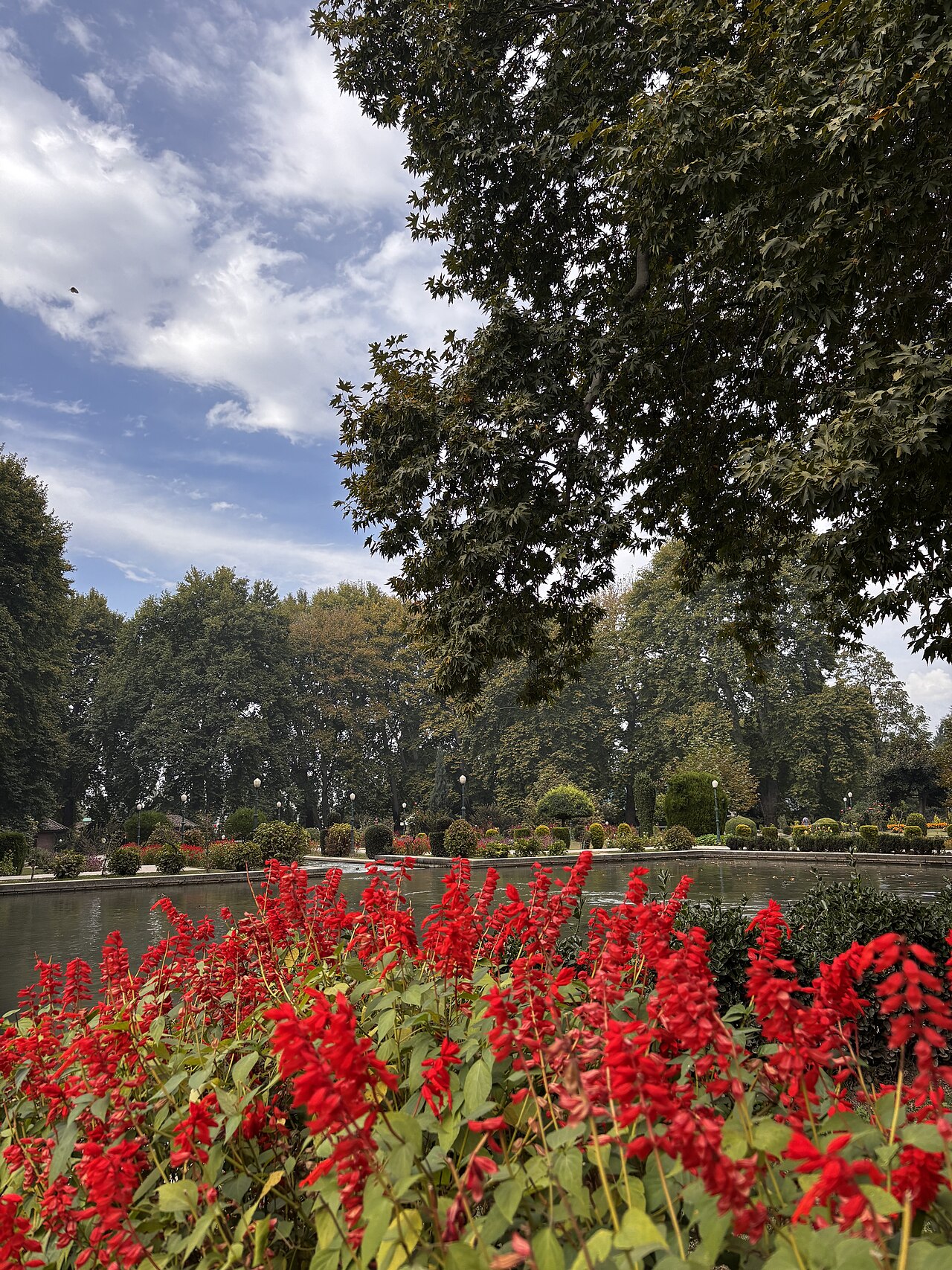
Most travellers rush past this corner of the valley on their way to Pahalgam, missing the turnoff entirely. That oversight leaves the historic grounds surprisingly quiet, save for the rush of gravity-fed fountains and the rustle of giant chinar trees planted during the reign of Jahangir and Noor Jahan.
Visiting this corner of South Kashmir requires no strenuous trekking, but it does demand a map that looks beyond the usual tourist circuit. Here is everything you need to know about finding and exploring this royal terrace garden.
The Geography of Achabal Garden
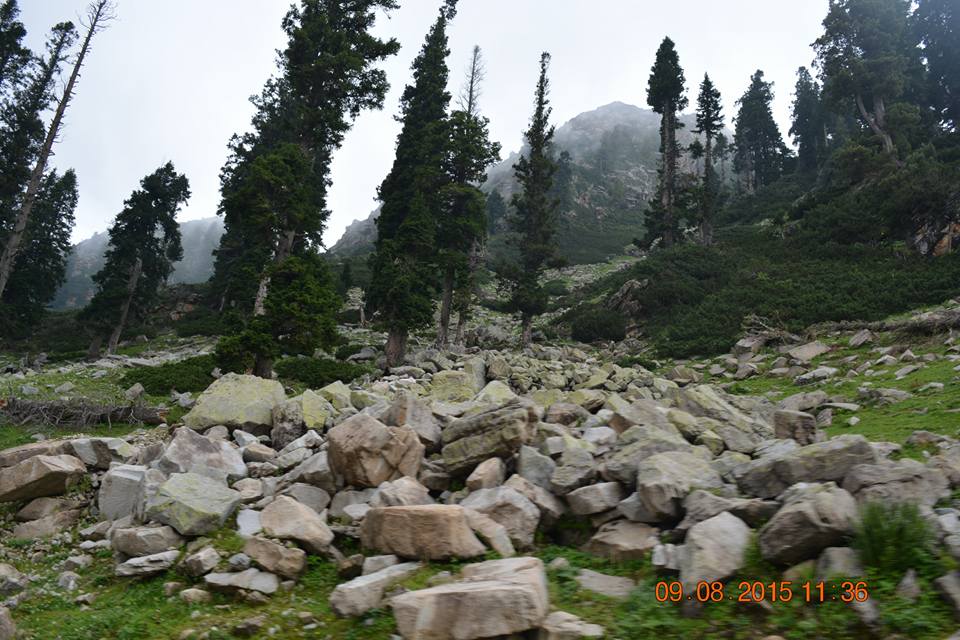
To understand where is achabal garden located, you have to look toward the foot of the Verification and Bringi hills in the Anantnag district. It sits roughly eight kilometres south-east of Anantnag town proper, tucked against the lower slopes of the Pir Panjal range.
The site is oriented to catch the natural flow of the Begum Bagh spring, which emerges directly from a fissure in the rock face behind the upper terrace. This geographical placement allowed Mughal engineers to construct a classical Persian chahar bagh layout without needing complex irrigation systems.
Surrounding the walls are local apple orchards and small farming hamlets where life moves at the pace of a bullock cart. You will not find modern commercial strips right outside the gates, which preserves the secluded atmosphere the emperors originally sought.
- Situated in the Anantnag district of South Kashmir
- Built directly beneath the forested slopes of the lower hills
- Surrounded by traditional agricultural land and orchards
Directions from Anantnag Town
If you are basing yourself in Anantnag town, getting to the gates takes less than twenty minutes by local transport. Shared cabs run regularly from the main transport yard, costing a modest sum of around fifty rupees per seat.
For those driving a personal vehicle or hiring a dedicated taxi, you will head south-east out of the town centre towards Achabal town. The tarmac is reasonably well-maintained, though you should watch for stray cattle and handcarts navigating the bazaar streets.
The road terminates right at a bustling market square adjacent to the garden walls. From there, a short walk down a stone-paved lane brings you to the main ticket counter and entrance pavilion.
Proximity to Other South Kashmir Sites
Achabal rarely stands alone as a destination; it forms the middle vertex of a historical triangle in the lower valley. A comprehensive tour of the region usually pairs it with two other nearby water sanctuaries.
Kokernag, known for its massive trout streams and sprawling rose gardens, lies about twenty-five kilometres further south. Meanwhile, the ancient sun-temple springs of Martand and the source of the Jhelum at Verinag sit within a similar thirty-minute driving radius.
We regularly route our guests through these three locations in a single long day, allowing enough time to appreciate the distinct personality of each Mughal water garden without feeling rushed.
Connecting to the Pahalgam Route
Many travellers wonder how Achabal fits into a journey heading towards the higher mountains of Pahalgam. While it requires a slight detour west off the direct route, adding a morning stop here breaks up the drive nicely.
You can easily visit the terraces before lunch, then rejoin the main highway via secondary country roads that wind through mustard fields and willow groves.
Historical Context of the Location
The choice of this specific site was far from accidental. Mughal emperors prized locations where mountain springs met arable plains, offering both cool summer retreats and strategic control over the southern trade routes.
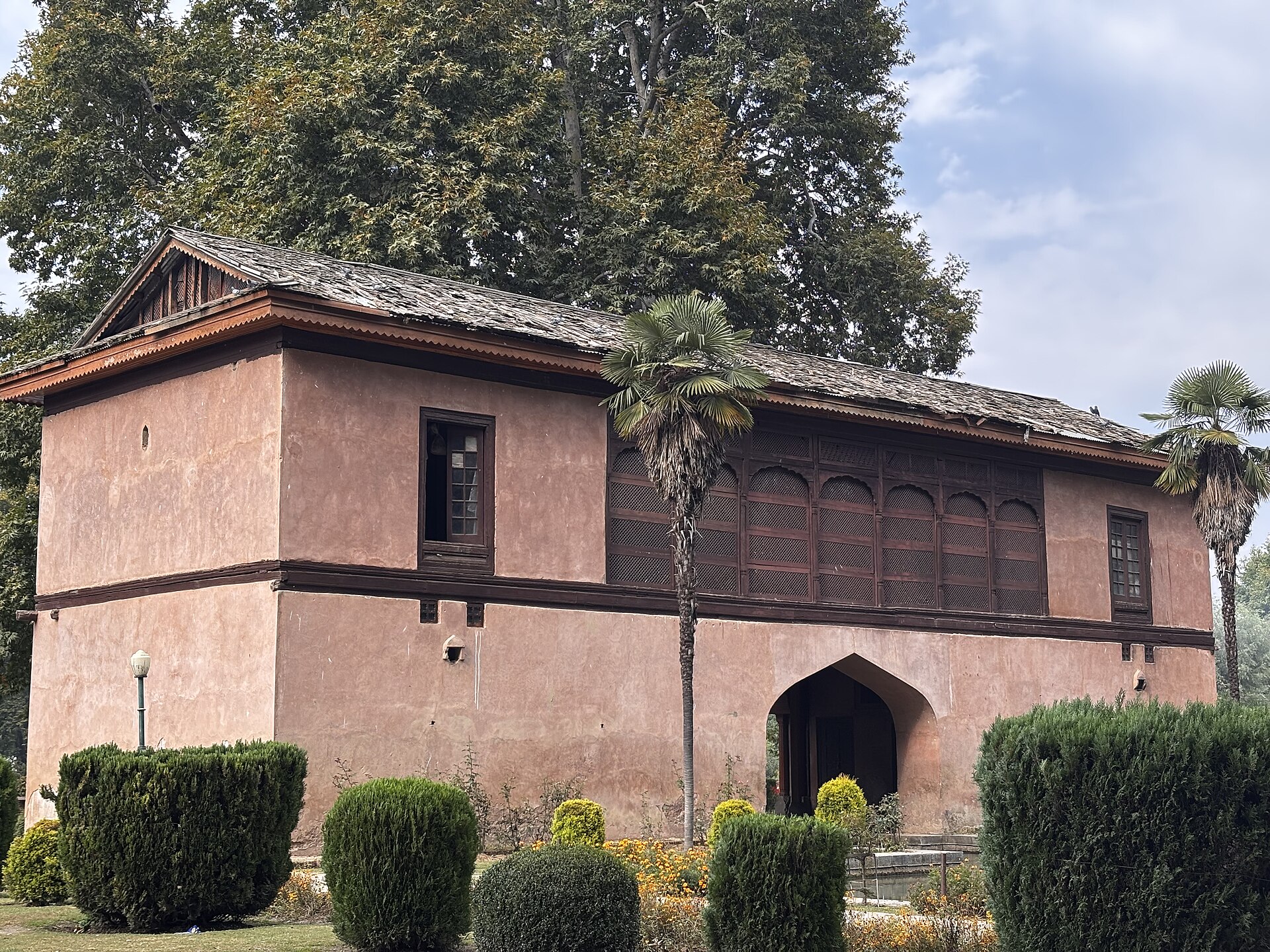
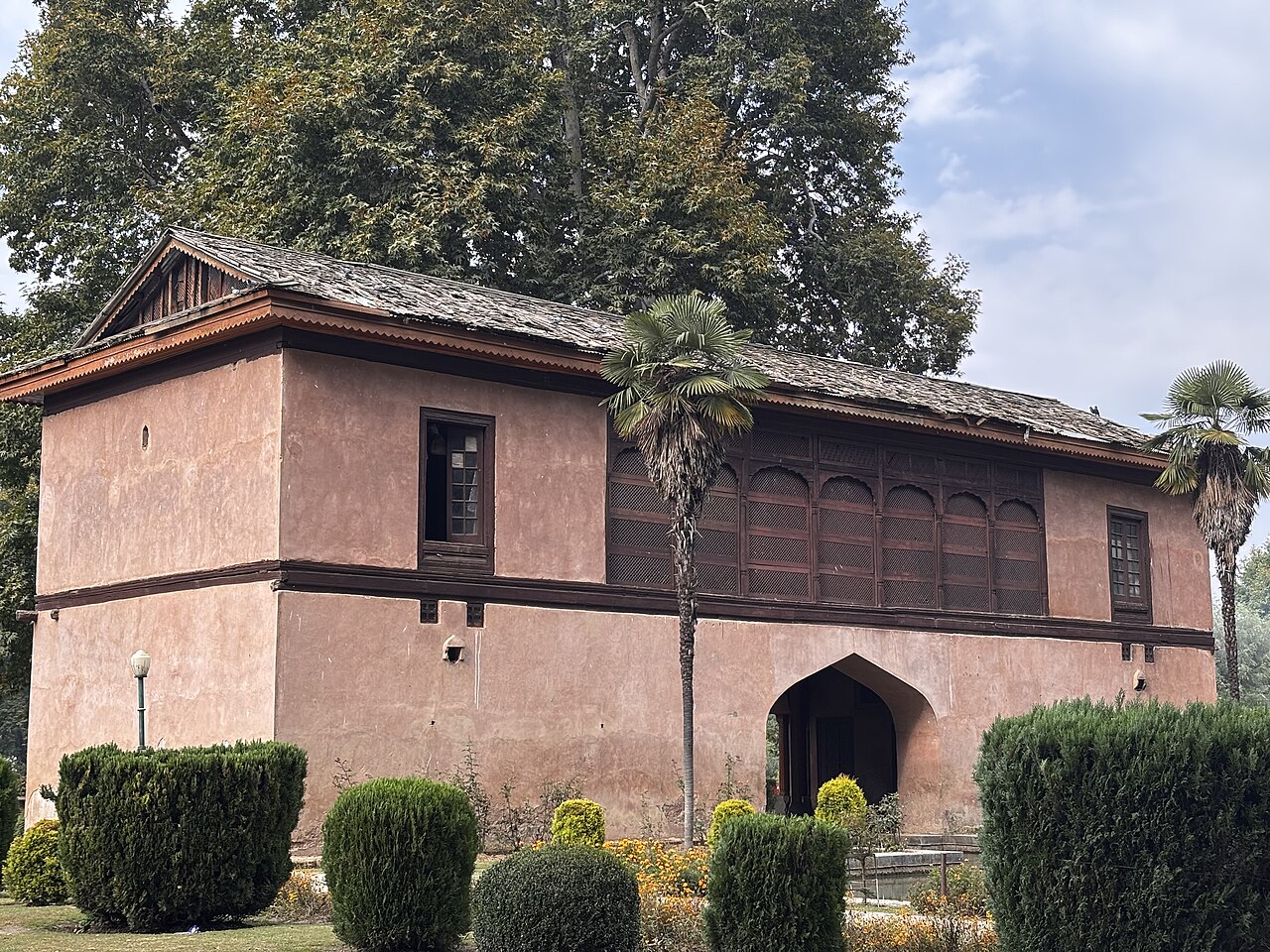
Originally developed under the direction of Mughal Empress Nur Jahan in the seventeenth century, the grounds served as a pleasure retreat and an administrative hub. The architecture reflects a deliberate blending of Persian garden design with indigenous Kashmiri timber and stone craftsmanship.
Walking past the stone cascades today, you can trace the exact water channels that once cooled royal pavilions and watered exotic flora imported from across the empire.
Navigating the Garden Entrance
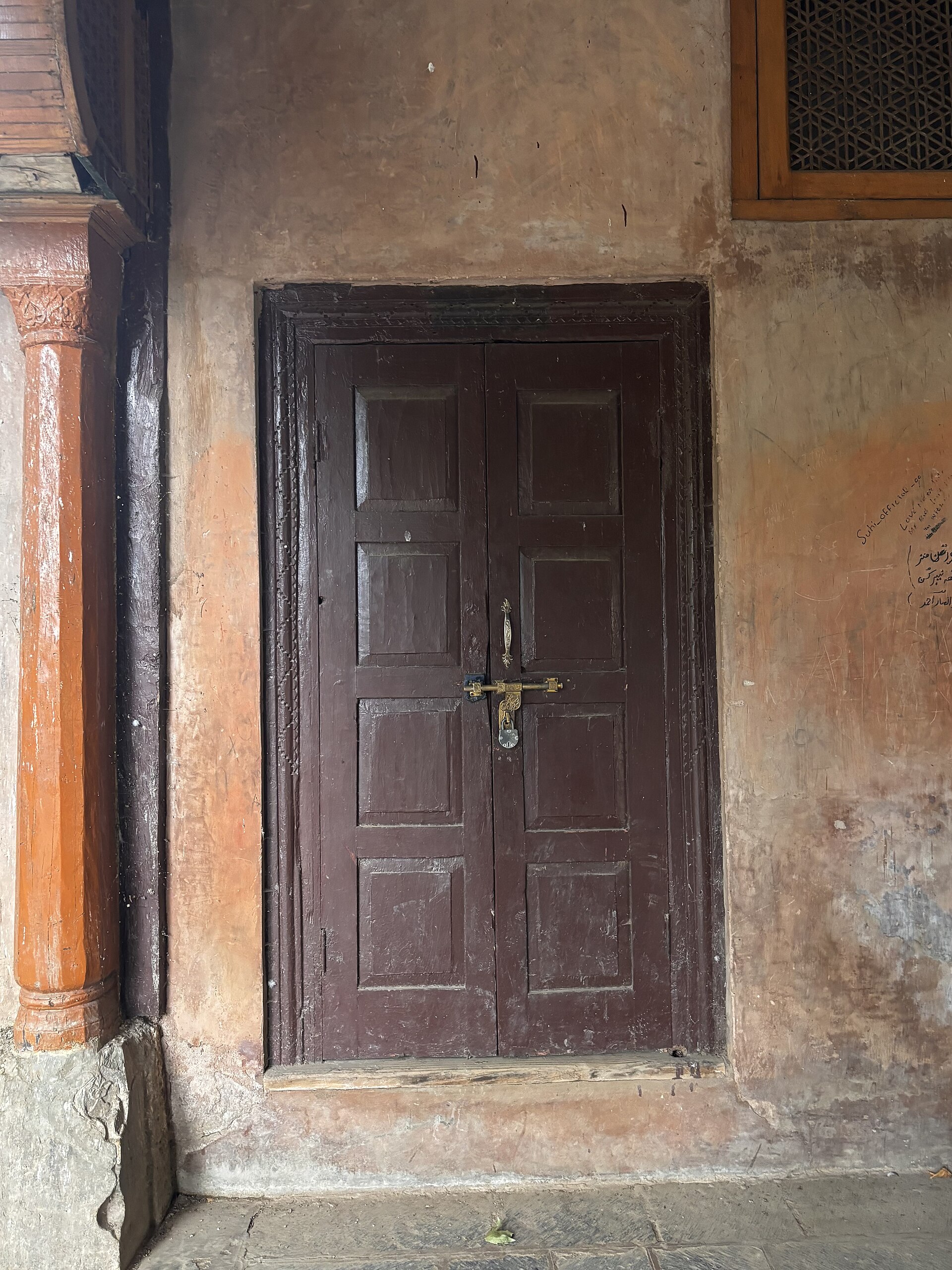
The entrance to the complex is understated, marked by a modest ticket booth and a series of small craft shops selling local honey and walnut wood carvings. Entry fees for domestic and international visitors remain nominal, usually under fifty rupees.
Once through the gates, the layout opens vertically rather than horizontally. You climb stone staircases from one terrace to the next, with each level offering a different perspective on the central watercourse and the massive chinar canopy.
Wear comfortable walking shoes with decent grip, as the damp mist from the fountains and historic stone channels can make the lower pathways slick after morning dew.
Before you book
Finding your way to this historic corner of the valley rewards you with a slower, more contemplative side of Kashmir. Without the heavy crowds of Srinagar's more famous lake gardens, Achabal lets you hear the water and study the stonework in peace.
If you would like help weaving Achabal into a broader itinerary through Anantnag, Kokernag, and beyond, our team at Skywale Packages is always here to craft a route that suits your pace.
Plan Your South Kashmir Journey
Let us handle the logistics of transport and local guiding so you can simply enjoy the heritage of the valley.
Get in TouchWritten by
Kashmir, Jammu & Ladakh specialists
We plan and run trips across Kashmir, Jammu and Ladakh every week of the year. Everything here comes from routes we drive, stays we inspect and questions our travellers actually ask.
Quick answers
Questions we get asked
Where is Achabal Garden located?
Achabal Garden is located in the Anantnag district of South Kashmir, approximately 8 kilometres south-east of Anantnag town and about 60 kilometres from Srinagar.
How do I get to Achabal from Srinagar?
You can drive from Srinagar via the National Highway 44 through Anantnag, a journey that takes roughly 1.5 to 2 hours depending on traffic conditions.
Are there entry fees for the garden?
Yes, there is a very nominal entry fee for visitors, generally costing less than 50 rupees per person. Tickets are purchased directly at the main gate.
Can I visit Achabal year-round?
Yes, the garden is open throughout the year. Spring brings blossoming flowers, summer offers deep shade under massive chinars, and autumn displays brilliant amber foliage.
Photography credits
- Photo: Sabaaya · CC BY-SA 4.0
- Photo: KahkashaaN · CC BY-SA 4.0
- Photo: Madhumita Das · CC BY-SA 4.0
- Photo: KahkashaaN · CC BY-SA 4.0
- Photo: KahkashaaN · CC BY-SA 4.0
- Photo: TheAafi · CC BY-SA 4.0
- Photo: KahkashaaN · CC BY-SA 4.0