A Traveller's Guide to Achabal's Mughal Heritage
Explore the imperial architecture, natural springs, and autumn splendor of South Kashmir's finest retreat.
Plan your journey with our achabal garden holiday guide. Discover Mughal terraces, ancient springs, and heritage tours in South Kashmir.
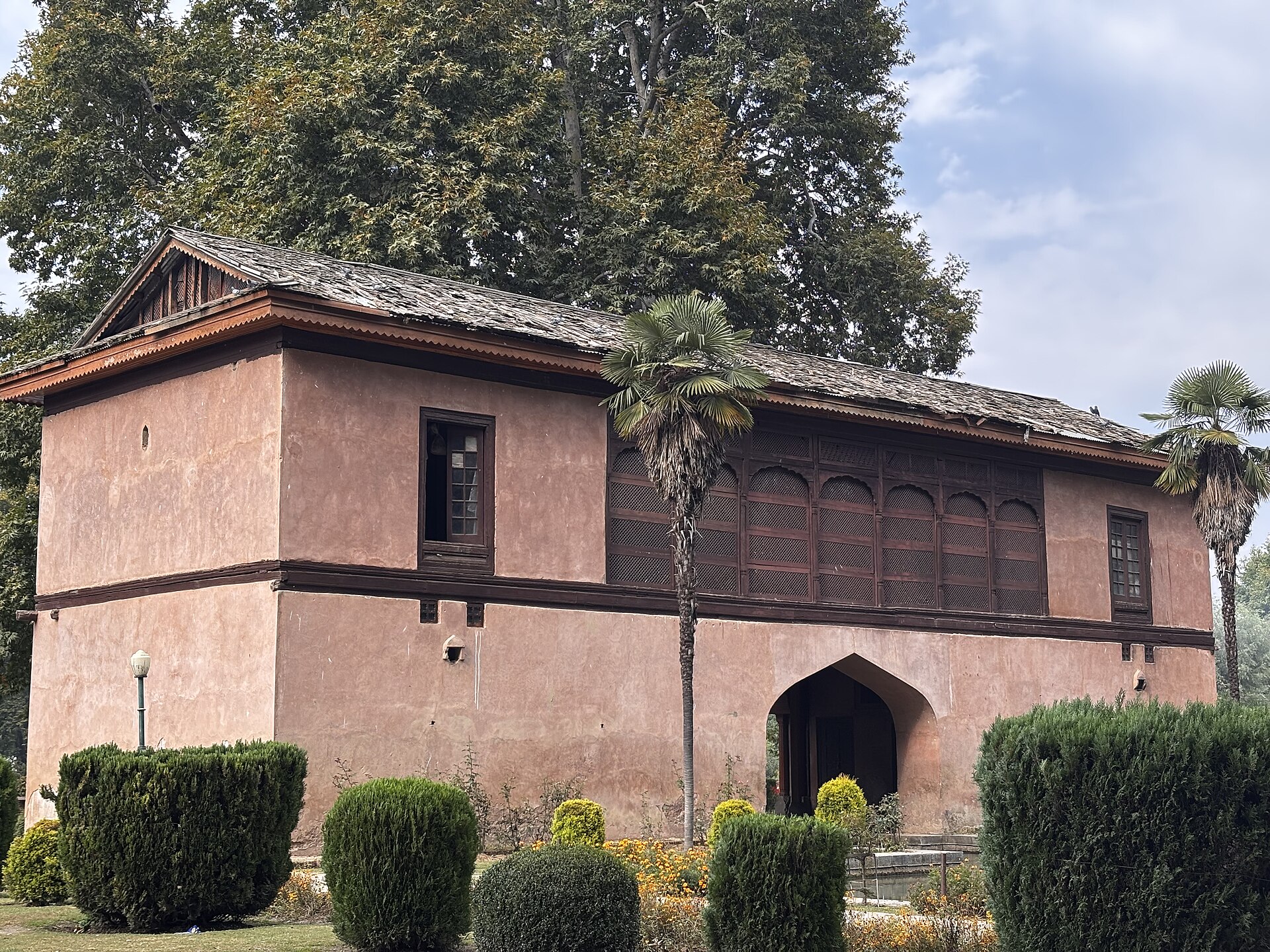
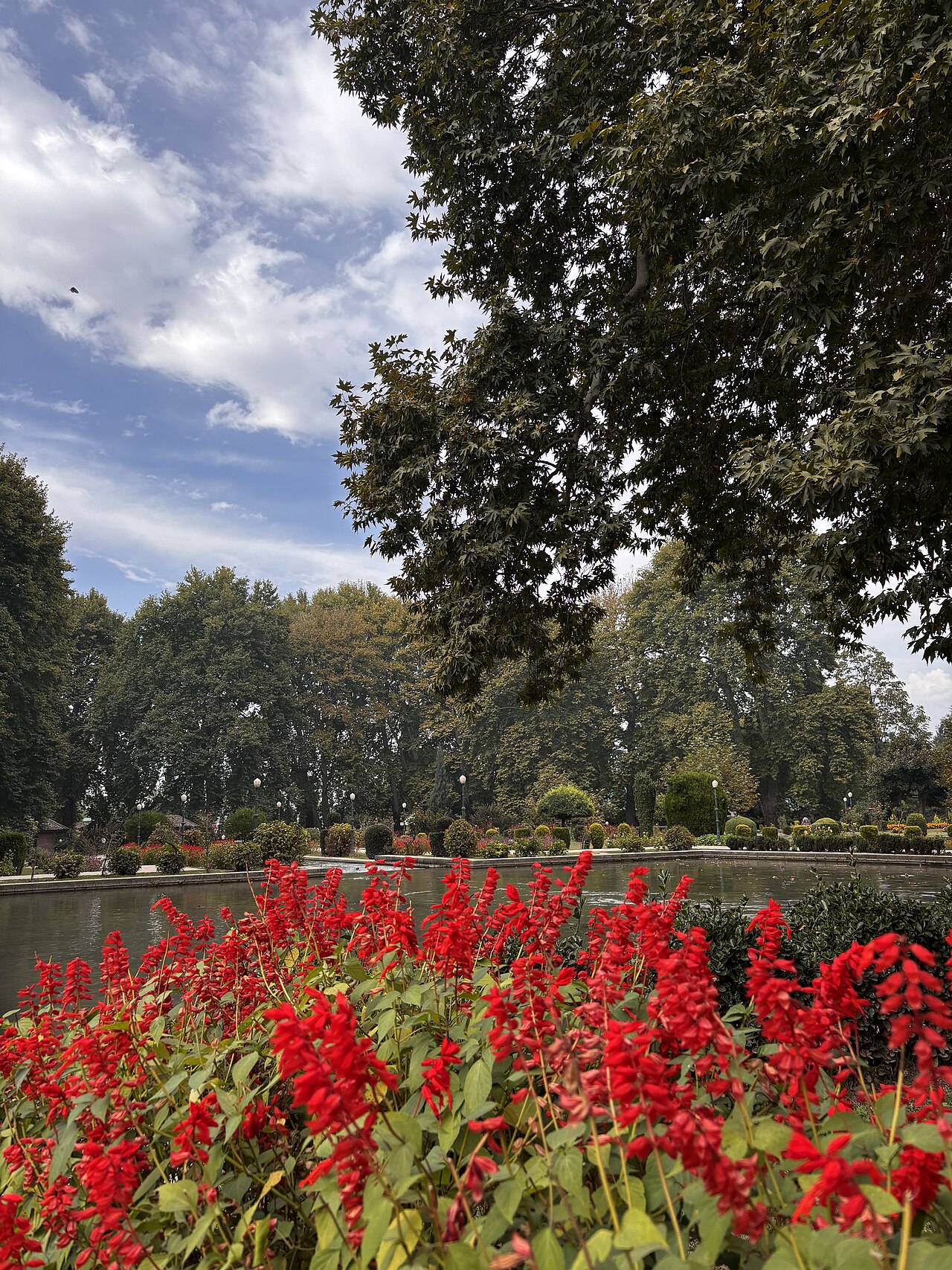
Autumn foliage frames the historic stone terraces of Achabal Garden.Photo: KahkashaaN · CC BY-SA 4.0
Step past the brick gatehouse and the noise of the modern world drops away, replaced entirely by the thunder of water rushing through stone channels laid down four centuries ago. When compiling a proper achabal garden holiday guide, you quickly realise this site demands a different rhythm than the crowded pleasure grounds of Dal Lake.
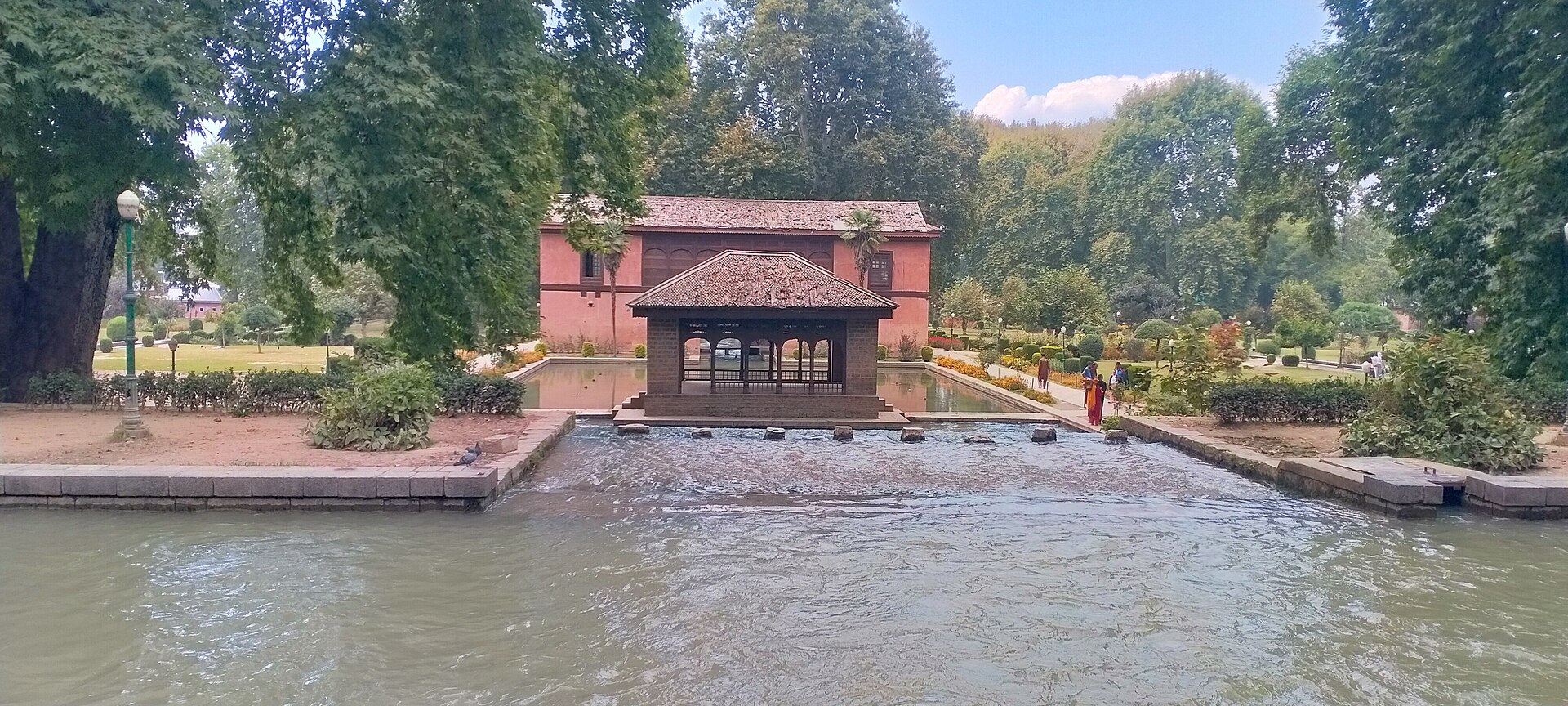
Built under royal decree during the height of the Mughal empire, the terraces here were designed as an escape from the stifling heat of the plains. Emperor Jahangir and his consort Empress Nur Jahan envisioned a retreat where nature and engineering met in absolute symmetry, carved into the lap of the forested hills.
Autumn brings a particularly striking transformation to the grounds, as the massive chinar trees turn a deep, burning copper that reflects off the clear spring basins. Here is your complete guide to experiencing the architectural and natural wonders of Achabal.
The Architectural Grandeur of Achabal
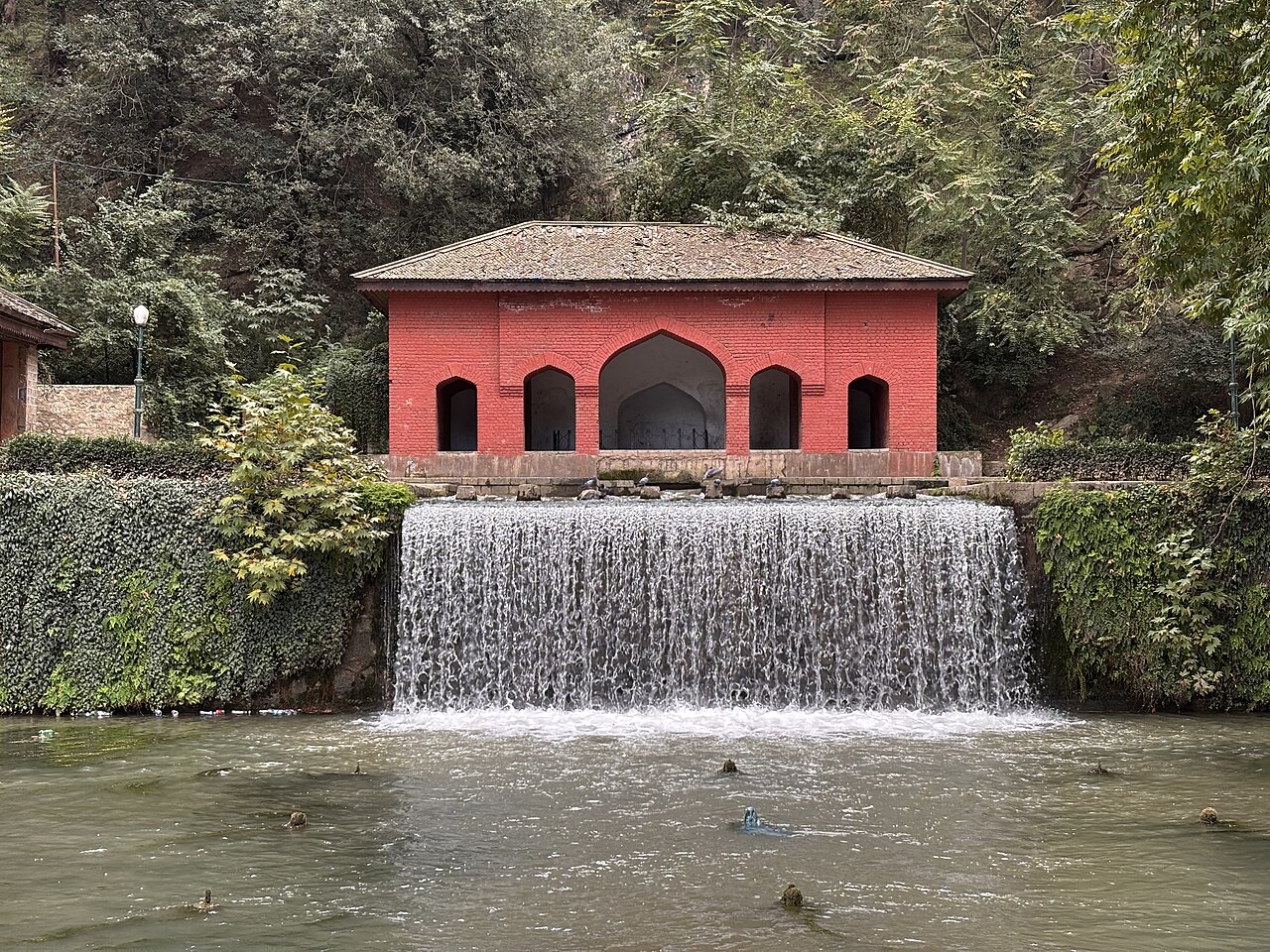
The layout of Achabal follows the traditional Persian chahar bagh style, adapted expertly to the sloping topography of the Anantnag foothills. Unlike flat gardens, this complex climbs upward in a series of terraced levels that channel water from a single mountain source.
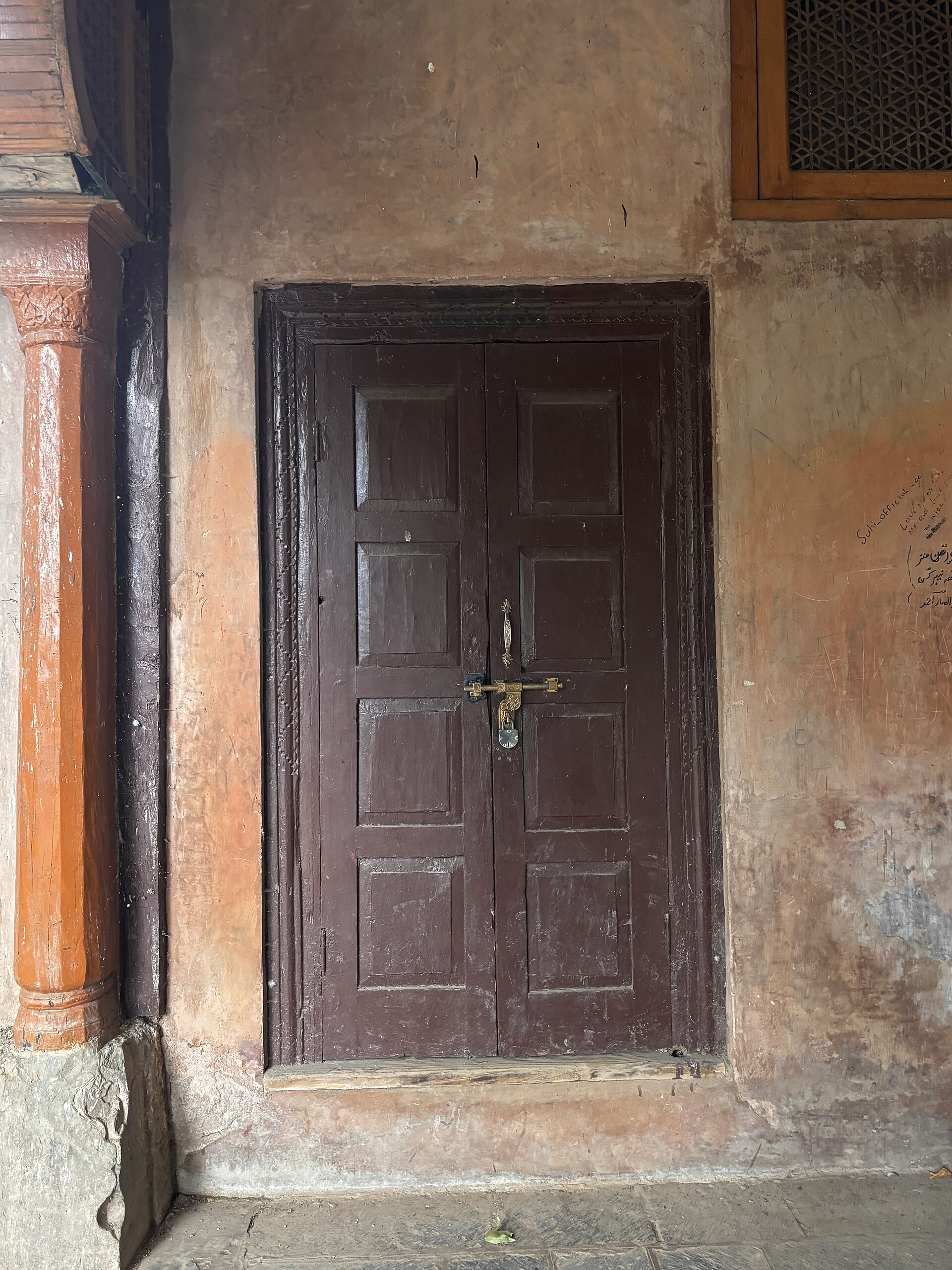
Pavilions constructed from local stone and timber once hosted royal councils and quiet evening poetry readings. Though some of the original wooden structures have been rebuilt over the centuries, the stone foundations, cascading waterfalls, and carved water chutes remain remarkably intact.
Every stone pathway is positioned to offer framed views of the central watercourse, ensuring that the sound of rushing streams accompanies you wherever you walk within the walled enclosure.
- Classical Persian terraced garden layout
- Original seventeenth-century stone water cascades
- Restored royal pavilions overlooking the central pools
The Significance of the Natural Spring
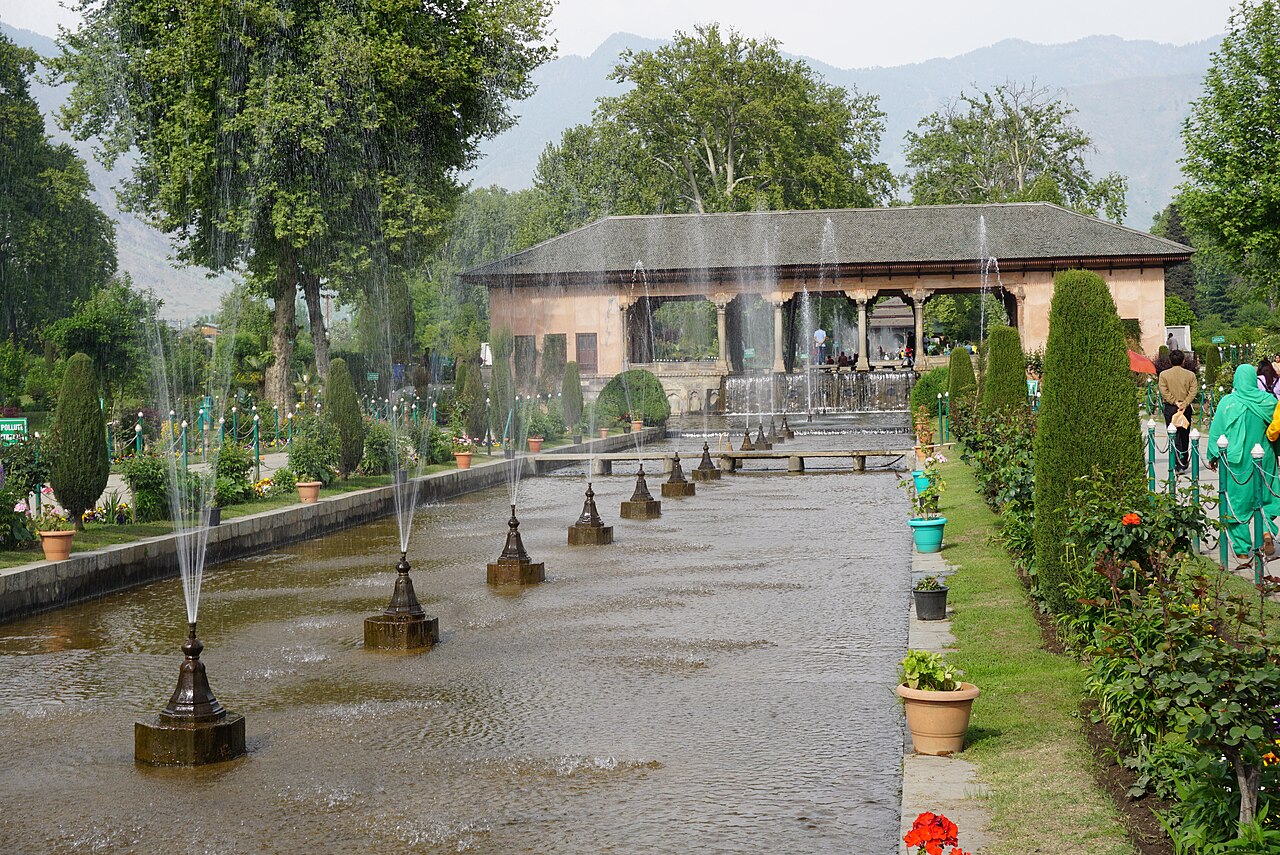
At the heart of the garden's identity is the Begum Bagh spring, gushing directly from the base of the dense pine forest on the upper slope. This is not a stagnant pool or a decorative pond; it is a high-volume subterranean water source that pumps millions of gallons of crystal-clear water daily.
Mughal hydrologists marvelled at the purity and temperature of the spring, which remains icy cold even in the peak of July. They harnessed this natural pressure to drive the fountains and fill the descending terraces without mechanical pumps.
Local communities still revere the spring as a sacred life-giver, and tasting the pure, mineral-rich water directly from the stone outlet remains a rite of passage for visiting travellers.
Best Times of Year to Visit
While summer offers lush green lawns and deep shade under the towering chinar canopy, autumn stands out as the most visually dramatic season for a visit. From late October through mid-November, the entire garden ignites with amber, gold, and russet foliage.
Spring brings its own charm as apple blossoms fill the surrounding valleys and the mountain snowmelt swells the water channels to their maximum capacity. Winter blankets the terraces in a quiet layer of white, though access can occasionally be restricted during heavy snowfalls.
We recommend scheduling your visit during the golden hour just before sunset in autumn, when the low sun illuminates the falling leaves and the stone masonry.
Experiencing the Autumn Foliage
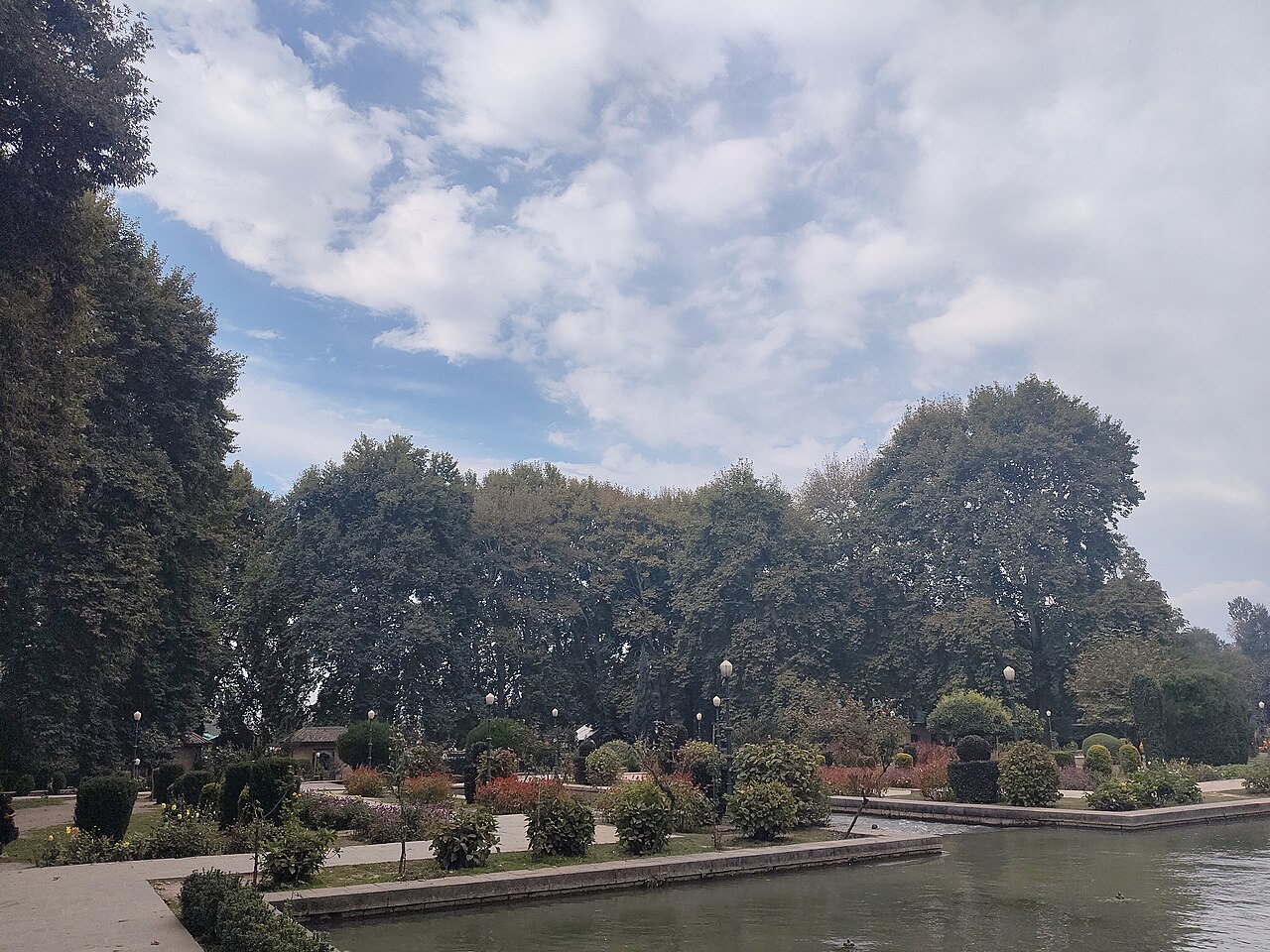
The ancient chinars planted during the Mughal era reach massive proportions, creating a thick overhead canopy of changing leaves.
Walking along the stone paths as leaves drift into the rushing water channels offers some of the finest landscape photography opportunities in the valley.
Exploring the Three Terraces
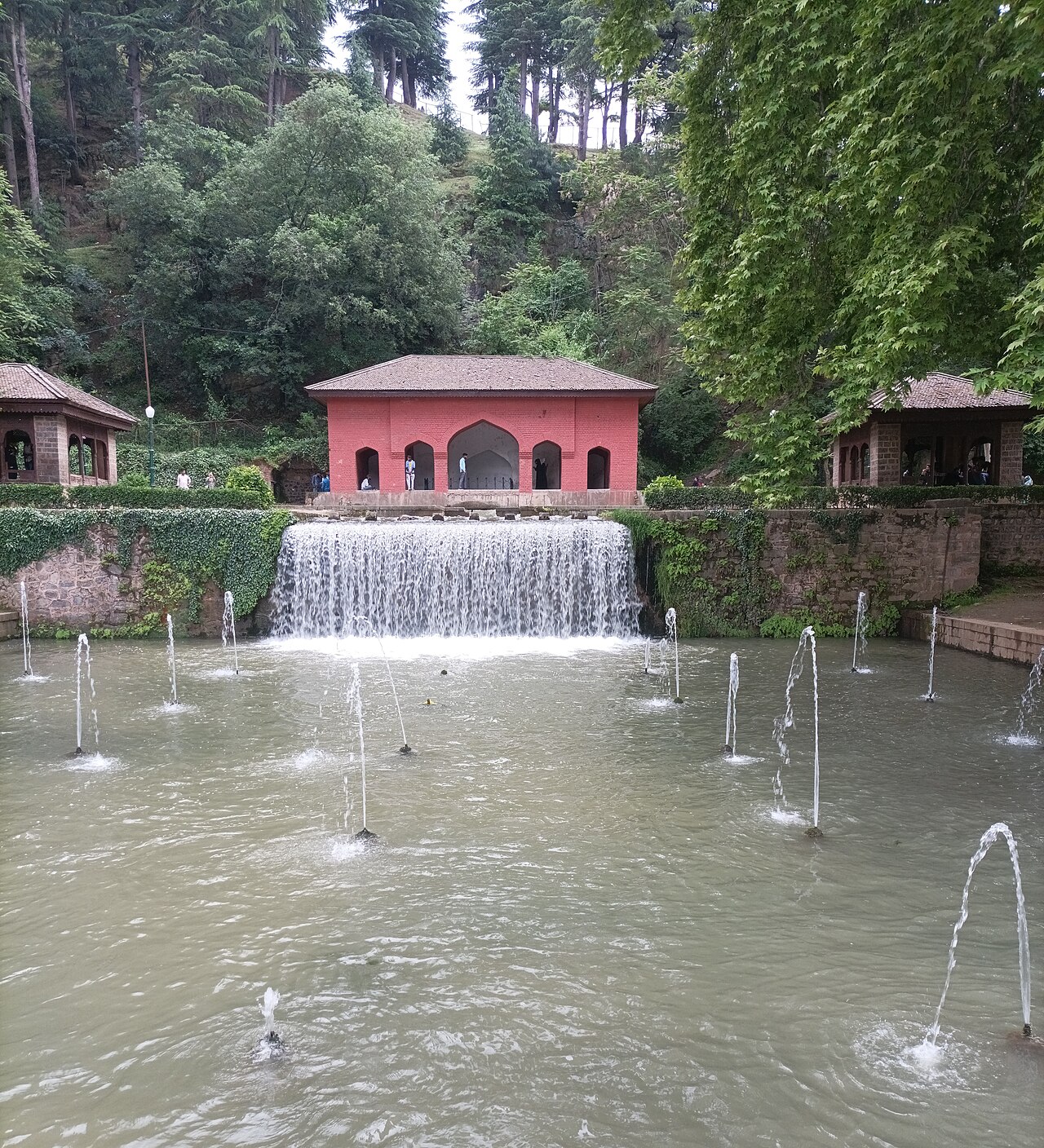
The garden is divided into distinct structural tiers, each serving a specific historical function within the royal compound. The upper terrace marks the source of the spring, where the water first enters the formal stone basin.
Moving down to the middle terrace, you find the primary pavilion ruins and the widest expanse of lawns, historically reserved for grand receptions and court gatherings. This level features the most elaborate fountain arrangements.
The lower terrace opens out towards the entrance gate, framed by symmetrical flower beds and smaller water channels that disperse the flow toward the surrounding agricultural fields.
Combining Achabal with Other Heritage Sites
A well-rounded heritage tour of South Kashmir should never stop at a single garden. The region contains a dense cluster of historical monuments that tell the story of ancient trade routes and royal summer retreats.
Pairing Achabal with the trout streams of Kokernag and the ancient river source at Verinag gives you a complete picture of Mughal landscape architecture in the valley. You can also explore the ruined sun temple at Martand just a short drive away.
Our curated Kashmir garden tours are designed to connect these sites smoothly, balancing historical depth with unhurried exploration time.
Before you book
Achabal remains one of the quiet treasures of the valley, offering a tangible link to an imperial past without the commercial bustle of larger tourist hubs. Walking its terraces lets you appreciate the artistry of Mughal landscape engineering in total tranquility.
If you would like us to help you design a heritage tour that includes Achabal along with the finest cultural sites in South Kashmir, our team at Skywale Packages is ready to assist.
Design Your Heritage Holiday
Reach out to our local experts to plan a custom itinerary through the historic gardens of Kashmir.
Start PlanningWritten by
Kashmir, Jammu & Ladakh specialists
We plan and run trips across Kashmir, Jammu and Ladakh every week of the year. Everything here comes from routes we drive, stays we inspect and questions our travellers actually ask.
Quick answers
Questions we get asked
What makes Achabal Garden unique compared to Srinagar gardens?
Achabal is built directly around a massive natural mountain spring rather than a lake, offering a more intimate, forested setting with significantly fewer crowds.
When is the best time to see autumn foliage at Achabal?
Late October through mid-November provides the peak display of golden and copper foliage on the historic chinar trees.
How long should I plan to spend inside the garden?
Most travellers spend between one to two hours exploring the terraces, taking photographs, and relaxing by the water streams.
Are guides available at the entrance?
Local guides are occasionally available near the gate, but pre-booking a knowledgeable tour operator ensures deeper historical context for your visit.
Photography credits
- Photo: KahkashaaN · CC BY-SA 4.0
- Photo: KahkashaaN · CC BY-SA 4.0
- Photo: Deepank Ranka · CC BY-SA 4.0
- Photo: KahkashaaN · CC BY-SA 4.0
- Photo: TheAafi · CC BY-SA 4.0
- Photo: Aafi · CC BY-SA 4.0
- Photo: KahkashaaN · CC BY-SA 4.0