Is Turtuk Safe to Visit? A Guide for Ladakh Travelers
Everything you need to know about safety, border regulations, and local customs in the Balti valley.
Curious about the border village of Turtuk? We break down the safety reality, permit requirements, and cultural considerations for your trip to this remote corner of Ladakh.
The quiet stone lanes of Turtuk offer a peaceful escape in the heart of the Himalayas.Photo: Fulvio Spada from Torino, Italy · CC BY-SA 2.0
I remember the first time I reached the final checkpoint before Turtuk, watching the Indian Army personnel meticulously check our inner line permits while the Shyok River roared alongside us. You might be wondering: is Turtuk safe to visit? The answer, based on years of leading groups through this border region, is a firm yes, though it requires a different kind of preparation than a standard tourist trip.
Turtuk is not a typical destination where you arrive and wander freely. It sits in a high-security zone, a fact that defines both its isolation and its unique atmosphere. While local peace is absolute, the proximity to the Line of Control means that protocols are strict and, for the uninitiated, can feel intimidating.
The Safety Context of the Border Region
When travelers ask if Turtuk is safe, they are usually asking about the proximity to the border. The village was part of Pakistan-administered Baltistan until 1971, which gives it a distinct cultural and political history. Today, the village is fully integrated into the Indian administrative setup of Ladakh.
Military presence here is a constant reality. You will see bunkers, supply trucks, and checkpoints. Rather than being a sign of danger, this presence is the reason tourism is carefully regulated and managed. As a visitor, you are safer here than in many major cities, provided you respect the restricted zones and stick to marked paths.
Permits and Checkpoints Explained
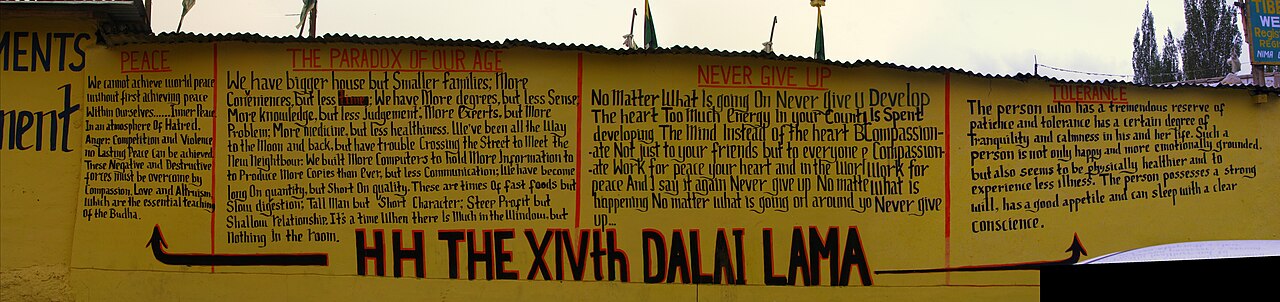
Access to Turtuk is controlled through an Inner Line Permit (ILP). You cannot bypass these checkpoints. We advise our guests to carry at least five physical copies of their permit, as you will be required to submit them at various points along the road from Leh and within the Nubra Valley.
Expect to stop at least three times between the start of your journey and your arrival at the guesthouse. Do not photograph the soldiers or the infrastructure at these checkpoints. A simple polite greeting is always better than trying to capture a shot that could lead to your camera being confiscated.
Respecting Local Balti Customs
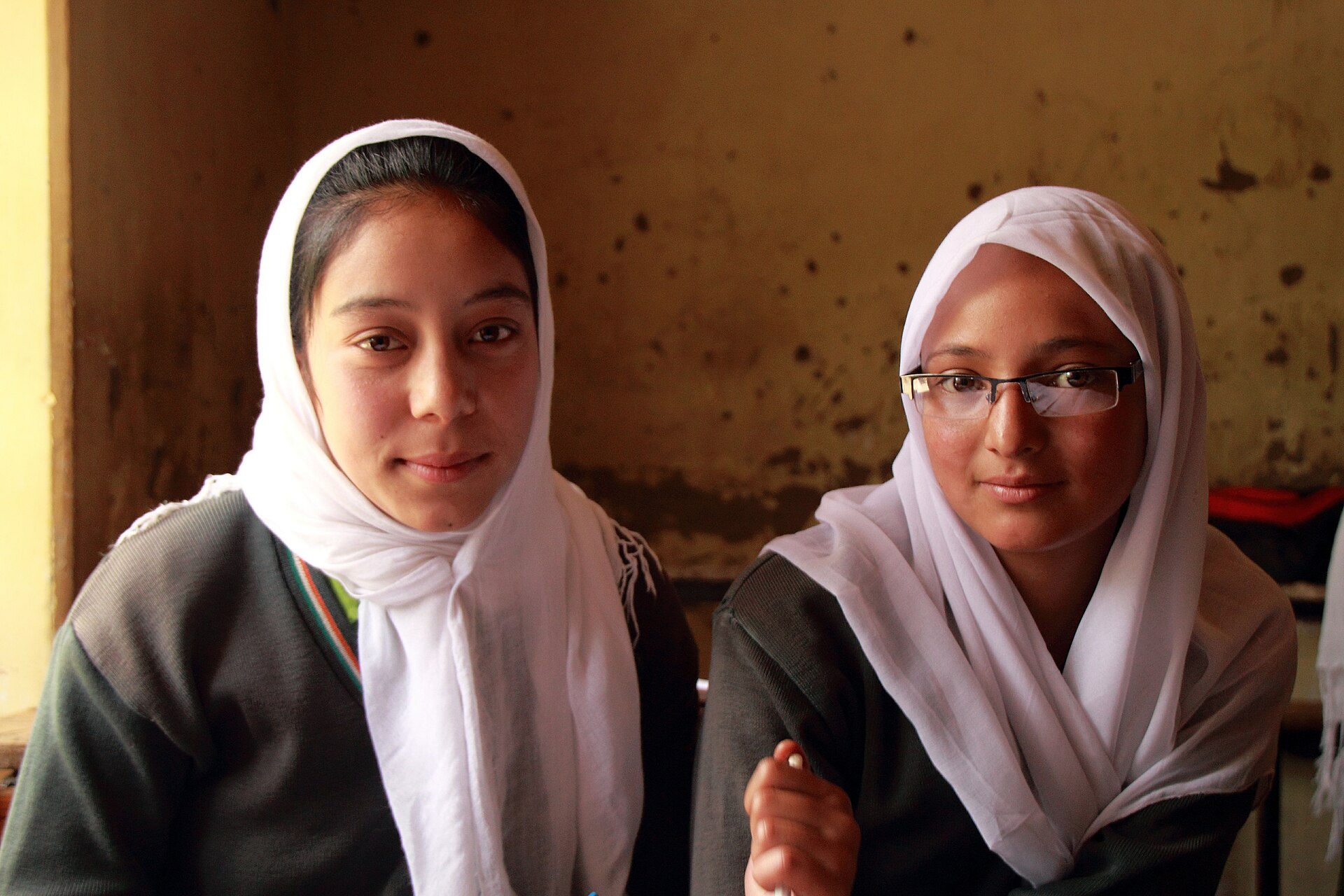
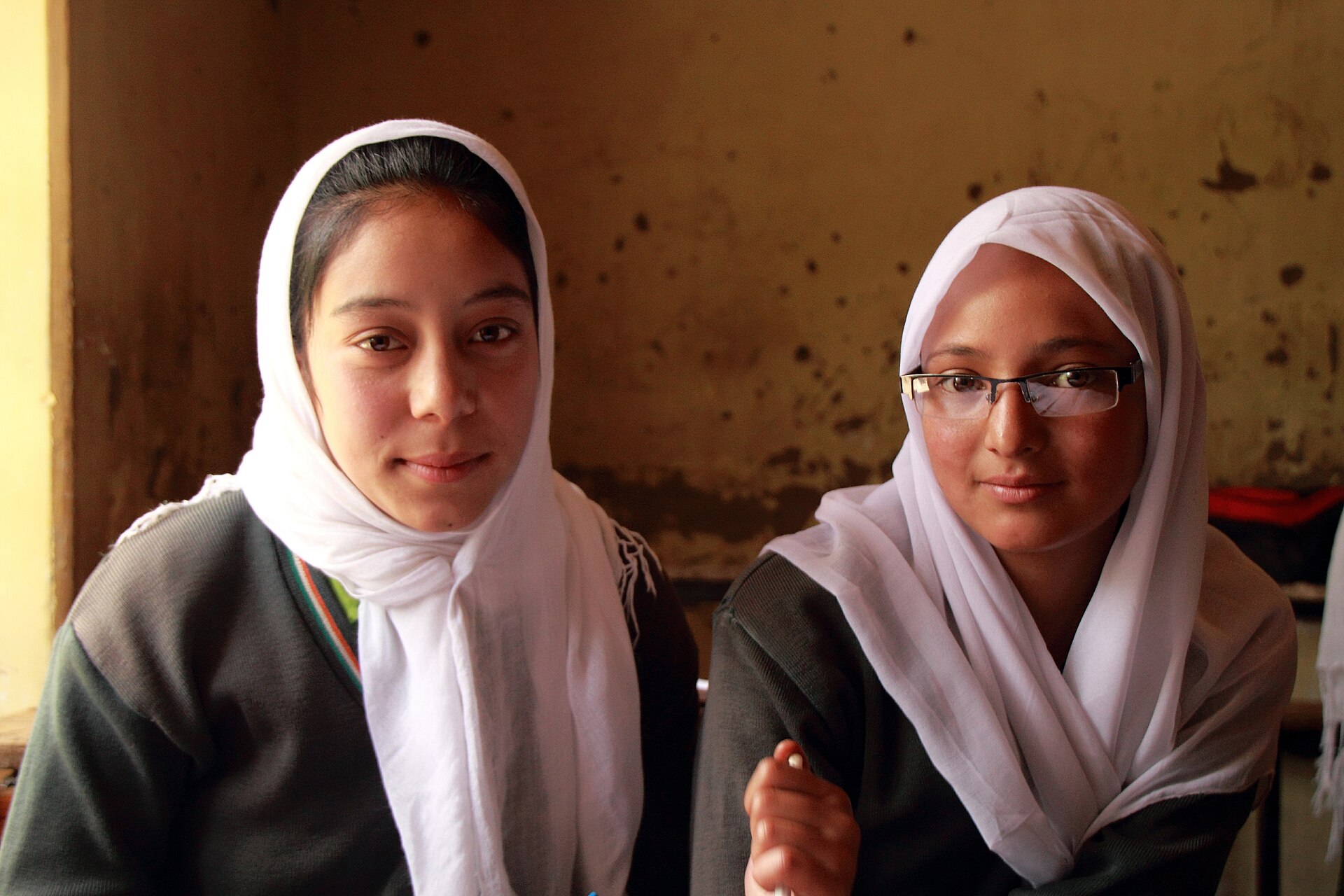
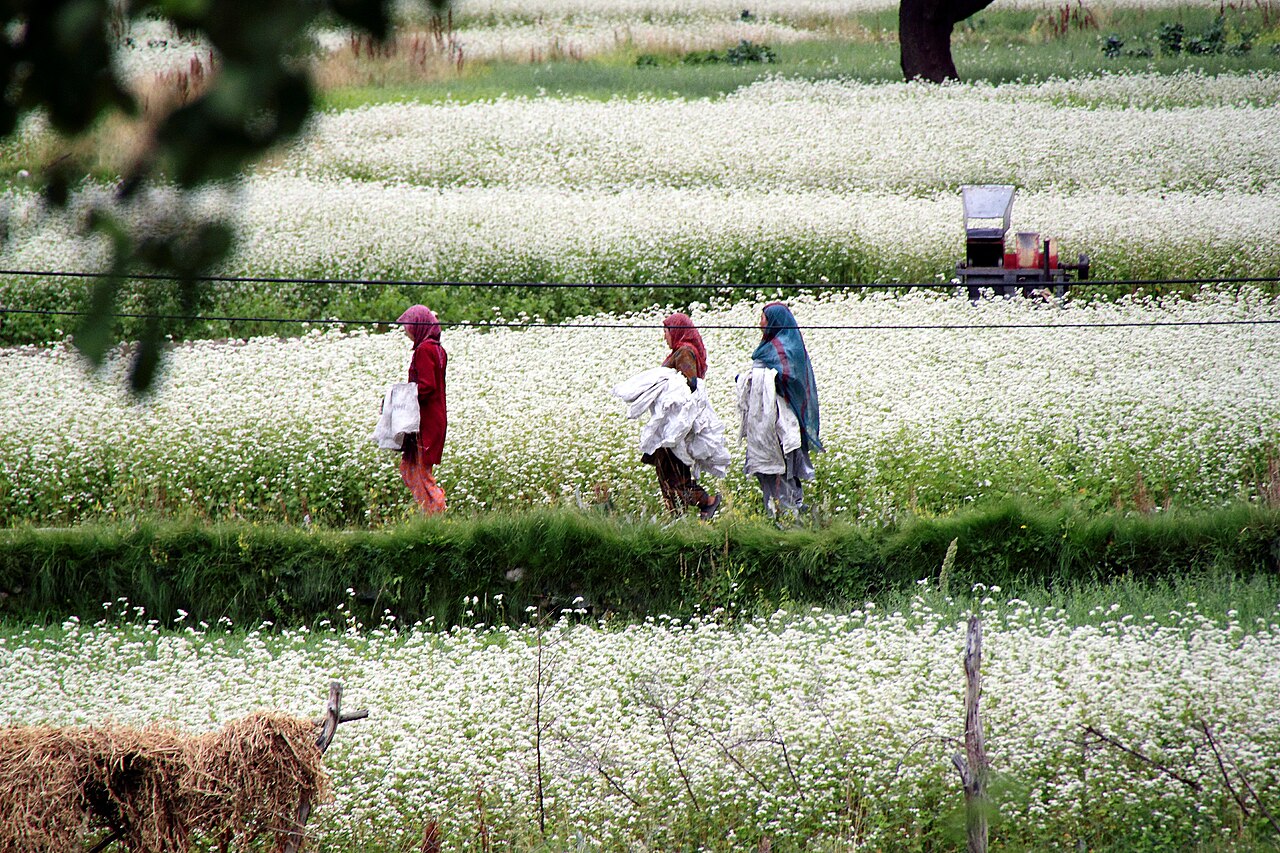
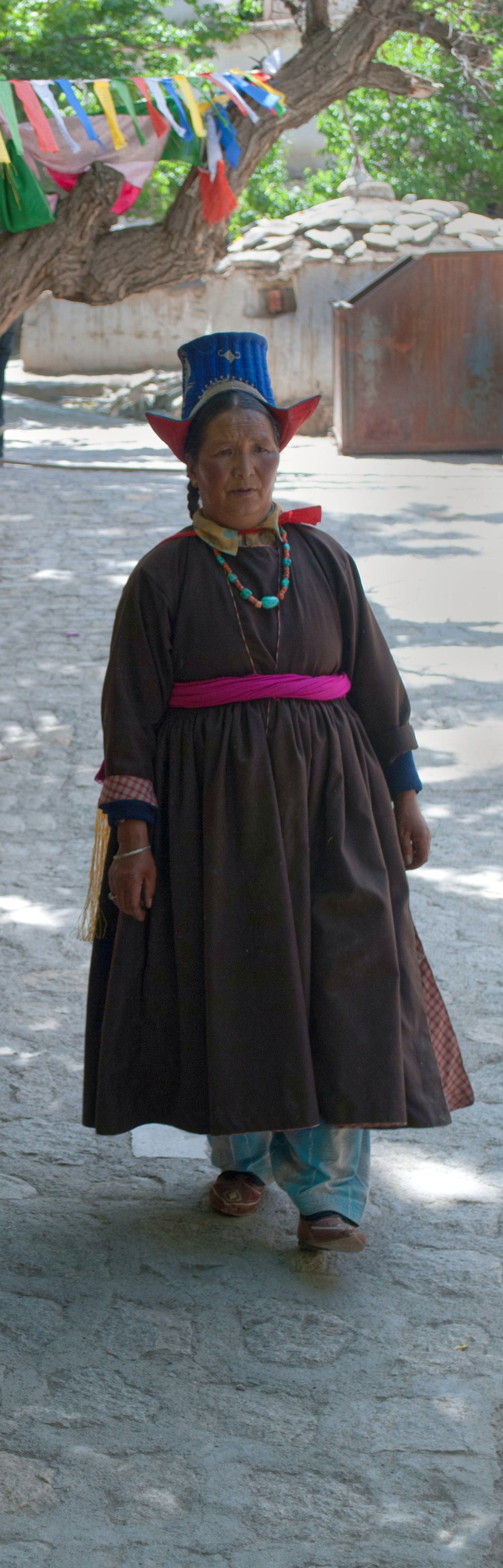
Turtuk is predominantly Muslim, and the social fabric here is deeply tied to Balti traditions. Safety in this context also means cultural safety—ensuring you do not offend the people who host you. Modest dress is essential; keep your shoulders and knees covered while walking through the village lanes.
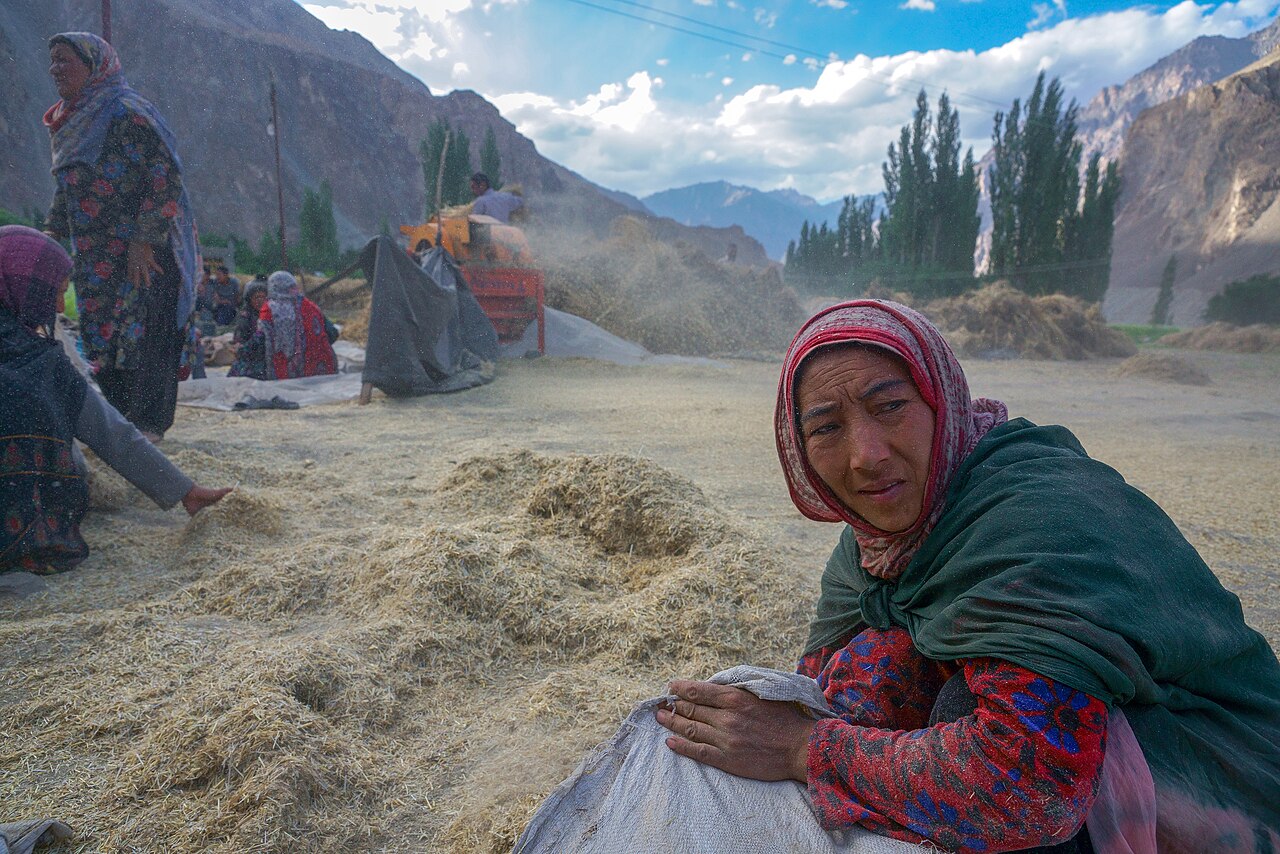
The locals are incredibly hospitable, often inviting visitors for tea. If you are invited into a home, follow the lead of your host regarding seating and footwear. Alcohol is not part of the local culture, and it is strictly avoided in public spaces. Keeping a low profile and moving with intention will ensure you have a warm welcome.
Health and Altitude Precautions
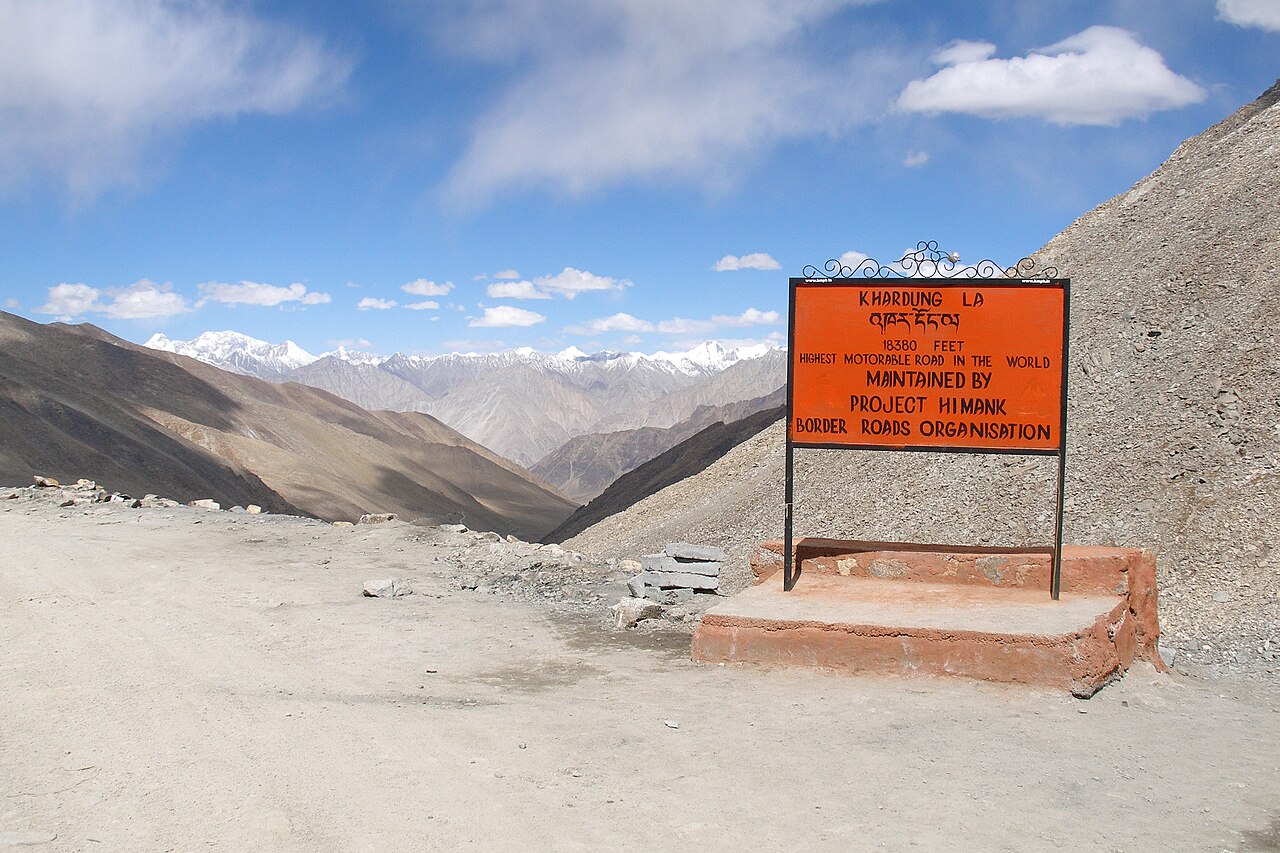
Turtuk sits at a lower altitude than Leh, which is a relief for many travelers struggling with mountain sickness. You are looking at roughly 3,000 meters, compared to the 3,500-meter altitude of Leh or the much higher passes like Khardung La.
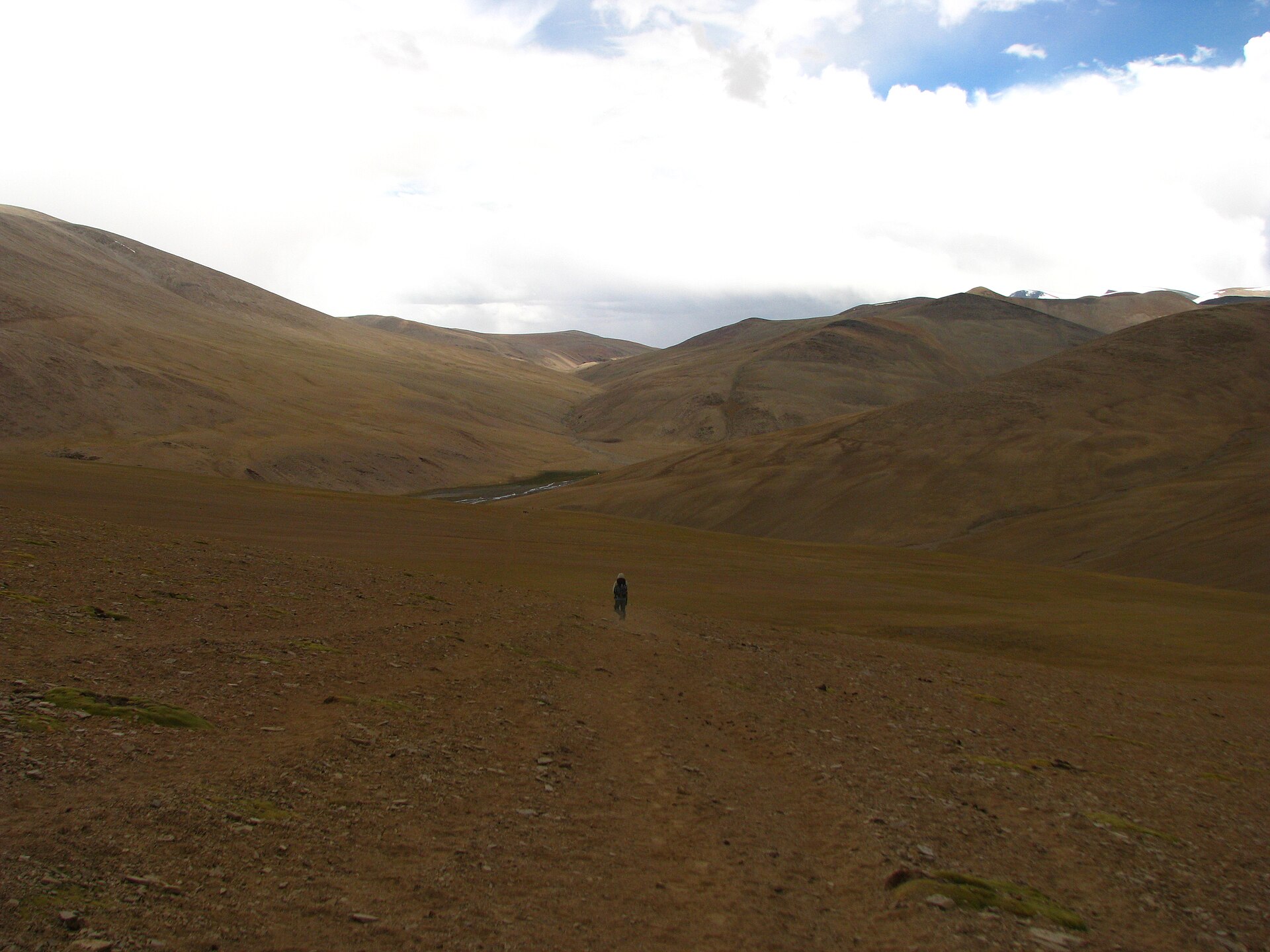
However, the journey to reach it involves crossing high passes. The real safety risk in Ladakh is often exhaustion or dehydration. Drink water constantly, even if you do not feel thirsty, and avoid heavy meals on the drive. If you start feeling a headache or nausea, descend immediately and inform your guide or driver.
The Value of Local Guidance
Navigating the logistics of a trip to this part of the world can be taxing. Road conditions change with the weather, and permit rules are occasionally updated on short notice. Having a local driver who speaks the language and knows the gate timings for the mountain passes is the most reliable way to stay safe.
We regularly help travelers coordinate these logistics because the variables are too high to handle on the fly. If you want to know more about our current routes, feel free to contact us for specific advice on your itinerary.
Before you book
Turtuk offers a window into a part of the Himalayas that feels worlds away from the busy streets of Leh. While the logistics require a bit of extra attention, the experience of being in this quiet, stone-walled village is well worth the effort.
If you are considering a visit and want to ensure you have all your safety and permit ducks in a row, we are always happy to talk through your plans.
Planning your trip?
We can handle your Inner Line Permits and arrange safe, experienced transport to Turtuk. Reach out to us today to start your planning.
Contact UsWritten by
Kashmir, Jammu & Ladakh specialists
We plan and run trips across Kashmir, Jammu and Ladakh every week of the year. Everything here comes from routes we drive, stays we inspect and questions our travellers actually ask.
Quick answers
Questions we get asked
Do I need a special permit to visit Turtuk?
Yes, you need an Inner Line Permit (ILP). You can obtain this online or through authorized tour operators in Leh. Ensure you have several copies ready before you start your journey.
Is the road to Turtuk dangerous?
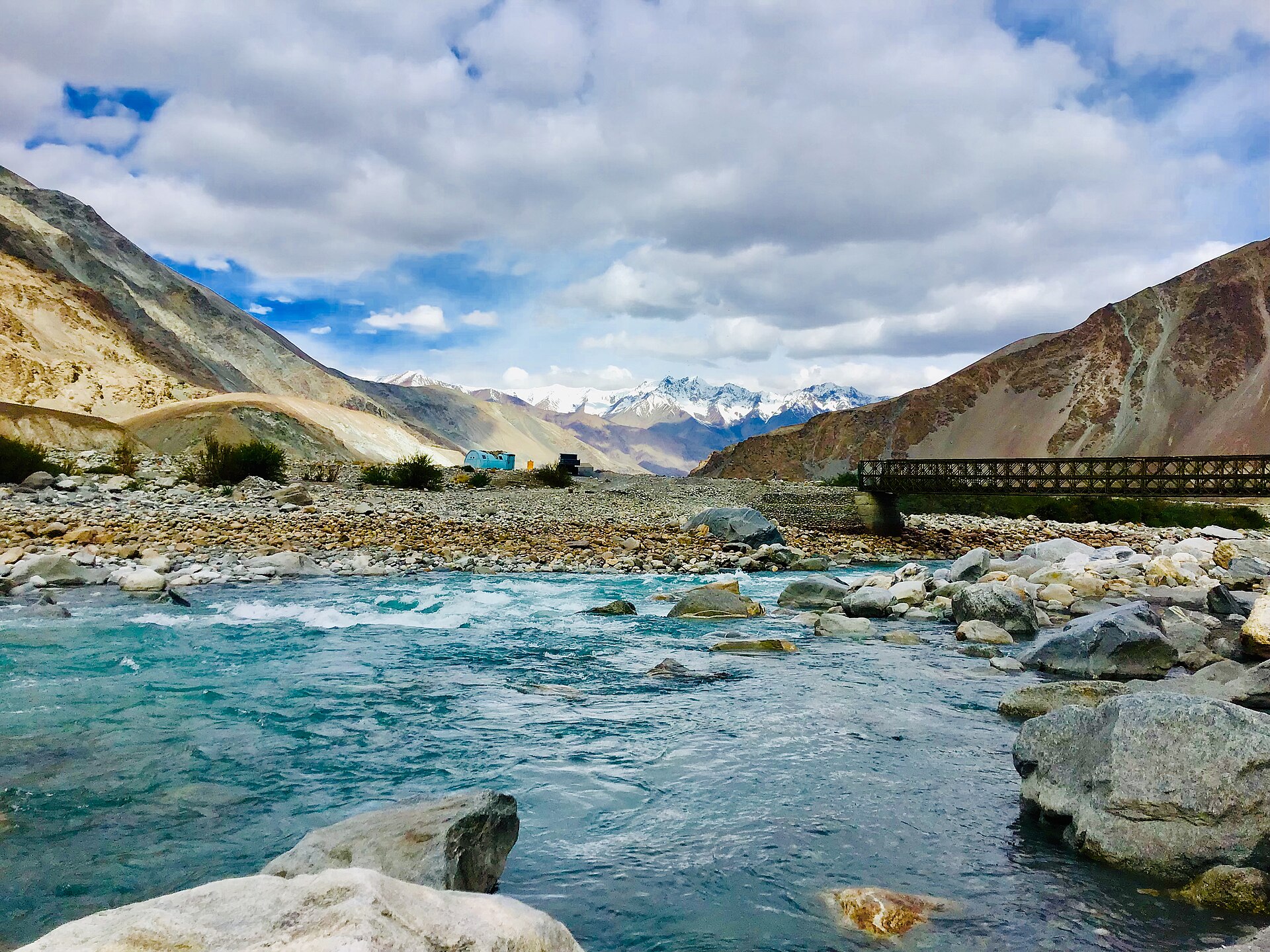
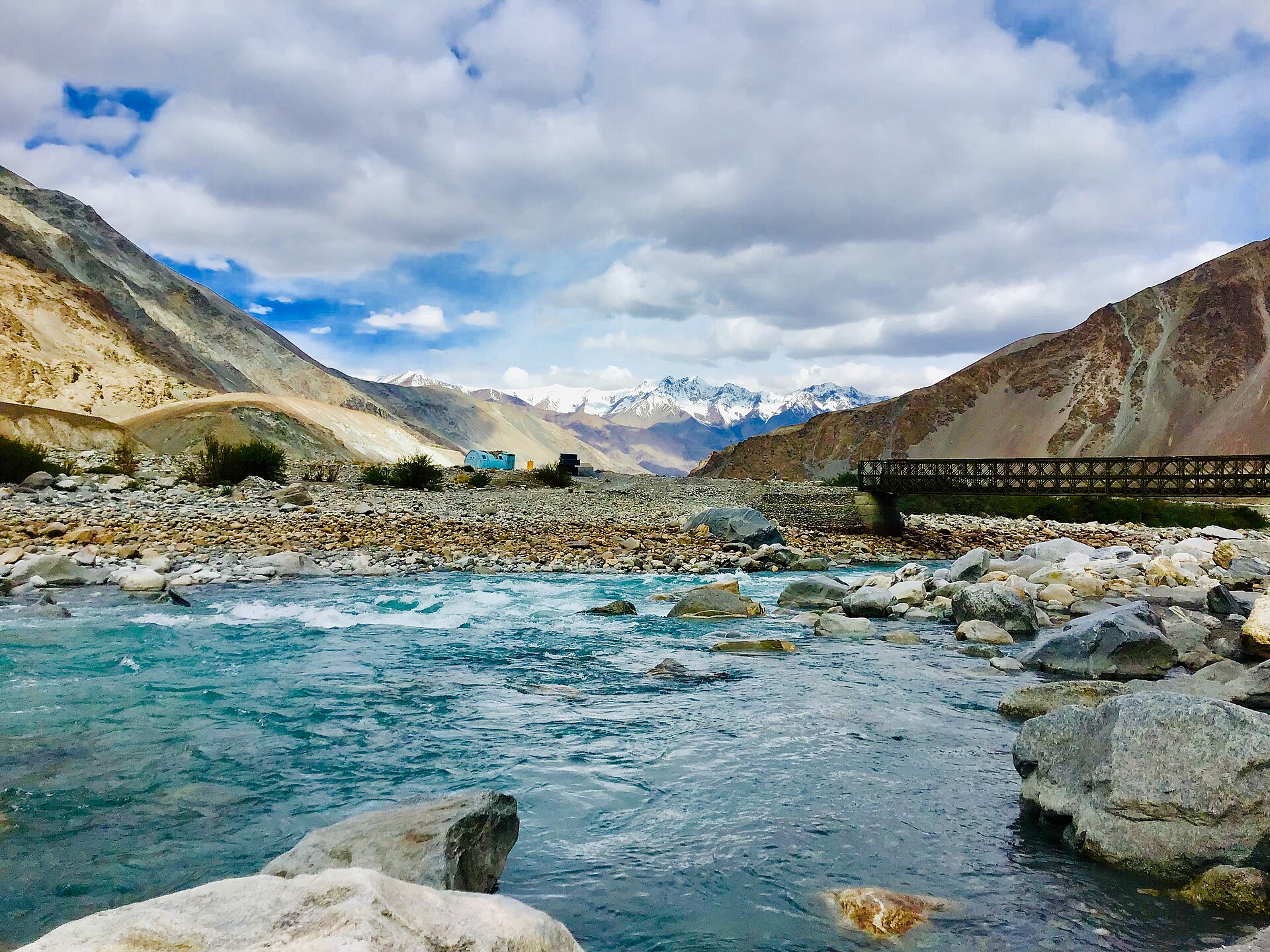
The road is unpaved in sections and runs along the Shyok River. It is safe, but it requires an experienced driver who knows how to navigate potential water crossings and landslides.
Can I travel to Turtuk as a solo woman?
Yes, it is common. However, we suggest booking your transport through a reputable agency to ensure your driver is reliable and your accommodation is vetted for safety.
Are there medical facilities in Turtuk?
There is a basic primary health center, but it is not equipped for emergencies. Major medical assistance is only available back in Leh, several hours away by road.
Is it safe to take photos near the border?
You can take photos of the village, the mountains, and the river. You must never photograph military installations, checkpoints, or personnel.
Photography credits
- Photo: Fulvio Spada from Torino, Italy · CC BY-SA 2.0
- Photo: Suketu Murali · CC BY-SA 4.0
- Photo: McKay Savage from London, UK · CC BY 2.0
- Photo: Fulvio Spada from Torino, Italy · CC BY-SA 2.0
- Photo: Vyacheslav Argenberg · CC BY 4.0
- Photo: Drashokk · CC BY-SA 4.0
- Photo: KartikiGonsalves · CC BY-SA 4.0