Things to do in Turtuk
Discovering the quiet culture of the last major Balti village
Turtuk is a world away from the rest of Ladakh. Here is how to spend your time in this unique, historically significant village.
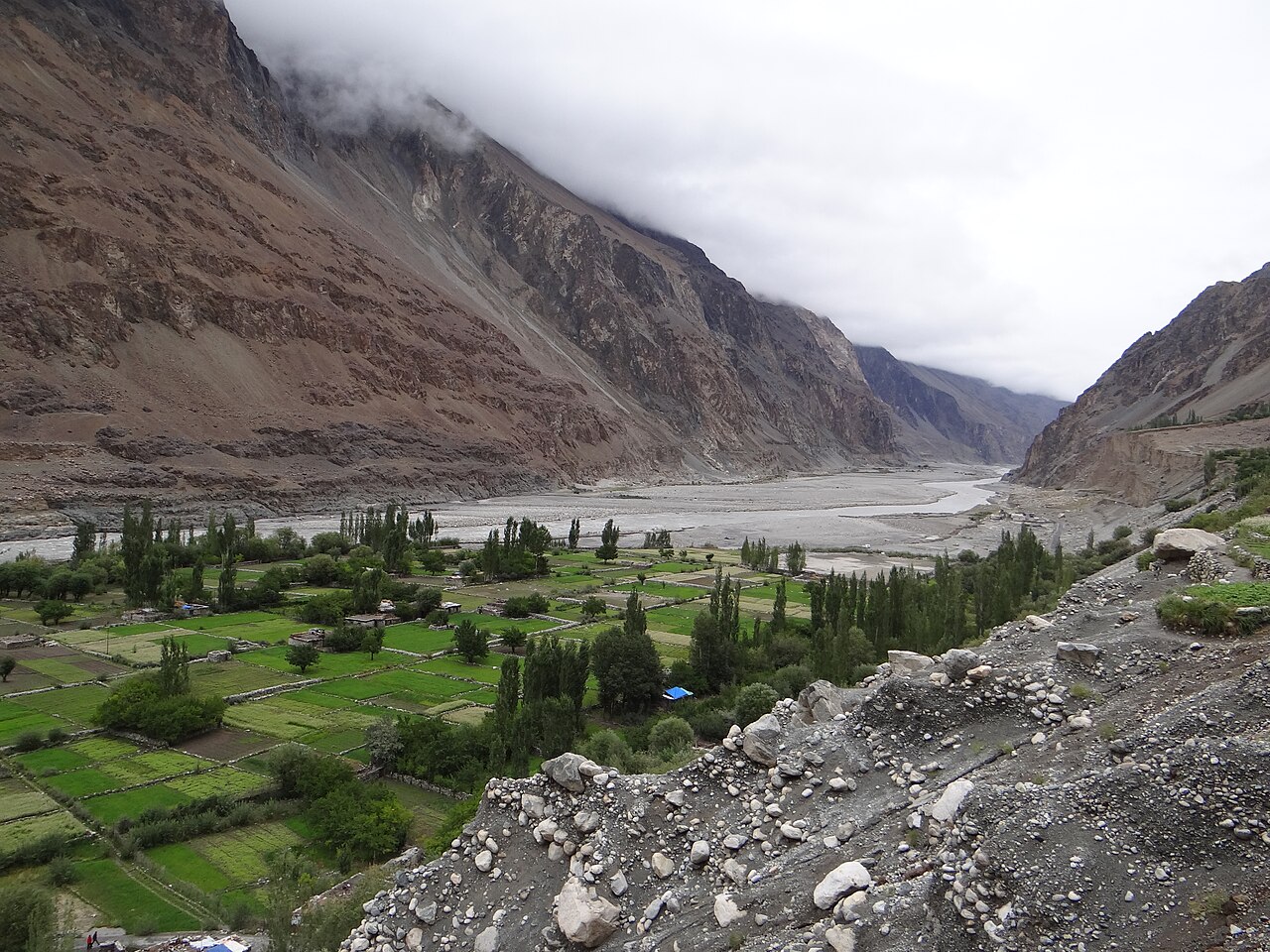
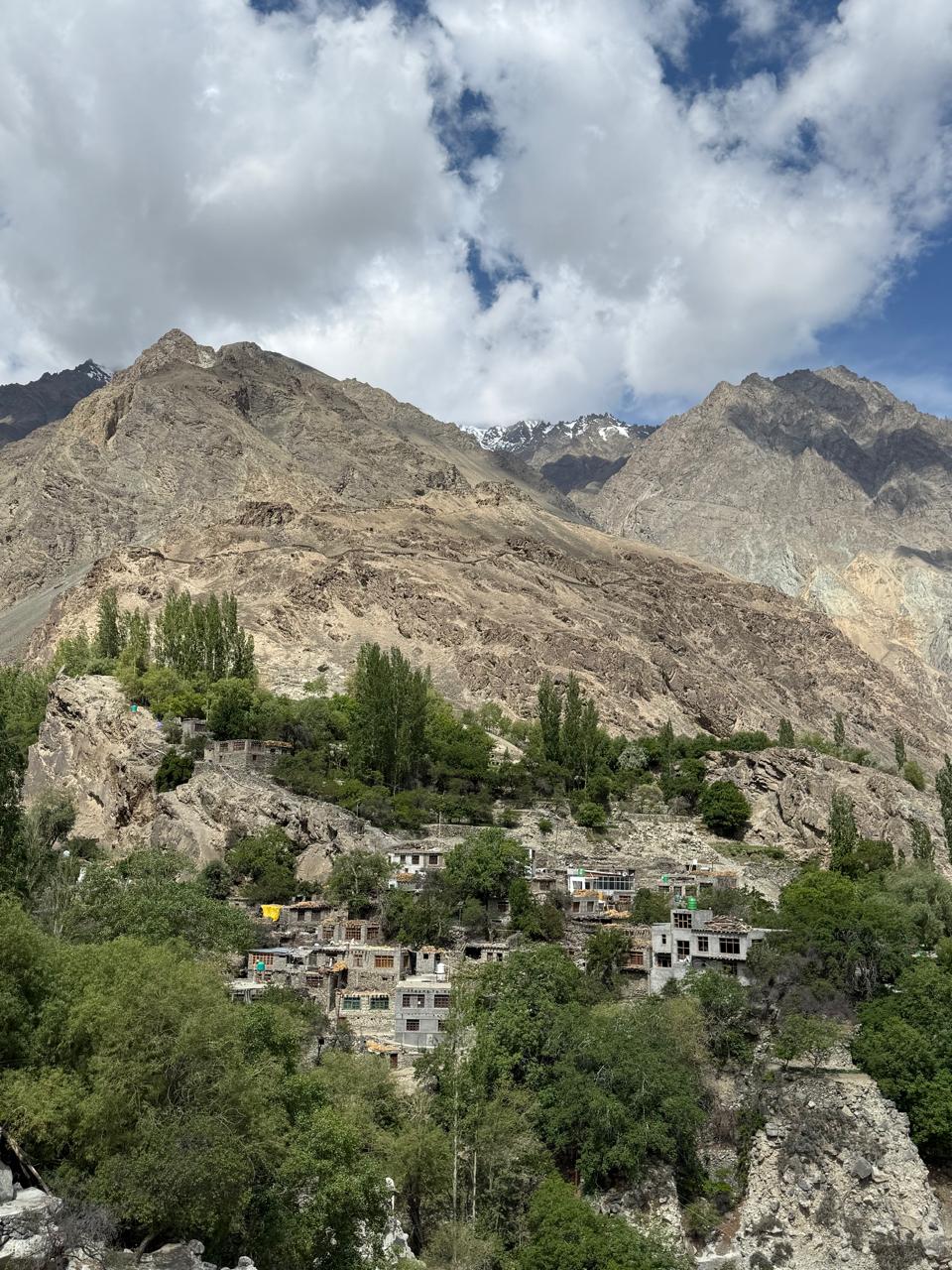
Turtuk is an oasis of green tucked away in the rugged landscape of Ladakh.Photo: Fulvio Spada from Torino, Italy · CC BY-SA 2.0
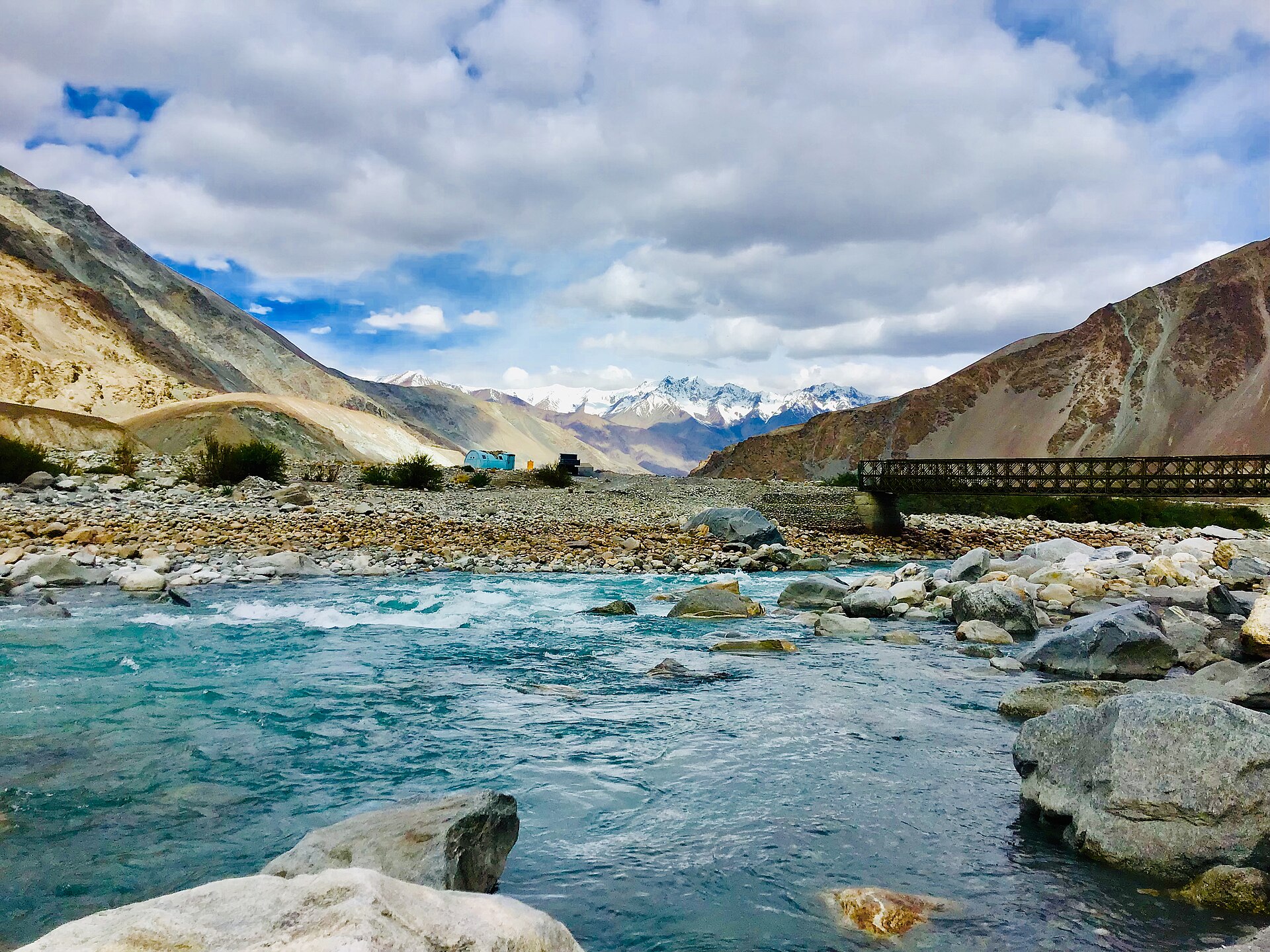
The sound of the Shyok river is constant in Turtuk, but the village itself feels oddly still, as if it is holding onto a secret that the rest of the world has forgotten.
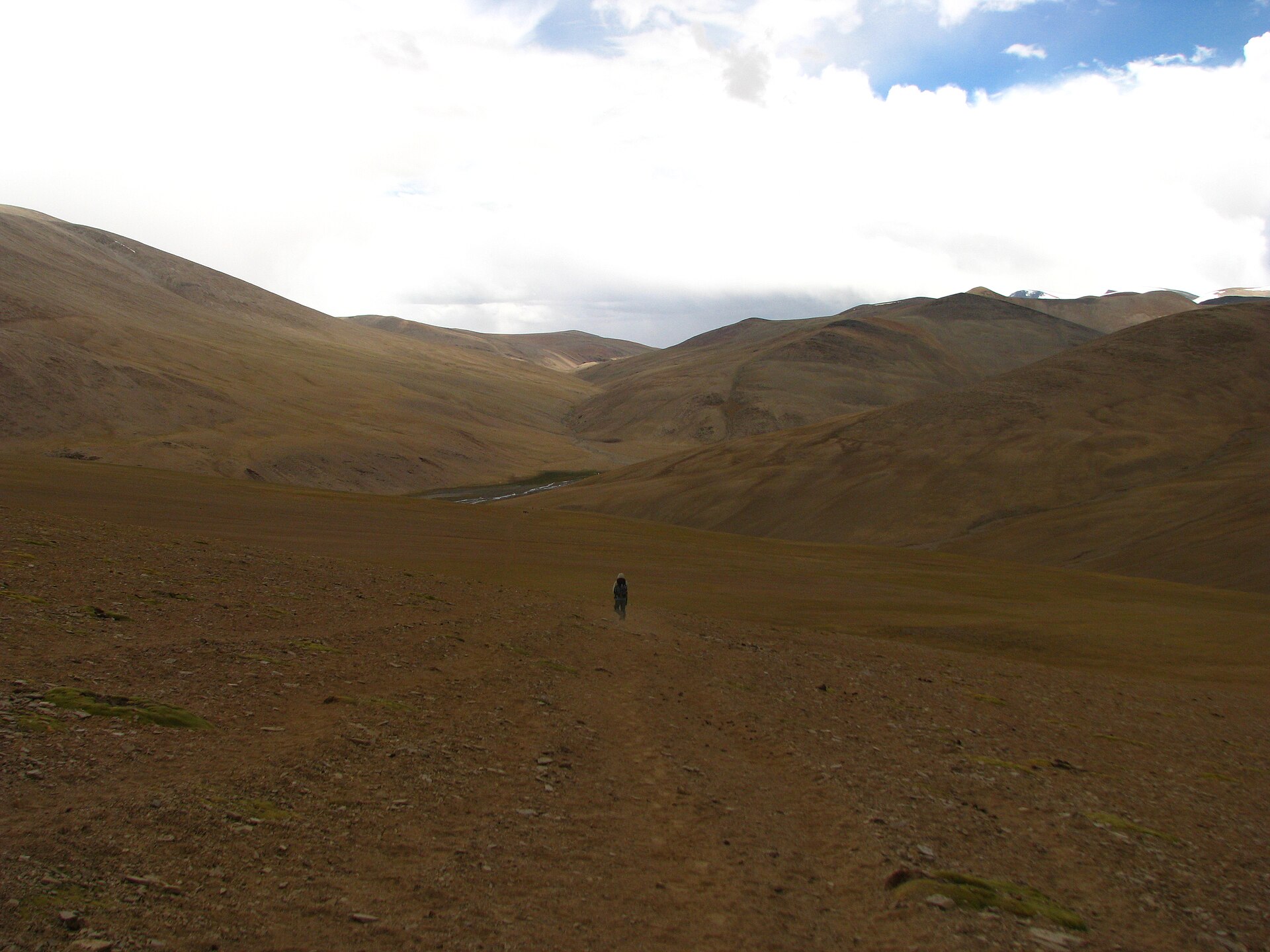
I remember my first time crossing into this part of the Nubra Valley. The landscape shifted from the stark, moon-like grit of the main pass to a lush, green corridor where apricot trees sag under the weight of the summer harvest. Turtuk is not just another stop on a Ladakh itinerary; it is a cultural enclave that feels like it belongs to a different country entirely.
Because of its unique history—having been part of Baltistan until 1971—the village carries a distinct character. It isn't a place for rushing. It is a place for walking, talking, and observing. If you are looking for a guide on the best things to do in Turtuk, you have come to the right place.
Walking Through History in the Old Village
The most rewarding way to experience Turtuk is to leave your vehicle at the main entry and walk into the upper parts of the village. The houses here are built of stone and wood, with narrow, winding passages that seem designed for an older pace of life.
Notice the small water channels (kuhls) that run through the village. They are the lifeblood of the community, carrying glacial melt to the orchards. Take your time to walk slowly. You will often see elders sitting on carved wooden benches, and a polite nod goes a long way here.
Keep an eye out for the architecture of the older homes, which reflects the classic Balti style—often incorporating flat roofs and wood-stucco walls that have stood the test of time.
The Yabgo Royal House and Museum
Turtuk once had its own royal lineage, and the Yabgo family home remains the centerpiece of that history. It is not a grand palace, but rather a modest, deeply authentic space that tells the story of a region that was once a sovereign principality.
Inside the museum, you will find items spanning centuries: old weaponry, traditional garments, and photographs that document the transition of this village through some of the most volatile borders in the world. It’s a sobering, fascinating look at how geopolitics shapes local identity.
The current inhabitants are often happy to share stories about their ancestors. It’s a rare chance to see history not through a textbook, but through the objects that have remained in the same room for generations.
Exploring the Apricot Orchards
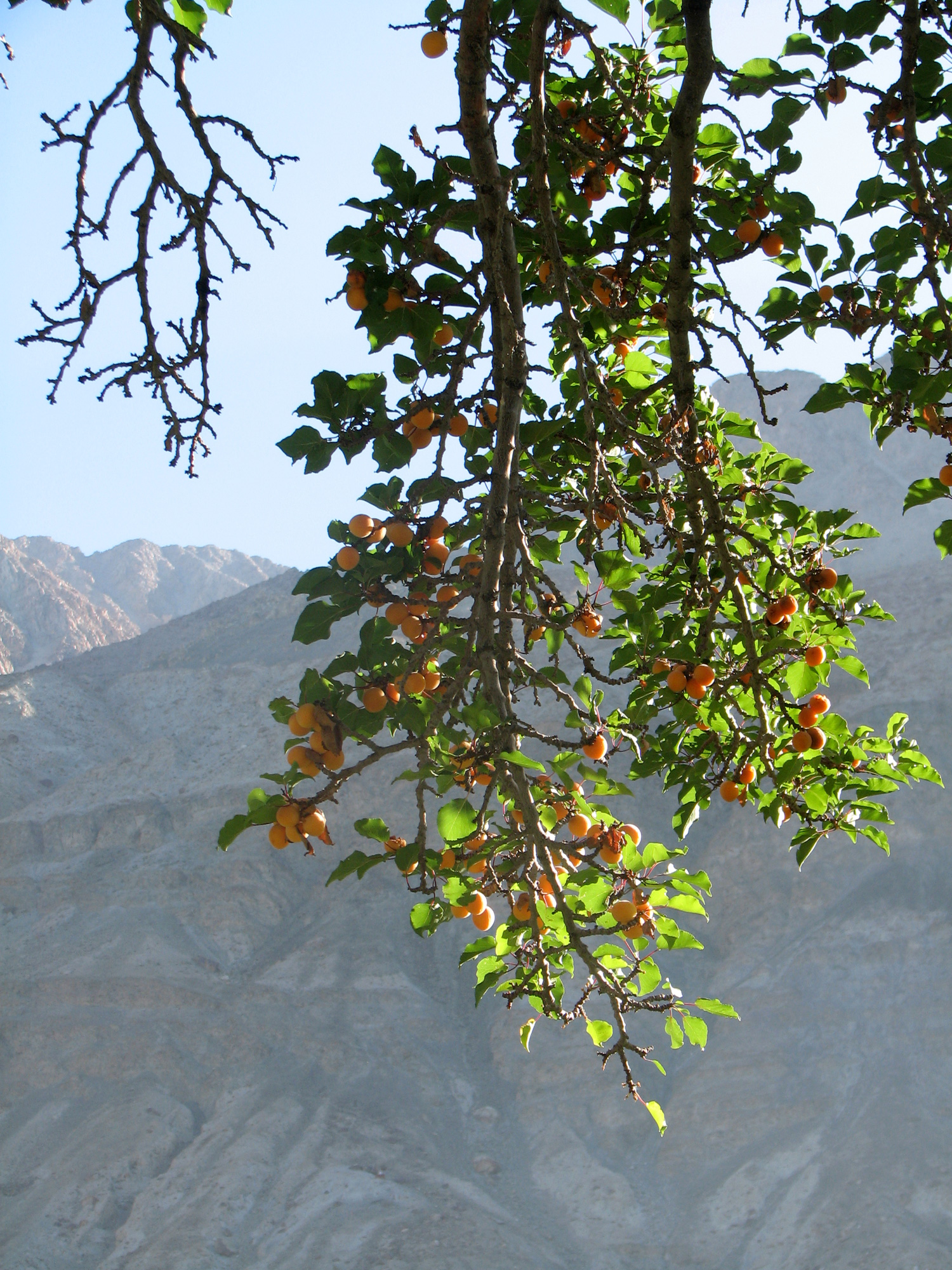
In July and August, the entire village smells of ripening apricots. The trees are everywhere—hanging over the walls, lining the paths, and filling the small gardens between houses.
Turtuk is famous across the region for its apricot yield. If you are there during the harvest, you will see the locals busy drying the fruit on the rooftops. It is a hive of activity that feels genuine and unhurried.
Don't be surprised if you are offered a bowl of fresh or dried apricots. It is a common gesture of hospitality. Take the time to sit under the shade of an orchard for a moment; it is arguably the most peaceful place in the entire Ladakh region.
A Visit to the Thang Village Viewpoint
Just a few kilometers past the main settlement is the village of Thang, which sits right near the border. There is an observation deck here that offers a view of the other side of the valley, and it is a stark reminder of the division that marks this region.
The view is expansive, showing the winding river and the mountains that mark the line of control. It is a quiet place to reflect on the nature of the valley. It is not an 'activity' in the sense of a sport or an event, but it is one of the most poignant experiences you can have in the area.
You will need to register your details at the checkpoint nearby. Keep your ID proof handy and respect the photography restrictions in place.
Engaging with Local Balti Culture
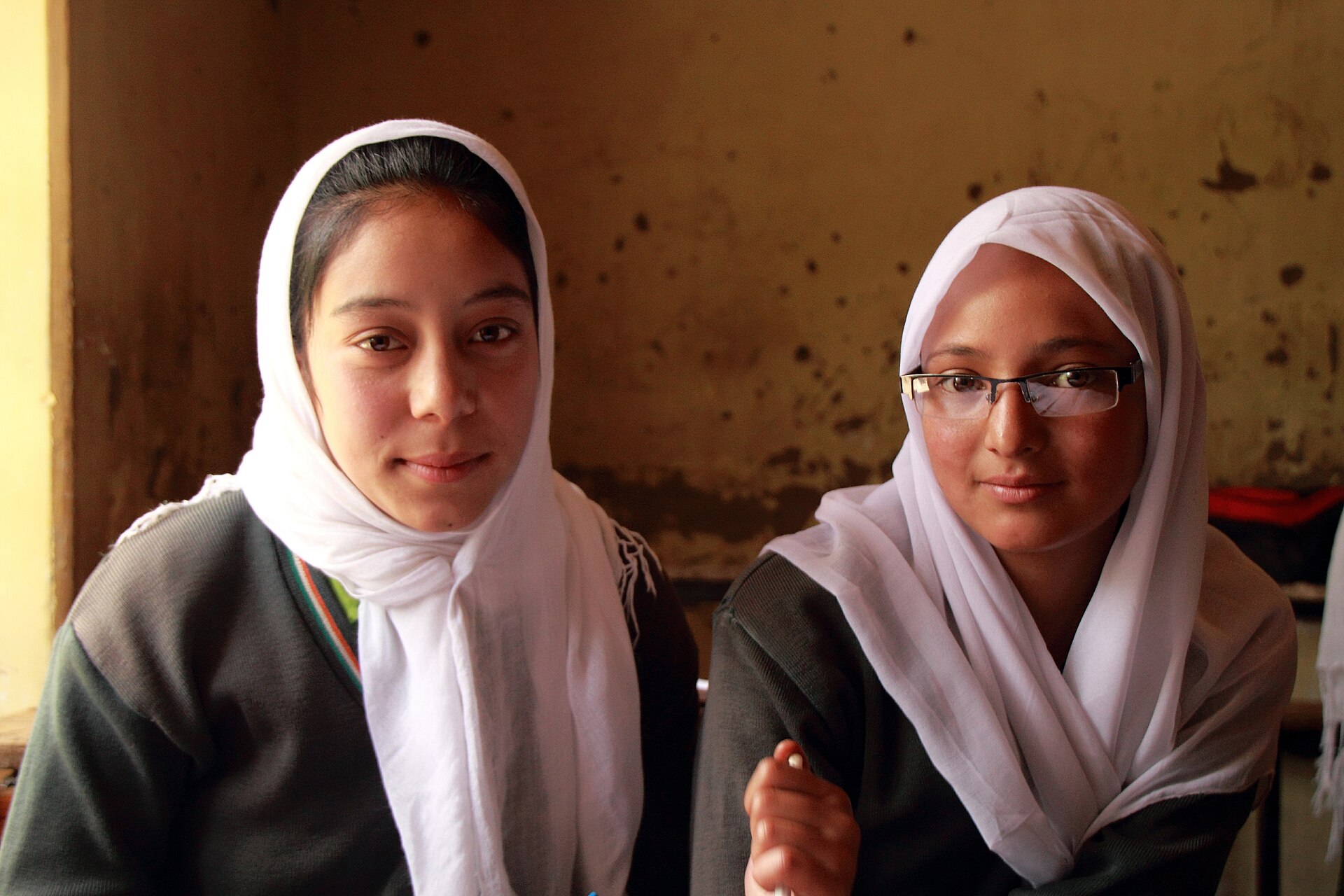
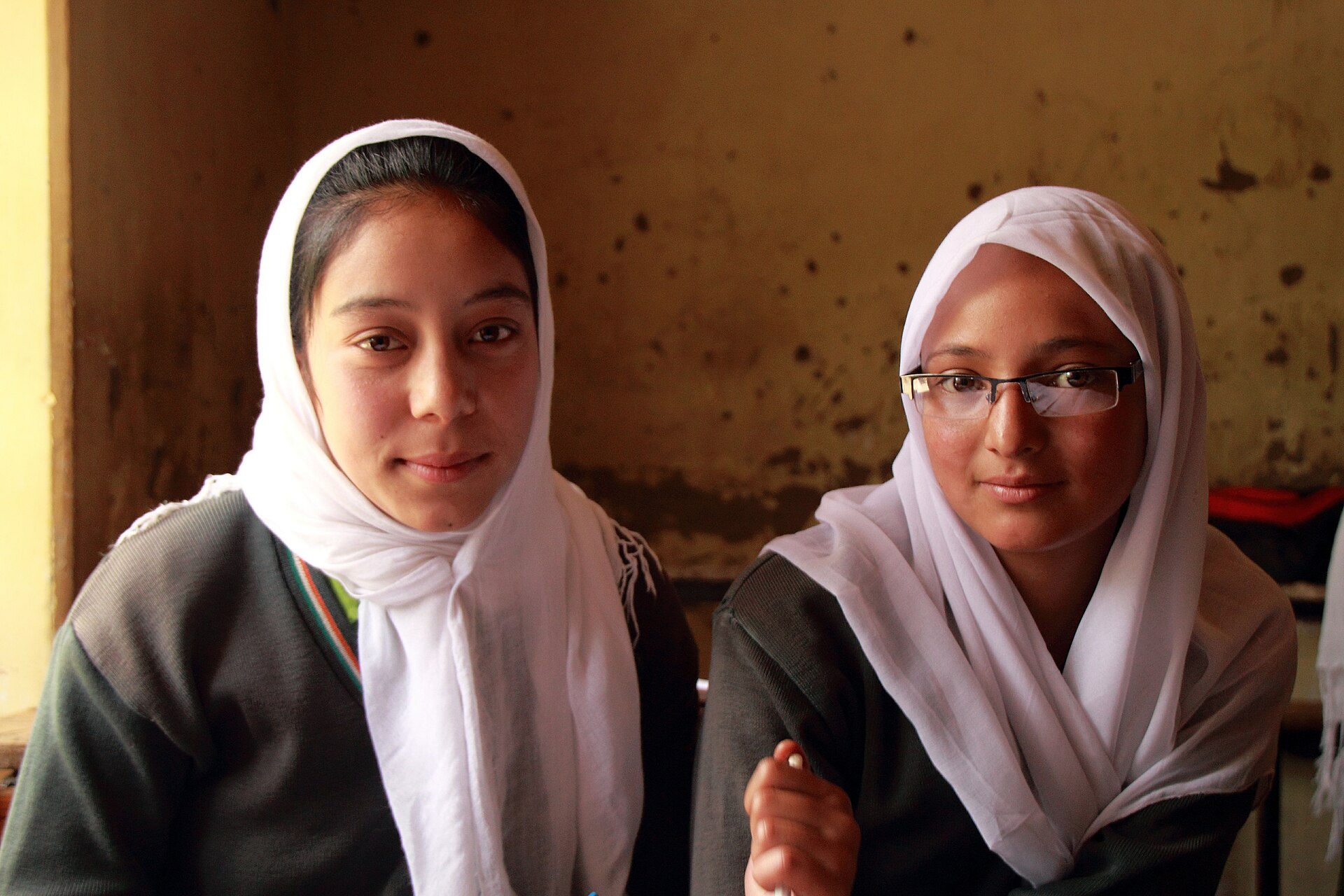
The culture in Turtuk is distinct from the Tibetan-influenced culture of Leh. The language is Balti, the food leans towards rich, hearty dishes, and the traditions are deeply rooted in their unique geography.
Try a meal at a local cafe or guesthouse. Order the 'Kissir'—a traditional buckwheat pancake usually served with a side of local apricot jam or a savoury dip. It is simple, filling, and perfectly representative of the local cuisine.
When interacting with locals, ask about their daily lives rather than focusing only on the historical conflict. You will find a community that is proud of its heritage and deeply connected to their land, their orchards, and their families.
Before you book
Turtuk stays with you long after you leave. It is a place that defies the typical expectations of a Ladakh trip, offering a slower, more intimate glimpse into a community that is deeply tied to its traditions.
If you are planning to visit and want to ensure you experience the village in a respectful and meaningful way, please reach out to us at Skywale Packages. We help travelers connect with local families and plan itineraries that give you enough time to really breathe in the atmosphere of the valley.
Planning your trip to Turtuk?
We specialise in authentic Ladakh itineraries that take you beyond the main tourist spots. Let us help you organize your transport and local stay.
Get Help PlanningWritten by
Kashmir, Jammu & Ladakh specialists
We plan and run trips across Kashmir, Jammu and Ladakh every week of the year. Everything here comes from routes we drive, stays we inspect and questions our travellers actually ask.
Quick answers
Questions we get asked
Is Turtuk safe for tourists?
Yes, Turtuk is a peaceful and welcoming village. While it is near the border, the area is stable and frequently visited by travelers exploring the Nubra Valley.
How long should I spend in Turtuk?
We recommend at least one full day. It takes time to reach from Leh or Hunder, and the village is meant to be explored at a slow, walking pace.
Do I need special permission to visit Turtuk?
You need an Inner Line Permit (ILP) to enter the Nubra Valley, which covers your visit to Turtuk. Ensure your permit is current.
What is the best way to get to Turtuk?
The most common way is to hire a private taxi from Leh or Hunder. The road follows the Shyok river and offers dramatic scenery throughout the drive.
Are there many hotel options in Turtuk?
Turtuk has a growing number of homestays and small guesthouses. They are simple but clean and offer the most authentic experience.
Photography credits
- Photo: Fulvio Spada from Torino, Italy · CC BY-SA 2.0
- Photo: Karunakar Rayker from India · CC BY-SA 2.0
- Photo: KartikiGonsalves · CC BY-SA 4.0
- Photo: Fulvio Spada from Torino, Italy · CC BY-SA 2.0
- Photo: Rajnish71 · CC BY-SA 4.0
- Photo: Dr Ghulam Mehdi · CC BY-SA 4.0
- Photo: Rajnish71 · CC BY-SA 4.0