How Far is Turtuk from Nubra Valley? A Road Trip Planner
Essential logistics for your drive to the final village before the border.
Driving to Turtuk from the main hubs of Nubra Valley? Here is what you need to know about distances, road conditions, and the scenic route that takes you there.
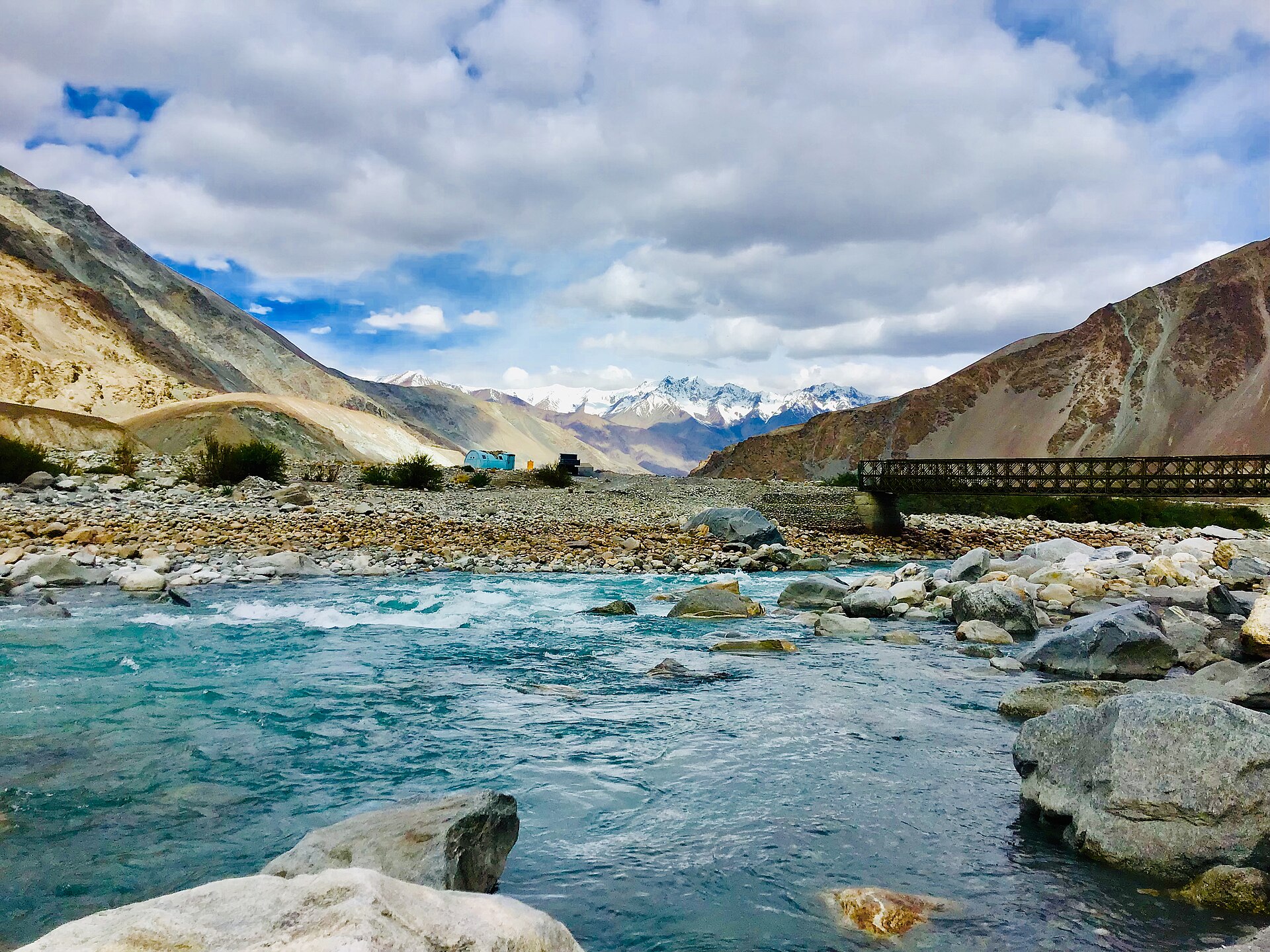
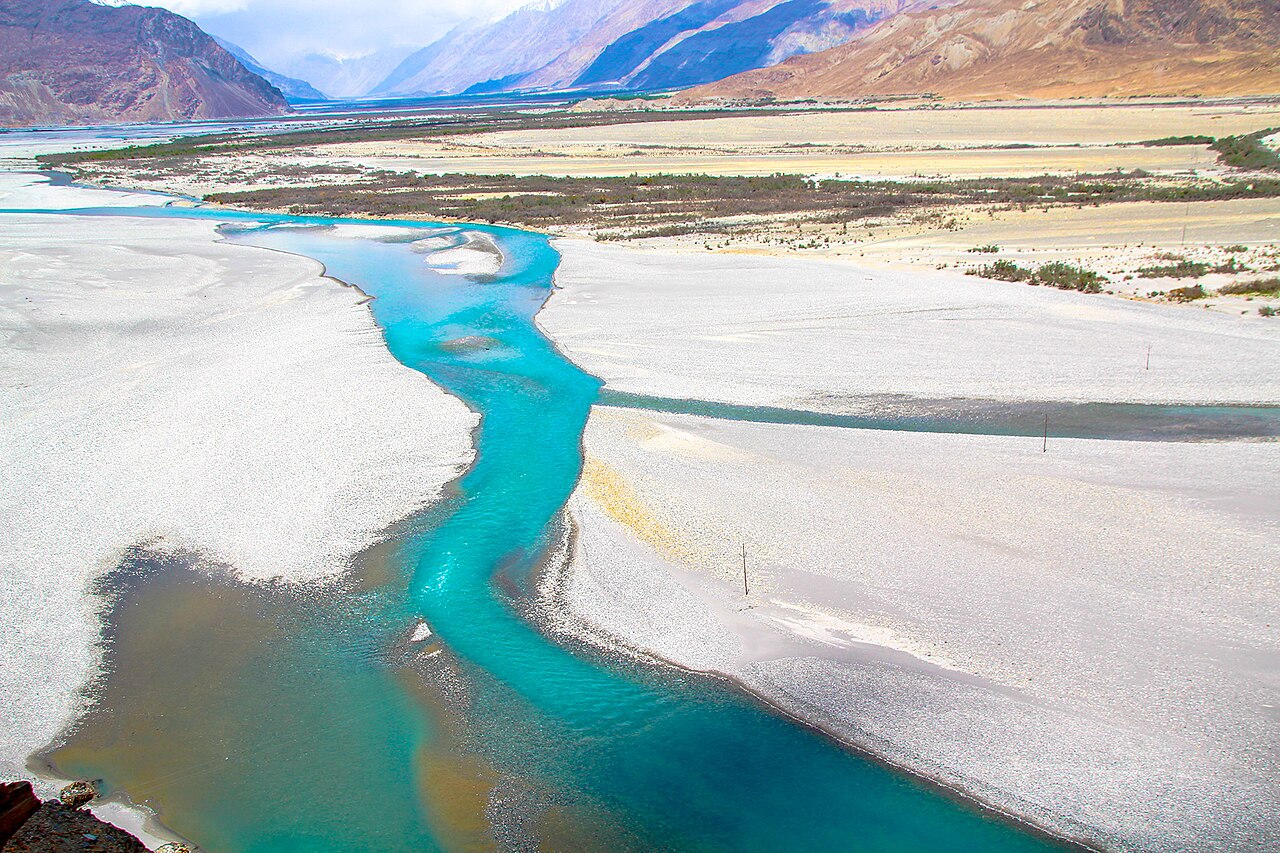
The drive to Turtuk is defined by the winding path of the Shyok River.Photo: Suketu Murali · CC BY-SA 4.0
The first time I drove from Hundar to Turtuk, I kept waiting for the landscape to settle into a rhythm, but the road between these two points keeps shifting, from wide gravel tracks to narrow cliff-hugging ribbons. Many travelers ask how far is Turtuk from Nubra, and while the distance in kilometers is relatively small, the drive time depends entirely on the condition of the Shyok River road.
Expect the journey to cover about 80 to 90 kilometers from the central Nubra hubs like Hundar or Diskit. In terms of hours, you are looking at a four to five-hour commitment. This is not a route to rush through; it is a slow crawl through some of the most dramatic terrain in the entire Karakoram region.
Understanding the Geographical Connection
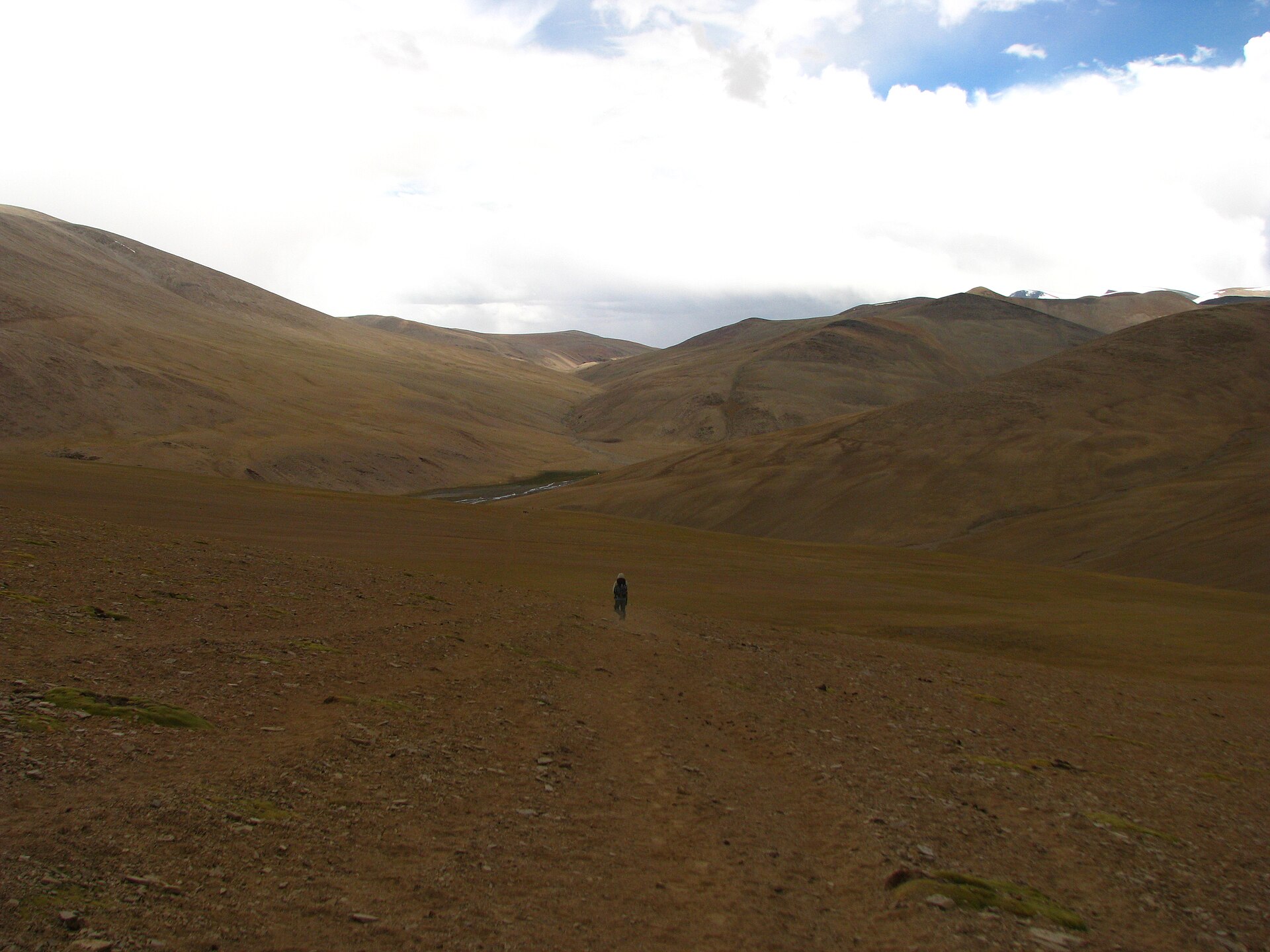
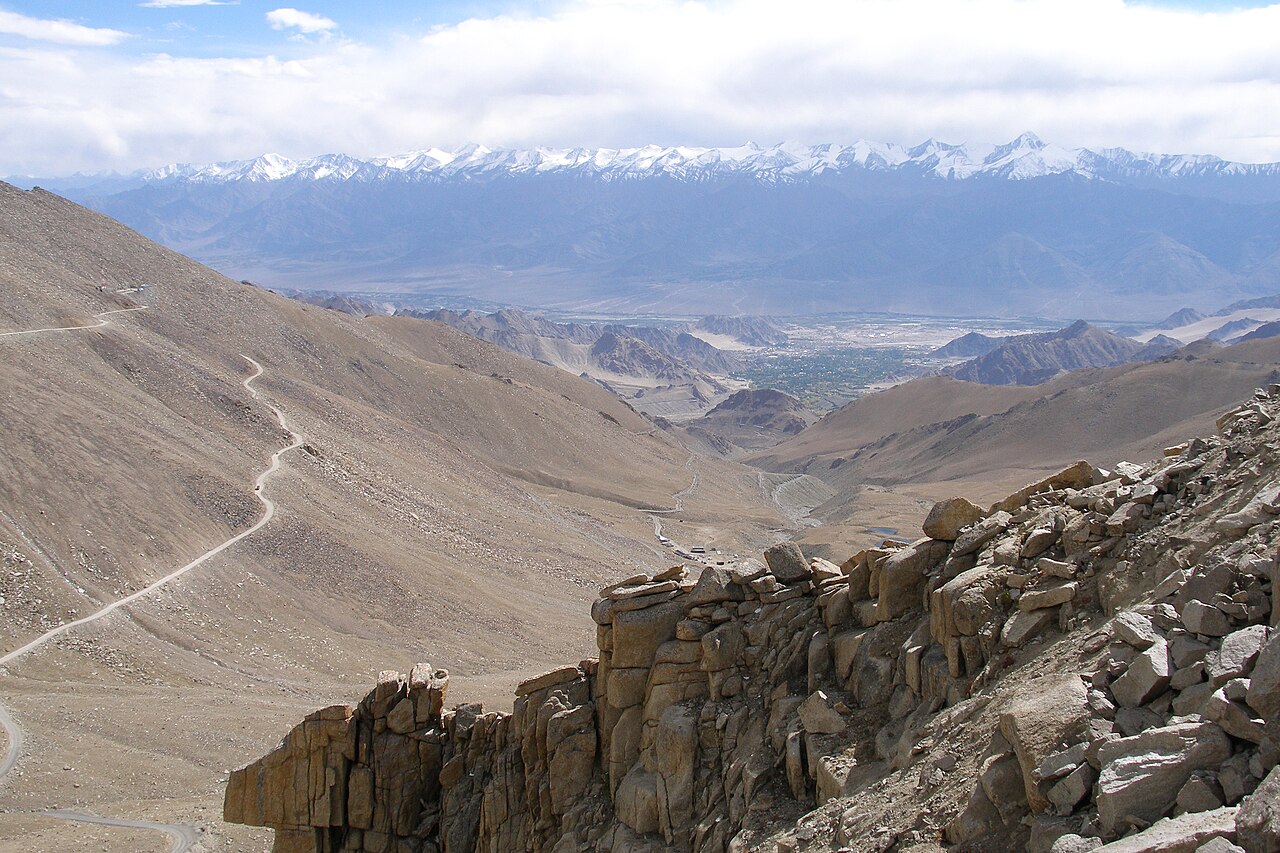
Turtuk is tucked away in the Baltistan region, accessed by following the Shyok River upstream. From Hundar, you are essentially moving deeper into the mountains, leaving the wider valley floors behind. The geography here is raw—massive scree slopes on one side and a churning river on the other.
It feels remote because it is. You are transitioning from the semi-tourist-friendly zones of Nubra into a frontier area. Understanding that the river dictates the road is key. When the water levels are high, parts of the road can become tricky, which is why local drivers are your best asset.
The Drive Time and Route Conditions
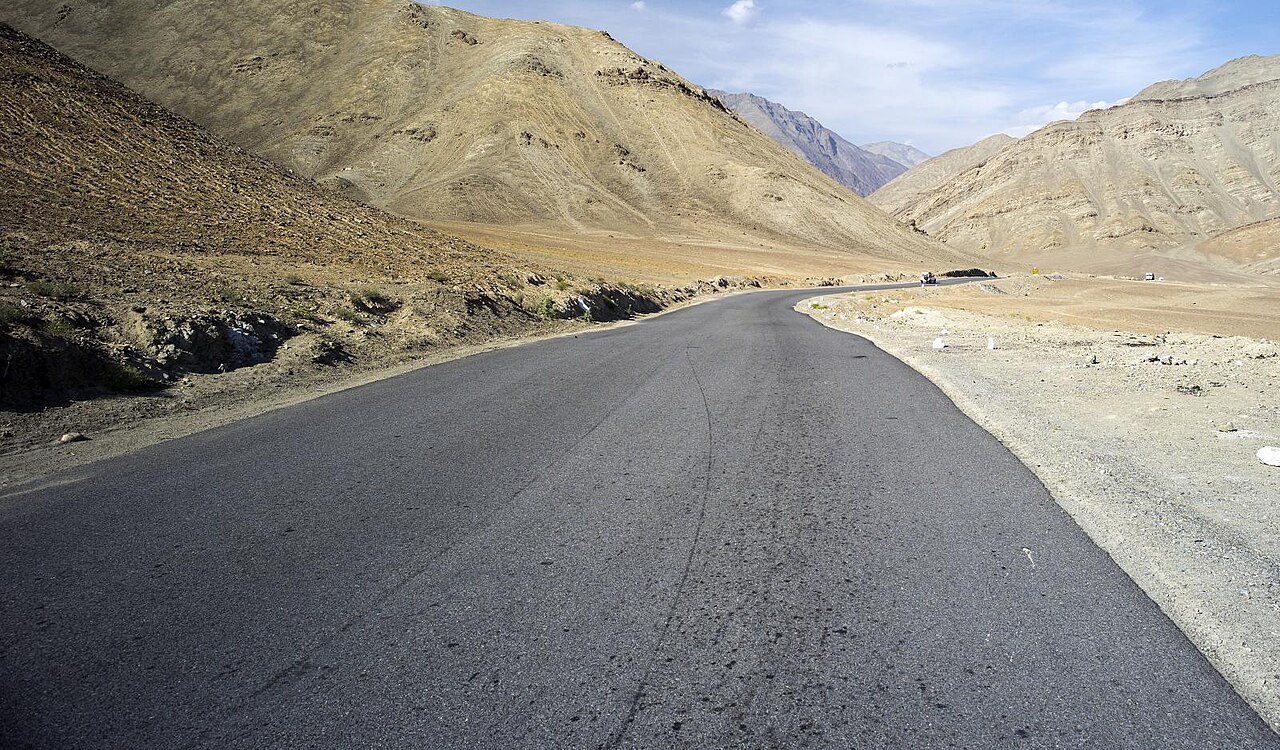
While 90 kilometers sounds manageable, you will rarely average more than 20-25 km/h. Much of the track is unpaved, prone to minor washouts, and shared with heavy military convoys. If you start in Hundar, leave by 8:00 AM to give yourself a relaxed pace.
The surface varies from loose gravel to patches of tarmac. You will cross several small streams that run across the road, which can swell during the afternoon sun as the glaciers melt. Your driver will know which crossings are safe, but it is always best to travel in the morning when the water is lower.
Major Stops Between Nubra and Turtuk
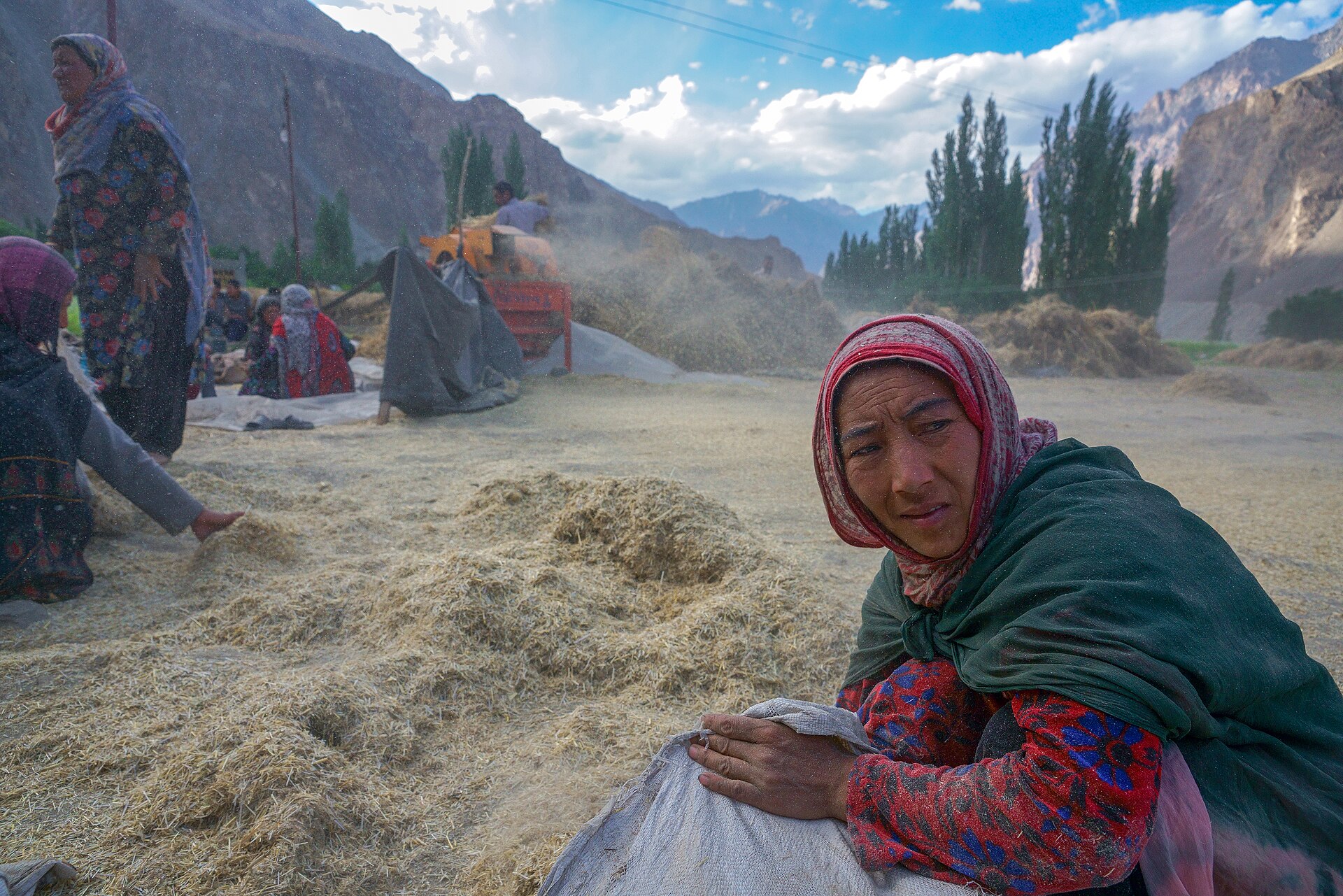
You will pass several small, nameless clusters of houses and military outposts. One stop worth noting is the confluence point where the river seems to narrow significantly, creating a natural bottleneck that has seen intense historical activity.
We usually suggest stopping for a quick tea in the small settlements that appear every hour or so. Not only does this support the local economy, but it gives your driver a chance to check the tires and the engine before pushing further into the higher-altitude reaches.
Tips for a Comfortable Journey
Pack a physical map. GPS signals in these deep valleys are notoriously spotty, and you don't want to be relying on a phone that can't find a signal. Bring extra water and snacks, as there are very few functional shops between the major villages.
Dress in layers. Even if it is scorching in the valley at noon, you will feel the chill once you stop near the water or when the clouds block the sun. If you get motion sickness, the winding nature of this road is particularly challenging, so prepare accordingly before you set off.
Why This Drive is Essential
This road is as much a destination as the village of Turtuk itself. It showcases the scale of the Himalayas in a way that the flight to Leh or the drive over the passes cannot. You see the sheer geology of the region, the remnants of ancient glaciers, and the incredible effort required to connect these small communities.
If you are debating whether to include this in your itinerary, the answer is yes. It is the only way to reach one of the most culturally distinct regions in India. We help guests arrange this transport quite often—if you need a hand setting up a driver, let us know.
Before you book
The journey to Turtuk is a commitment, but it is one that pays off with every passing kilometer. It is slow, dusty, and visually demanding, but it takes you deeper into the heart of Ladakh than most visitors ever see.
If you are still in the planning phase and looking for the right transport, feel free to reach out. We can ensure you get a driver who knows this route like the back of their hand.
Ready to hit the road?
We organize private transport for the journey to Turtuk, ensuring you have a reliable 4x4 and a local driver for the safest experience. Get in touch to discuss your itinerary.
Contact UsWritten by
Kashmir, Jammu & Ladakh specialists
We plan and run trips across Kashmir, Jammu and Ladakh every week of the year. Everything here comes from routes we drive, stays we inspect and questions our travellers actually ask.
Quick answers
Questions we get asked
How long does it take to get from Leh to Turtuk?
It is a long haul. Most people break it up by staying in the Nubra Valley for a night. Driving from Leh to Turtuk in one go is very exhausting and not recommended.
Is a 4x4 vehicle necessary for the drive to Turtuk?
While some cars make it, a 4x4 is highly recommended. The clearance and traction are vital for the unpaved sections and river crossings along the Shyok.
Are there gas stations between Nubra and Turtuk?
There are no reliable fuel stations once you leave the main Nubra hubs. Ensure your vehicle has a full tank before you leave Diskit or Hundar.
Can I cycle or bike to Turtuk?
Yes, many enthusiasts ride motorcycles to Turtuk. It is a challenging ride that requires experience with high-altitude gravel roads and stream crossings.
What is the best time of day to drive this route?
Morning is best. The temperatures are lower, the water levels in the streams are more manageable, and you avoid the afternoon glare.
Photography credits
- Photo: Suketu Murali · CC BY-SA 4.0
- Photo: KartikiGonsalves · CC BY-SA 4.0
- Photo: Vyacheslav Argenberg · CC BY 4.0
- Photo: Winks and Smiles Photography · CC BY-SA 4.0
- Photo: Christopher Michel · CC BY 2.0
- Photo: Fulvio Spada from Torino, Italy · CC BY-SA 2.0
- Photo: Fulvio Spada from Torino, Italy · CC BY-SA 2.0