Best time to visit Turtuk
Choosing your season for the last frontier of the Nubra Valley
When should you plan your trip to Turtuk? Here is a breakdown of the weather, accessibility, and seasonal highlights in this remote Balti enclave.
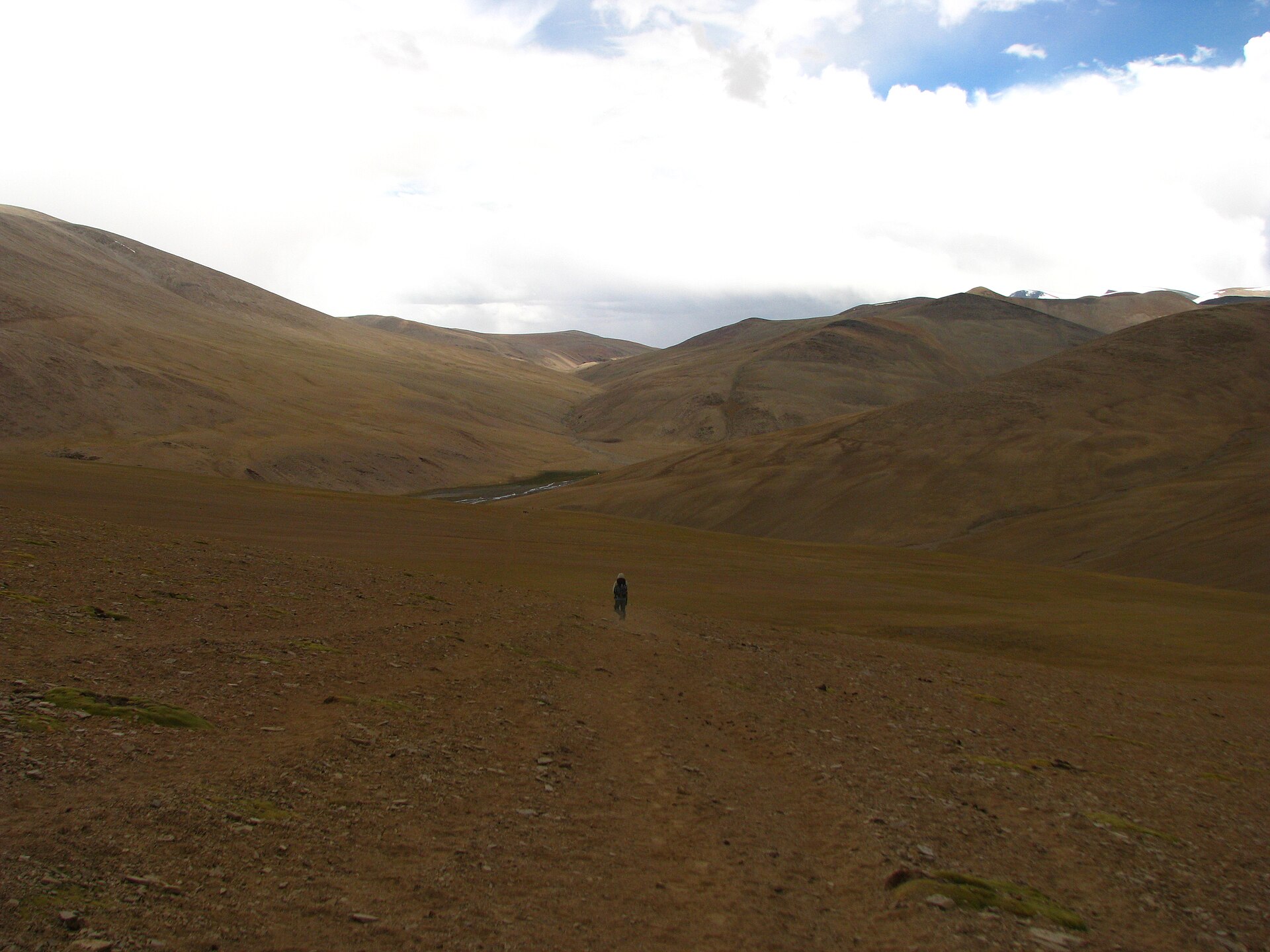
Turtuk’s beauty shifts dramatically with the turning of the seasons.Photo: McKay Savage from London, UK · CC BY 2.0
Most people think of the Nubra Valley in terms of sand dunes and double-humped camels, but the further north you go, the more the landscape changes until you reach the green canopy of Turtuk.
The first time I arrived in Turtuk during early June, the air was surprisingly mild, and the village felt like a secret garden amidst the arid mountains. Choosing the right time to go changes everything—not just for the weather, but for what you can actually do when you get there.
Whether you are chasing the apricot harvest or looking for a quiet moment away from the peak-season rush of Leh, your timing matters. Here is how the seasons play out in this corner of the valley.
Summer: The Peak Season for Turtuk
From June through August, Turtuk is at its most accessible and its most lush. The temperatures are perfect, usually sitting between 15°C and 25°C during the day. It is the time when the ice on the high passes has cleared, making the road from Leh through the Nubra Valley reliable.
This is when the village is fully 'awake.' Guesthouses are open, fresh produce is in abundance, and the weather is consistent enough that you can spend your days hiking or walking through the village without worrying about sudden mountain storms.
If you want to experience the village in its most vibrant state, these three months are your best bet. Keep in mind that this is when most tourists arrive, so booking your stay in advance is necessary.
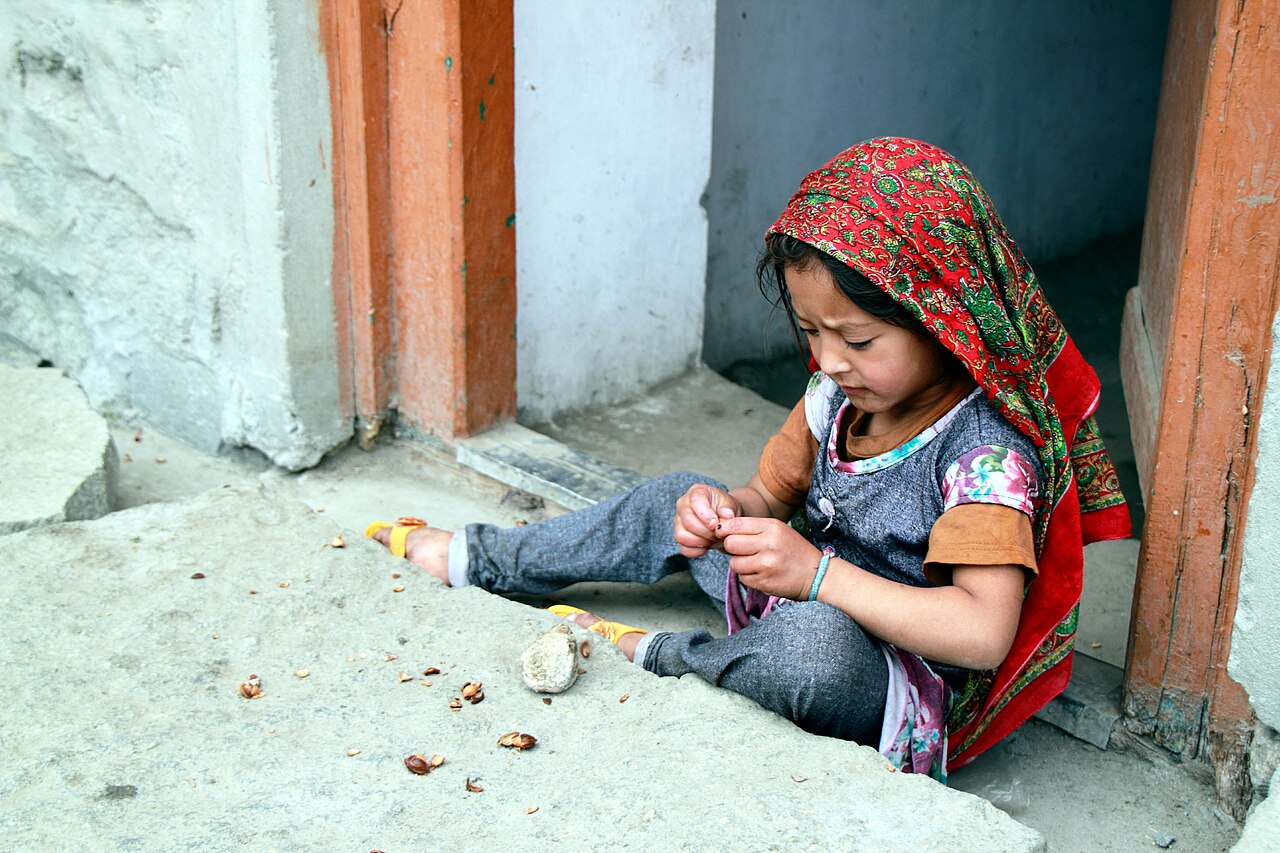
The Beauty of the Apricot Harvest
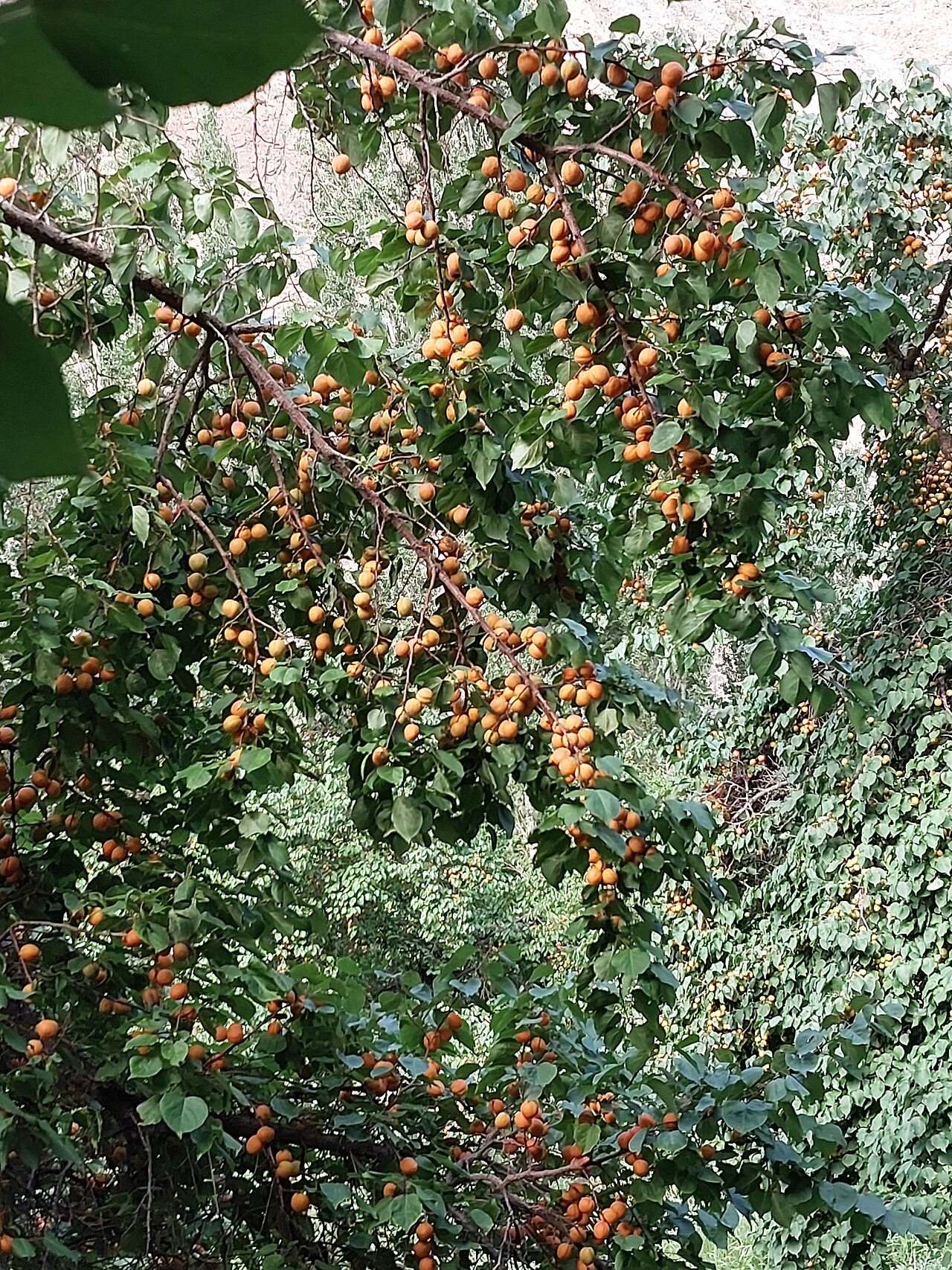
If you have to pick one time to be in Turtuk, make it the apricot harvest. Depending on the weather that year, this usually happens in mid-to-late July.
The harvest is a community-wide effort. You will see families climbing the trees, gathering the fruit, and laying it out on flat, sun-drenched rooftops to dry. The smell is heavy and sweet, and the village takes on a golden hue.
It is one of those rare travel experiences that feels deeply rooted in the local economy and culture. It is not a performance for tourists; it is simply how the village functions. It is, without a doubt, a magical time to be here.
Visiting During Autumn Colors
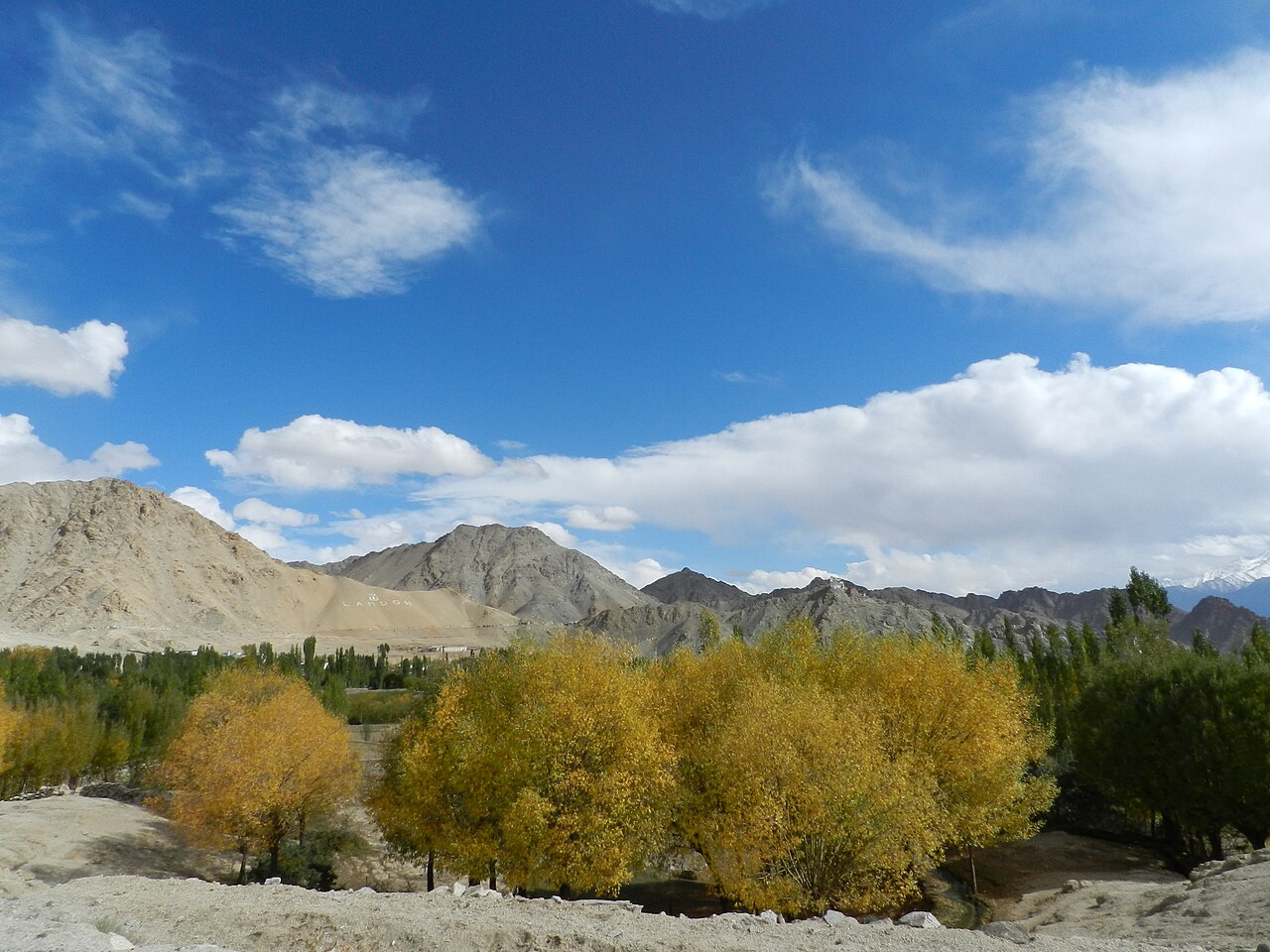
September and early October turn the valley into a wash of deep orange and gold. The air starts to get a bit sharper, and the crowds from the summer peak begin to thin out significantly.
This is a personal favorite time for me to guide. The light is soft and long, perfect for photography, and the village atmosphere feels a bit more reflective. You have the freedom to chat with locals without the distraction of a busy tourist season.
Be aware that the nights get very cold during this period. You will need proper thermal gear if you are staying in the local guesthouses, as heating is typically limited to simple wood stoves or heavy wool blankets.
Winter Challenges and Accessibility
Winter in Turtuk is harsh. From November onwards, the high mountain passes—especially Khardung La—become treacherous and are frequently blocked by heavy snowfall.
While the village remains open to its residents, it is not a destination I recommend for the average traveler. Getting there requires extreme endurance, and many of the services that cater to tourists close down for the season to preserve resources.
If you are looking for a winter adventure in Ladakh, stick closer to Leh. Trying to reach the far corners like Turtuk in winter is an exercise in frustration and risk that I generally advise our clients against.
Why Spring is Ideal for Culture Seekers
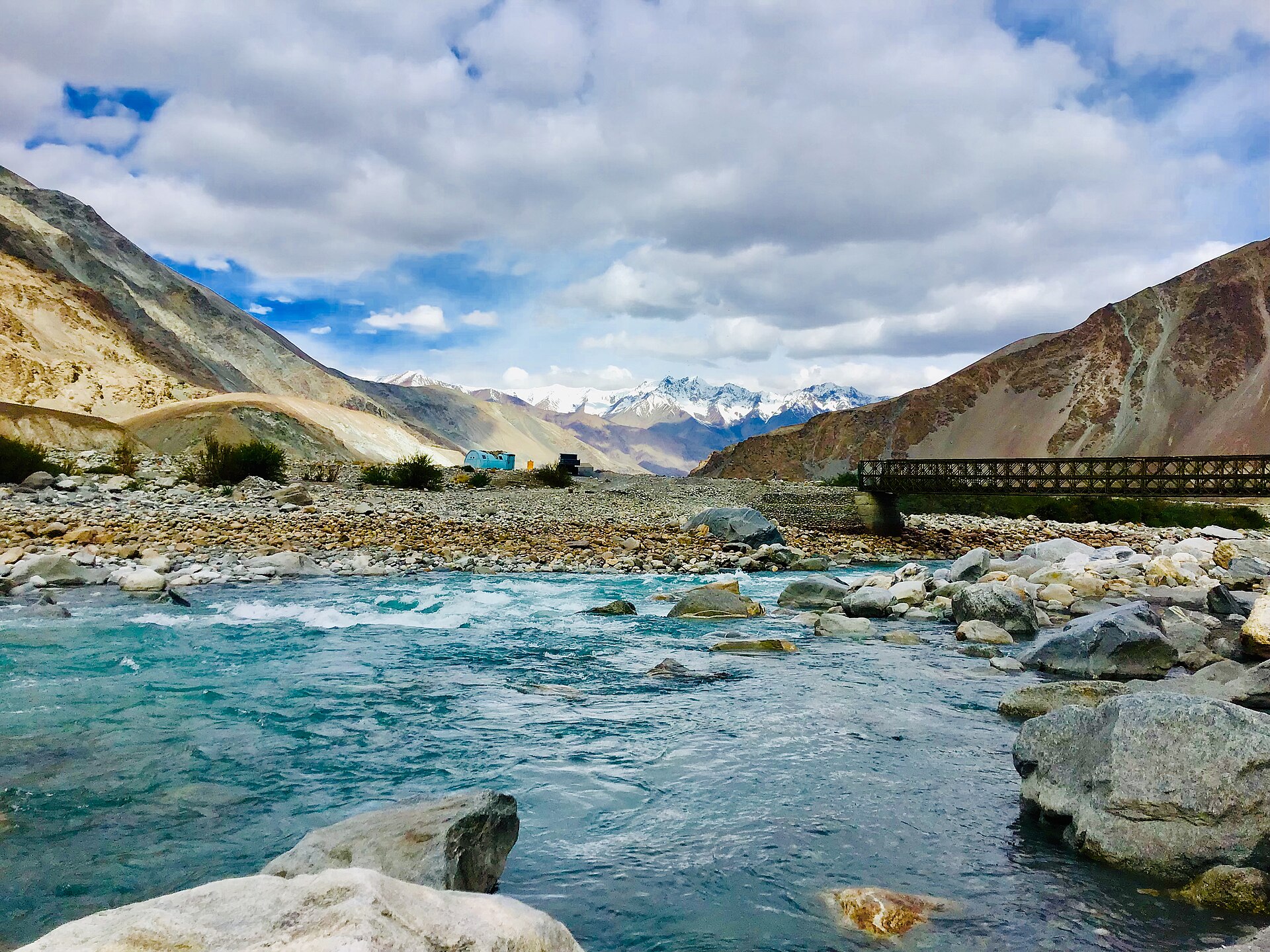
Spring, specifically late May, is the time for those who want to see the buds beginning to break and the river swelling with the first real rush of meltwater. It is still cool, sometimes even chilly, but the village feels hopeful and fresh.
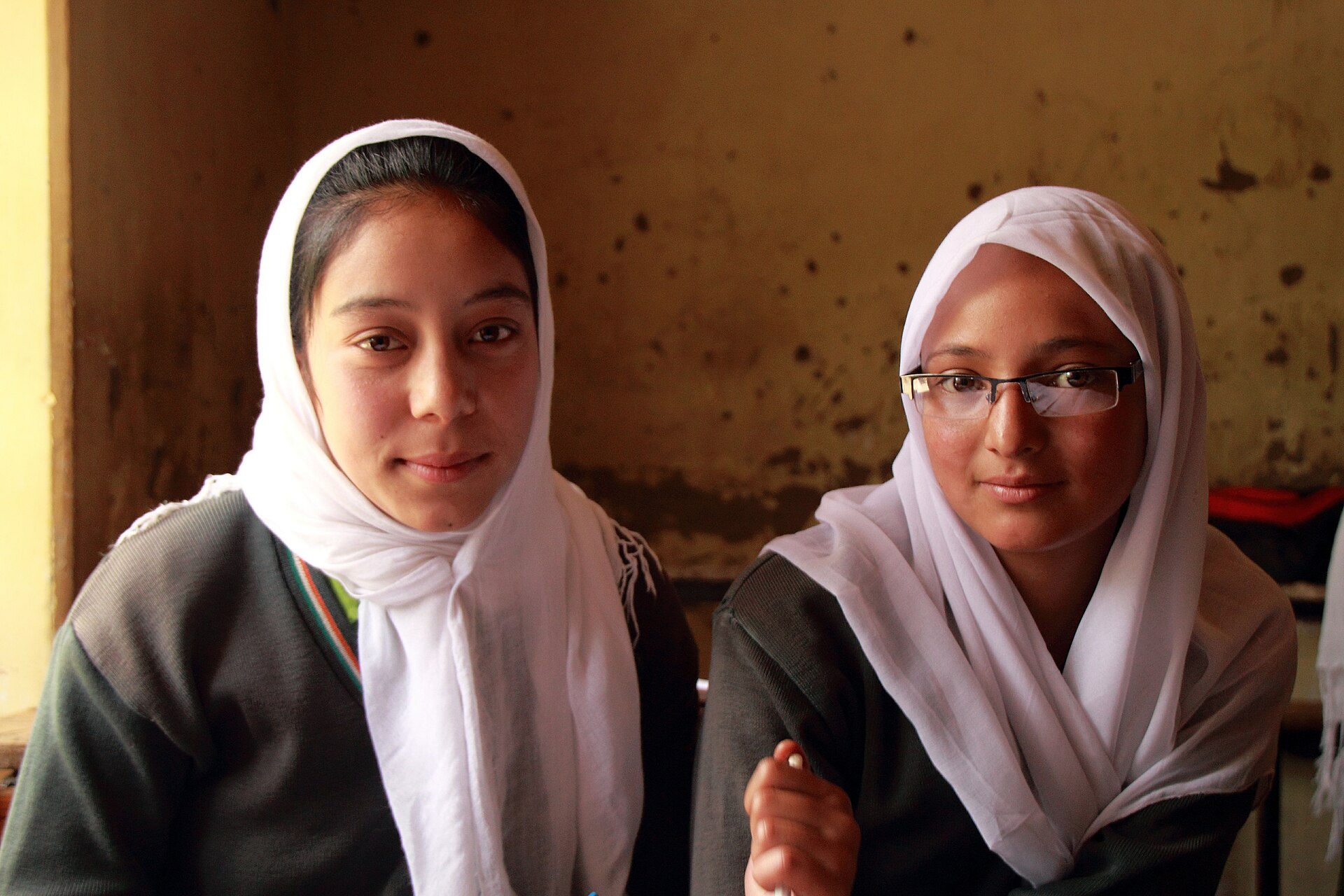
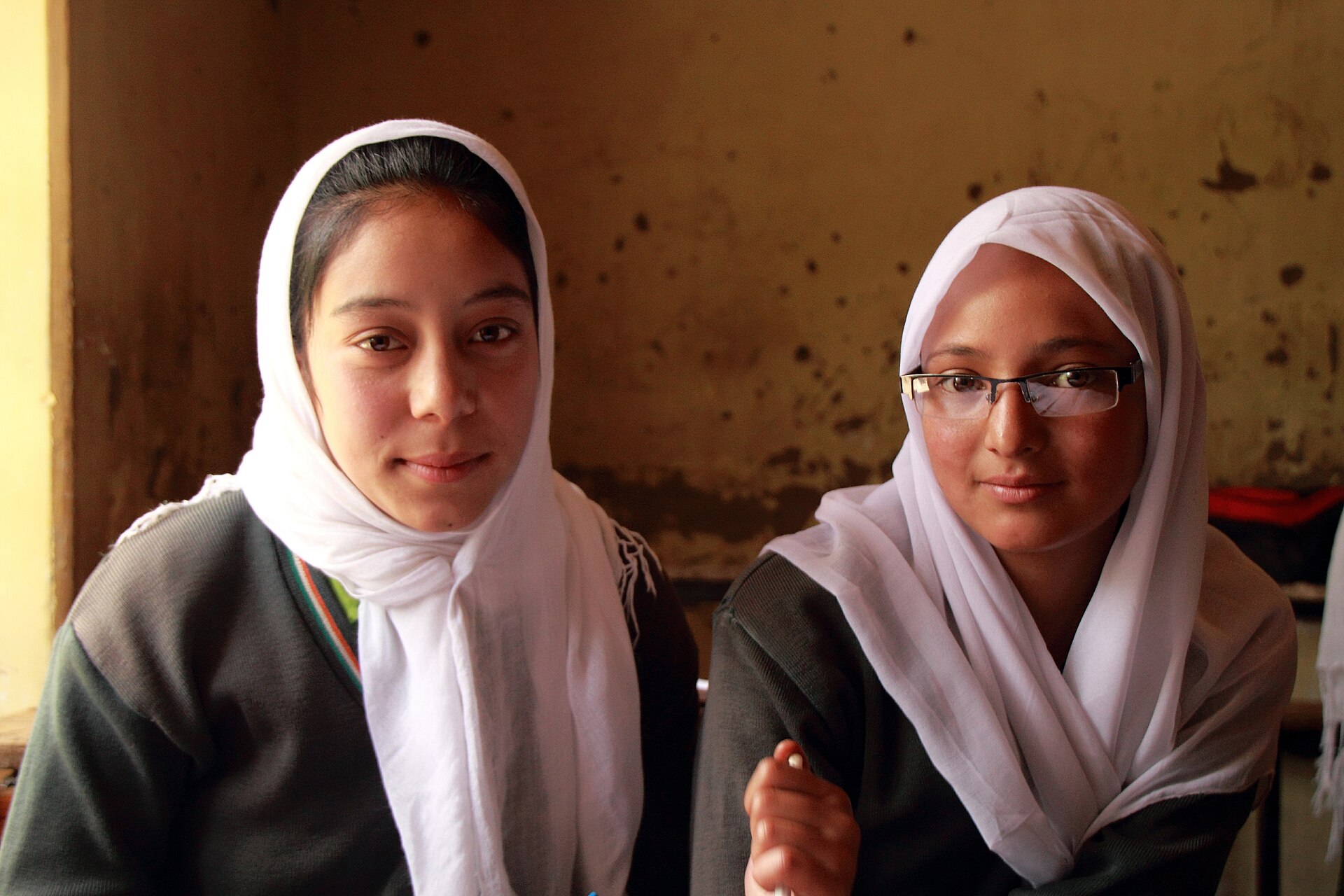
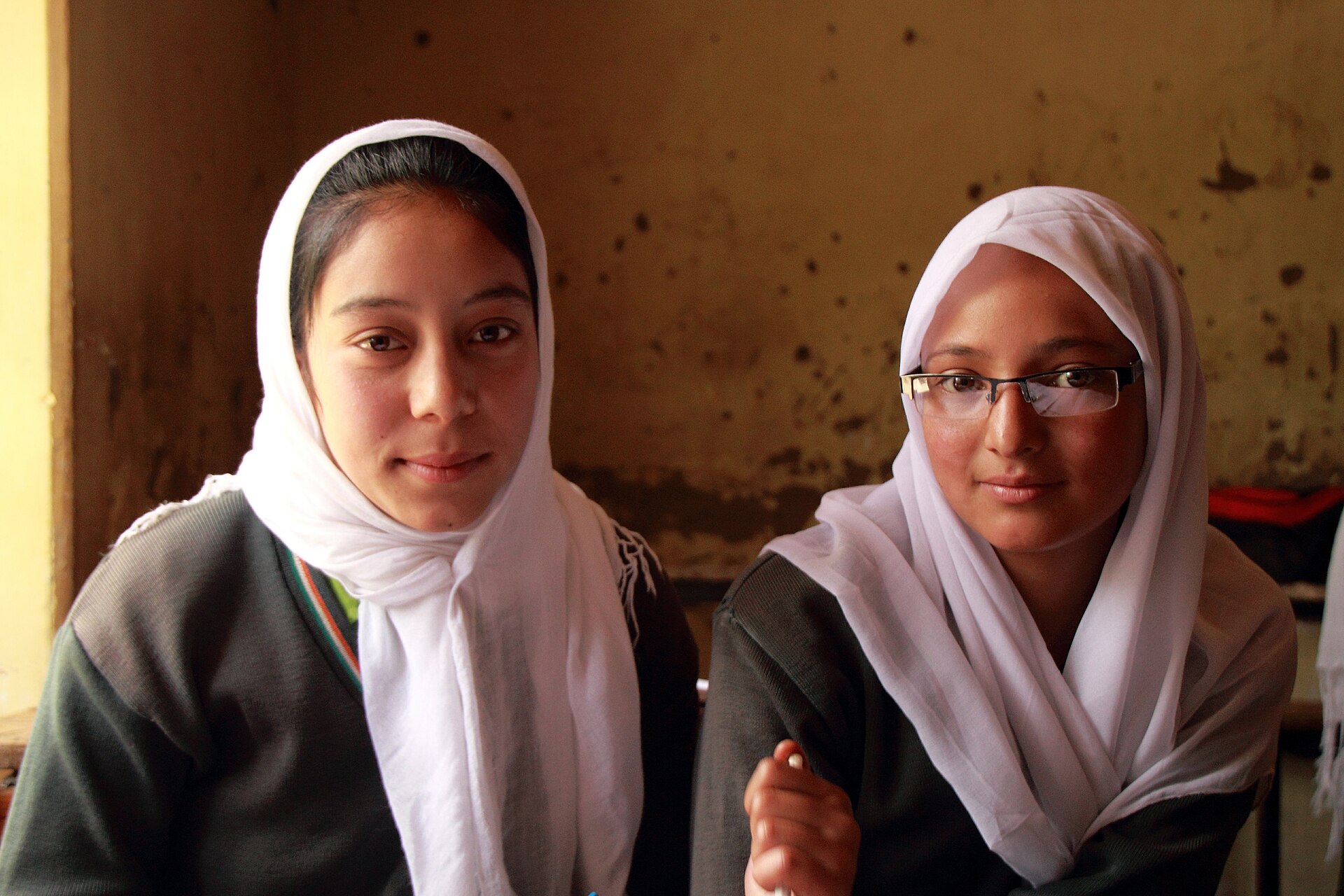
The main benefit of spring is the absence of the summer rush. You get a much more intimate, quiet view of the village life. You can wander through the alleys and speak with the local school children or visit the small village shops without the bustle of groups.
If you don't mind a bit of a chill and want to be one of the first visitors of the year, aim for the end of May.
Before you book
Turtuk is a seasonal place, and the time you choose to visit will dictate your experience entirely. Whether you are looking for the lush, harvest energy of July or the quiet, crisp reflection of autumn, timing is the most important element of your planning.
If you’re unsure which season aligns with your travel goals, let us help. At Skywale Packages, we keep a close watch on the road reports and the weather cycles in the Nubra Valley, so we can help you pick the perfect window for your visit.
Need help timing your Ladakh trip?
Don't leave your travel plans to chance. Get in touch with our team to find the best dates for your visit to Turtuk and the wider Ladakh region.
Consult an ExpertWritten by
Kashmir, Jammu & Ladakh specialists
We plan and run trips across Kashmir, Jammu and Ladakh every week of the year. Everything here comes from routes we drive, stays we inspect and questions our travellers actually ask.
Quick answers
Questions we get asked
Is it possible to visit Turtuk in December?
No, it is not recommended. The roads are often blocked by snow, and the temperature is extreme. Most tourist facilities in the village are closed.
What should I pack for a summer trip to Turtuk?
Pack for all seasons. You need breathable clothes for the daytime sun, but warm thermals and a good fleece for the chilly nights.
When does the apricot season end?
The harvest typically ends by late July or early August, depending on the year's temperature and rainfall.
Is public transport available to Turtuk?
Public bus services are very irregular and unreliable. We strongly recommend hiring a private taxi from Leh for a safe and timely journey.
Does it rain much in Turtuk during summer?
Turtuk is in a high-altitude desert, so it doesn't get much rain. However, the weather can change quickly at higher altitudes, so always bring a light rain shell.
Photography credits
- Photo: McKay Savage from London, UK · CC BY 2.0
- Photo: Fulvio Spada from Torino, Italy · CC BY-SA 2.0
- Photo: Fulvio Spada from Torino, Italy · CC BY-SA 2.0
- Photo: Lt.harsh3 · CC BY-SA 4.0
- Photo: YUVRAJ ANAND · CC BY-SA 4.0
- Photo: Rajnish71 · CC BY-SA 4.0
- Photo: KartikiGonsalves · CC BY-SA 4.0