Leh to Turtuk Itinerary: A Comprehensive Guide
Everything you need for the high-altitude journey to the Shyok River
A detailed 3-day road trip plan from Leh to the village of Turtuk, covering mountain passes, desert valleys, and the Balti culture.
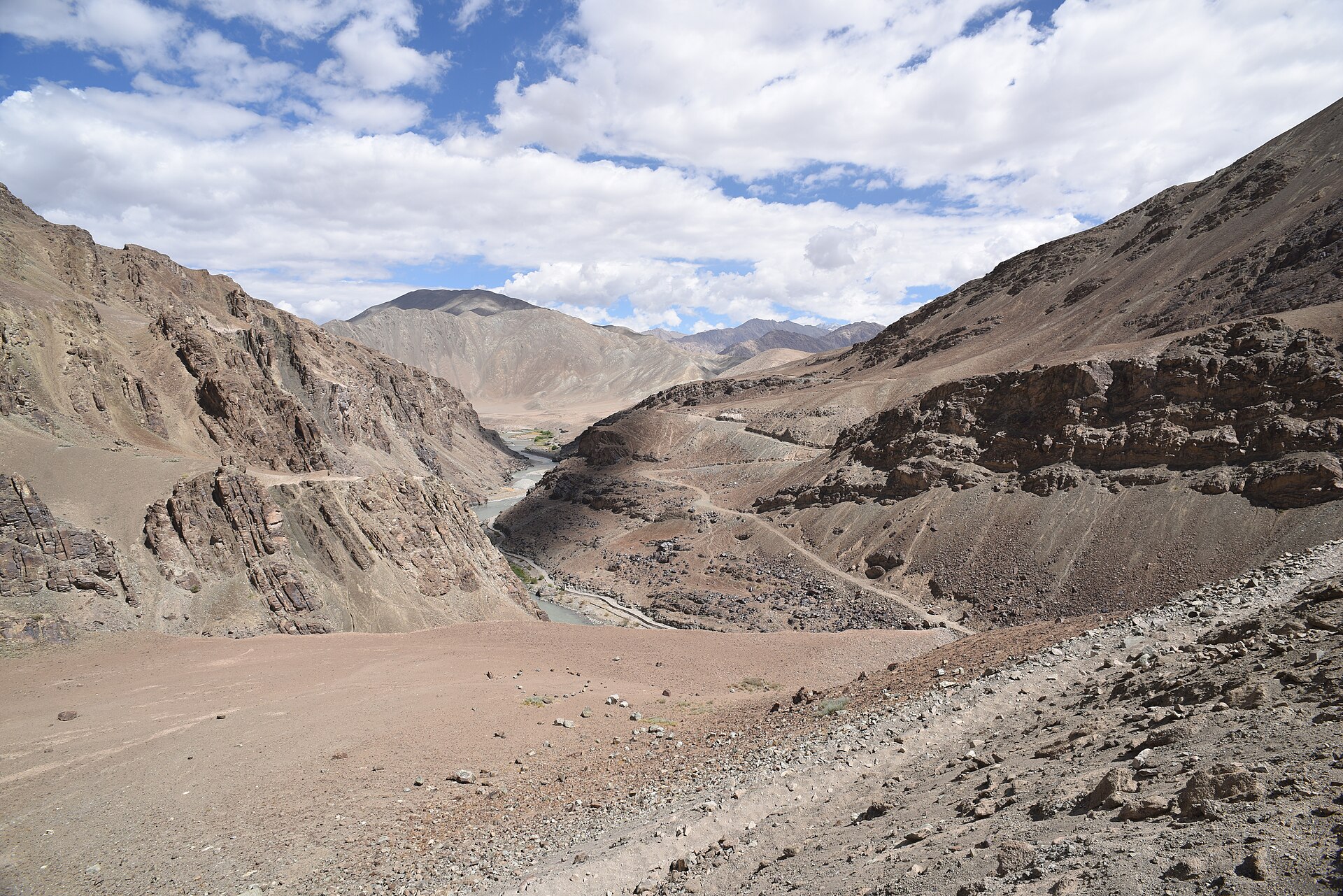
The journey from Leh to the Nubra Valley offers constant changes in elevation and scenery.Photo: Chris Hunkeler from Carlsbad, California, USA · CC BY-SA 2.0
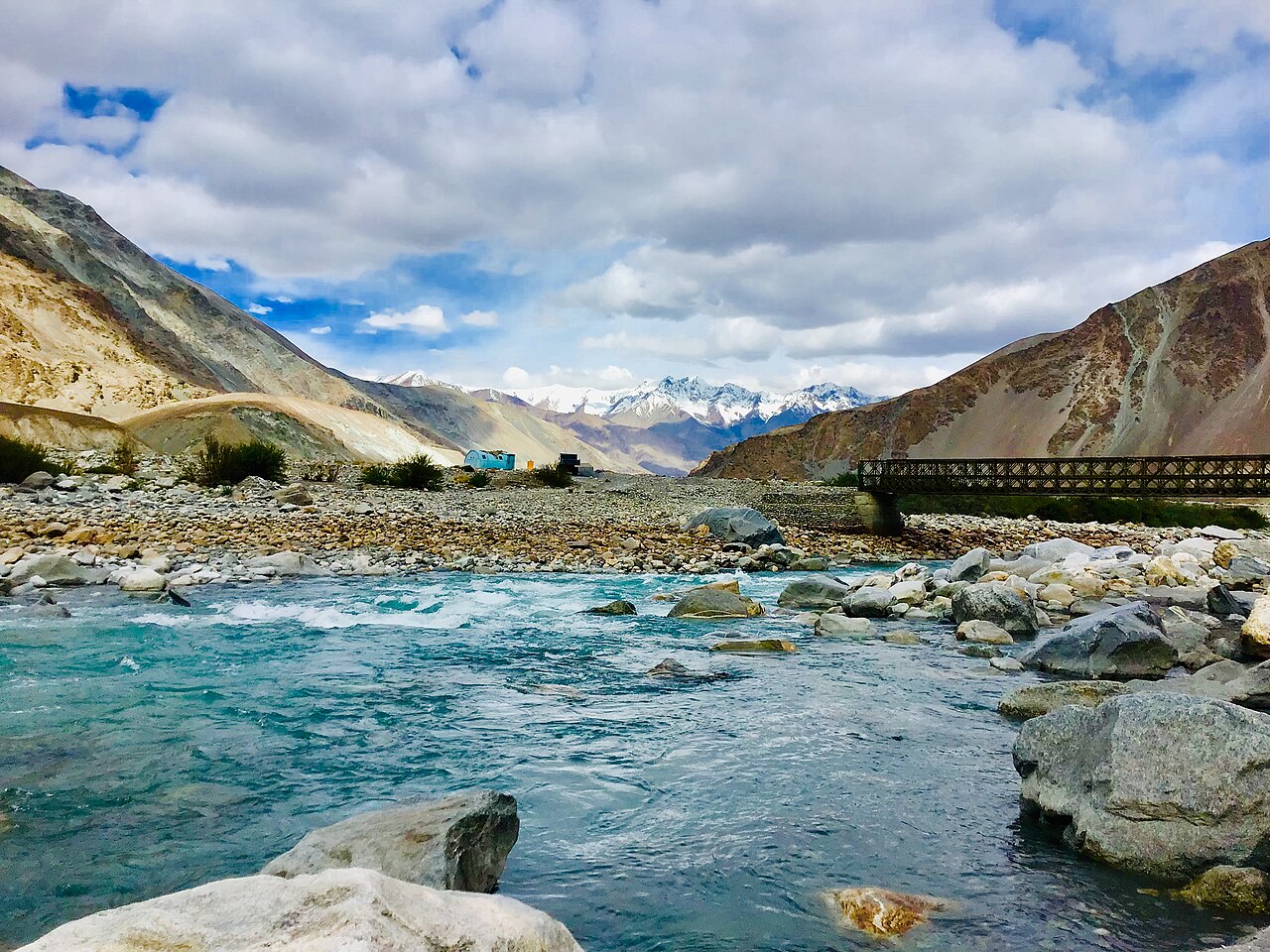
The first time I crossed the Shyok river towards Turtuk, the landscape shifted from the familiar dry crags of central Ladakh into a narrow, vertical world where the air felt heavy with the scent of apricots. This is not just another point on a map; it is the last major village before the border, a place where the Balti culture has remained largely shielded from the frantic pace of the outside world.
Building a solid leh to turtuk itinerary requires understanding that you are not just driving; you are navigating high-altitude mountain passes and isolated riverbeds. In my experience, rushing this route is the quickest way to end up with a headache and a missed connection. Use this three-day plan to find the right balance between time behind the wheel and actual exploration.
Your Multi-Day Ladakh Itinerary Overview
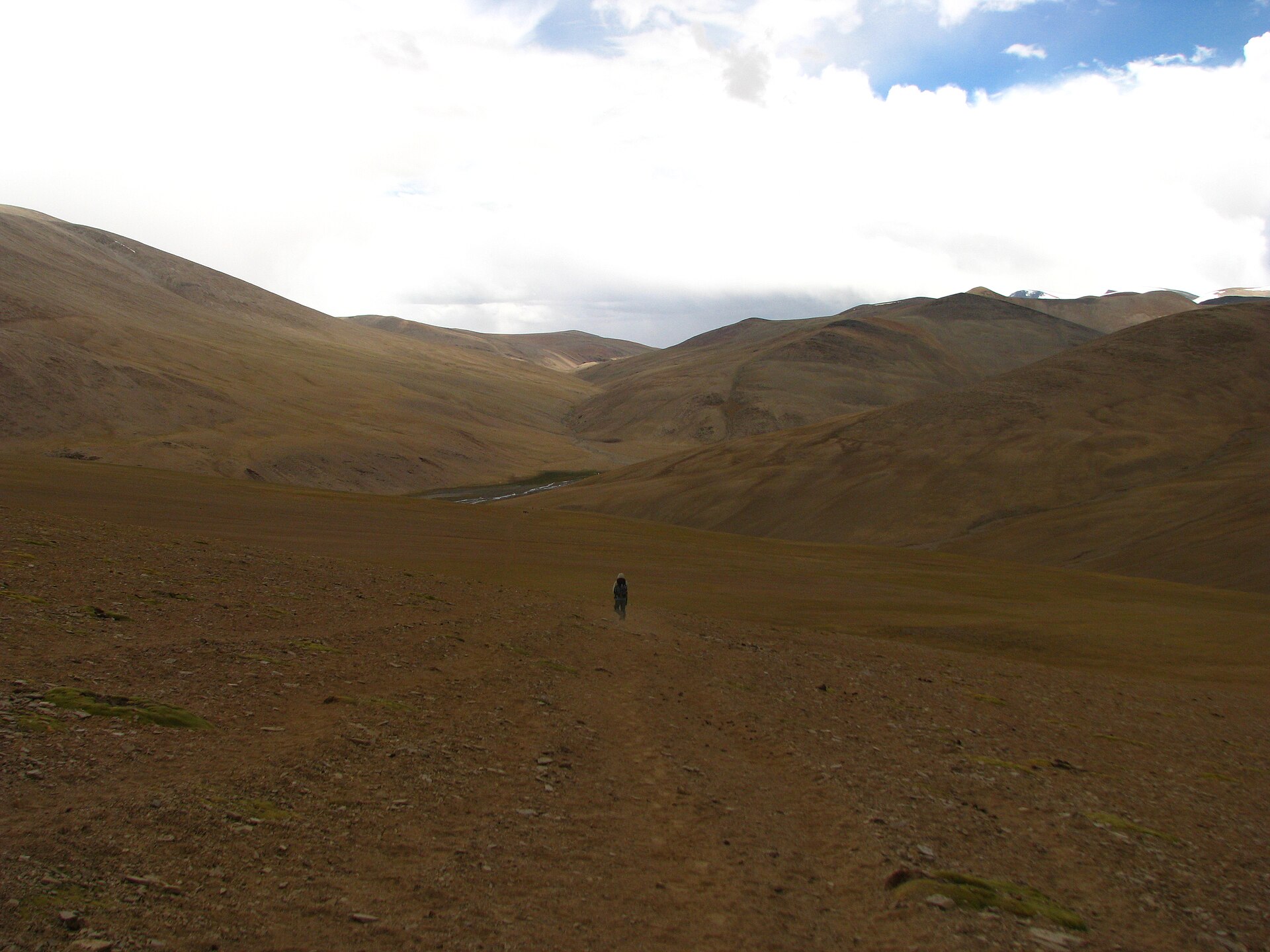
A successful trip requires planning for the thin air. The drive from Leh to Turtuk is approximately 205 kilometres, but it takes seven to nine hours of pure driving time. If you try to do this in one go, you will arrive exhausted in the dark, missing the transition from the high plateau of the Indus Valley to the verdant, steep-sided gorges of the Shyok.
We usually recommend clients stay in Hundar or Diskit on the way up. This breaks the journey and allows your body to acclimatise. If you push straight to Turtuk, you often find yourself too dizzy to enjoy the walk up to the old mosque or the ruins of the royal palace. Efficiency here means pacing yourself.
Your route will take you over some of the highest motorable roads in the world. Weather is the final arbiter of your plans. If the streams swell in the afternoon due to glacial melt, the roads near the Shyok can become impassable. Always keep a buffer day in your travel plan.
- Day 1: Leh to Hundar/Turtuk via Khardung La
- Day 2: Exploring Turtuk village life
- Day 3: Return journey or onwards to Pangong
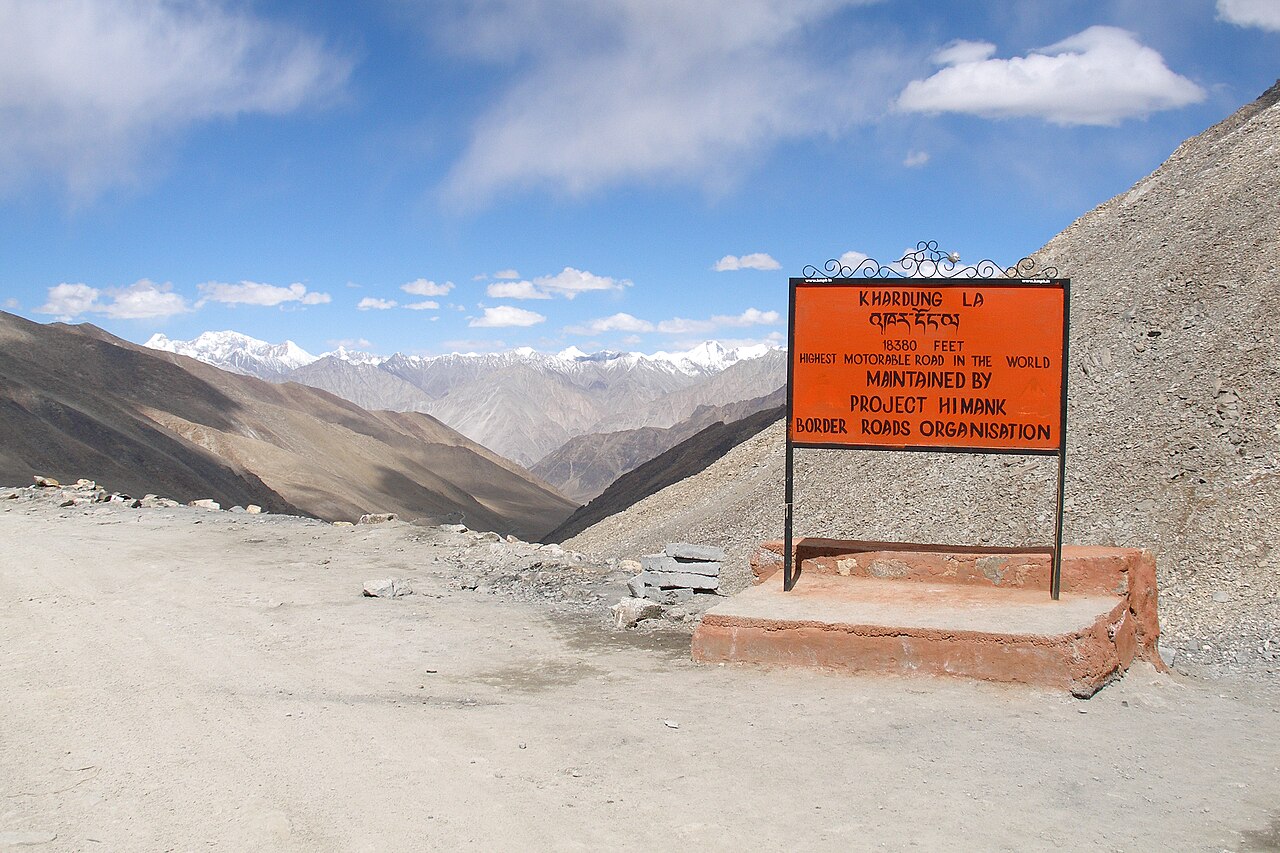
Day 1: Leaving Leh for the Nubra Valley
You must leave Leh by 7:00 AM. The traffic at South Pullu, the checkpoint before the Khardung La summit, creates bottlenecks that can cost you hours. Climbing from 3,500 metres to over 5,300 metres in a few hours is a shock to the system. Do not skip breakfast, but eat lightly.
The descent into the Nubra Valley is where the scenery changes dramatically. You go from the snow-covered peaks of the Zanskar range into the wide, sandy expanse of the valley floor. If you reach Hundar by early afternoon, you have just enough time to watch the Bactrian camels walk through the sand dunes. It is a strange, surreal sight that makes the long drive worth it.
Most travellers stop here for the night. The guesthouses in Hundar offer hot showers and basic, hearty meals like dal and rice, which is exactly what you need after a day spent in the back of an SUV. If you are feeling strong, you can push on to Turtuk, but the road from Hundar onwards is narrow and requires daylight to navigate safely.
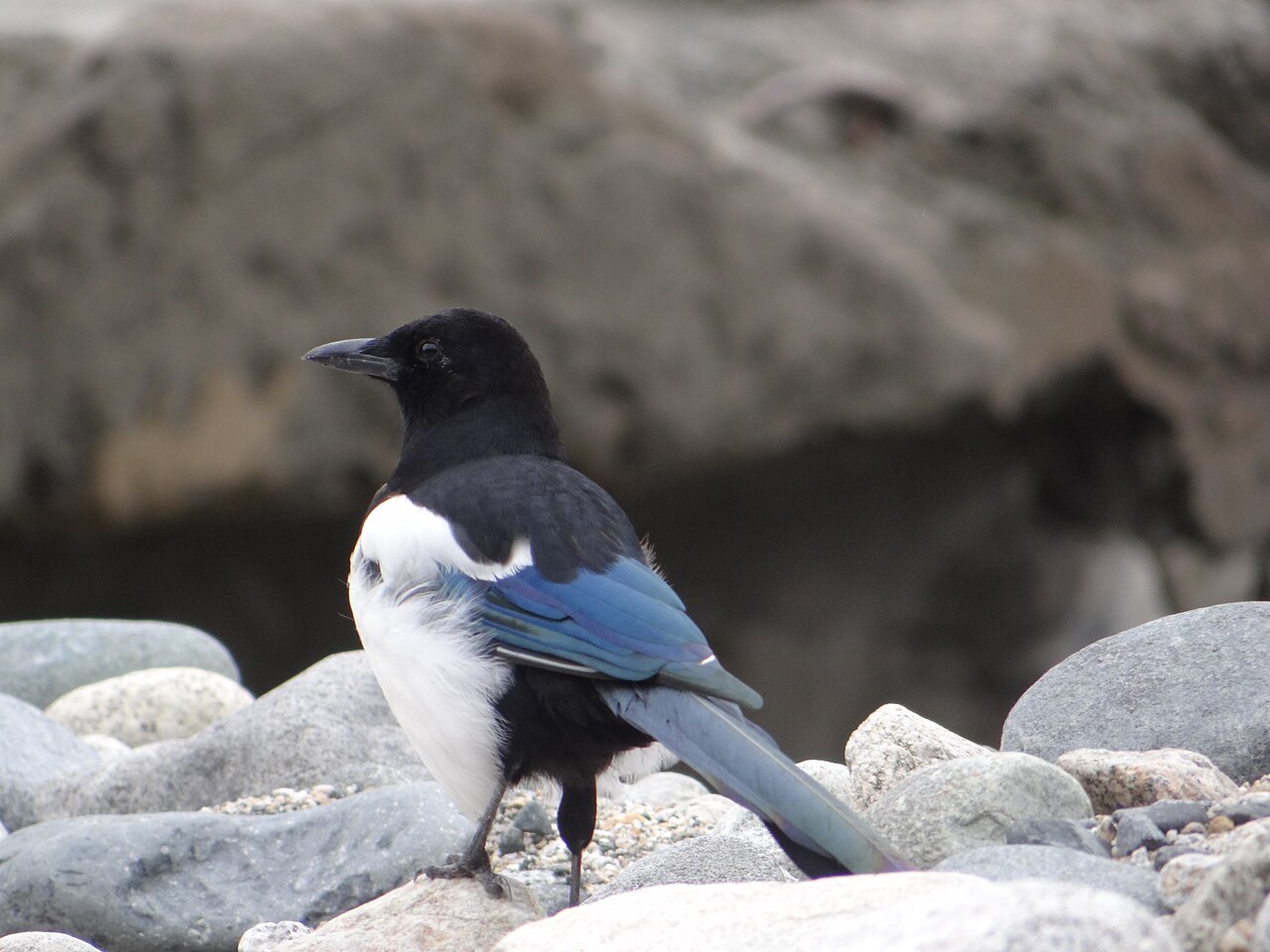
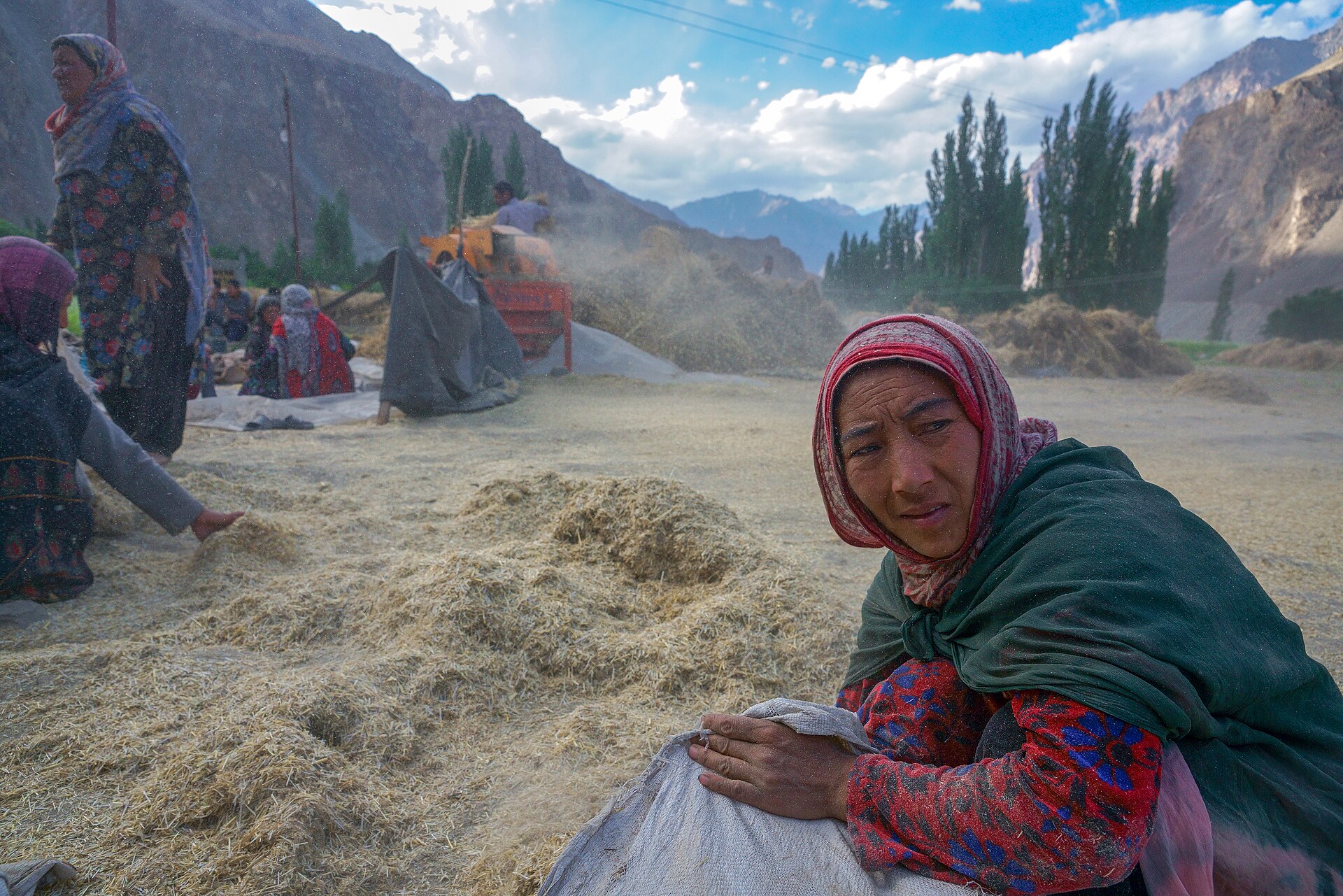
Day 2: Exploring the Village of Turtuk
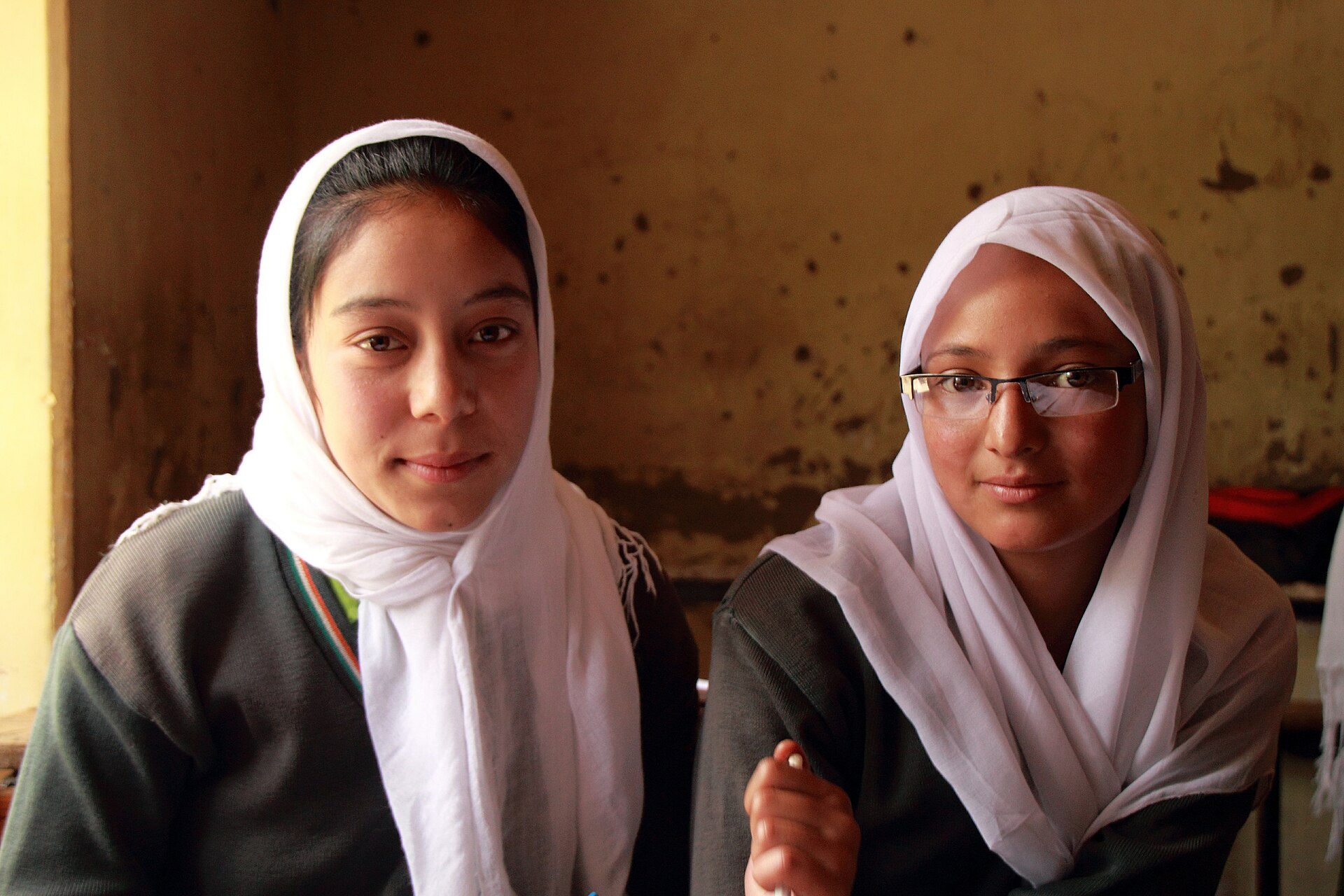
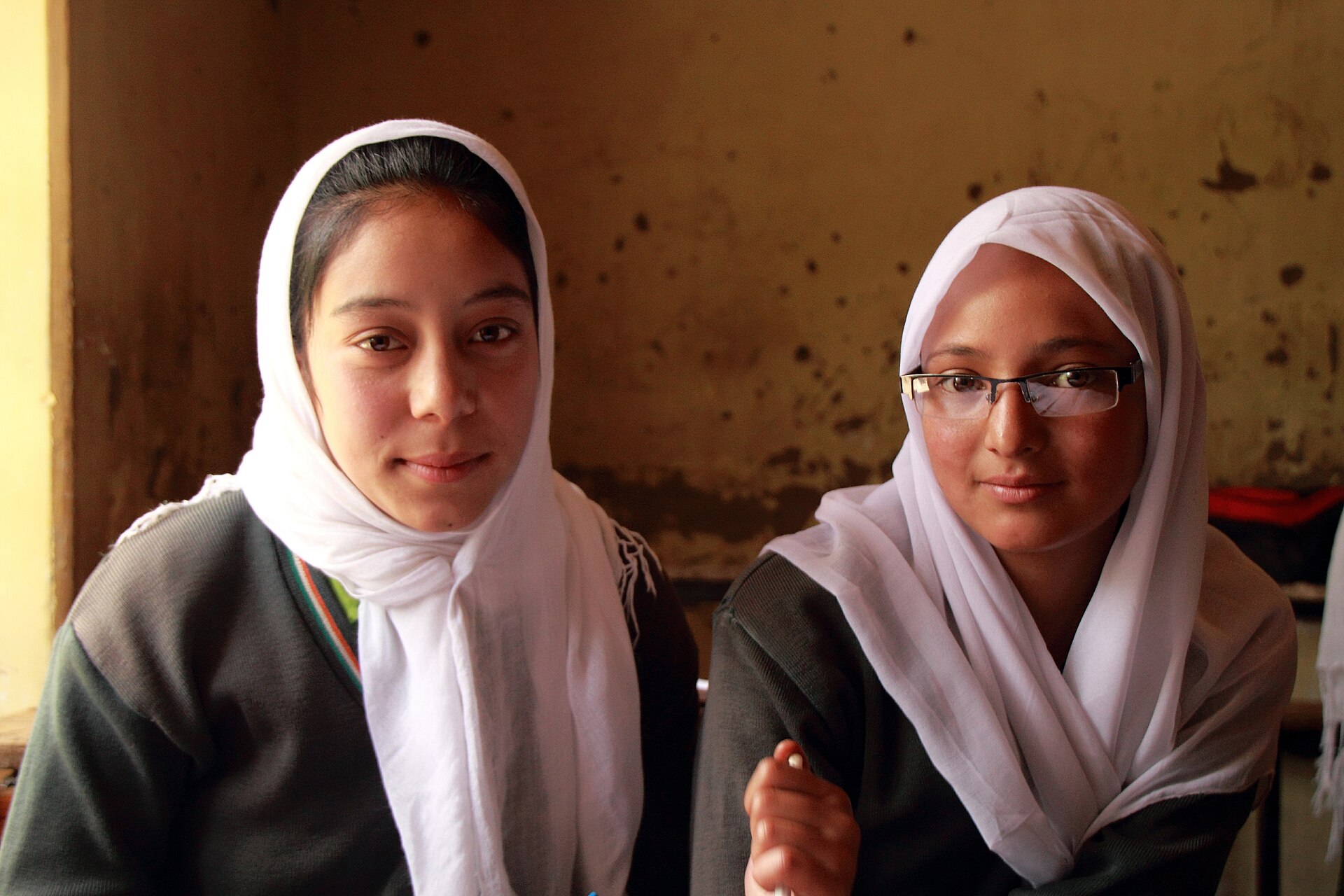
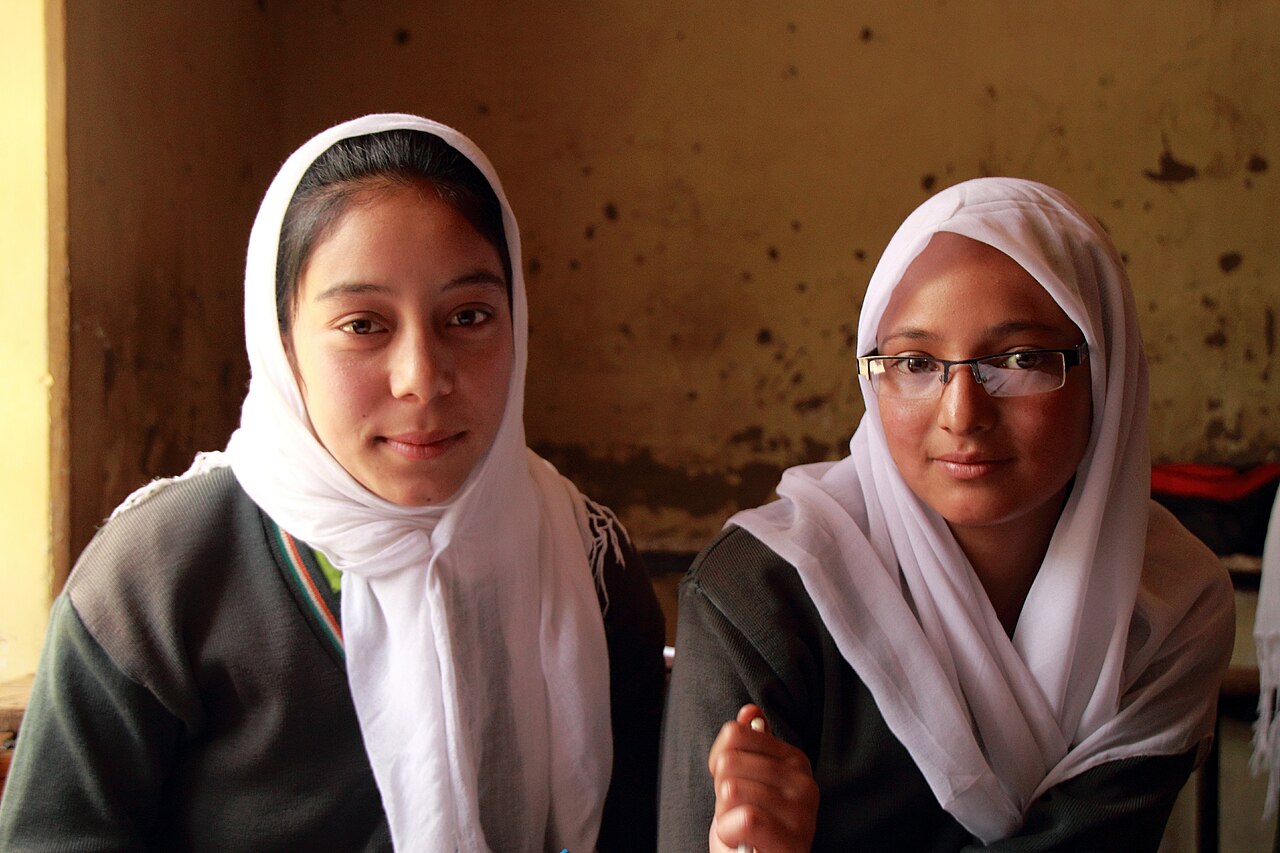
Waking up in Turtuk feels entirely different from waking up in Leh. The village is nestled into the side of a deep gorge. You should spend the morning walking the narrow stone paths that crisscross the village. The local people are Balti, and their language and architecture differ from the rest of Ladakh.
Visit the local museum. It is housed in a traditional home and displays items used during the eras when this area was part of Baltistan. It is one of the few places in the region where you get a genuine sense of the historical trade routes that once connected this valley to Central Asia.
In the afternoon, hike up towards the memorial or the view point overlooking the village. You will see the river far below, cutting through the dark rock. It is a quiet place. Even in the middle of the tourist season, if you walk ten minutes away from the main path, you will be completely alone with the sound of the wind in the poplar trees.
Day 3: Return Journey via the Shyok Route
Returning to Leh can be done via the same route or, if the roads are clear, via the Shyok village route toward Pangong Tso. We rarely suggest driving back the same way if you have the time to loop, as the road along the Shyok river is a different kind of challenge entirely.
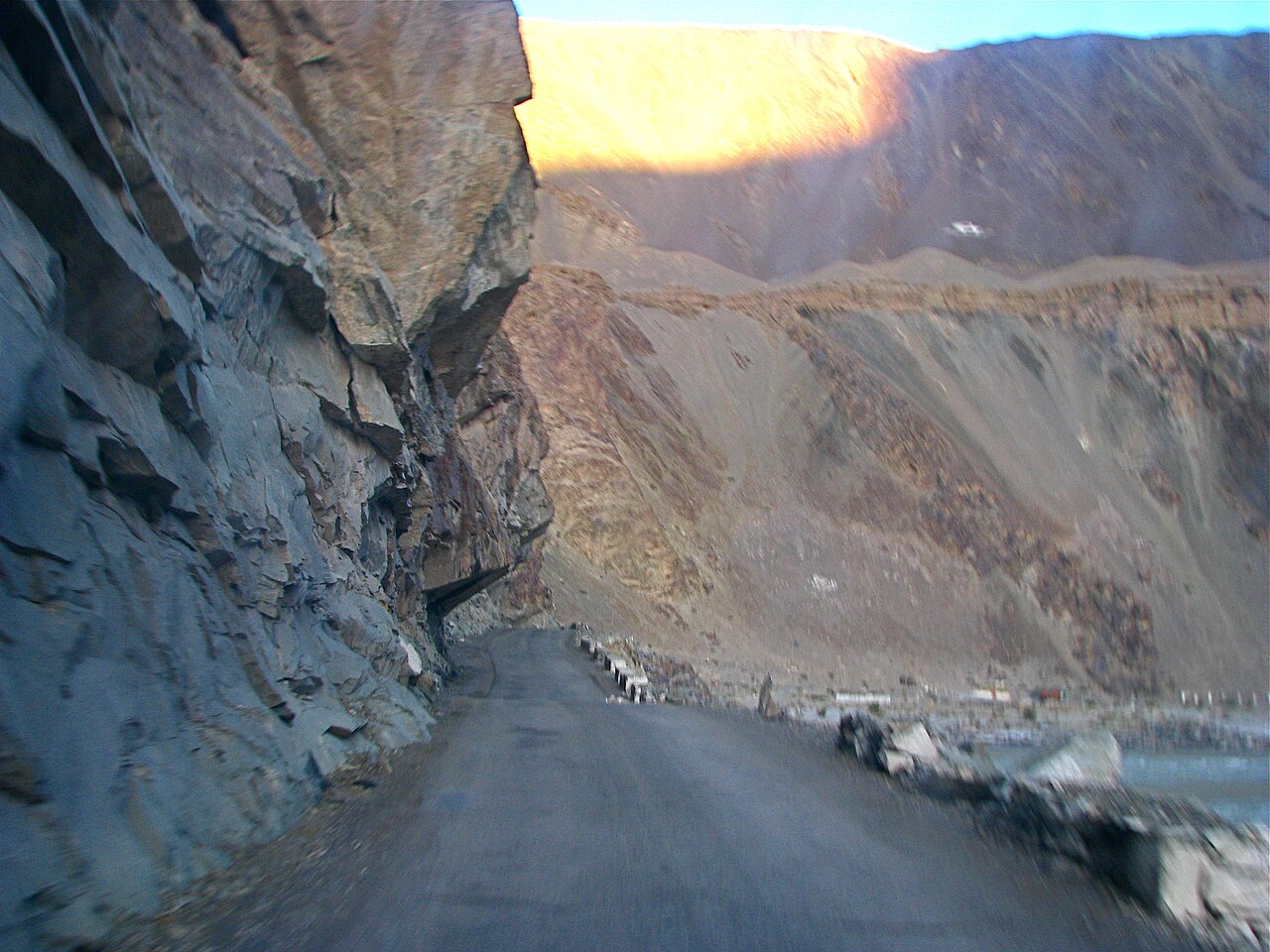
Driving alongside the river is nerve-wracking. The road is often just a dirt track carved into the cliffside, with the grey, silty water of the Shyok churning violently just a few metres below your tyres. Ensure your driver is experienced with this specific stretch; this is not a road for novices or those prone to severe motion sickness.
If you head back to Leh directly, you will arrive by late afternoon. The light on the mountains as you approach Leh from the north is brilliant, catching the peaks in deep oranges and reds. It is the perfect end to a three-day loop.
Logistical Tips for Success
Carry extra fuel. Petrol pumps in the high regions are extremely sparse, and a breakdown in the Nubra Valley can leave you stranded for hours. If you are hiring a vehicle through an operator, ensure the permit for the border regions is processed at least a day before you start.
Communication is limited. My phone usually drops its signal once we turn into the lower Shyok valley. Download your maps offline and carry physical cash, as digital payments are notoriously unreliable once you leave Leh town. Most of the smaller guesthouses in Turtuk do not have card machines.
Before you book
The trip to Turtuk is more than just a destination; it is an exploration of the fringes of the Himalayas. You leave behind the noise of the town and find yourself in a space where history is preserved in stone walls and silent valleys.
If you find the logistics daunting, reach out to us at Skywale Packages. We can manage the permits, the vehicle, and the route planning so you can focus on the view. Let us help you piece together a trip that makes sense for your schedule.
Ready to Plan Your Ladakh Trip?
Don't let the paperwork or the logistics hold you back. Send us your dates and we will draft a custom itinerary that fits your pace.
Contact UsWritten by
Kashmir, Jammu & Ladakh specialists
We plan and run trips across Kashmir, Jammu and Ladakh every week of the year. Everything here comes from routes we drive, stays we inspect and questions our travellers actually ask.
Quick answers
Questions we get asked
Is a permit required for Turtuk?
Yes, Indian nationals need an Inner Line Permit (ILP), and foreign nationals require a Protected Area Permit (PAP). We handle these for our guests, but you must ensure your passport or ID is available for verification at checkposts.
What is the best month to visit?
June to September is the ideal window. In early June, some snow might still block high passes, while September offers clear, crisp days and the start of the apricot harvest, which makes for a beautiful landscape.
Can I do the trip in a small hatchback?
We strongly advise against it. The terrain involves river crossings, steep rocky inclines, and deep sand. A high-clearance 4x4 SUV is the standard and safest vehicle for the Nubra and Turtuk circuit.
How long is the drive exactly?
The road distance from Leh to Turtuk is roughly 205 kilometres. Depending on road conditions and the speed of other traffic at the passes, it will take you anywhere from 7 to 10 hours in a single stretch.
Does Turtuk have phone signal?
Signal is spotty at best. BSNL generally has the best coverage in remote parts of Ladakh, but do not rely on having a consistent internet connection for maps or banking apps once you leave the main Leh town.
Photography credits
- Photo: Chris Hunkeler from Carlsbad, California, USA · CC BY-SA 2.0
- Photo: KartikiGonsalves · CC BY-SA 4.0
- Photo: Vyacheslav Argenberg · CC BY 4.0
- Photo: Rajnish71 · CC BY-SA 4.0
- Photo: Fulvio Spada from Torino, Italy · CC BY-SA 2.0
- Photo: Suketu Murali · CC BY-SA 4.0
- Photo: McKay Savage from London, UK · CC BY 2.0