The Royal History and Origins of Achabal Garden
Uncovering the imperial past, royal patrons, and Mughal history behind South Kashmir's water garden.
Discover who built achabal garden, tracing its imperial Mughal history, the influence of Empress Nur Jahan, and its evolution through the centuries.
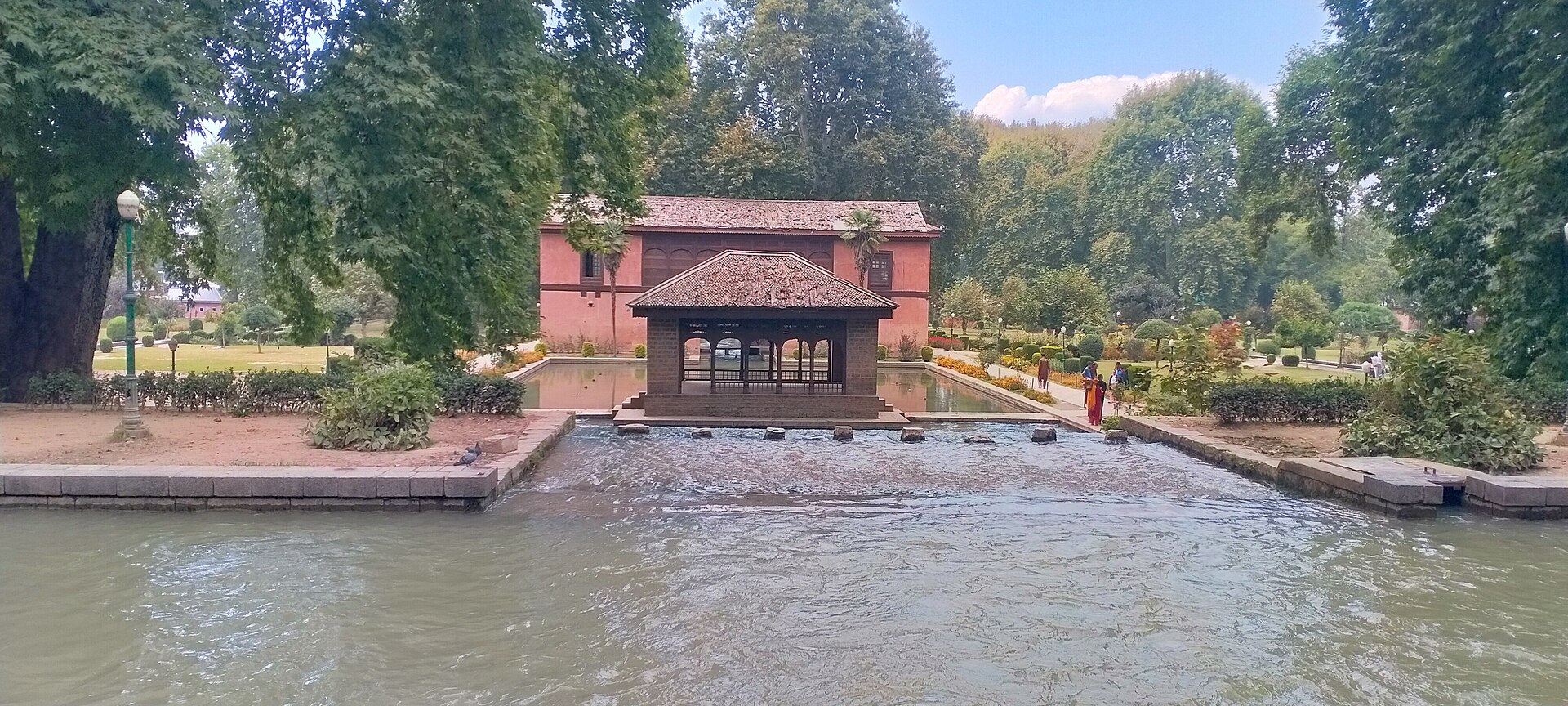
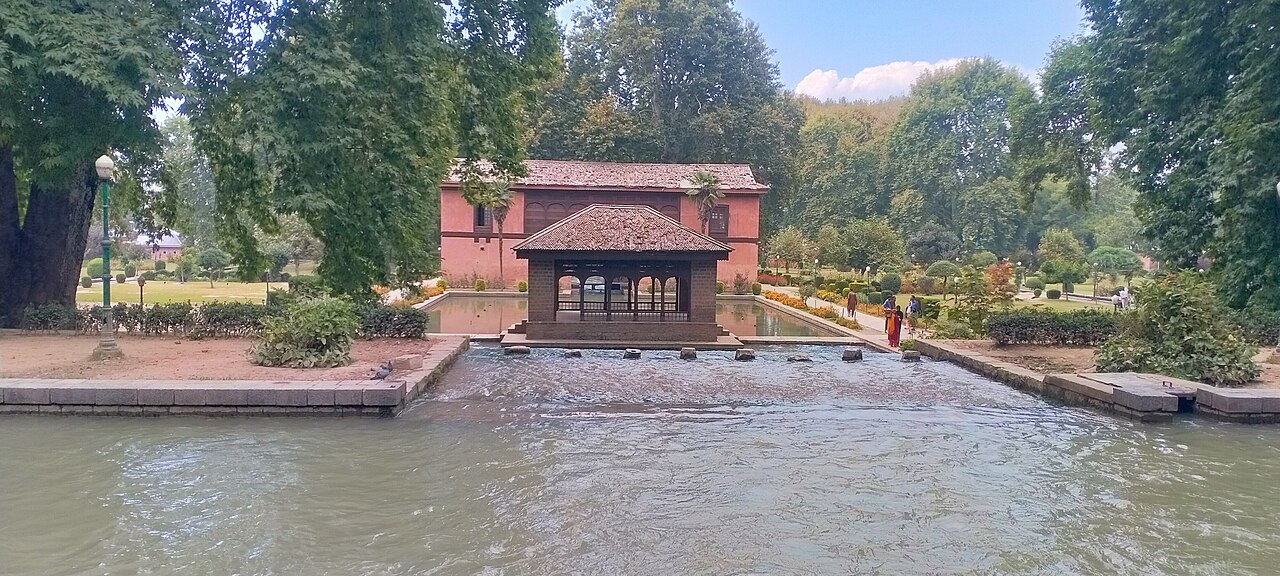
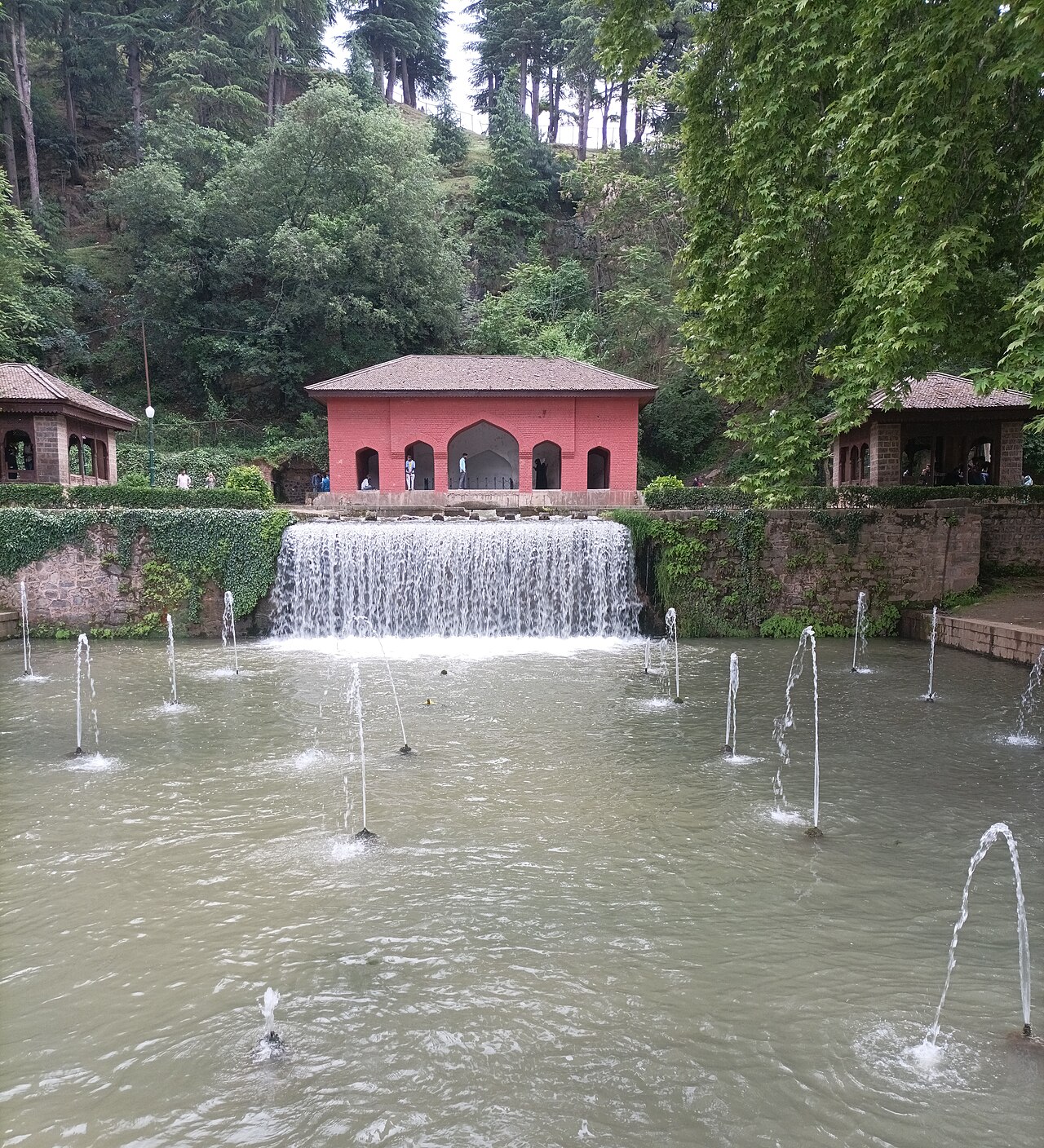
The terraced water channels of Achabal Garden fed by natural mountain springs.Photo: KahkashaaN · CC BY-SA 4.0
The water here does not trickle; it erupts from the limestone cliff with a force that has powered mills, cooled emperors, and survived four centuries of political upheaval. Standing by the central stream of Achabal, you can hear the deep, constant roar of the Anantnag springs beneath the chinar trees. Travellers often ask who built achabal garden, imagining a single grand decree that conjured terraces out of the hillside.
In reality, the site's story is a layered collaboration between imperial ambition, royal leisure, and the specific genius of Mughal landscape design adapted to the Kashmir Valley. When we bring clients here on our south Kashmir routes, we usually start by walking away from the main gate to the source of the stream itself. Understanding the gardens requires looking past the manicured lawns to the bedrock and the royal hands that first shaped it.
Commissioning the Mughal Garden
The origins of the modern layout trace back to the seventeenth century during the height of Mughal rule in the valley. Emperor Jahangir and his court regularly sought relief from the stifling heat of the Indian plains in the cool, elevated air of Kashmir. While Jahangir favored other retreats, it was his brilliant and influential wife who truly unlocked the potential of this particular spring.
Historical records attribute the formal establishment of the terraced pleasure ground to the royal patronage of the imperial court. The sloping terrain beneath the Verinag ridge offered the exact hydraulic conditions the emperor's master builders prized. Water could be channeled down three distinct terraces, feeding central fountains and shallow stone cascades designed to catch the mountain light.
When you walk the stone pathways today, notice the precise grade of the channels. The engineers did not fight the natural slope; they worked with gravity to create a symphony of falling water that echoed through the royal pavilions. Every pavilion and masonry wall served a dual purpose of aesthetic delight and climate control during the brief summer months.
- Natural spring water emerging directly from the Mughal Hillside
- Three-tiered terrace layout typical of imperial pleasure gardens
- Cut-stone water channels designed for acoustic and visual effect
The Role of Empress Nur Jahan
To understand who built achabal garden, one must examine the direct influence of Empress Nur Jahan. As the de facto power behind Jahangir’s throne, she possessed a refined aesthetic sensibility that transformed raw landscapes into architectural masterpieces across the empire.
Nur Jahan personally supervised the landscaping of several key retreats in the region, introducing Persian-style symmetry to the wild valleys of Kashmir. Her eye for botanical diversity meant the planting schemes were carefully curated, featuring ancient chinars, fruit orchards, and beds of mountain flora that bloomed in sequence from spring to autumn.
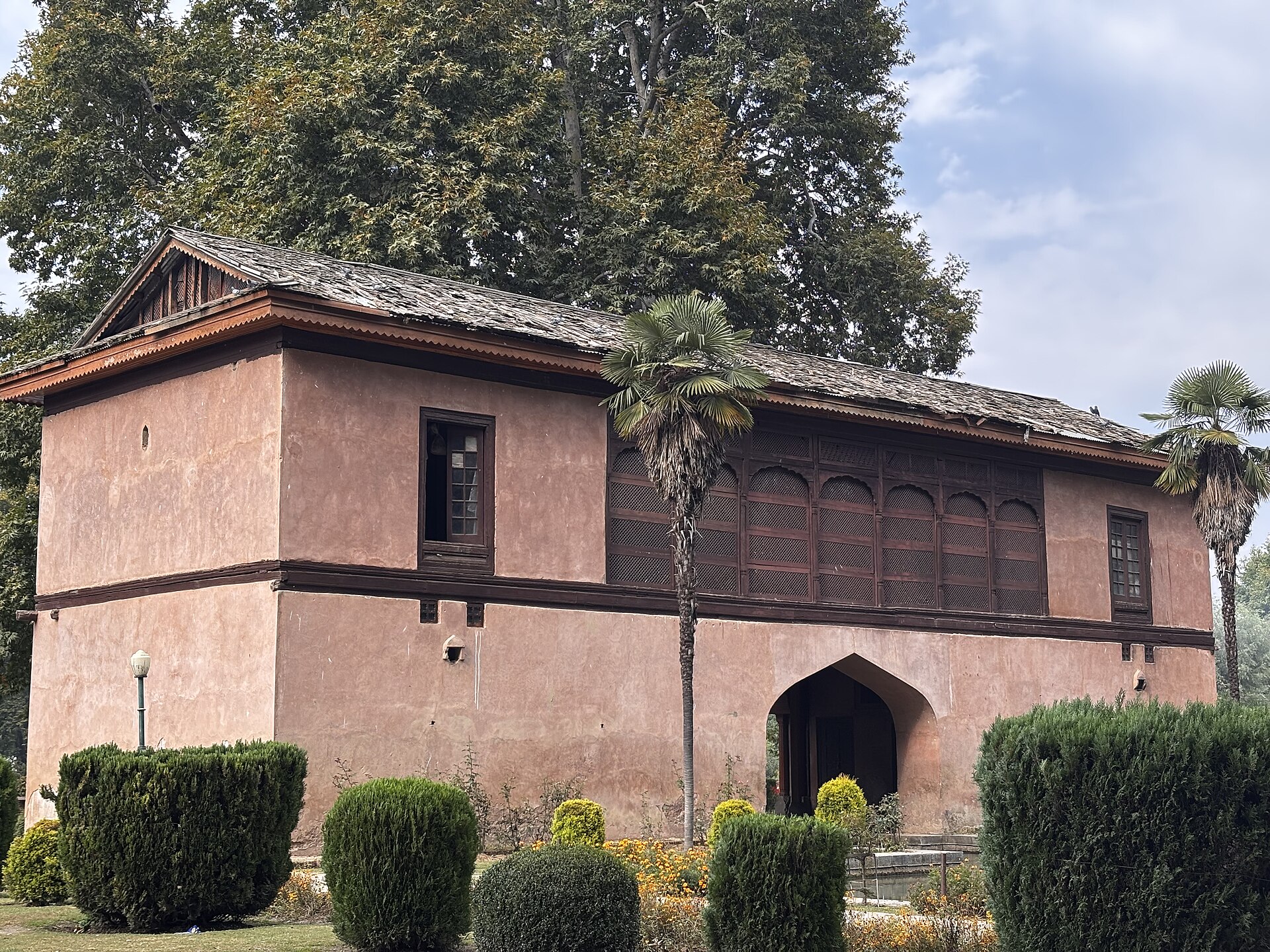
Her legacy here is felt in the intimate scale of the layout. Unlike massive forts built for defense, this space was conceived as a private sanctuary for poetry, statecraft, and respite. The empress understood how to frame mountain views using carefully positioned stone arches and raised viewing platforms.
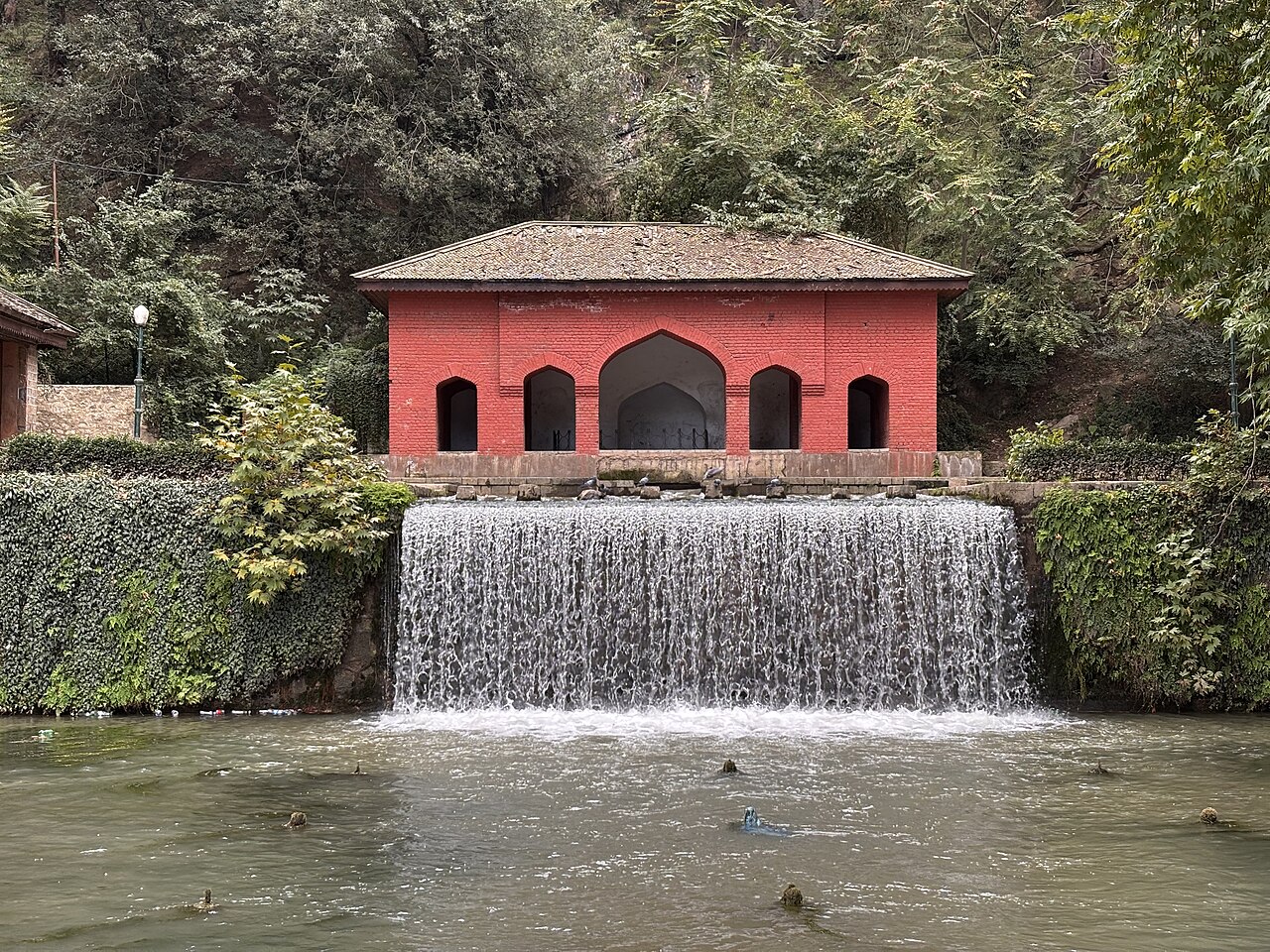
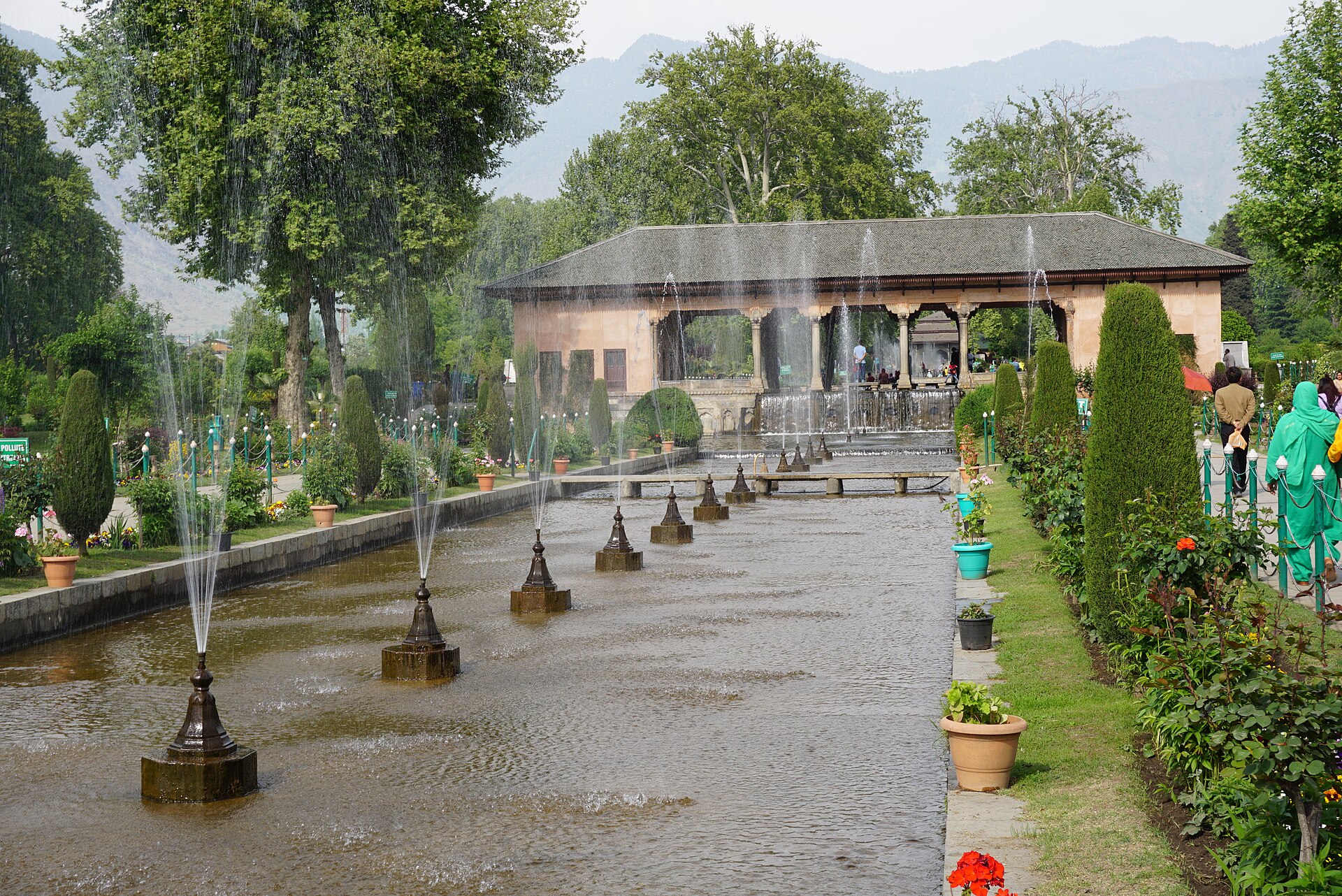
The water here does not trickle; it erupts from the limestone cliff with a force that has powered mills and cooled emperors for four centuries.
Evolution of the Garden Through Centuries
After the decline of the Mughal Empire, the grounds passed through turbulent hands, including Afghan governors and Sikh rulers. Each administration left subtle marks, repairing masonry or adjusting water channels to suit changing royal tastes.
During the Dogra period in the nineteenth and early twentieth centuries, the site received renewed attention as a designated summer rest house and public park. British colonial officers traveling through the valley frequently camped in the vicinity, leaving behind detailed journal entries praising the massive chinar canopy.
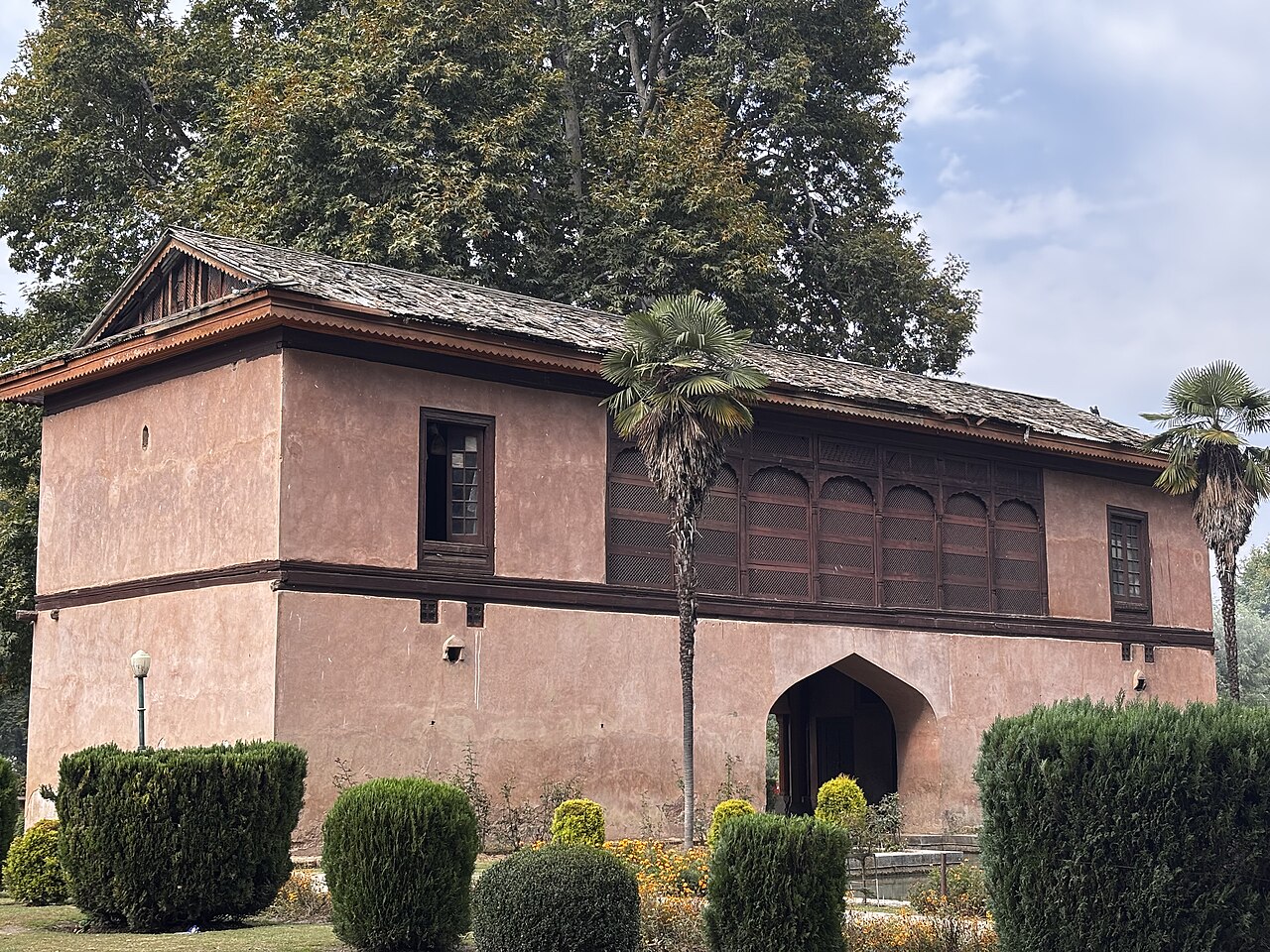
Despite these shifts in political power, the core hydraulic skeleton remained remarkably intact. The original stone aqueducts and retaining walls proved resilient against earthquakes and harsh winters, a testament to the durability of traditional lime-mortar construction.
Preserving Architectural Integrity
Modern conservation efforts face the delicate challenge of maintaining historic structures while accommodating thousands of annual visitors. Stone restorers working on the site use traditional materials like slaked lime and local stone to repair weathered retaining walls without disrupting the aesthetic.
Drainage management remains the most critical task for preservationists. Because the entire layout relies on a high-volume natural spring, any blockage in the upper channels can quickly cause pooling and structural erosion on the lower terraces.
We coordinate closely with local caretakers when designing our itineraries to ensure travellers understand the ongoing conservation work. Seeing artisans hand-carve replacement stones adds a profound layer of authenticity to the visitor experience.

Historical Significance for Kashmir
Beyond its botanical beauty, the site serves as a physical record of the deep economic and cultural ties between imperial Delhi and the mountain provinces. The construction projects brought skilled stonemasons, hydraulic engineers, and horticulturists from across the subcontinent, blending Persian aesthetics with local Kashmiri craftsmanship.
The gardens also played a strategic role in regional administration. Mughal emperors used these countryside retreats to hold court away from the capital, meeting local chieftains and managing the shawl and saffron trade routes.
Today, it stands as one of the few remaining intact examples of royal pleasure grounds in South Kashmir. Exploring its pavilions provides a rare window into an era when landscape architecture was treated as a supreme art form.
Before you book
Tracing the origins of this mountain sanctuary reveals a fascinating intersection of imperial ambition and natural geography. When you stand on the stone terraces and listen to the rush of the spring, you are experiencing the exact acoustic and visual landscape designed by Mughal master builders four hundred years ago.
If you want to experience this historic landmark as part of a broader exploration of the valley, we are always here to help craft a thoughtful, unhurried itinerary tailored to your pace.
Plan Your South Kashmir Heritage Journey
Let our local team design a custom tour that connects Achabal with Verinag, Kokernag, and Pahalgam.
Speak With Our Kashmir ExpertsCaption for your own post
Tracing the royal history of Achabal Garden beneath four-hundred-year-old chinar trees. Built by Mughal master builders and championed by Empress Nur Jahan, this water garden remains a masterpiece of South Kashmir heritage.
Written by
Kashmir, Jammu & Ladakh specialists
We plan and run trips across Kashmir, Jammu and Ladakh every week of the year. Everything here comes from routes we drive, stays we inspect and questions our travellers actually ask.
Written by our senior Kashmir operations lead after leading dozens of heritage walks through Anantnag district.
Quick answers
Questions we get asked
Who built achabal garden?
The garden was established during the Mughal era under imperial patronage, with significant design influence and oversight from Empress Nur Jahan in the seventeenth century.
What is the primary water source for the garden?
The water originates from a powerful natural limestone spring emerging directly from the base of the adjacent hill, feeding the three main terraced channels.
How long does it take to explore the grounds?
Most visitors spend between one to two hours walking the terraces, examining the historic pavilions, and sitting beneath the ancient chinar trees.
Are there guides available at the entrance?
Local government-certified guides are often available at the gate, though many travellers prefer exploring with a pre-arranged tour specialist for deeper historical context.
When is the best time of year to visit?
The site is open year-round, offering spring blossoms in April, deep shade beneath mature chinar trees in summer, and vibrant golden foliage during autumn.
Photography credits
- Photo: KahkashaaN · CC BY-SA 4.0
- Photo: Deepank Ranka · CC BY-SA 4.0
- Photo: Sabaaya · CC BY-SA 4.0
- Photo: KahkashaaN · CC BY-SA 4.0
- Photo: KahkashaaN · CC BY-SA 4.0
- Photo: Shiv's fotografia · CC BY-SA 4.0
- Photo: TheAafi · CC BY-SA 4.0