Understanding Chandanwari in the Amarnath Yatra
An overview of the traditional pilgrimage route, logistics, and what pilgrims experience at the trailhead.
Discover why chandanwari to amarnath distance matters for thousands of pilgrims embarking on the annual holy journey through the Himalayas.
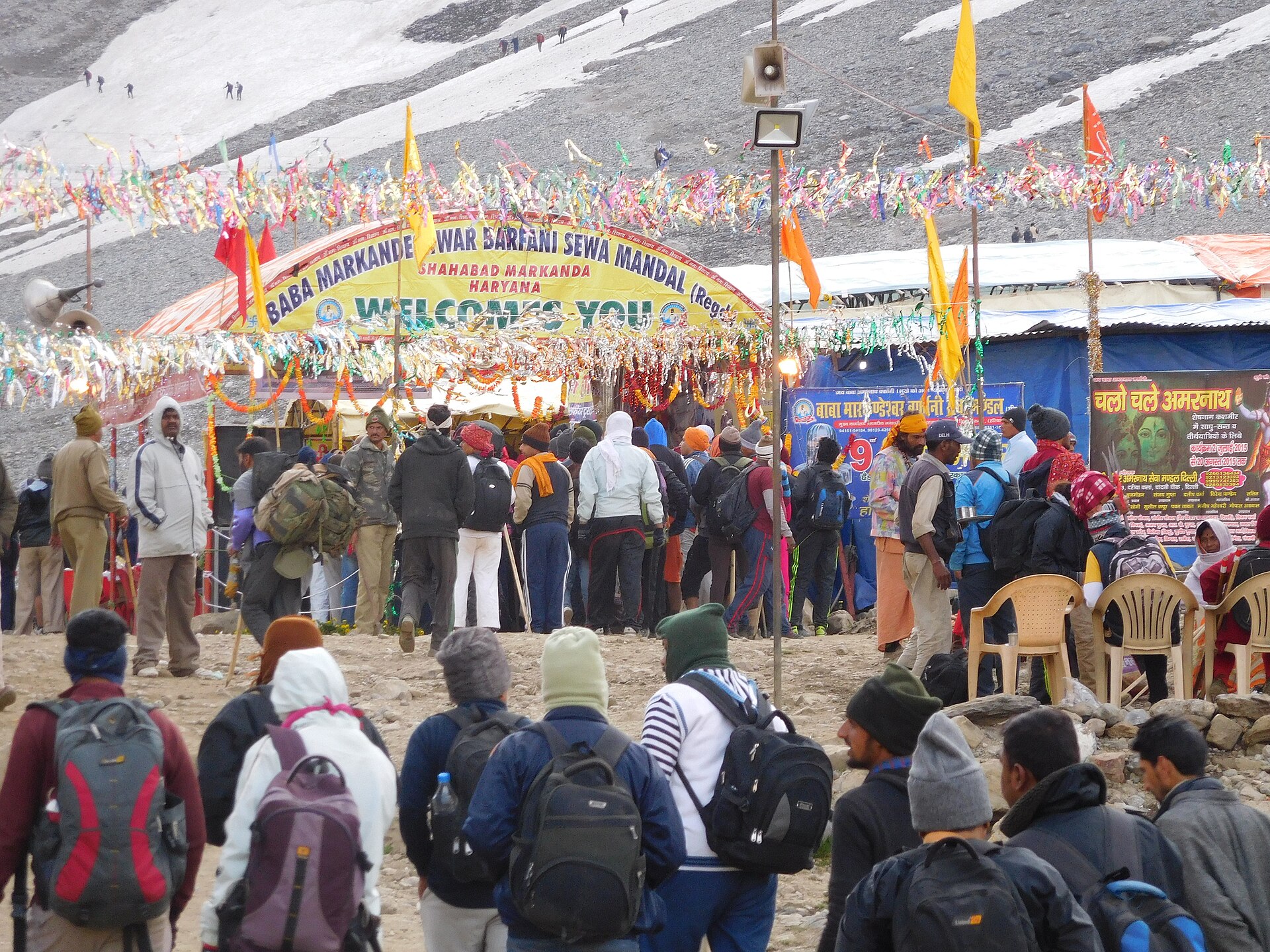
Tent cities spring up along the high mountain routes during the summer pilgrimage.Photo: Itzseoprasoon · CC BY-SA 4.0
Thousands of walking sticks strike the tarmac at dawn outside the base camp gate, setting a steady, hypnotic rhythm that echoes off the limestone cliffs. For generations, this staging area has marked the physical threshold where tourist excursions end and one of the most revered mountain pilgrimages in the world begins.
Understanding the chandanwari to amarnath distance is crucial for anyone preparing for the arduous trek through the high Himalayan passes. While casual visitors only see the parking turnaround and the rushing stream, during July and August this narrow gorge transforms into a massive, highly organized tent city supporting thousands of devotees daily.
Chandanwari as the Traditional Trailhead
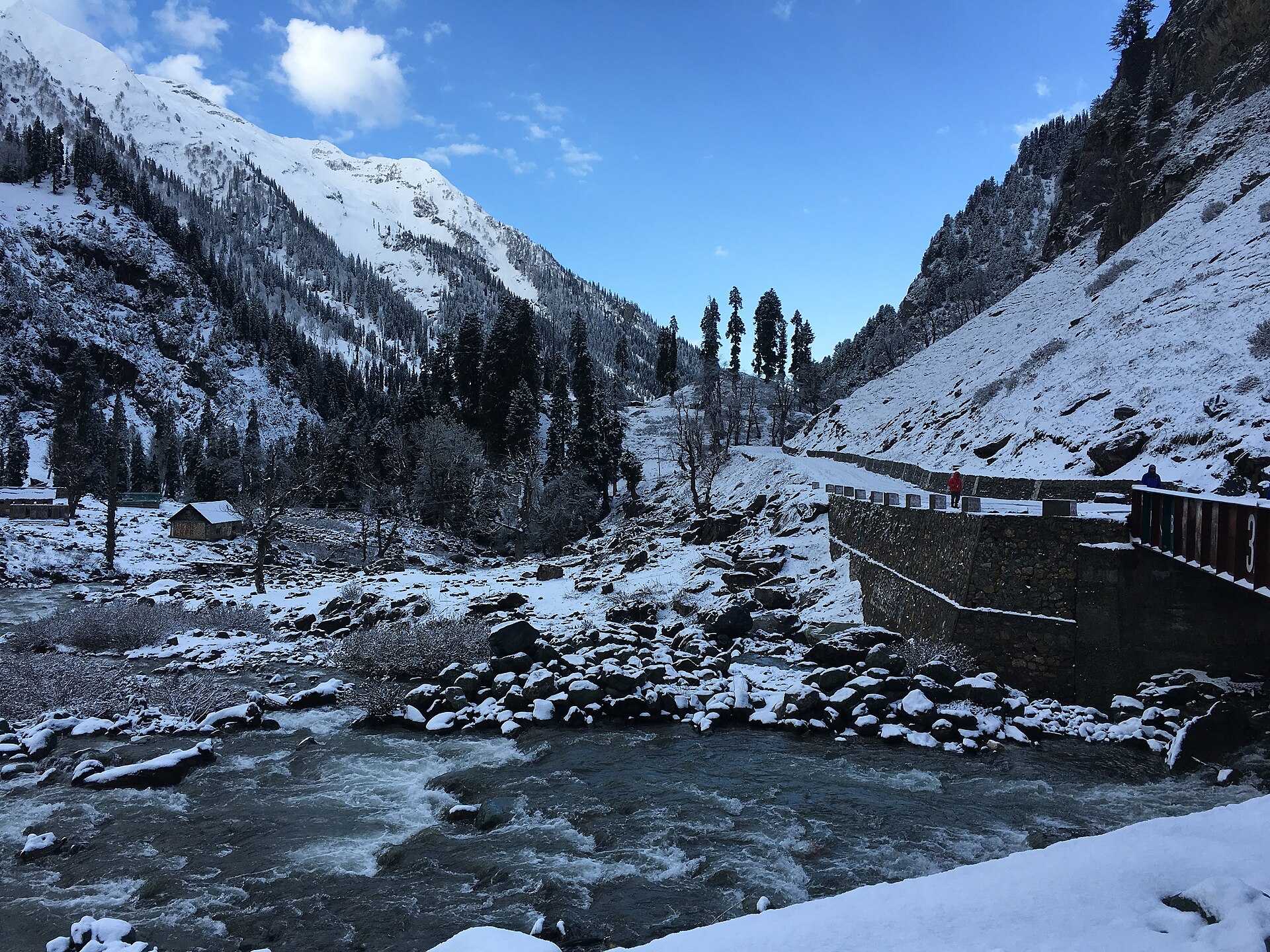
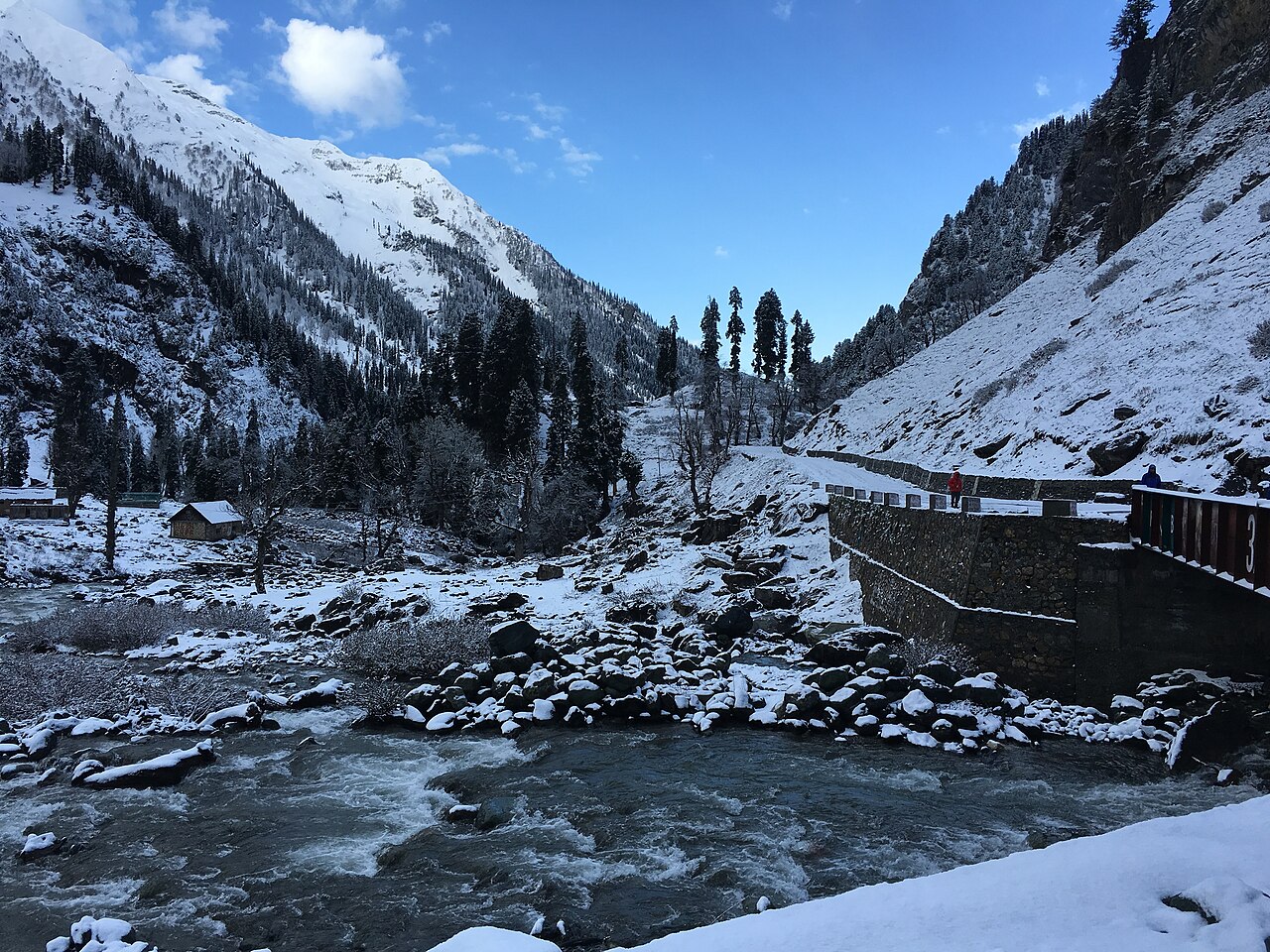
Located sixteen kilometres past the tourist hub of Pahalgam, Chandanwari serves as the primary traditional trekking gateway for the Amarnath Yatra. Vehicles can drive up to this point, but beyond the metal bridge, the road gives way to narrow mule tracks and footpaths that climb steeply into the upper wilderness.
Organizers set up extensive medical tents, langars offering free hot meals, and security checkpoints right along the river flats. Pilgrims register their permits here, undergo basic health screenings, and prepare their packs before taking their first steps onto the uphill trail.
Calculating the Distance to the Holy Cave
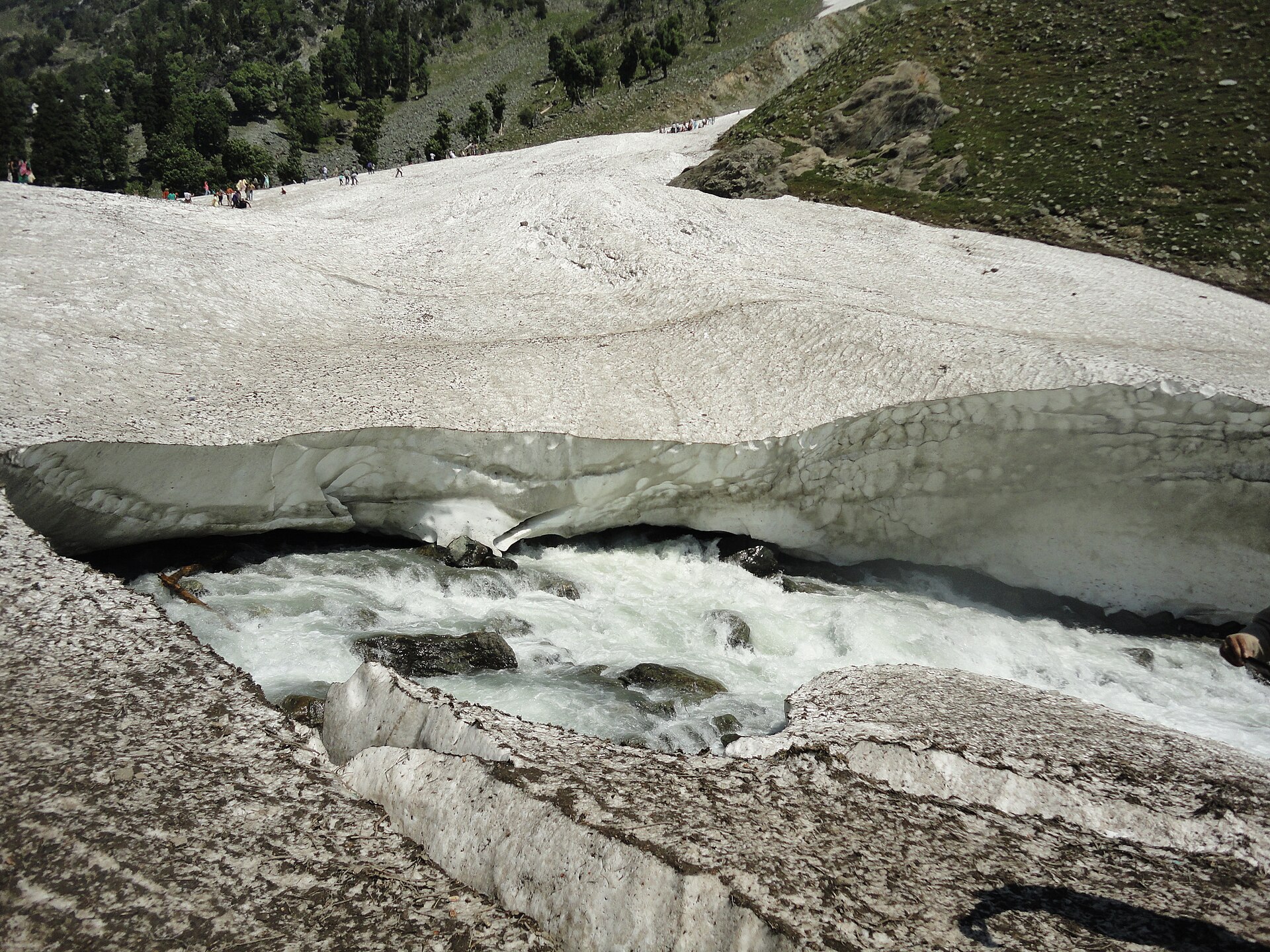
The actual chandanwari to amarnath distance spans roughly thirty-two to thirty-six kilometres of rugged mountain terrain, depending on the exact walking path and campsite stops chosen. This is not a casual afternoon stroll; the trail scales high altitude ridges, crosses freezing streams, and tests physical endurance at every turn.
Most pilgrims break the journey down over three to four days to acclimatize properly and manage the punishing elevation gains. The route takes walkers past iconic waypoints like Pissu Top, Sheshnag Lake, and Panchtarni before making the final push to the sacred ice lingam cave.
- Total trekking distance: ~32 km one way
- Average duration: 3 to 4 days of walking
- Highest elevation reached: Mahagunas Pass at ~4,200 metres
The Trekking Route Overview
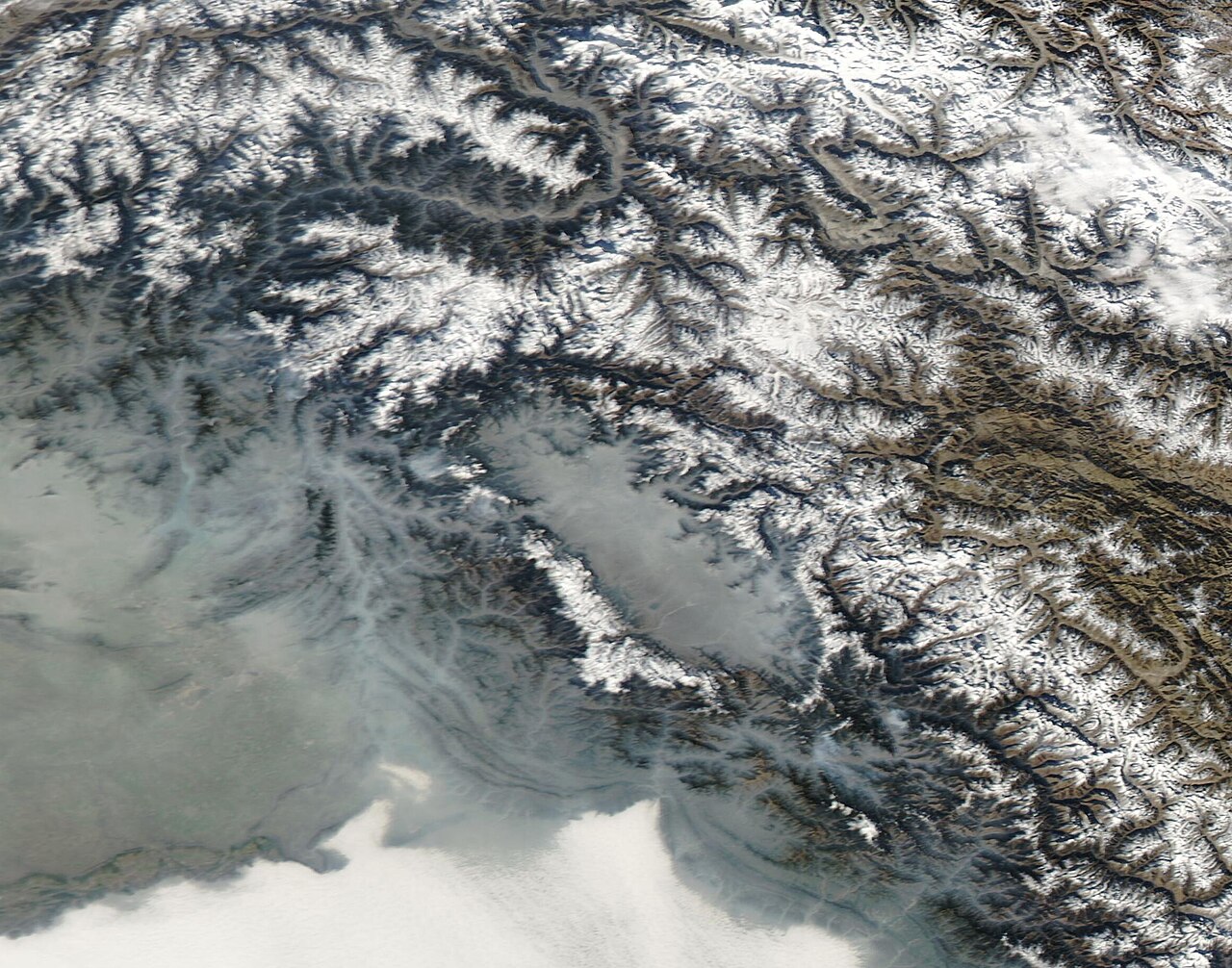
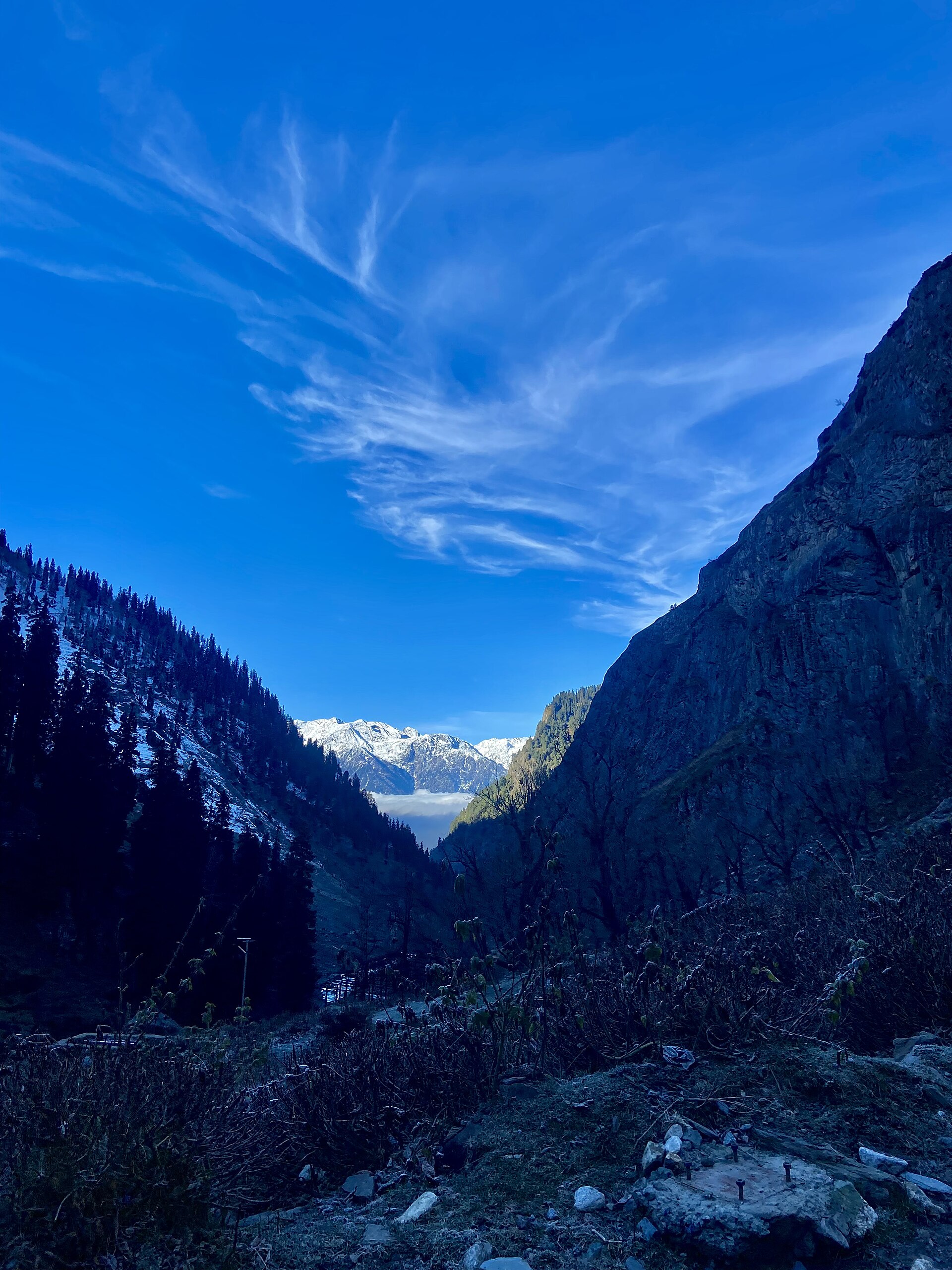
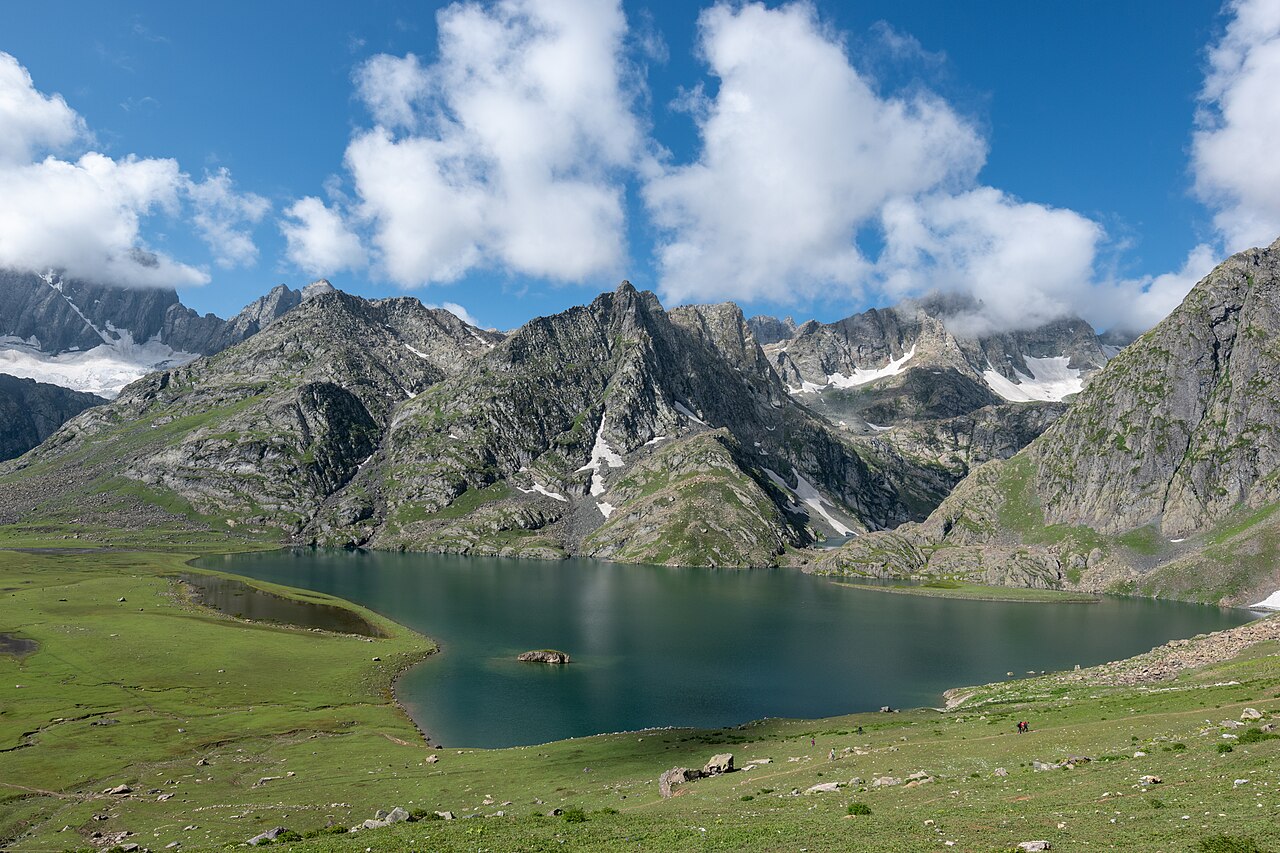
Leaving Chandanwari, the path immediately rears upward through a punishing series of switchbacks known as Pissu Top. Legend says this was where gods and demons fought a battle, leaving a mountain of dead bodies behind. After conquering this first ridge, the trail levels out slightly as it winds toward the breathtaking emerald waters of Sheshnag Lake.
From Sheshnag, the route climbs again across the formidable Mahagunas Pass, the highest point on the trek at over 4,200 metres. The air is thin, and temperatures can plummet without warning. Descending into the wide basin of Panchtarni offers a brief respite before the final six-kilometre stretch to the holy cave.
Preparation and Physical Conditioning
Tackling this pilgrimage requires months of prior cardiovascular training. Walking uphill with a daypack at oxygen-depleted altitudes will quickly expose any lack of physical fitness. Daily running, stair climbing, and breathing exercises are non-negotiable preparations for anyone intending to complete the journey on foot or pony.
Medical clearances are mandatory for all registered participants. Local authorities run thorough checkups at the base camps to prevent altitude sickness and cardiac events on the mountain. Listening to your body and descending immediately if you experience severe headaches or dizziness can save your life.
Respecting the Yatra Season and Mountain Ecology
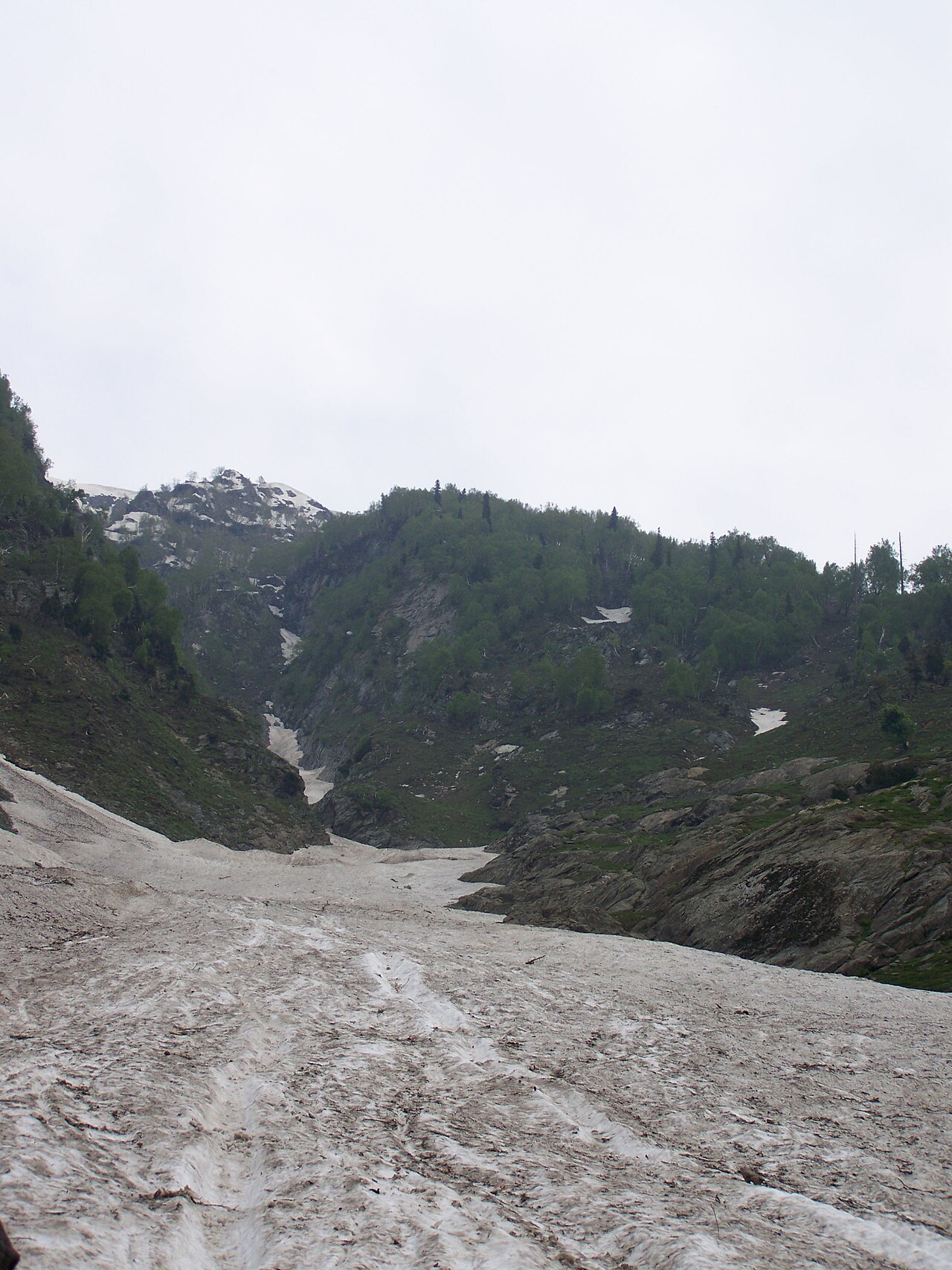
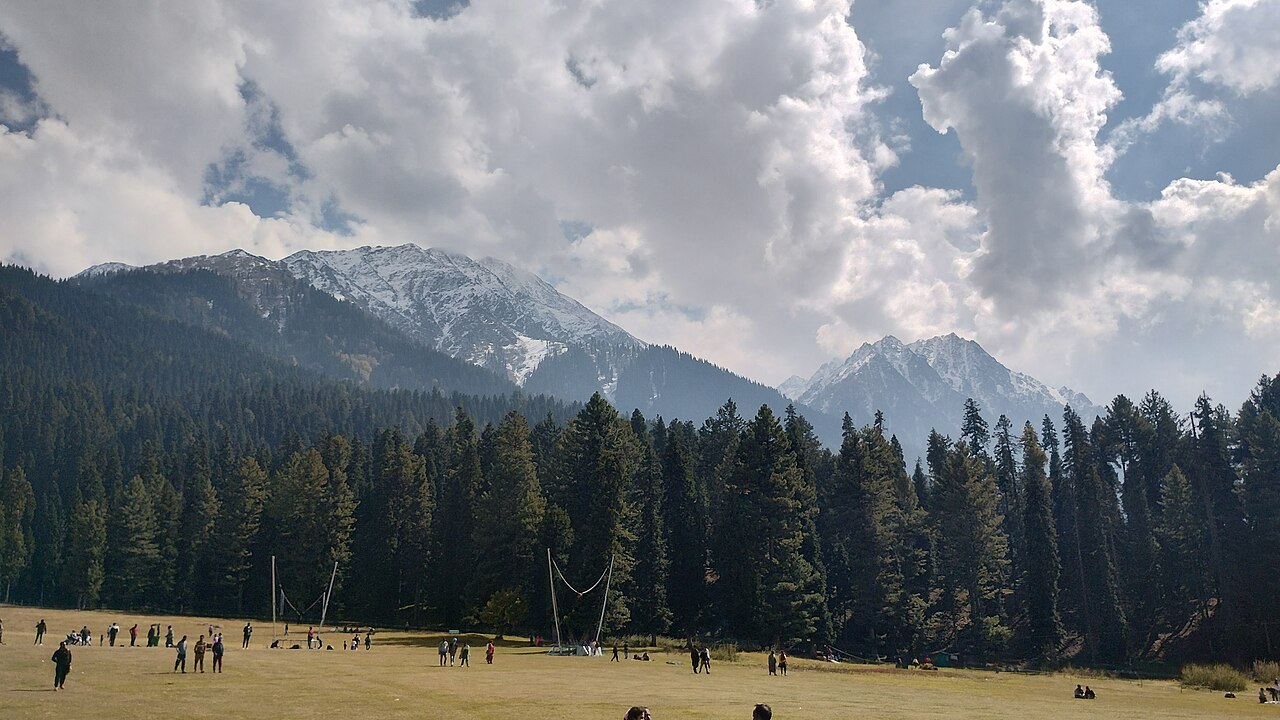
The yatra window is strictly regulated by the Shri Amarnathji Shrine Board, typically running for 45 to 60 days during the peak summer months of July and August. Attempting to trek outside this window is dangerous due to unmanaged snow bridges, extreme cold, and a lack of emergency support infrastructure.
Tens of thousands of people moving through a fragile alpine ecosystem leave a heavy footprint. Responsible pilgrims carry all their non-biodegradable waste back down to the base camps, respecting the pristine mountain streams and glacial meadows that feed the entire valley below.
Before you book
The journey from the river flats of Chandanwari up to the icy sanctum of Amarnath is an ancient test of faith, endurance, and respect for the raw power of the Himalayas. Every stone along the path carries the echoes of countless footsteps taken across centuries.
If you are planning to undertake this sacred pilgrimage and need help organizing your transport, permits, or acclimatization stops in Pahalgam and Srinagar, reach out to our team for honest, grounded guidance.
Planning your pilgrimage logistics?
Let us help you arrange comfortable stays in Pahalgam and seamless transfers to the trailhead.
Contact our travel deskWritten by
Kashmir, Jammu & Ladakh specialists
We plan and run trips across Kashmir, Jammu and Ladakh every week of the year. Everything here comes from routes we drive, stays we inspect and questions our travellers actually ask.
Quick answers
Questions we get asked
How long does it take to walk from Chandanwari to the cave?
Most pilgrims take between 3 and 4 days to complete the one-way trek, depending on their physical conditioning and weather conditions along the mountain passes.
Are ponies and palanquins available at Chandanwari?
Yes, registered pony operators, dandies, and porters are available at the Chandanwari base camp to assist pilgrims who cannot complete the steep sections on foot.
Is registration required to start the trek from Chandanwari?
All travelers must possess a valid advance registration permit issued by the shrine board before authorities permit them past the security checkpoints.
Photography credits
- Photo: Itzseoprasoon · CC BY-SA 4.0
- Photo: Talib kashmir · CC BY-SA 4.0
- Photo: Akigupta131 · CC BY-SA 4.0
- Photo: MODIS Land Rapid Response Team, NASA GSFC · Public domain
- Photo: Vikas Panwar · CC BY-SA 4.0
- Photo: Hellohappy · CC BY-SA 4.0
- Photo: Rohit Sharma · CC BY-SA 4.0