Chandanwari Weather: What to Expect Through the Year
A practical guide to temperatures, snowmelt, and packing for the gateway to the mountains.
Plan your trip with our honest breakdown of chandanwari temperature across four distinct seasons, from heavy winter snow to crisp summer trekking months.
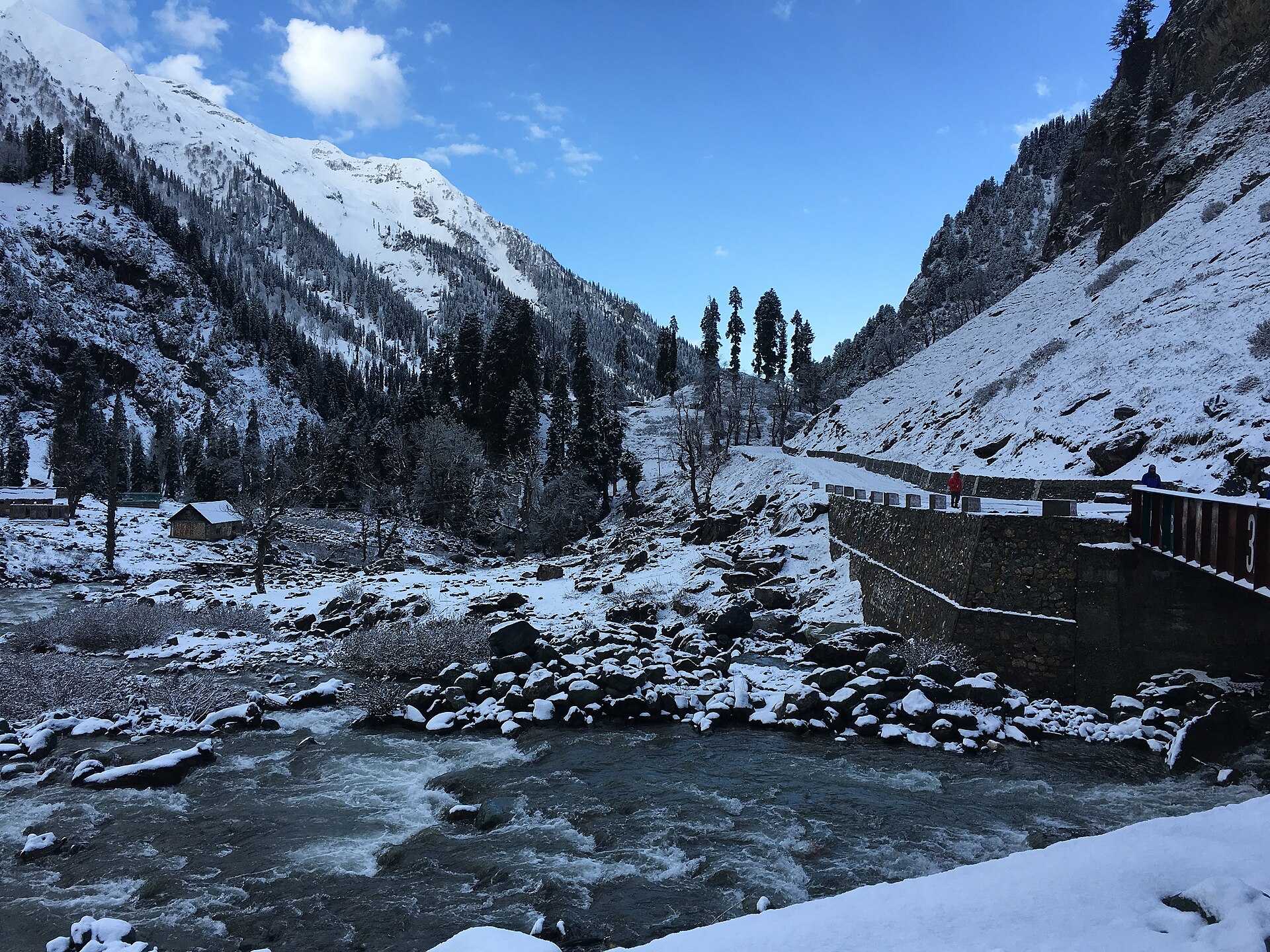
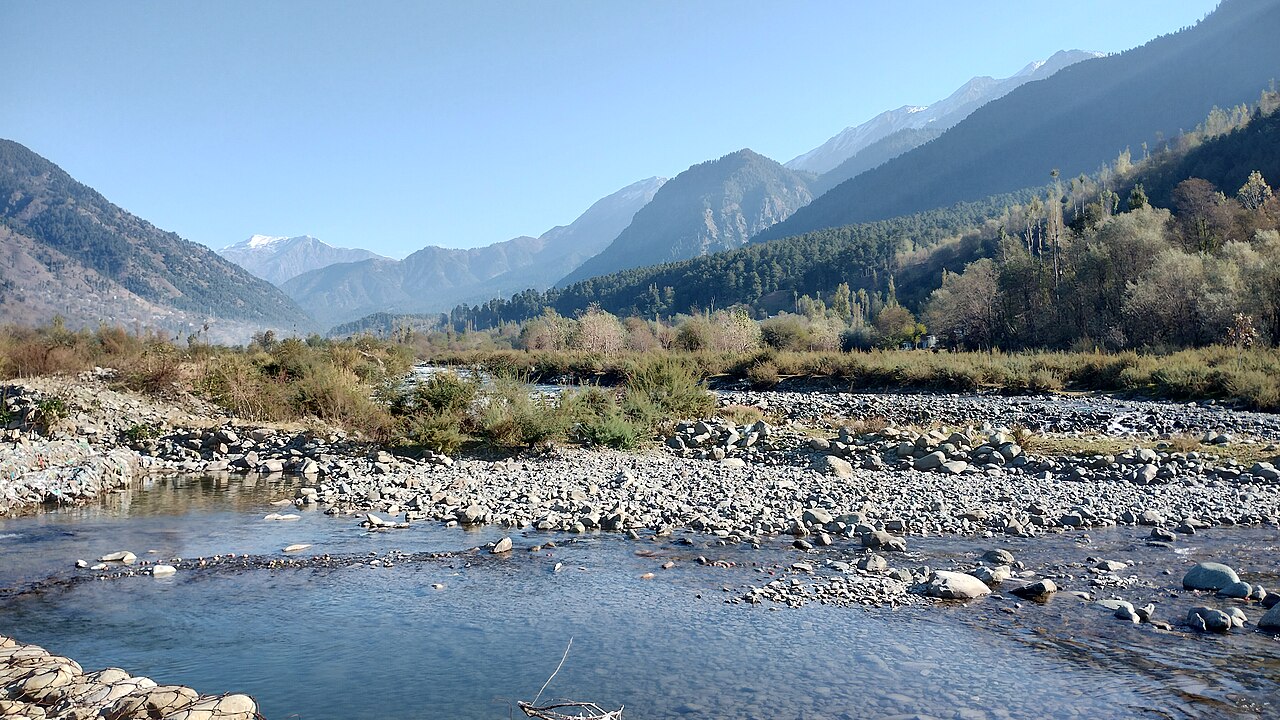
The dramatic mountain backdrop framing the river at Chandanwari.Photo: Akigupta131 · CC BY-SA 4.0
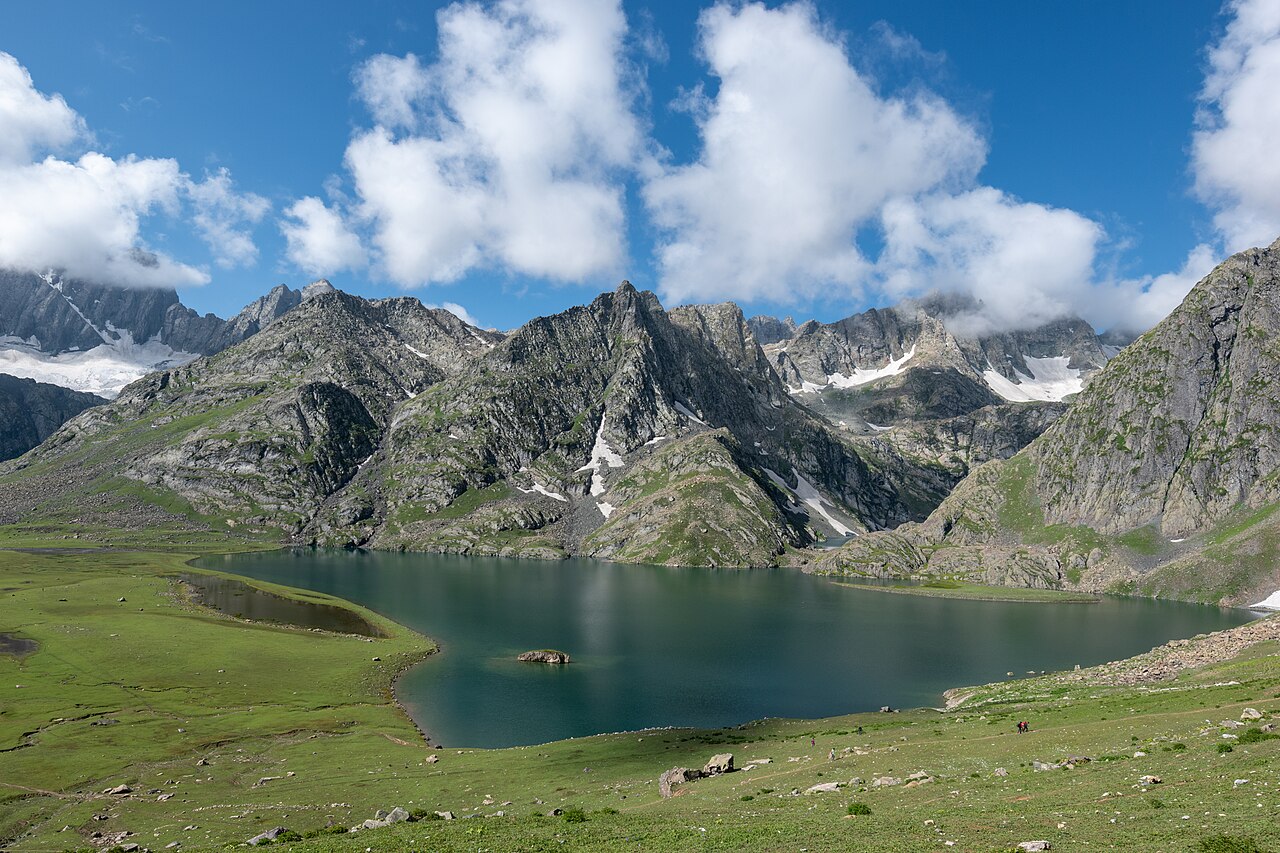
The first time I stepped out of the taxi at Chandanwari in late May, my breath plumed into the cold air as if it were January. Sitting sixteen kilometres past Pahalgam at an altitude of nearly 2,900 metres, this valley does not care what calendar month you have written in your diary. Weather here is dictated by the river, the shade of the steep limestone walls, and the massive glaciers lingering just out of sight up the valley.
Travellers often ask us for a single number when they plan a trip, expecting a neat meteorological forecast. The reality on the ground changes drastically depending on whether you visit during the peak of summer or the biting depths of winter. Understanding the shifts in chandanwari temperature helps you pack the right layers and avoid getting stranded by unseasonal snowfall.
Spring and Snow Survival in the Valley
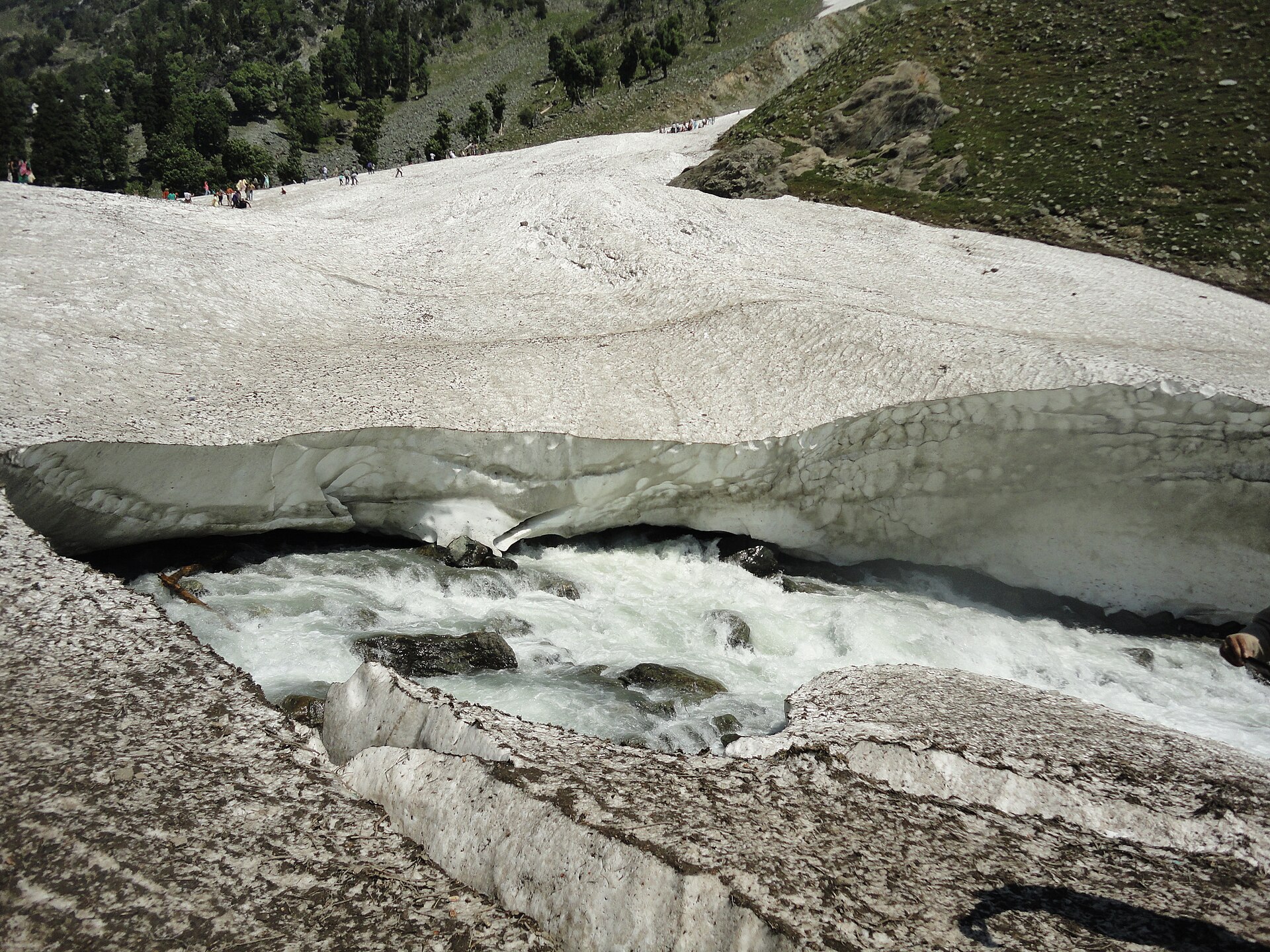
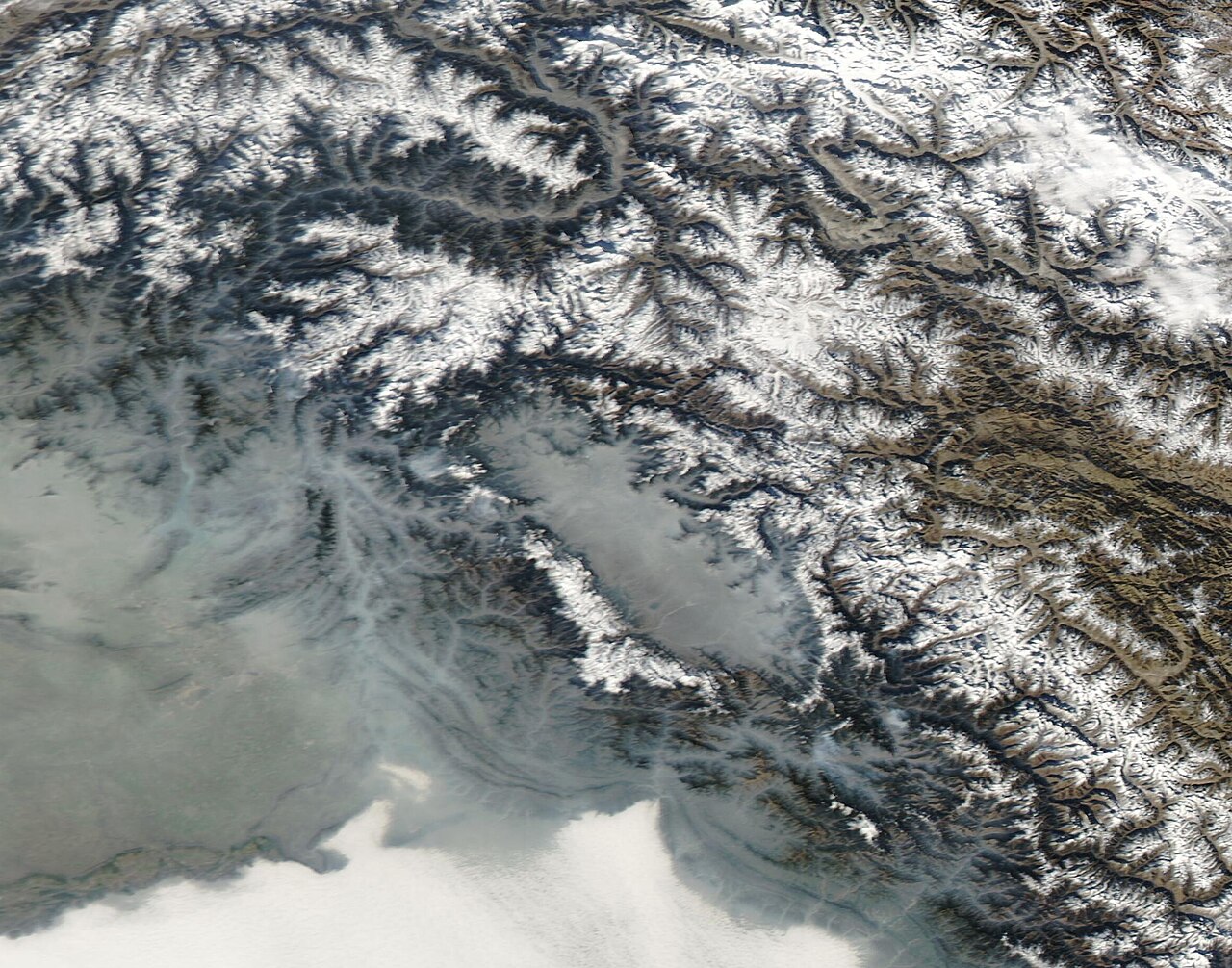
April and May bring a strange mix of bright sun and freezing winds to the upper reaches of the Lidder river. While Srinagar feels comfortably warm with fruit trees in full bloom, Chandanwari is usually knee-deep in melting snow pack. Daytime temperatures hover around 8 to 12 degrees Celsius, but the moment the sun dips behind the ridge, the mercury drops below zero.
Walking across the slushy tracks requires sturdy waterproof boots rather than city sneakers. The snow bridges spanning the streams start to thin out during this period, making local guides essential if you plan to venture beyond the main parking turnaround. We always tell clients to keep their winter jackets handy even if the drive up from Pahalgam started in a t-shirt.
- Average daytime range: 5°C to 12°C
- Nighttime lows: -2°C to -5°C
- Road status: Often prone to brief blockages from late avalanches
Summer Temperatures in July and August
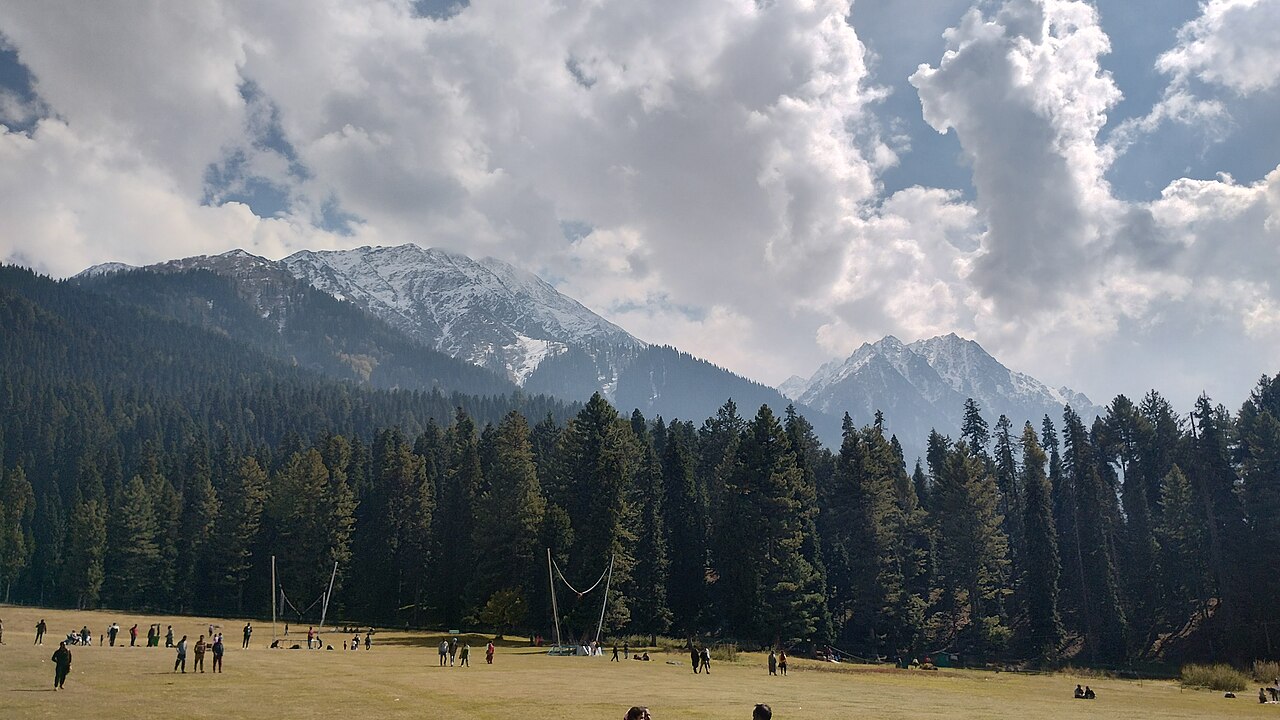
By July, the snow has mostly retreated up the higher gullies, leaving behind alpine meadows dotted with wild buttercups and clover. Summer is the most stable period for the chandanwari climate, drawing thousands of travellers seeking relief from the stifling heat of the Indian plains. Midday temperatures reach a pleasant 18 to 22 degrees Celsius under clear blue skies.
You will still need a woollen jumper or a fleece for the evenings when the mountain breeze picks up. Afternoon rain showers are common during the monsoon months in mainland India, though Kashmir sits largely in a rain shadow. You might catch an hour of steady drizzle, but total washouts are rare compared to the Pir Panjal range further south.
Autumn Climate and the Golden Chidars
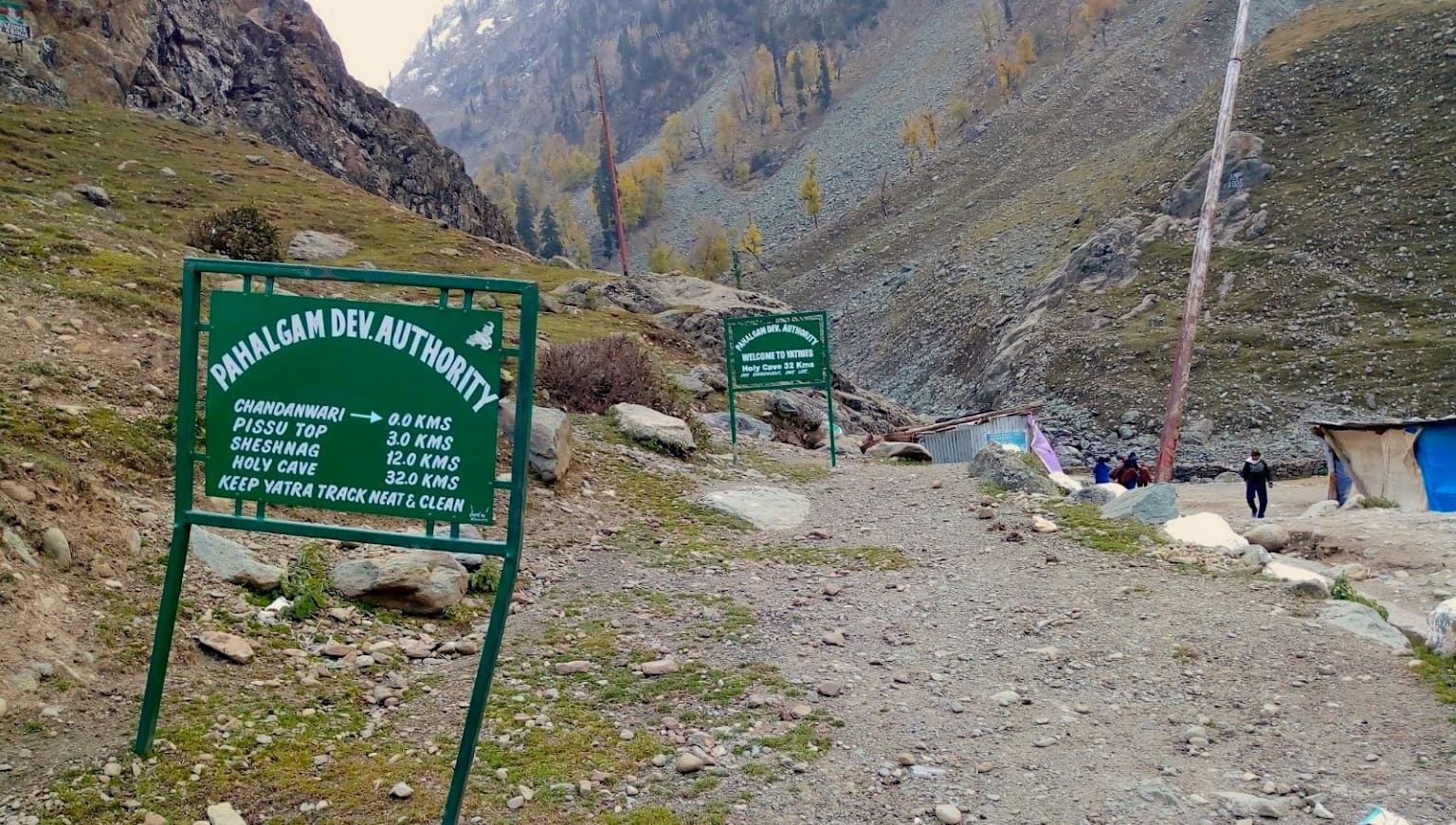
September brings a sharp, clean clarity to the air that landscape photographers dream about. The chandanwari temperature starts a steady downward slide, with daytime highs dropping back to 10 degrees by late October. The willow trees along the river turn a brilliant amber, contrasting sharply with the grey rock faces.
Tourism slows down significantly during these weeks, offering a rare kind of quiet. If you do not mind wearing thermal underwear and a heavy down jacket, this is arguably the most atmospheric time to visit the valley before the heavy winter gates close.
Winter Accessibility Challenges
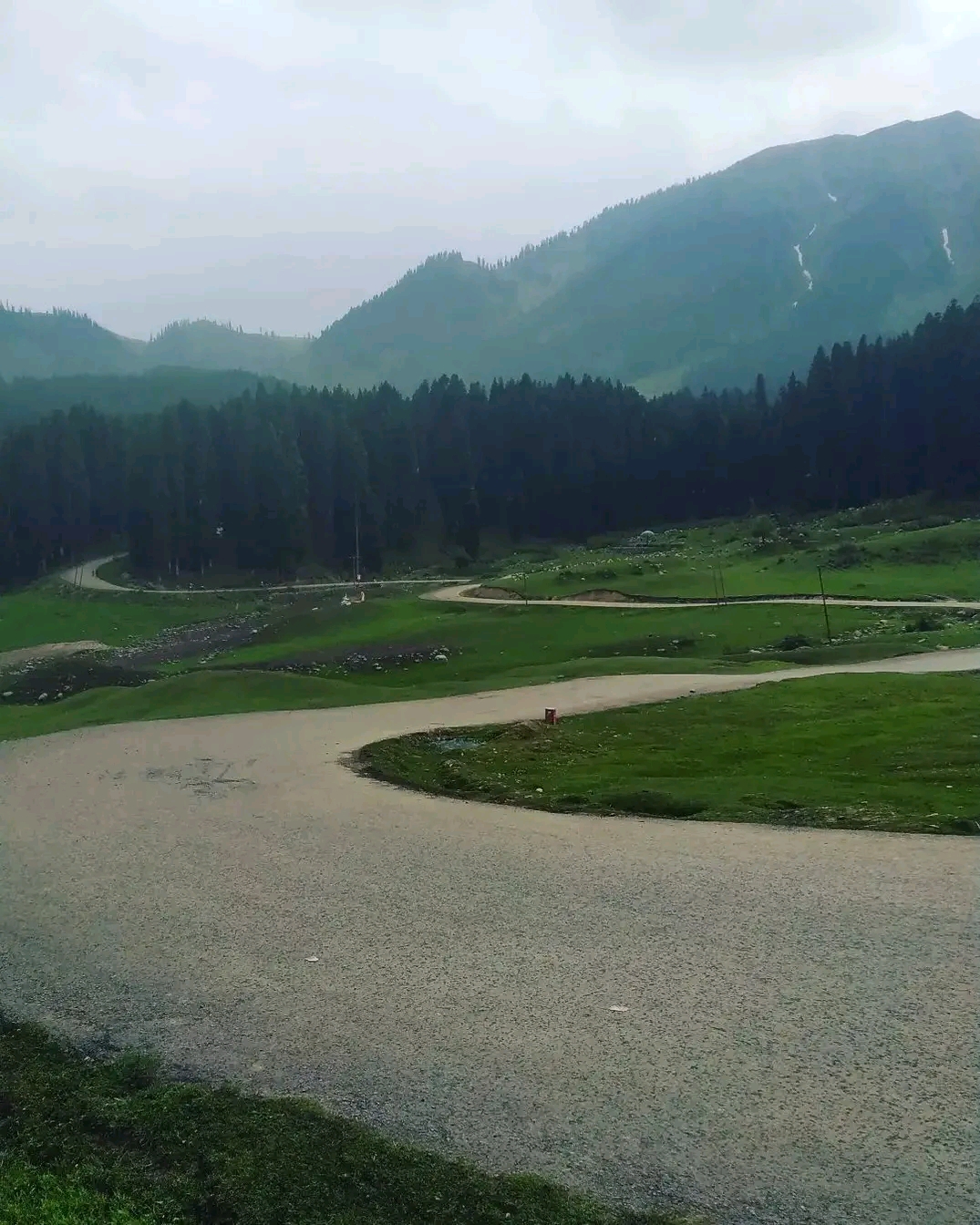
From December through March, Chandanwari is effectively locked in deep freeze. Temperatures routinely plunge to -10 degrees Celsius or lower at night, and heavy blizzards can dump several feet of snow overnight. The road past Aru and Betaab Valley is officially closed to civilian vehicles once the snow accumulation makes clearing impossible.
Trying to reach Chandanwari in January requires special permissions, local snow-clearing updates, and often a four-wheel-drive vehicle driven by someone who knows every frozen rut in the tarmac. Most travellers content themselves with visiting Pahalgam during these months and leave the upper gorge to the wildlife.
Essential Clothing for the Altitude
Packing for a day trip here is all about managing micro-climates. You might sweat while walking up the incline towards the Sheshnag stream, only to freeze when the wind funnels down the gorge. The golden rule is the three-layer system: a moisture-wicking base, an insulating fleece, and a windproof, waterproof outer shell.
Do not forget woollen socks, gloves that block the wind, and a sturdy hat that covers your ears. Even on a bright summer afternoon, a sudden cloud can drop the perceived temperature by ten degrees in a matter of minutes.
Before you book
The weather in these mountains refuses to be neatly scheduled, and that is precisely why travelling here feels like an adventure rather than a resort holiday. Respecting the altitude and packing for sudden shifts in temperature will keep you comfortable no matter which month you choose.
If you want help timing your journey to match the exact seasonal mood you are looking for, drop us a message. We are always happy to share what the valley looks like today.
Ready to plan your mountain escape?
Tell us when you want to travel, and we will build a custom itinerary around the best seasonal weather.
Get in touchWritten by
Kashmir, Jammu & Ladakh specialists
We plan and run trips across Kashmir, Jammu and Ladakh every week of the year. Everything here comes from routes we drive, stays we inspect and questions our travellers actually ask.
Quick answers
Questions we get asked
Does it snow in Chandanwari during summer?
No, actual snowfall is extremely rare in July and August, though you will see permanent glaciers tucked away in the higher ravines above the valley floor.
Can I visit Chandanwari in January?
Road access is usually blocked by heavy snow from December through March. Most tourists view the region from Pahalgam during these winter months.
What is the best month for pleasant weather?
June and September offer the most reliable weather, combining clear blue skies with comfortable daytime temperatures for walking and sightseeing.
Photography credits
- Photo: Akigupta131 · CC BY-SA 4.0
- Photo: Photos Worldwide · CC0
- Photo: MODIS Land Rapid Response Team, NASA GSFC · Public domain
- Photo: Hellohappy · CC BY-SA 4.0
- Photo: Keshuseeker · CC BY-SA 4.0
- Photo: Rohit Sharma · CC BY-SA 4.0
- Photo: Hellohappy · CC BY-SA 4.0