Essential Things to Do in Chandanwari: A Traveller's Guide
Discover the snow, river, and mountain air of this gateway to the high Himalayas
Often overlooked for the more famous valley floors, Chandanwari is where the real mountain energy begins. Here is what to do when you arrive.
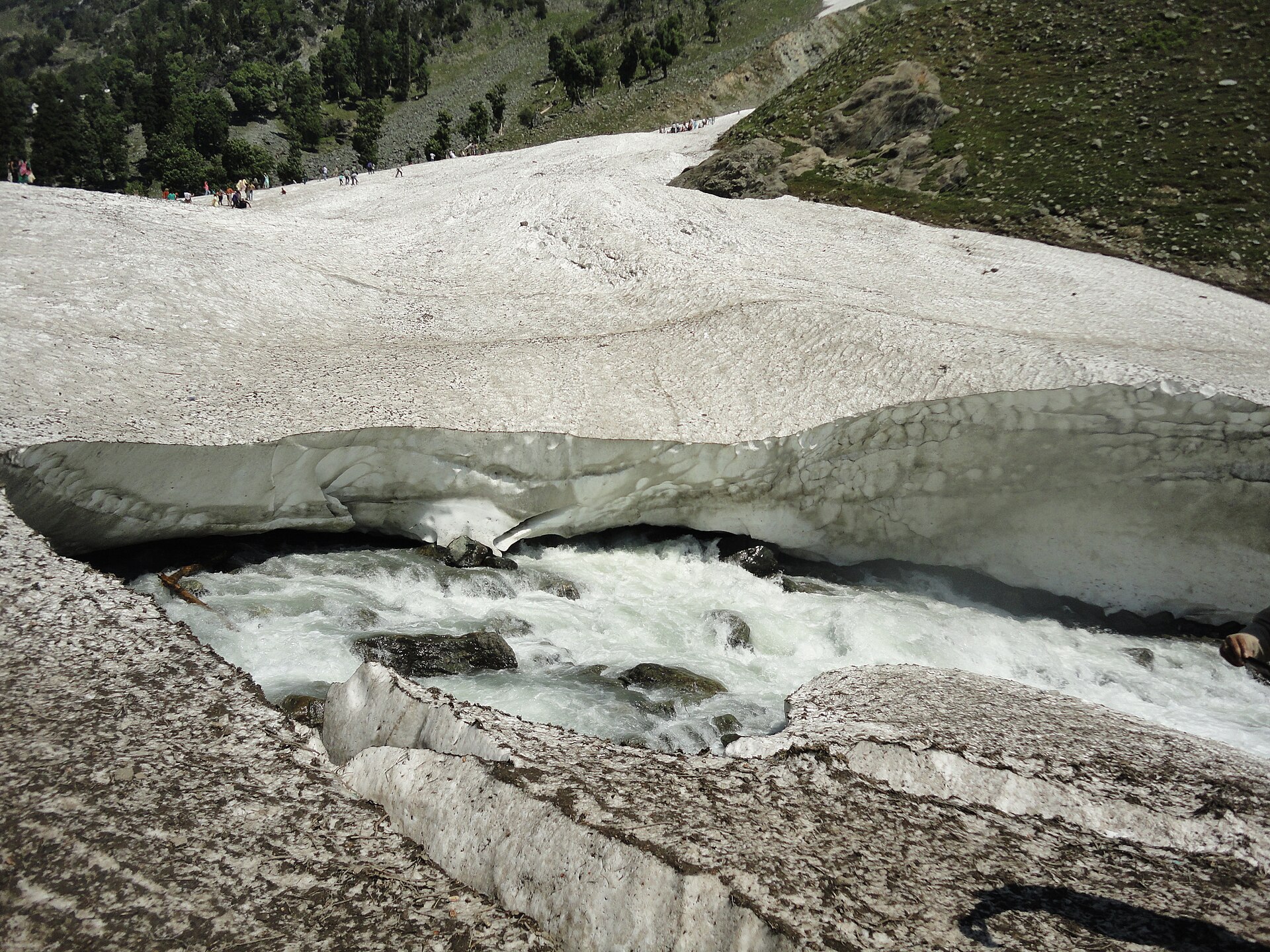
The snow bridges here are one of the most striking sights in early summer.Photo: Akshey25 · CC BY 3.0
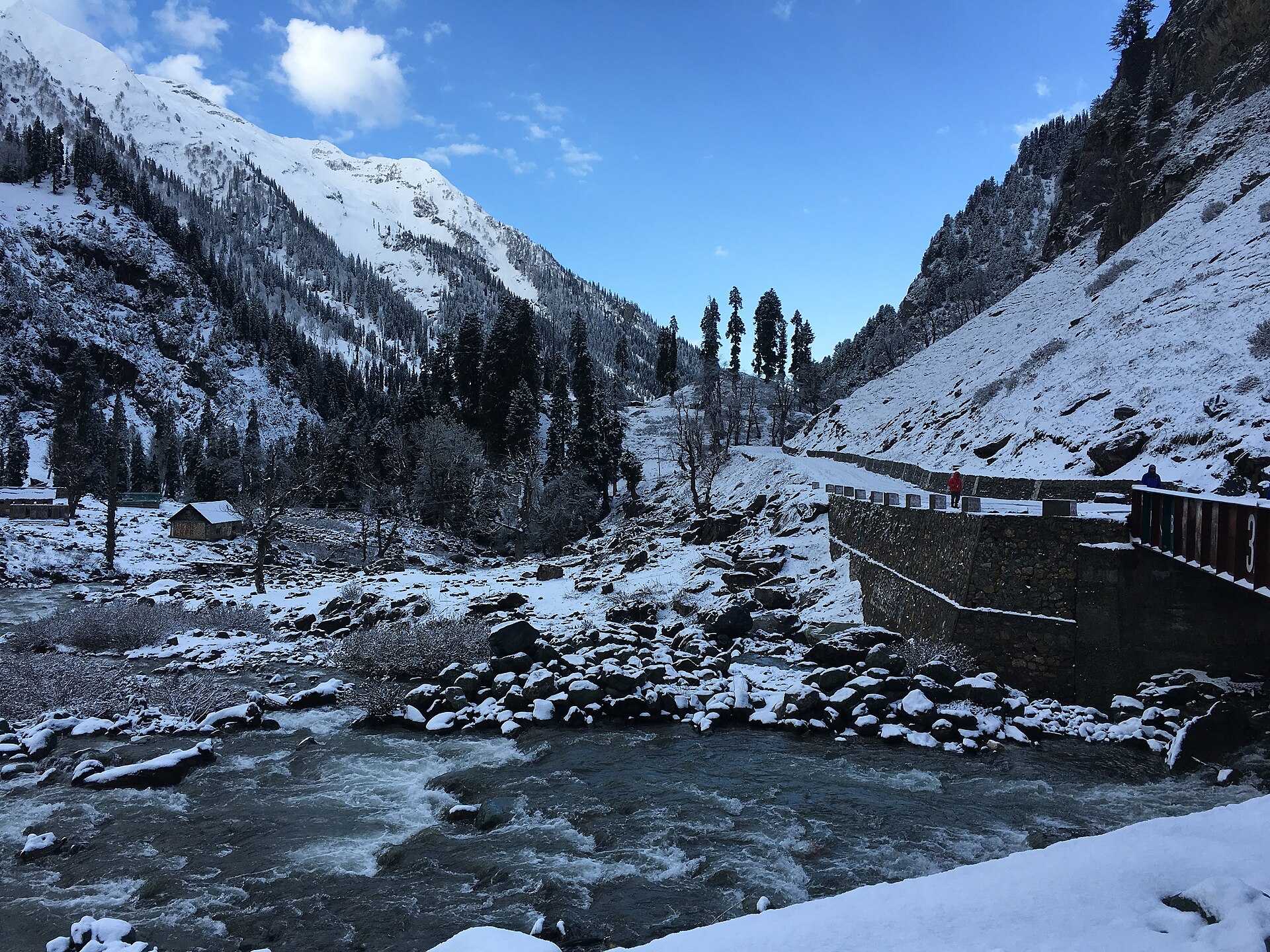
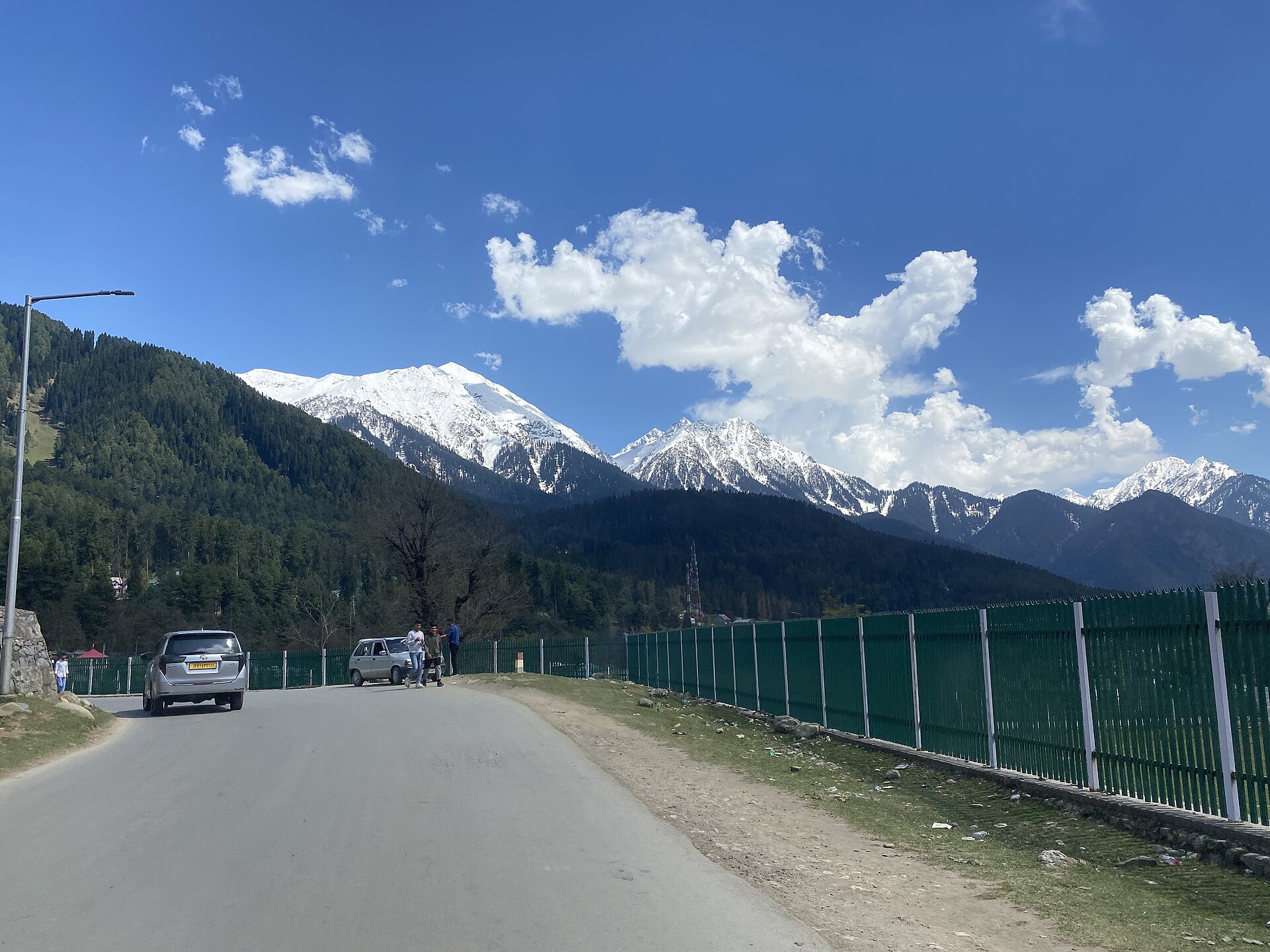
The first thing that hits you when you step out of the car in Chandanwari is the air; it is sharper, thinner, and feels like it has come directly off the glaciers. Located about 16 kilometres from Pahalgam, this is the final point where road travel ends for most visitors before the path turns into a genuine mountain track.
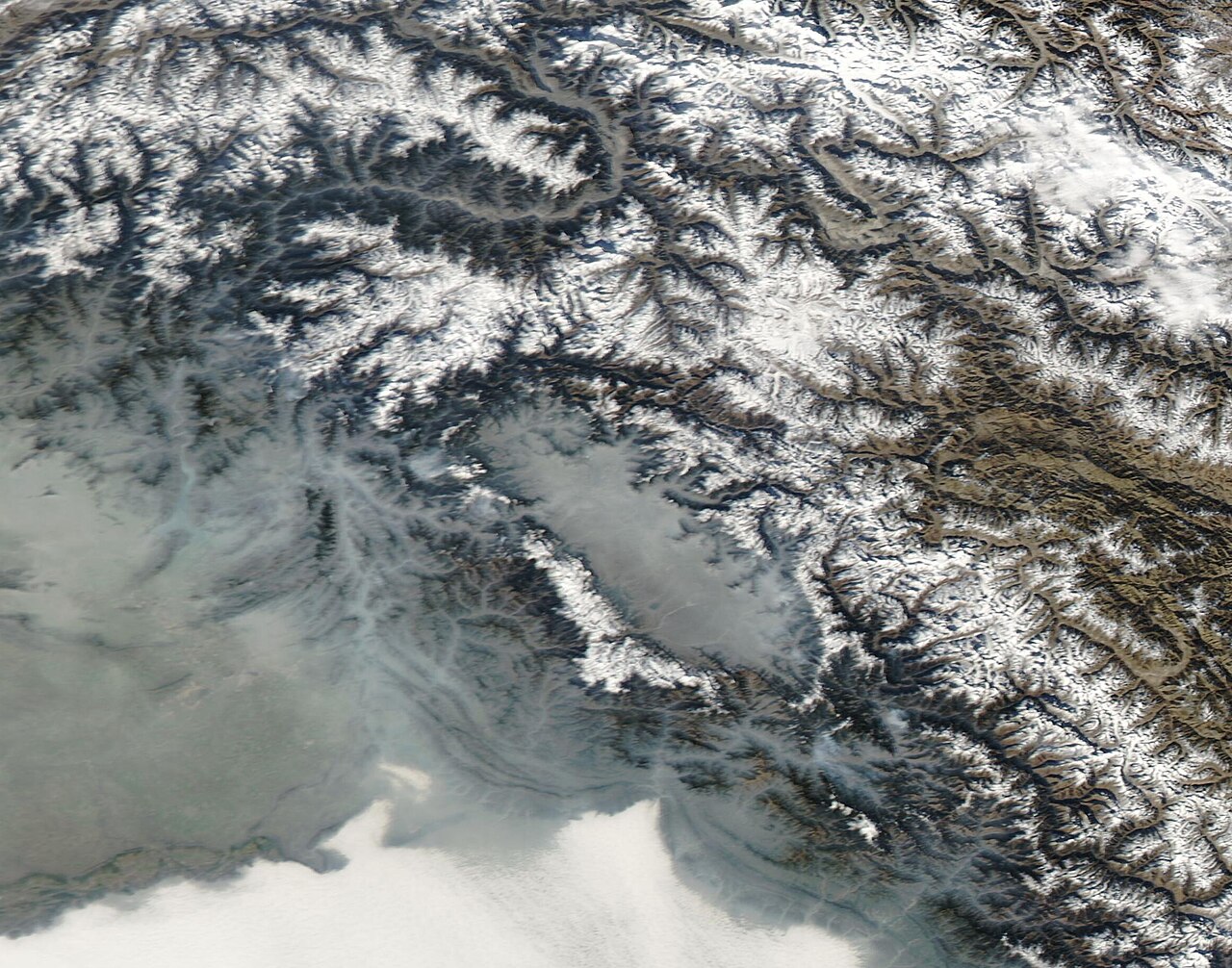
People come here to see the transition from valley to alpine wilderness. Whether you are looking for a quiet spot by the river or a challenging walk up the surrounding slopes, this is a place that rewards those who take the time to walk a bit further than the parking area.
Exploring the Lidder River banks
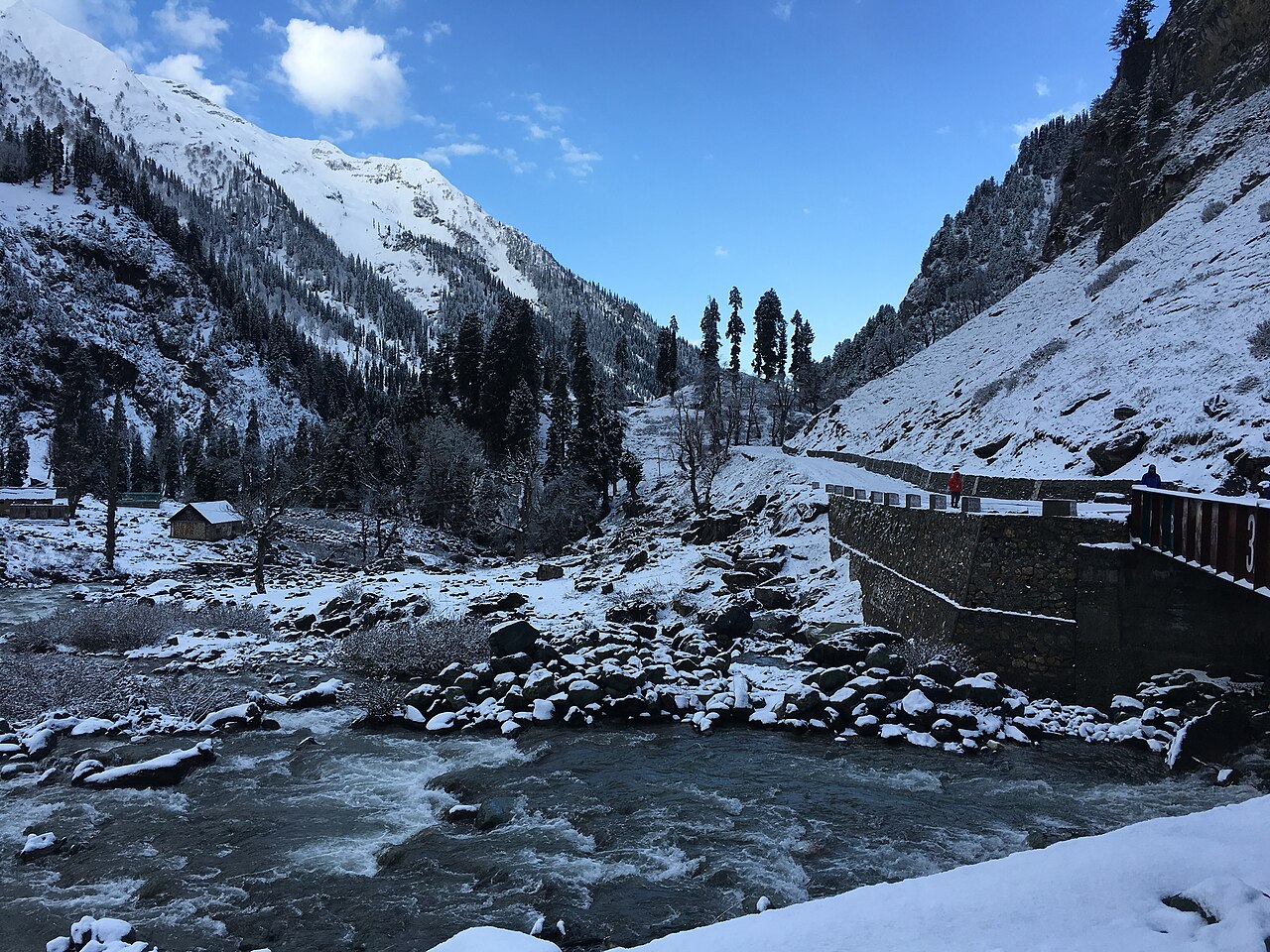
The Lidder River in Chandanwari is a different animal compared to the slow-moving stream you see in town. It is fast, noisy, and clear, tumbling over massive granite boulders. The sound is constant, and it is honestly one of the best places in the region to just sit and observe the power of glacial melt.
I recommend finding a spot on the rocks slightly downstream from the main bridge. It is much quieter than the tourist-heavy entrance, and you can get close enough to feel the spray from the water. Just be careful; even in summer, that water is freezing.
Trekking towards Pissu Top
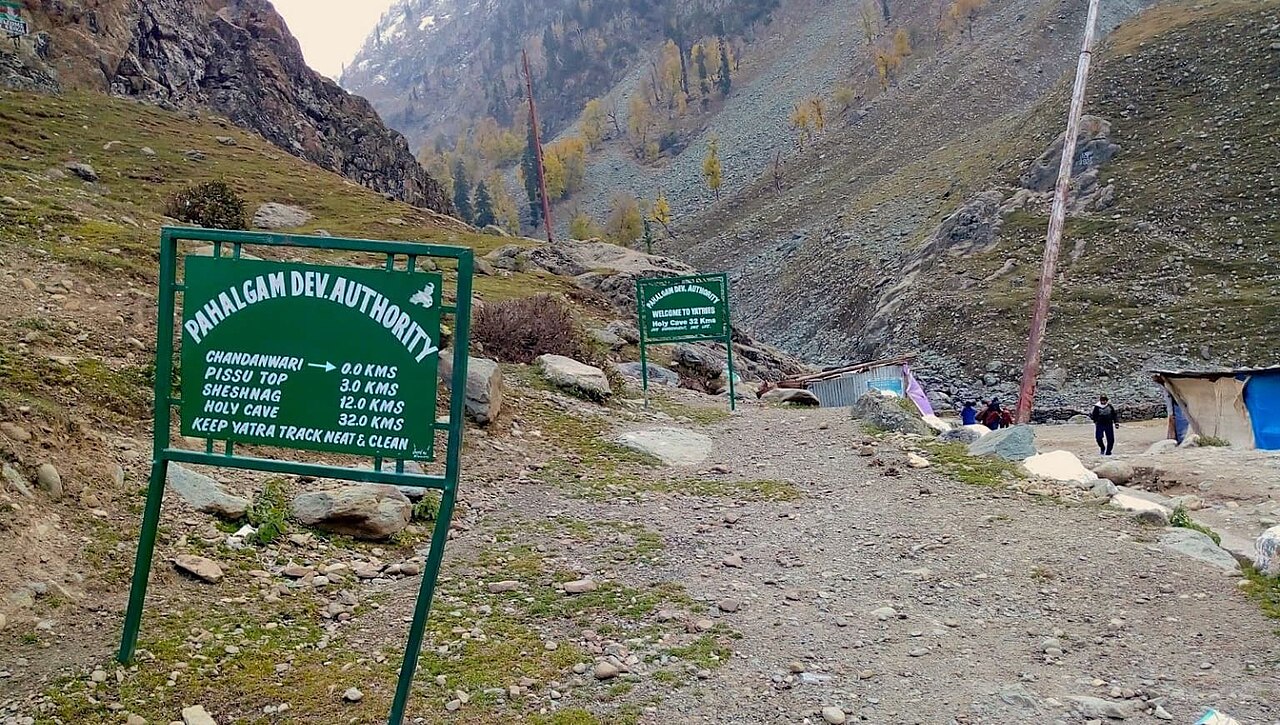
If you are feeling energetic, the climb toward Pissu Top is the most iconic activity in this area. It is a steep ascent, so wear proper hiking boots rather than sandals. You will find that the path gets quieter the higher you go, and the views back down into the Chandanwari valley are worth every bit of the effort.
Don't worry about getting lost; the trail is well-worn, and you will see local guides leading groups throughout the season. Aim to start this hike in the morning when the sun is still behind the peaks to keep the temperature comfortable for the climb.
Photography at the snow bridges
Chandanwari is famous for its snow bridges, which persist well into the warmer months. Seeing a thick, arching bridge of snow over a rushing river is a sight that usually leaves everyone in my group reaching for their cameras immediately.
The best photography happens in the early afternoon when the light catches the white of the snow against the dark rock of the canyon. Be mindful of where you step; these bridges can be unstable as they melt, so stick to the areas marked as safe by local authorities.
Preparing for your trip
The weather here is deceptive. You might be perfectly warm in Pahalgam, but as soon as you reach Chandanwari, the temperature can drop five or ten degrees. Pack an extra fleece or a light windbreaker in your daypack, even if the forecast says it will be sunny.
Also, ensure you have enough water and snacks. There are a few small stalls near the entrance, but as you hike further up the trail, your options vanish. I always carry a small bag of nuts and some dried fruit to keep my energy up during the walk.
Best time for sightseeing
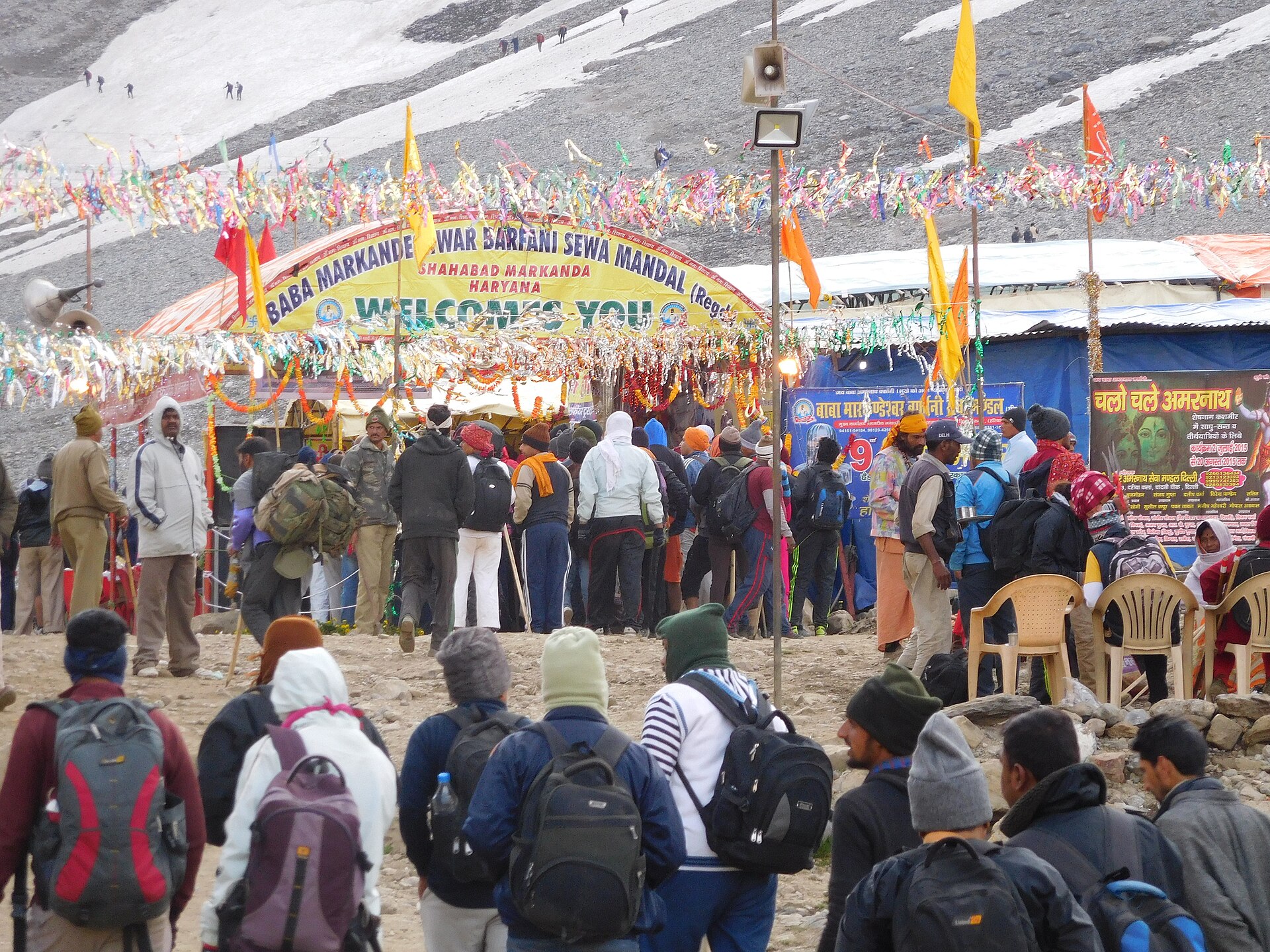
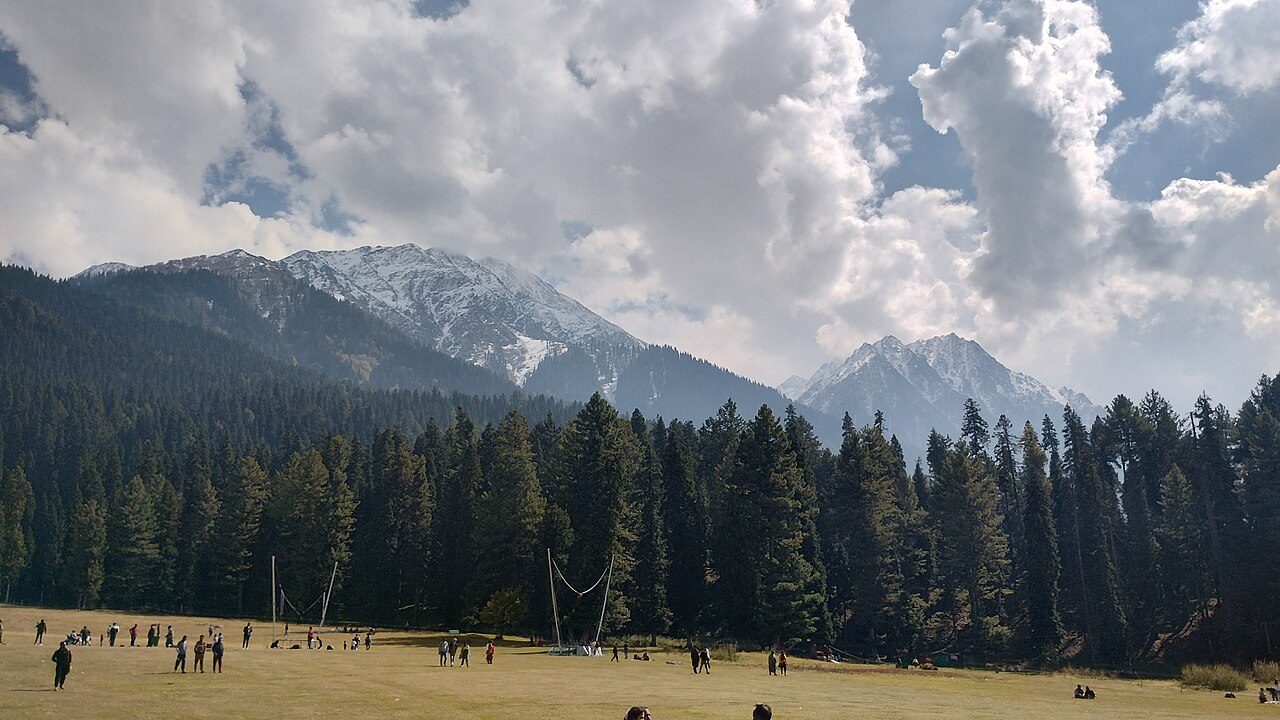
Late May through July is prime time. The snow bridges are still intact, the wildflowers are starting to peek through the rocks, and the road from Pahalgam is fully clear. August can get a bit more crowded due to the Yatra season, so if you prefer solitude, go early in the morning.
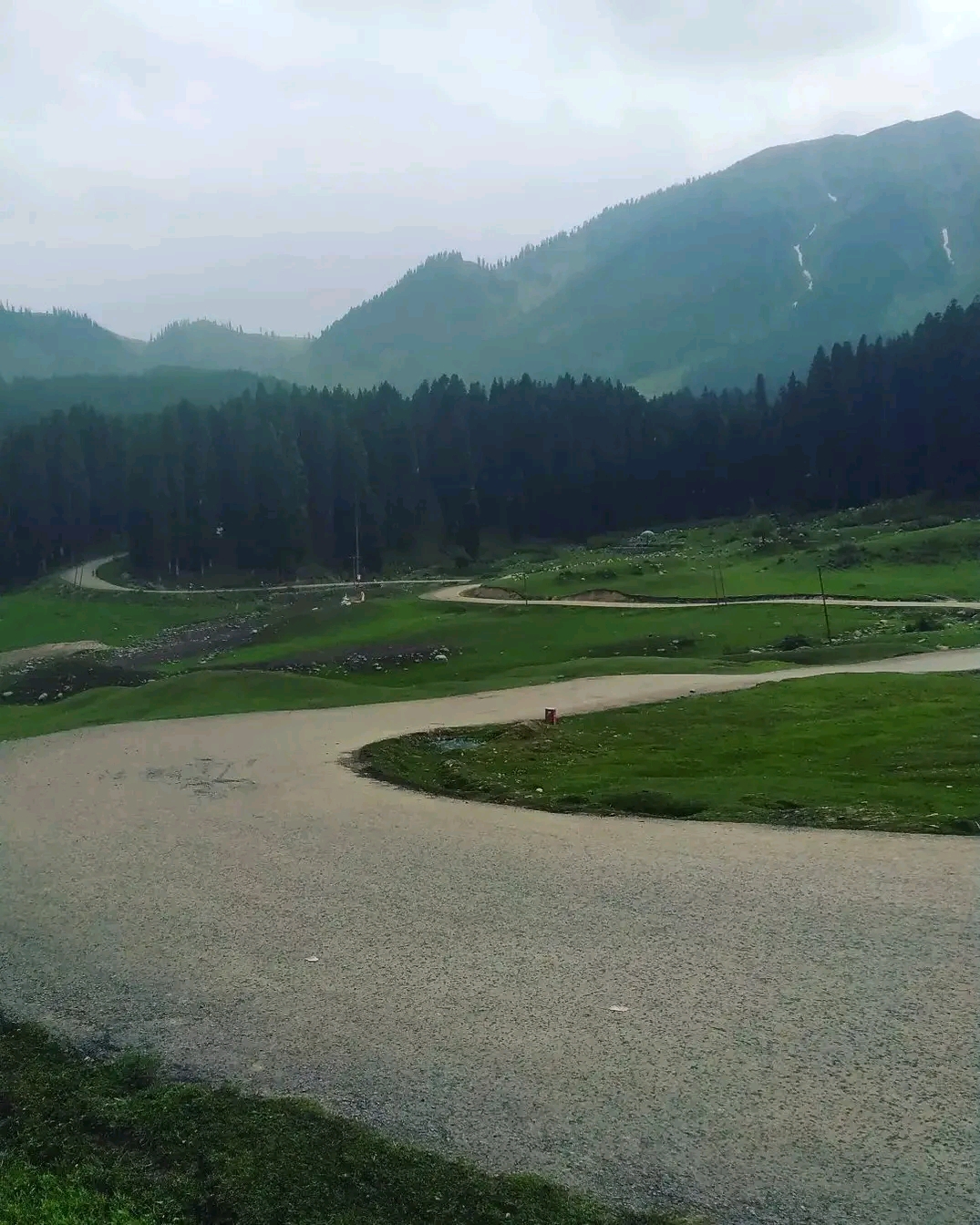
If you visit in late summer, the snow might have receded significantly, but the valley floor becomes a lush, green carpet that is equally stunning. Every season has a different mood here, but for the classic 'snow and sun' experience, late spring is unbeatable.
Before you book
Chandanwari is more than just a roadside stop; it is the point where the valley floor gives way to the real, rugged spirit of the Himalayas. Taking the time to explore the river banks and hike the nearby trails will give you a perspective on the region that most tourists miss.
If you are planning your trip to the Pahalgam region and need help with logistics or finding a guide for these trails, please reach out. We can help you build an itinerary that gets you to the best spots before the midday crowd arrives.
Ready to explore the mountains?
Let us help you plan a trip to Pahalgam and Chandanwari that fits your pace. We provide experienced drivers and local knowledge.
Contact UsWritten by
Kashmir, Jammu & Ladakh specialists
We plan and run trips across Kashmir, Jammu and Ladakh every week of the year. Everything here comes from routes we drive, stays we inspect and questions our travellers actually ask.
Quick answers
Questions we get asked
Do I need a special permit to visit Chandanwari?
For standard sightseeing, you do not need a permit. However, always check local alerts as access can be restricted during specific religious pilgrimage periods.
Is it safe to go trekking alone?
While the paths are well-marked, we recommend hiring a local guide, especially if you are heading toward Pissu Top. They know the terrain and weather patterns.
What is the best way to get to Chandanwari from Pahalgam?
You can hire a local taxi in Pahalgam. It takes about 45 minutes to an hour depending on the traffic and road conditions.
Are there restaurants at Chandanwari?
There are basic tea and snack stalls near the parking area, but don't expect full sit-down restaurants. It is best to have a meal in Pahalgam.
Can I see snow in Chandanwari in July?
Yes, you can often see patches of snow and the remains of snow bridges in July, thanks to the altitude, though it depends on the winter snowfall.
Photography credits
- Photo: Akshey25 · CC BY 3.0
- Photo: Vinayaraj · CC BY-SA 4.0
- Photo: Akigupta131 · CC BY-SA 4.0
- Photo: Photos Worldwide · CC0
- Photo: MODIS Land Rapid Response Team, NASA GSFC · Public domain
- Photo: Hellohappy · CC BY-SA 4.0
- Photo: Keshuseeker · CC BY-SA 4.0