Why Kashmiri Saffron Quality Remains Unrivalled
Understanding the unique terroir of the Pampore fields compared to other regions.
Curious about why Kashmiri saffron quality holds the top spot in the spice world? We break down the specific climate conditions in Pampore that make imitation nearly impossible.
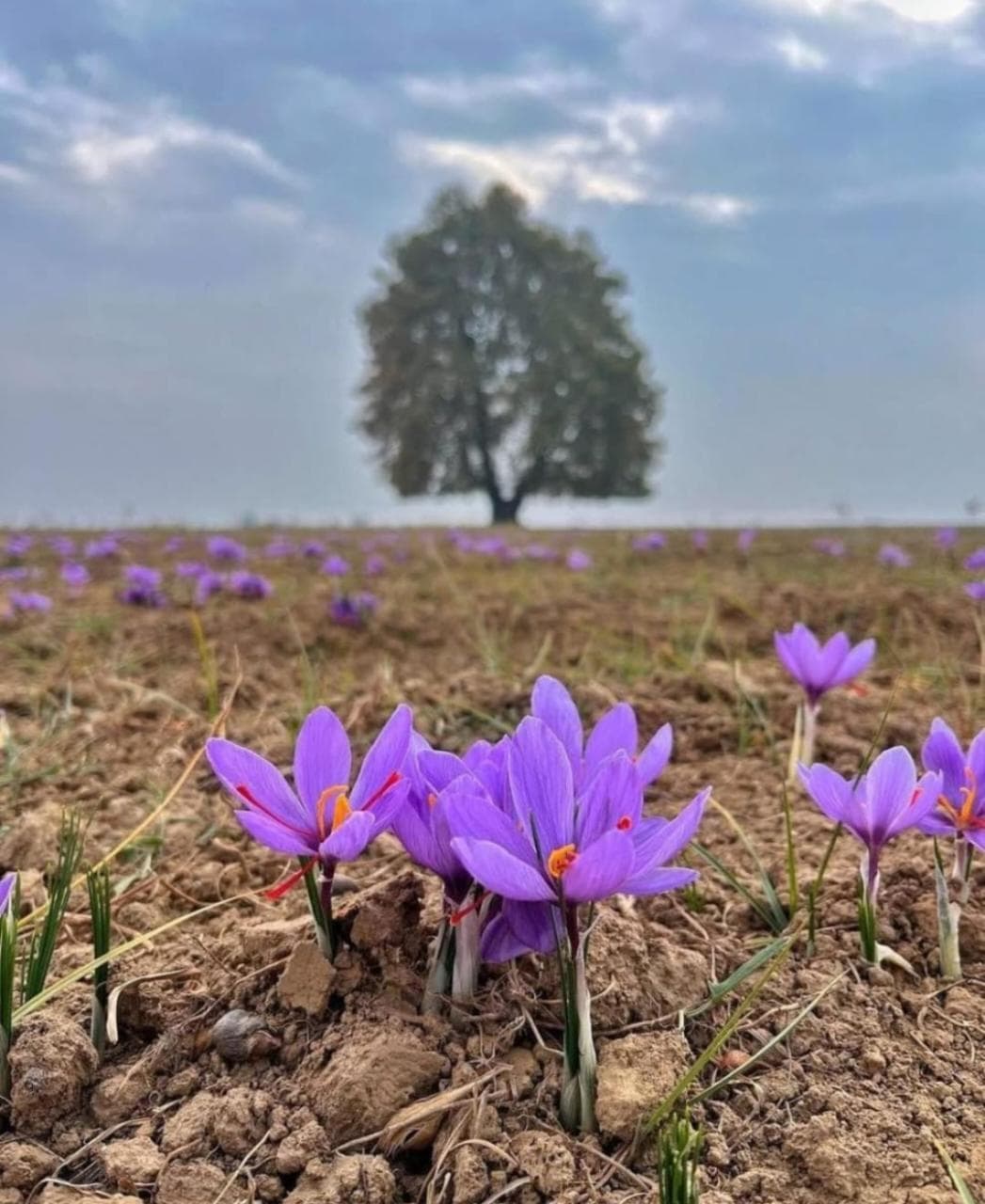
Photo: FADIND SOUL · CC BY-SA 4.0
I once sat with a farmer in Pampore who told me that a crocus bulb planted in the wrong soil is just a flower, not an investment. You see tourists asking about growing saffron in places like Maharashtra or even abroad, hoping for similar results, but they miss the point of the terroir.
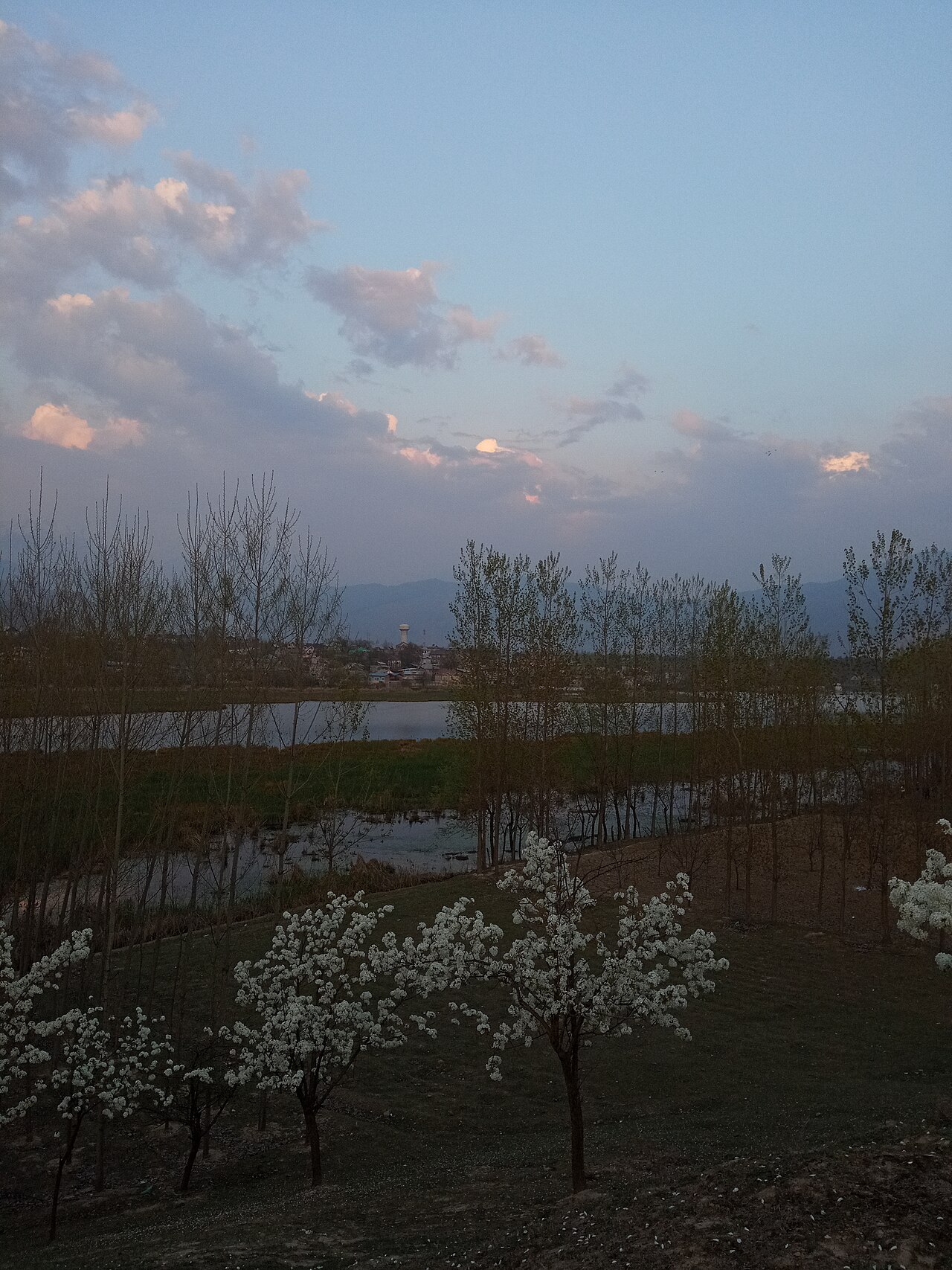
Kashmiri saffron quality is a product of a very specific, unforgiving set of circumstances. It is not just about the plant; it is about the elevation, the specific drainage of the Karewa soil, and the sharp drop in temperature that happens right when the flowers are ready to open.
The specific climate requirements for saffron
Saffron is notoriously fussy. It requires a distinct cycle of hot, dry summers followed by cool, crisp autumns. In Pampore, the altitude of around 1,600 metres provides this cooling effect perfectly as we head into late October.
While people often ask if saffron can be grown in regions like Maharashtra, the answer usually lies in the humidity levels. Saffron requires a well-drained, slightly alkaline soil. Tropical or high-humidity regions promote rot in the corms before they ever get a chance to bloom. The Karewa plateau of Kashmir provides a natural drainage system that is nearly impossible to replicate artificially.
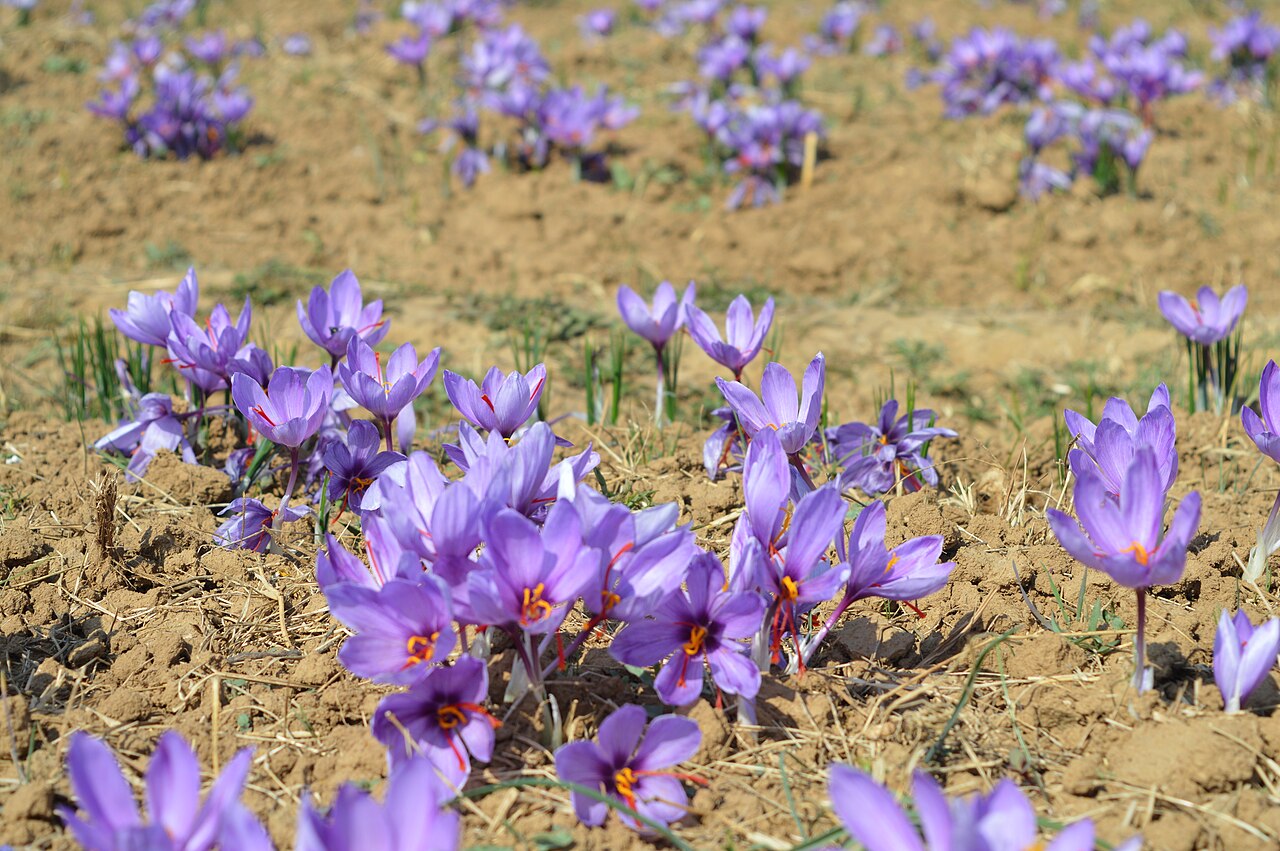
Why Pampore leads in saffron quality
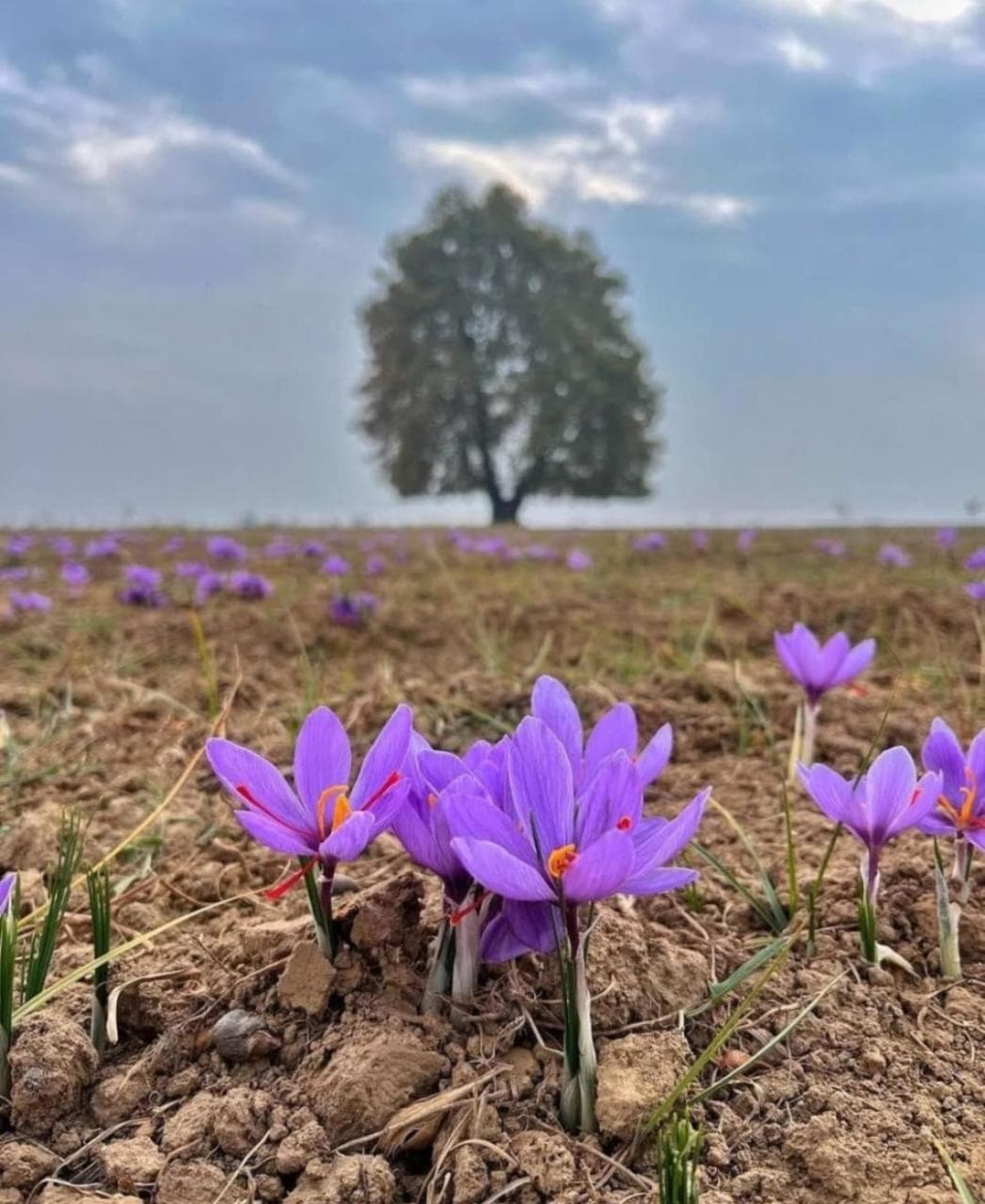
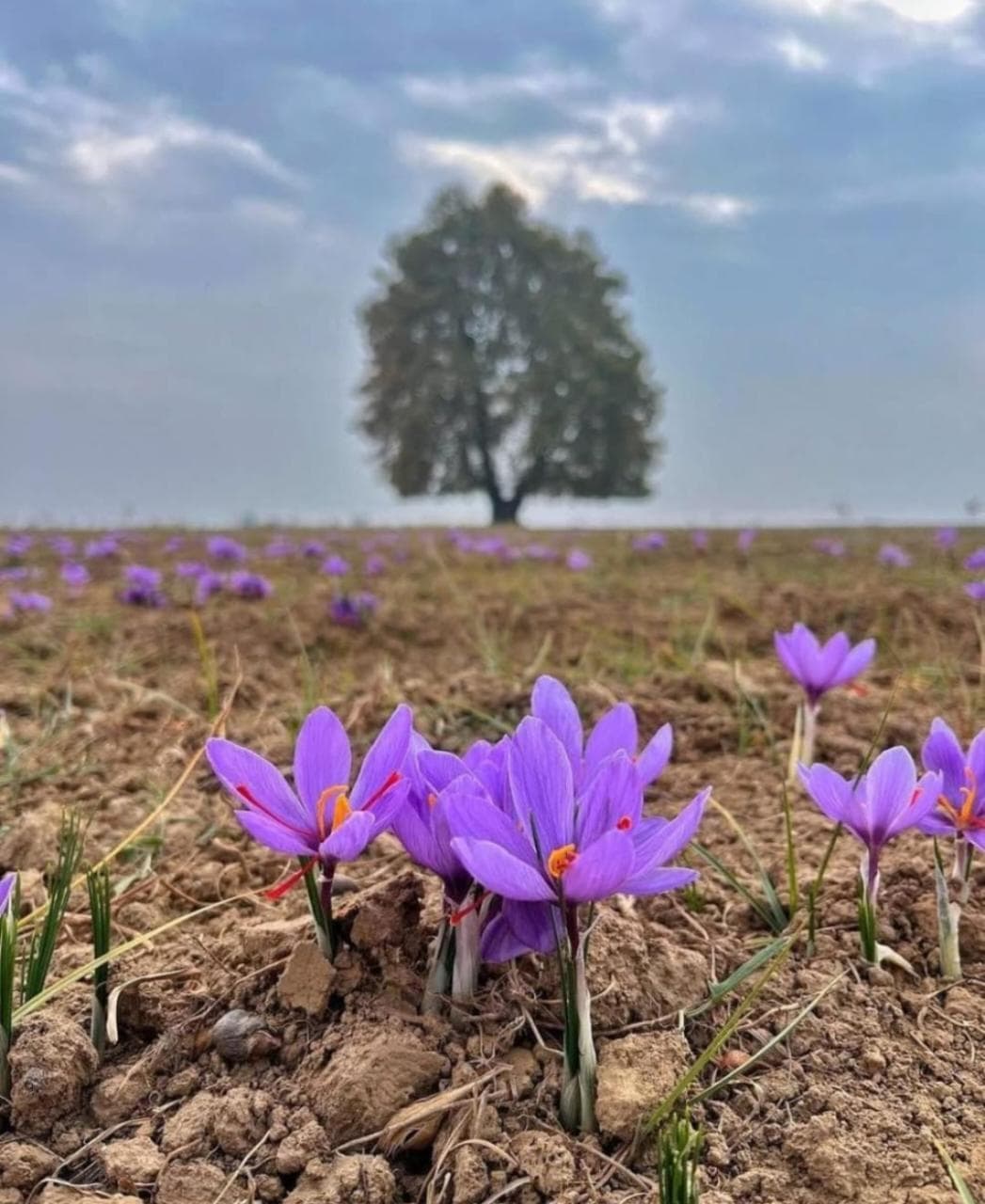
The Pampore fields are the historical heart of the trade. If you visit in early November, you will see the purple blooms carpet the landscape. This particular soil composition, a mix of silt and clay, creates a high concentration of crocin, which dictates the colouring strength of the spice.
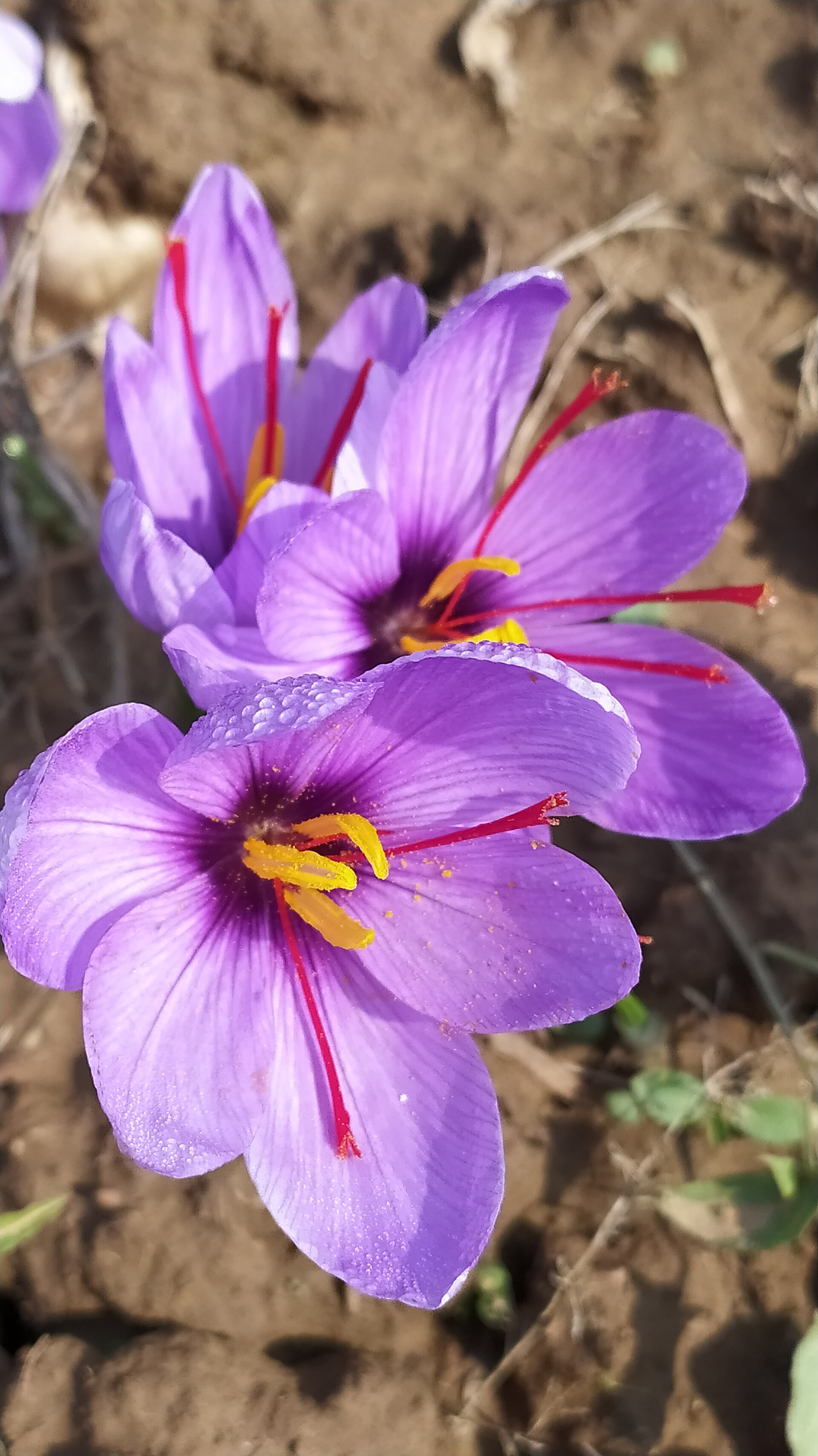
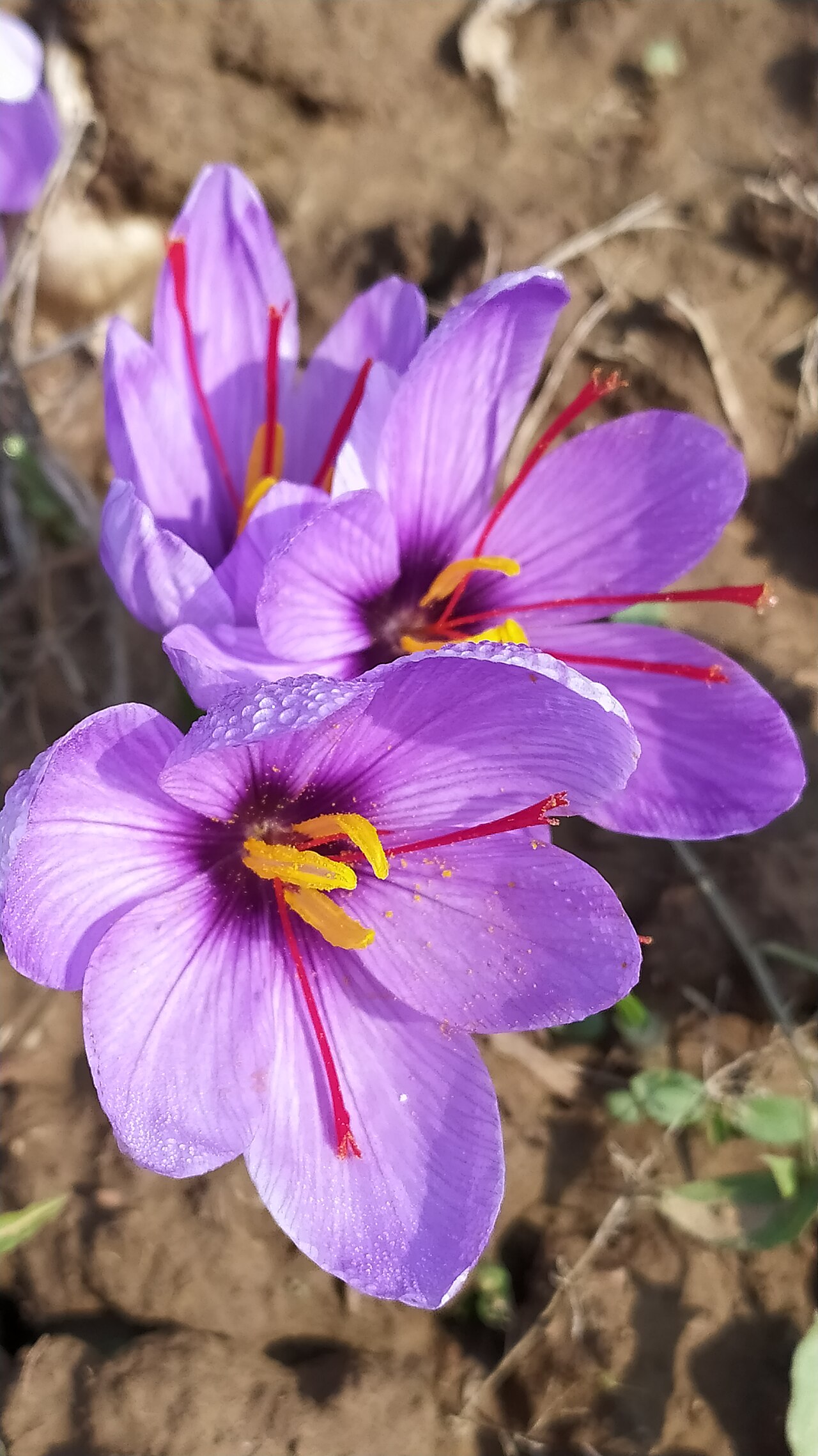
Authentic saffron from this region typically possesses a thicker, dark-red stigma. It is a slow process to harvest, requiring early mornings before the sun breaks the dew. This labour-intensive process is why the market value remains high.
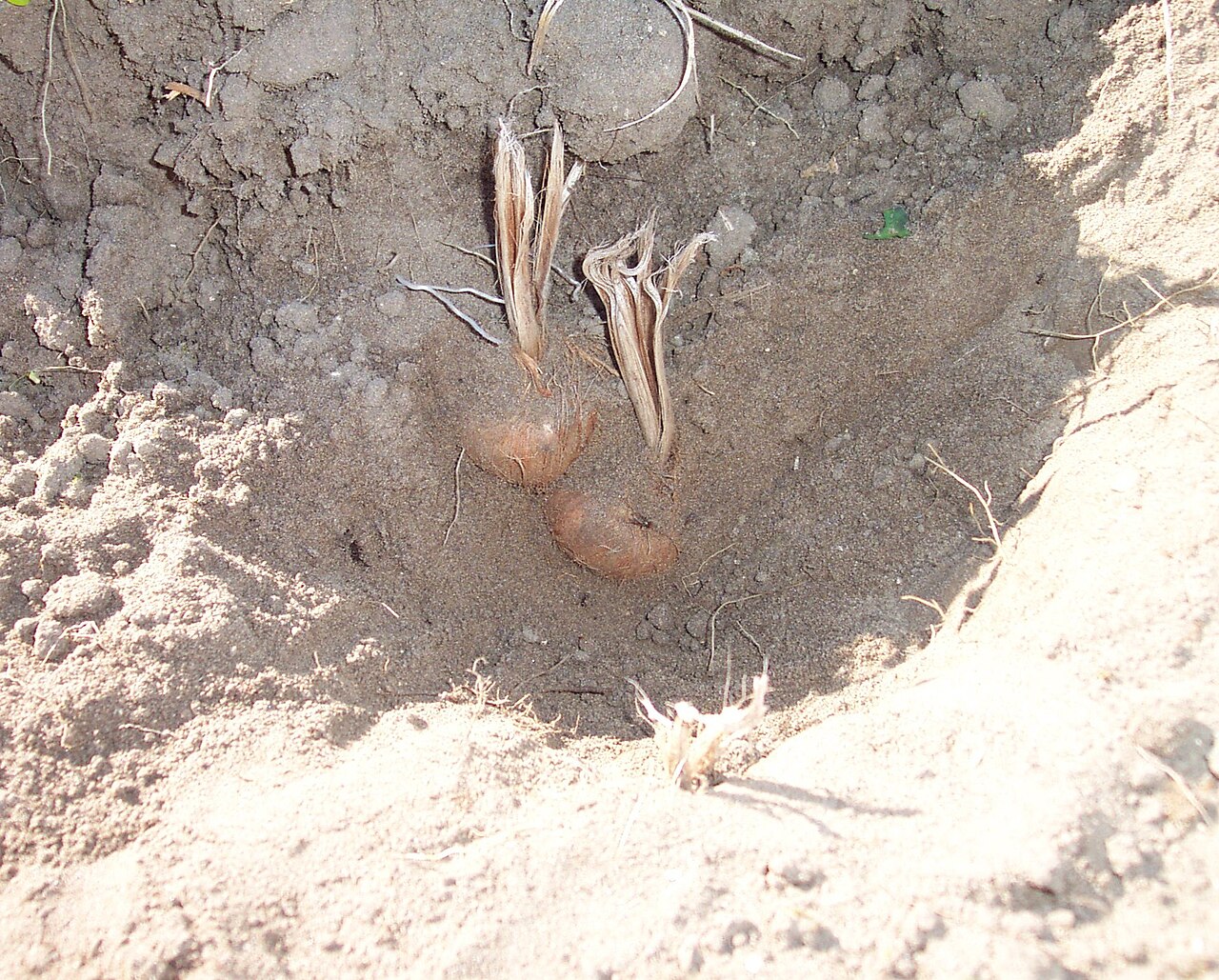
Distinguishing authentic Kashmir saffron
When you are standing in a shop in Srinagar, it is easy to get overwhelmed. High-quality saffron should have a distinct, pungent aroma. If you drop a strand into cold water, it should release a slow, golden-yellow streak rather than an immediate, bright chemical-red dye.
I always tell our clients to check the stigma shape. Authentic Kashmiri strands are trumpet-shaped, slightly broader at the top. If it looks uniform and like a machine-cut thread, be wary.
Investment value of buying at the source
Buying in Pampore means cutting out the middlemen who often blend lower-grade imports with local stock. When you purchase directly from the growers, you are getting the first pick of the harvest.
Expect to pay a premium. If a price seems too low to be true, it is likely mixed with safflower or dyed corn silk. We help our guests verify their sources to ensure their purchase stays potent for years.
Understanding market variations in India
The Indian saffron market is flooded with imports that often lack the medicinal properties of the Kashmiri variety. While other states may trial the growth, the lack of the specific Himalayan breeze and soil mineral content results in a vastly different chemical profile.
For those interested in seeing the process, we suggest visiting the Pampore region during the harvest. Witnessing the scale of these fields gives you a true appreciation for why this spice is as valuable as it is.
Before you book
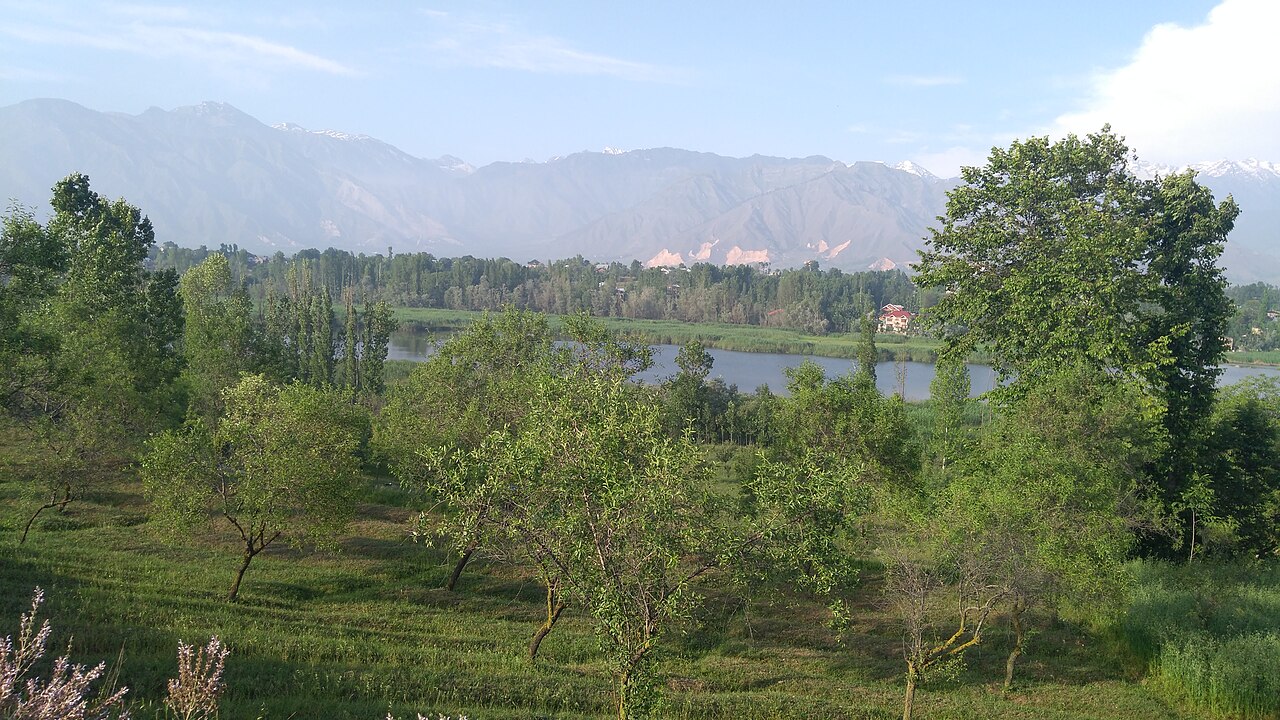
The rarity of this spice is not a marketing gimmick; it is a reality of agricultural limitations. When you stand in the fields of Pampore, the labour required to pick every single flower by hand becomes immediately apparent.
If you would like to witness the harvest firsthand or need guidance on sourcing the best quality directly from the farmers, get in touch with our team in Srinagar.
Plan Your Visit to the Saffron Fields
We organise private visits to the Pampore fields during the peak harvest season, allowing you to meet the farmers and see the process.
Contact UsWritten by
Kashmir, Jammu & Ladakh specialists
We plan and run trips across Kashmir, Jammu and Ladakh every week of the year. Everything here comes from routes we drive, stays we inspect and questions our travellers actually ask.
Quick answers
Questions we get asked
Can saffron be grown in Maharashtra?
While experimental patches exist, the humidity and soil structure in Maharashtra make it extremely difficult to produce high-grade saffron that matches the quality of the Kashmir crop.
How do I know if my saffron is fake?
Real saffron releases a slow, golden-yellow colour in water. If it turns bright red instantly or has no distinct, earthy aroma, it is likely adulterated.
What is the best time to visit Pampore for the harvest?
The harvest typically falls between late October and mid-November, depending on the rainfall during the summer months.
Is buying saffron in Srinagar safe?
It can be, provided you go to reputable dealers. We always recommend our guests visit the actual fields in Pampore to understand what authentic quality looks like.
Why is Kashmiri saffron so expensive?
It is a highly manual, labour-intensive harvest that requires specific weather conditions that only occur in limited regions of the Himalayas.
Photography credits
- Photo: FADIND SOUL · CC BY-SA 4.0
- Photo: Sohail akil · CC BY-SA 4.0
- Photo: Umarsami · CC BY-SA 4.0
- Photo: Emilie40 · CC0
- Photo: Yasir Yousuf Ahanger · CC BY-SA 4.0
- Photo: Humeyra Basheer · CC0
- Photo: Ashfaq ahanger · CC BY-SA 4.0