How to Buy Authentic Saffron in Pampore
Navigating the harvest season with confidence
Learn how to identify genuine Kashmiri saffron and support local growers during your visit to the fields.
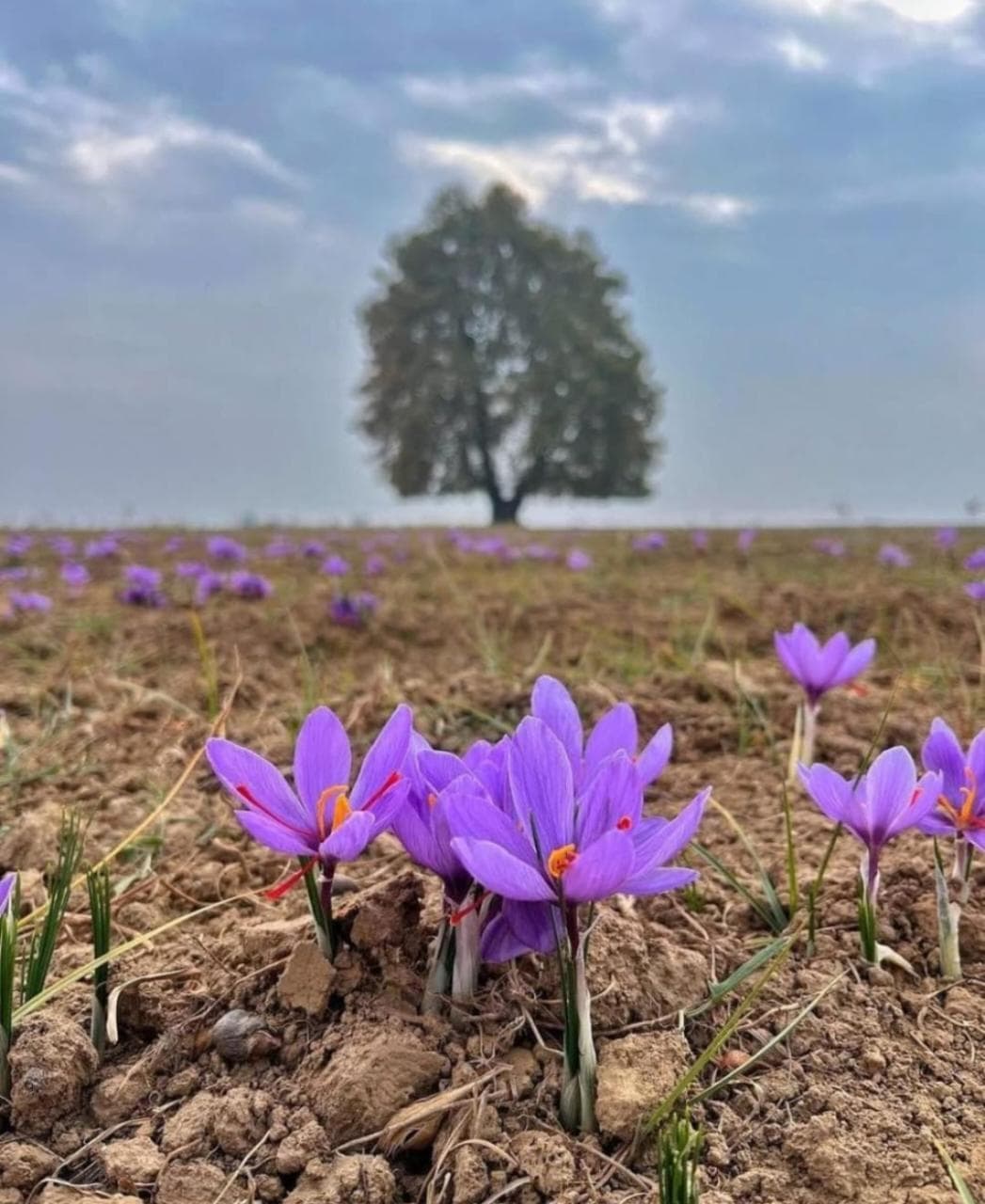
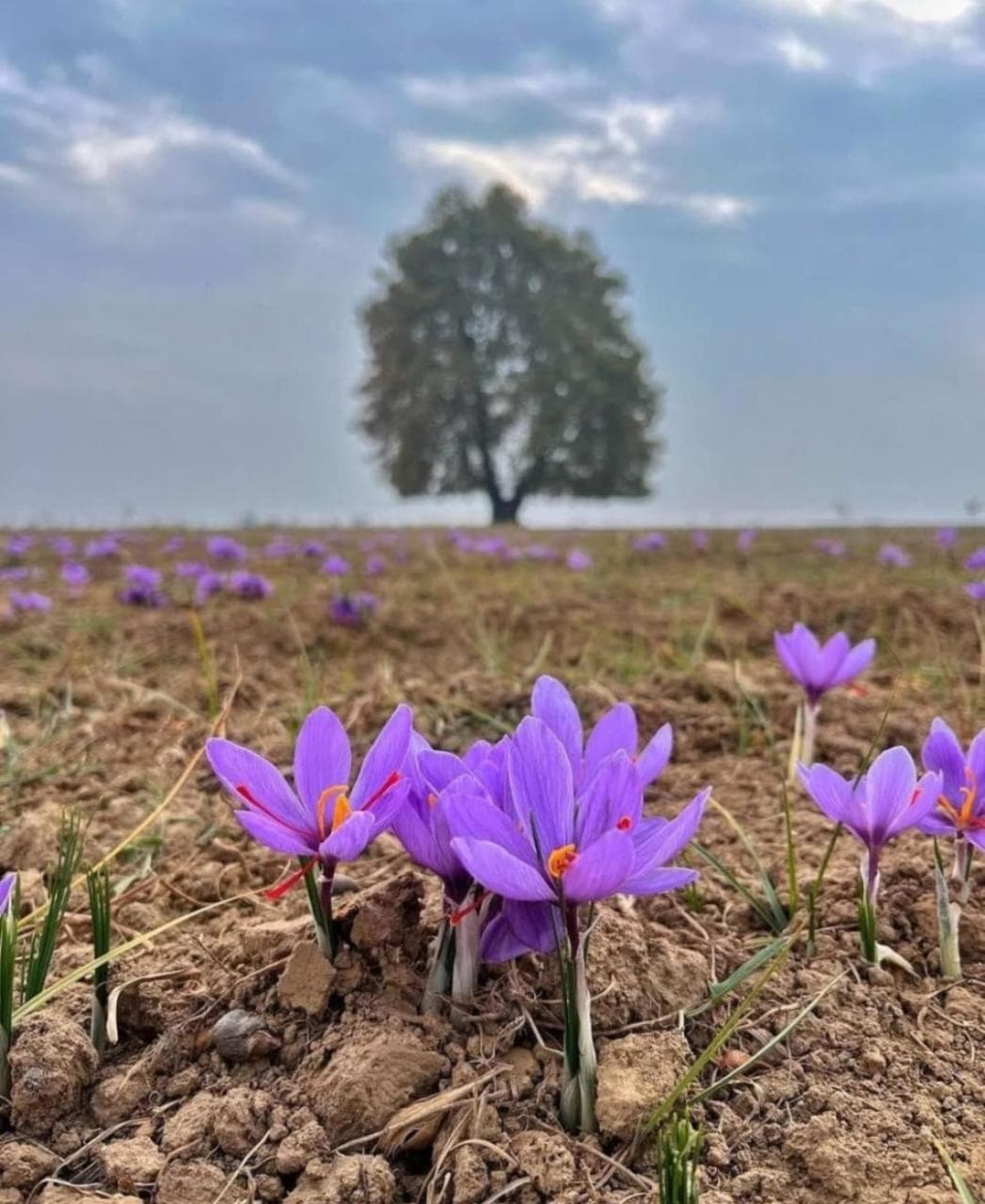
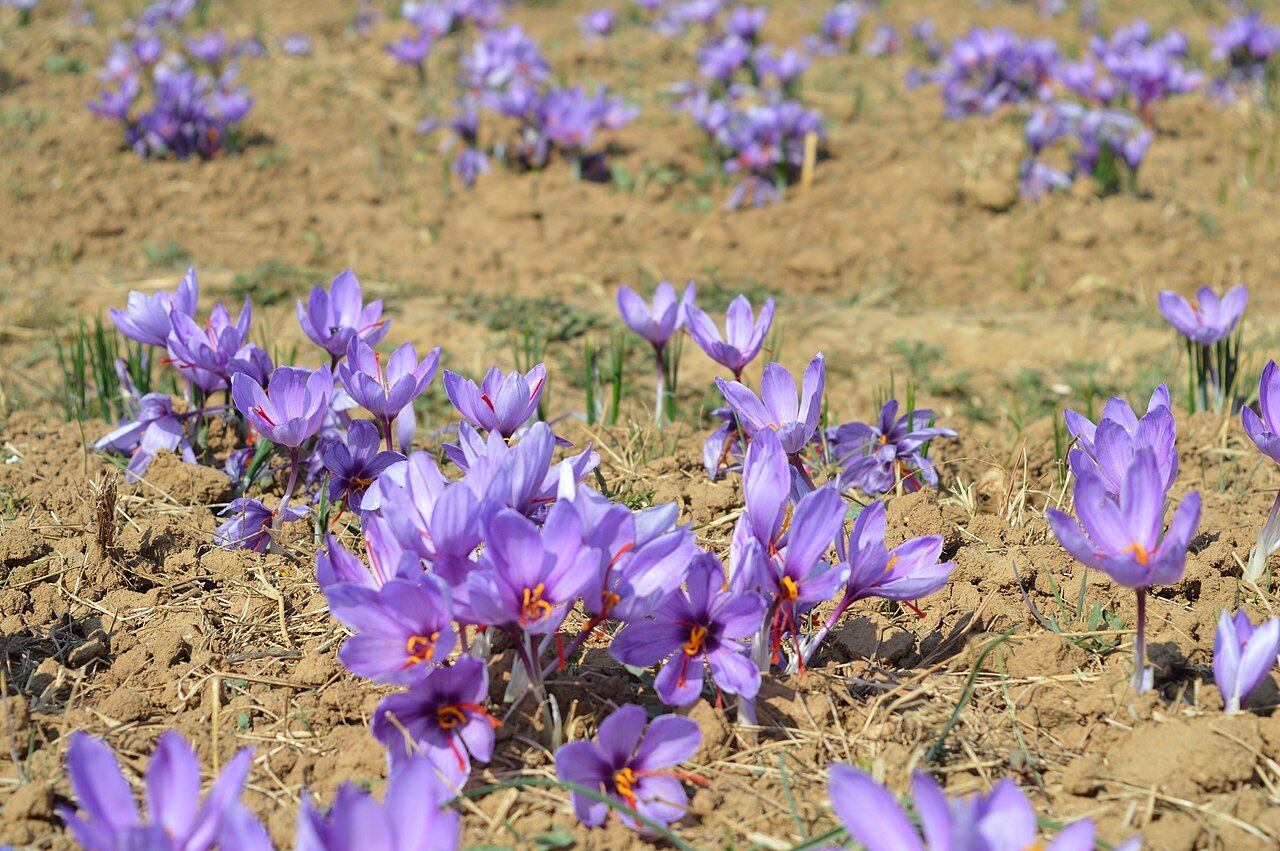
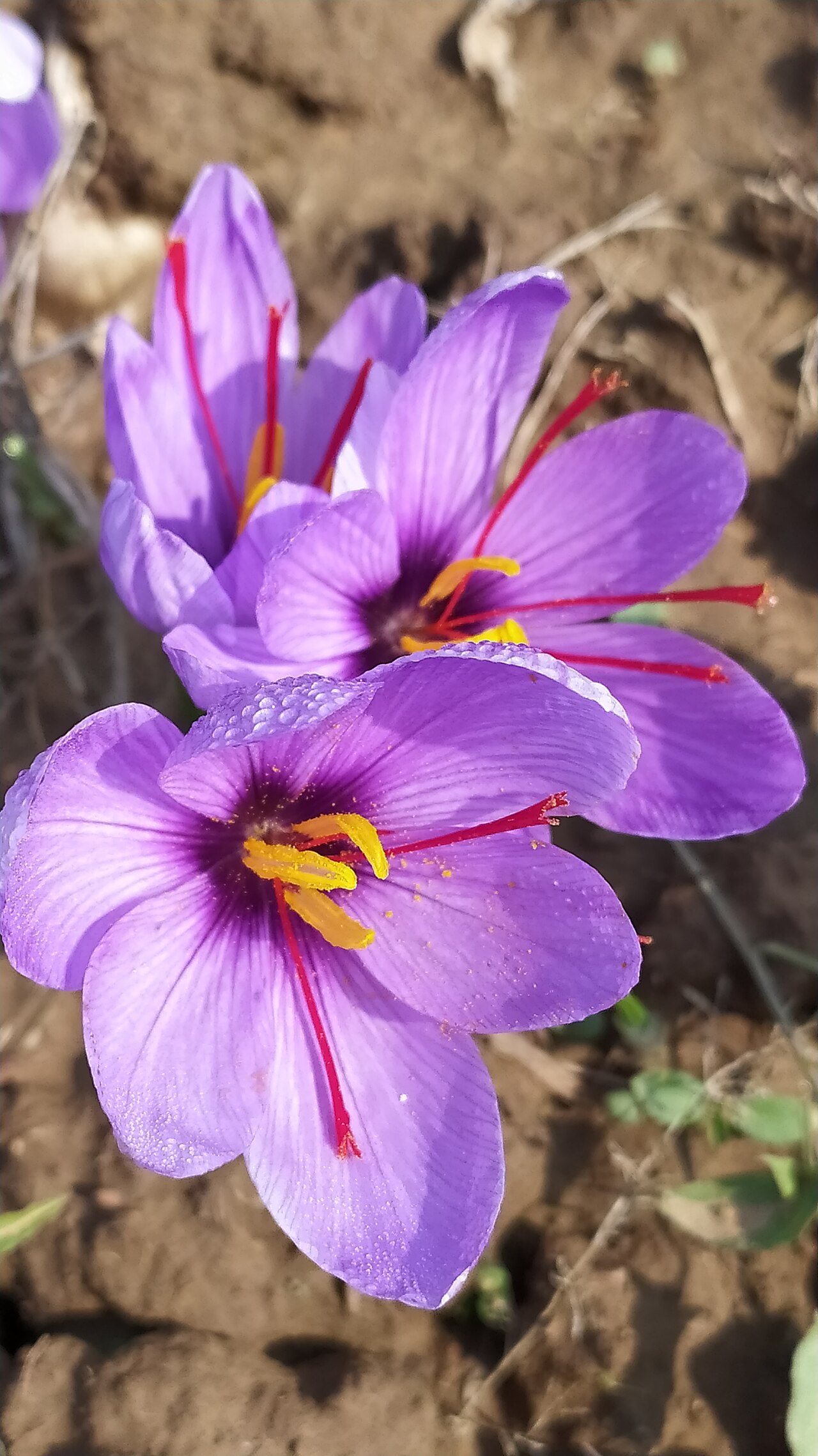
The purple bloom of the Crocus sativus signals the start of the harvest in Pampore.Photo: FADIND SOUL · CC BY-SA 4.0
The smell hits you before you even see the fields; it is a heady, earthy scent that clings to your jacket long after you leave. In late October and early November, the town of Pampore transforms into a purple carpet of Crocus sativus, but for a first-time visitor, the roadside stalls can be intimidating. You want to buy saffron in Pampore, yet you are worried about picking up a dyed imposter. I have spent years sourcing supplies from here, and the secret is knowing exactly what to look for before the money changes hands.
Most visitors rush this part. They stop, buy the first box handed to them, and move on. Don’t do that. Take the time to step inside a grower’s facility or a reliable shop. When you buy saffron in Pampore, you are paying for the most labour-intensive spice on the planet. If the price sounds too good to be true, it almost certainly is. Let me walk you through how to navigate these stalls like a local.
Recognizing Real Kashmiri Saffron
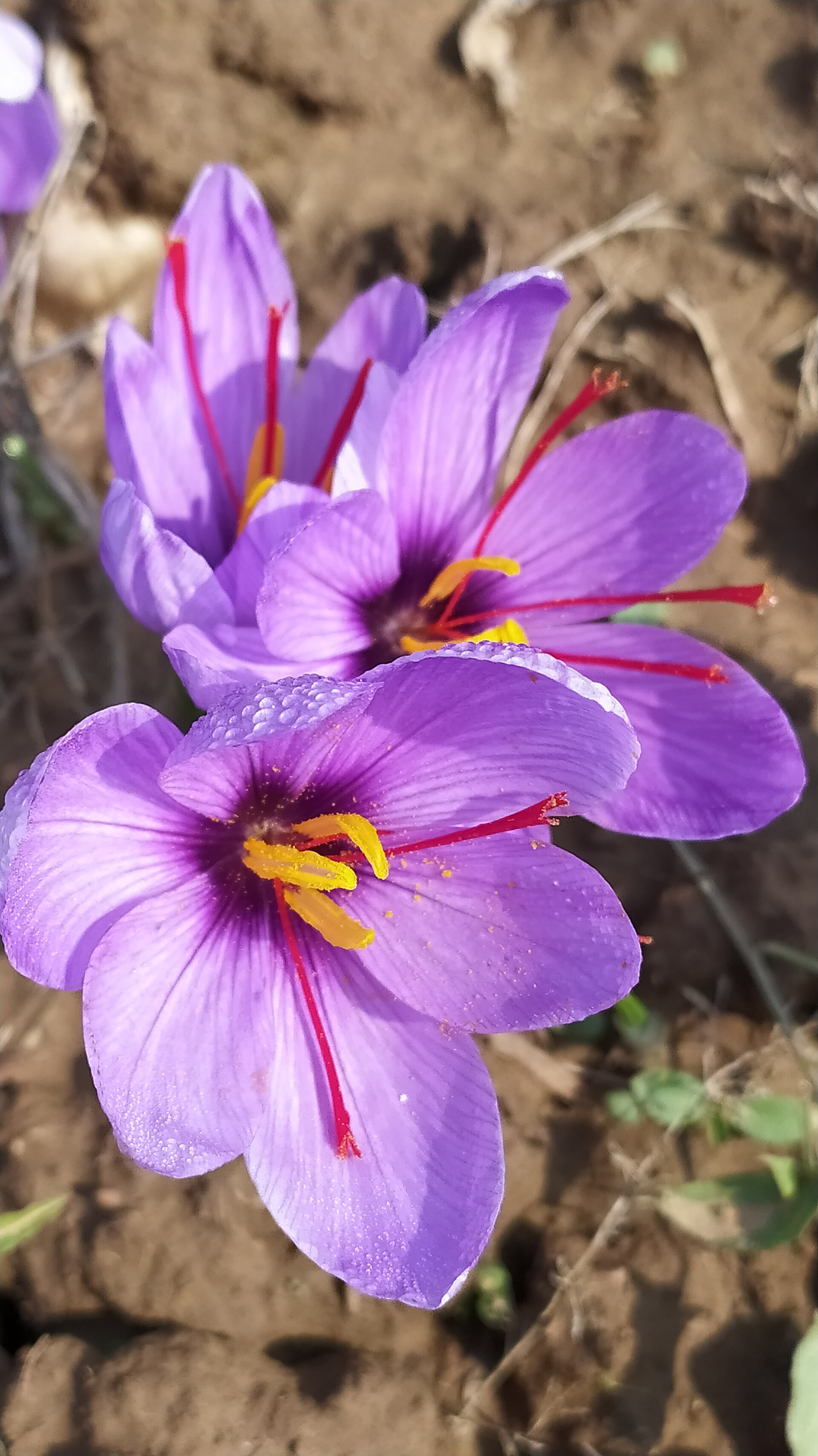
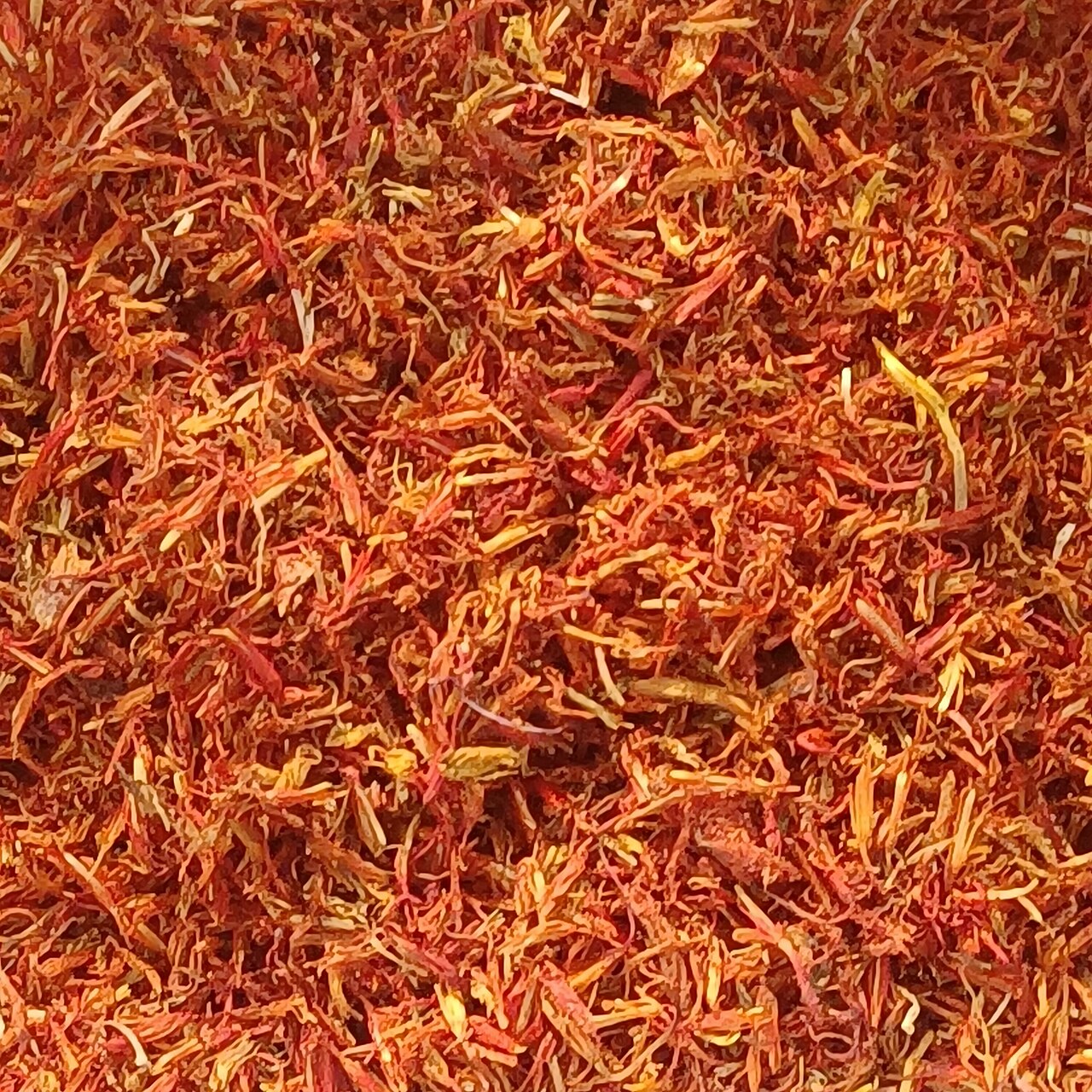
Authentic Kashmiri saffron has a distinct look that is hard to replicate with artificial dyes. Look closely at the strands. They should be dark crimson, almost a deep maroon, with a trumpet-shaped flare at the top of each thread. They should never be uniform in size or color. Nature is messy, and each stigma is hand-picked, so expect slight variations in length and depth of hue.
If the threads are bright red, put them back. They have likely been treated with food colouring. Real saffron should feel dry and brittle to the touch. If it feels oily or waxy, someone has added vegetable oil or syrup to add weight, which ruins the quality and shelf life. Trust your eyes and your fingers before you reach for your wallet.
Performing the Simple Adulteration Test
Before you commit to a large purchase, ask the seller for a small sample. This is standard practice in Pampore. Take a single thread and drop it into a glass of warm water. Real saffron will not lose its colour immediately. Instead, it will slowly release a golden-yellow hue that drifts downwards in a clean, elegant stream.
If the water turns red or pink within seconds, it is an imitation. This usually indicates that the saffron has been dyed. Also, watch the thread itself. The actual stigma will remain crimson even after it has finished releasing its colour in the water. If the thread turns white, you are holding a fake. If you are buying in bulk, keep this glass-and-water method in mind as your ultimate arbiter.
Understanding the Grades: Lacha vs. Mongra
You will hear two terms thrown around constantly: Lacha and Mongra. They refer to how the saffron is processed after harvest. Mongra is the premium grade. It consists only of the deep red stigmas, with all the yellow styles removed. It is the most potent, the most expensive, and the purest version you can buy.
Lacha, on the other hand, includes a bit of the yellow style attached to the red stigma. It is still high-quality Kashmiri saffron, but it contains slightly less active compound than the pure red Mongra. Many locals use Lacha for everyday cooking, while they save the Mongra for gifting or high-end preparations. Know which one you are paying for before you leave.

Purchasing Direct from Farmers
The best way to buy saffron in Pampore is to head straight to the grower’s cooperatives or family farms. You can easily find these by chatting with locals in the main bazaar or by asking your guide to take you to a trusted producer. Buying directly supports the farmer, who often receives a tiny fraction of the retail price in cities like Delhi.
Expect to pay a premium, but remember that you are getting it at the source. Ask questions about the harvest. A farmer will usually be happy to show you their drying room or explain the sorting process. When you purchase this way, you are also guaranteed that the product hasn't been sitting on a shelf for eighteen months.
Supporting the Saffron Town Economy
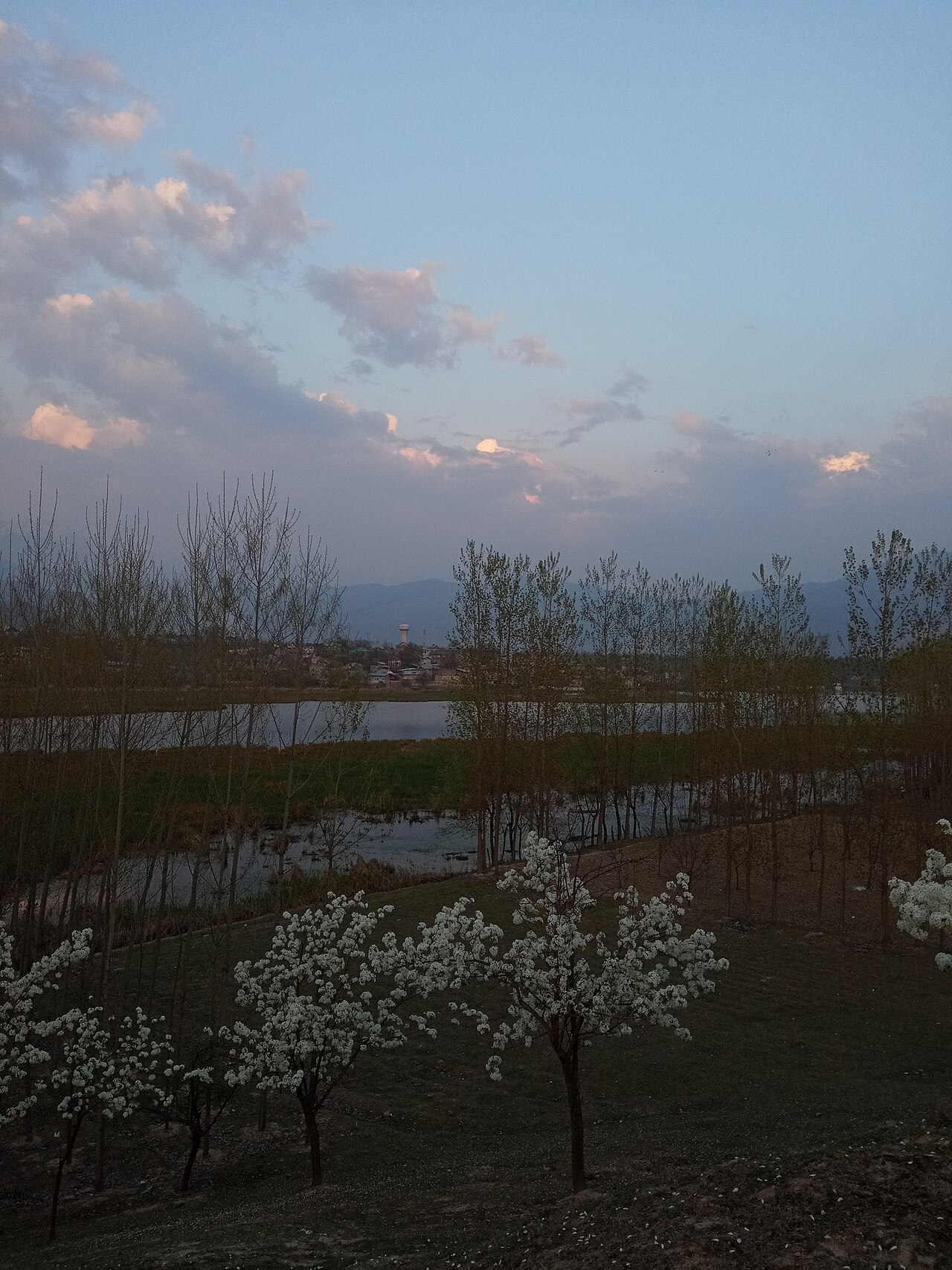
Pampore has faced significant challenges, including land encroachment and climate shifts that impact the bloom. By buying locally, you are contributing to the preservation of a tradition that goes back centuries. Take the time to learn the story behind the farm. It makes the spice taste better when you know it came from the field you visited yesterday.
When you are finished with your shopping, consider returning to [Srinagar](/destinations/kashmir/srinagar) to restock on other essentials, or continue your journey towards the tranquility of [Pahalgam](/destinations/kashmir/pahalgam). Always keep your receipt if buying from a larger outlet, but in the small family farms, a firm handshake and a bit of conversation are often the only guarantee you need.
Before you book
Shopping for saffron in Pampore is as much about the experience of the landscape as it is about the transaction. It is a slow process, one that rewards patience and curiosity. Do not rush through the fields, and do not treat your shopping as a simple chore.
If you find yourself overwhelmed by the options, we are always happy to help you navigate the best local growers. Feel free to [contact](/contact) us if you want to ensure your trip includes a reliable, authentic stop in the Saffron Town.
Need help planning your Kashmir itinerary?
We know the best local farms and have built relationships with growers in Pampore. Let us help you craft a trip that includes an authentic, slow-paced visit to the harvest fields.
Get In TouchWritten by
Kashmir, Jammu & Ladakh specialists
We plan and run trips across Kashmir, Jammu and Ladakh every week of the year. Everything here comes from routes we drive, stays we inspect and questions our travellers actually ask.
Quick answers
Questions we get asked
What is the best time to buy saffron in Pampore?
The harvest occurs between late October and mid-November. Visiting during these weeks allows you to buy the freshest stock directly from the drying tables.
How much should I expect to pay?
Authentic saffron is expensive due to the massive labour involved. Prices vary by season, but if it is priced significantly below market rates, it is likely adulterated.
Can I carry saffron on a flight?
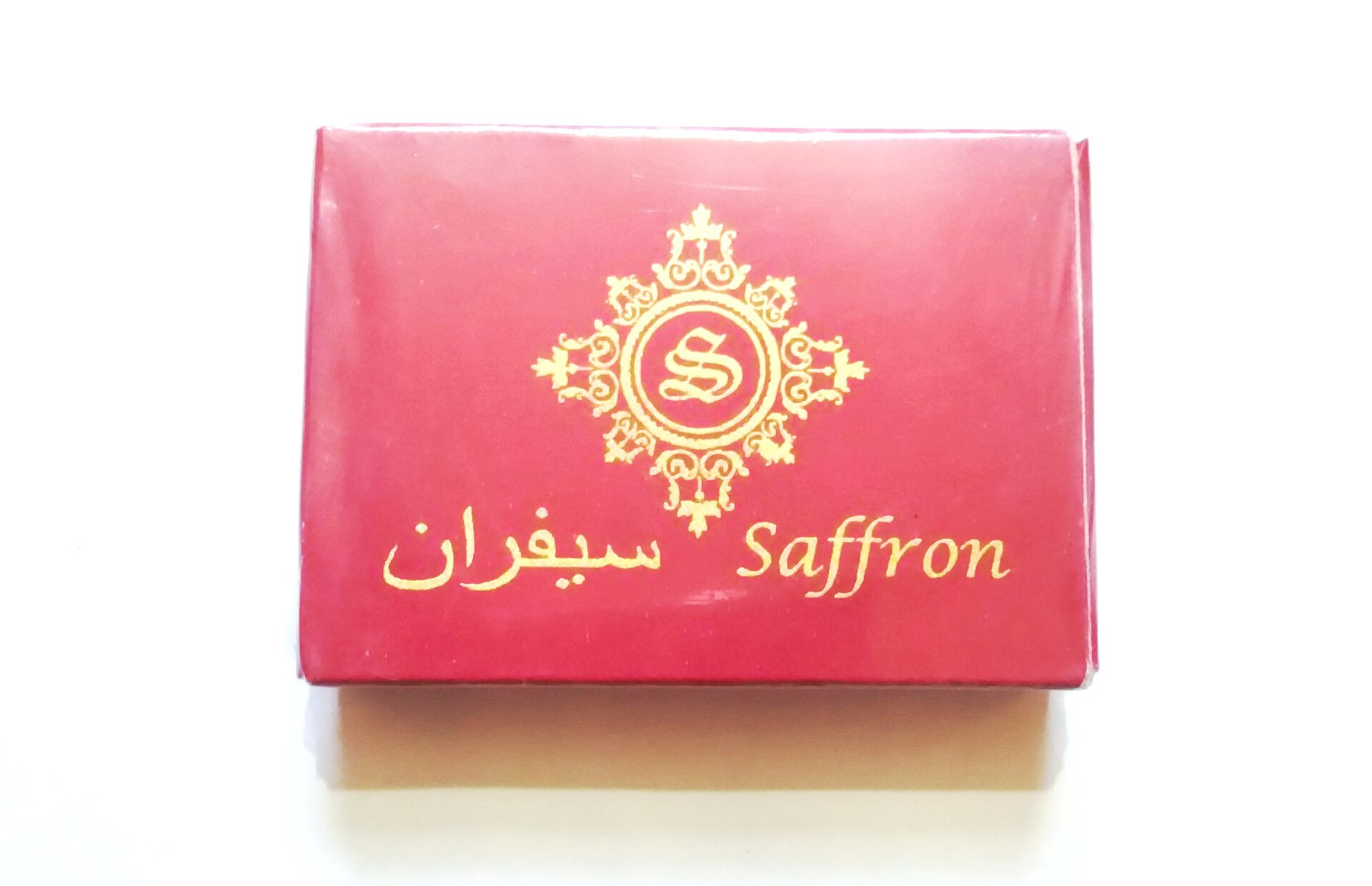
Yes, you can carry sealed, labelled packages of saffron in your luggage. Ensure you have a receipt just in case you are asked for documentation at security.
Is buying from the roadside stalls safe?
Some are excellent, but others may sell low-grade mixtures. Always perform the water test or buy from reputable cooperatives you find through local recommendations.
How should I store it after buying?
Keep it in a cool, dark, and airtight container. Glass is best. Avoid exposing it to direct light or heat, as this will sap the flavour and colour over time.
Photography credits
- Photo: FADIND SOUL · CC BY-SA 4.0
- Photo: Sohail akil · CC BY-SA 4.0
- Photo: Umarsami · CC BY-SA 4.0
- Photo: Humeyra Basheer · CC0
- Photo: Giovanni Battista Cipriani · Public domain
- Photo: Fumikas Sagisavas · CC0
- Photo: Yasir Yousuf Ahanger · CC BY-SA 4.0