Timing Your Visit: The Saffron Harvest in Pampore
A quiet wander through the purple fields of Kashmir during the autumn bloom.
Experience the magic of the annual saffron harvest. Learn about pampore saffron harvest time, best photography hours, and local farming traditions.
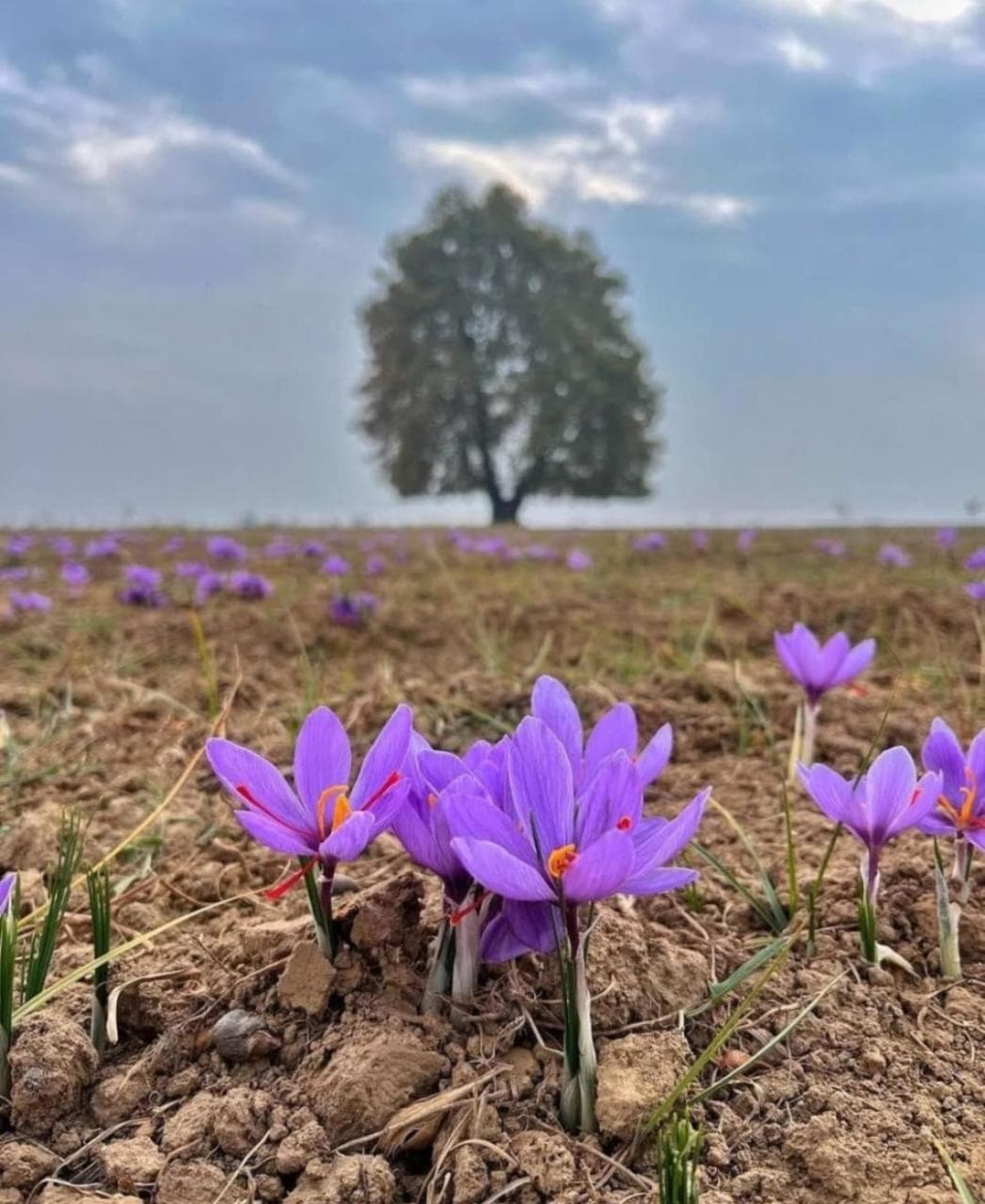
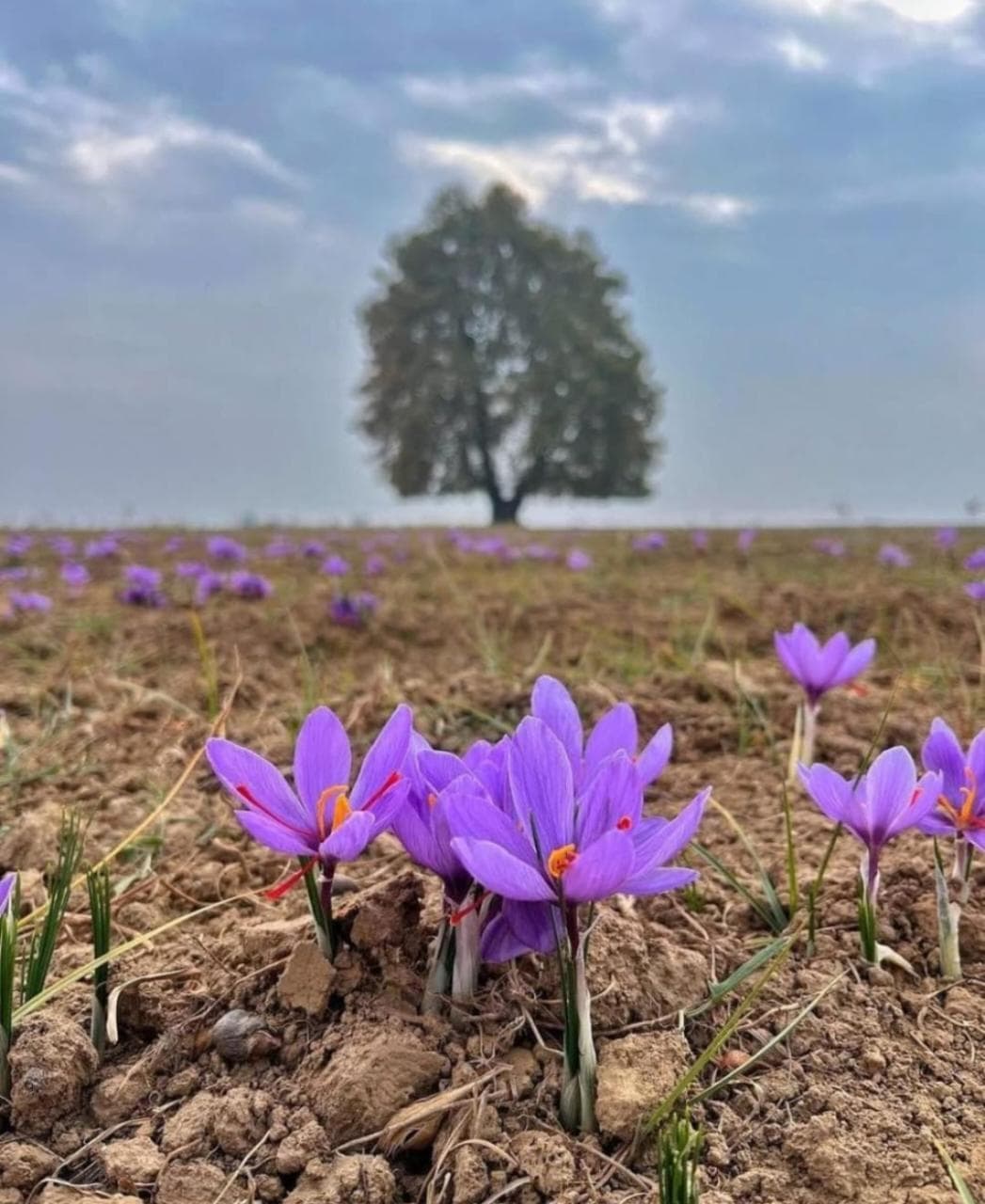
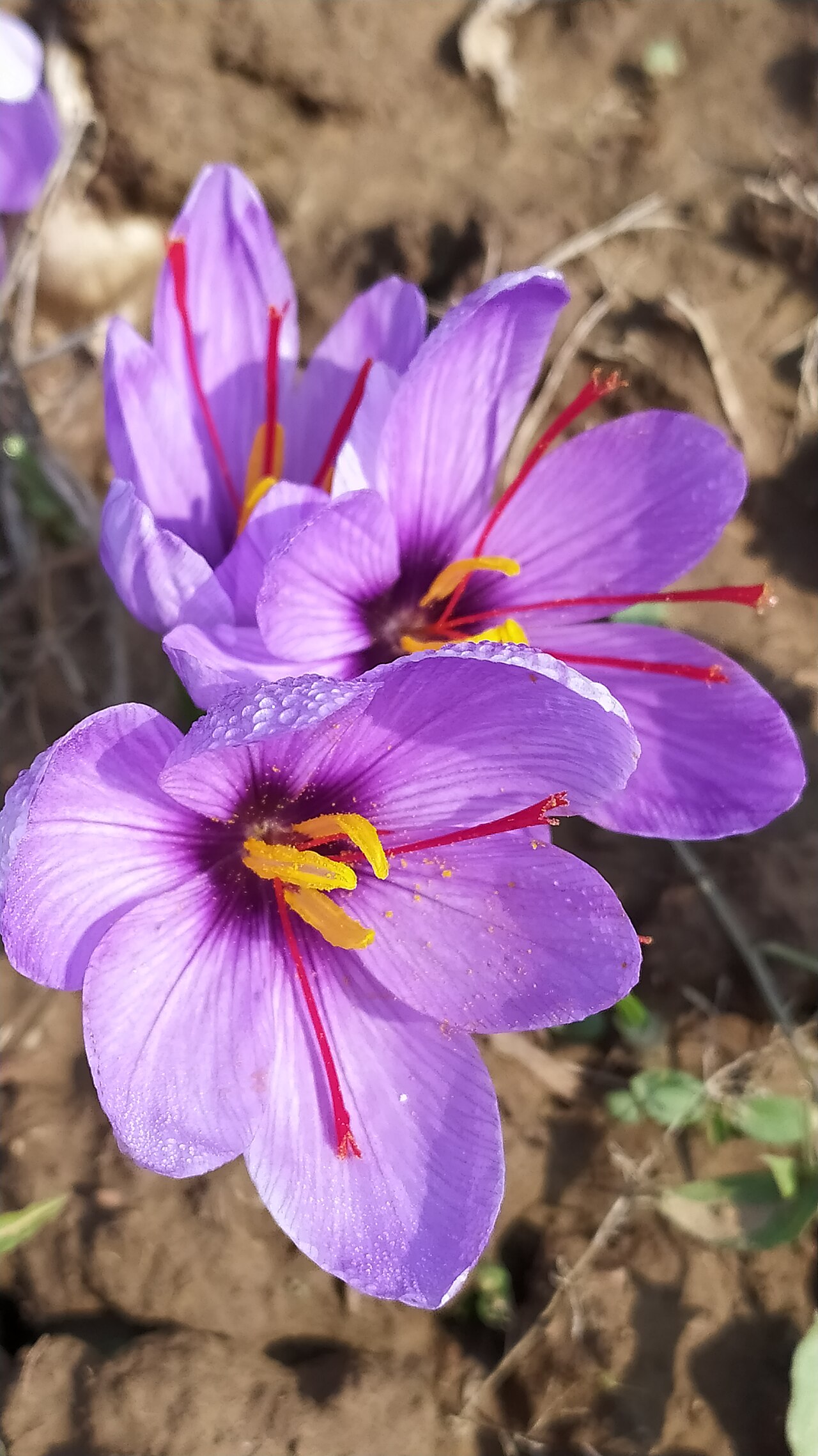
The brief autumn bloom turns the Pampore flats into a sea of delicate purple.Photo: FADIND SOUL · CC BY-SA 4.0
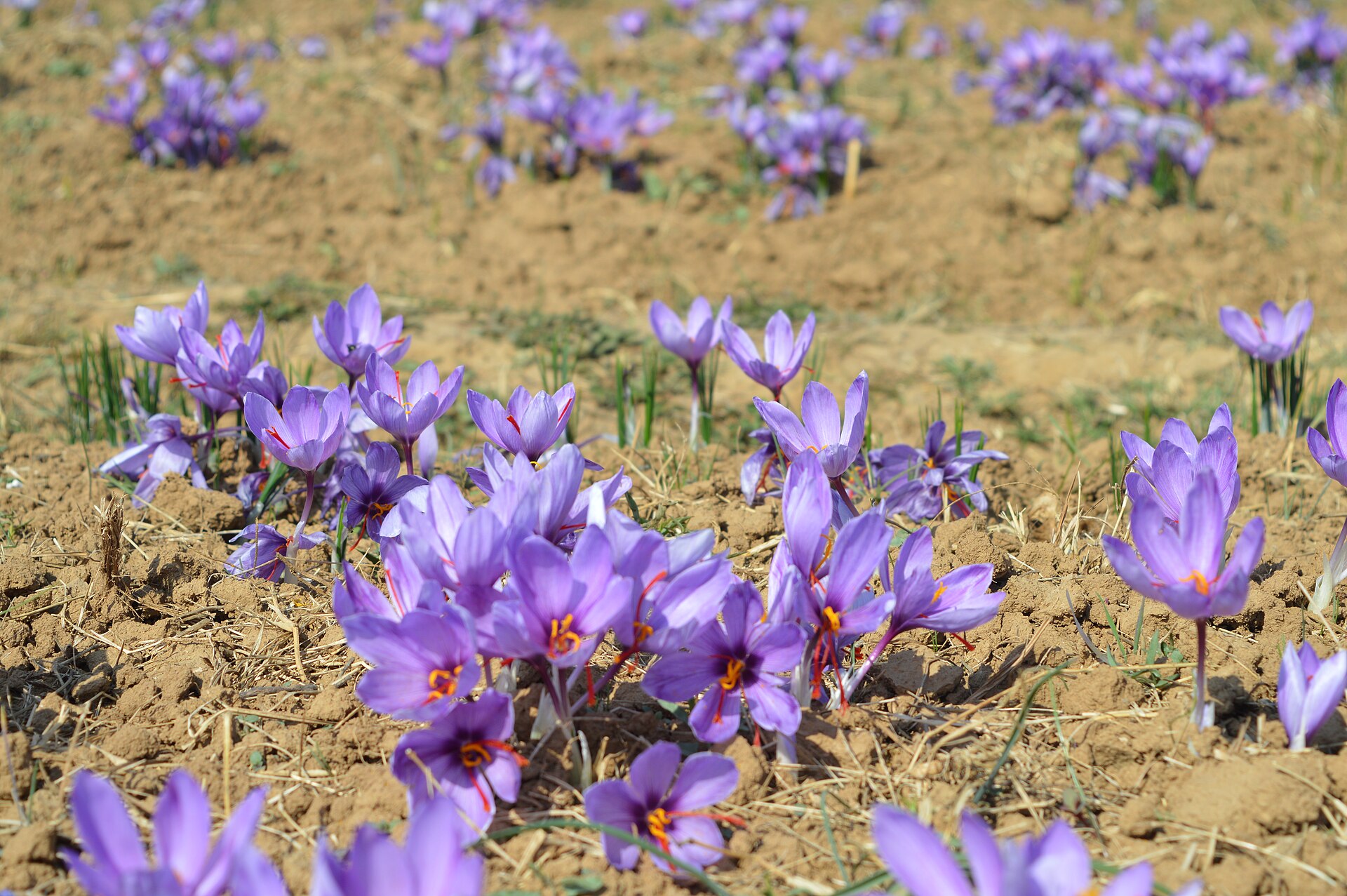
Drive ten minutes past the edge of Srinagar on the highway to Pahalgam, and the air suddenly carries an earthy, sweet aroma that signals you have entered Pampore. For a few brief weeks every autumn, the flat expanse of earth here transforms into a sea of delicate purple blossoms.
Finding the right pampore saffron harvest time requires precision because the blooming window is notoriously short and entirely dependent on autumn rainfall and night temperatures. Missing it by even a week means walking across barren brown dirt rather than fields of flowering Crocus sativus.
We have spent years guiding travelers through this seasonal spectacle. Here is how to time your visit, what happens in the fields during harvest, and how to ensure you purchase authentic zaffran without getting tricked by tourist market impostors.
The Brief Window of the Saffron Bloom
The saffron harvest in Kashmir is a fleeting event that occurs annually between late October and mid-November. The purple flowers sprout almost overnight following the first substantial autumn chill.
The entire blooming spectacle lasts roughly three weeks, with the peak density occurring during the first ten days of November. If dry weather persists too long, the bloom is sparse; if early frost hits hard, the flowers wither before opening fully.
When planning your Kashmir itinerary around this season, we always advise keeping your schedule flexible by a few days to catch the exact peak week.
- Harvest window: Late October to mid-November annually.
- Peak viewing: Usually the first ten days of November.
- Duration: Flowers last only a few days once opened.
What to Expect in the Fields in Autumn
Walking into the Pampore fields during harvest is an entirely sensory experience. Families crouch low to the ground, carefully plucking the delicate purple petals by hand before the midday sun makes the blossoms wilt.
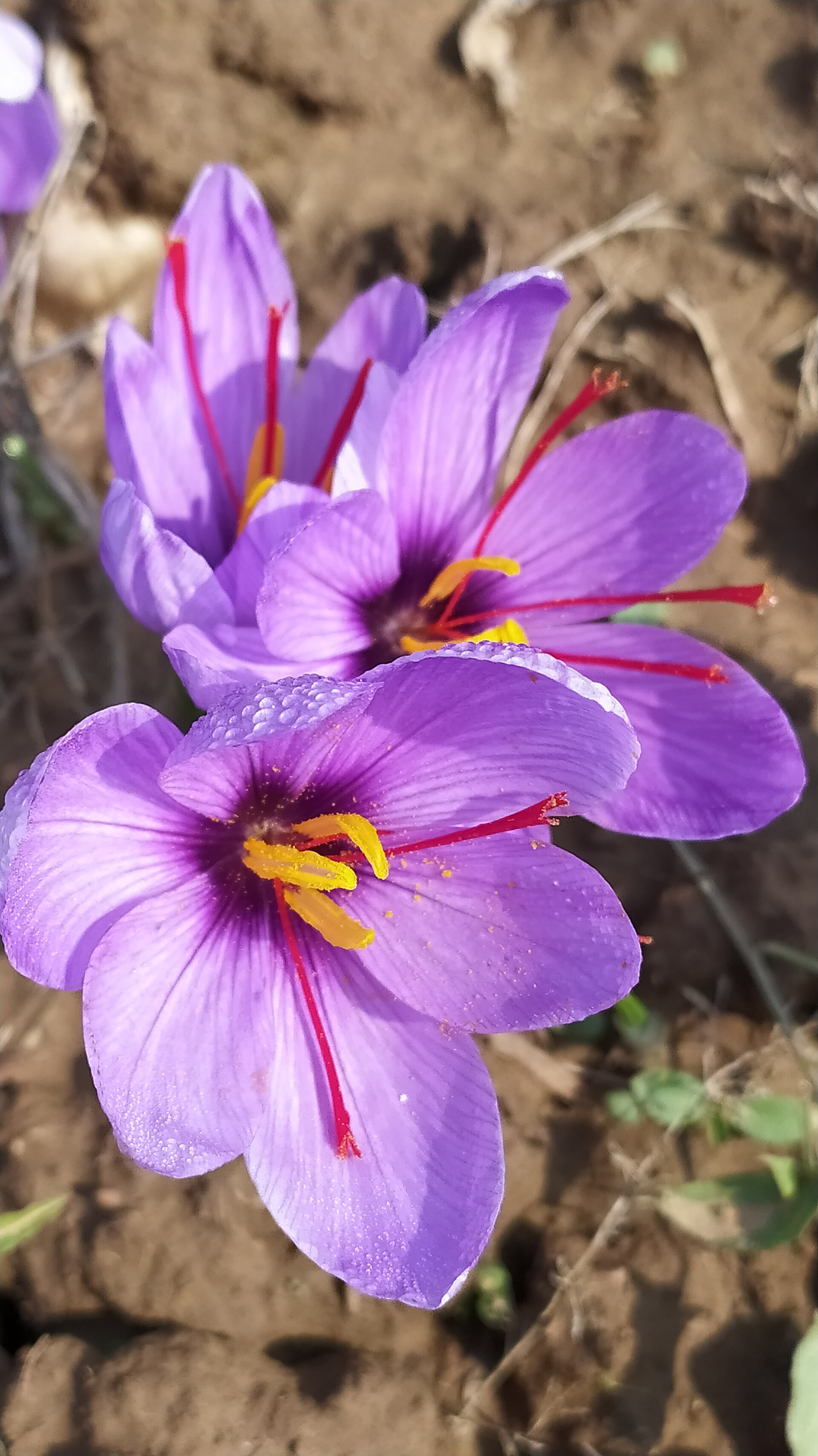
The atmosphere is communal and unhurried. Farmers are usually happy to let visitors watch the painstaking process of extracting the three crimson stigmas from each flower inside nearby courtyard sheds.
Respect the farmers' livelihood by staying on the earthen paths rather than trampling the delicate beds. A single misplaced footstep destroys hours of future growth.
The Extraction Process
Once harvested, the flowers are brought indoors where women gently pull out the red threads by hand. These threads are then sun-dried for days until they shrink, deepen in color, and develop their characteristic fragrance.
Why Early Mornings Are Best for Photography
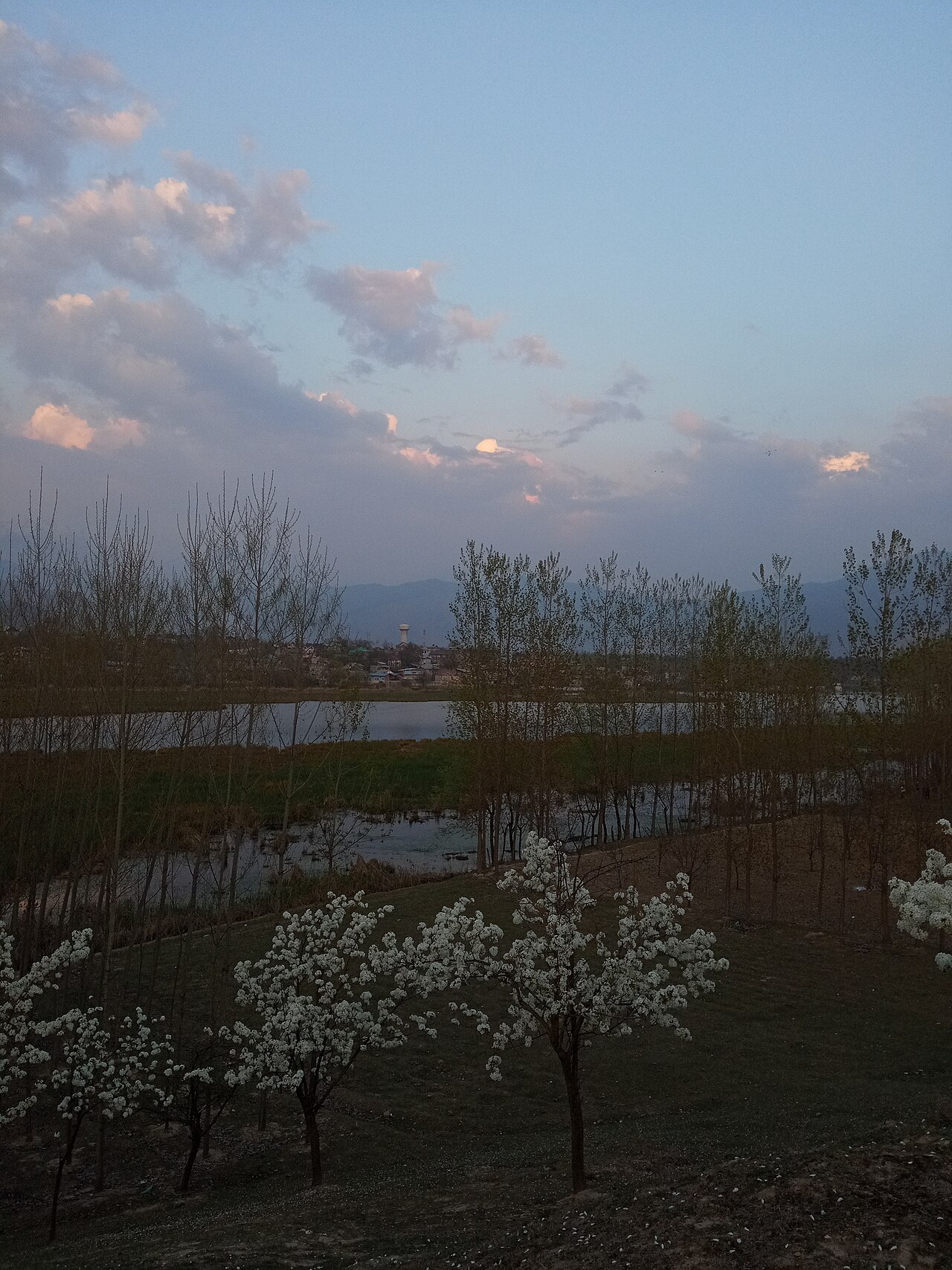
If you want photographs that capture the true magic of the purple fields, you need to arrive just as the sun clears the distant Zabarwan mountains around 7:30 AM.
Early morning dew clings to the petals, and the low-angle autumn light casts soft shadows across the flat terrain. By noon, the bright sunlight washes out the delicate purple hues, and the flowers begin closing their petals against the heat.
The morning chill also means fewer crowds, allowing you to experience the quiet rhythm of the harvest before tour buses arrive from the city.
Understanding the Harvest and Farming Cycle
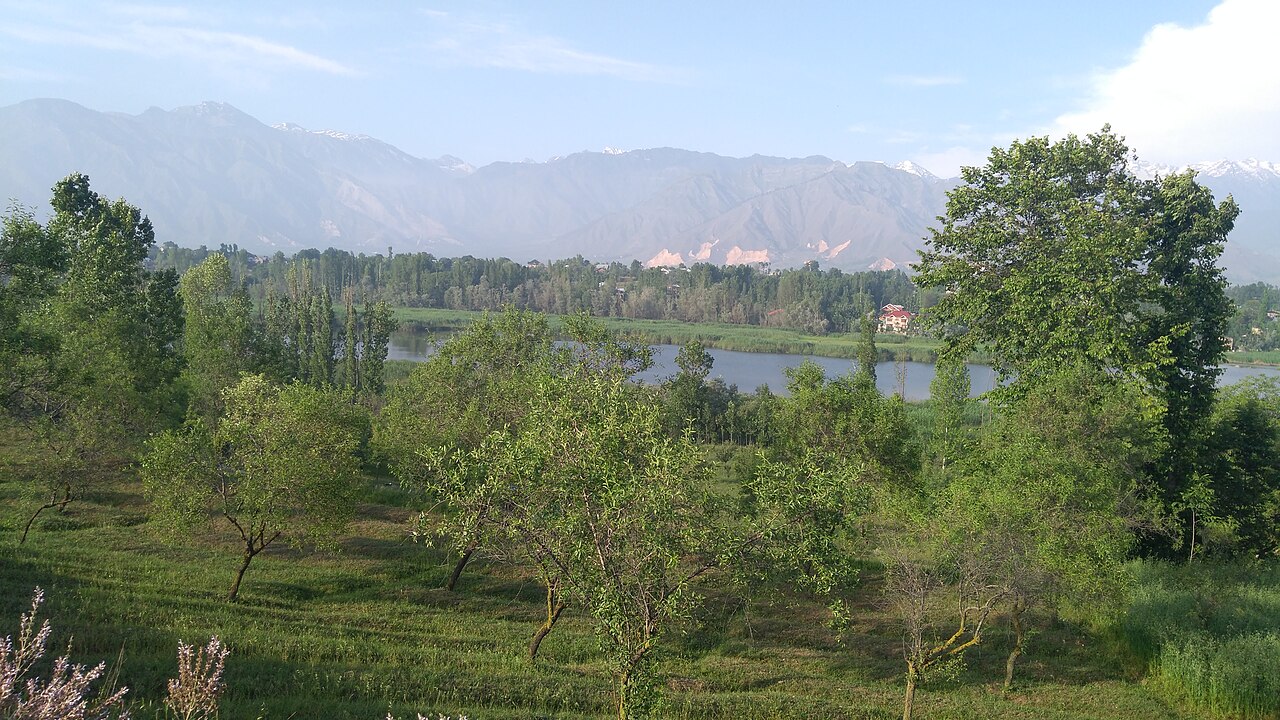
Saffron cultivation in Pampore is an ancient agricultural art passed down through generations. Corms are planted in June and July, lying dormant underground through the scorching summer months until the October rains wake them up.
It takes roughly 150,000 flowers to produce just one kilogram of dry saffron, which explains why pure Kashmiri zaffran commands such a high price in global markets.
Buying directly from local farming families in Pampore guarantees you get authentic product while supporting the local agrarian economy directly.
- Corms planted in summer months.
- Flowering triggered by autumn rain and cold nights.
- 150,000 flowers required for one kilo of finished spice.
Planning Your Visit for the Peak Season
Because the timing depends entirely on nature, booking a fixed-date flight solely for the saffron harvest can be a gamble. We recommend combining a broader autumn tour of Srinagar and Pahalgam with a flexible morning stop in Pampore.
Our drivers know every pocket of agricultural land across the Dusoo and Lethapora areas where the best fields are located, bypassing the crowded roadside stalls.
Talk to us if you want to weave a dedicated agricultural heritage stop into your broader itinerary without missing out on the classic mountain lakes and houseboats.

How to Identify Authentic Kashmiri Saffron
The biggest challenge for visitors buying saffron in Pampore is avoiding counterfeit products blended with corn silk or safflower. Genuine Kashmiri saffron has a bitter taste, a distinct honey-like aroma, and does not dissolve instantly in water.
When you drop pure saffron into warm milk or water, it releases a rich golden-yellow color slowly over 15 to 20 minutes, while the threads themselves retain their reddish hue.
We help our clients source certified pure saffron from trusted growers so you return home with the genuine article rather than an overpriced souvenir.
Before you book
Witnessing the purple bloom across the Pampore flats is one of those fleeting travel experiences that stays with you long after you leave the valley. It connects you directly to the ancient agricultural traditions that define rural Kashmiri life in autumn.
If you want to time your autumn holiday to catch the saffron fields in full flower, drop us a line at Skywale Packages. We love crafting seasonal itineraries that slow down and show you the real Kashmir.
Experience Autumn in Kashmir
Let our local experts plan your seasonal journey through the saffron fields, golden chidars, and quiet valley roads.
Plan Your Autumn TripWritten by
Kashmir, Jammu & Ladakh specialists
We plan and run trips across Kashmir, Jammu and Ladakh every week of the year. Everything here comes from routes we drive, stays we inspect and questions our travellers actually ask.
Quick answers
Questions we get asked
When is the best time to see the saffron fields in Pampore?
The peak viewing time is during the first ten days of November, though the harvest can run from late October to mid-November depending on autumn weather.
Where is Pampore located relative to Srinagar?
Pampore is situated about 15 kilometres south of central Srinagar along the primary highway heading towards Pahalgam, taking roughly 30 minutes to reach by car.
How can I test if saffron is pure?
Pure saffron releases a golden-yellow color slowly when placed in warm water and maintains its reddish hue. If it turns the water red instantly, it is fake.
Can visitors participate in the saffron harvesting?
While commercial harvesting is done by experienced local families, visitors are welcome to walk the designated paths, observe the process, and photograph the fields.
Photography credits
- Photo: FADIND SOUL · CC BY-SA 4.0
- Photo: Umarsami · CC BY-SA 4.0
- Photo: Yasir Yousuf Ahanger · CC BY-SA 4.0
- Photo: Humeyra Basheer · CC0
- Photo: Ashfaq ahanger · CC BY-SA 4.0
- Photo: Koshur · CC BY 4.0
- Photo: MODIS Land Rapid Response Team, NASA GSFC · Public domain