Why Saffron Cultivation in Kashmir is Unique
The science behind the soil and the climate
Discover why the specific conditions of Pampore make it the only place to produce the world's finest saffron.
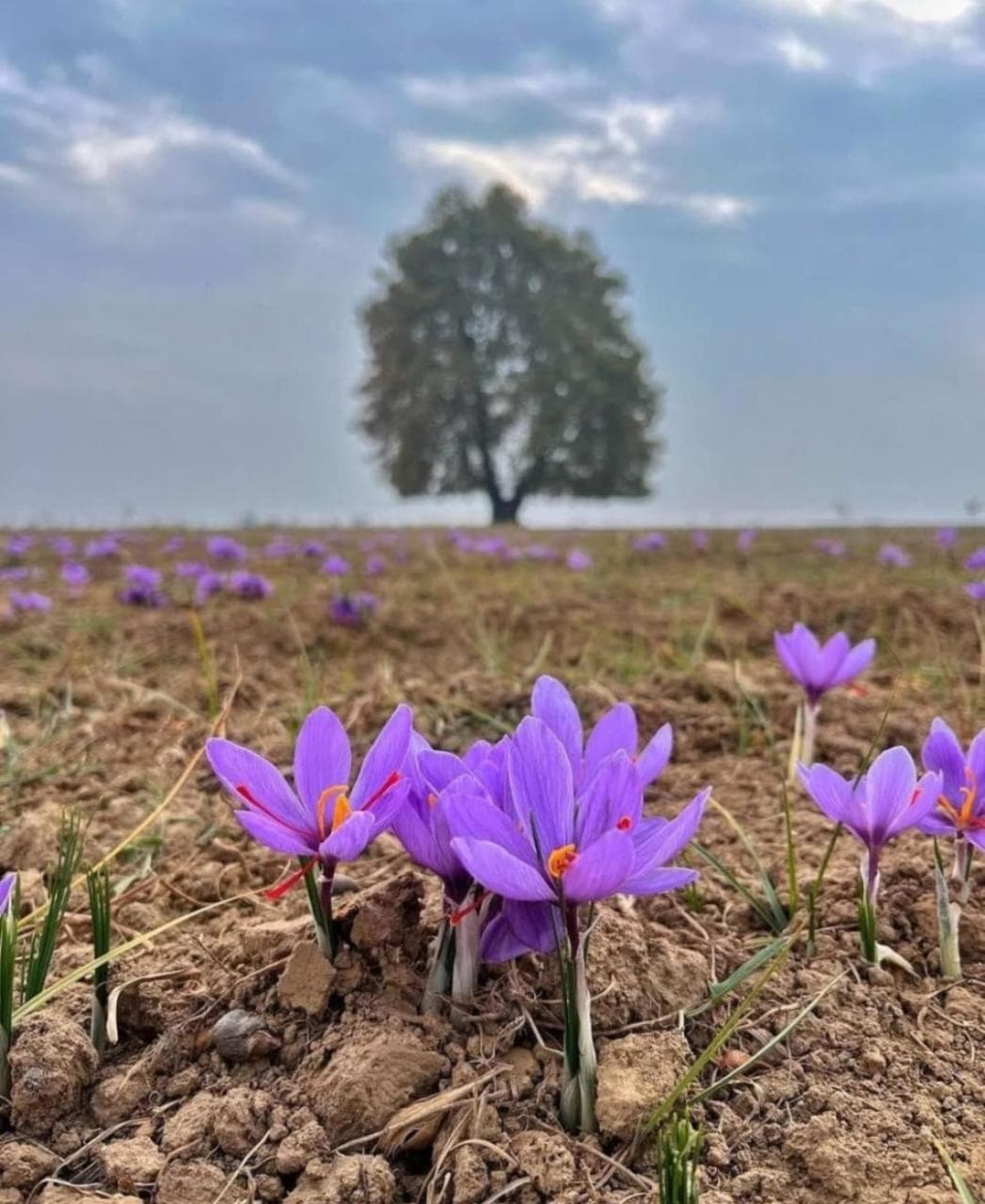
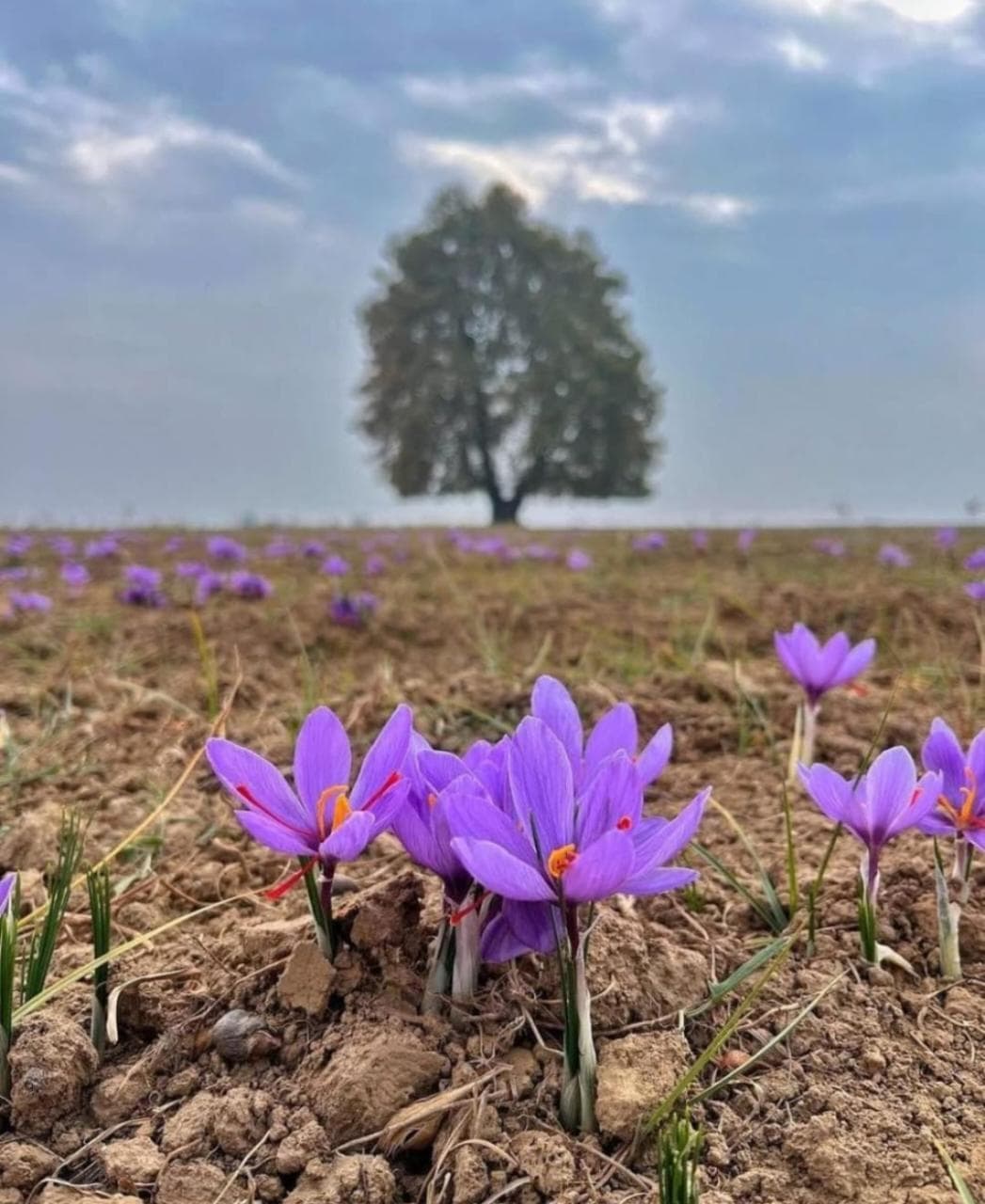
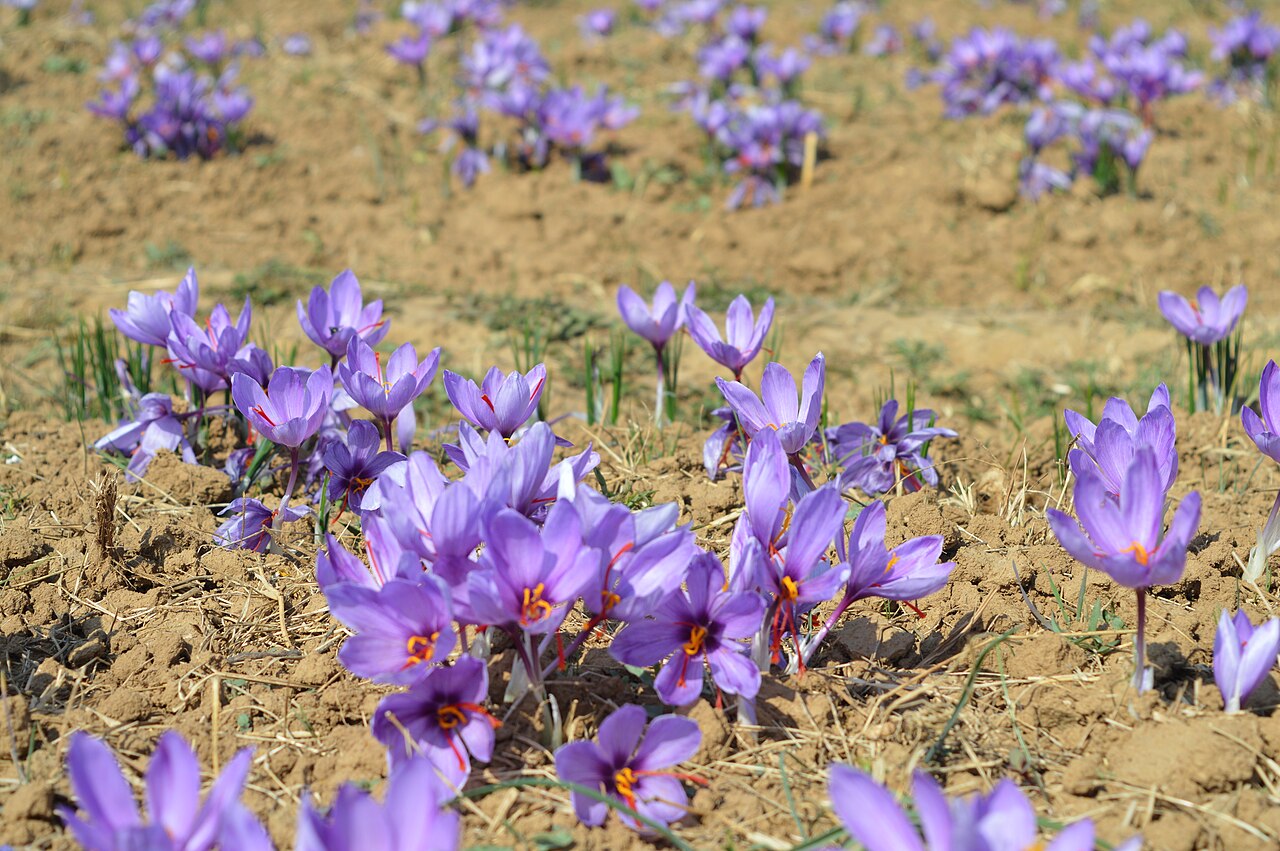
The morning sun illuminates the purple fields of the Pampore plateau.Photo: Yasir Yousuf Ahanger · CC BY-SA 4.0
When you stand on the elevated plateaus of Pampore in late autumn, you aren't just looking at flowers; you are standing on a geological anomaly. The air is crisp, biting at the tips of your fingers, while the earth beneath your boots feels dusty and ancient. Saffron cultivation in Kashmir has fascinated botanists for centuries, precisely because the Crocus sativus is notoriously fickle.
Many ask if you can grow this elsewhere, even in places like Pennsylvania or the Mediterranean. While the plant can survive in other latitudes, the chemical profile and aroma of the Kashmiri variety remain unmatched. It is a delicate balance of elevation, climate, and the unique composition of the earth that turns a simple bulb into the most expensive spice in the world. This is why Pampore is singular.
The Specific Needs of Crocus sativus
Crocus sativus is a demanding plant. It requires distinct seasonal shifts to trigger the bloom. It needs a warm, dry summer to enter dormancy, followed by the specific cooling temperatures of an autumn in the Kashmir valley. If the rains come at the wrong time or if the soil does not drain perfectly, the bulbs will rot before they ever send up a shoot.
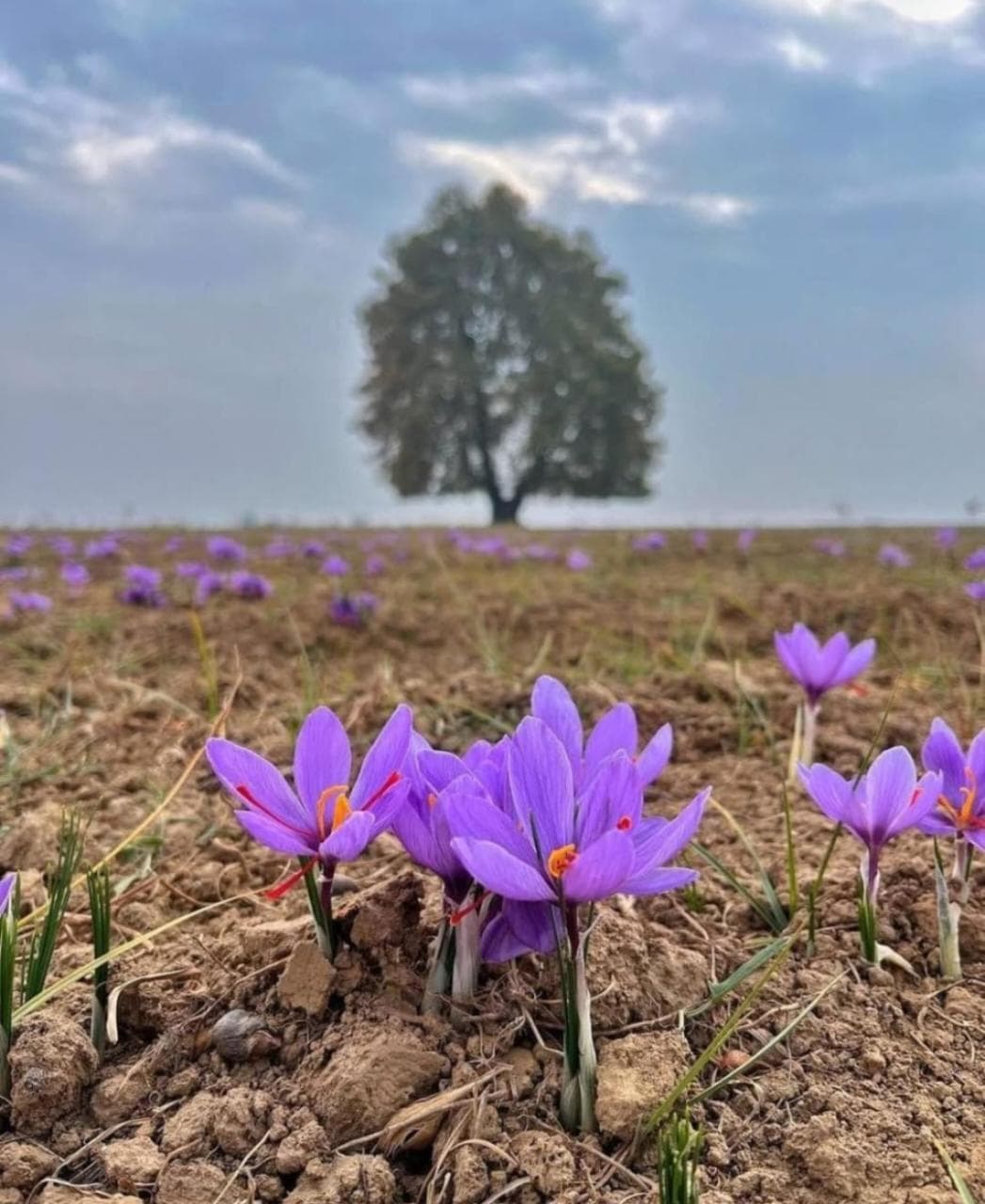
This is why you see saffron fields in Pampore sitting on raised, sloping ground. The plant cannot tolerate 'wet feet.' It needs consistent sunlight, but it also requires a winter rest period that is deep enough to harden the bulbs. It is a narrow window of environmental conditions that makes commercial production elsewhere so difficult to scale.
Why Pampore’s Karewa Soil is Special
The secret to the local crop is the 'karewa.' These are elevated, flat-topped plateaus formed by the ancient sedimentation of the valley. The soil here is a complex mixture of clay, sand, and silt, rich in minerals but porous enough to prevent waterlogging. It is the perfect anchor for a bulb that needs both nutrients and sharp drainage.
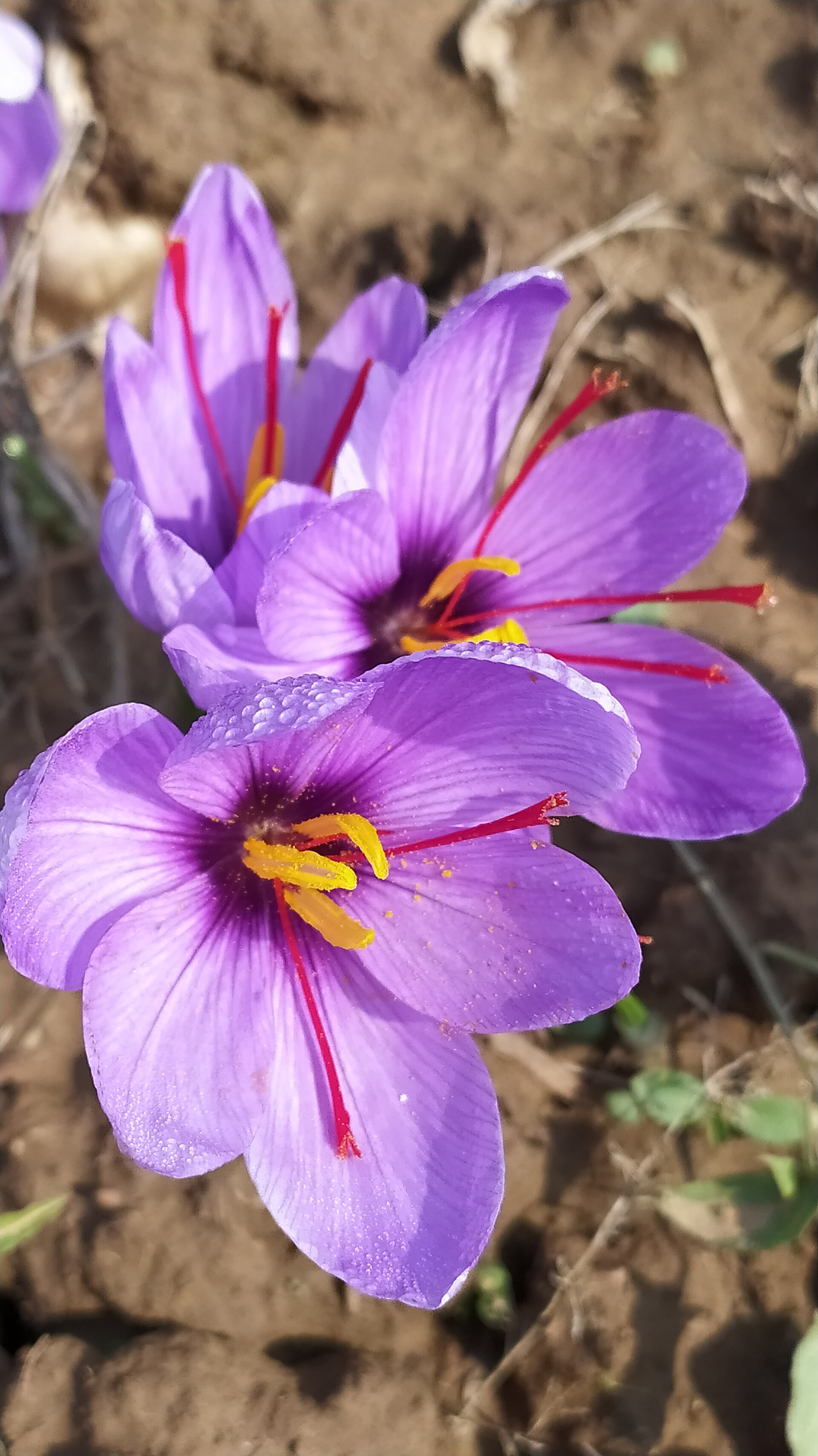
I remember talking to a grower who explained that you cannot simply replicate this by adding soil to a garden. The karewa soil has a thermal property; it holds the warmth of the sun during the day and radiates it steadily to the bulbs at night. This thermal regulation is what gives the Kashmiri crocus its unique metabolic push to produce that deep crimson stigma.
Comparison of Global Saffron Regions
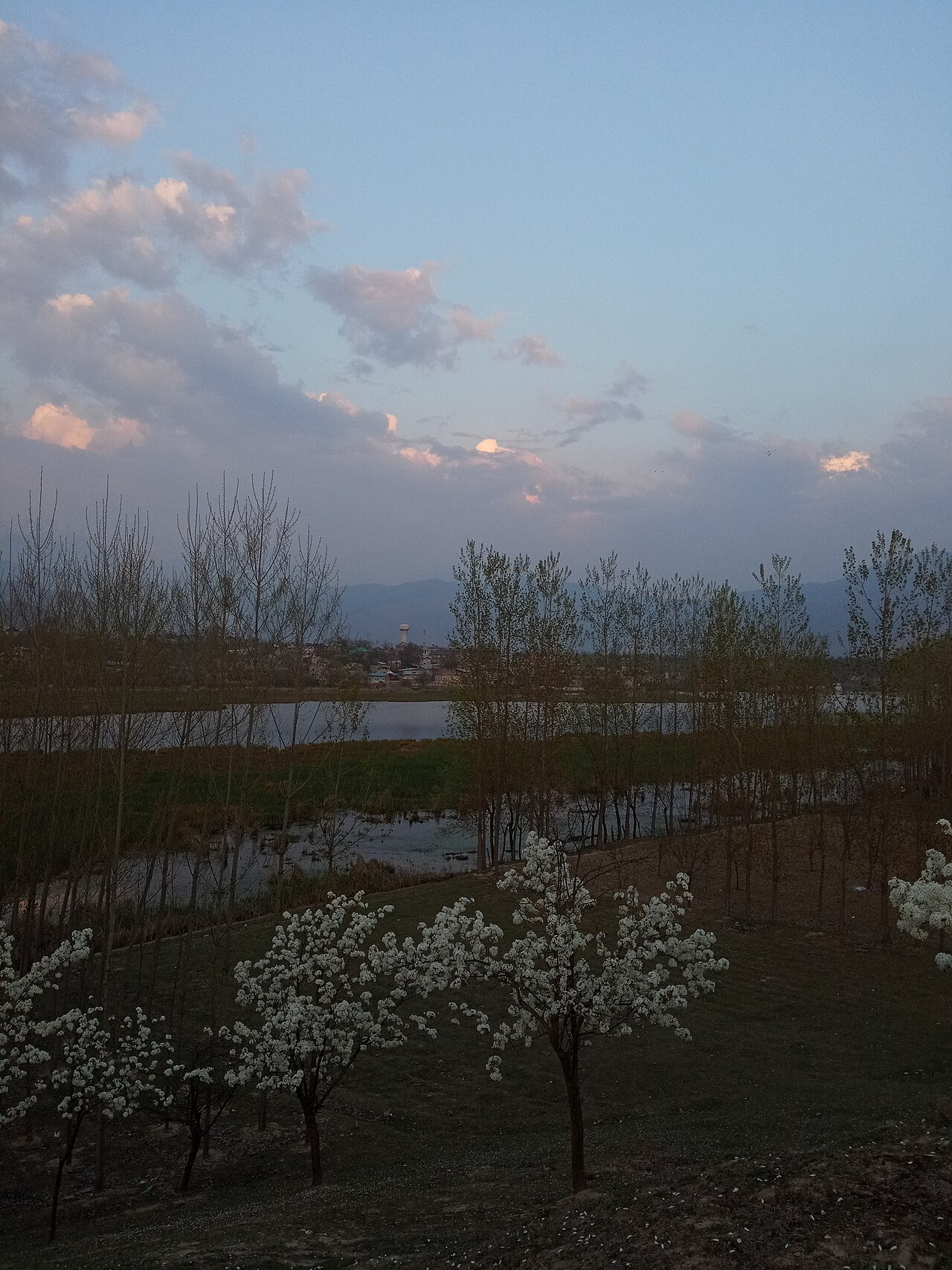
When you look at saffron from Iran or Spain, you are looking at different agricultural legacies. Spain, for instance, often harvests using a different drying process that focuses on mechanical efficiency. Iranian saffron is produced in massive quantities, often resulting in a product that is perfectly uniform but sometimes lacking the intense, honey-like aroma of the Kashmiri variety.
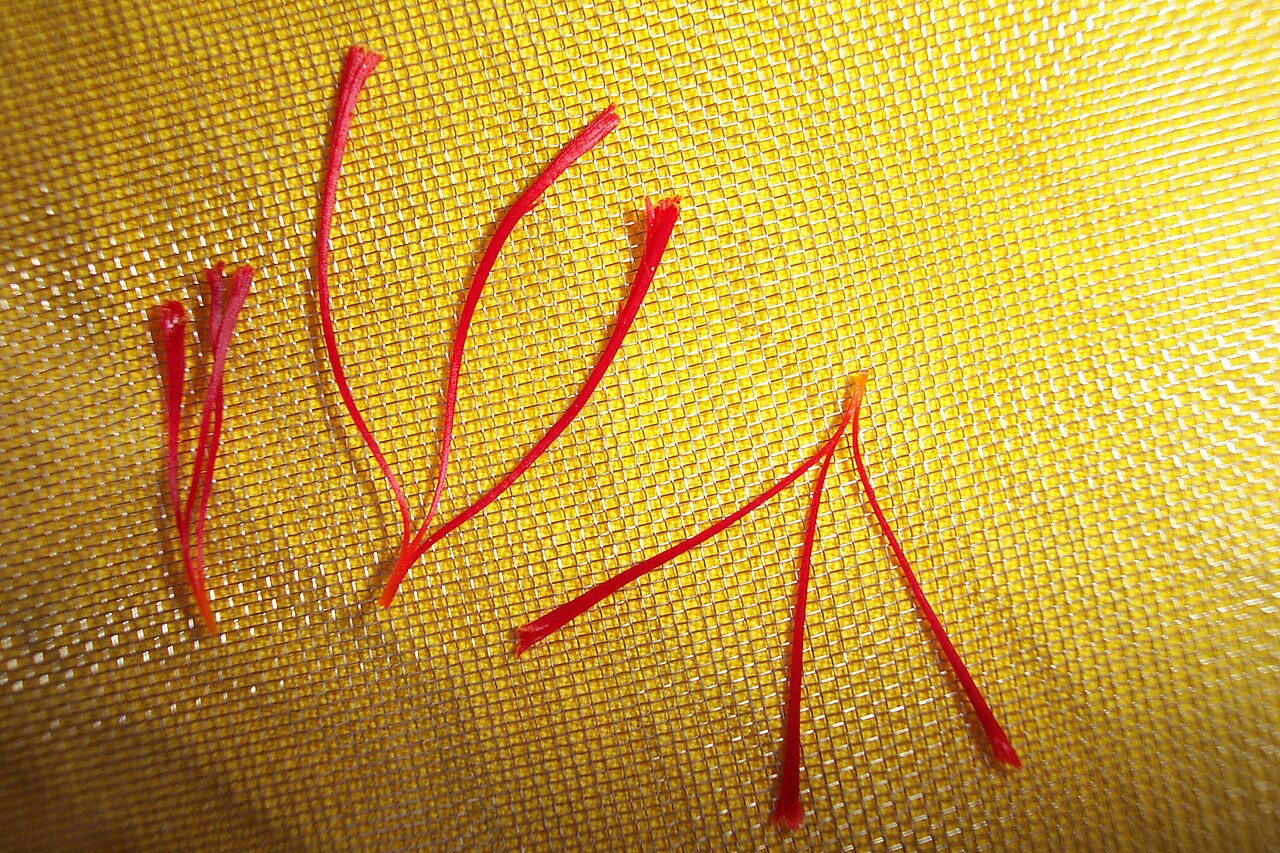
Kashmir produces a lower volume, but the potency is higher. Because we don't use large-scale machinery—the terrain doesn't allow for it anyway—the harvesting and cleaning remain almost entirely manual. Every single thread you buy in [Srinagar](/destinations/kashmir/srinagar) has been handled with a human touch, which ensures that the delicate oils in the stigma remain intact, rather than being bruised by automated harvesters.
The Challenges of Large-Scale Cultivation
If you tried to plant these bulbs in a backyard in the US or Europe, you might get a handful of flowers, but you would likely never achieve the 'grade A' quality required for commercial trade. The plant is prone to disease if moved into environments with high humidity or different soil PH levels. It is a crop that resists industrialisation.
Furthermore, the cost of labour in Kashmir is unique. To harvest a single kilogram of dried saffron, you need about 150,000 flowers. In most other parts of the world, paying for that amount of hand-labour would make the retail price astronomically high. We are lucky that the local tradition supports this meticulous, time-consuming method of collection and processing.
Preserving the Heritage of Kashmir Saffron
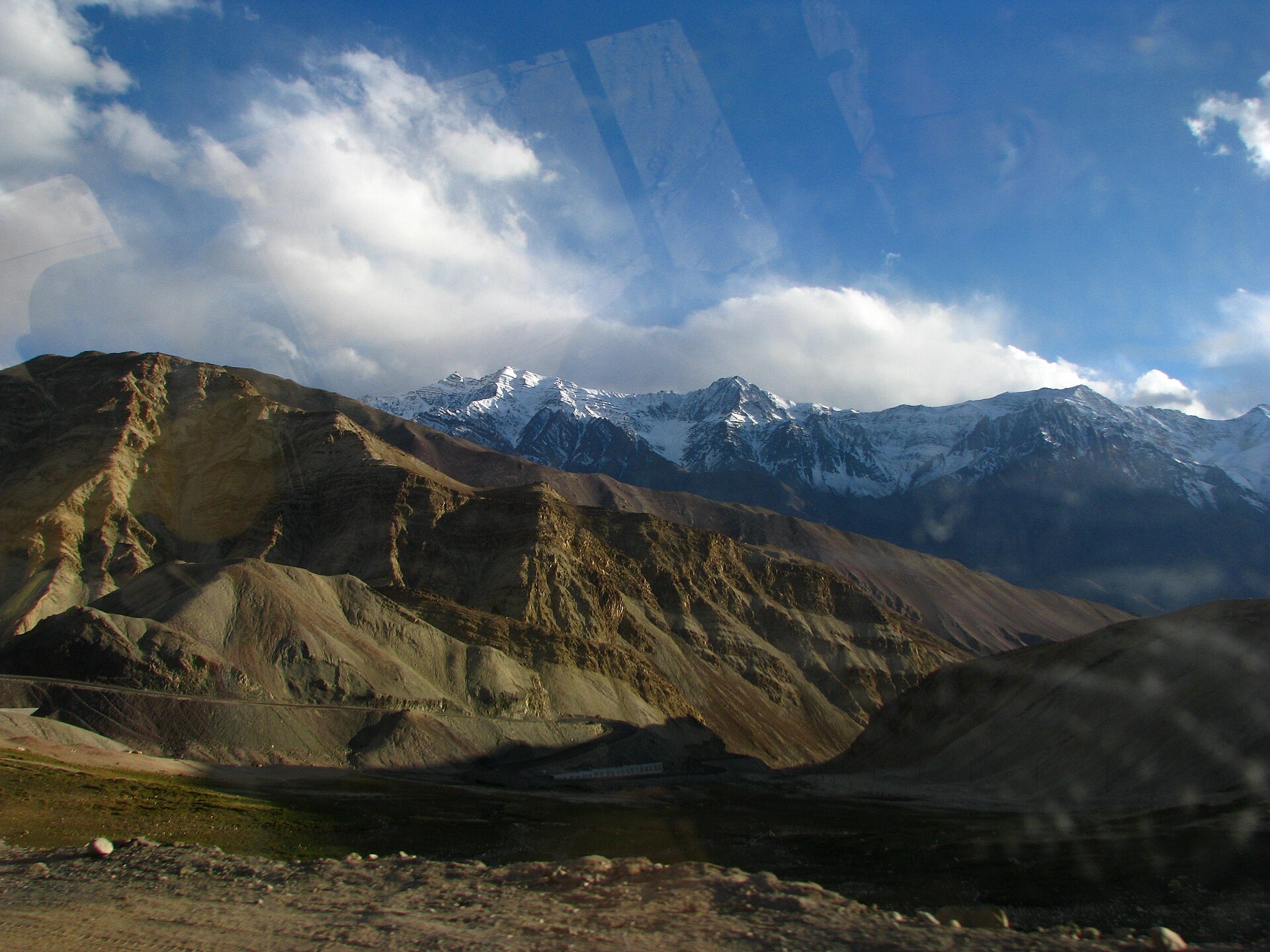
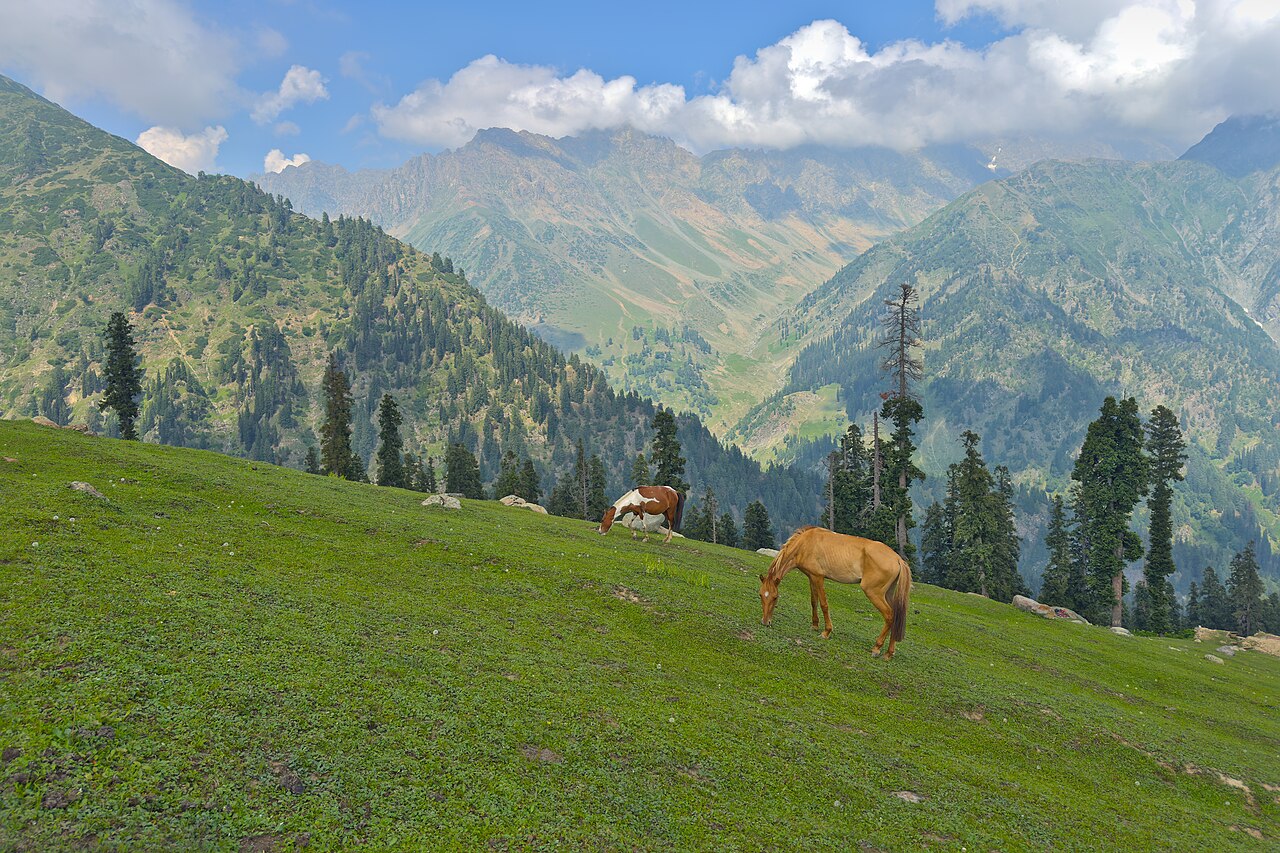
The landscape of [Pampore](/destinations/kashmir/pampore) is slowly changing as urban growth pushes against the fields. Preserving these patches of land is about more than just keeping a spice market alive; it is about protecting a unique agricultural heritage that belongs to this specific high-altitude desert-like climate. If the karewa fields disappear, we lose the ability to produce this specific quality of spice forever.
When you travel through [Pahalgam](/destinations/kashmir/pahalgam) or spend time near [Dal Lake](/destinations/kashmir/dal-lake), you realise how tightly connected the culture is to the land. The saffron harvest is just one of many rhythms here. It is a privilege to visit during the bloom, but it is also a responsibility to understand that what you are holding is a finite, fragile product of a very specific piece of earth.
Before you book
Understanding the science behind saffron makes the final product feel much less like a simple spice and much more like a piece of the valley itself. It is a testament to how local geology dictates the culture and economy of a region.
If you are curious to see these fields for yourself, we can arrange a visit that respects the agricultural season. [Contact](/contact) our team to build a tour that prioritises the heritage of the Kashmir valley.
Explore the wonders of Kashmir
From the fields of Pampore to the hidden valleys of the mountains, we design trips that get you close to the local culture. Let us help you plan your next journey.
Start PlanningWritten by
Kashmir, Jammu & Ladakh specialists
We plan and run trips across Kashmir, Jammu and Ladakh every week of the year. Everything here comes from routes we drive, stays we inspect and questions our travellers actually ask.
Quick answers
Questions we get asked
Can I grow saffron in my own home garden?
You can try if you live in a climate with cold winters and dry summers, but you will likely only get a few threads. It is rarely enough to be useful for cooking.
Why is Kashmiri saffron more expensive than others?
It is entirely hand-harvested in a region with high elevation and specific soil conditions, which limits the total supply compared to industrialised producers elsewhere.
Does the altitude matter for the crop?
Yes. The high altitude of the Kashmir valley provides the necessary temperature fluctuations that prevent the bulbs from sprouting too early or rotting from humidity.
Is the saffron industry in Pampore growing?
It is stable but faces threats from land development. There are ongoing government and local efforts to protect the remaining fields from encroachment.
What is the biggest threat to the saffron harvest?
Erratic weather patterns, particularly unseasonal rains during the flowering season, can destroy the crop overnight by causing the delicate blooms to rot.
Photography credits
- Photo: Yasir Yousuf Ahanger · CC BY-SA 4.0
- Photo: FADIND SOUL · CC BY-SA 4.0
- Photo: Umarsami · CC BY-SA 4.0
- Photo: Humeyra Basheer · CC0
- Photo: Emilie40 · CC0
- Photo: UnpetitproleX · CC BY-SA 4.0
- Photo: Ummigarba · CC BY-SA 4.0