The Beauty of Pampore: Capturing the Saffron Fields Through Your Lens
A complete visual guide to documenting the autumn purple harvest across the valley.
Stand in the middle of a violet valley and learn how to master pampore saffron fields photography before the October blooms fade away.
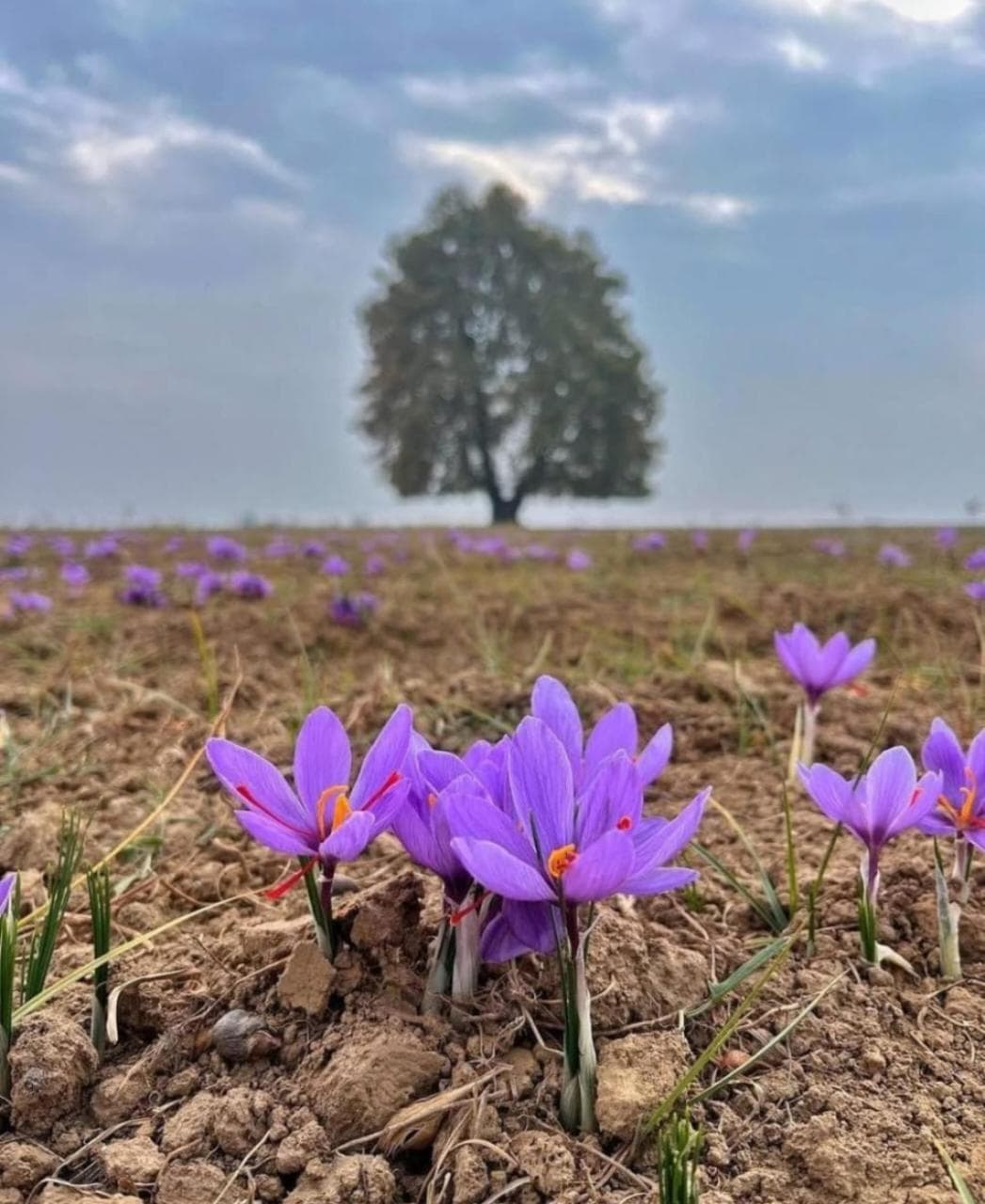
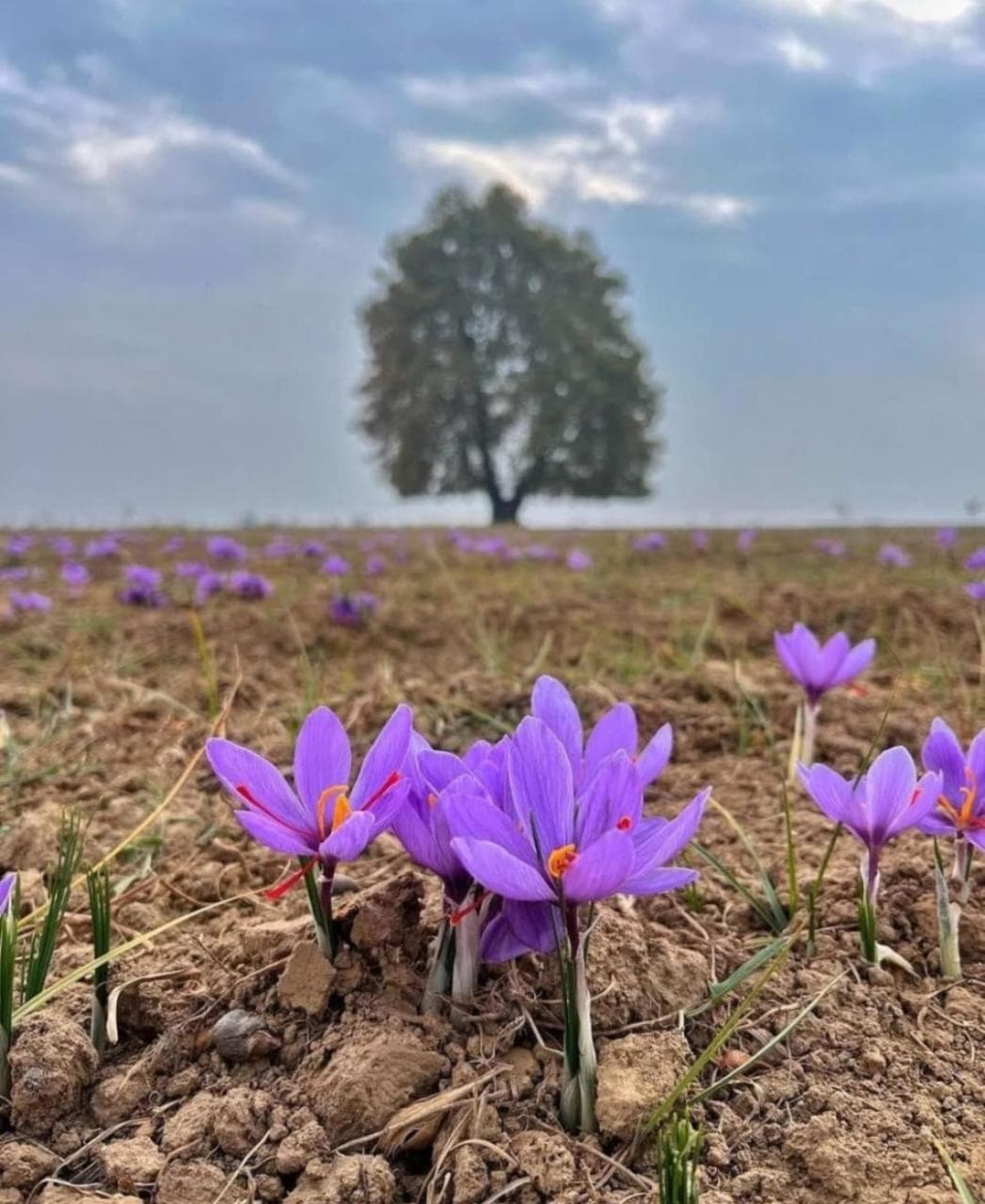
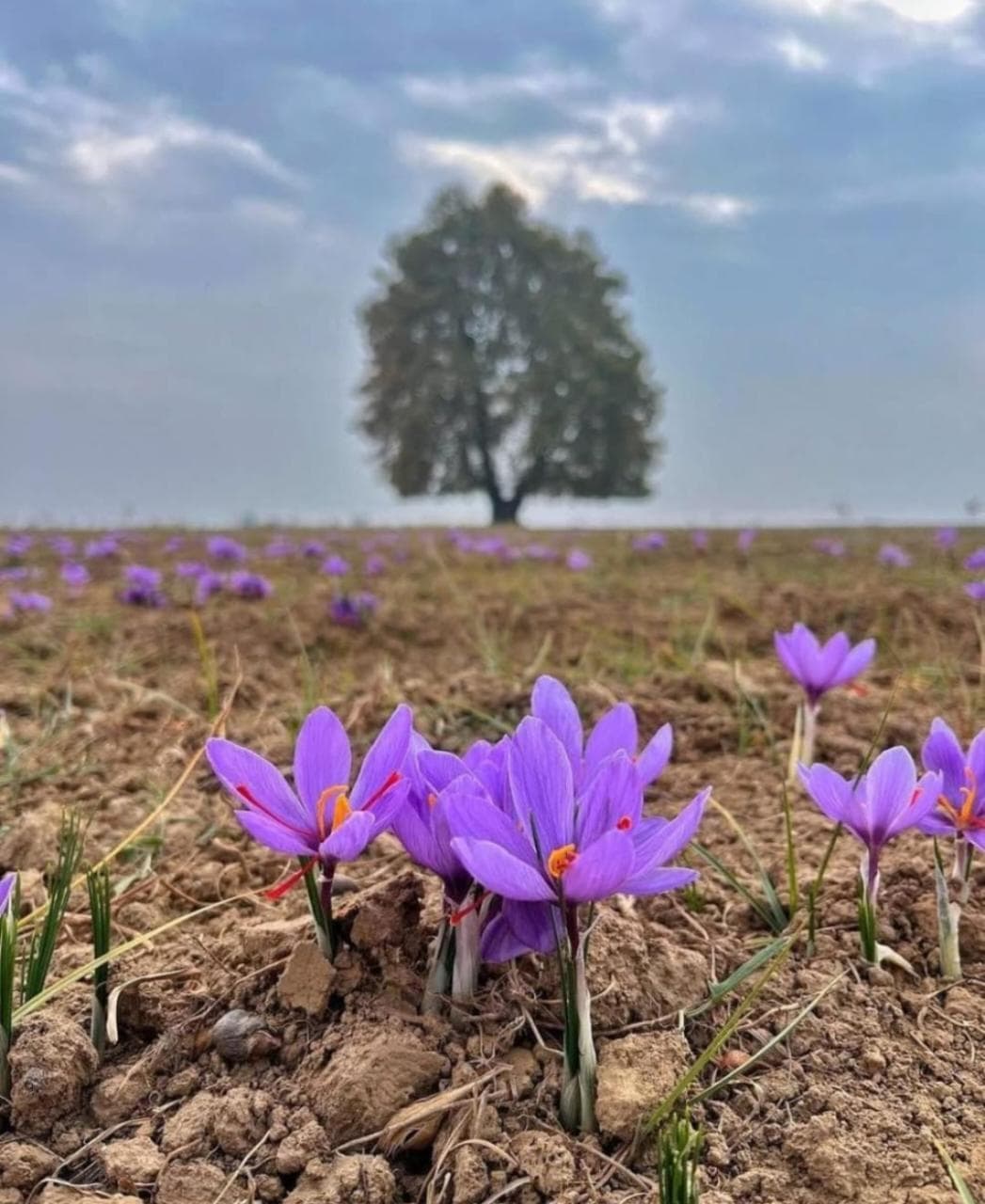
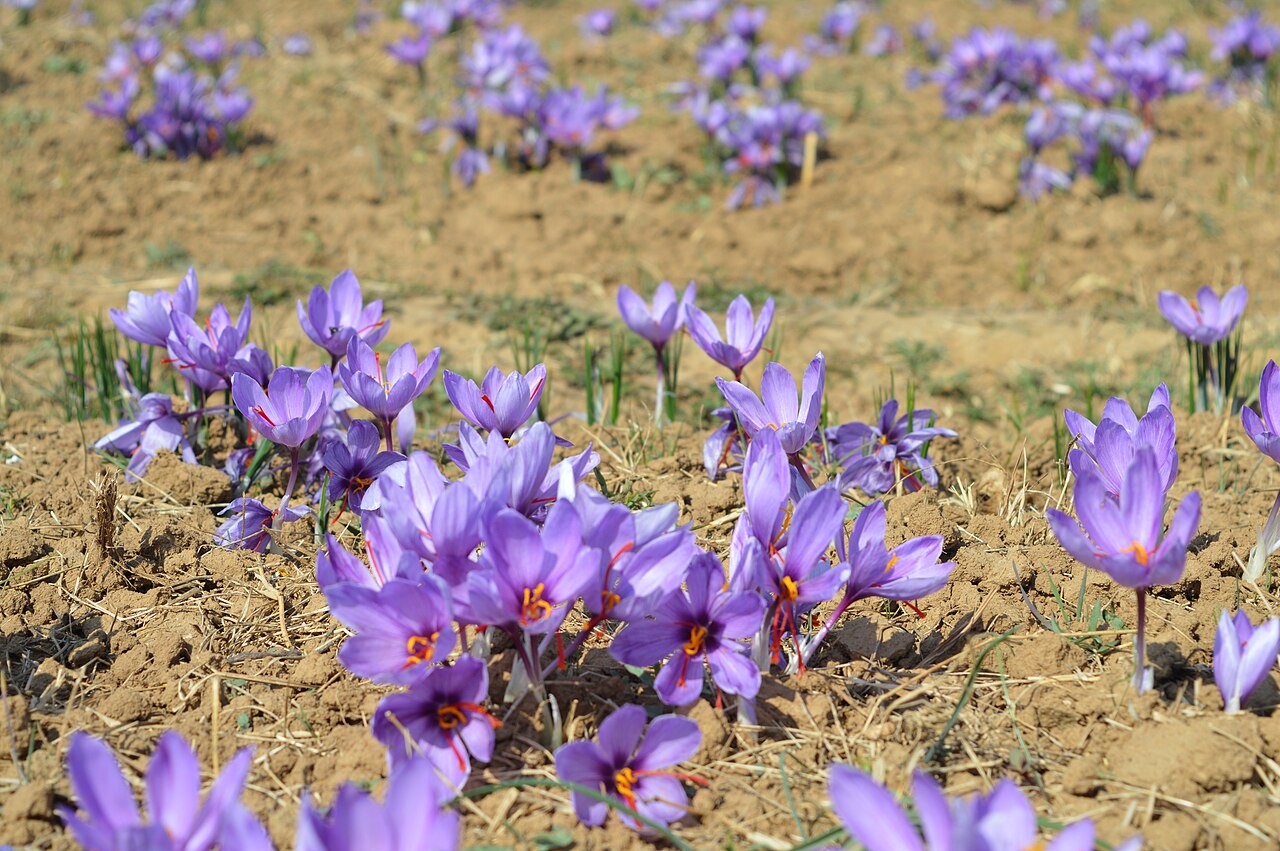
Early morning mist clearing over the violet fields just south of Srinagar.Photo: FADIND SOUL · CC BY-SA 4.0
The smell hits you long before you see the colour—a dry, earthy warmth that lingers in the October wind off the Jhelum River. Step off the highway just south of Srinagar, and the world suddenly shifts from grey asphalt to an ocean of pale violet. This is the heartland of the local spice trade, where pampore saffron fields photography turns ordinary autumn mornings into studies of light and shadow.
Most travellers make the mistake of driving past at midday when the overhead sun flattens every petal into a uniform wash of purple. If you want images that capture the texture of the soil and the bent backs of the harvesters, you need to be standing between the earthen ridges by six in the morning. Let us walk through how to shoot these fields properly without trampling the delicate crops.
Reading the Purple Landscape at Dawn
Arriving before sunrise requires a quick departure from your hotel in Srinagar, roughly twenty minutes away if you leave before the morning lorry traffic clogs the bypass. The air is sharp enough to numb your fingers, which is actually a blessing because it forces you to slow down and use a tripod. As the first rays clear the Zabarvan mountains, they rake horizontally across the low-growing crocus sativus plants, turning every dewdrop on the grass blades into a tiny prism.
When you frame your shots, keep your horizon low. The flowers sit only a few inches off the dark, loamy earth, so standard eye-level standing shots make the field look flat and empty. Kneel down right in the furrows. Align your lens parallel to the rows so they draw the viewer's eye straight toward the distant poplars standing guard at the edge of the property.
- Use a circular polariser to cut glare off the morning frost and deepen the purple tones.
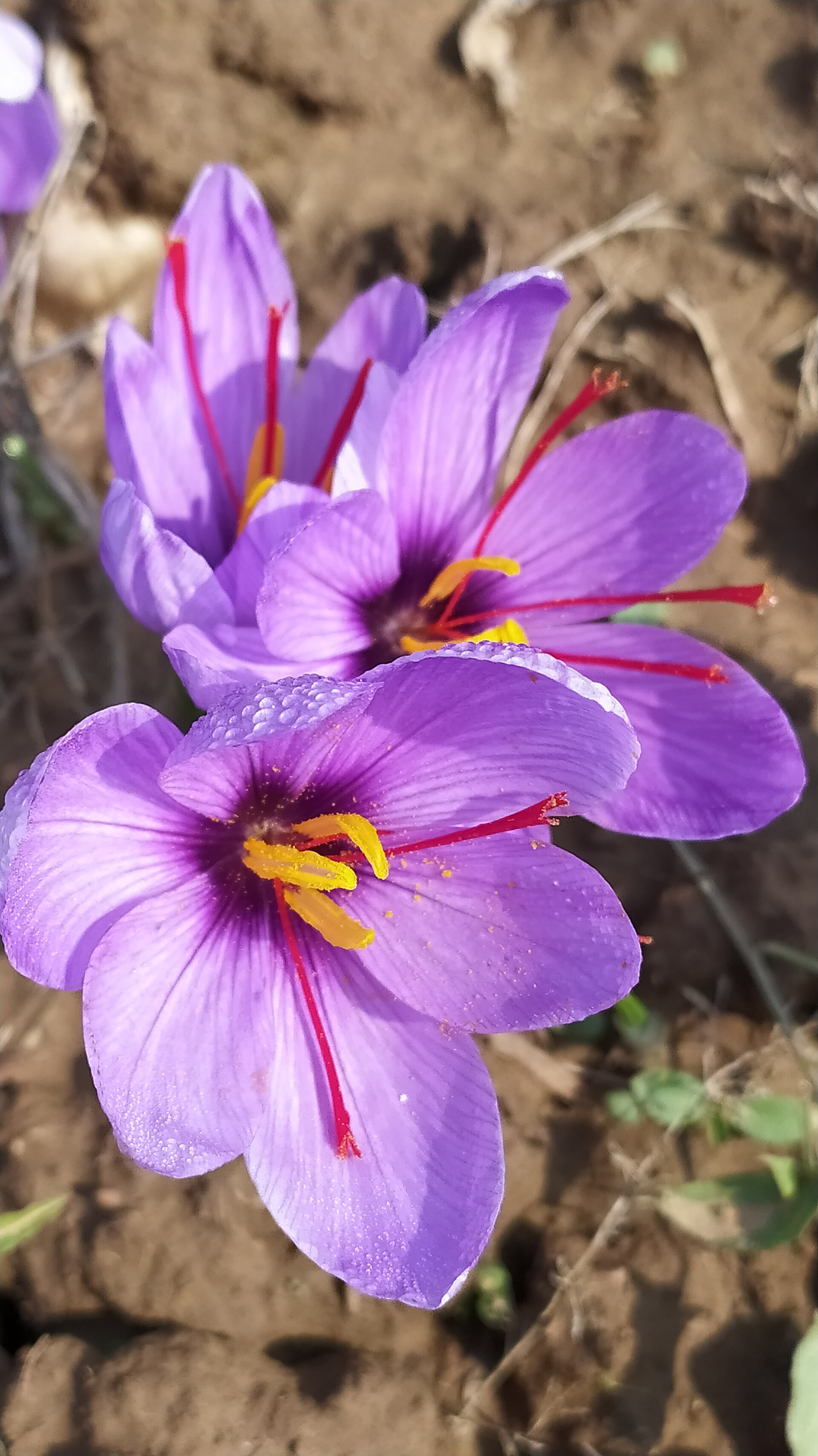
- Pack a macro lens if you want to isolate the brilliant red stigmas against the lavender petals.
- Keep your camera body inside your jacket until ready to shoot to preserve battery life in the autumn chill.
Navigating the Saffron Park Platforms
Government-run viewing spots like the Saffron Park offer elevated platforms that change your entire perspective. From ground level, you see individual flowers; from up high, you see geometric patterns carved into the Kashmir landscape photography frame. These platforms are free to access, though local officials monitor visitor numbers during peak weekends in late October to prevent overcrowding.
The best approach is to spend your first hour walking the perimeter ditches at ground level, then climb the platform around nine in the morning when the fog lifts entirely. This gives you two distinct visual styles from the exact same location. Bring a telephoto zoom lens, something in the 70-200mm range, to pick out individual clusters of workers moving through the distant corners of the acreage.
Finding Clean Backgrounds
Pampore is an active commercial hub, which means telephone wires, tin roofs, and parked tractors often creep into your frame. Use a shallow depth of field at f/2.8 or f/4 to melt these modern distractions into a soft, creamy blur. Position yourself so the barren willow trees or distant mountain ranges form your backdrop instead of the highway.
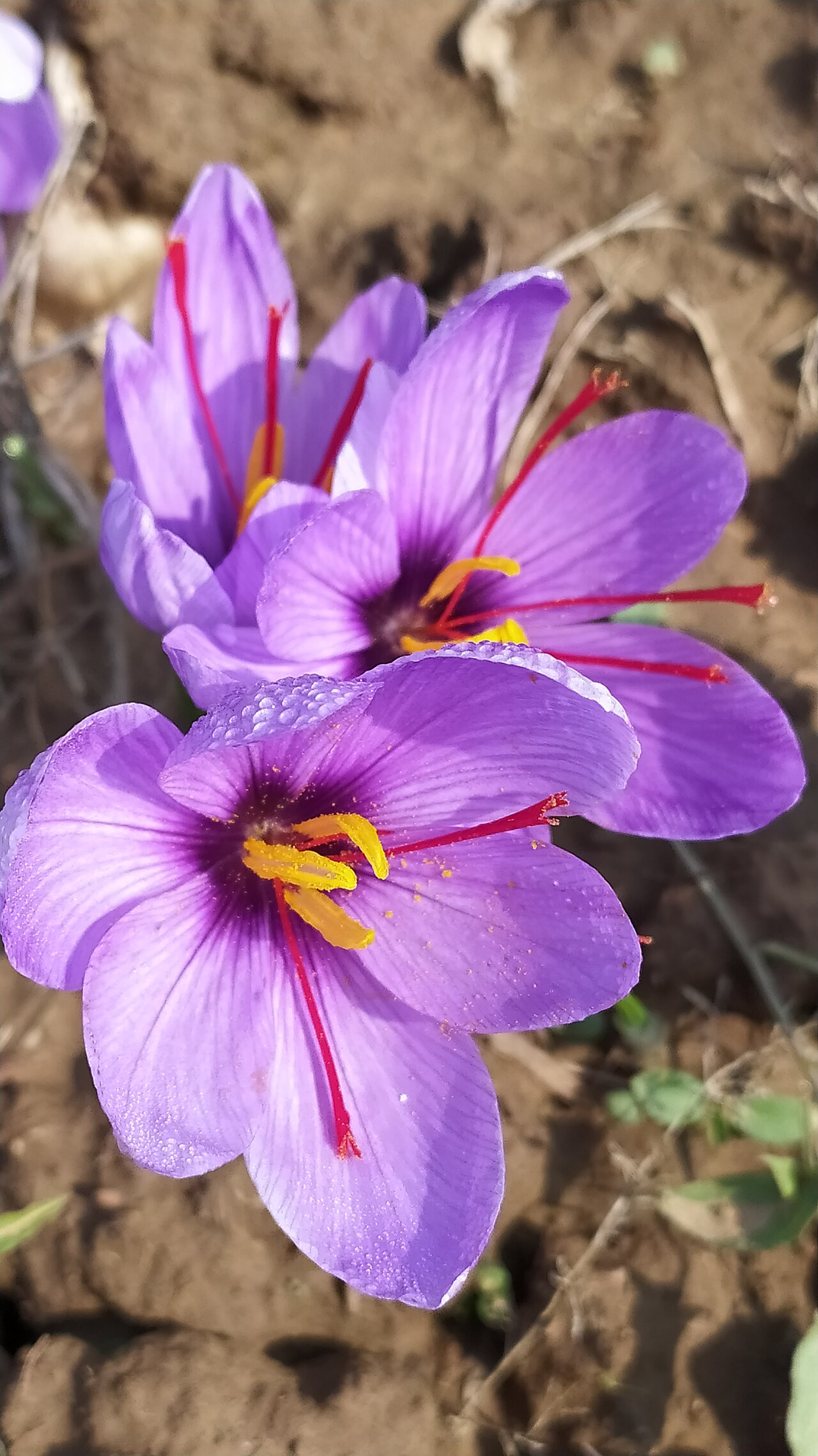
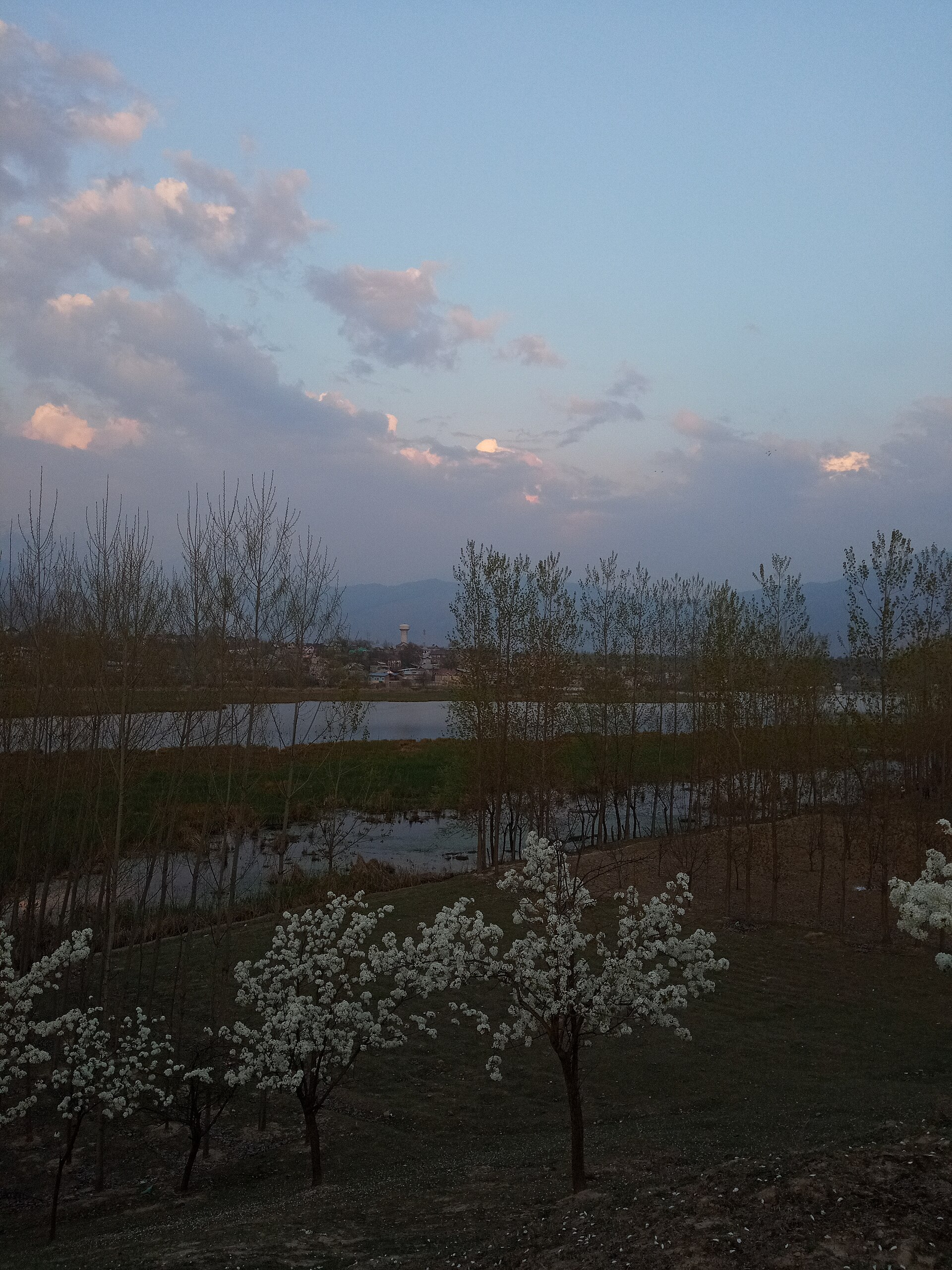
Step off the highway just south of Srinagar, and the world suddenly shifts from grey asphalt to an ocean of pale violet.
Documenting the Hand-Harvesting Process
The real story of the harvest happens in the hands of the villagers who have worked these plots for generations. Saffron cannot be gathered by machine; every single flower must be plucked by hand before the midday sun makes the petals open too wide. Approaching these workers requires respect and patience. Always ask permission before pointing a long lens at someone's face.
Watch for moments of genuine concentration. A grandmother and her granddaughter sitting on low plastic stools with woven baskets between them make for powerful storytelling images. Notice how their fingers work methodically, pinching the base of the flower to snap the stem cleanly without damaging the corm underground. Shoot at shutter speeds no slower than 1/250s even in low light to freeze the subtle motion of their hands.
Timing Your Visit for Maximum Vibrancy
Timing is everything because the bloom cycle is brutally short. The fields generally erupt into colour around the second week of October and are completely harvested by the second week of November. If you arrive during the first week of October, you will see miles of bare brown dirt interspersed with scattered green shoots. If you arrive in mid-November, you will find only withered stalks and empty furrows.
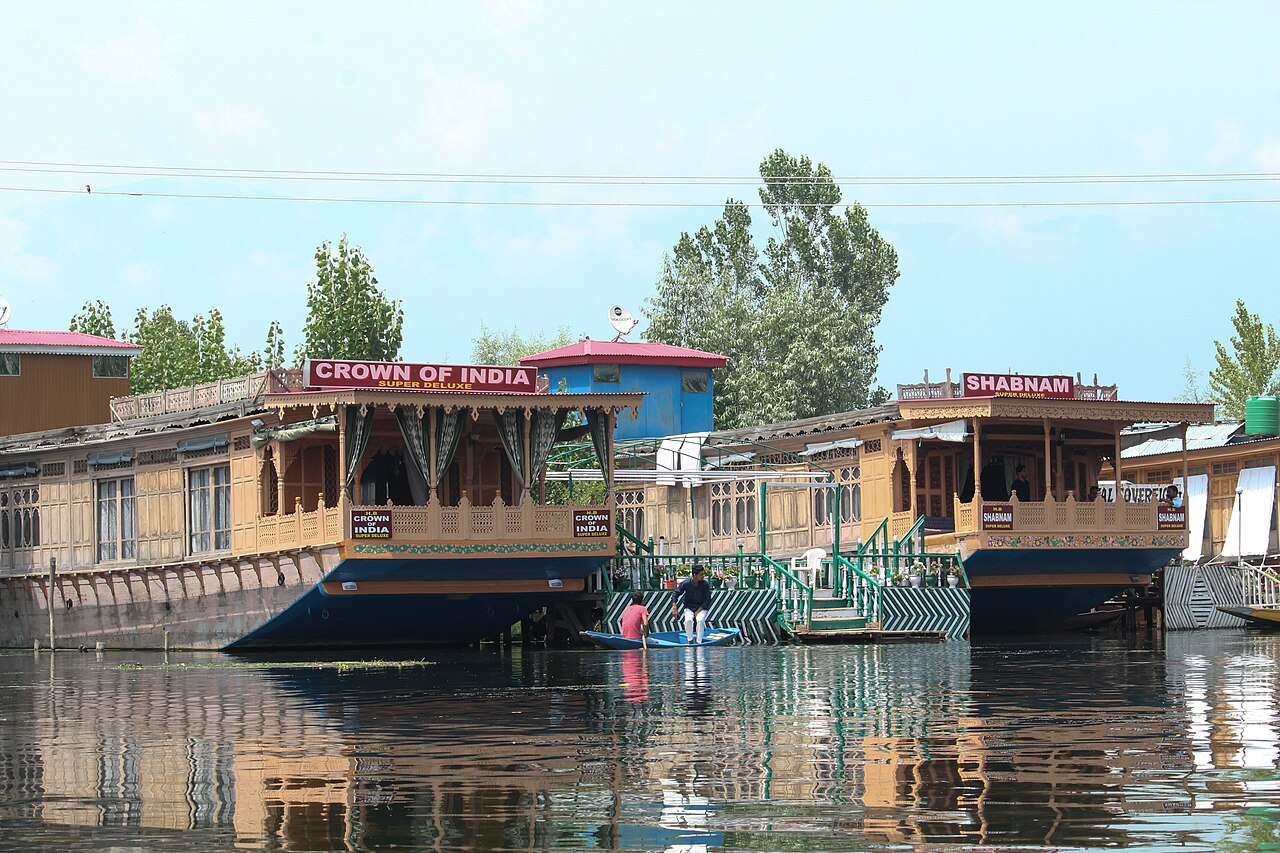
We monitor the fields weekly for our clients staying on houseboats in Srinagar. A sudden unseasonal downpour can ruin the blooms overnight, flattening the delicate petals into the mud. When this happens, farmers must harvest immediately, and the fields can go from vibrant purple to empty stubble within forty-eight hours.
Working with Changing Autumn Weather
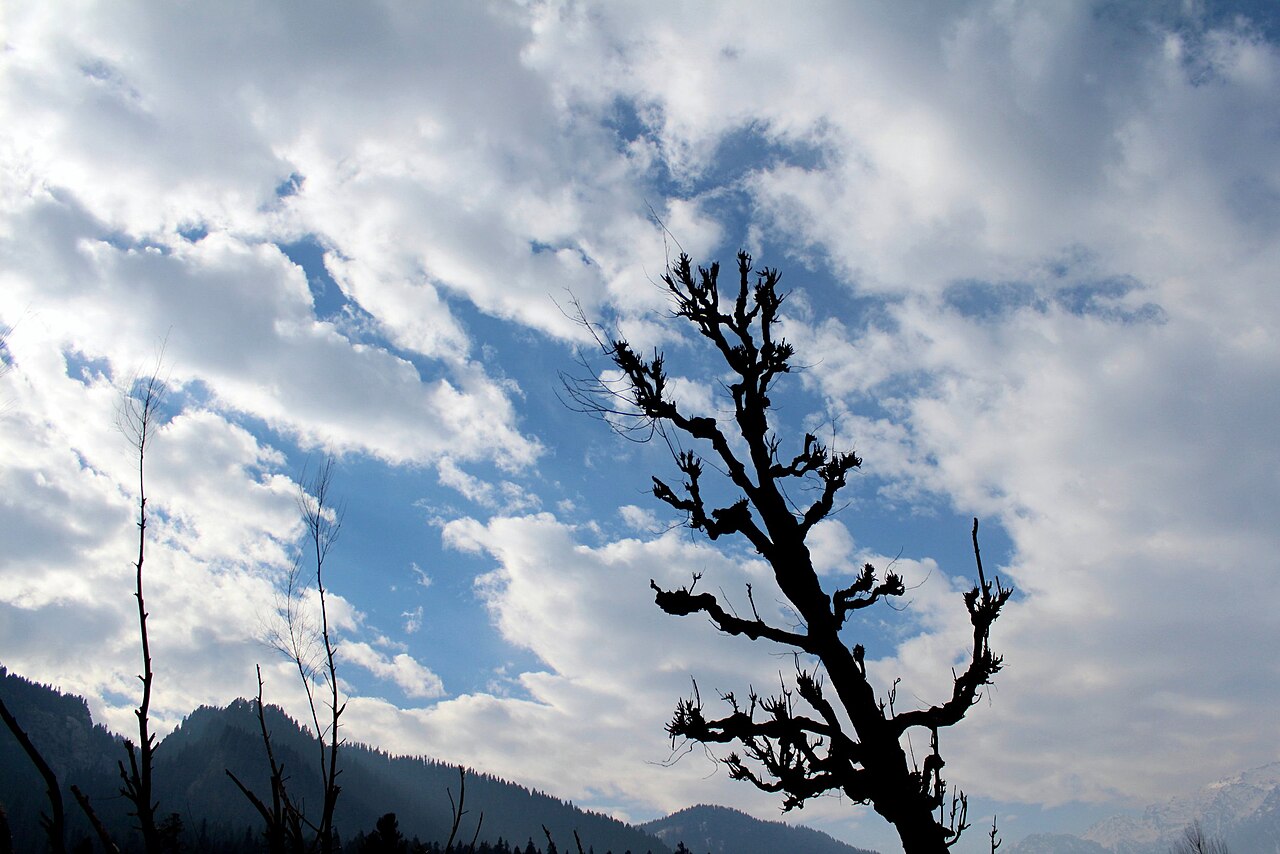
Autumn weather in the valley is notoriously fickle. You might wake up to thick valley fog that burns off by ten, or you might find a sullen, overcast sky that casts a flat grey pallor over your memory cards. Do not pack your gear away when the sun disappears. Overcast days are actually ideal for close-up macro work because the clouds act as a giant softbox, eliminating harsh shadows on the red threads.
If rain threatens, shelter under the walnut trees lining the property edges and use the wet foliage to add deep, moody saturation to your compositions. A polariser becomes mandatory here to cut the wet sheen off the leaves and bring out the true richness of the purple earth.
Extending Your Visual Journey Across the Valley
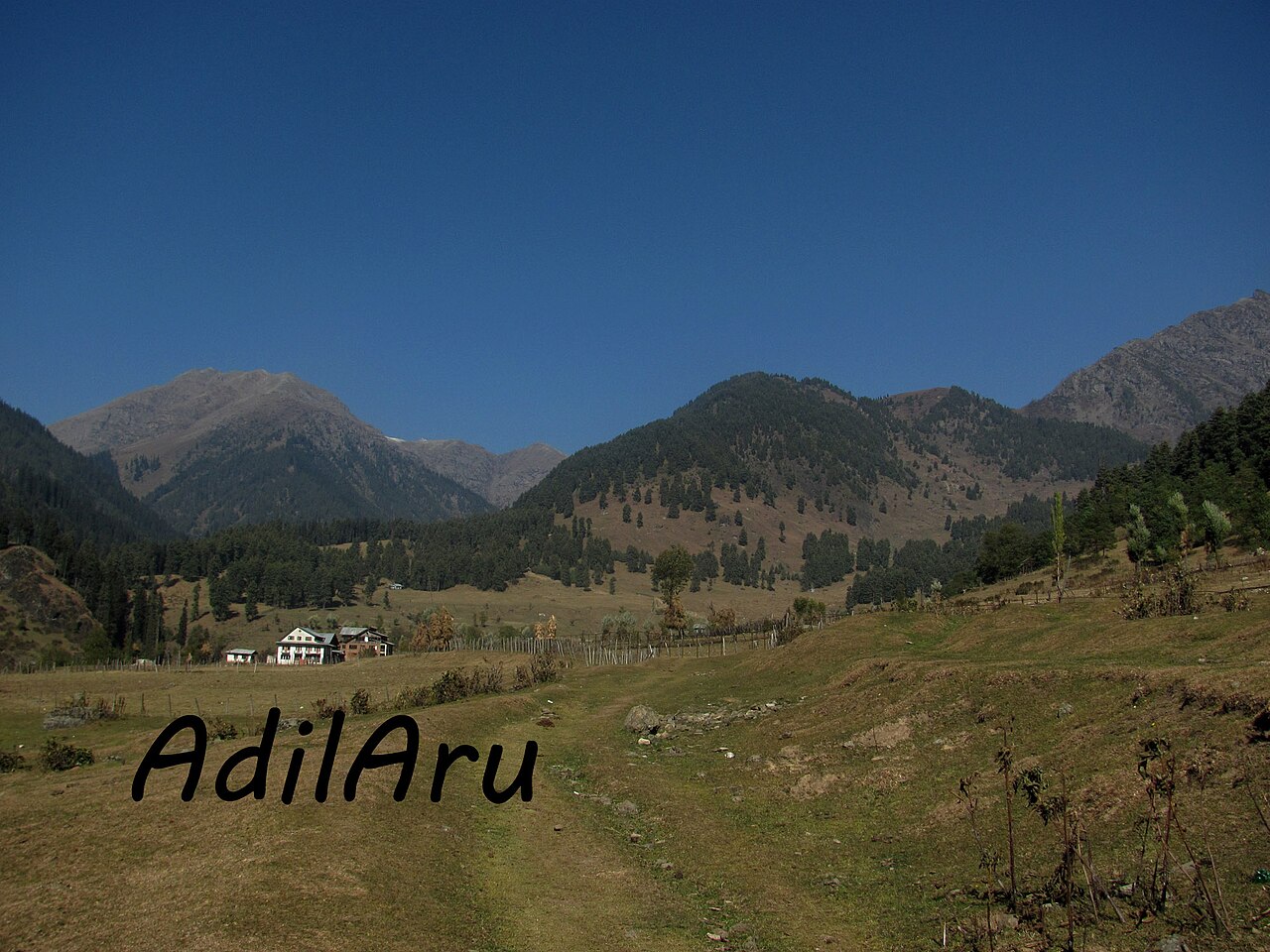
Once you have exhausted the photographic possibilities in Pampore, your camera bag still has plenty of work to do nearby. A short drive south takes you toward the rushing waters and pine-covered slopes found on a typical pahalgam itinerary, where the autumn colours shift from valley purples to fiery gold maples.
Alternatively, head back toward the water networks to capture the morning mist rising off dal lake, where wooden shikaras cut through glassy reflections before the city wakes up. Combining these locations gives your travel portfolio a complete narrative arc, moving from the farmed valley floors up to the high mountain forests.
Before you book
Capturing the spice harvest requires patience, cold fingers, and a willingness to get your knees dirty in the damp valley earth. When you treat the landscape with respect and time your arrivals right, Pampore rewards you with frames that look nothing like the standard tourist postcards.
If you want help planning your autumn photography route or arranging private transport to the best morning viewpoints, drop us a note. We are always happy to share our local timing charts with fellow travellers.
Plan Your Autumn Photo Trip
Let our local team handle the early morning logistics so you can focus entirely on your compositions.
Get in TouchCaption for your own post
Chasing the purple harvest across the valley floor. Here is how to shoot the autumn crocus blooms without disturbing the soil.
Written by
Kashmir, Jammu & Ladakh specialists
We plan and run trips across Kashmir, Jammu and Ladakh every week of the year. Everything here comes from routes we drive, stays we inspect and questions our travellers actually ask.
Written after countless chilly October sunrises spent waiting for the fog to lift off the Jhelum floodplains.
Quick answers
Questions we get asked
What is the exact season for photographing the saffron fields in Pampore?
The peak photography window runs from roughly October 10 to November 5. Flowers bloom rapidly after autumn rains, so checking local conditions before you drive down from Srinagar is essential.
Do I need a special permit to take photographs in the Pampore fields?
No special permit is required to photograph from public paths or government viewing platforms. However, private farm plots require the owner's verbal permission before you step inside.
What camera lenses work best for saffron field photography?
A standard 24-70mm zoom handles wide landscapes and platform shots, while a 70-200mm telephoto lets you compress the background mountains and isolate distant workers safely.
How far is Pampore from Srinagar for a sunrise photography trip?
Pampore is located about 15 kilometres south of Srinagar. A taxi ride from Dal Lake takes roughly twenty minutes if you leave before the morning commute traffic begins.
Can I buy genuine saffron directly from the photographers or farmers?
Yes, many farming families sell their harvest on-site. Ensure you buy sealed, ISI-certified packets if you want guaranteed purity, as roadside loose saffron can occasionally be adulterated.
Photography credits
- Photo: FADIND SOUL · CC BY-SA 4.0
- Photo: Humeyra Basheer · CC0
- Photo: Umarsami · CC BY-SA 4.0
- Photo: Yasir Yousuf Ahanger · CC BY-SA 4.0
- Photo: AdilAru · CC BY-SA 3.0
- Photo: Dashrathgoyal85 · CC BY-SA 4.0
- Photo: Gayatri Priyadarshini · CC BY-SA 4.0