Practical Advice for Staying Near Thiksey Monastery
Planning to base your Ladakh trip near Thiksey? Here is the honest breakdown of monastery guesthouses, village homestays, and why you should consider staying outside Leh.
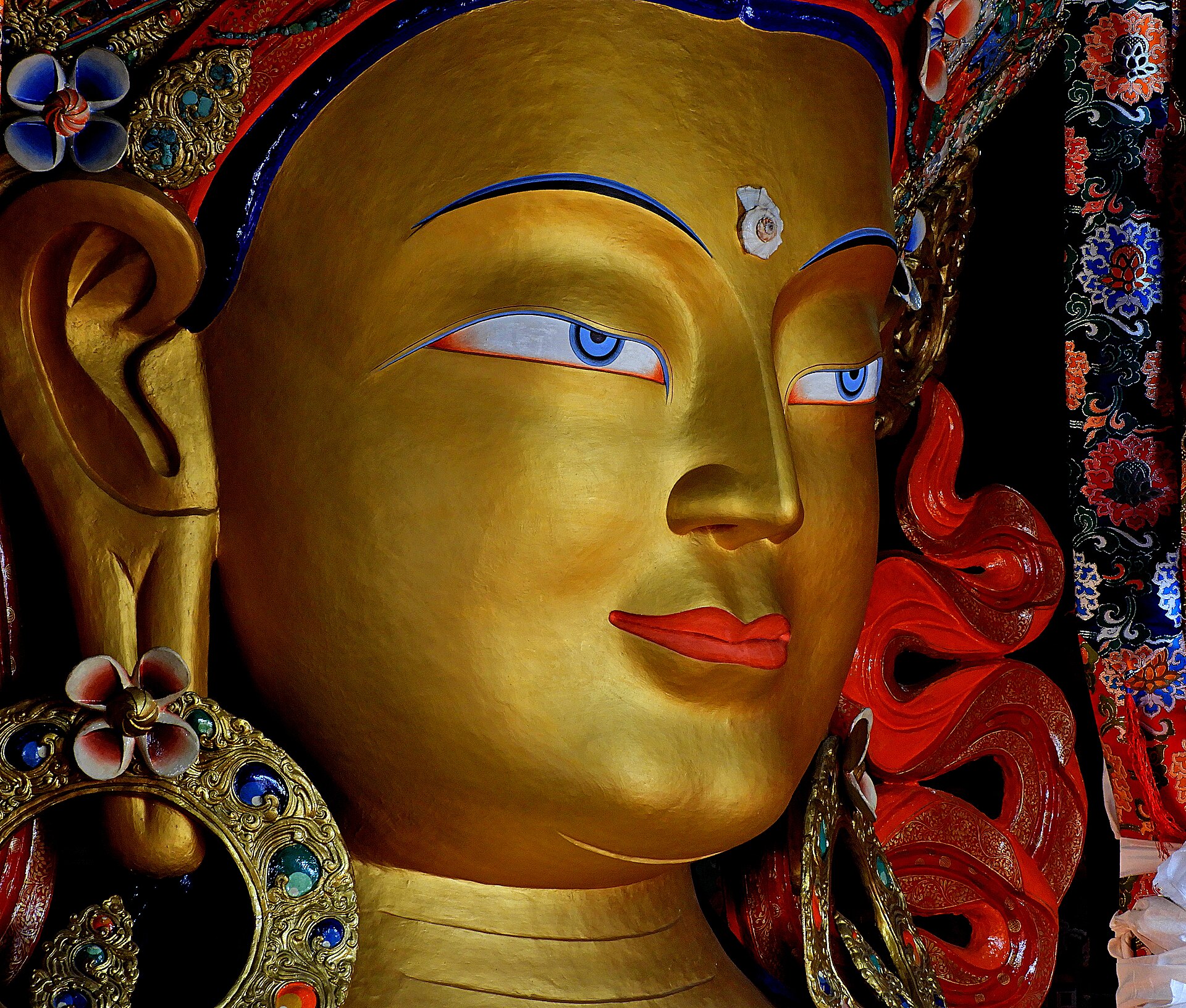
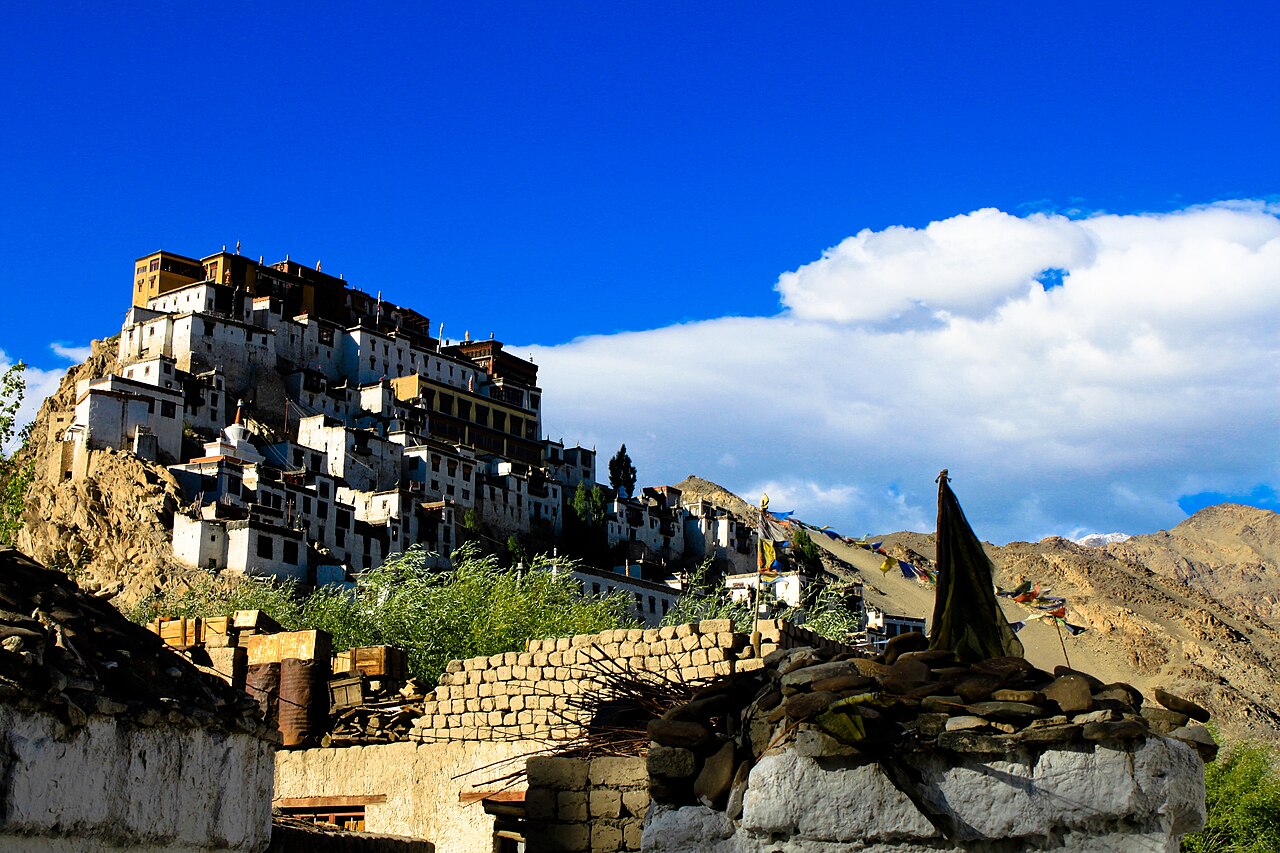
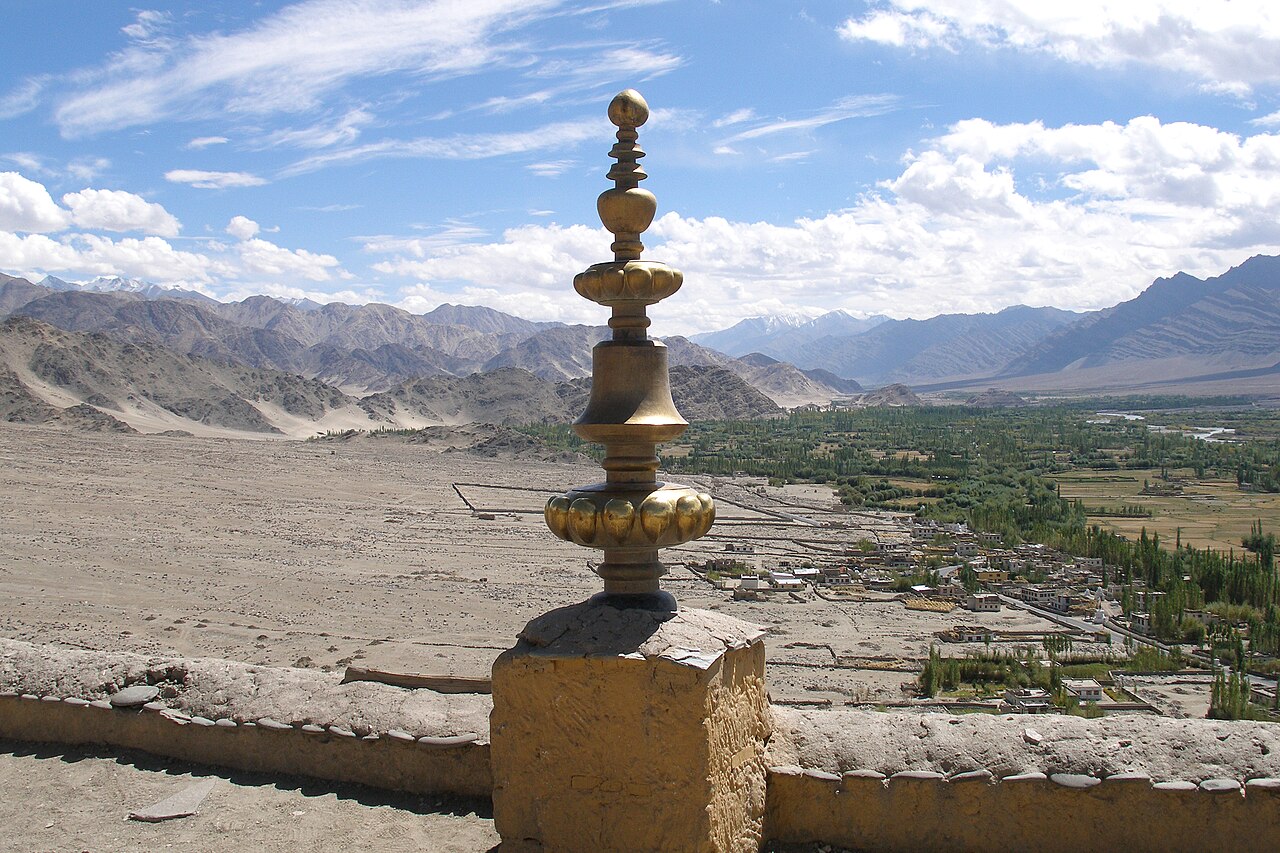
The first light of day hits the monastery walls.Photo: Sumita Roy Dutta · CC BY-SA 4.0
The first time I stood on the roof of the Thiksey complex, watching the morning light hit the Indus Valley, I knew Leh’s main bazaar would be too loud for my next visit.
Leh is the logical hub for most, but Thiksey offers a stillness that is hard to find elsewhere. Many travellers look for the chance to wake up to the sound of monks chanting rather than the hum of taxi engines.
Staying near Thiksey monastery requires adjusting your expectations. This isn't a five-star resort experience; it is about slow mornings, cold water, and proximity to one of Ladakh’s most significant landmarks. If you are comfortable with simple living, this is the best way to see the region.
The Reality of Monastery Stays
Can you actually sleep inside the monastery walls? Occasionally, yes, but it is rarely a formal booking process. Most 'monastery stays' refer to the guesthouses owned or managed by the monastic administration located just down the slope from the main complex.
Expect extreme simplicity. You will likely have a clean, sparse room with a shared bathroom. Do not go in expecting room service or high-speed Wi-Fi. The power in this part of the valley can be fickle, especially during the shoulder seasons of May or October. The trade-off is the atmosphere; walking up to the prayer hall for the 6:00 AM morning prayers before the tour buses arrive from Leh is worth every bit of inconvenience.
What to Pack for Your Stay
Bring a high-quality sleeping bag even if linens are provided, as temperatures drop rapidly once the sun hides behind the mountains. You will also want a headlamp for midnight walks, as the village paths are unlit.
Why Choose a Guesthouse in Thiksey Village
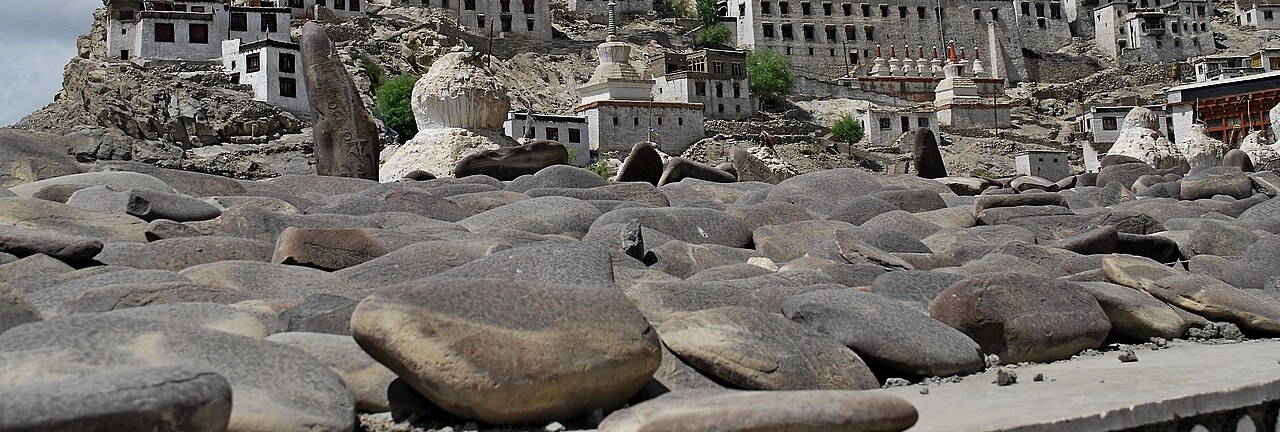
Thiksey village sits at a gentler altitude than some of the more remote outposts, which helps with acclimatisation. Choosing a local homestay here supports the village directly. Unlike staying inside the monastery, these homes offer a glimpse into the agricultural life of the valley.
You will eat what the family eats—usually barley, potatoes, and fresh rotis. Breakfast is served early. Staying here means you are well-positioned to visit other sites like Hemis Monastery without fighting the traffic leaving Leh every single morning.
Top-Rated Stays Near the Monastery
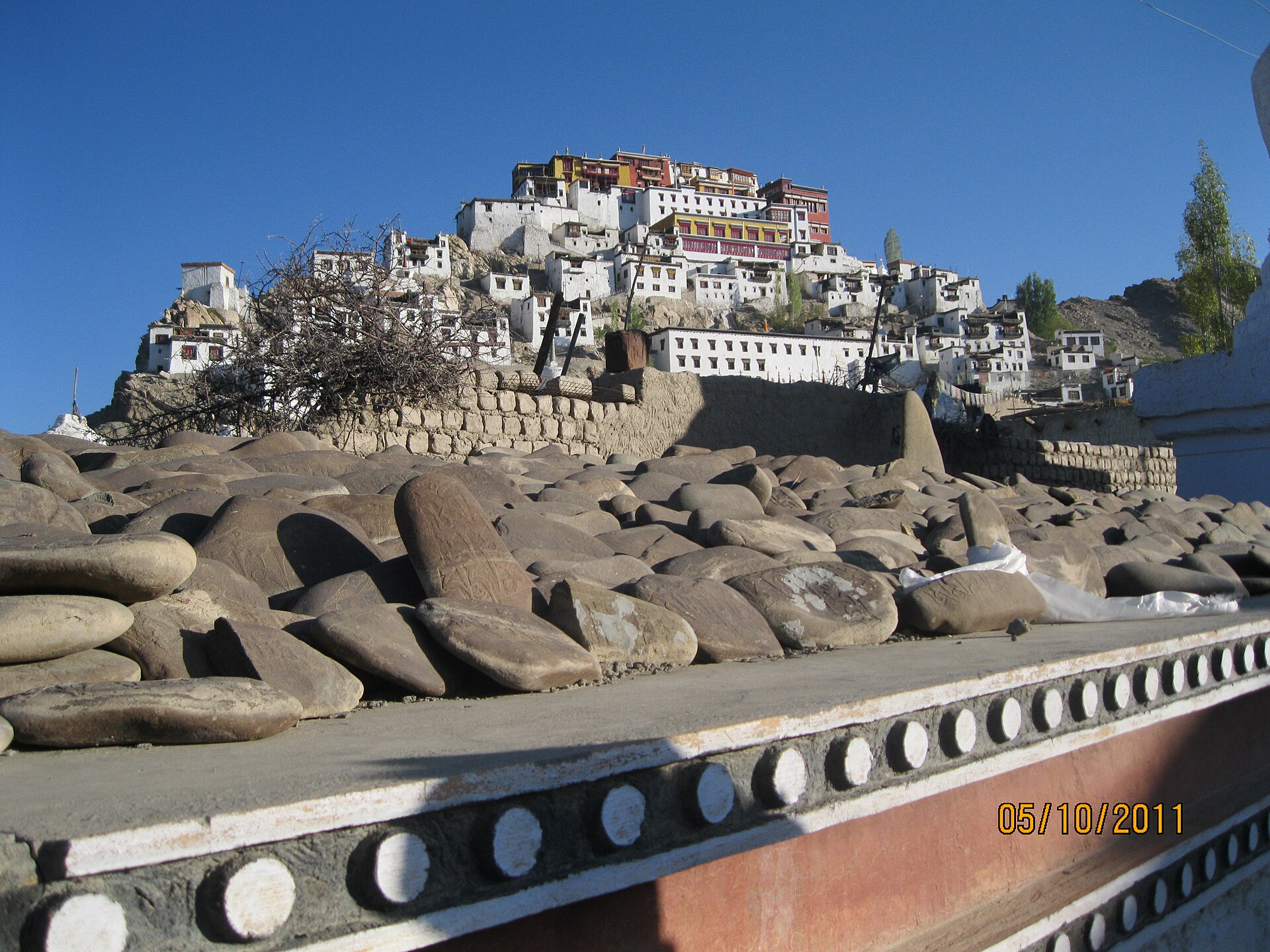
There are a few reliable spots within a ten-minute walk of the monastery gate. Look for locally run guesthouses that focus on eco-friendly practices. While we don't list specific names to avoid outdated info, prioritize places that clearly advertise solar water heating.
Check the distance to the main road. If you are without your own vehicle, being closer to the road makes life significantly easier for catching local buses or shared taxis into Leh.

Benefits of Staying Outside Leh City
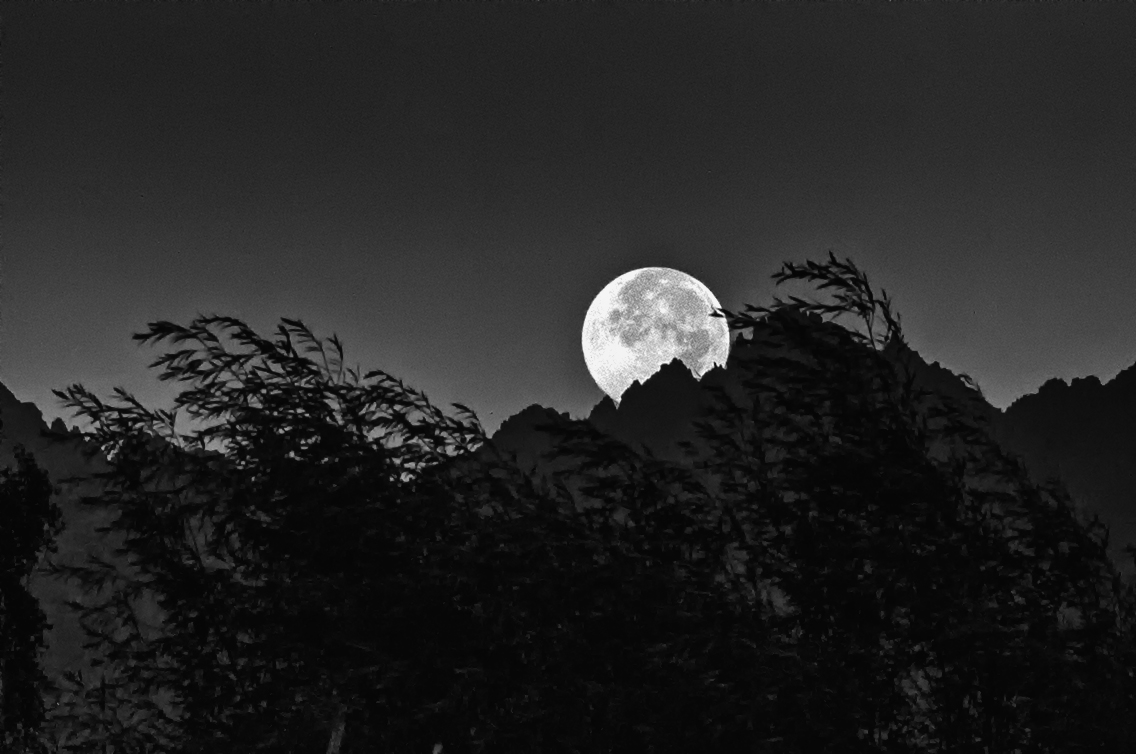
Leh has grown rapidly. If you are here to hike or photograph, the city can feel frantic. Thiksey offers a buffer. You get to see the valley wake up properly. When you stay in the village, the stars at night are crisp and clear because you are away from the urban light pollution.
You also gain an extra hour of sleep since you don't have to drive 45 minutes from Leh to catch the sunrise rituals. If you have any interest in exploring Magnetic Hill or nearby valleys, having a base closer to the outskirts simplifies your day trips considerably.
Booking Tips for Your Ladakh Accommodation
Booking online for remote guesthouses is often a guessing game. Many do not have functional websites. The most effective way to secure a spot is to contact us or reach out via phone at least three weeks before arrival.
Always carry hard currency. ATMs in this part of Ladakh are unreliable at best. If you are travelling during the peak July and August window, confirm your booking twice. Local hosts are reliable, but simple miscommunications regarding dates can happen in the remote valley environments.
Before you book
Deciding to stay near Thiksey Monastery changes the rhythm of your entire trip. You stop chasing sites and start noticing the smaller details of the landscape, the way the wind moves through the prayer flags, and the quiet pace of village life.
If you need help coordinating a stay that fits your comfort level, please reach out. We can help you navigate the booking process and ensure you have reliable transport to get you there safely.
Need help with your Ladakh itinerary?
We know the best local guesthouses near Thiksey. Drop us a message, and we will handle the logistics so you can focus on the view.
Contact Our TeamWritten by
Kashmir, Jammu & Ladakh specialists
We plan and run trips across Kashmir, Jammu and Ladakh every week of the year. Everything here comes from routes we drive, stays we inspect and questions our travellers actually ask.
Quick answers
Questions we get asked
Can I stay inside the actual prayer complex at Thiksey?
Generally, no. Official monastery guest accommodation is located in buildings adjacent to the complex, not within the meditation halls themselves. This preserves the sanctity of the religious site.
Is it better to stay in Leh or Thiksey?
If you prefer peace, sunrise photography, and proximity to nature, stay in Thiksey. If you require proximity to cafes, hospitals, and tour agencies, Leh is a much safer bet for most travellers.
Are there restaurants in Thiksey?
There are a few small dhabas and local eateries. However, most guesthouses provide half-board or full-board meals, which is recommended as dining options are very limited after dark.
How do I get to Thiksey from Leh airport?
The easiest way is to hire a pre-booked taxi. It is a roughly 45-minute drive. Public buses do run, but they are infrequent and crowded with luggage.
Is internet available in Thiksey?
Mobile data is hit-or-miss. Don't rely on it for anything important. Most guesthouses do not provide Wi-Fi, so consider it a forced digital detox.
Photography credits
- Photo: Sumita Roy Dutta · CC BY-SA 4.0
- Photo: Adrija ray · CC BY-SA 4.0
- Photo: Raulsail · CC BY-SA 3.0
- Photo: Drashokk · CC BY-SA 4.0
- Photo: Kiran Jonnalagadda from Bangalore, India · CC BY-SA 2.0
- Photo: Christopher Michel · CC BY 2.0
- Photo: Vyacheslav Argenberg · CC BY 4.0