The Best Time to Visit Thiksey Monastery
Understanding the Ladakh seasons and their effect on your temple visit
A guide to the seasonal rhythms of Thiksey Monastery, helping you choose the right time for your visit based on weather and experience.
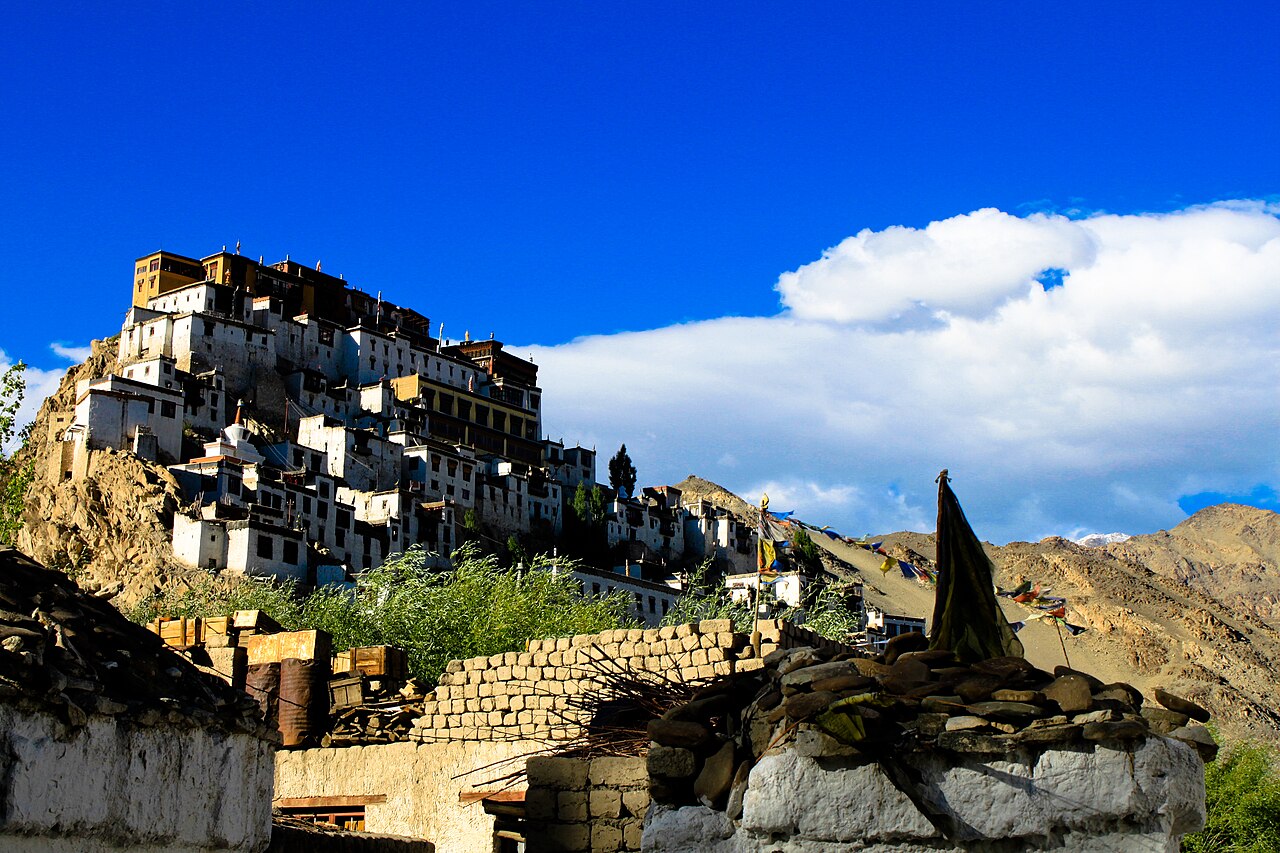
Thiksey Monastery stands as a landmark against the high-altitude Ladakh sky.Photo: Bernard Gagnon Canon EOS REBEL T4i · CC BY-SA 4.0
I recall a morning at Thiksey in late May where the light hit the whitewashed walls so sharply that the entire monastery seemed to glow against the deep, bruised blue of the sky. It is a structure that dominates the ridge, a place where the air always feels thin and still. Knowing the best time to visit thiksey monastery is essential because the experience changes completely with the shifting seasons.
In the heat of summer, the monastery is a vibrant centre of activity, with monks and travellers sharing the courtyards. In the depths of winter, it turns into an ice-bound fortress where you might be the only person on the path. Your choice depends entirely on whether you prefer the comfort of mild weather or the raw, quiet intensity of a high-altitude winter.
Weather Patterns in the Leh Valley
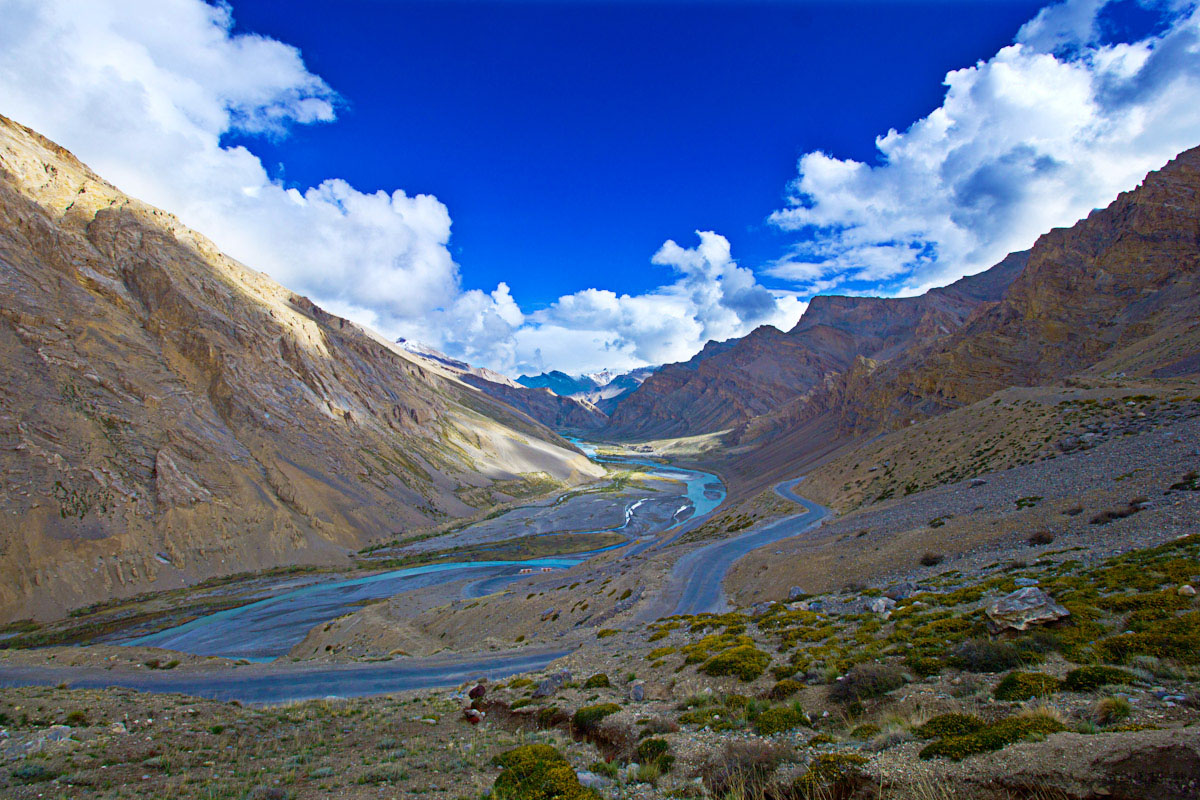
The Leh valley sits in a rain shadow, meaning it does not experience the traditional monsoon seen elsewhere in India. Instead, you have long, harsh winters and short, intense summers. Thiksey, located a short drive from Leh, follows this pattern strictly.
Summer begins in late May and runs through August. The days are warm, often reaching 25 degrees Celsius, while the nights remain cool. This is the period when most of the monastery's daily rituals are open to visitors without the hindrance of snow. However, the intensity of the sun at this altitude is deceptive; you need proper protection even if it feels pleasant.
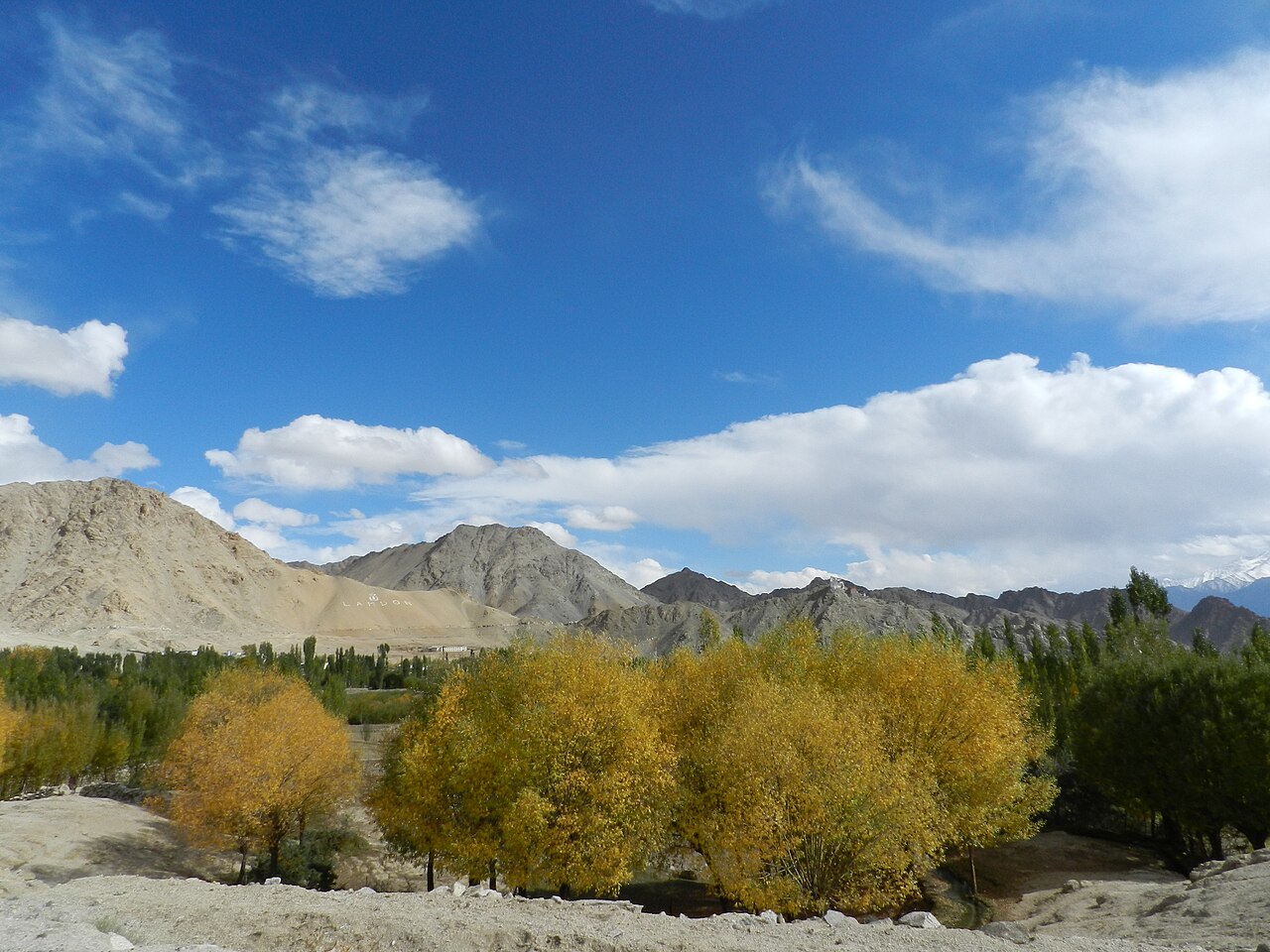
By September, the air turns crisp. The trees in the valley begin to change colour, and the temperature drops rapidly as the sun dips behind the peaks. This is arguably the most comfortable time for walking around the monastery complex.
Visiting During the Summer Peak
June, July, and August are the months when the valley is at its most active. You will find that the monastery is accessible, and the roads from Leh are free of snow. If you are interested in the cultural life of the monks, summer is the time to visit.
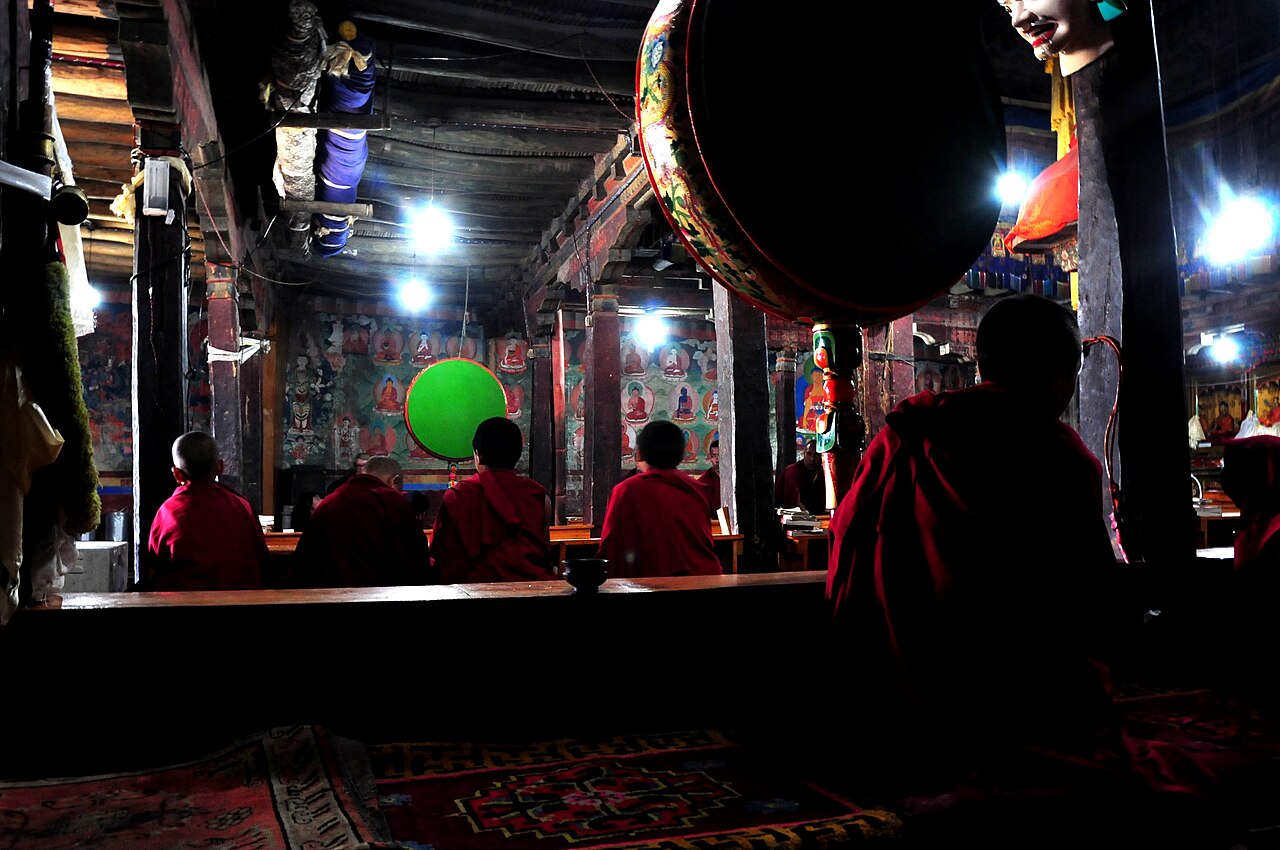
This is when most local festivals take place. If your visit aligns with the Gustor festival, you will see masked dances and ceremonies that have been performed here for centuries. Be aware, however, that the monastery can get busy. If you want to avoid the crowds, we always suggest arriving early in the morning—by 7:00 AM—to witness the morning prayers. The sound of the chants echoing off the inner walls is a singular experience.
Because the summer is the primary tourist season, all facilities in nearby Leh are fully operational. You will have no trouble finding transport to and from the monastery at any time of day.
The Charm of Shoulder Season Travel
If you visit in late September or early October, you catch the monastery in its most contemplative state. The summer tourists have largely left, and the weather is still reliable enough that you don't have to worry about sudden road closures.
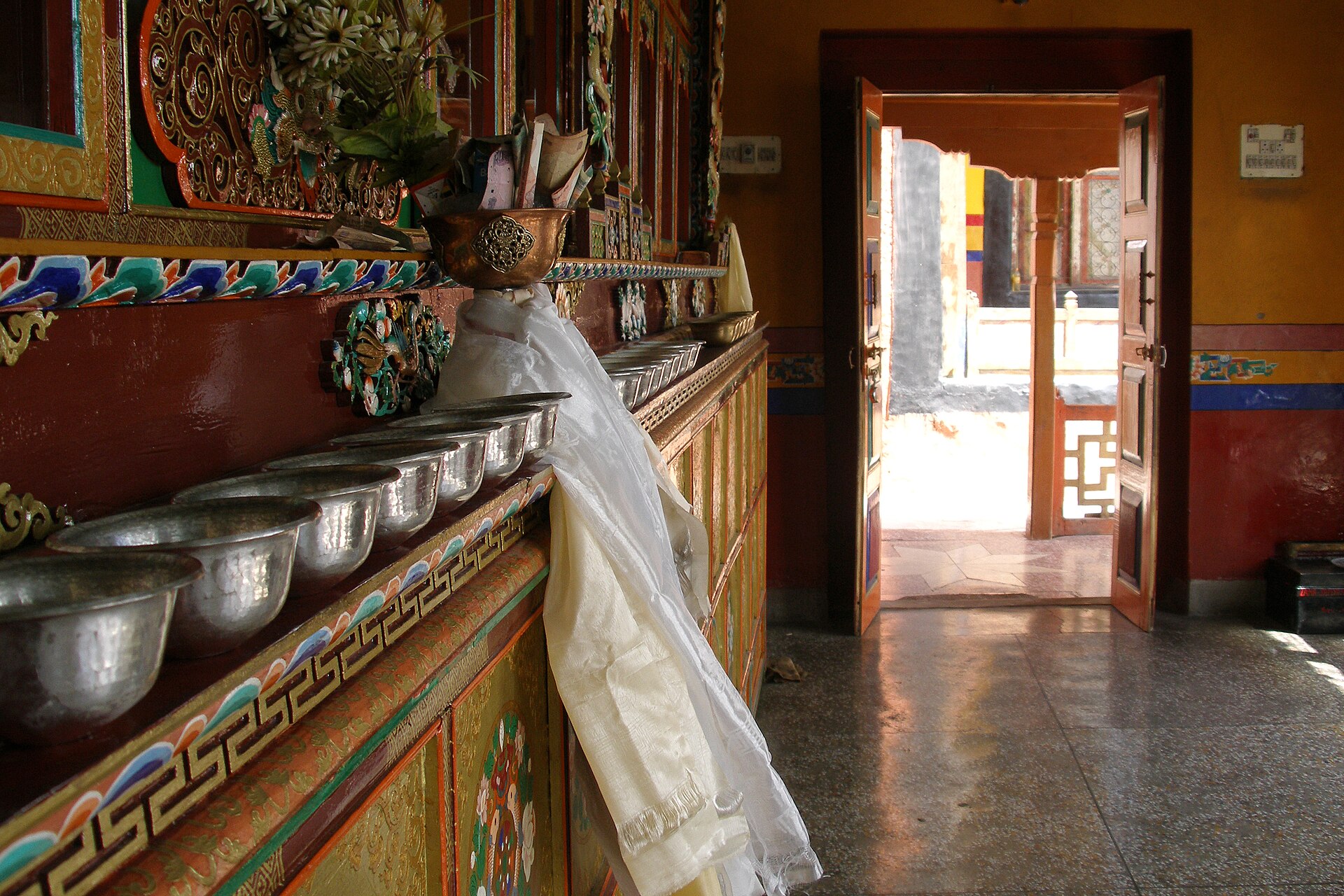
The light in October is particularly suited for photography. The sun is lower, creating longer shadows and a warmer, golden hue across the traditional architecture. It is a quiet time to sit on the terraces and look out over the Indus Valley. You can often find monks sitting in the courtyard, and you might even find that you have the library or the prayer halls entirely to yourself for an hour or two.
Why Winter Offers a Quieter Experience
Winter travel is not for the faint of heart. From November to March, the Leh valley faces sub-zero temperatures, often dropping well below -15 degrees Celsius at night. The monastery remains open, but the infrastructure is minimal.
You will be visiting a place that is essentially frozen in time. The paths are slippery, the air is biting, and the facilities in the valley are extremely limited. Why would you come? Because of the silence. In winter, the monastery becomes a place of deep, almost heavy, stillness. You see the monks going about their duties in the cold, and you get a real sense of the resilience required to maintain these spaces throughout the year. It is a raw, stripping-back of the tourist veneer.
How Weather Affects Monastery Access
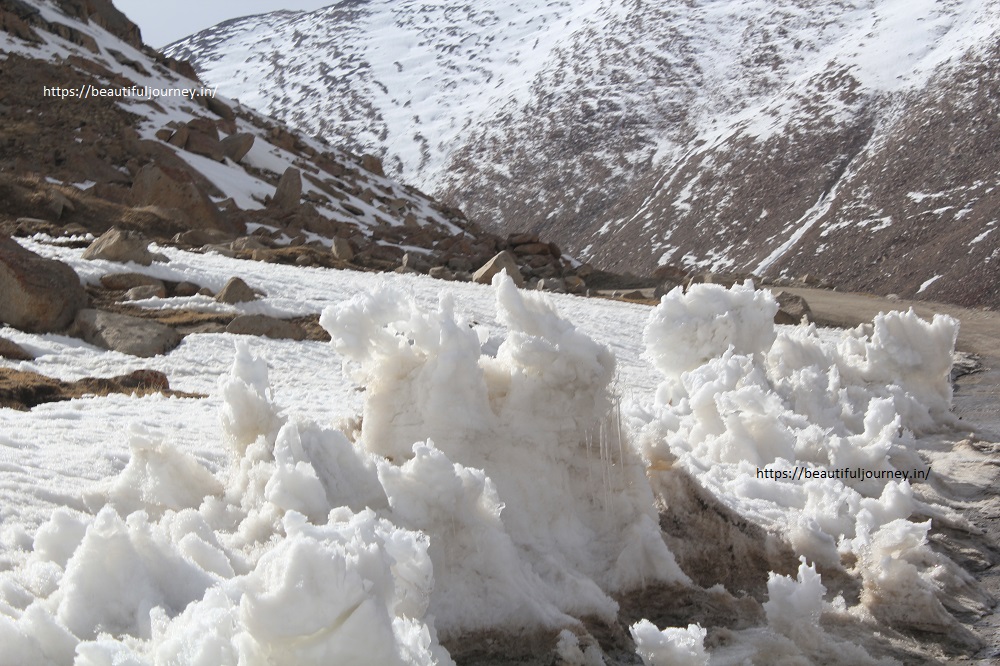
Access is rarely a major issue for Thiksey itself, as it is well-connected to the main road near Leh. Unlike the high-altitude passes such as Khardung La, which can be shut down by a single snowstorm, the path to Thiksey is maintained throughout the winter.
However, your ability to get there depends on your own tolerance for the cold. If you are travelling in winter, ensure your clothing is suited for arctic conditions. Most of the guesthouses in the area close down, so you will likely be based in a heated hotel in Leh and will need to arrange for a private vehicle to drop you at the base of the monastery hill.
Before you book
The beauty of Thiksey lies in its ability to reflect the mood of the season. Whether it is the vibrant energy of a summer festival or the biting, quiet peace of a winter dawn, the monastery remains a cornerstone of the Ladakh experience.
If you are planning your visit and want to know which month aligns best with your travel style, contact us at Skywale Packages. We help travellers find the perfect rhythm for their Ladakh journey.
Planning a Trip to the Monasteries?
We can help you time your visit to capture the best of Ladakh's festivals and weather. Reach out for a custom itinerary.
Talk to UsWritten by
Kashmir, Jammu & Ladakh specialists
We plan and run trips across Kashmir, Jammu and Ladakh every week of the year. Everything here comes from routes we drive, stays we inspect and questions our travellers actually ask.
Quick answers
Questions we get asked
Is Thiksey Monastery open all year?
Yes, the monastery is open year-round. While the main tourist season is summer, the gates remain accessible even during the winter months, though with fewer facilities available.
What is the best time of day to visit?
We recommend arriving early in the morning, around 7:00 AM, to listen to the monks chanting during their daily prayers. It is the most atmospheric time to visit.
Are there festivals held at Thiksey?
Yes, the Thiksey Gustor festival is a major cultural event featuring traditional masked dances. It usually falls in the autumn months; checking the lunar calendar is necessary.
Is it cold at the monastery in summer?
During the day, it is mild and pleasant, but at this altitude, temperatures drop significantly once the sun goes down or if you are in the shade. Always carry layers.
Do I need a special permit to visit?
No special permit is needed to visit Thiksey Monastery, as it is well within the accessible parts of the Leh valley. Just carry your standard government-issued ID.
Photography credits
- Photo: Bernard Gagnon Canon EOS REBEL T4i · CC BY-SA 4.0
- Photo: Vyacheslav Argenberg · CC BY 4.0
- Photo: YUVRAJ ANAND · CC BY-SA 4.0
- Photo: Raulsail · CC BY-SA 3.0
- Photo: Ashish2403 · CC BY-SA 3.0
- Photo: httpsC://Beautifuljourney.in · CC BY-SA 3.0
- Photo: Josep M. Gracia · CC BY-SA 4.0