7-Day Ladakh Spiritual Itinerary: Heritage and Peace
A carefully paced route through the high-altitude valleys, focusing on quiet gompas, ancient murals, and slow acclimatisation.
Follow this comprehensive ladakh monastery tour itinerary designed for travellers seeking quiet heritage, deep history, and genuine connection with local monastic communities.
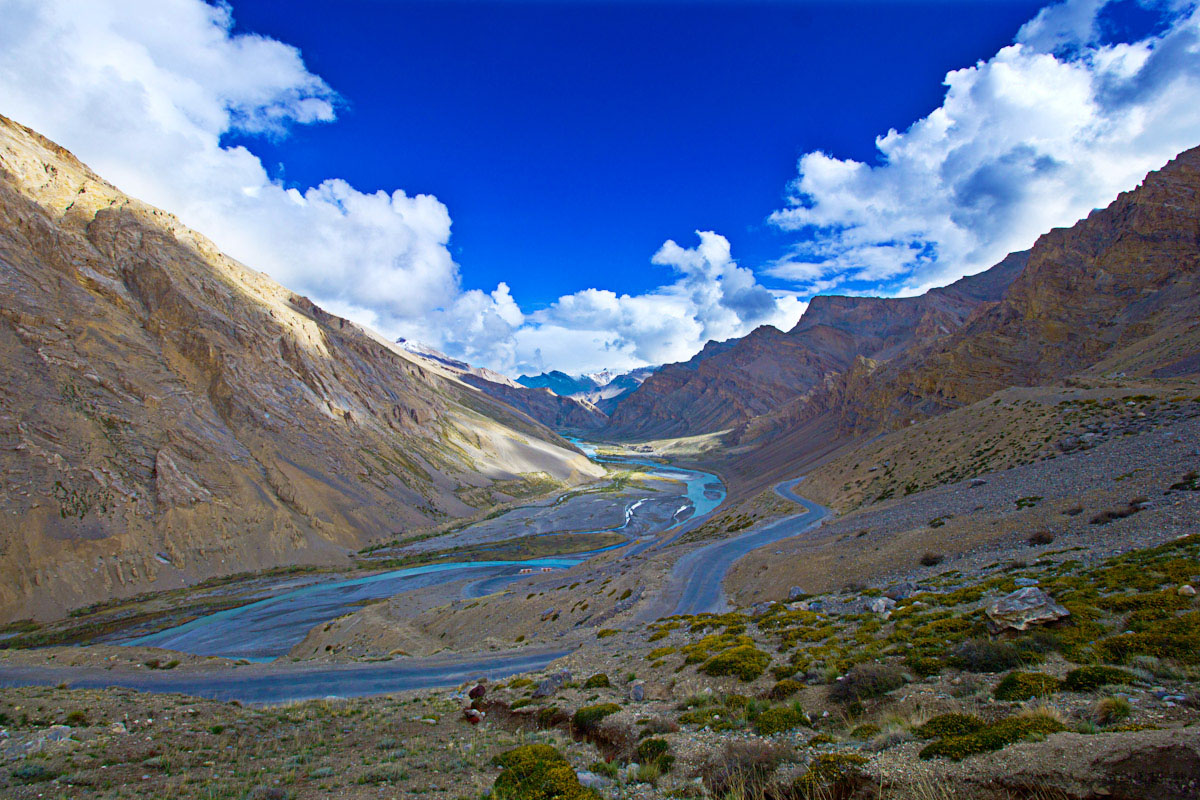
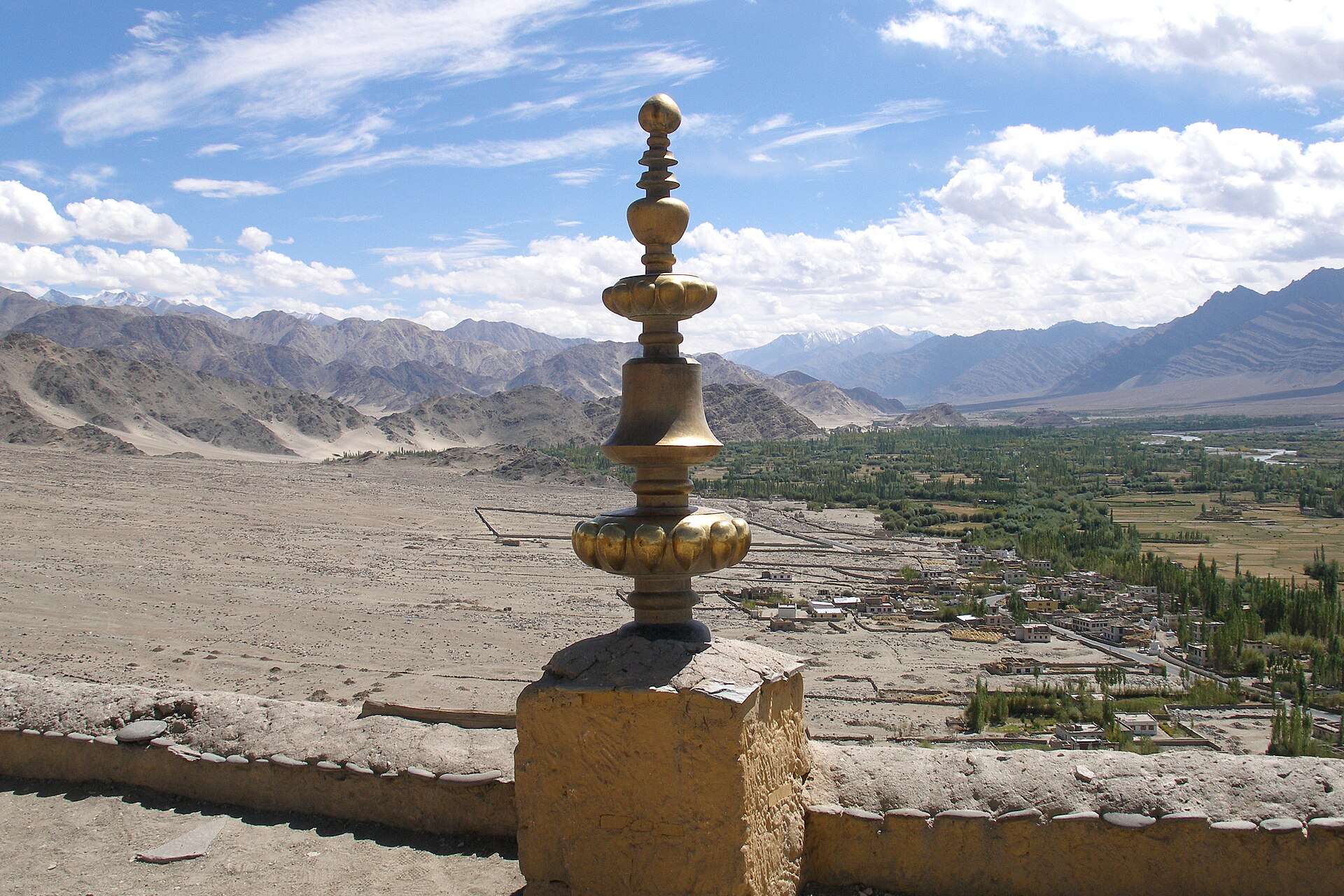
The stark, beautiful landscapes framing Leh town from above.Photo: Bernard Gagnon Canon EOS REBEL T4i · CC BY-SA 4.0
Flying into Leh is a sensory shock that no photograph can adequately prepare you for. As the aircraft banks sharply between jagged brown ridges before touching down on the high-altitude tarmac, the dry mountain air instantly reminds your lungs that you have arrived at 11,500 feet. Rushing into sightseeing on day one is the quickest way to end up with a pounding headache and a ruined holiday. That is why any meaningful spiritual journey through Ladakh must begin with absolute stillness.
Over the years, we have refined this seven-day route for travellers who want more than just a quick selfie outside a gate. This ladakh monastery tour itinerary is built around the rhythm of the Indus Valley, giving you time to sit in ancient prayer halls, watch butter lamps flicker in the dark, and converse with monks who have spent decades studying Buddhist philosophy. We balance historical depth with sensible pacing so your body can adapt to the thin air.
From the towering fortress-like walls of Thiksey to the dramatic lunar landscapes of Lamayuru, every stop on this route uncovers a different facet of Himalayan heritage. Pack a warm fleece, slip on comfortable walking shoes, and let us walk through a week designed to restore your equilibrium.
Day 1 and 2: Slow Acclimatisation and Leh Heritage
Your first two days are entirely non-negotiable: rest. When you step out of your taxi at your hotel in Leh, walk slowly. Drink plenty of warm water and avoid heavy meals. Spend the first afternoon sitting in your courtyard, letting your red blood cells adjust to the drop in atmospheric pressure. By the second day, when your head feels clear, you can take gentle walks through the old town lanes beneath the Leh Palace.
Wander past mud-brick houses with intricately carved wooden window frames, stopping at local teahouses to sip sweet milk tea or salty butter tea. Visit the Shanti Stupa in the late afternoon for a sweeping view across the entire valley as the sun dips behind the Stok Kangri range. This gentle introduction sets the baseline of mindfulness required for the rest of the week.
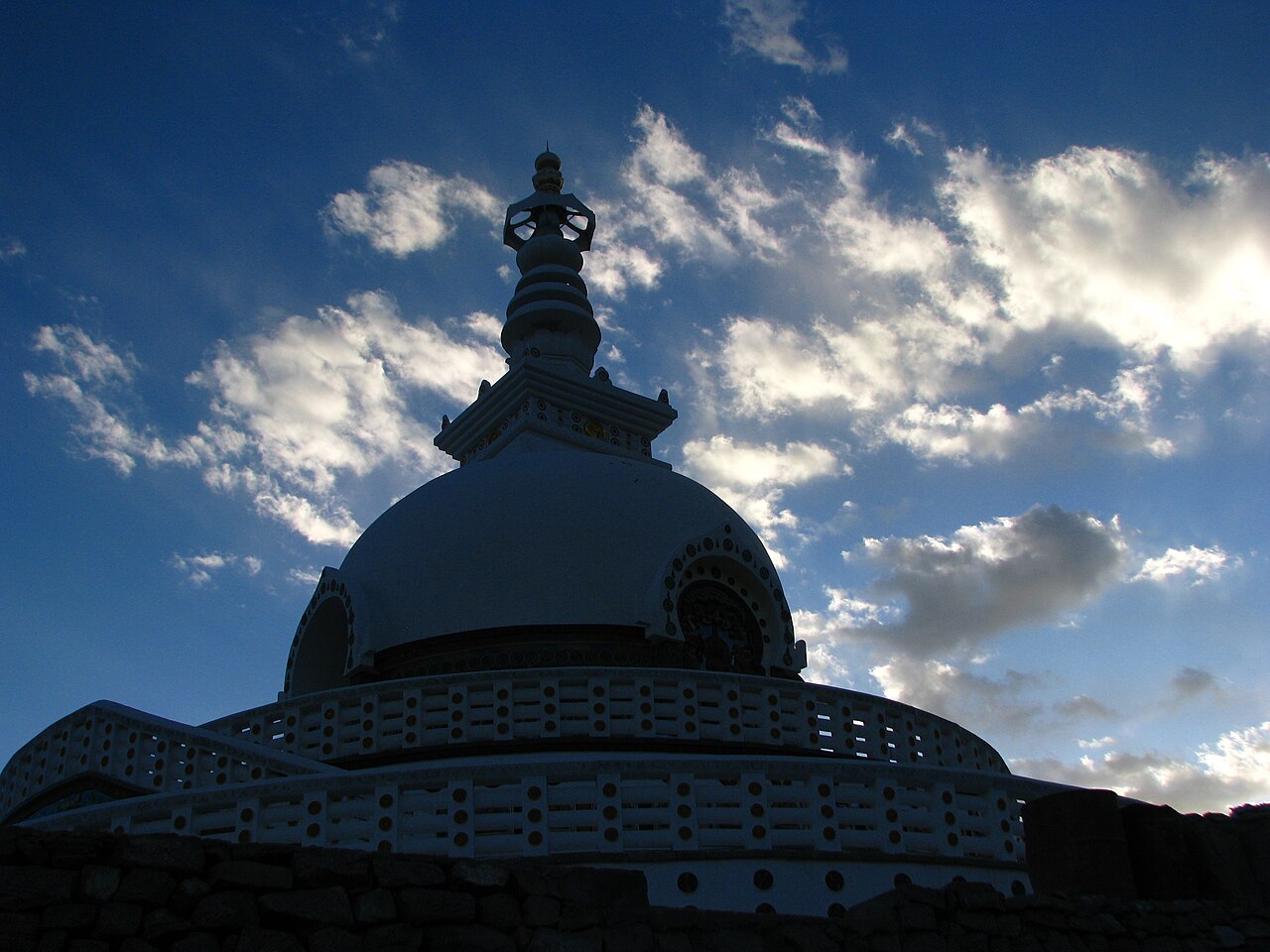
Day 3: Exploring the Indus Valley Monasteries
On your third morning, your body should be ready for its first proper road journey down the Indus Valley. Head first to Shey Palace and Monastery, once the summer residence of the kings of Ladakh. The massive copper-gilt Buddha statue inside, spanning three stories, is striking in its quiet dignity. Afterward, drive a short distance to Stok Palace museum to view royal heirlooms, turquoise-studded headdresses (peraks), and ancient thangkas.
In the afternoon, visit Spituk Monastery, perched dramatically on a conical hill overlooking the Indus riverbed. Spituk offers an incredible collection of ancient masks, antique weapons, and a dedicated chamber housing fierce protective deities. The panoramic views of planes landing at the nearby Kushok Bakula Rimpochee airport provide a fascinating juxtaposition of ancient spirituality and modern engineering.
Flying into Leh is a sensory shock that no photograph can adequately prepare you for.
Day 4: Deep Dive into Thiksey Architecture
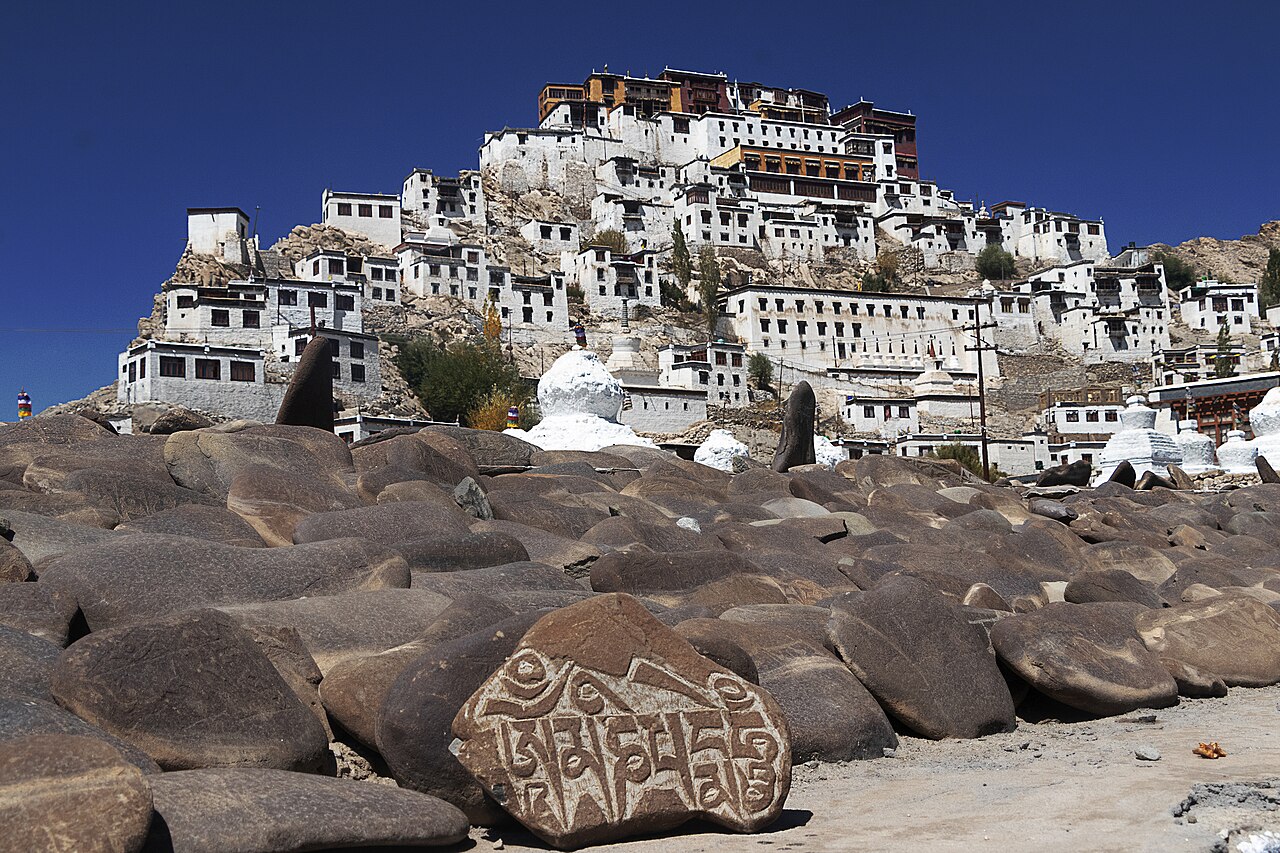
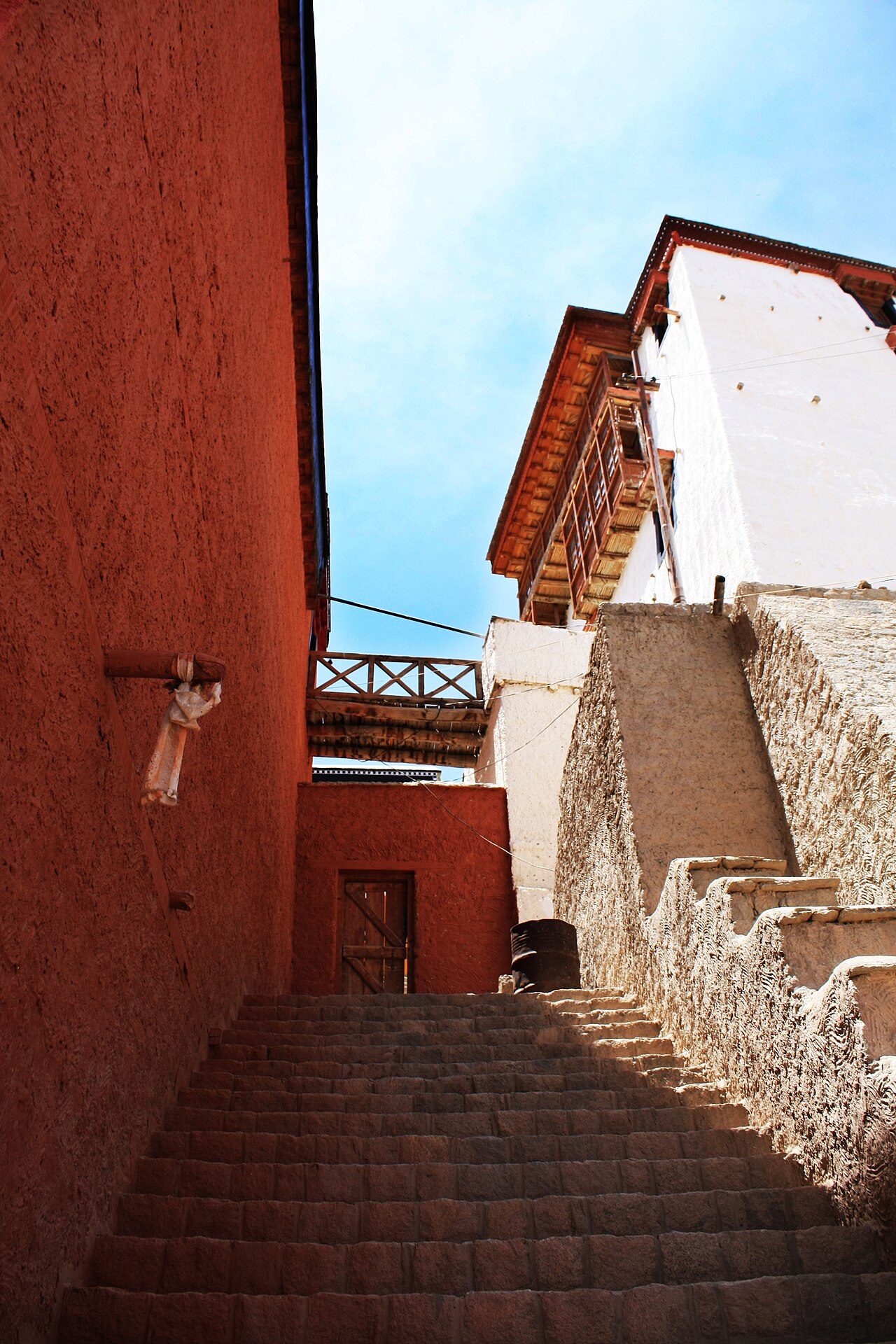
Dedicate your fourth day entirely to Thiksey Monastery, arriving early enough to catch the morning prayer ceremony. Watching the resident monks file into the main dukhang as the first rays of sunlight strike the valley floor is an experience that stays with you for years. Spend hours exploring the multiple levels of the complex, from the lower nunnery prayer rooms up to the rooftop shrine overlooking the green fields of the valley.
Take time to examine the incredible library rooms, where centuries-old manuscripts wrapped in silk cloth sit inside carved wooden pigeonholes. In the afternoon, walk down into the surrounding village fields, following irrigation channels fed by glacial runoff, and observe how daily agricultural life continues in the shadow of the great gompa.
Day 5: The History and Treasures of Hemis
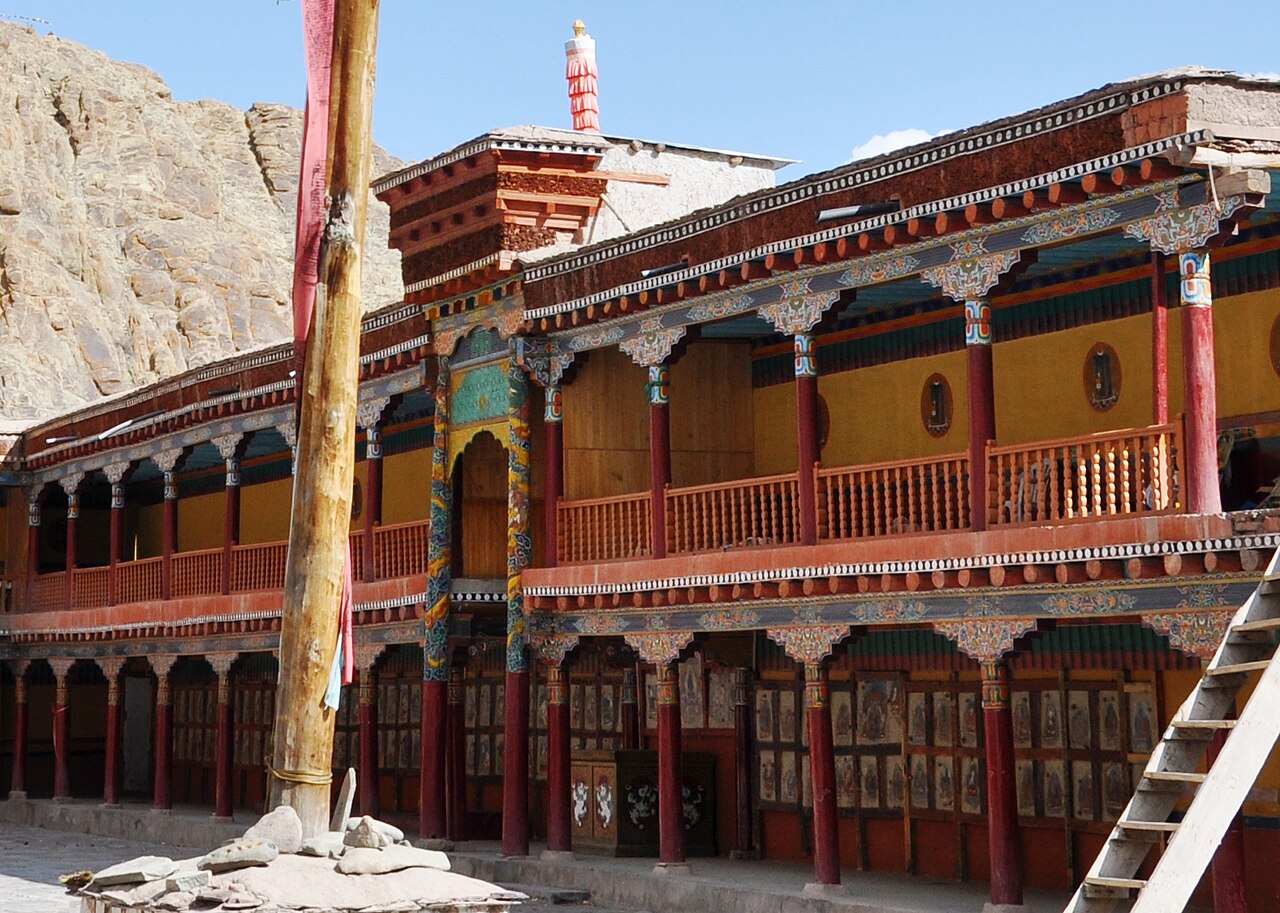
Travel further up a side valley on day five to reach Hemis Monastery, the wealthiest and largest monastic institution in Ladakh. Tucked into a secluded gorge, Hemis is famous for its annual summer festival, but visiting on a quiet afternoon reveals its true meditative atmosphere. The cavernous main assembly hall is hung with priceless thangkas depicting various manifestations of the Buddha.
The onsite museum houses an extraordinary collection of ritual objects, silver stupas, ancient garments, and sacred artifacts collected over centuries of royal patronage. On your drive back toward Leh, take a slight detour to pass by Magnetic Hill, marvelling at the optical illusion of vehicles appearing to roll uphill on their own.
Day 6: Lamayuru and Regional Heritage
Set out early on day six for a longer drive westward along the Srinagar-Leh highway toward Lamayuru, passing through dramatic landscapes carved by ancient glacial lakes. The monastery here clings precariously to surreal, eroded clay pillars that local legends claim were once the bottom of a vast inland sea. Lamayuru is one of the oldest monasteries in the region, traditionally associated with the legendary scholar Naropa.
Explore the dim, smoke-darkened prayer rooms where ancient statues of fierce deities stand surrounded by flickering butter lamps. The silence here is profound, broken only by the whistling wind rushing through the canyon gorges. On your return drive to Leh, stop briefly at Alchi Monastery to admire its unique eleventh-century mud-brick shrines and remarkable Kashmiri-influenced wall paintings.

Day 7: Reflections and Departure from Leh
Your final morning in Ladakh should be kept quiet and reflective. Use the time to pick up a few provisions from the main bazaar in Leh, such as dried apricots, local walnuts, or blocks of organic yak cheese, to take back home. Sit down with your travel journal over a final cup of cardamom tea to process the sights and sounds of the past week.
As your taxi whisks you back to Kushok Bakula Rimpochee airport for your return flight, look out the window at the endless rows of brown peaks. You leave with a deeper appreciation of how mountain communities sustain their spiritual heritage against harsh elements and changing times.
Before you book
A journey through Ladakh is ultimately an exercise in recalibrating your relationship with time and space. Moving slowly through these ancient valleys allows the profound calm of the gompas to sink deep into your daily consciousness.
If you would like assistance tailoring this seven-day route to your specific travel dates or comfort preferences, our local team in Srinagar and Leh is always here to help you build an honest, well-paced adventure.
Ready to Plan Your Ladakh Trip?
Let our experienced local planners handle the logistics while you focus on the journey.
Request Custom ItineraryCaption for your own post
Finding stillness in the Indus Valley. A week of ancient gompas, prayer wheels, and high-altitude air. #LadakhTravel #SpiritualJourney #Leh
Written by
Kashmir, Jammu & Ladakh specialists
We plan and run trips across Kashmir, Jammu and Ladakh every week of the year. Everything here comes from routes we drive, stays we inspect and questions our travellers actually ask.
Designed by Tsetan Dorjey, senior route planner at Skywale Packages, drawing on fifteen years of guiding overland trips in Ladakh.
Quick answers
Questions we get asked
Is this 7-day itinerary suitable for families with children?
Yes, provided you pad the schedule with extra rest stops. Children can struggle with high altitude, so keeping days one and two entirely free of strenuous walking is essential.
What is the best time of year to follow this spiritual itinerary?
June through September offers the most stable road conditions, warm daytime temperatures, and accessible mountain passes for travelling between Leh, Hemis, and Lamayuru.
Do I need special permits to visit these monasteries?
Most standard Indus Valley monasteries like Thiksey, Hemis, and Lamayuru do not require inner line permits for Indian citizens or most foreign tourists, though certain border regions do.
How should I dress when visiting Ladakh monasteries?
Wear modest clothing that covers your shoulders and knees out of respect for local religious customs, and always remove your shoes before entering any prayer hall.
Photography credits
- Photo: Bernard Gagnon Canon EOS REBEL T4i · CC BY-SA 4.0
- Photo: Vyacheslav Argenberg · CC BY 4.0
- Photo: McKay Savage from London, UK · CC BY 2.0
- Photo: Bhrigu bayan · CC BY-SA 4.0
- Photo: Mufaddal Abdul Hussain · CC BY-SA 3.0
- Photo: Prof Ranga Sai · CC BY-SA 4.0
- Photo: Kiran Jonnalagadda from Bangalore, India · CC BY-SA 2.0