When is the Best Time to Visit Lolab Valley for Your Next Journey?
A practical guide to the seasonal rhythms of Kashmir’s quietest northern bowl.
Plan your trip to Kashmir's remote north with our seasonal breakdown. Learn why autumn's walnut harvest makes it the best time to visit Lolab Valley.
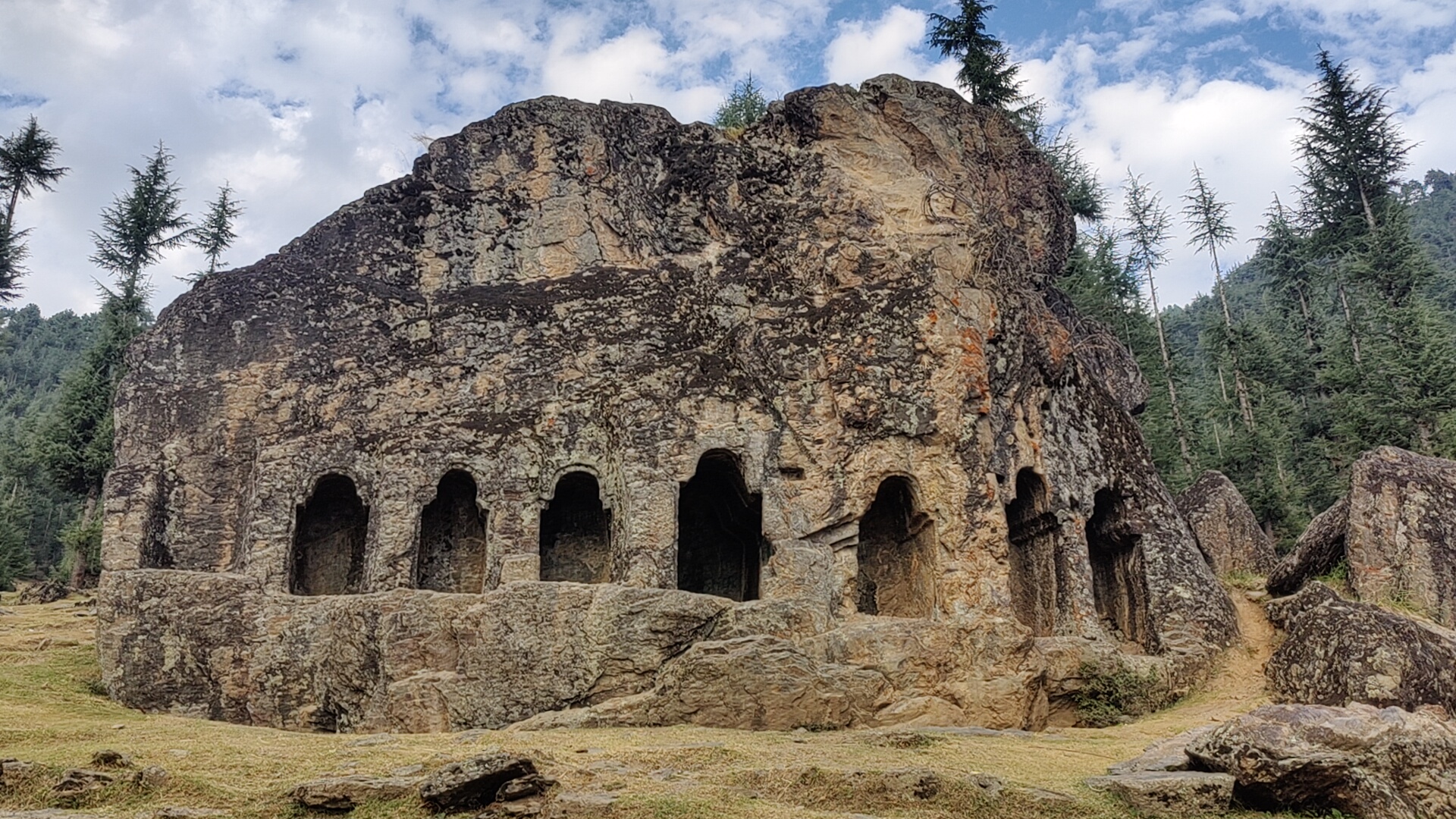
The quiet rural lanes of Lolab Valley turn golden during the autumn harvest season.Photo: EIC AI · CC BY-SA 4.0
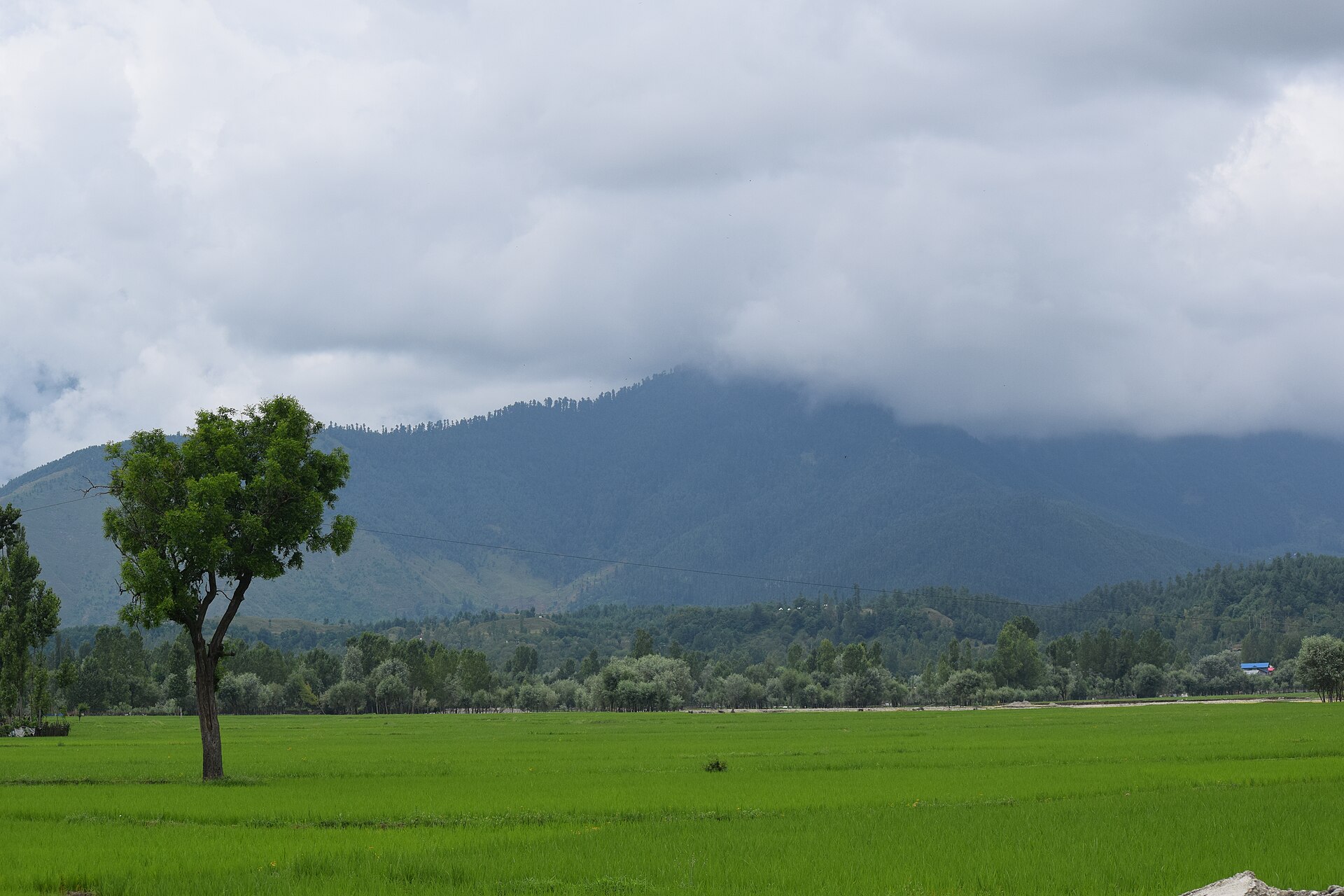
The first time I drove down into the Lolab Valley through the Machil pass, the air smelled intensely of woodsmoke and wet earth. Unlike the manicured lawns of Gulmarg or the busy houseboats of Srinagar, Lolab feels entirely unguarded. It is a horseshoe-shaped basin in the Kupwara district where apple orchards run right up to the edge of pine forests, and streams cut through walnut groves without a concrete retaining wall in sight.
Figuring out the best time to visit lolab valley depends entirely on what you want to see happen to the landscape. Do you want fields of mustard flowers under crisp April skies, or do you want to watch elders beat the autumn walnut harvest off ancient trees with long poles? Kashmir seasonal travel changes its character completely every three months, and Lolab is perhaps the most sensitive barometer of these shifts.
Let us walk through each season properly, looking at the weather, the road conditions, and the rhythm of village life so you can pick the exact week that suits your travelling style.
Spring: The Valley Wakes Up Under Snow-Capped Ridges
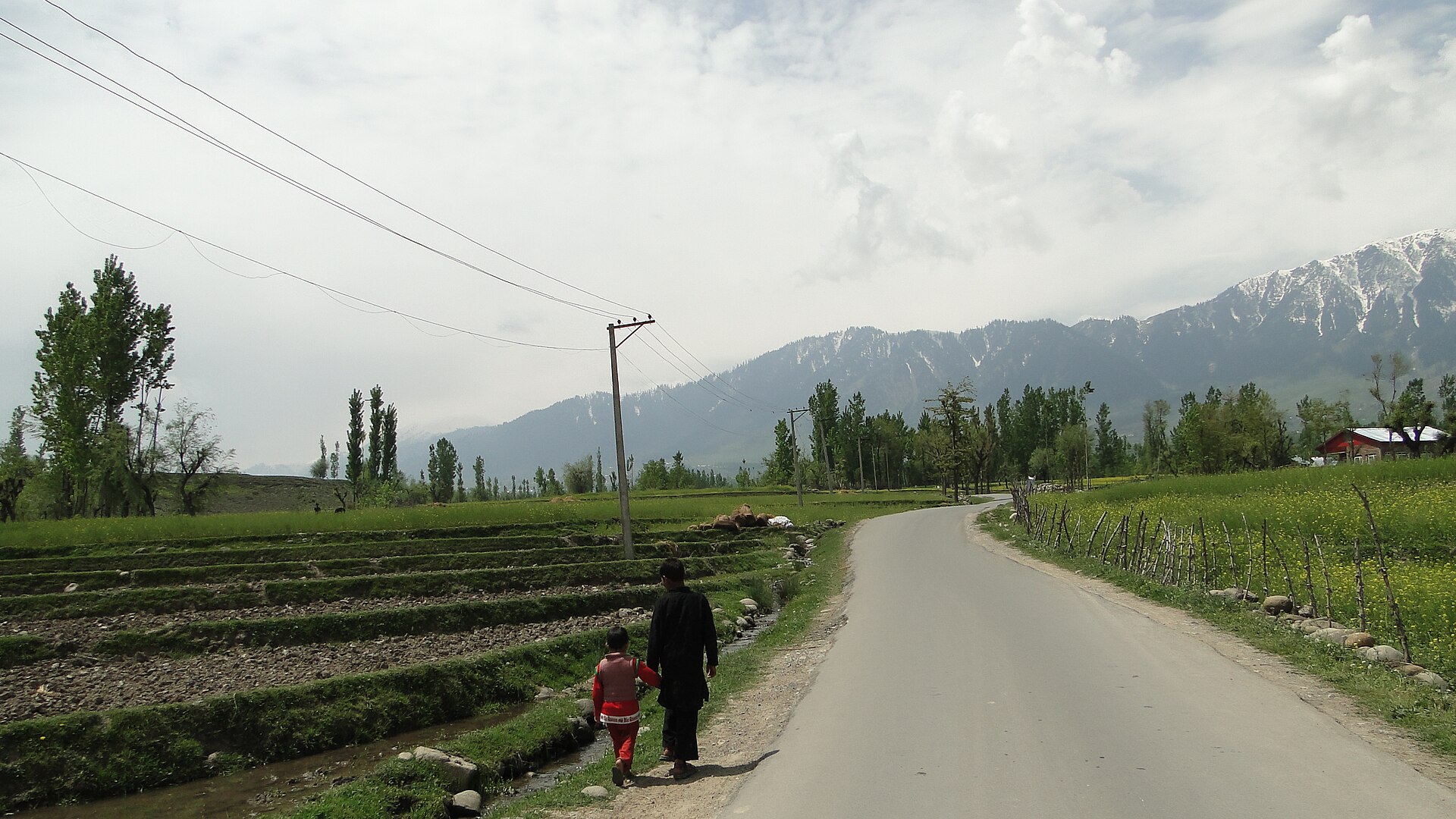
April and May bring a sharp, clean clarity to the Lolab Valley. The snow on the surrounding peaks is still blindingly bright, but the valley floor is melting into bright green clover. Wildflowers pop up along the footpaths connecting Chandigam to Kalaroos, and the local shepherds start moving their flocks toward the higher meadows.
Temperatures during the day sit comfortably around fifteen to twenty degrees Celsius, though you will need a proper woollen jacket once the sun dips behind the ridge at five in the evening. It is an exceptional time for long walks along the streams without running into tour buses. The only drawback is that the night air retains a bitter edge left over from the winter freeze.
- Daytime temperatures: 12°C to 20°C
- Main visual: Mustard blooms and melting snowpacks
- Road status: Clear and freshly graded after winter
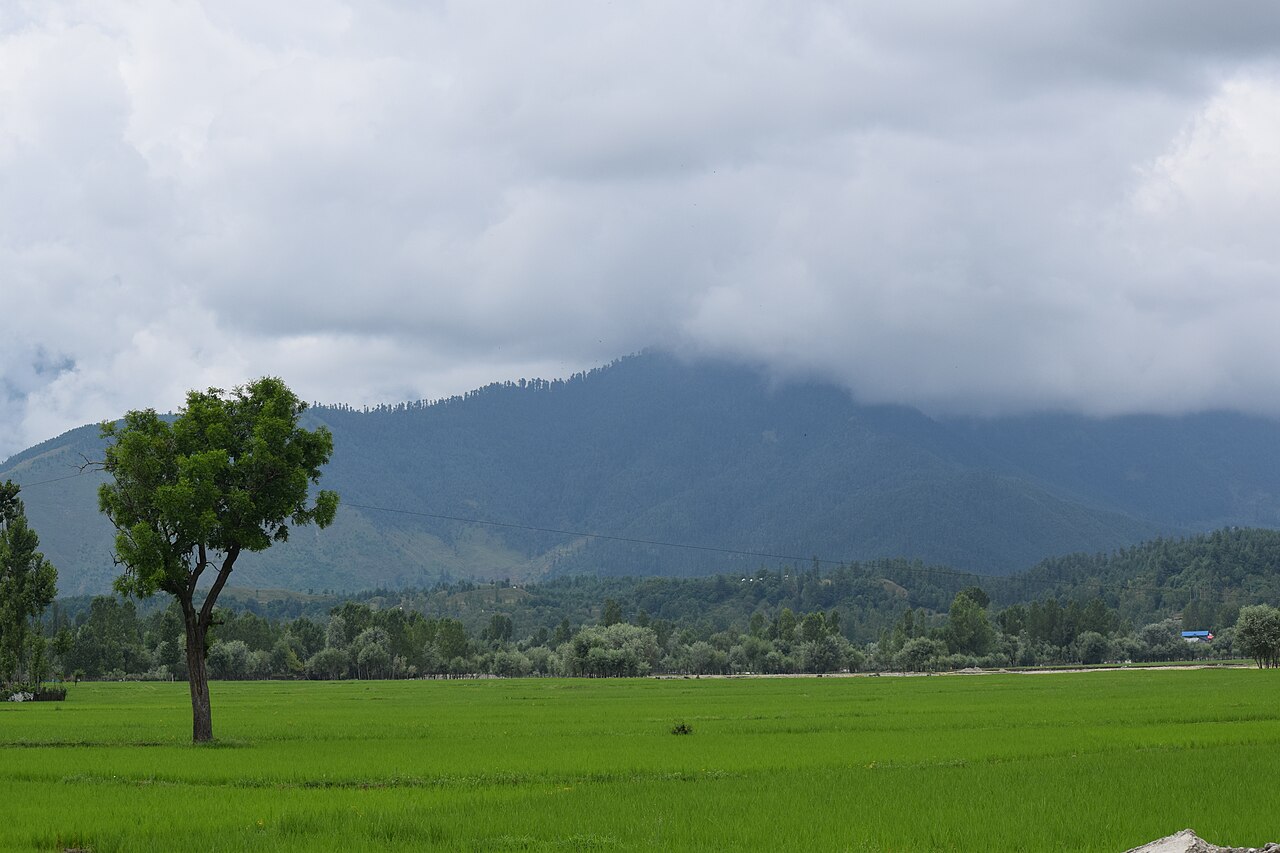
Summer: Deep Green Canopies and Warm Afternoon Breezes
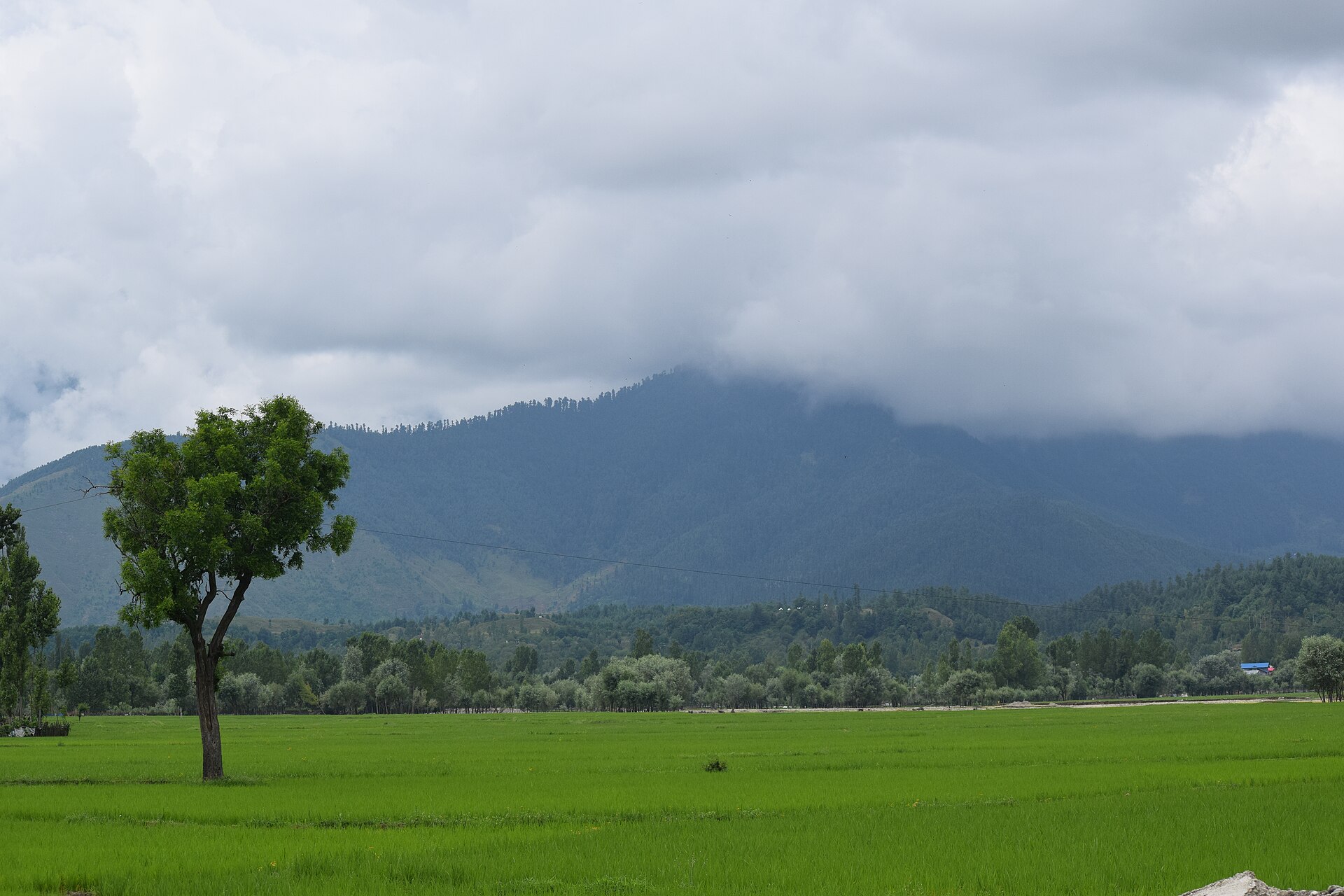
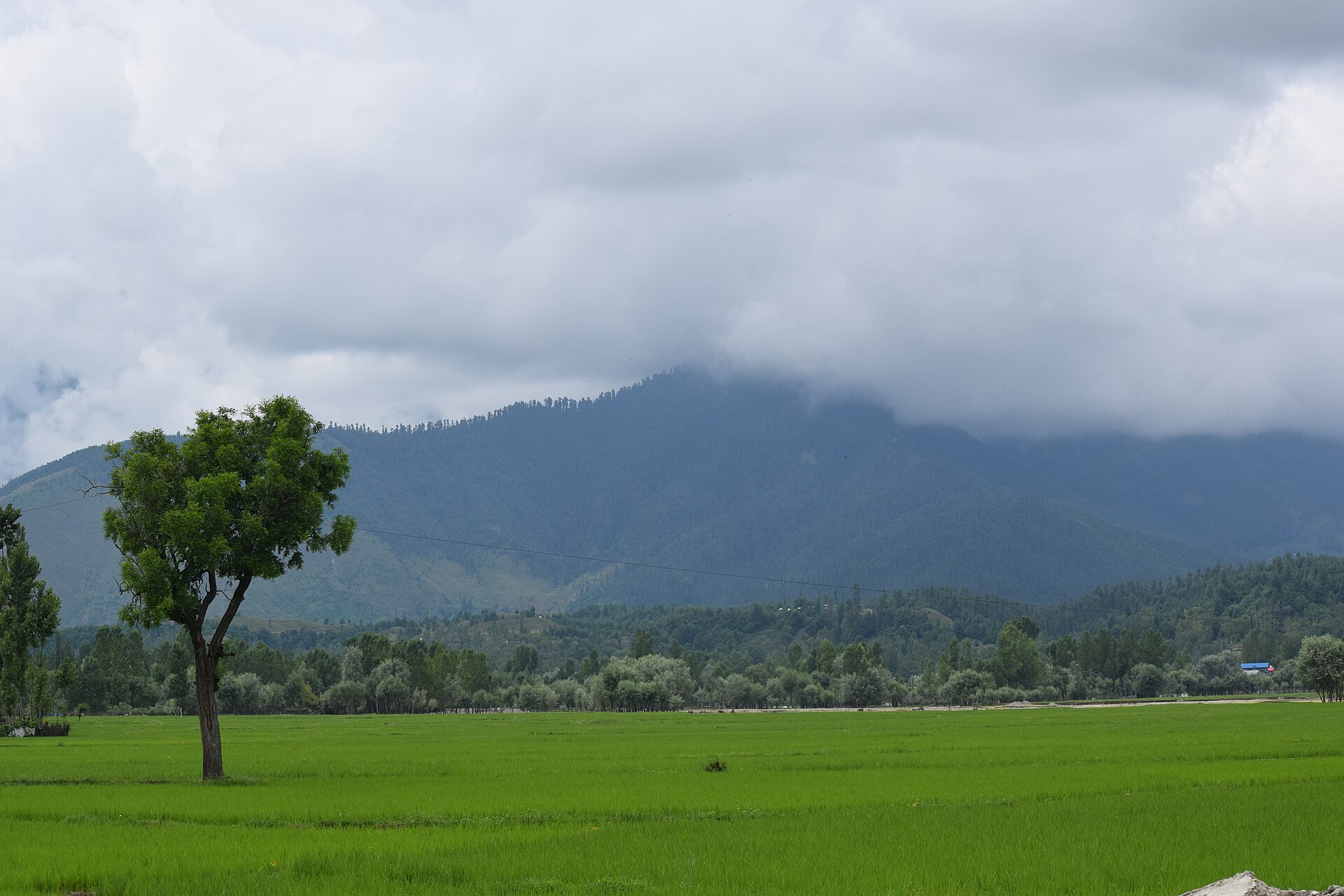
June through August sees the valley fully leafed out. The paddy fields are flooded and turned into mirror-like rectangles where cattle graze on the bunds. If you are travelling from scorching plains, the Lolab weather offers genuine relief, with highs rarely pushing past twenty-eight degrees.
This is the most stable period for families and travellers who want zero friction on their journeys. You can drive deep into remote hamlets like Warnow without worrying about sudden cloudbursts blocking the mountain passes. Local villagers are busy tending their vegetable patches, and the tea stalls in the village squares stay open late into the dusk.
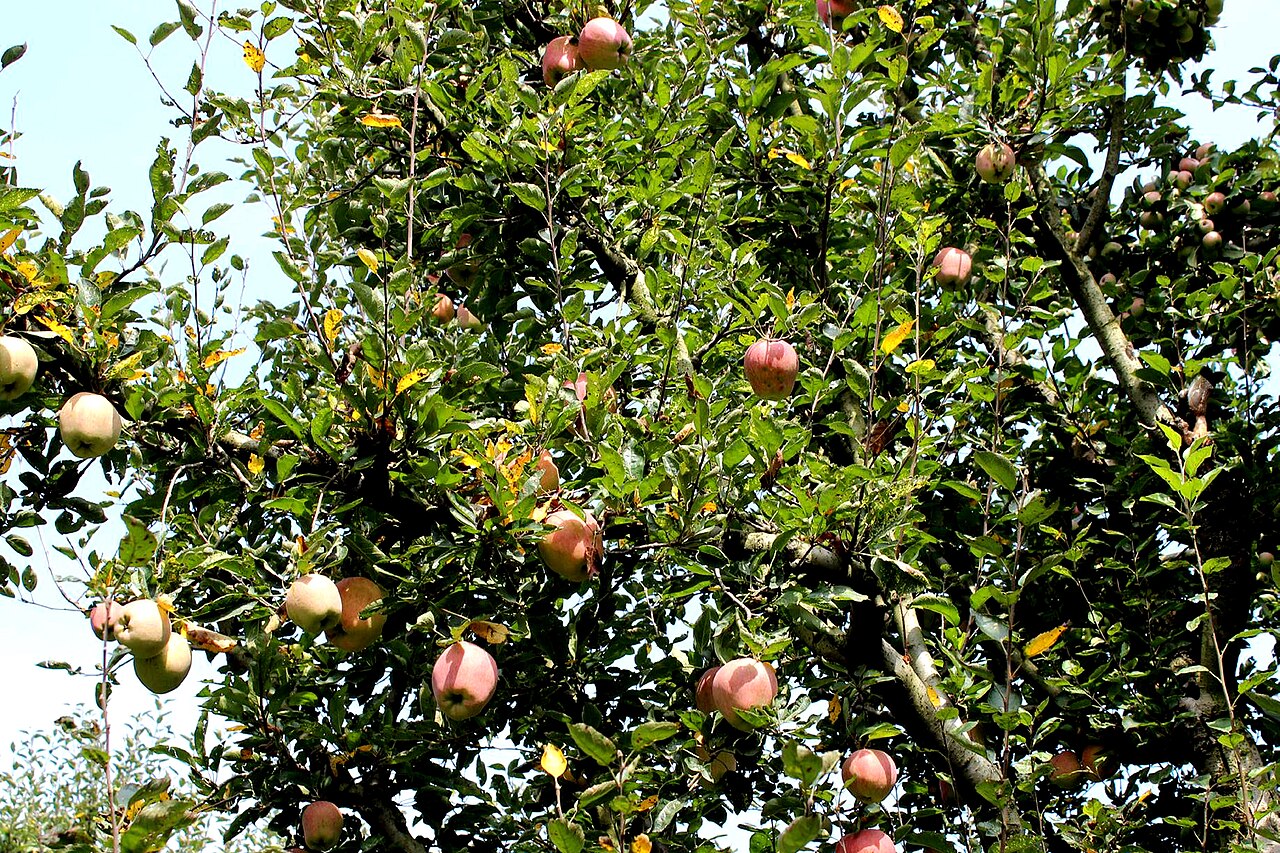
The walnut trees turn a brilliant buttery yellow, followed closely by the apple orchards heavy with fruit.
Autumn: Witnessing the Golden Walnut Harvest
September and October remain my personal favourite months to bring clients up north. The walnut trees that line the village lanes turn a brilliant buttery yellow, followed closely by the apple orchards heavy with red delicious and firdous varieties.
If you time your visit for late September, you will witness the walnut harvest. Families gather beneath giant canopies, knocking the green husks down with long hazel poles while children scurry to collect them in wicker baskets. The air smells of drying leaves and roasting corn. It is arguably the best time to visit lolab valley if you care about photography, slow travel, and cultural immersion.
The Shift in Colors
By mid-October, the upper ridges turn copper and bronze. The morning mist lingers over the paddy stubble until ten in the morning, creating an ethereal, quiet atmosphere that you simply cannot find during the crowded summer months.
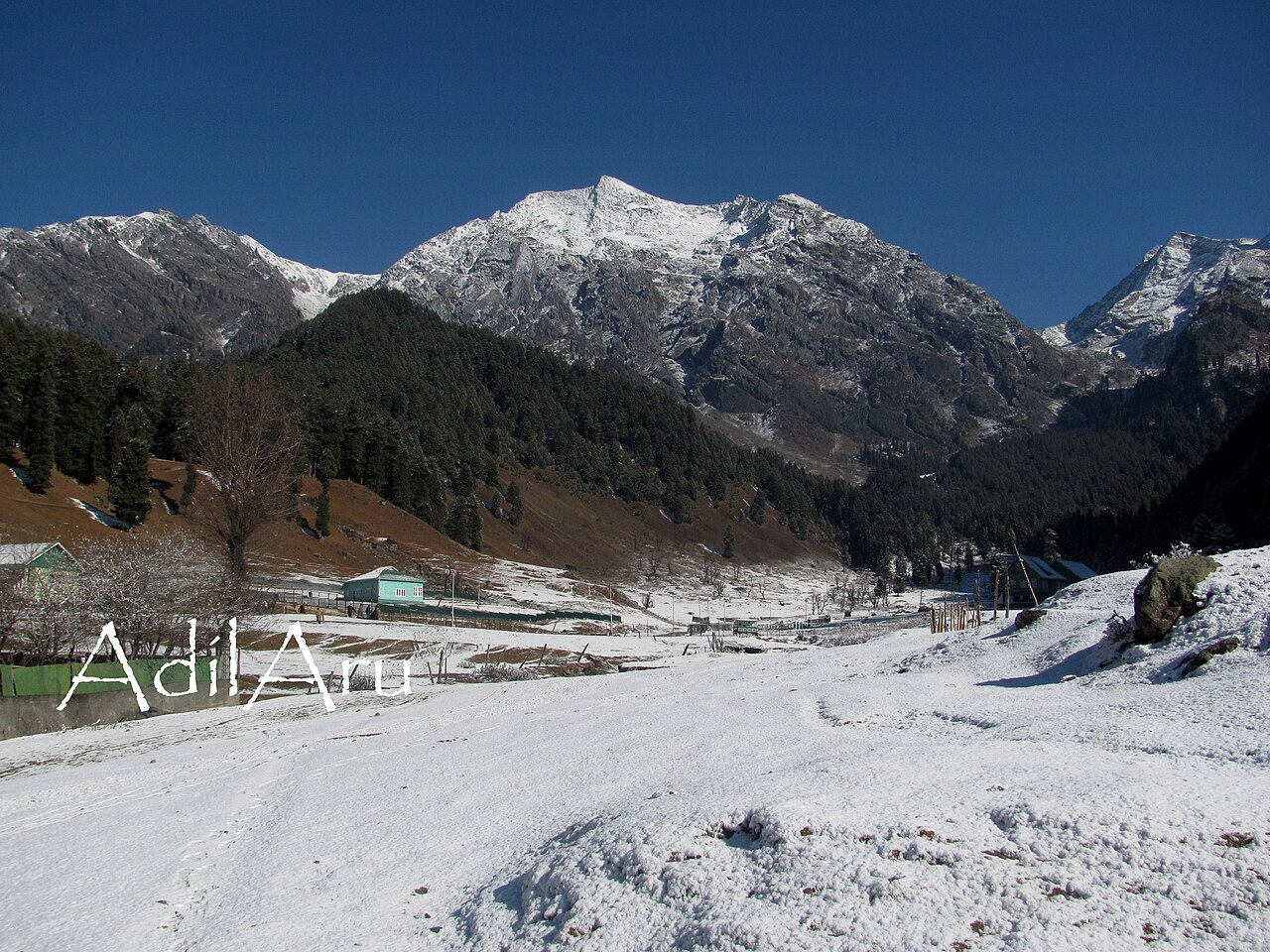
Winter: The Deep Silence of the Snowbound Basin
From December to February, Lolab retreats into itself. Snow piles up two to three feet deep across the meadows, and the wooden houses under tin roofs look like illustrations from an old storybook. Life slows down entirely to the sound of wood crackling in Bukhari heaters.
We only recommend winter travel here for experienced adventurers who do not mind occasional road closures due to heavy snowfall near Kupwara. The reward is total solitude, crisp starry nights, and piping hot cups of kahwa shared by the fire with your local homestay host.
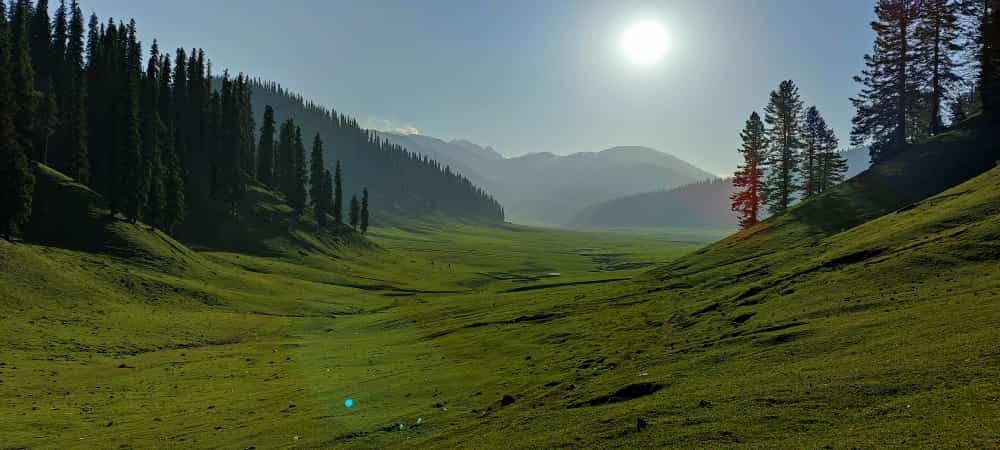
Navigating Lolab Weather Through the Changing Months
Understanding local meteorology helps you pack right. Spring and autumn bring sudden afternoon wind gusts down the valley funnel. Summer afternoons can feature short, sharp thunderstorms that clear up within an hour, leaving the air smelling of pine resin.
Always check the road status via Kupwara before starting your drive from Srinagar. While main routes are well-maintained, unexpected landslides can happen during heavy spring rains or early winter squalls.
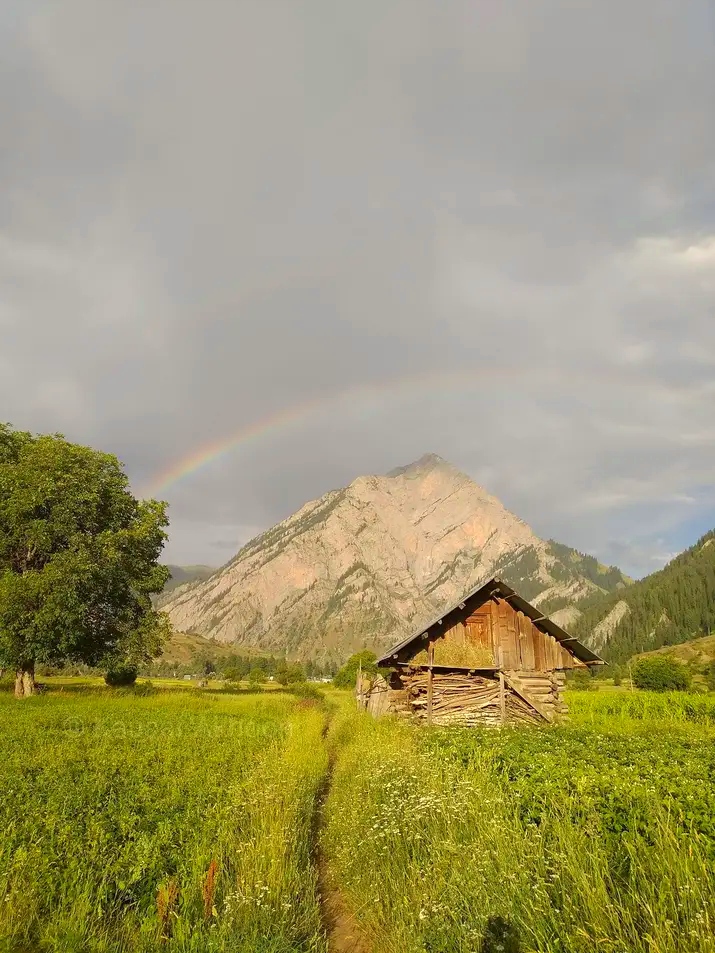
When to Book Your Trip for Best Availability
Because Lolab has only recently opened up to structured tourism, accommodation is intimate. There are no large luxury hotels here; instead, you stay in traditional wooden homes or well-run boutique guesthouses.
If you want to visit during the peak autumn harvest weeks of September and October, we advise locking in your dates at least three months in advance. Spring bookings require similar foresight if you want the best rooms overlooking the orchards.
Before you book
Choosing when to travel to this northern corner of Kashmir ultimately depends on the kind of experience you are chasing. Whether you want the crisp, apple-scented air of October or the bright green pastures of May, Lolab rewards patience and slow exploration.
Take a moment to look through our curated /destinations/kashmir/lolab-valley itineraries or read about combining your journey with nearby gems like the /destinations/kashmir/bangus-valley and /destinations/kashmir/gurez-valley for a complete northern circuit.
Ready to Plan Your Journey to Lolab?
Reach out to our team based right here in Srinagar. We will help you pick the ideal week and set up an authentic local stay.
Talk to Our Local ExpertsCaption for your own post
Golden light over the walnut orchards in Lolab Valley. Autumn brings out the quietest, most colourful side of northern Kashmir. #LolabValley #KashmirAutumn
Written by
Kashmir, Jammu & Ladakh specialists
We plan and run trips across Kashmir, Jammu and Ladakh every week of the year. Everything here comes from routes we drive, stays we inspect and questions our travellers actually ask.
Written after leading our autumn photography expedition through Kupwara and Lolab.
Quick answers
Questions we get asked
What is the absolute best month to visit Lolab Valley?
Late September to mid-October is widely considered the best window. The weather is crisp, the walnut and apple harvest is in full swing, and the autumn colors turn the valley golden.
Is Lolab Valley accessible during the winter months?
Yes, but heavy snowfall can occasionally block access roads from Kupwara for a day or two. Winter travel here is best suited for those seeking absolute snowbound quiet.
How many days should I spend in Lolab Valley?
We recommend at least two to three full days. This allows you to explore the villages of Chandigam, Warnow, and Kalaroos without rushing your schedule.
What should I pack for an autumn trip to Lolab?
Bring layered clothing including thermal innerwear, a windproof fleece, and a sturdy waterproof jacket, as autumn evenings drop close to freezing temperatures.
Can I visit Lolab Valley as a day trip from Srinagar?
It is technically possible, but at nearly three hours each way, it makes for a gruelling day on the road. Staying overnight in a local homestay is far more rewarding.
Photography credits
- Photo: EIC AI · CC BY-SA 4.0
- Photo: Ankur P from Pune, India · CC BY-SA 2.0
- Photo: Eshankaul007 · CC BY-SA 4.0
- Photo: Auli Raha (অলি রাহা) · CC BY-SA 4.0
- Photo: AdilAru · CC BY-SA 3.0
- Photo: Idrees Lone 05 · CC BY-SA 4.0
- Photo: Captured by Kausar Akhoon · CC BY-SA 4.0