The Best Time to Visit Lolab Valley for Peak Scenic Beauty
From spring apple blossoms to autumn walnut harvests, discover which season matches your travel style.
Looking for the best time to visit lolab valley? Compare spring blooms, summer greenery, autumn gold, and winter snow in Kupwara's quietest retreat.
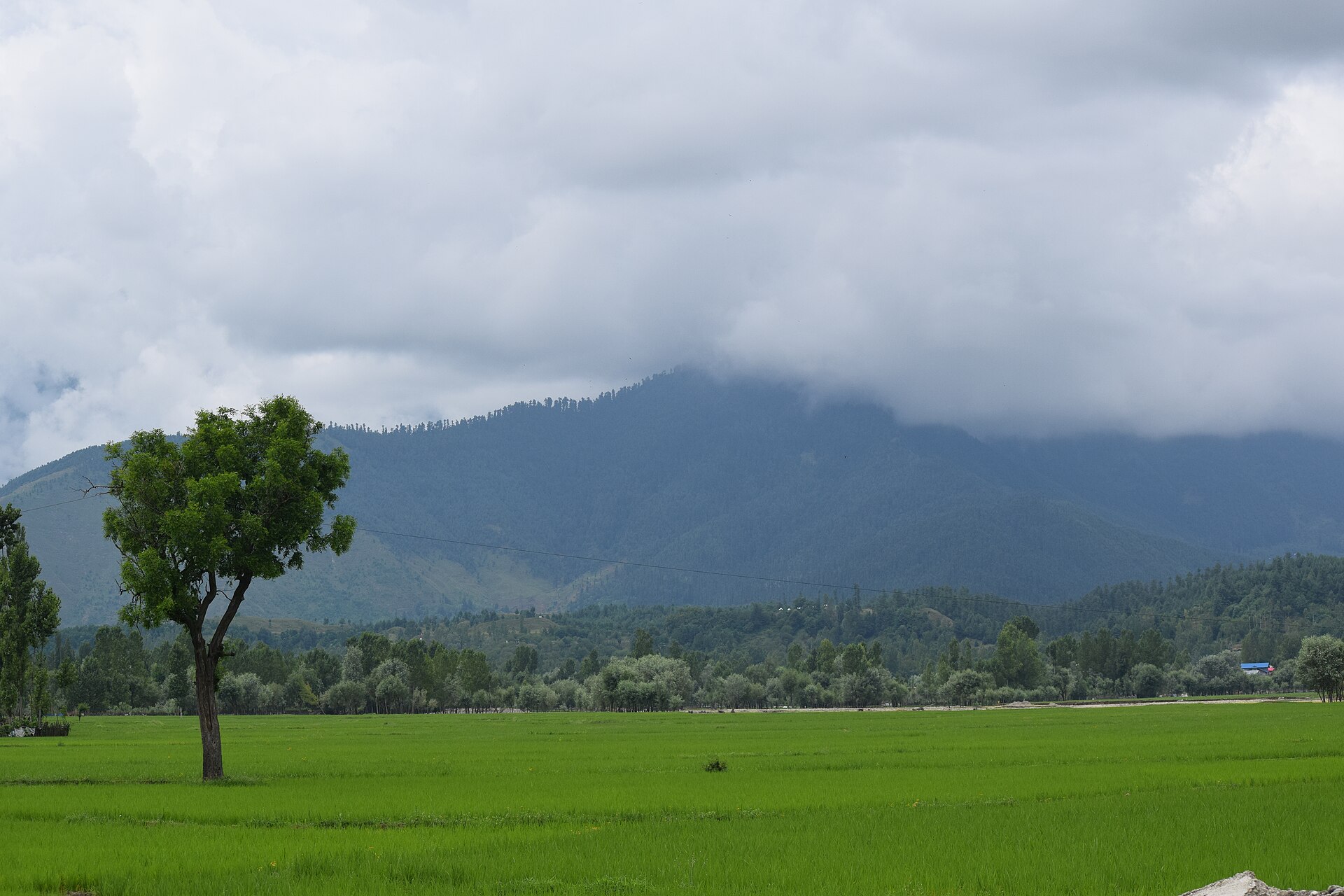
Golden autumn foliage spreading across the oval floor of Lolab Valley.Photo: Eshankaul007 · CC BY-SA 4.0
Light in the northern mountains changes character entirely depending on the month you arrive. In April, the sun hits the snowmelt with a sharp, blinding glare that makes your eyes water. By October, that same light softens into a butter-yellow haze that lingers over orchards heavy with fruit. If you are trying to determine the best time to visit lolab valley, you need to look past generic weather charts and understand how the rhythm of rural life shifts across the four distinct seasons of Kupwara district.
Most travellers heading to Jammu and Kashmir fixate on July and August because school holidays demand it. But offbeat valleys like Lolab operate on an agricultural clock. The scenery, the temperature, and the entire atmosphere of the villages transform dramatically as the months turn. What feels like a lush, vibrant grazing ground in June becomes a quiet, amber-hued sanctuary by October, and a frozen, snow-draped wilderness by January.
Choosing your travel window comes down to what you want out of the mountains: wildflower meadows, golden harvests, or absolute solitude by a wood-burning stove. Here is how the year unfolds in Wadi-e-Lolab.
Springtime Blooms: April to May
Spring arrives in the valley around late March, but April is when the landscape truly wakes up. As the snow recedes from the lower valley floor, millions of wild crocuses and dandelions push through the damp earth. Shortly after, the apple, cherry, and pear orchards burst into a dense froth of pink and white blossoms that stretches across the entire oval basin.
Temperatures during these months range from a crisp 10°C to a pleasant 20°C during the day, though nights still drop close to freezing. It is an ideal season for photographers and slow travellers who want to walk the village lanes without breaking a sweat. You will share the trails with very few other tourists, giving you uninterrupted access to local life as farmers prepare their fields for the summer sowing season.
For travellers looking to combine their spring flower tour with other alpine regions, our guide on visiting bangus-valley highlights how the higher snowbound bowls open up later in May.
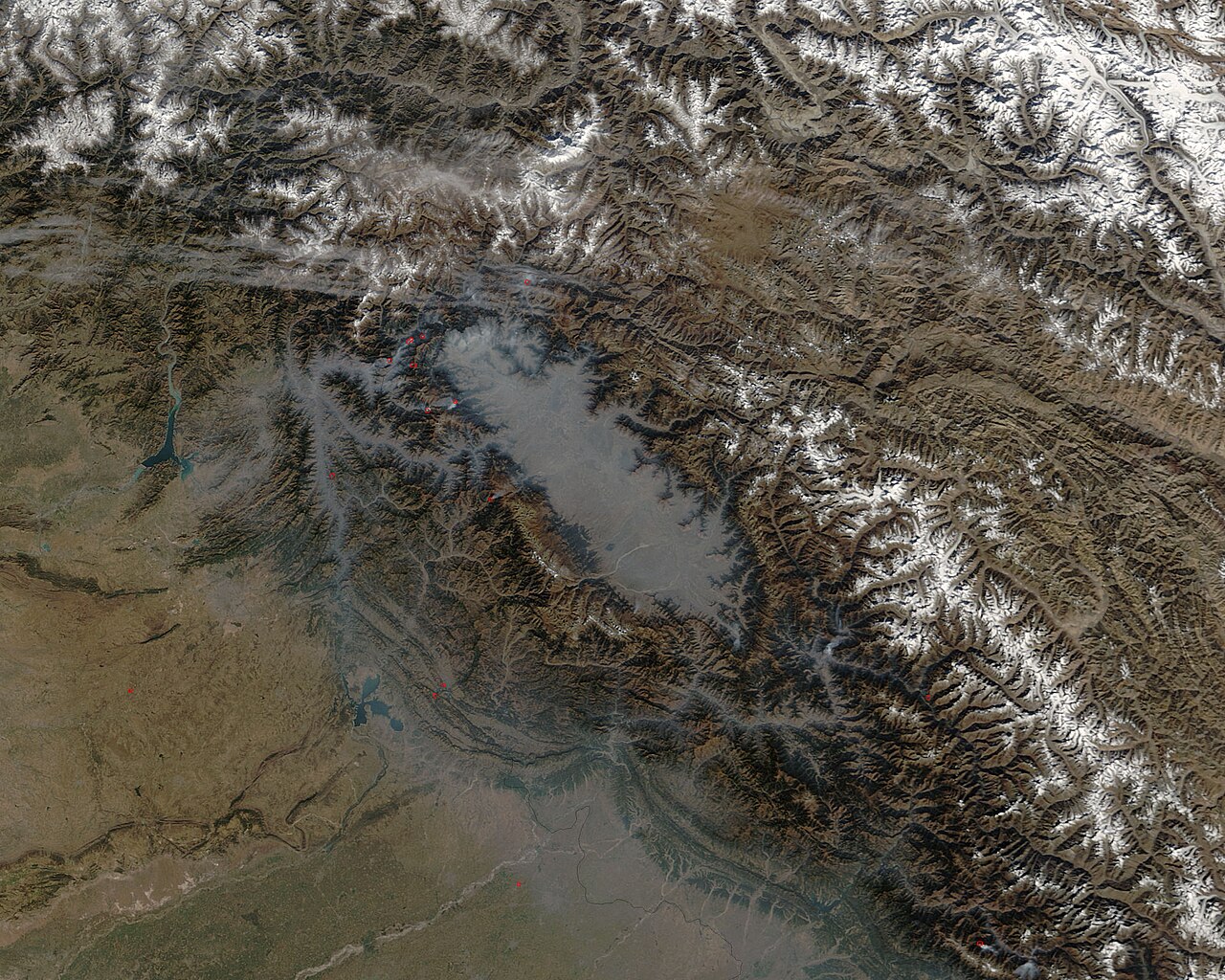
Summer Escapes: June to August
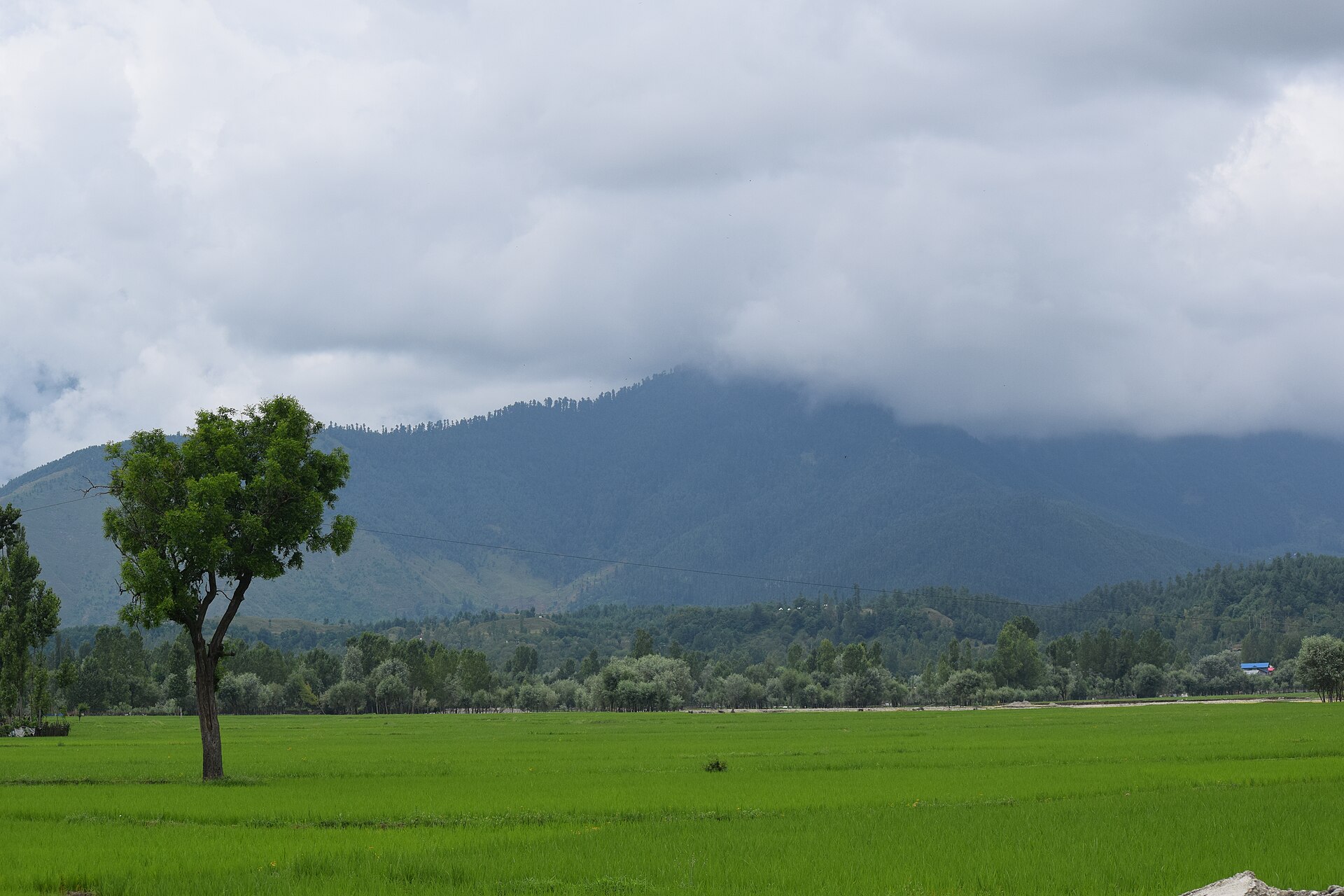
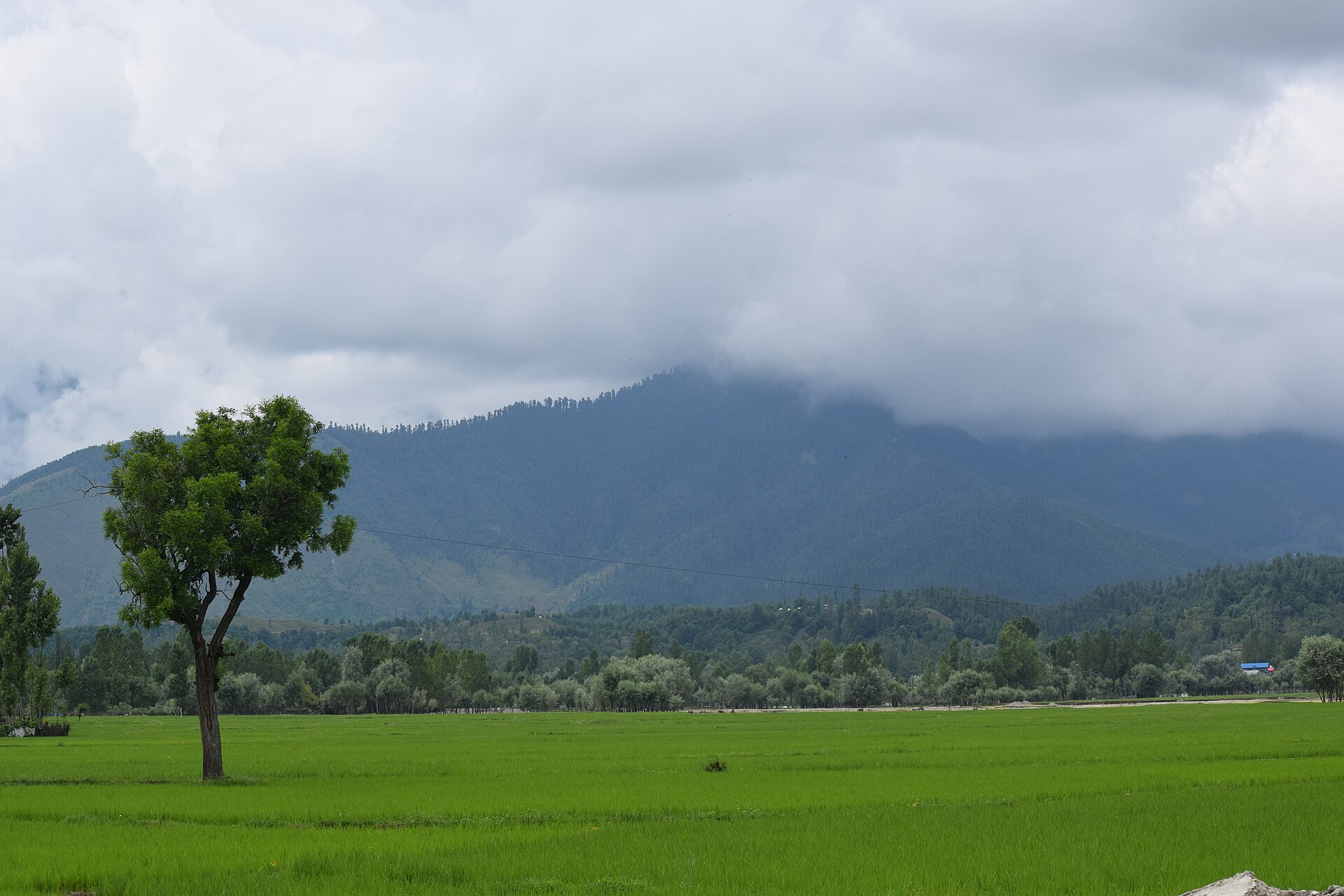
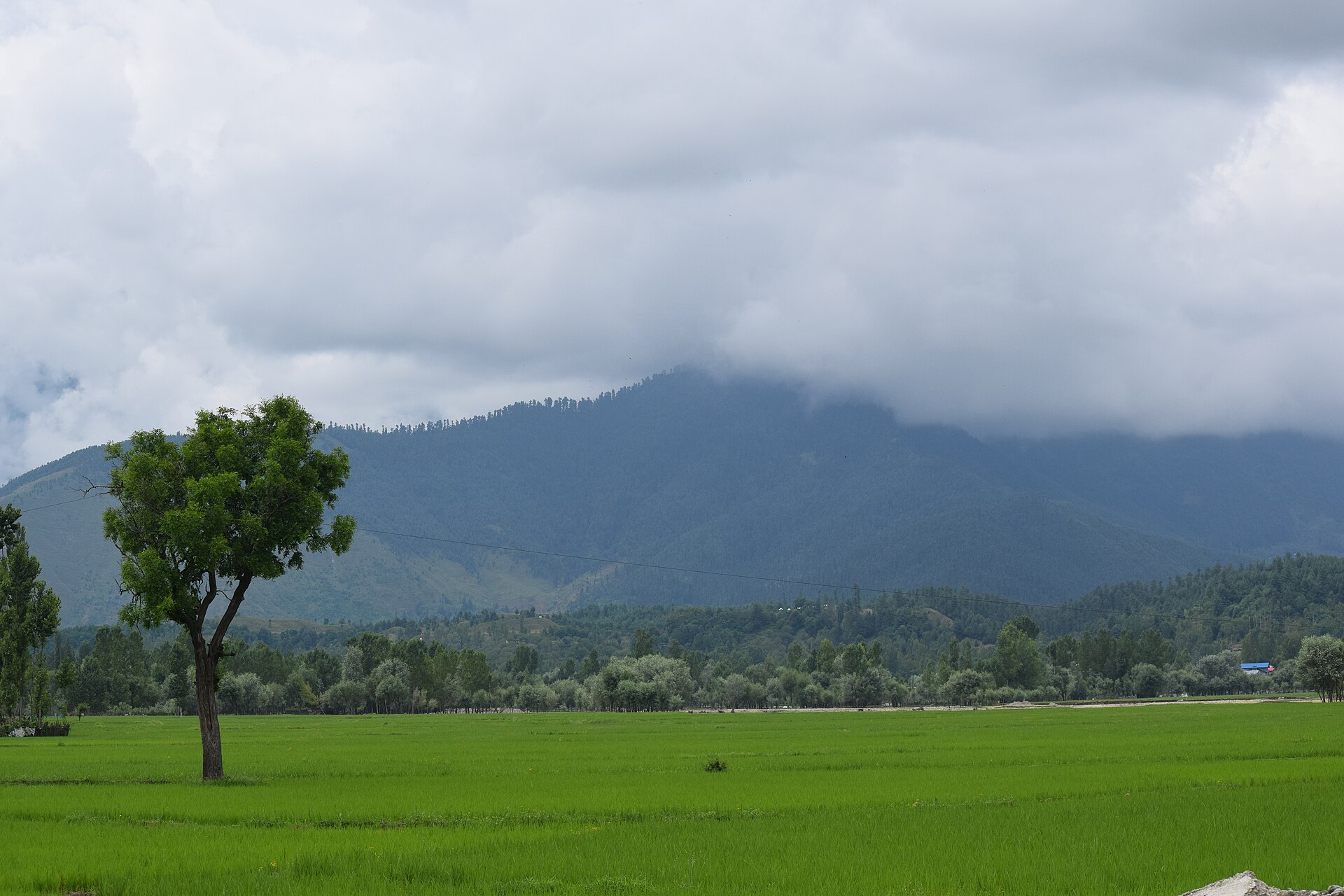
When the plains of northern India swelter in 45-degree heat, summer in the valley offers a welcome, verdant sanctuary. Daytime temperatures hover around 25°C, making it comfortable for all-day hiking through the Chandigam and Sogam forest trails. The rice terraces are a brilliant, electric green during these months, fed by glacial streams rushing down from the upper ridges.
Summer is also the peak period for family travel, meaning you will see a few more cars on the narrow roads, though nothing compared to the gridlock found in Gulmarg or Pahalgam. Local children play cricket in the open pastures, and shepherds guide massive flocks up towards the high-altitude meadows. It is an active, vibrant season where the entire valley feels alive and pulsing with growth.
If you plan to explore the wider northern watershed during your summer trip, our resource on wular-lake provides great context on how the melting summer snow feeds the massive basin below.
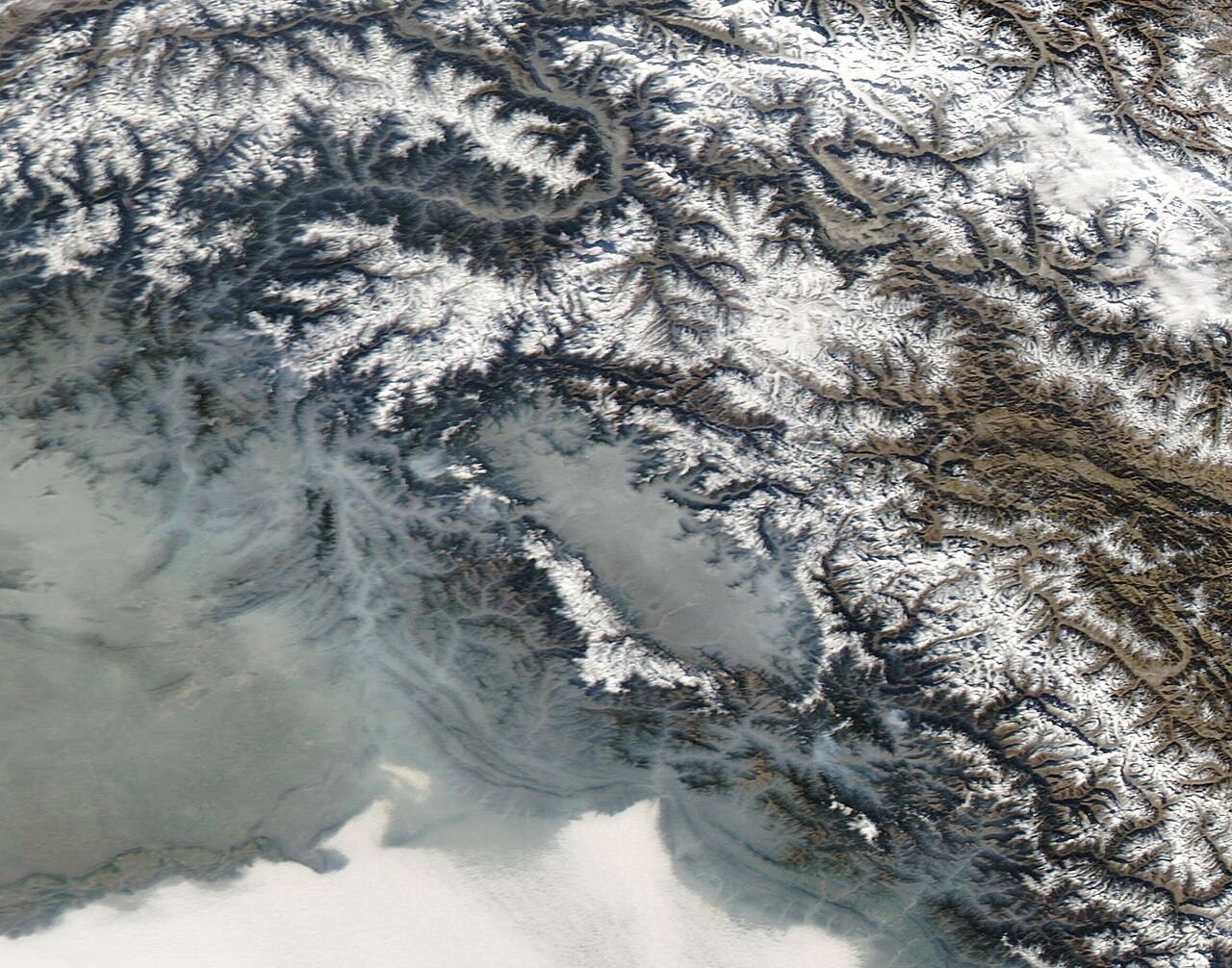
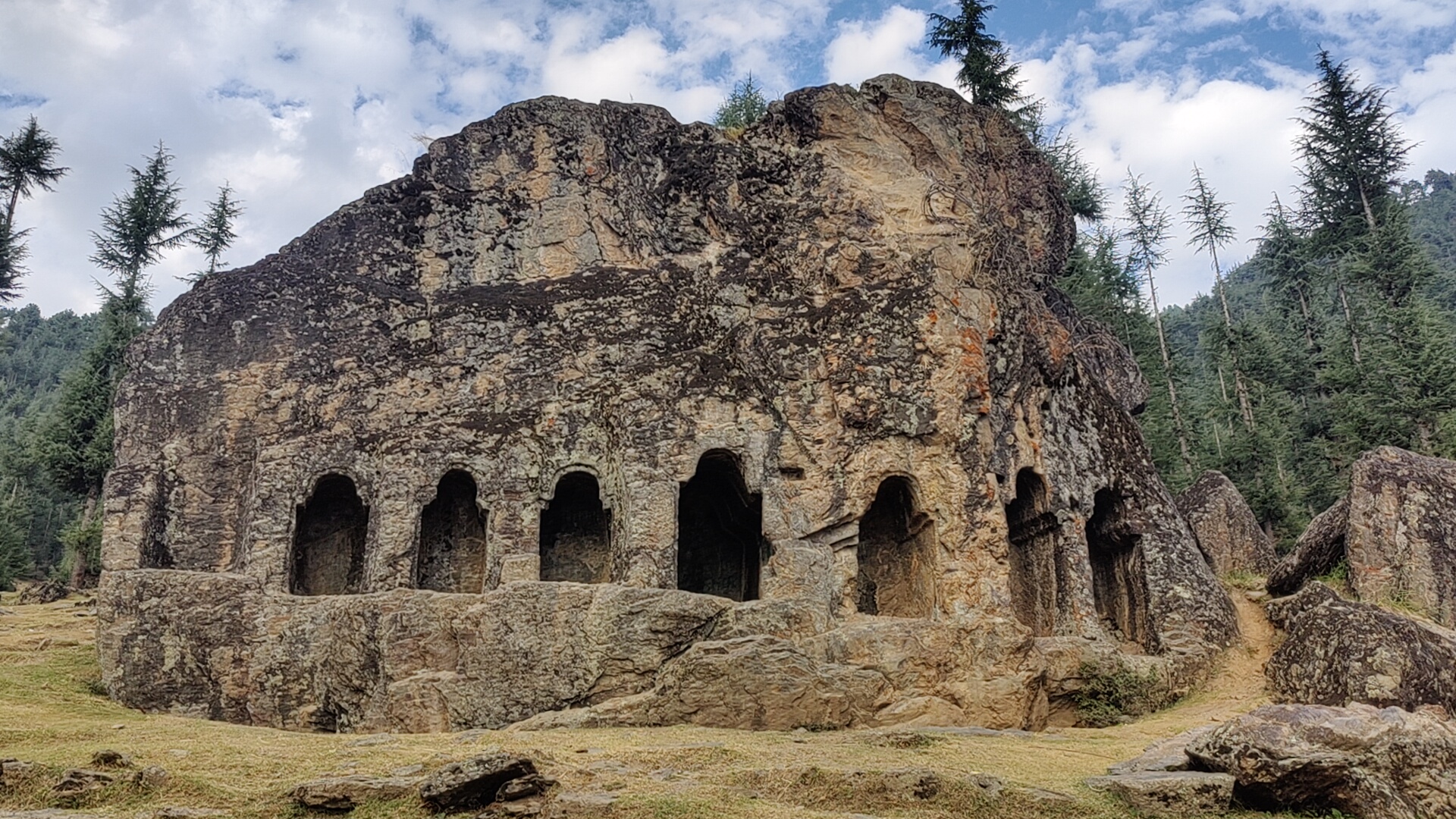
What feels like a lush, vibrant grazing ground in June becomes a quiet, amber-hued sanctuary by October.
The Magic of the Autumn Walnut and Apple Harvest
Ask any seasoned local guide about the best time to visit lolab valley, and many will point you straight towards autumn. From September through November, the foliage turns a stunning mix of copper, burnt orange, and deep yellow. The deciduous trees lining the streams contrast sharply against the dark, permanent green of the deodar pine forests.
More importantly, autumn is harvest time. The air carries the sweet, fermented scent of falling apples and the earthy aroma of freshly knocked walnuts. Villagers are busy laying out crops to dry on tin roofs and wooden porches. Days are crisp and clear, offering the best visibility of the year for distant mountain peaks. It is a deeply rewarding time for cultural immersion and slow photography.
For those wanting an extended autumn road trip that tackles even more remote mountain terrain, our overview of gurez-valley details what to expect as the high passes begin preparing for winter.
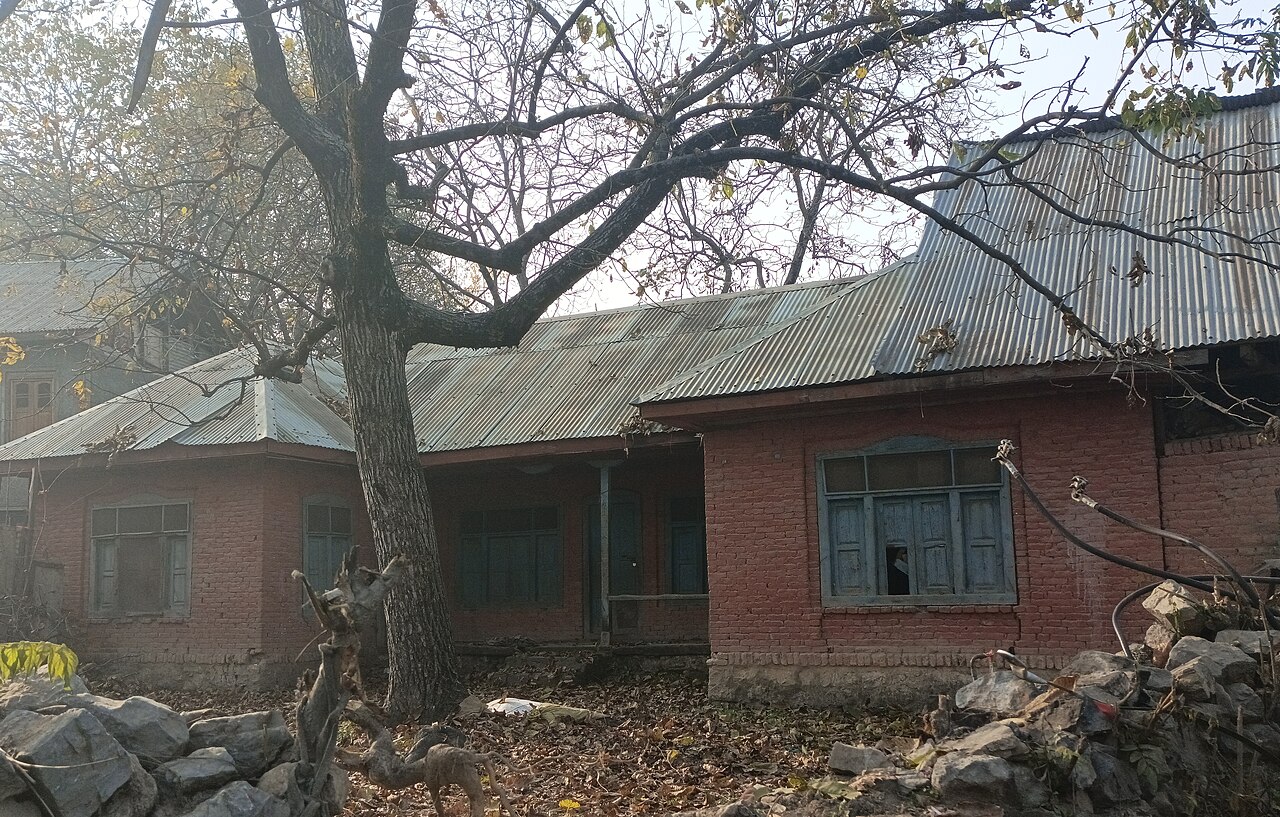
Winter Landscapes and Snowfall: December to February
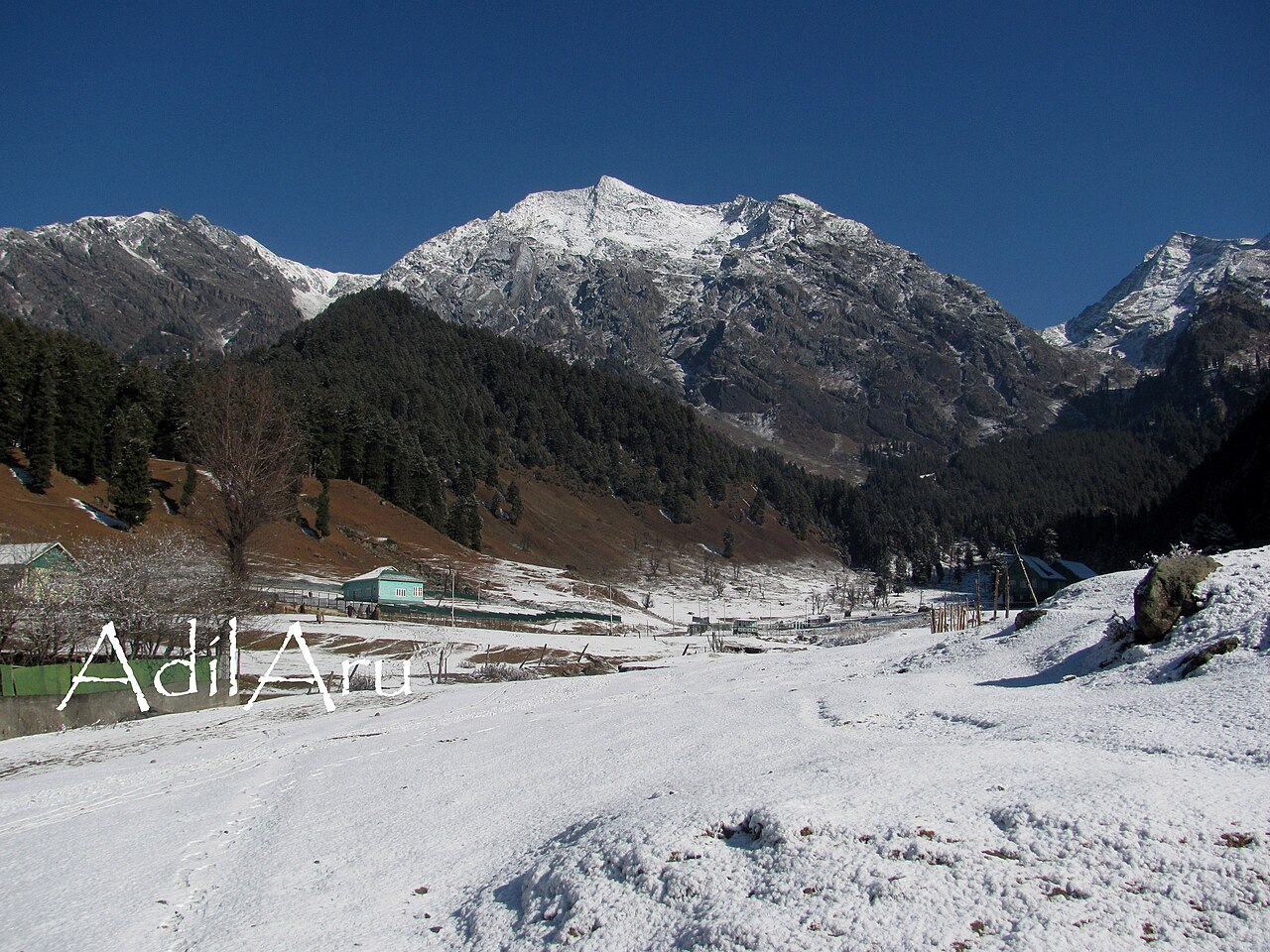
Winter in the valley is not for casual holidaymakers. Snow blankets the oval basin in a thick, silent white layer, often blocking smaller rural roads for days at a time. Temperatures regularly drop well below freezing, and life retreats indoors around heavy bukhari wood stoves. The snow-laden pine trees and frozen streams create a stark, breathtaking alpine beauty.
Travelling here in winter requires patience and robust four-wheel-drive transport. Accommodation options are limited primarily to warm local homestays where you can experience traditional winter hospitality, drinking endless cups of spiced tea while snow piles up against the windows. It is raw, quiet, and profoundly isolated.
If you need assistance planning a trip during any season, or want to check current road conditions in Kupwara, feel free to visit our /contact page to speak with our Srinagar team.
Before you book
Every season in Kupwara tells a completely different story. Whether you choose the pink and white froth of spring blossoms, the deep green canopy of summer, the amber richness of the autumn harvest, or the silent snowscapes of winter, the valley rewards those who time their journey with intention.
Take your time looking at the calendar, weigh the trade-offs of weather versus crowds, and pick the month that speaks to the kind of mountain experience you are looking for.
Plan Your Seasonal Trip with Local Experts
Unsure which month fits your travel goals? Reach out to our team in Srinagar for honest advice on weather, road conditions, and seasonal homestays.
Speak with an ExpertCaption for your own post
Autumn gold against the dark pines in Kupwara. Timing your mountain trip makes all the difference. #LolabValley #KashmirWeather #OffbeatTravel
Written by
Kashmir, Jammu & Ladakh specialists
We plan and run trips across Kashmir, Jammu and Ladakh every week of the year. Everything here comes from routes we drive, stays we inspect and questions our travellers actually ask.
Compiled from years of seasonal field notes across Kupwara and northern Kashmir districts.
Quick answers
Questions we get asked
Which month has the best weather in Lolab Valley?
May and September are widely considered the most comfortable months, offering clear skies, pleasant daytime temperatures, and stable road conditions.
Can I visit Lolab Valley during winter?
Yes, but heavy snowfall often disrupts road access from Srinagar. You need robust vehicles, flexible schedules, and warm winter gear.
When do the apple orchards bloom?
Apple and cherry trees typically reach full bloom between mid-April and early May across the valley floor.
Is autumn too cold for trekking?
September and October offer crisp, clear trekking conditions, though early morning and evening temperatures drop sharply near freezing.
Photography credits
- Photo: Eshankaul007 · CC BY-SA 4.0
- Photo: EIC AI · CC BY-SA 4.0
- Photo: Jeff Schmaltz, MODIS Land Rapid Response Team, NASA GSFC · Public domain
- Photo: MODIS Land Rapid Response Team, NASA GSFC · Public domain
- Photo: Aafi · CC BY-SA 4.0
- Photo: AdilAru · CC BY-SA 3.0
- Photo: Hellohappy · CC BY-SA 4.0