Lolab Valley Offbeat Tourism: The Ultimate Explorer's Guide
Venture deep into Kupwara district for an unhurried encounter with ancient forests, local folklore, and sustainable mountain travel.
Discover the complete guide to lolab valley offbeat tourism. Explore valley geography, local folklore, sustainable village stays, and remote Kupwara trails.
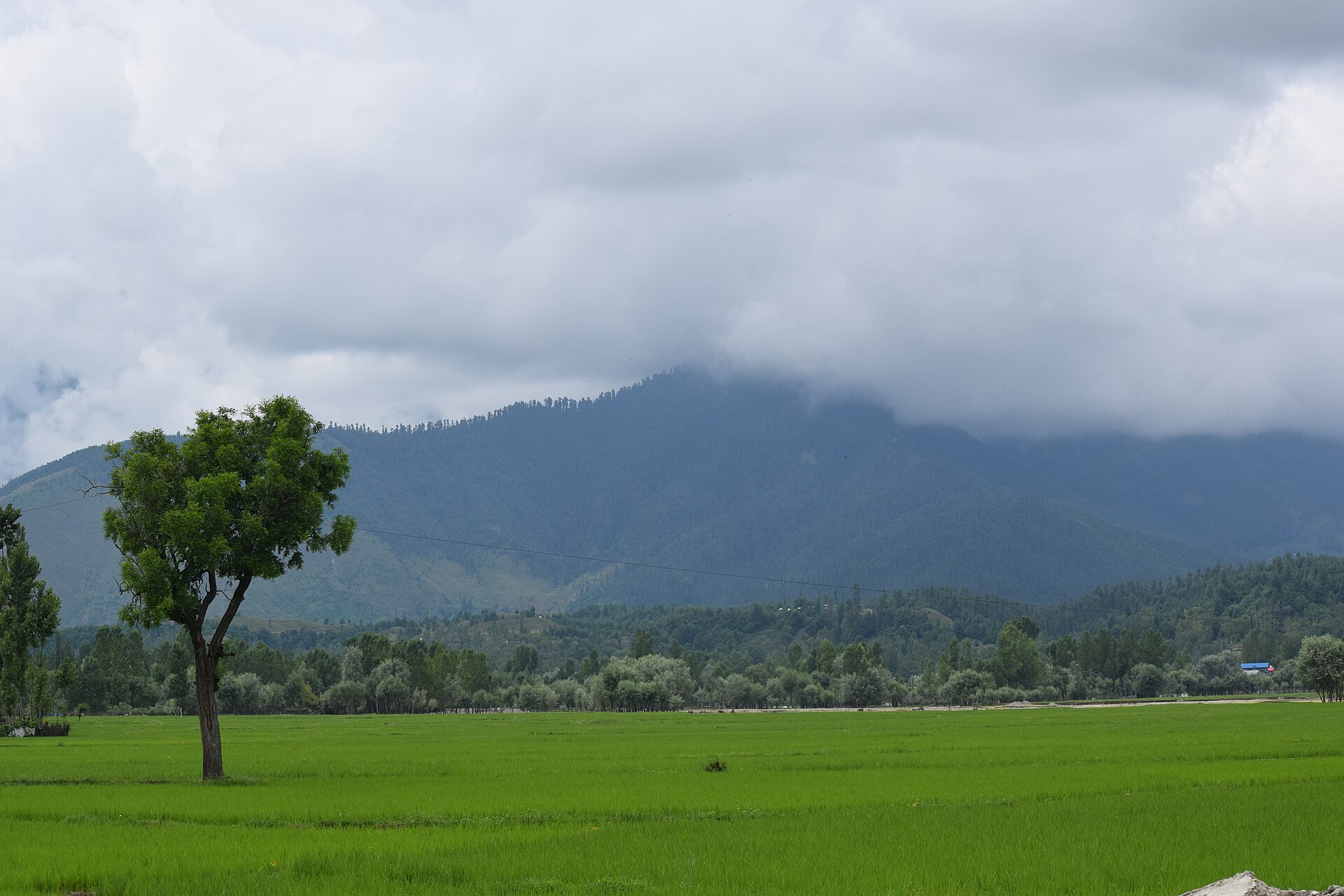
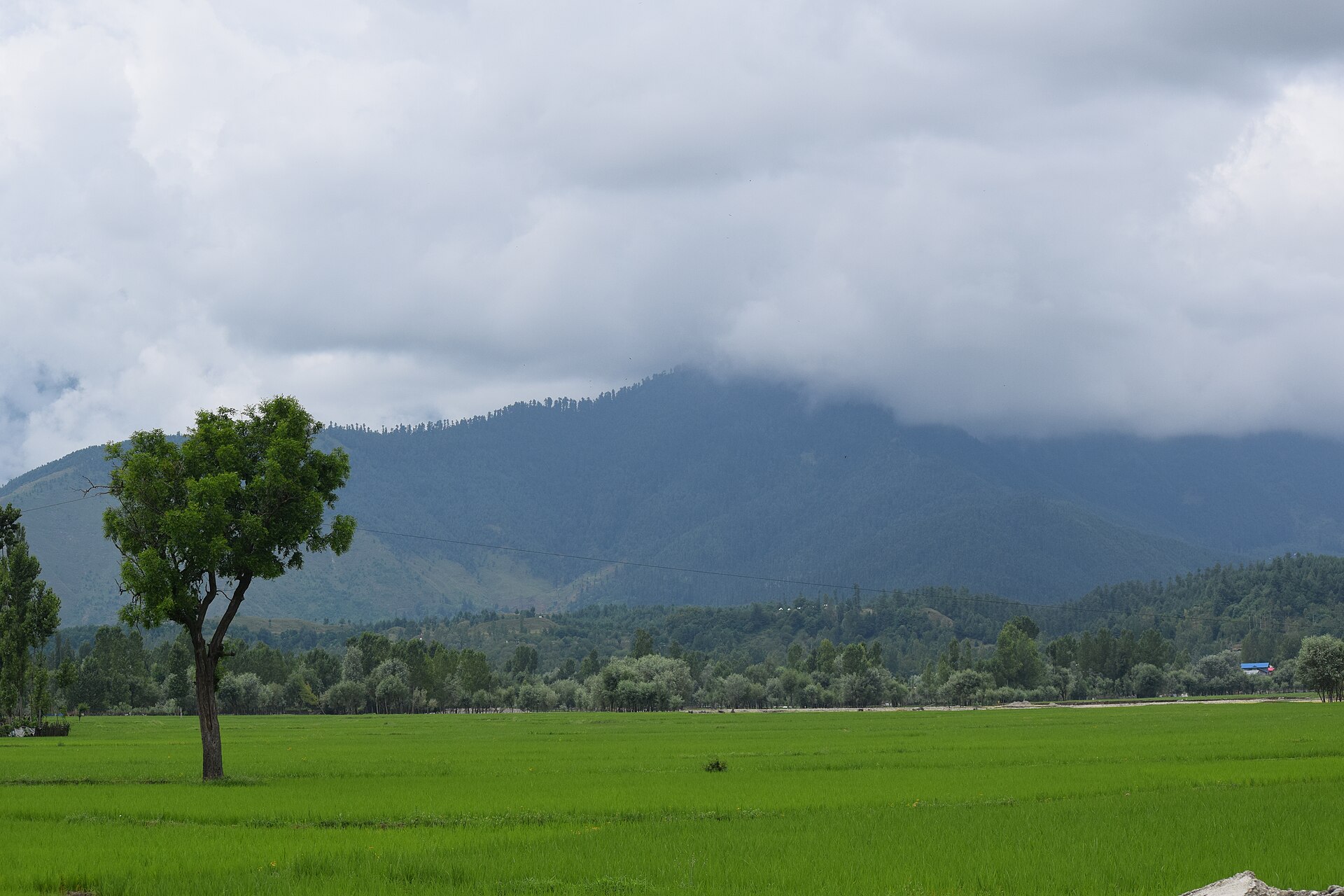
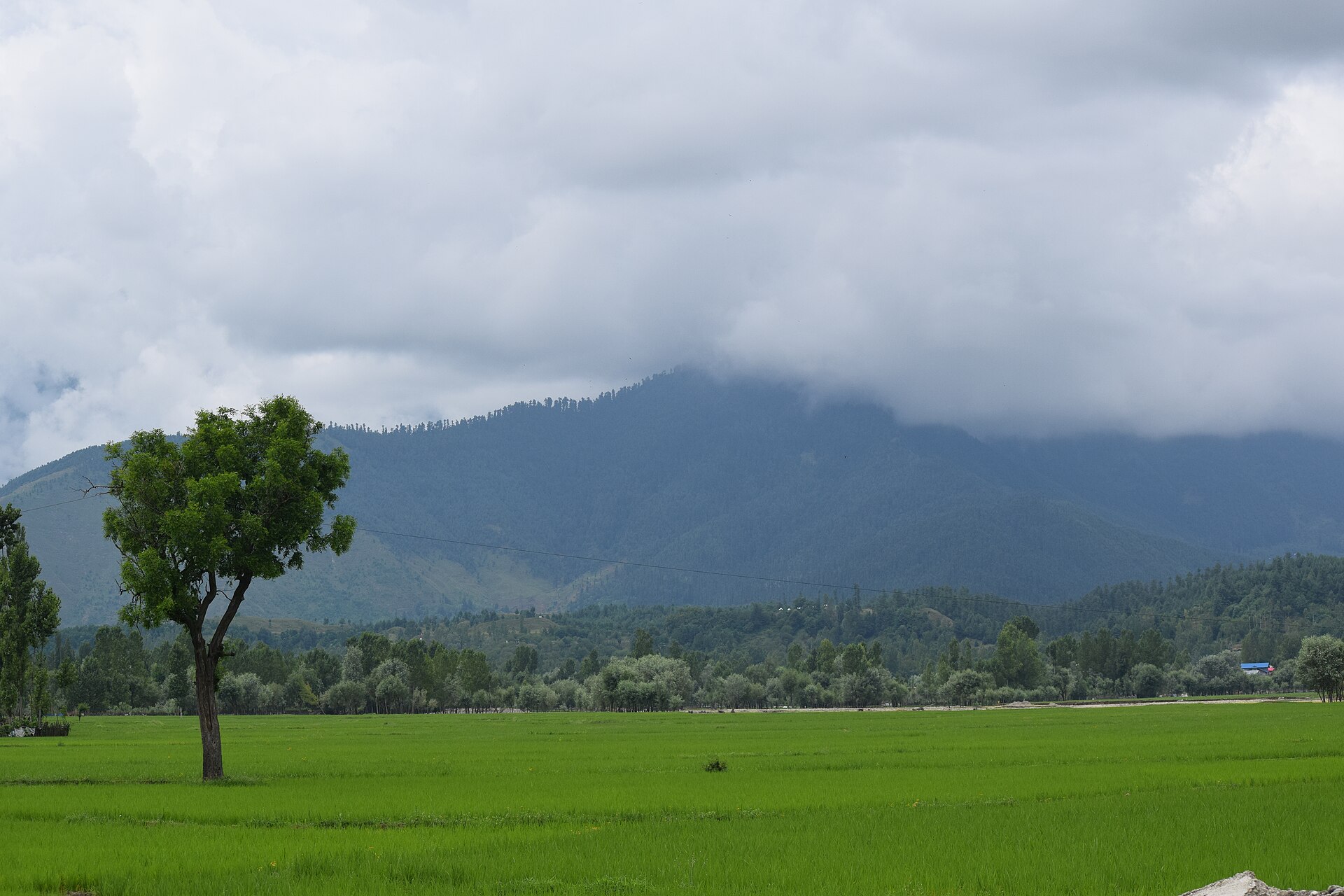
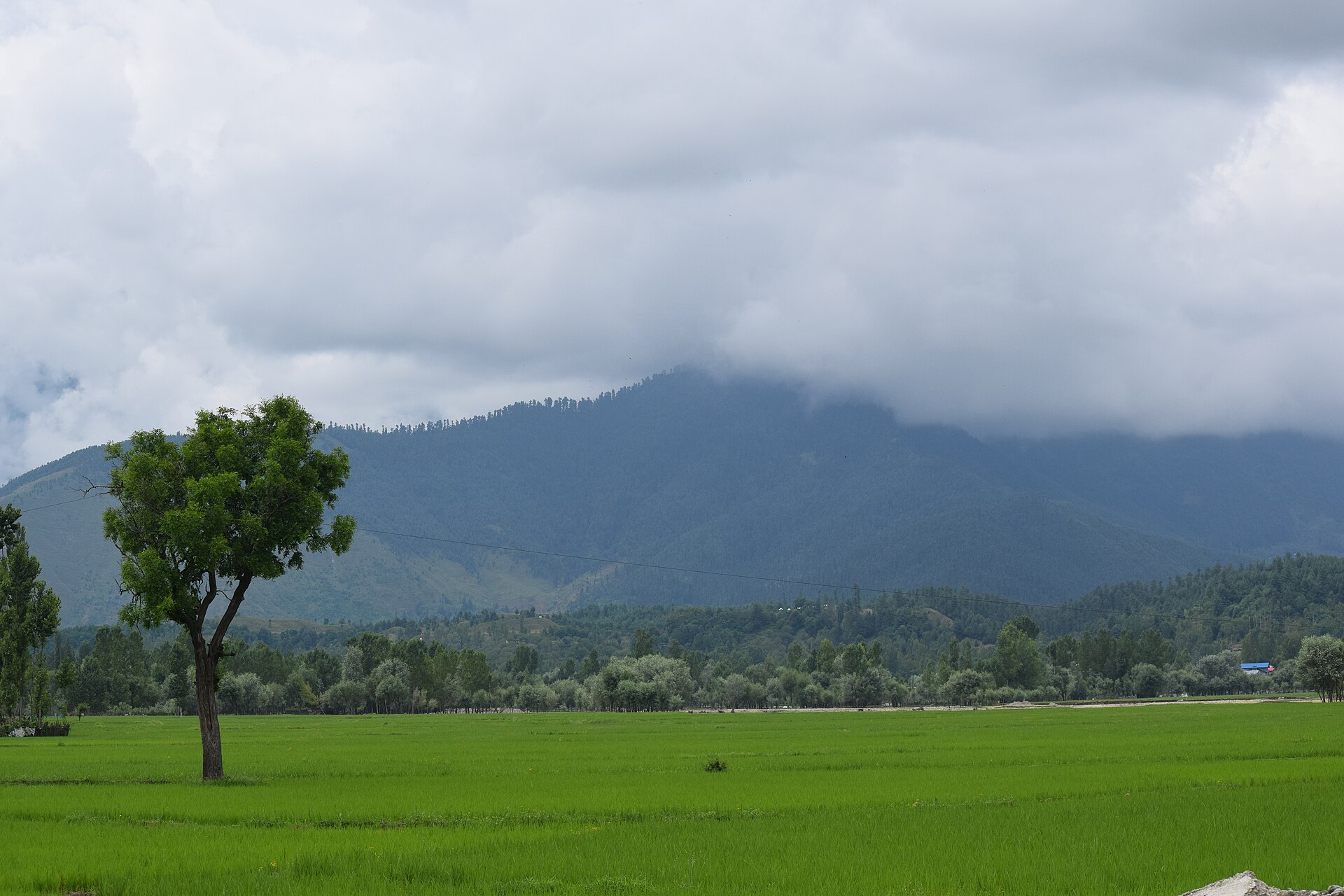
The sweeping oval expanse of Wadi-e-Lolab from the upper mountain ridges.Photo: Eshankaul007 · CC BY-SA 4.0
There is a distinct moment on the road past Handwara when the mobile network bars flicker, drop entirely, and the frantic chatter of city life stops. That digital silence is usually the first sign that you have entered the sphere of proper lolab valley offbeat tourism. While mainstream itineraries herd thousands of visitors into the concrete-heavy lanes of Gulmarg or the crowded houseboats of Dal Lake, the northern frontier districts of Kupwara offer something increasingly rare: genuine geographical and psychological space.
Wadi-e-Lolab, often called the fruit bowl of Jammu and Kashmir, is shaped like an oval depression tucked between high mountain spurs. It is fed by the Lahaman stream and bordered by dense forests of Himalayan cedar, blue pine, and walnut. For travellers seeking an authentic immersion into mountain culture rather than a checklist of scenic viewpoints, this region provides a masterclass in slow, deliberate exploration.
Navigating this landscape requires a shift in mindset. You will not find luxury resorts with spas or international cafes here. Instead, you will find wood-smoke scented mornings, family-run homestays, ancient cave networks, and trails walked for centuries by local shepherds. This guide breaks down everything you need to know to experience the valley responsibly and deeply.
Understanding the Geography of the Oval Valley
To appreciate why this region remains shielded from mass tourism, you first need to understand its physical layout. The valley spans roughly thirty kilometres in length, oriented along a northwest-southeast axis in the Kupwara district. It sits at an average altitude of around 1,600 metres, making it significantly milder in winter than high-altitude Ladakh, yet cool enough to escape the brutal plains summers.
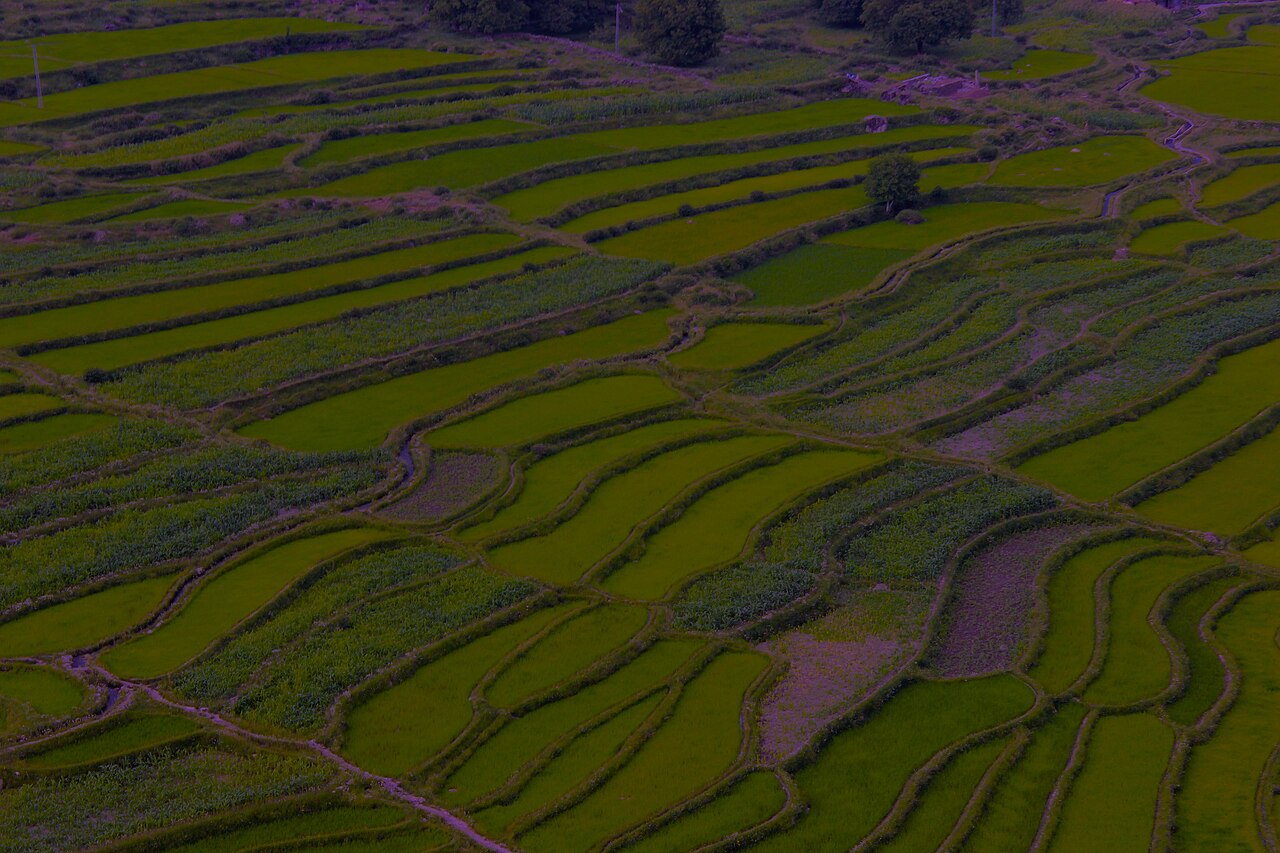
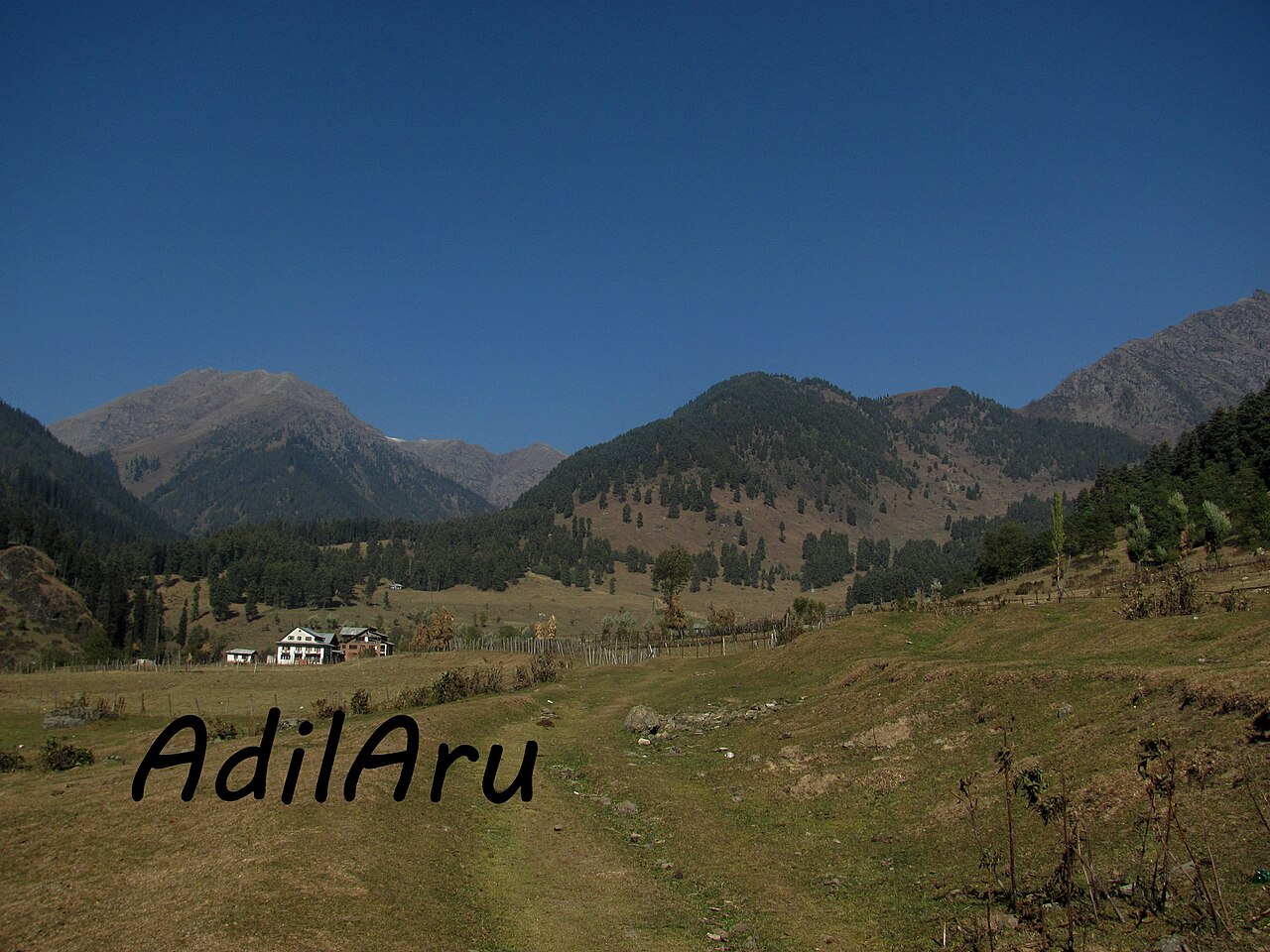
The basin floor is remarkably flat, dominated by terraced rice paddies and orchards, while the flanking mountain walls rise steeply to crests exceeding 3,000 metres. These upper ridges form natural borders, with the Line of Control running across the northern peaks. Because of this strategic location, infrastructure development historically lagged behind southern Kashmir, preserving the rural architecture and natural ecosystems.
When planning your route, it helps to look at how this northern watershed connects to other wild areas. Many adventurous travellers pair their Kupwara itinerary with a trek towards bangus-valley for even higher, bowl-shaped alpine pastures.
Heritage, Folklore, and Ancient Legends
The cultural fabric of the region is stitched together with centuries-old folklore. The name Lolab itself is said to be derived from 'Lahlu-Bab', after an ancient king, or linked to the local word for love and water. Local elders love to recount tales of saints and hermits who meditated in the dense forest groves, leaving behind spiritual energy that still protects the hamlets.
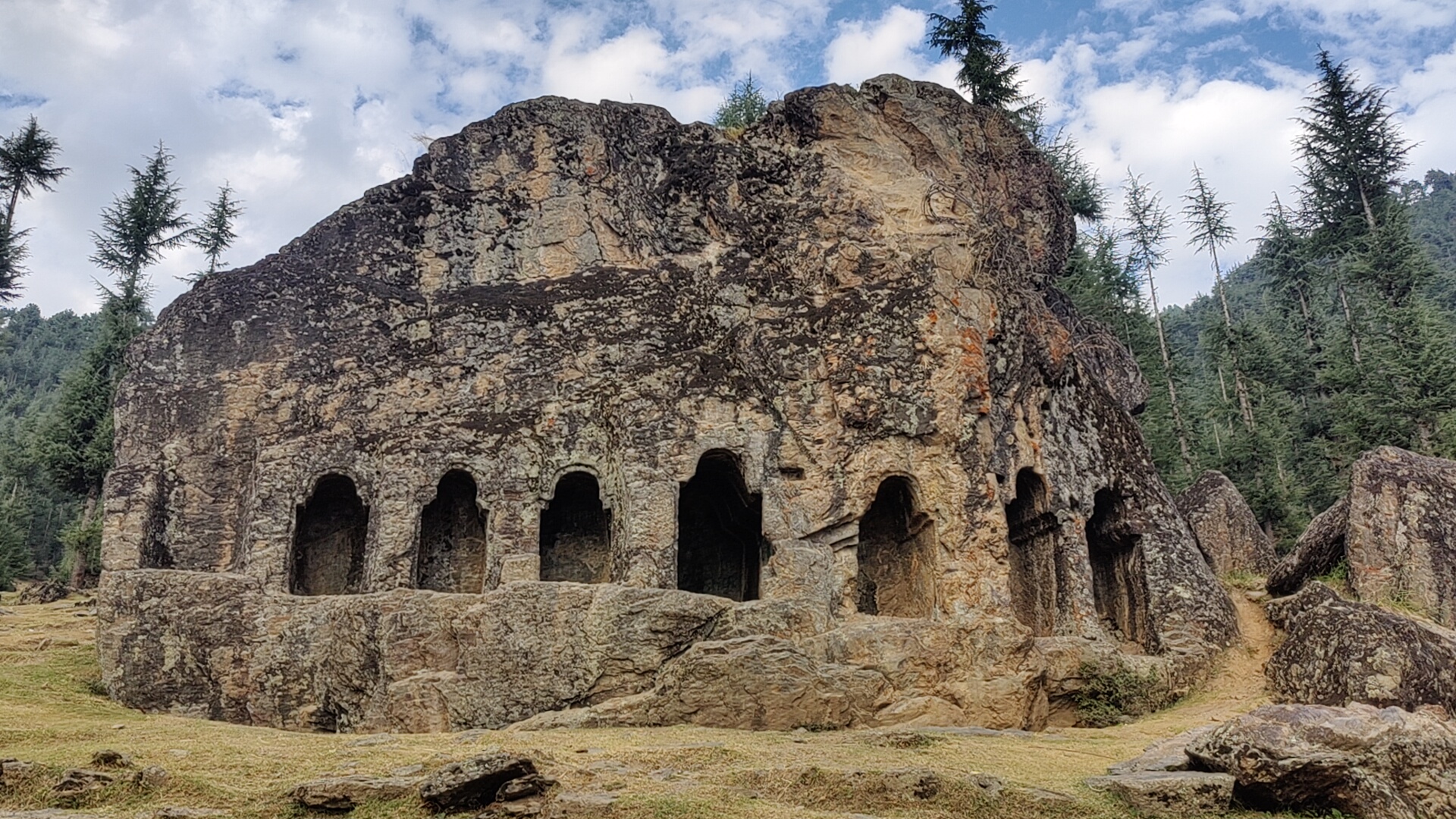
Chief among these historical touchpoints are the Kalaroos caves near Lasipora. These man-made and natural rock excavations feature dark limestone tunnels that local legends claim stretch all the way to Bukhara in Central Asia. While speleologists view them as ancient subterranean shelters or quarry sites, walking through their damp corridors with a flashlight fires the imagination in a way standard museums never can.
For those interested in the broader water systems and historical trade routes of the north, our overview of wular-lake provides fascinating context on how ancient civilisations utilized these river basins.
The Tomb of Kachoora
Scattered across the valley are old shrines and graves attributed to early Sufi missionaries who travelled through the mountain passes, integrating local animist traditions with Islamic mysticism.
Oral Traditions of the Shepherds
Listening to the folk songs sung by local herdsmen around an evening fire gives you a better window into the psychological landscape of the valley than any history textbook.
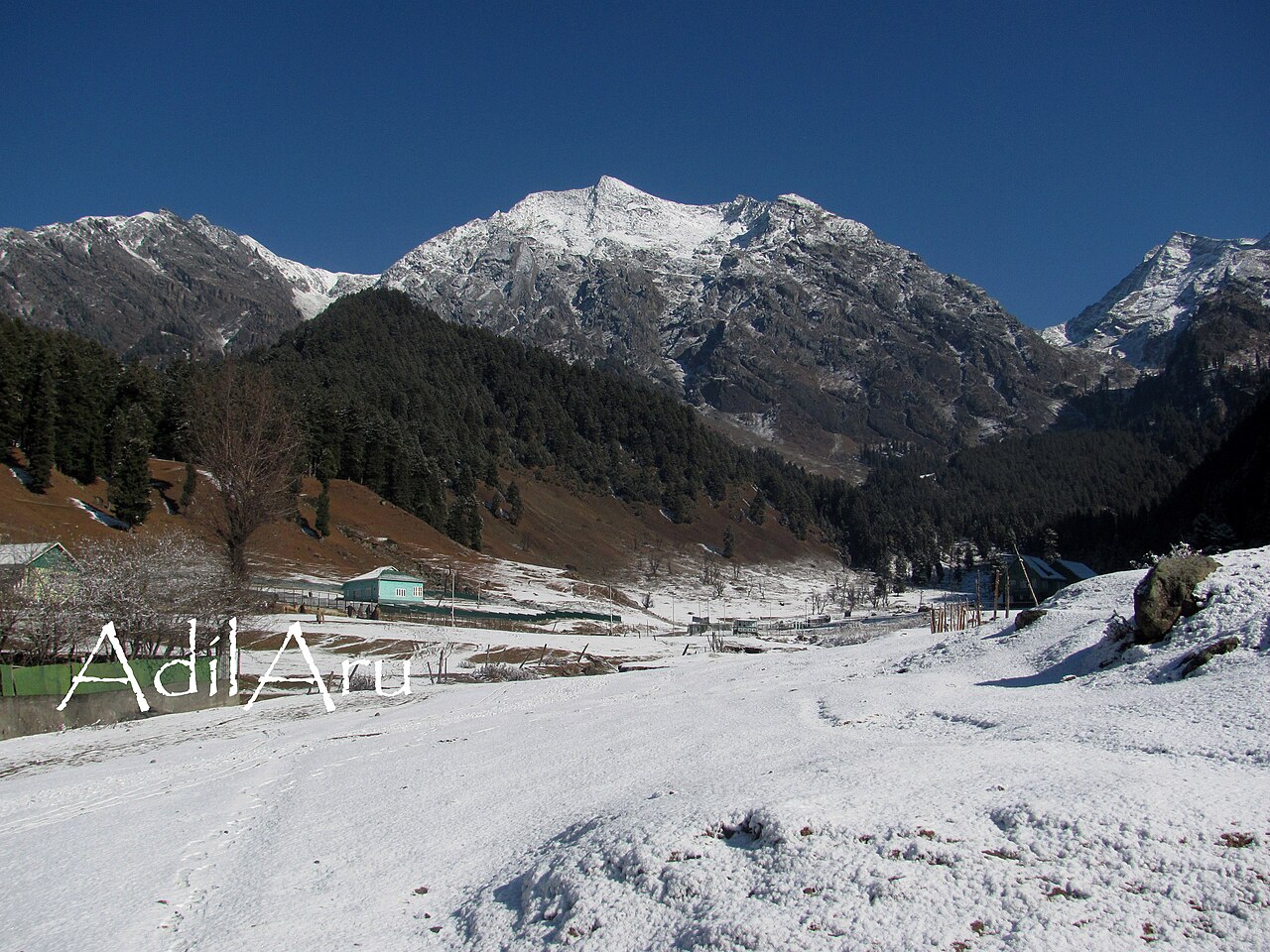
Wadi-e-Lolab provides a masterclass in slow, deliberate exploration for travellers seeking authentic mountain culture.
Sustainable Tourism Practices in Kupwara
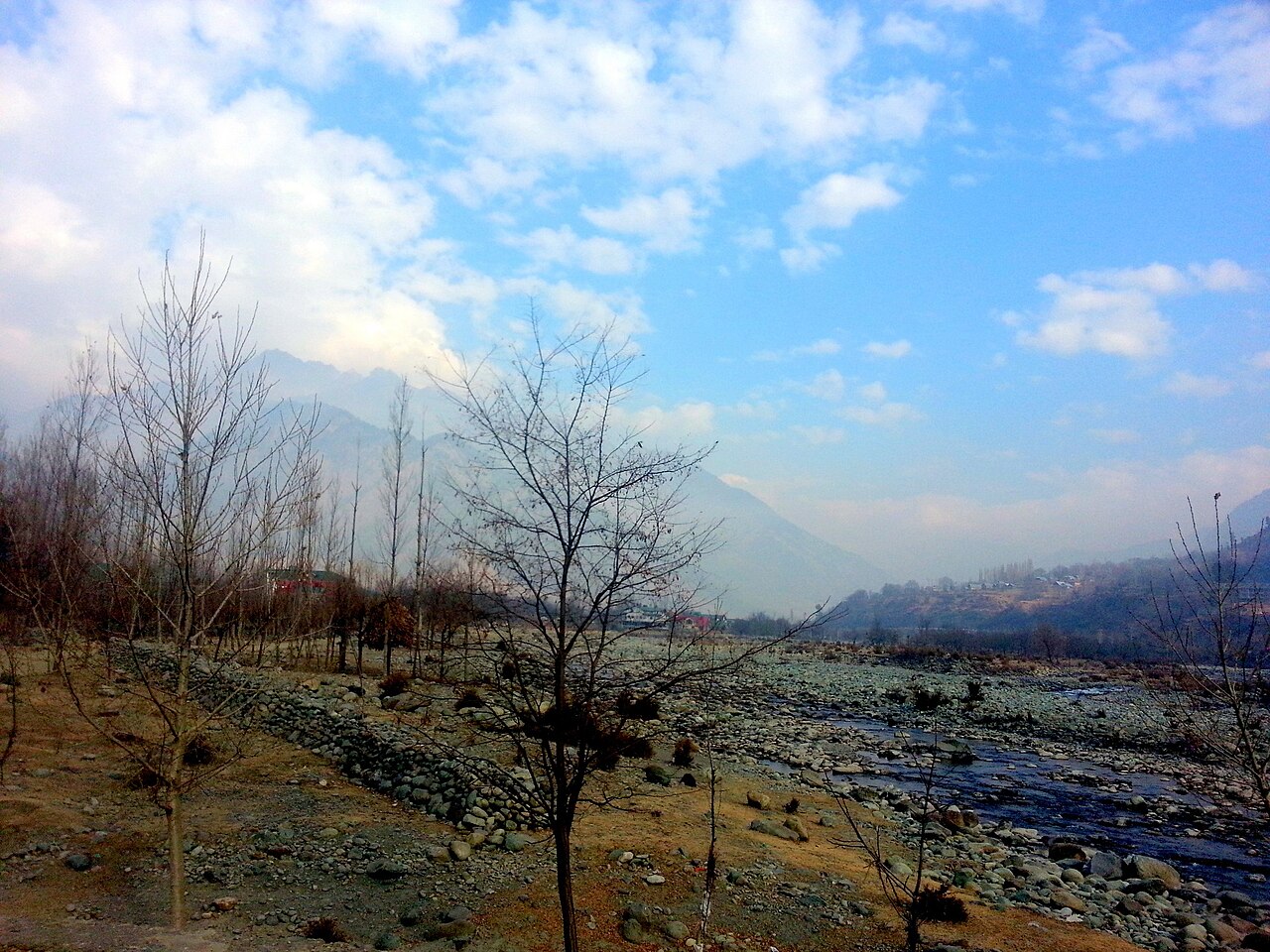
When you travel to places where local communities are just beginning to host visitors, your footprint matters immensely. Sustainable tourism here isn't a marketing catchphrase; it is a daily necessity to protect fragile mountain ecosystems and water sources from plastic pollution.
We always brief our travelers to pack out every single piece of plastic they bring in, respect local privacy, and buy food and crafts directly from village producers. Water scarcity can be an issue in certain hamlets during dry summer spells, so conservative water usage in homestays is deeply appreciated by your hosts.
If you want to ensure your trip supports local conservation and ethical travel standards, get in touch with our team directly via our /contact page to arrange vetted homestays and licensed local guides.
Essential Practical Tips for Offbeat Travellers
Venturing into Kupwara district requires a bit more preparation than taking a tourist taxi from Srinagar to Sonamarg. First, ensure your vehicle is mechanically sound and driven by a local professional who knows how to handle narrow, unpaved mountain tracks and steep gradients.
Second, carry sufficient cash. ATMs are sparse outside of Sogam and Kupwara town, and digital payments fail frequently when power or mobile networks drop. Third, dress modestly and respect local cultural norms, particularly regarding photography of women and religious sites.
By respecting these simple guidelines, you ensure that your presence as an offbeat traveller remains a welcome addition to village life rather than a disruptive force.
Before you book
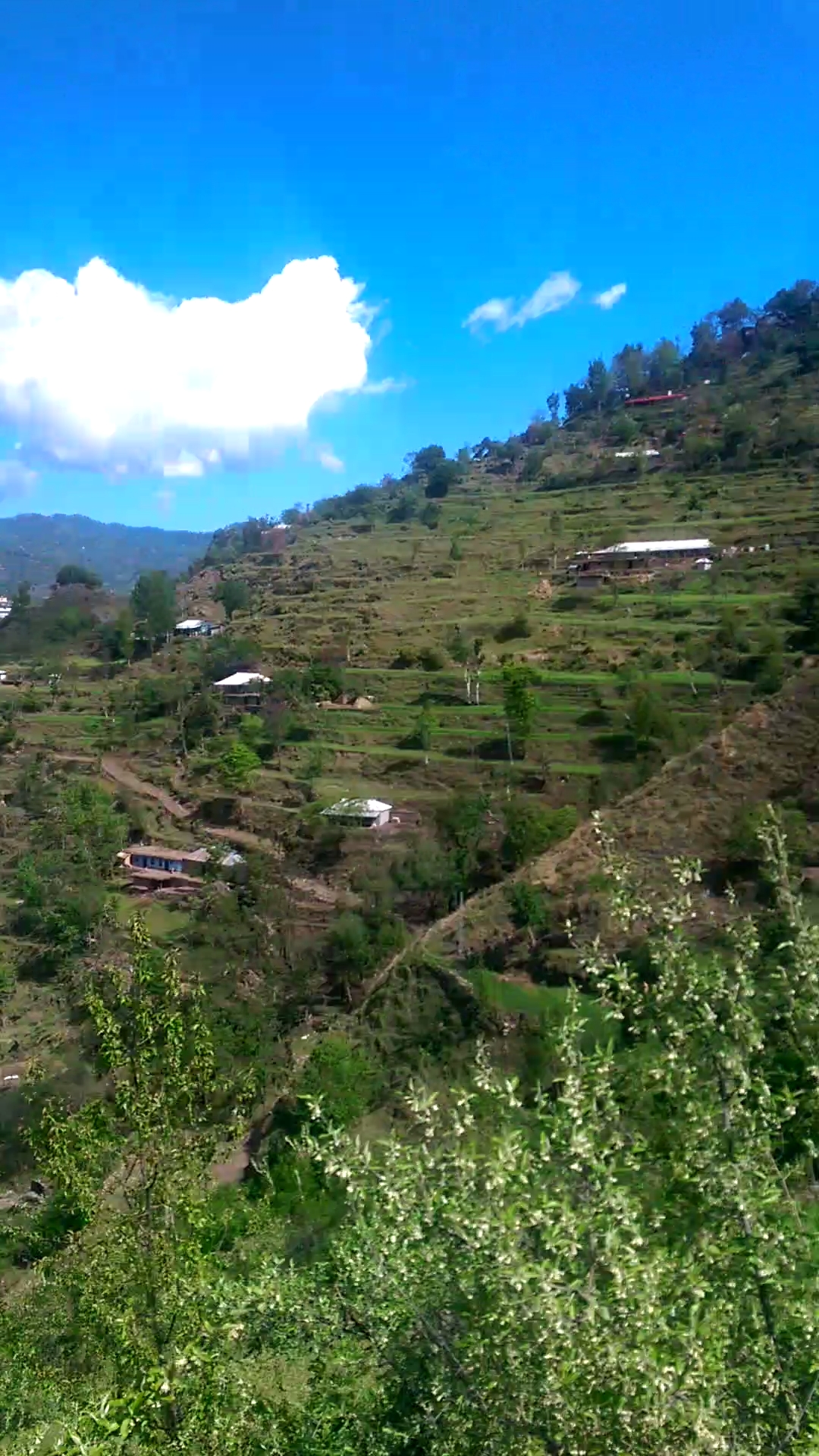
Embracing lolab valley offbeat tourism means trading the sterile convenience of luxury resorts for the rich, textured reality of authentic mountain life. It means drinking noon chai with farmers, exploring ancient rock caves by torchlight, and listening to the wind move through untouched pine forests.
Take your time, tread lightly, and let the quiet dignity of Kupwara district redefine what a Himalayan journey can be for you.
Let Us Help You Plan Your Offbeat Kashmir Itinerary
Skip the generic tour packages. Connect with our Srinagar-based team to design a thoughtful, responsible journey through Lolab, Bangus, and Gurez.
Plan Your Custom TripCaption for your own post
Deep in the green folds of Kupwara. Offbeat travel at its absolute finest. #LolabValley #KashmirOffbeat #SustainableTravel
Written by
Kashmir, Jammu & Ladakh specialists
We plan and run trips across Kashmir, Jammu and Ladakh every week of the year. Everything here comes from routes we drive, stays we inspect and questions our travellers actually ask.
Written by our lead expedition editor following community-led tourism research trips across northern Kashmir.
Quick answers
Questions we get asked
What makes Lolab Valley different from Pahalgam or Gulmarg?
Lolab lacks commercial resorts, cable cars, and large tourist crowds, offering instead an uncommercialized rural landscape focused on village life and pristine nature.
Is special permission required to visit Kupwara district?
Indian citizens do not need special permits for the main tourist areas of Lolab, though valid photo ID is always recommended for security checkpoints.
Where should I stay for an authentic offbeat experience?
Opt for community-run village homestays in Sogam, Chandigam, or Lasipora rather than standard commercial hotels.
How can I practice sustainable travel in the valley?
Minimize plastic waste, conserve water, respect local cultural customs, and support family-run businesses and local guides directly.
Photography credits
- Photo: Eshankaul007 · CC BY-SA 4.0
- Photo: EIC AI · CC BY-SA 4.0
- Photo: AsmaHyder · CC BY-SA 3.0
- Photo: AdilAru · CC BY-SA 3.0
- Photo: Gayatri Priyadarshini · CC BY-SA 4.0
- Photo: AdilAru · CC BY-SA 3.0
- Photo: Hafizusman1997 · CC BY-SA 4.0