What to Do in Lolab Valley: A Traveller's Field Guide
Step away from the usual tourist circuit and discover the deep woods, ancient caves, and quiet village lanes of Kupwara.
Looking for things to do in lolab valley? This guide covers Kalaroos caves, Sogam village walks, walnut orchards, and how to explore Kashmir's best offbeat track.
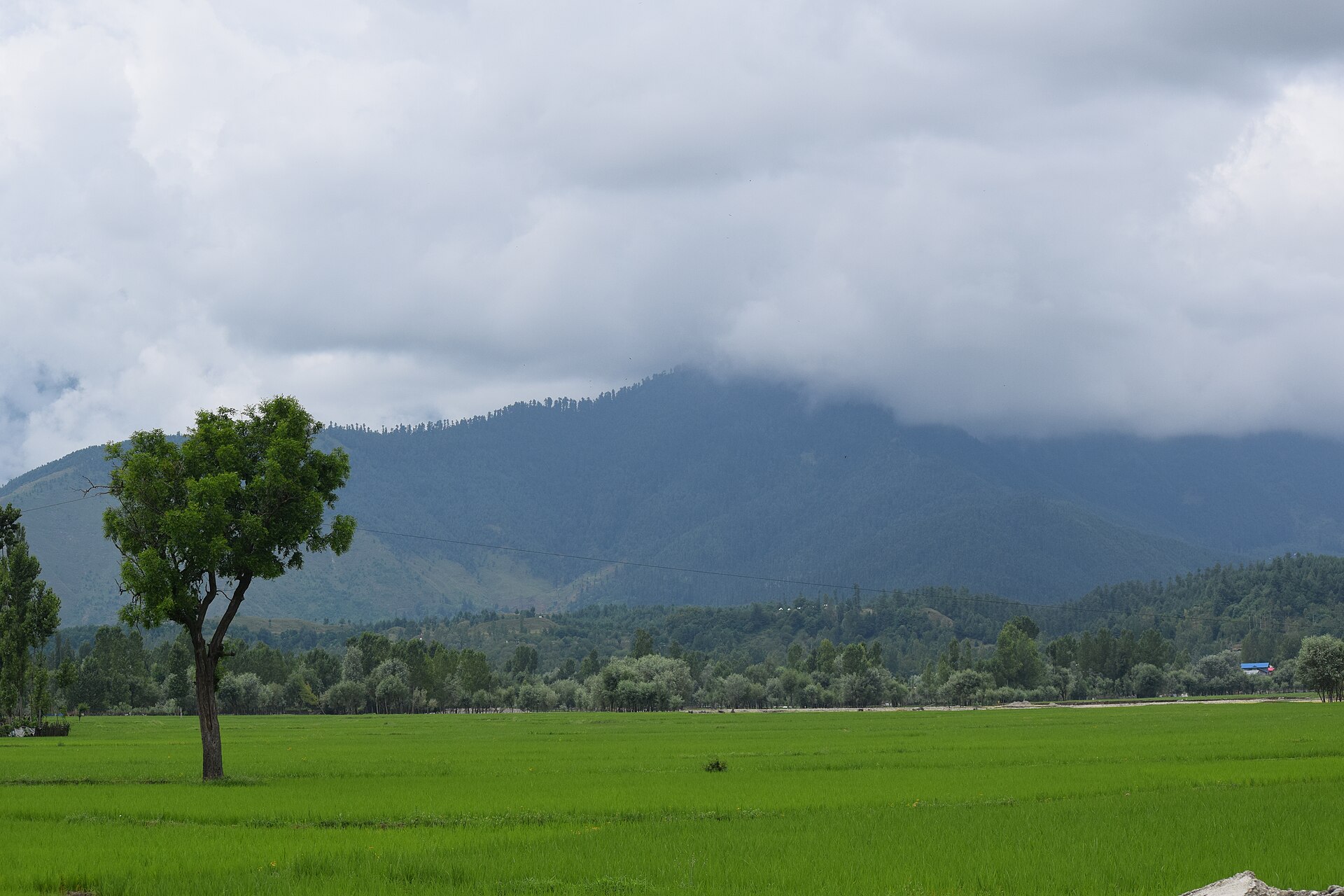
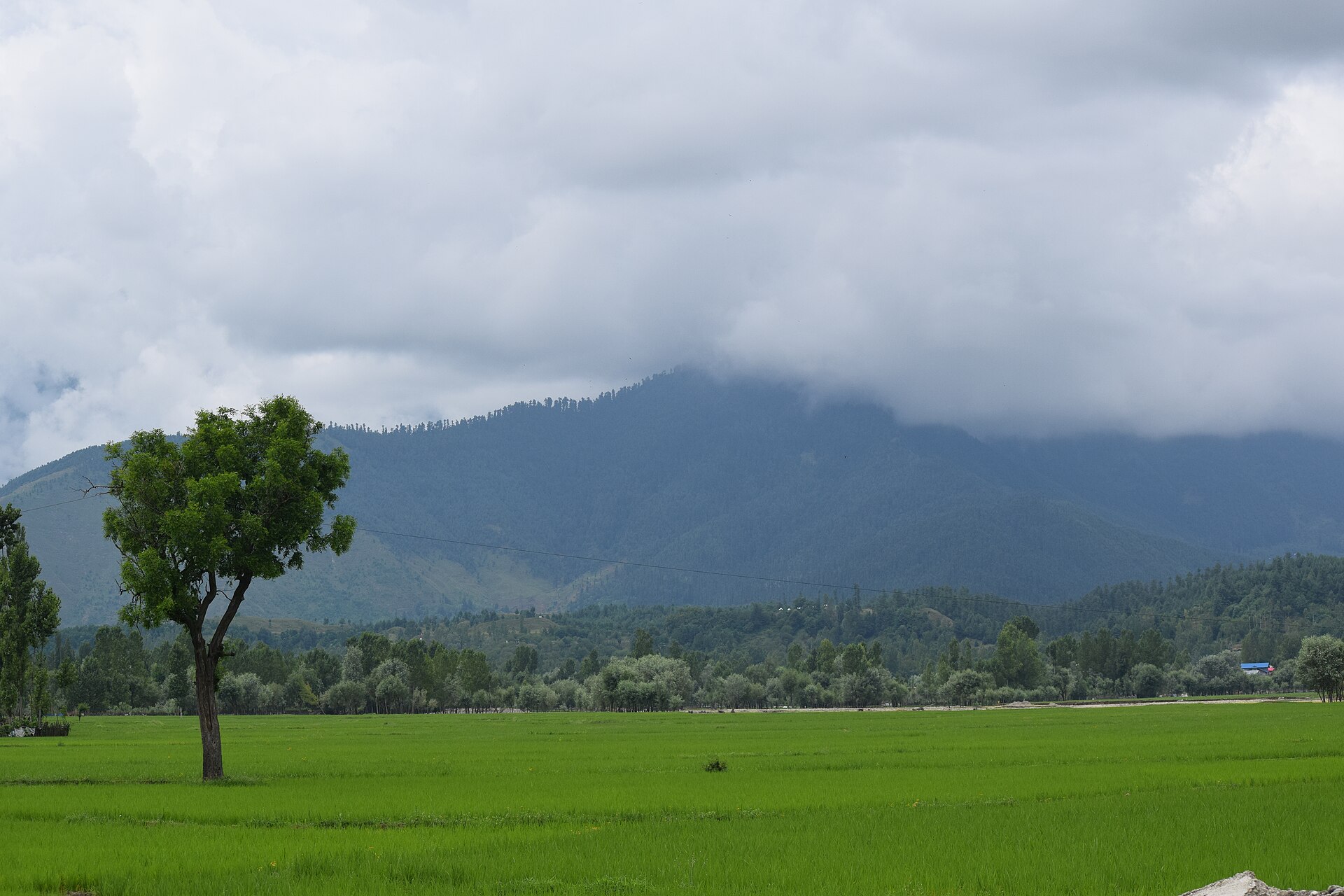
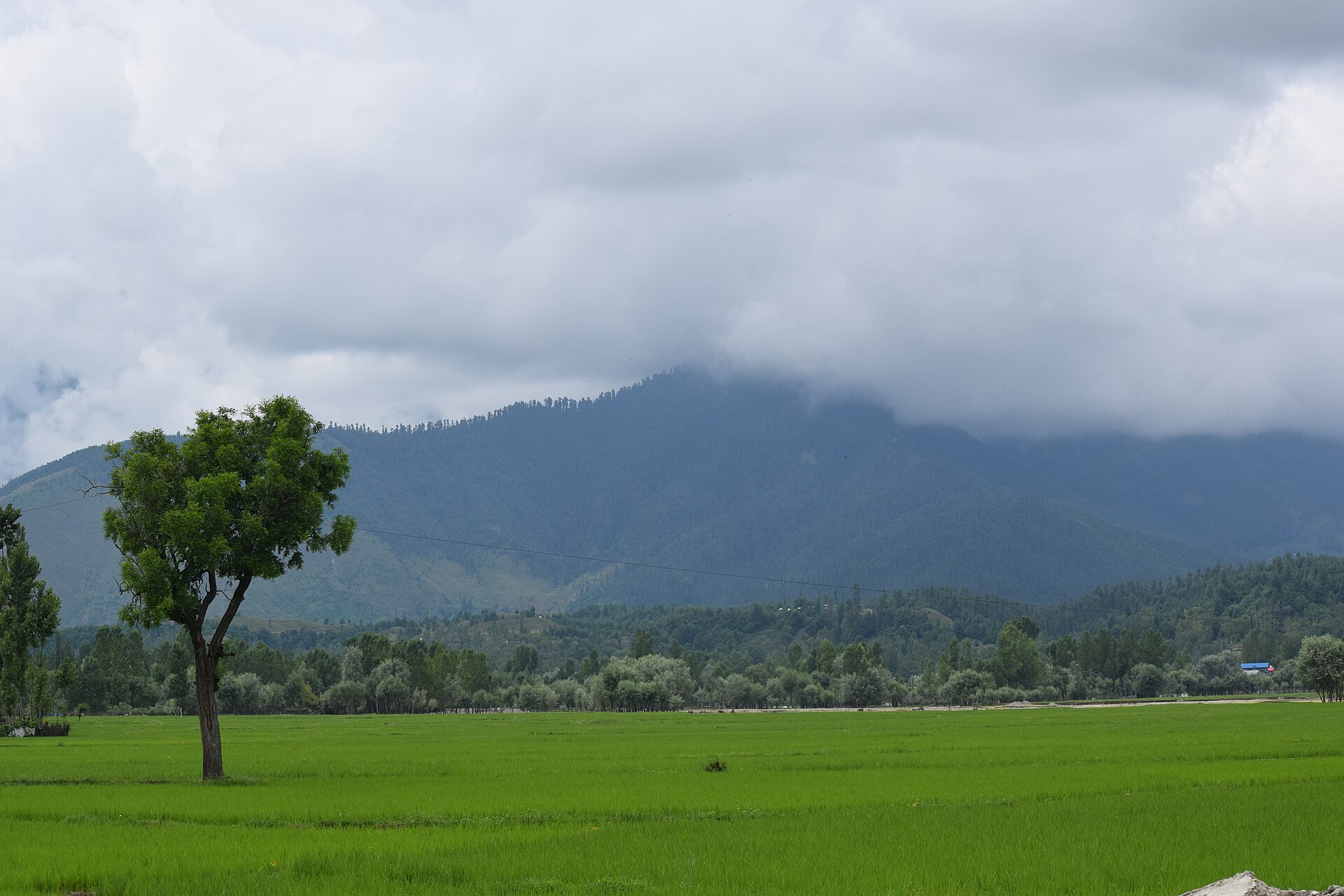
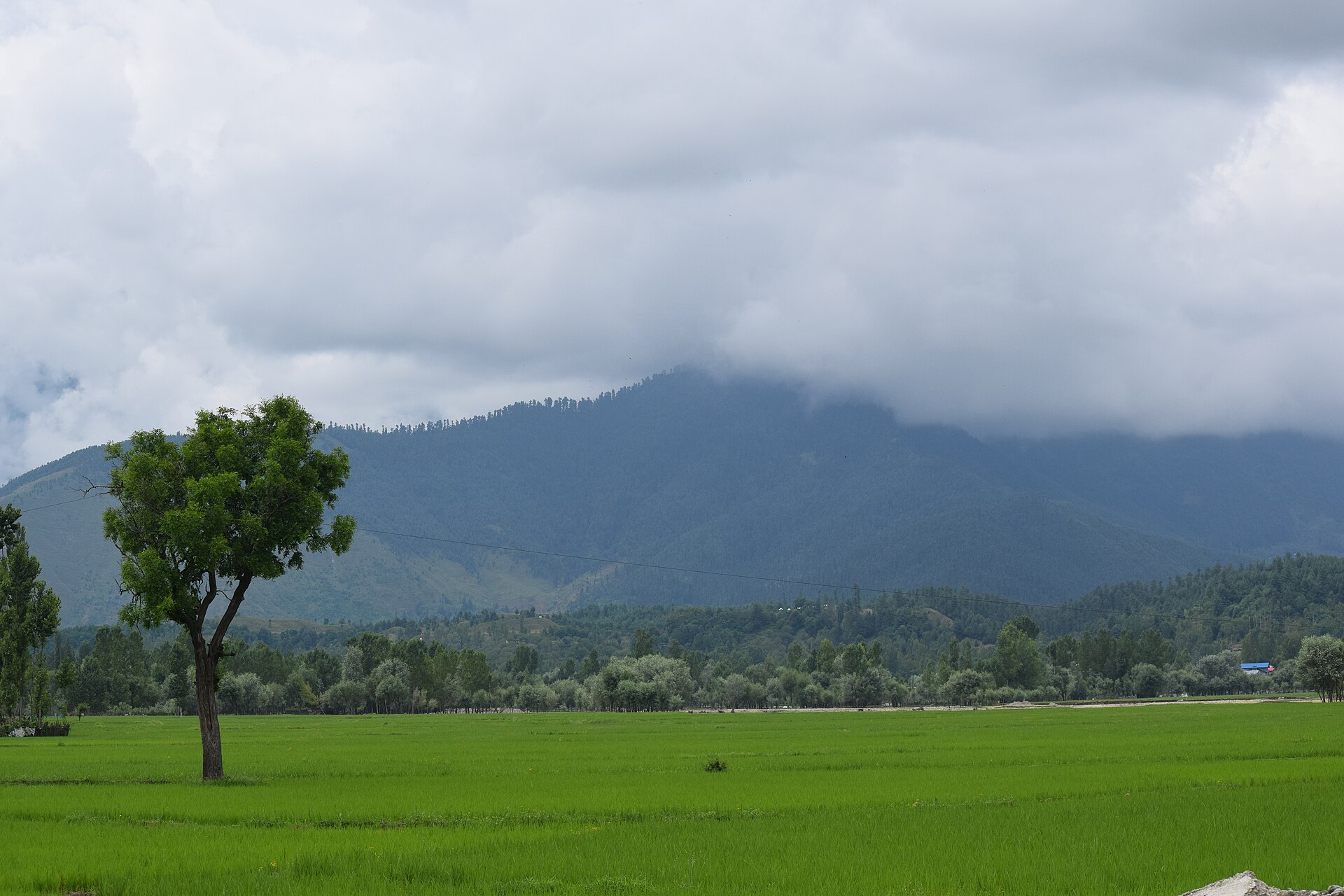
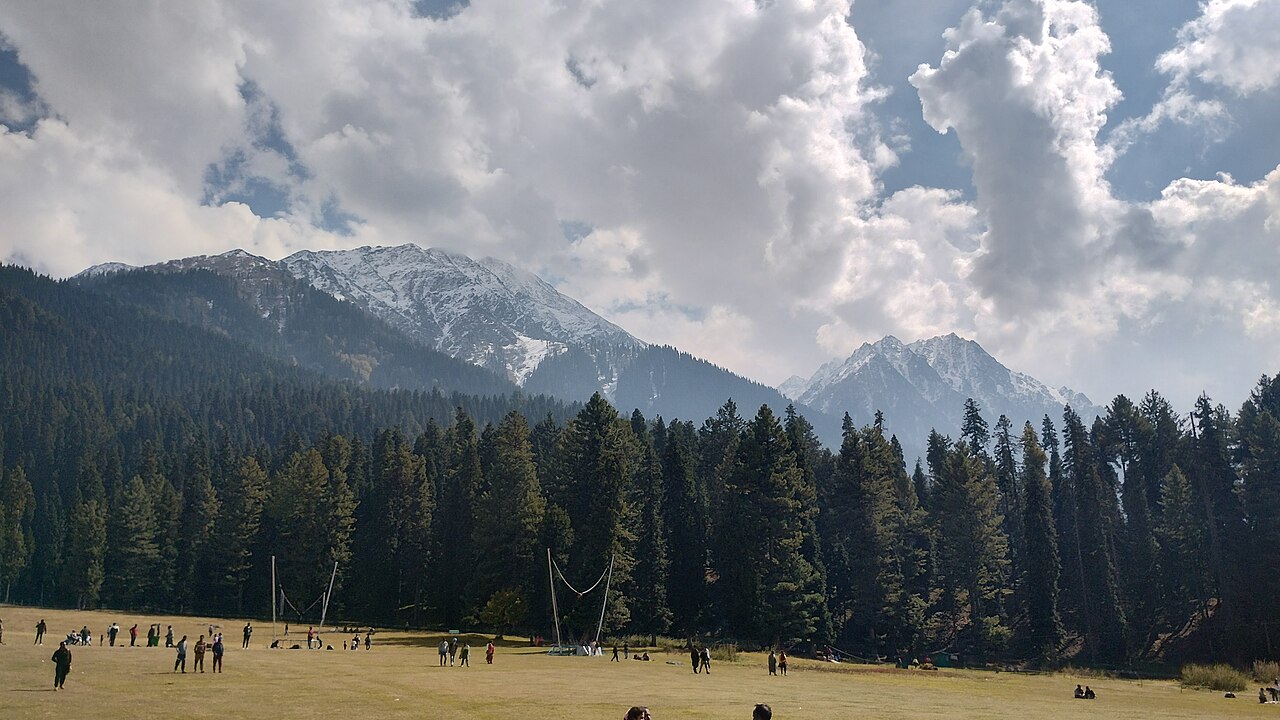
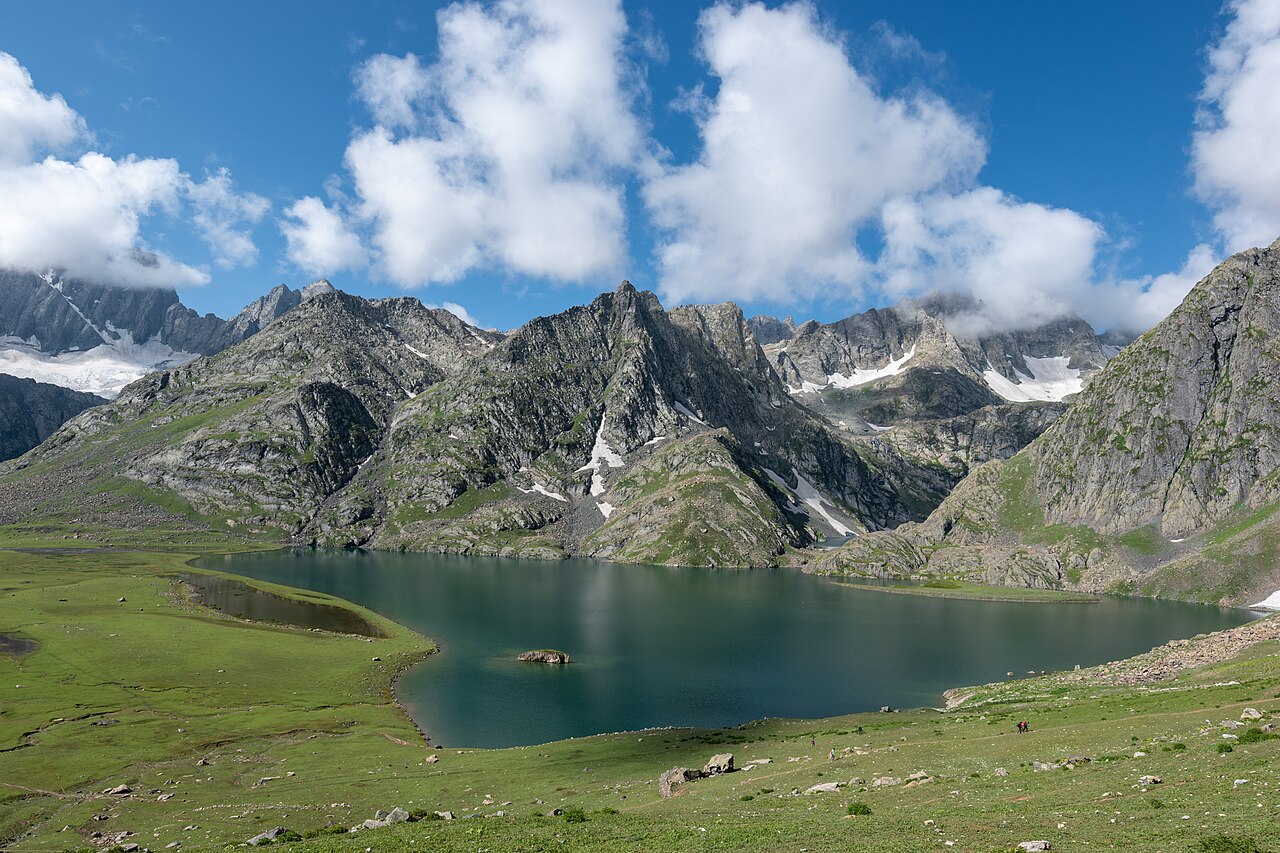
The wide, oval floor of Lolab Valley framed by dense pine forests.Photo: Eshankaul007 · CC BY-SA 4.0
The tea in the small tin cup at Sogam market was scalding hot, tasting faintly of cardamom and woodsmoke. Outside, a tractor rattled past loaded with empty apple crates, kicking up dust from the unpaved main road. We had left Srinagar four hours earlier, watching the traffic thin out past Baramulla until the road narrowed into the rolling folds of Kupwara district. Most travellers keep driving south towards Pahalgam or north into Gulmarg, but the real charm of the valley lies in planning what things to do in lolab valley before the rest of the world catches on.
This oval-shaped depression, stretching roughly thirty kilometres long and a few miles wide, feels entirely detached from the frantic pace of major tourist centres. There are no branded souvenir shops here, no endless lines for cable cars, and no aggressive touts trying to sell you pony rides. Instead, you get low-slung wooden houses with slate roofs, deep pine forests that climb steeply towards the Line of Control, and farmers who still greet you with a slow nod of the head as you walk past their fields.
If you are planning your first trip to this corner of Jammu and Kashmir, you need to understand that Lolab is not a place for checklist tourism. You cannot rush it in a single afternoon. To experience it properly, you have to slow your pulse down, walk the muddy field tracks, and let the landscape reveal itself one village at a time.
Walking the Sogam Rice Terraces and Village Lanes
Sogam serves as the administrative and commercial heart of the valley, though calling it a town is a stretch. It is essentially a bustling cluster of grocery shops, bakeries selling fresh girda bread, and repair stalls set against a backdrop of terraced rice fields. When we bring clients here, we always recommend parking the car near the old bridge and spending an hour or two just walking the footpaths that separate the paddies.
In early summer, the young rice shoots form a vibrant green carpet that mirrors the grey clouds rolling off the surrounding peaks. Local women work in groups knee-deep in water, planting seedlings while old folk sit on raised earthen bunds keeping watch over grazing goats. There is a tactile rhythm to daily life here that hasn't changed much in decades. If you stop to chat, residents are remarkably hospitable, often inviting you onto their porch for a cup of noon chai served with local walnut biscuits.
From Sogam, you can easily connect your route further north towards the wilder stretches of the region, or plan a longer journey that pairs this landscape with a trip over to bangus-valley for alpine meadows that rival any in the Himalayas.
- Start your morning walk around 7:00 AM before the sun climbs over the eastern ridge.
- Wear sturdy waterproof boots as irrigation channels criss-cross all walking paths.
- Buy fresh walnuts directly from farmers near the village outskirts rather than packaged city shops.

Uncovering the Mystery of Kalaroos Caves
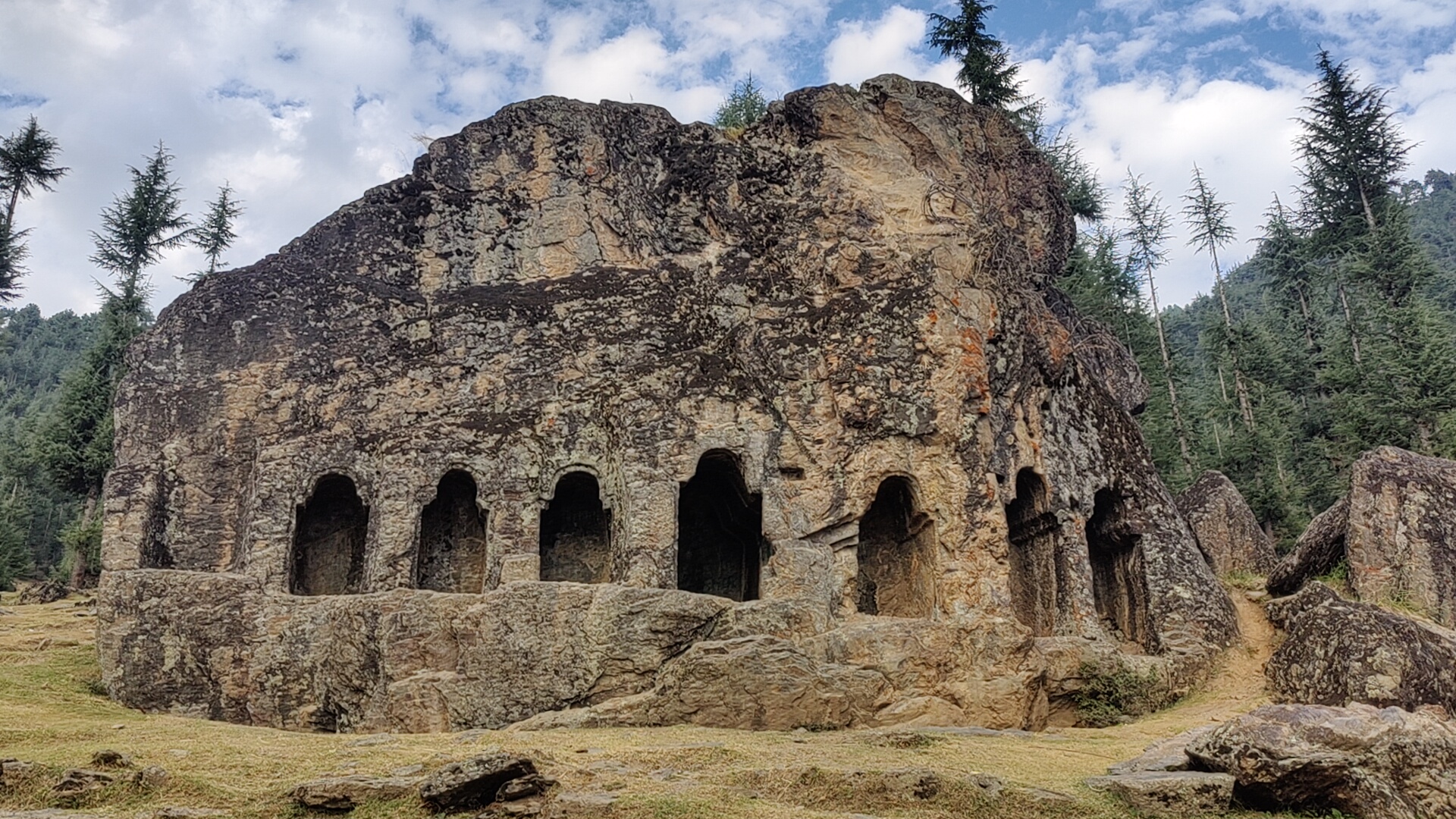
One of the most intriguing historical sites in the district is tucked away near the village of Madmad and Lasipora. The Kalaroos caves—locally known as Satbhain—are a complex of ancient rock-cut tunnels and chambers that local folklore insists once connected all the way to Central Asia. While archaeologists are more conservative about their origins, dating them to ancient prehistoric or early Buddhist periods, stepping inside them feels like entering another dimension altogether.
The approach requires a moderate trek of about two kilometres uphill from the roadhead through dense oak and pine forests. When we first explored these caves, we brought local guides who carried heavy-duty torches, which are essential because total darkness swallows you just a few feet past the entrance. Inside, the limestone walls are carved with mysterious geometric markings and faint petroglyphs that have baffled historians for generations.
Visiting these caves gives you a sense of the deep, layered history of the region that goes far beyond the standard Mughal garden narratives found in Srinagar. It is rugged, slightly eerie, and completely devoid of tourist infrastructure, which only adds to the raw appeal of the excursion.
The Legend of Russian Connections
Old-timers in the village still whisper about how these tunnels were once used by Tsarist soldiers or ancient traders to travel vast distances underground. While scientifically impossible, listening to these stories by an evening campfire is half the fun.
To experience Lolab properly, you have to slow your pulse down, walk the muddy field tracks, and let the landscape reveal itself one village at a time.
Wandering Through the Chandigam Forests
If your idea of a holiday involves quiet woodland walks where the only sound is the wind in the deodars, Chandigam is your spot. Located on the southern slopes of the valley, this village is surrounded by some of the thickest pine and fir forests in the entire Kashmir division. The canopy overhead is so dense that even at midday, shafts of sunlight hit the forest floor in dramatic, golden patches.
We usually base our travelers in the tourist rest houses or private homestays here because the trailheads for the upper ridges start right from the village edge. A gentle three-hour hike takes you up to Machil via high-altitude meadows that explode with wildflowers during June and July. It is common to spot local shepherds moving their flocks up to the higher pastures, accompanied by large, fierce-looking Bakarwal dogs who take their guard duties very seriously.
For those interested in extending their wilderness trekking further north, our detailed guide on exploring wular-lake and the lower basin gives great context on how these water systems feed the entire northern valley.
Experiencing Seasonal Harvests in Walnut and Apple Orchards
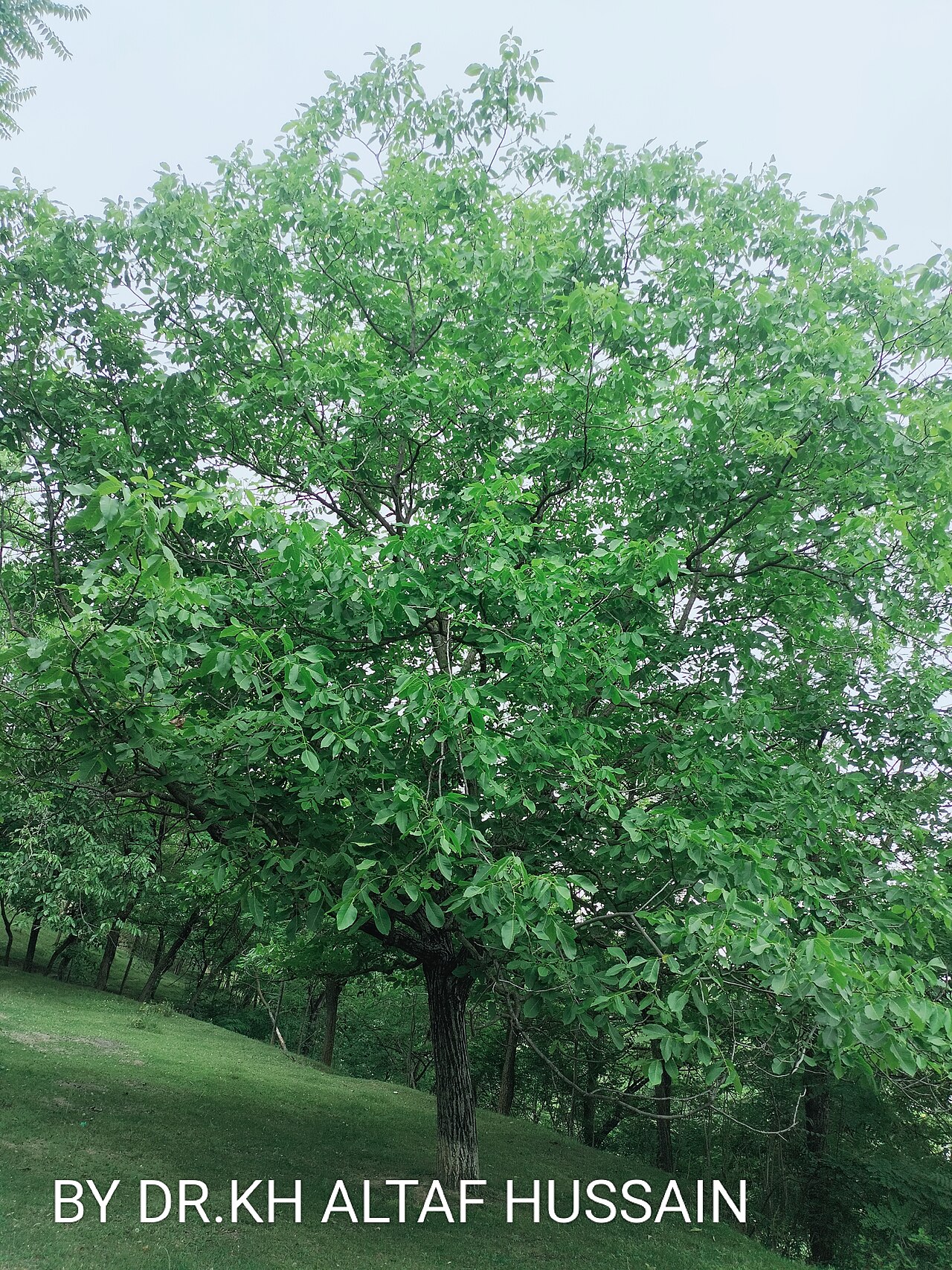
Agriculture defines the calendar in Kupwara. While spring brings a sea of white apple blossoms across the valley floor, autumn turns the entire region into a palette of rusty golds and deep reds. If you visit between September and October, you arrive right in the middle of the walnut and apple harvest, which transforms daily village life into a communal celebration.
During harvest season, families set up long wooden poles to knock ripe walnuts down from giant, ancient trees that have stood for over a century. You can buy freshly shucked green walnuts from roadside vendors—their flesh is creamy, sweet, and nothing like the dried, brittle nuts you buy in city supermarkets. The air smells intensely of fermenting windfall apples and dry autumn leaves.
If you prefer high-altitude drama combined with deep river gorges, many travellers choose to pair their autumn orchard tours here with a rugged drive towards gurez-valley, where the Kishenganga river cuts a dramatic path through the mountains.
Connecting with Local Culture and Hospitality
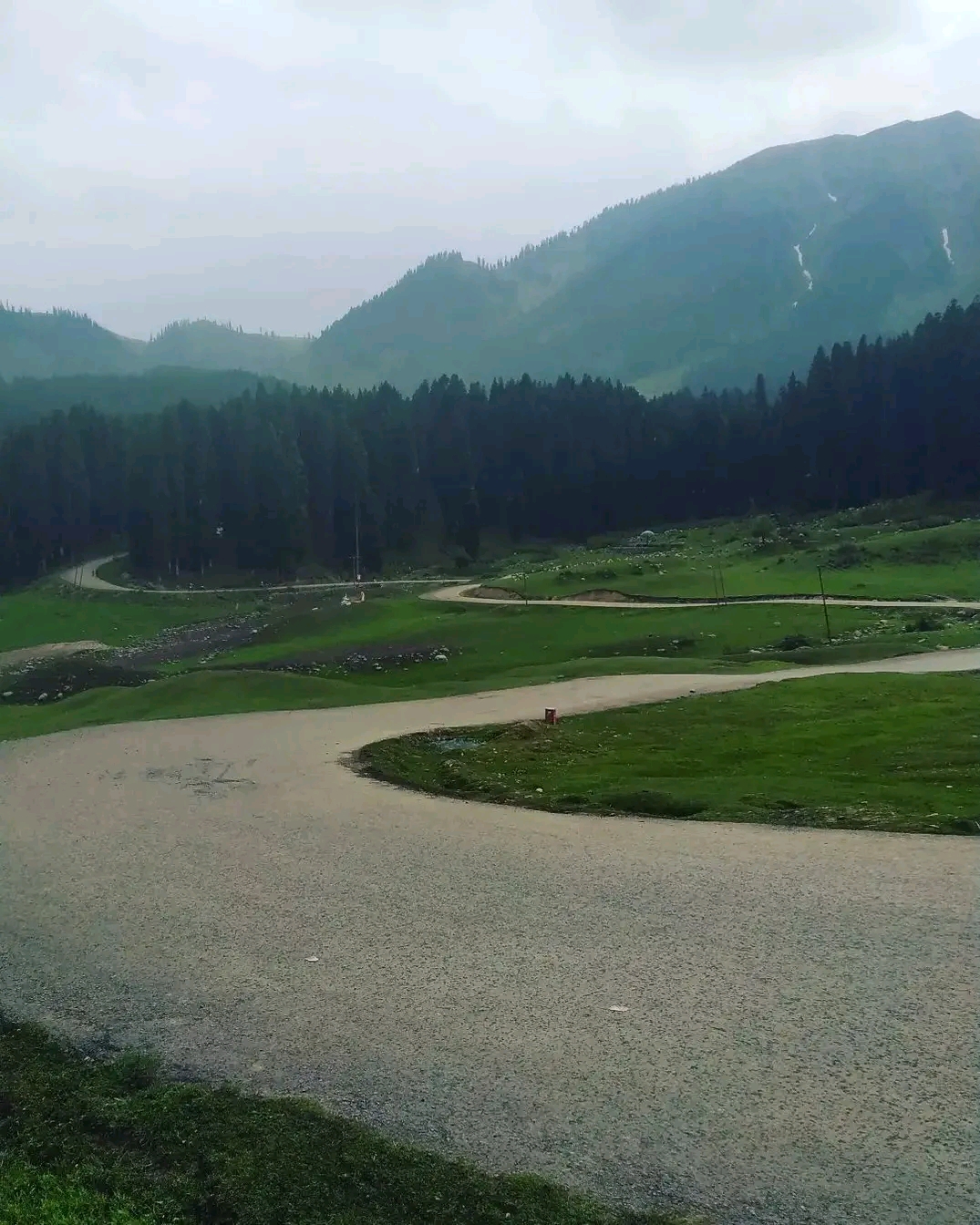
Tourism in this valley operates on an intimate, human scale. There are no five-star hotels with sprawling golf courses or impersonal room service. Instead, you stay in carefully vetted village homestays or cozy government forest rest houses run by caretakers who treat guests like visiting family.
Dinner usually consists of traditional Kashmiri Wazwan dishes adapted for home cooking—spicy mutton rogan josh, velvety haakh greens cooked with mustard oil, and endless cups of pink noon chai. Evening entertainment is simple: sitting around a wood-burning bukhari stove while elders recount stories of old trade routes, harsh winters, and the legendary saints who brought Sufi traditions to the mountains.
If you need help arranging authentic village stays or reliable transport from Srinagar airport, feel free to reach out to us directly through our /contact page for customized itineraries.
Before you book
Travelling through Kupwara district reminds you why you fell in love with mountains in the first place. Without the noise of mass tourism, every conversation with a local shopkeeper, every step through a muddy rice paddy, and every glimpse of snow on the upper ridges feels earned and authentic.
Whether you are planning a quiet summer escape or an autumn photography trip, taking the road less travelled into this green oval depression will stay with you long after you return to city life.
Ready to Plan Your Offbeat Kashmir Journey?
Let our local experts help you build a custom itinerary through Lolab, Bangus, and beyond. No cookie-cutter packages—just honest, on-the-ground travel planning.
Get in TouchCaption for your own post
Morning mist over the rice terraces of Sogam. Far away from the crowds, Kupwara district keeps its own quiet time. #LolabValley #KashmirOffbeat #TravelKashmir
Written by
Kashmir, Jammu & Ladakh specialists
We plan and run trips across Kashmir, Jammu and Ladakh every week of the year. Everything here comes from routes we drive, stays we inspect and questions our travellers actually ask.
Written after leading an autumn photography expedition through Kupwara and the northern frontier districts.
Quick answers
Questions we get asked
How many days do I need for Lolab Valley?
Plan for at least three full days to properly experience Sogam, the Kalaroos caves, Chandigam forests, and local village life without rushing your journey.
Is it safe to travel to Kupwara district?
Yes, the tourism areas in the valley are peaceful and heavily secured, though standard travel precautions and local guidance should always be followed.
What is the best way to reach Lolab from Srinagar?
The most reliable option is hiring a private taxi from Srinagar airport or Lal Chowk, which takes roughly 4 hours via Sopore and Kupwara town.
Are there good hotels in the valley?
Major luxury hotels do not exist here. Accommodation is focused on cozy village homestays, private guest houses, and scenic forest department rest houses.
Photography credits
- Photo: Eshankaul007 · CC BY-SA 4.0
- Photo: EIC AI · CC BY-SA 4.0
- Photo: MODIS Land Rapid Response Team, NASA GSFC · Public domain
- Photo: Hellohappy · CC BY-SA 4.0
- Photo: Altafali123 · CC0
- Photo: Keshuseeker · CC BY-SA 4.0
- Photo: Rohit Sharma · CC BY-SA 4.0