Pangong Tso: Understanding the Lake's Unique Ecology
Everything you need to know about this high-altitude wonder.
Is Pangong Tso freshwater or saltwater? Discover the science behind this famous Ladakh lake, its formation, and its fragile ecological balance.
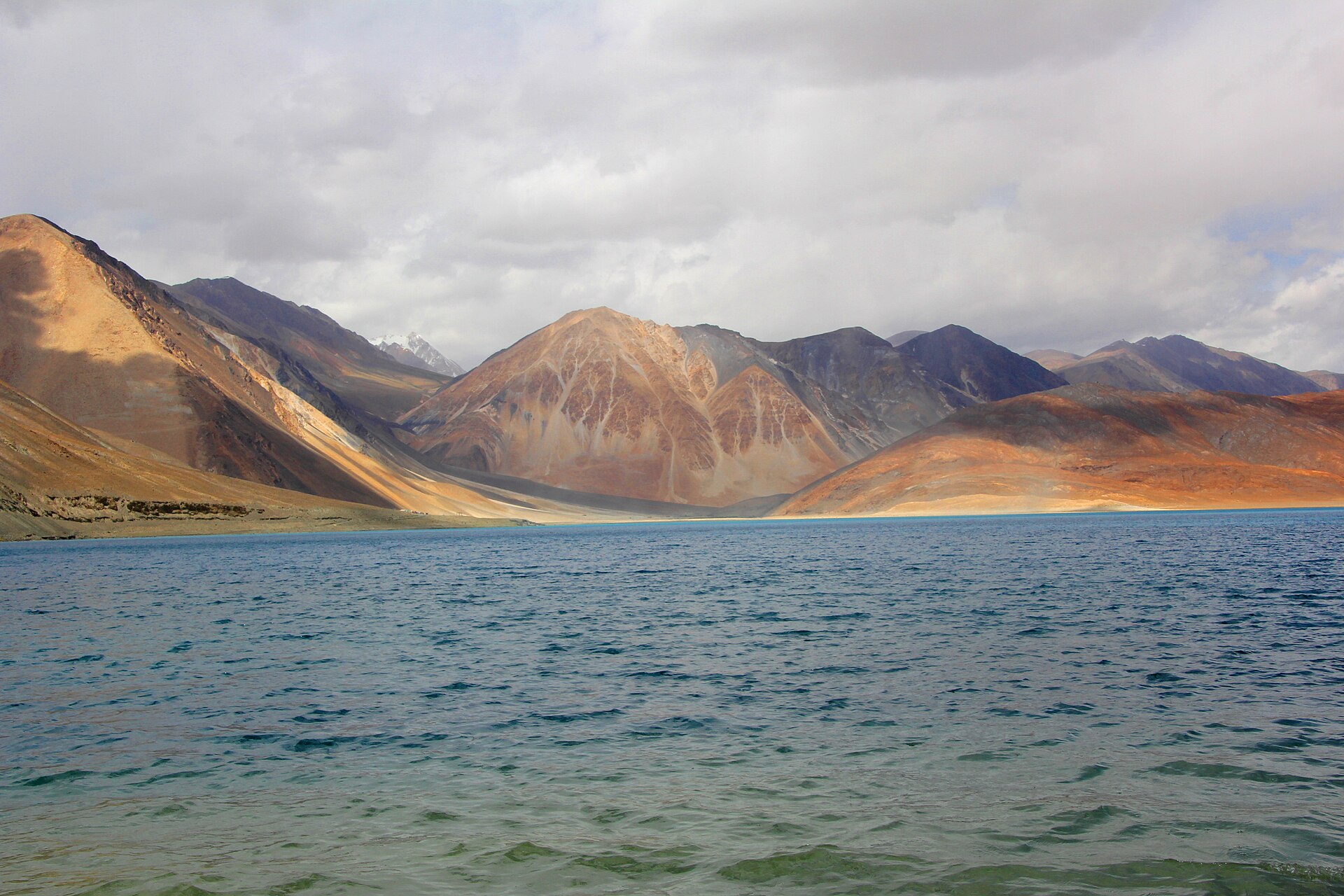
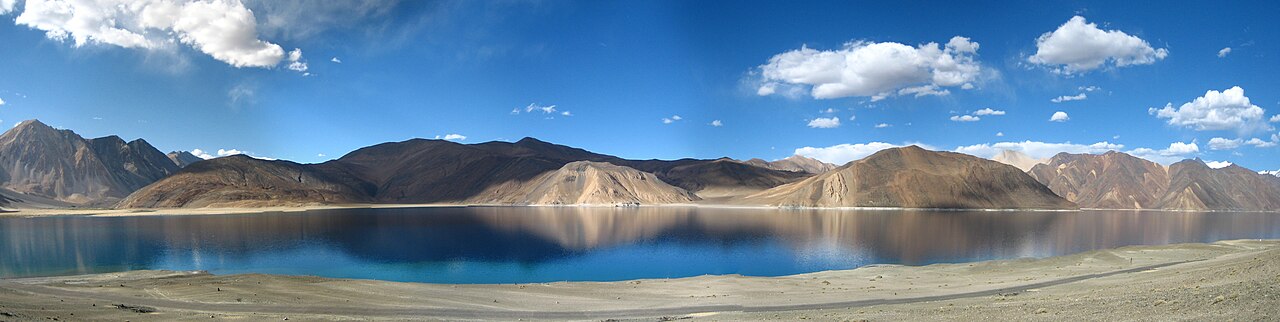
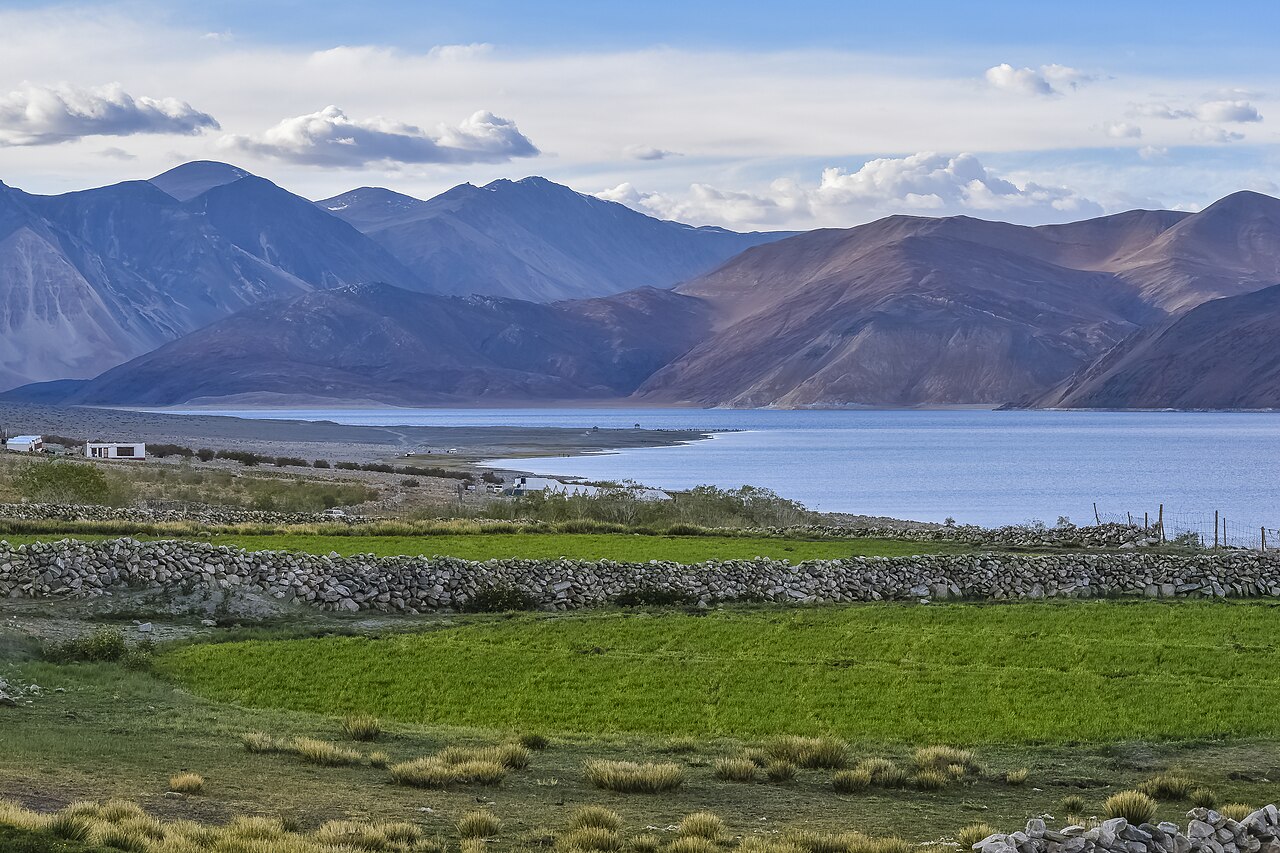
The shifting colours of Pangong Tso are a result of extreme light clarity and altitude.Photo: Ashishinfogr8 · CC BY-SA 3.0
When you stand on the shore of Pangong Tso, the water is so clear it seems drinkable, but the reality is much more complex.
I have heard many visitors ask their guides: is Pangong Tso freshwater or saltwater? It is a common misconception that because the water looks so pristine—like a mountain spring—it must be fresh. However, the chemistry of this lake is far more interesting than a simple yes or no.
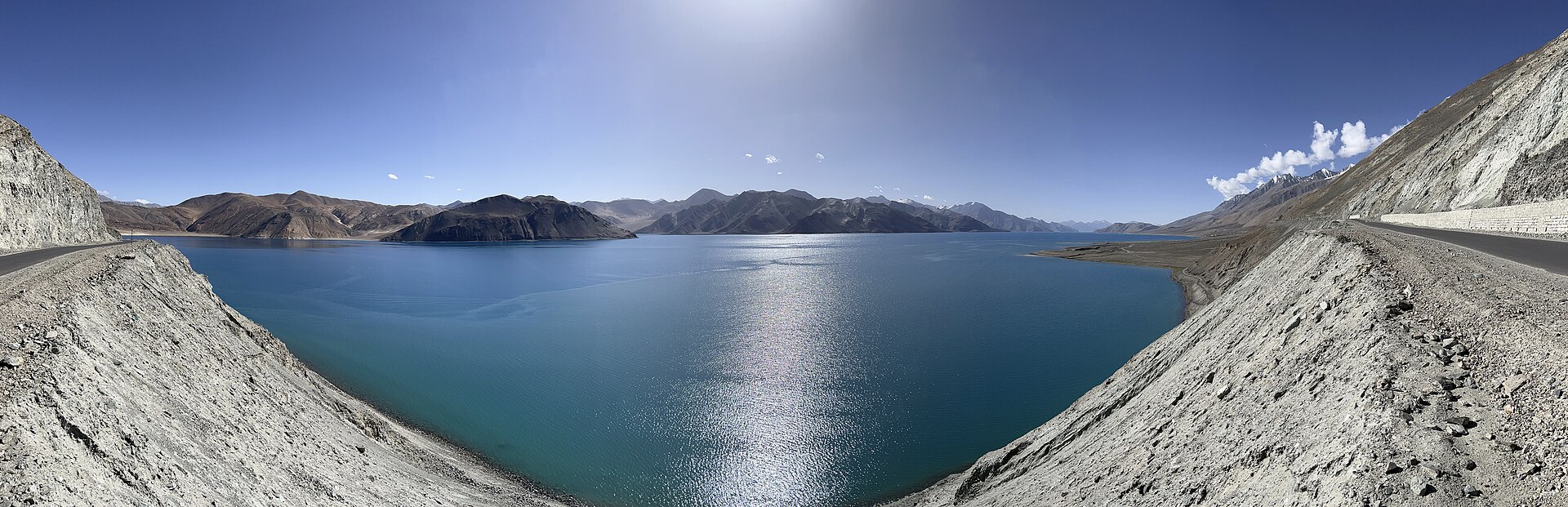
Situated at 4,225 metres, Pangong Tso is endorheic, meaning it does not drain into any sea. This isolation is the key to understanding why it behaves the way it does. Over the course of my many trips to the lake, I have watched it change colour with the shifting sun, a phenomenon that has fascinated geologists and travellers alike for decades.
Is Pangong Tso Saline?
Technically, Pangong Tso is classified as a brackish or saline lake. While it is not as salty as the ocean, the water is too saline for human consumption and cannot support a diverse range of aquatic life. This salinity is a result of the lake's landlocked position.
Over thousands of years, minerals have washed into the basin from the surrounding mountains. With no outlet for the water to escape, the only way for the water to leave is through evaporation. This process leaves behind the mineral salts, which gradually increase the salinity levels of the lake over time.
How the Lake Was Formed
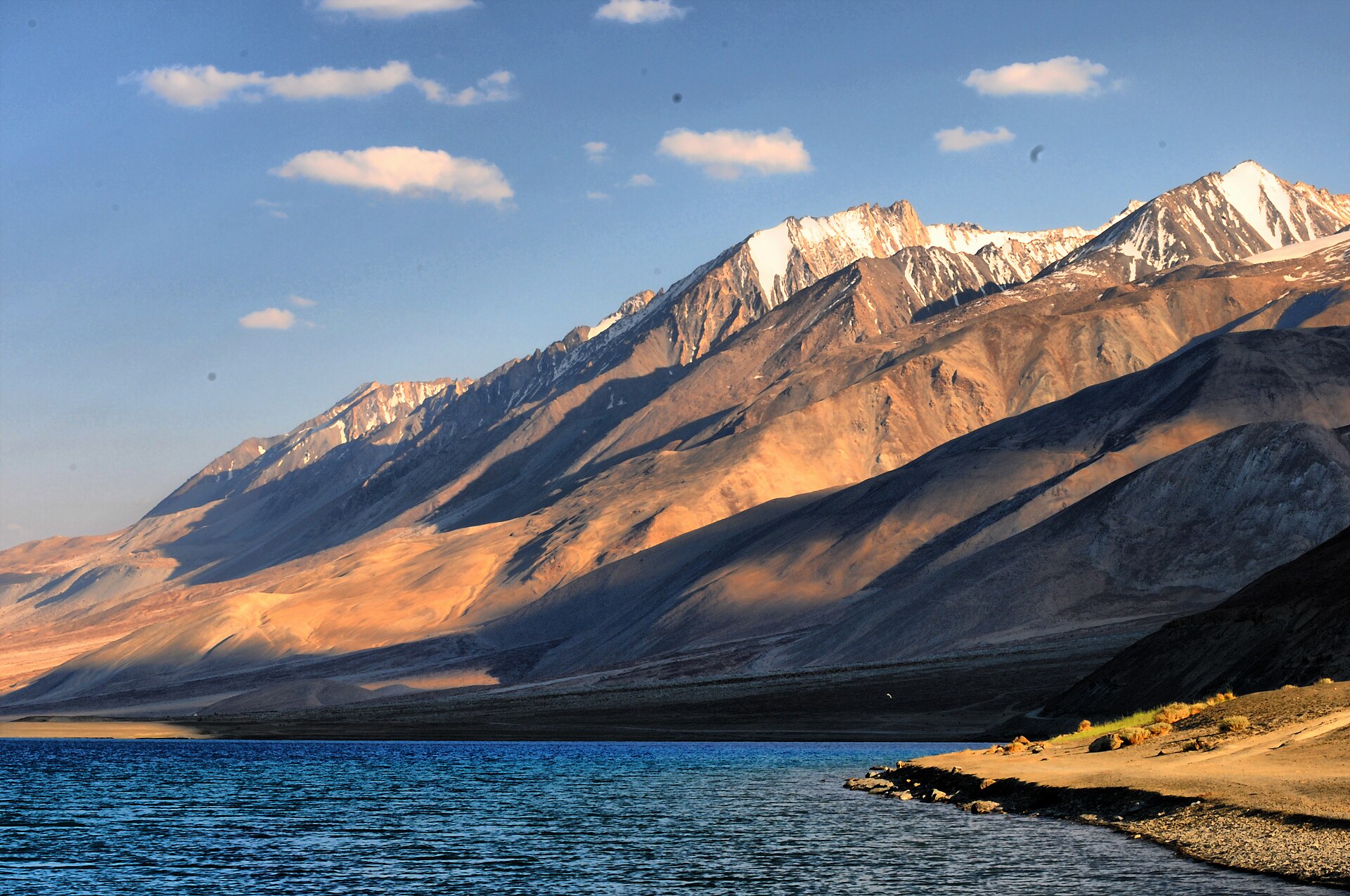
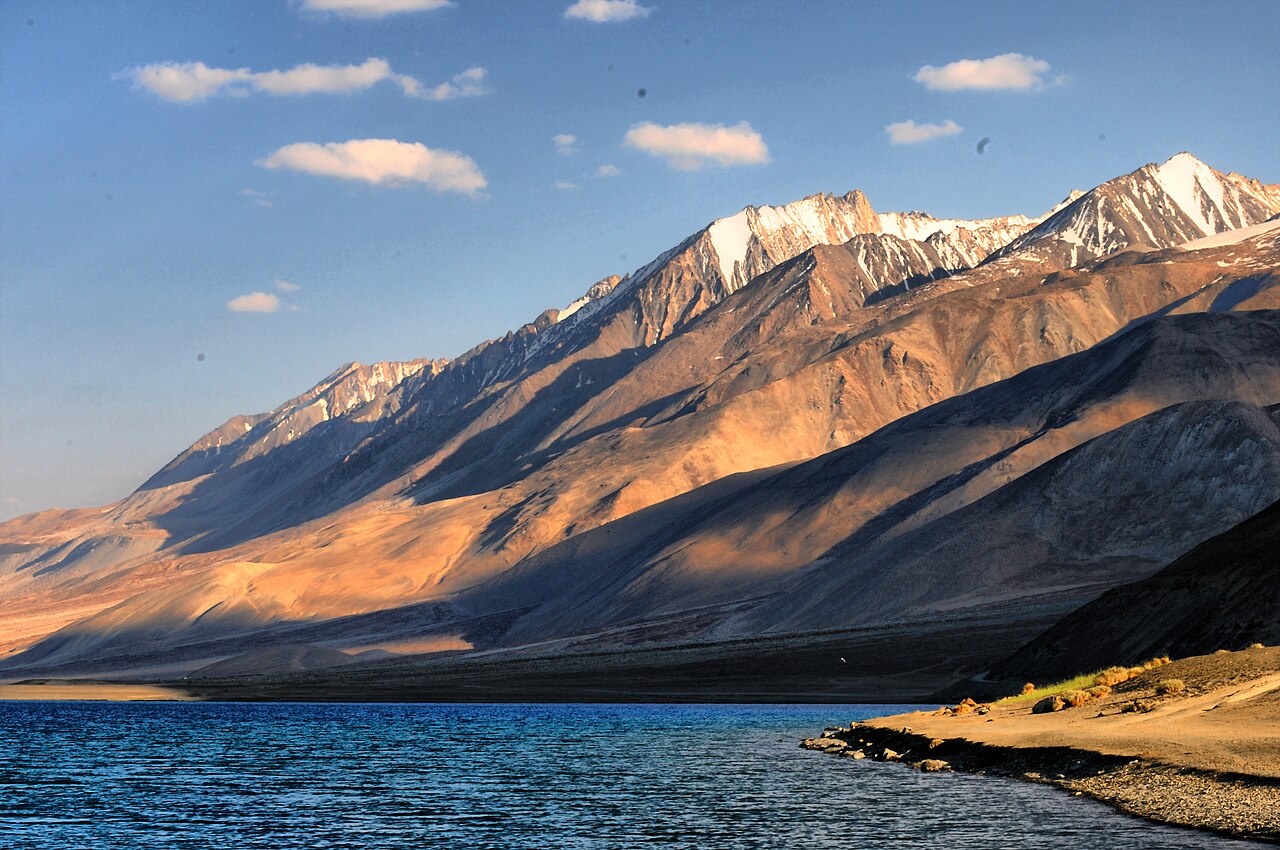
The formation of Pangong Tso is tied to the collision of the Indian and Eurasian tectonic plates. The immense geological pressure created the Himalayas and trapped the ancient Tethys Sea. As the land rose, parts of the sea remained, though modern Pangong Tso is primarily fed by glacial melt from the surrounding peaks.
It is a relic of a much larger geological past. Geologists believe the lake was once much larger, extending far beyond its current boundaries. The tiered terraces visible on the hillsides around the lake serve as physical markers of where the water level once reached in previous eras.
Why the Water Changes Colour
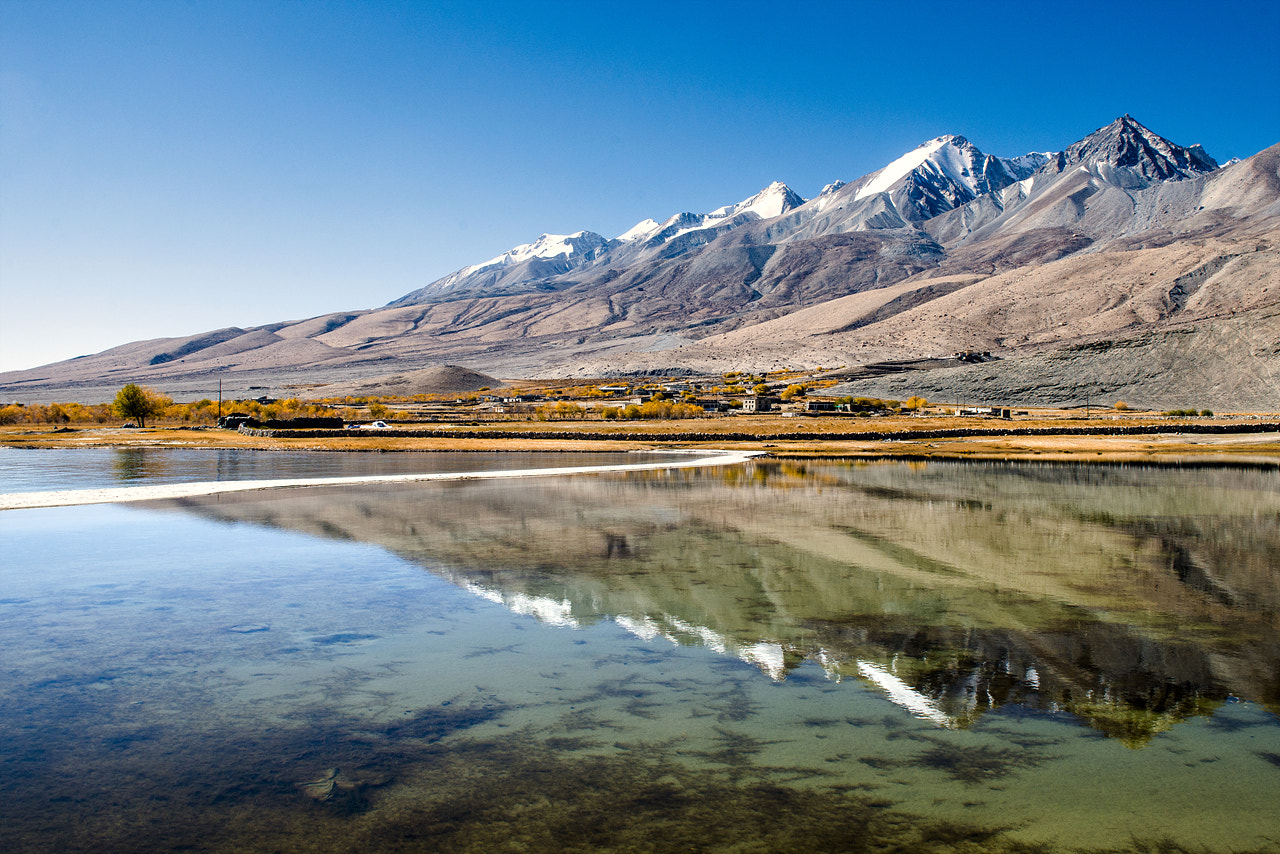
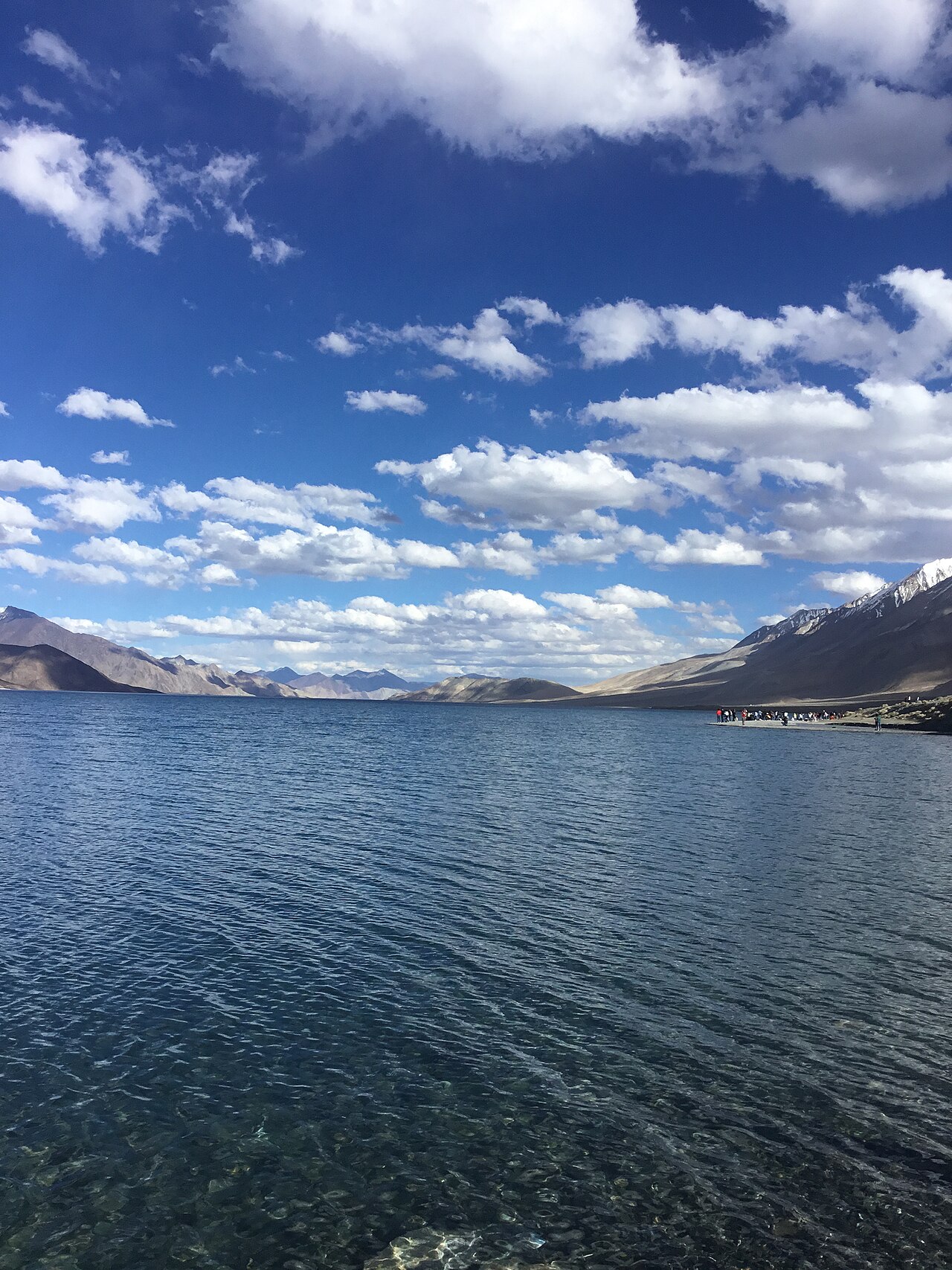
The shifting colours—from deep navy to bright turquoise—are not magic, though they certainly look that way. The water depth and the mineral content play a part, but the angle of the sun is the primary driver. Because the lake is at such high altitude, the lack of atmospheric haze allows the light to hit the surface with intense clarity.
As the sun climbs, the reflection of the sky, combined with the sediment suspended in the water, creates these rapid colour transitions. I find the best time to witness these shifts is between 10:00 AM and 2:00 PM, when the sun is high and the light is direct.
Flora and Fauna of the Lake
Due to the salinity, you will not find fish in Pangong Tso. It is a harsh environment that limits life. However, the surrounding wetlands are a different story. They act as a critical stopover for migratory birds, including the bar-headed goose and the brahminy duck.
If you sit quietly by the banks in the early morning, you might catch a glimpse of a marmot scurrying near the rocks or a black-necked crane. The flora is limited to hardy, alpine shrubs that have adapted to the severe cold and the thin soil of the Changthang plateau.
Ecological Importance of the Region
Pangong Tso is a fragile ecosystem. The increase in human activity over the last decade has put significant pressure on the surrounding environment, particularly regarding waste management. The region relies on a delicate balance between the high-altitude climate and the limited vegetation.
Protecting this area means being a responsible visitor. We always advise our guests to stick to established paths and never leave waste behind. The lake has survived for millennia; our goal is to ensure it remains a pristine landscape for the generations to follow.
Before you book
Pangong Tso remains one of the most enigmatic stops in Ladakh. Understanding its saline nature and its ancient geological roots makes the experience of sitting by its shore far more meaningful than just checking a location off a list.
If you are planning your trip to the lake, we can help you arrange the logistics and provide local insights to make the visit memorable. Feel free to contact us with any questions about travelling in this region.
Explore Pangong Tso with Experts
We specialise in curated tours to the most remote parts of Ladakh. Let us guide you.
Get in TouchWritten by
Kashmir, Jammu & Ladakh specialists
We plan and run trips across Kashmir, Jammu and Ladakh every week of the year. Everything here comes from routes we drive, stays we inspect and questions our travellers actually ask.
Quick answers
Questions we get asked
Can I swim in Pangong Tso?
While not strictly prohibited in all areas, the water is extremely cold, even in summer, and the high altitude makes any physical exertion exhausting. Most people prefer to enjoy the view from the shore.
Is the water in Pangong Tso safe to drink?
No, the water is saline and contains minerals that make it unsuitable for drinking. Always carry your own supply of fresh drinking water.
Why is the lake so famous?
Its extreme altitude, the dramatic transition in water colours throughout the day, and its location in the remote Himalayas make it one of the most iconic landscapes in India.
Does the lake freeze in winter?
Yes, during the peak of winter (December to February), the entire surface of the lake freezes solid, allowing it to be walked upon.
Are there plants inside the lake?
Only minimal aquatic vegetation can survive the salinity. The lake basin is largely barren, focusing biological diversity on the shore and the nearby wetland areas.
Photography credits
- Photo: Ashishinfogr8 · CC BY-SA 3.0
- Photo: Clint Rhee · CC BY 3.0
- Photo: Gopal Vijayaraghavan from Bangalore, India · CC BY 2.0
- Photo: Kashmir photographer · CC BY-SA 4.0
- Photo: Hugh Richardson · Public domain
- Photo: Always urs0509 · CC BY-SA 4.0
- Photo: ThePoeticFrame · CC BY-SA 4.0