Aru vs Betaab vs Chandanwari: Which Pahalgam Valley Should You Visit?
An honest breakdown of the three signature valleys outside Pahalgam to help you choose where to spend your time.
Struggling to choose between aru vs betaab vs chandanwari? We compare terrain, travel times, and crowds so you can decide.
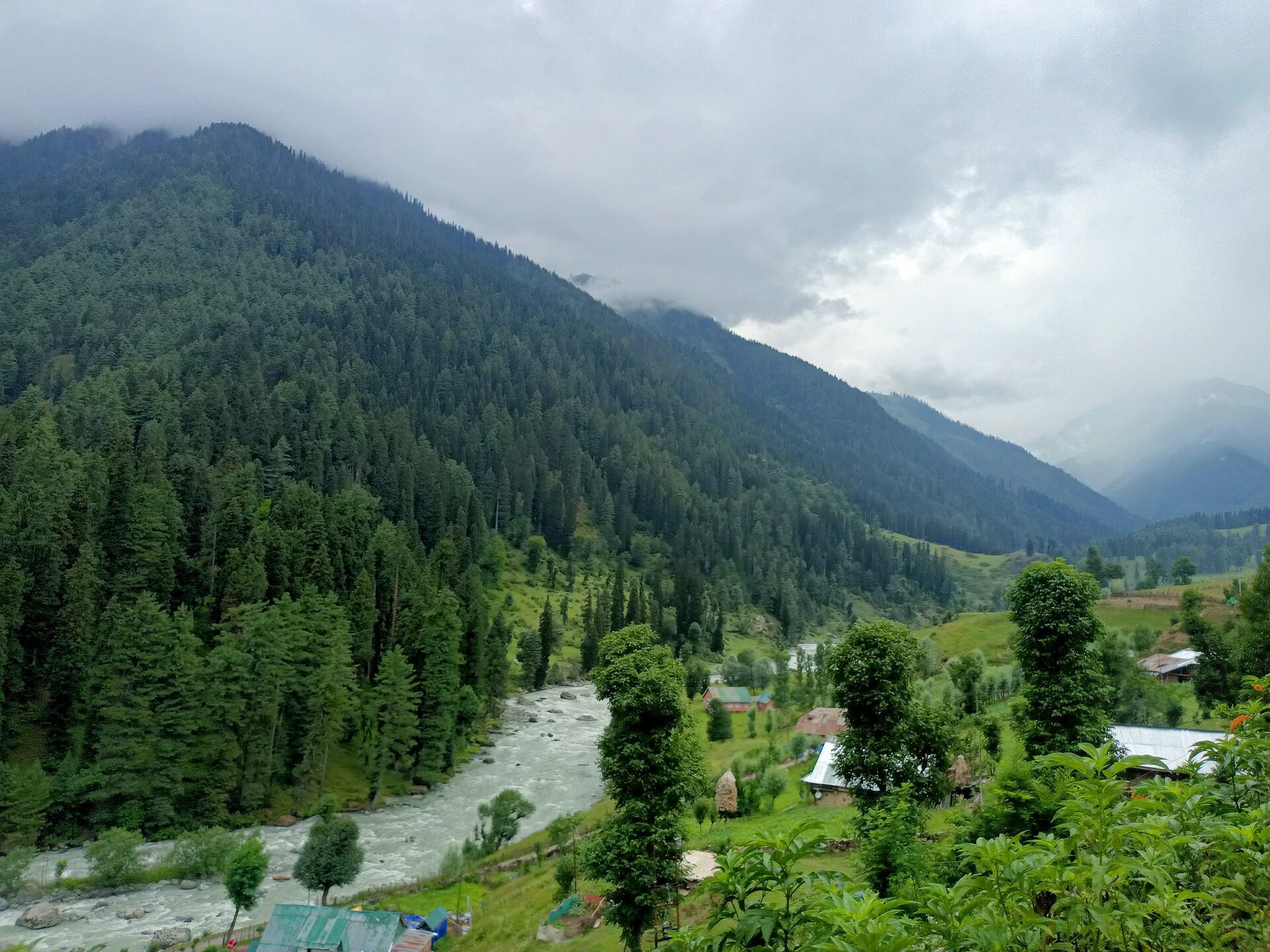
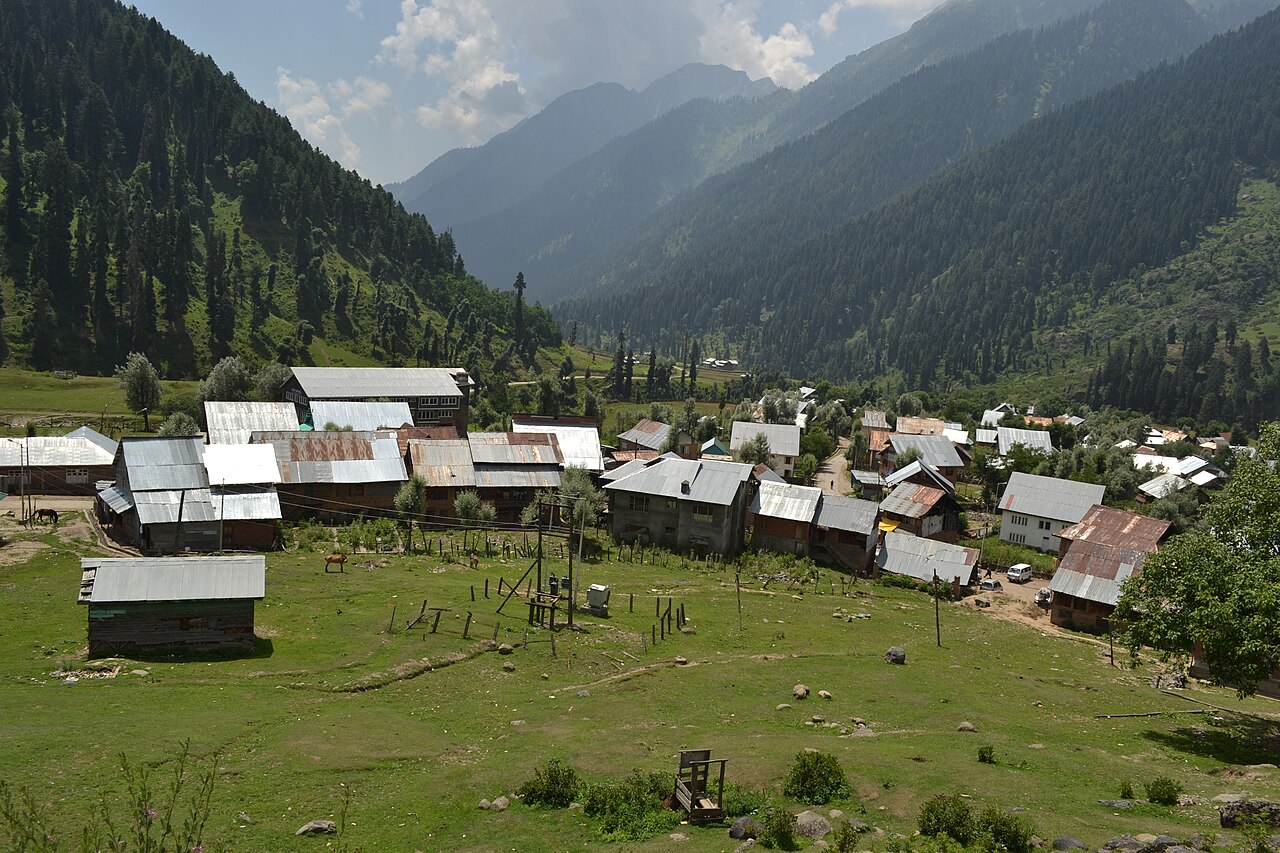
Aru Valley offers wide horizons and quiet walking trails.Photo: TheAutumnal · CC BY-SA 4.0
Standing at the taxi stand in Pahalgam at nine in the morning, every driver asks you the exact same question: which valley are you hitting today? Most first-time visitors assume they are all similar stretches of grass and pine trees. In reality, each of the three roads radiating out from the town leads to an entirely different landscape.
Deciding between aru vs betaab vs chandanwari depends entirely on whether you want a gentle riverside walk, a panoramic shepherd meadow, or a rugged high-altitude gorge. Let us break down what you actually find at the end of each road so you can spend your limited holiday hours wisely.
The Alpine Pastures of Aru Valley
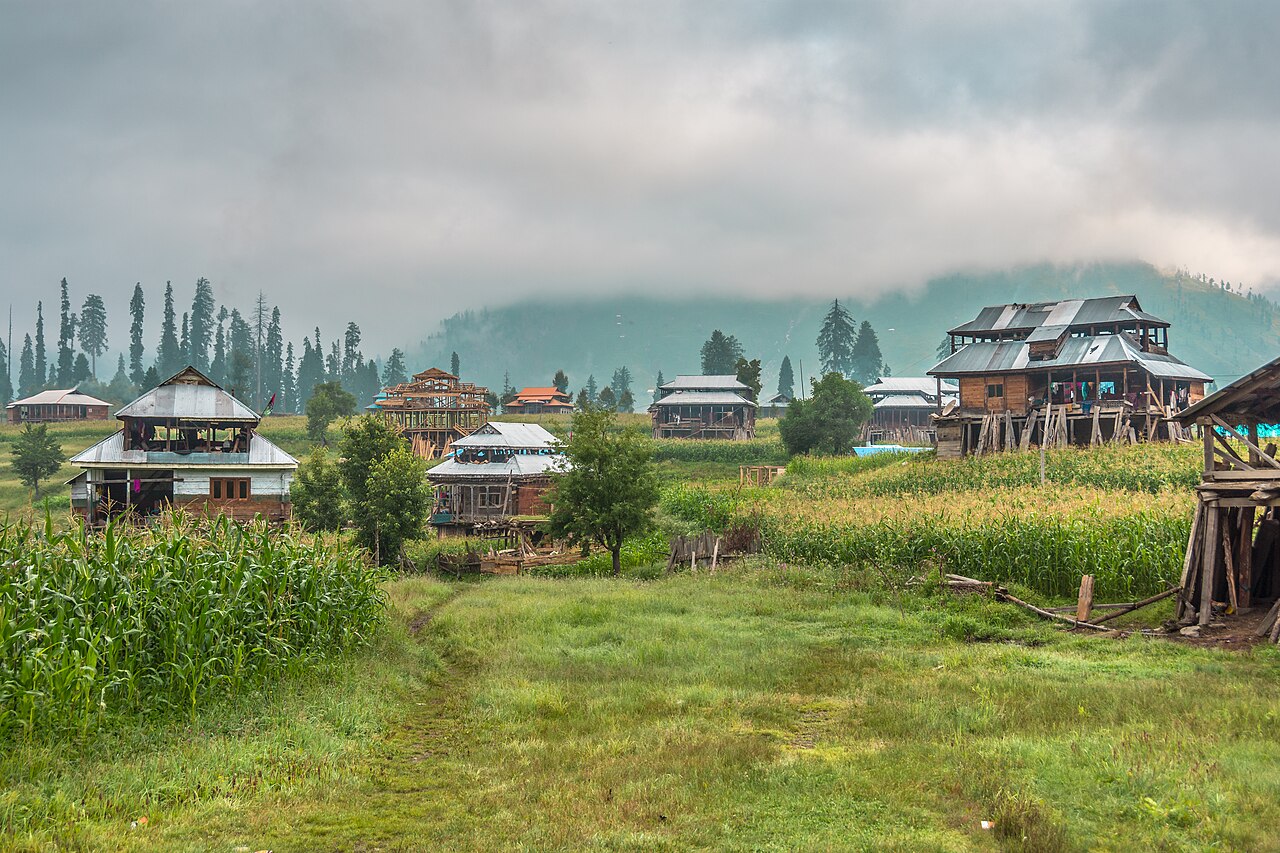
Aru Valley sits about twelve kilometres north-west of Pahalgam, reached by a narrow, winding road that clings to the side of the Lidder river gorge. As you top the final rise, the narrow canyon opens abruptly into a massive, sloping basin surrounded by snow-dusted peaks. This is working pasture country where horses and sheep outnumber tourists for most of the morning.
The village itself is a cluster of traditional wooden houses with tin roofs, serving as the base camp for treks toward Kolahoi Glacier and Tarsar Lake. If you enjoy wide-open horizons and want to walk for hours without seeing a concrete building, Aru is your best option. You can hire a local pony or simply wander the dirt tracks leading up the hillside.
- Distance from Pahalgam: 12 km (45-minute drive)
- Best for: Wide meadows, trekking base camps, quiet walks
- Crowd factor: Moderate, thins out once you walk past the village
- Terrain: Rolling grassy slopes and dirt tracks
Betaab Valley: A Cinematic Retreat
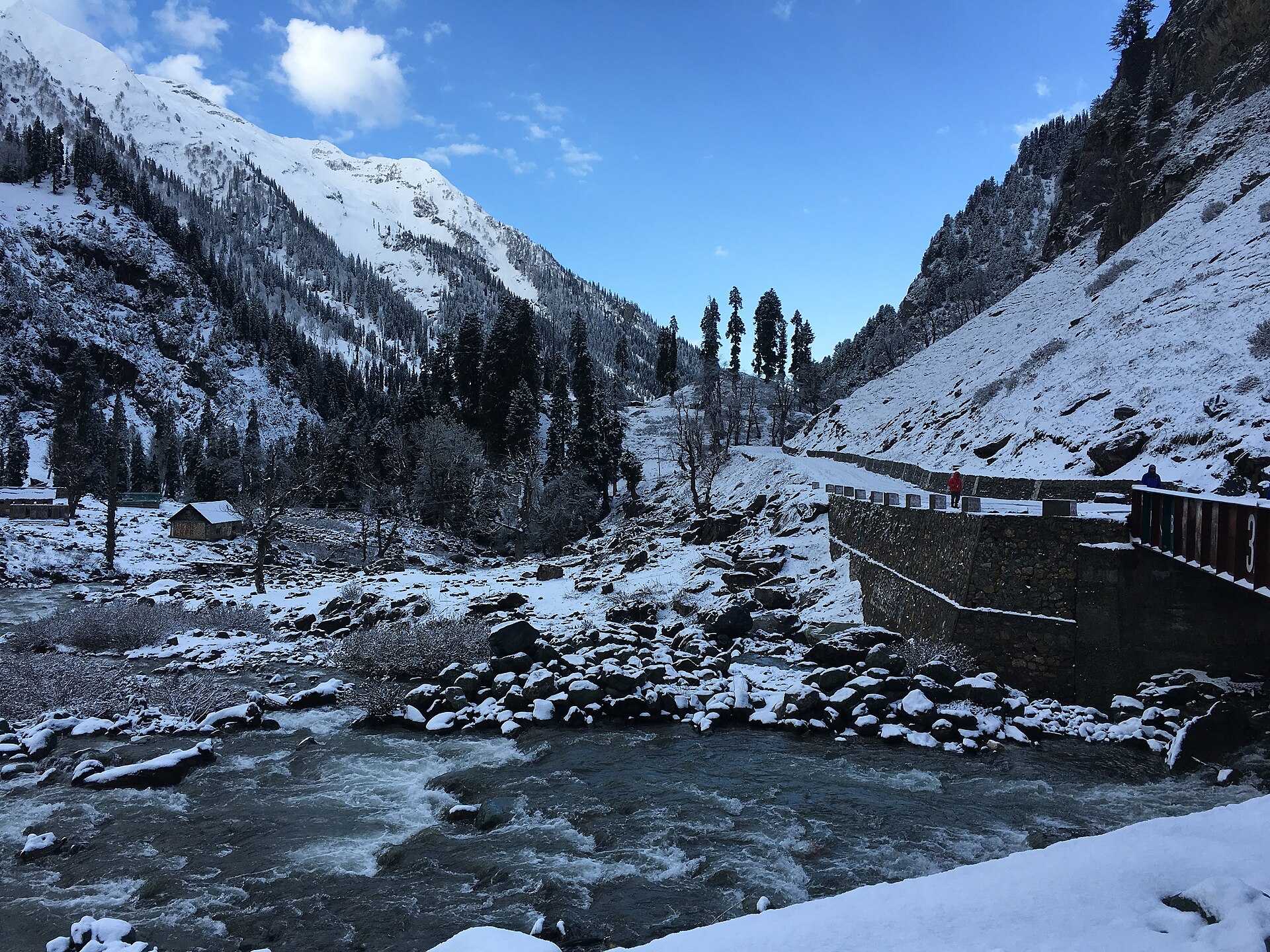
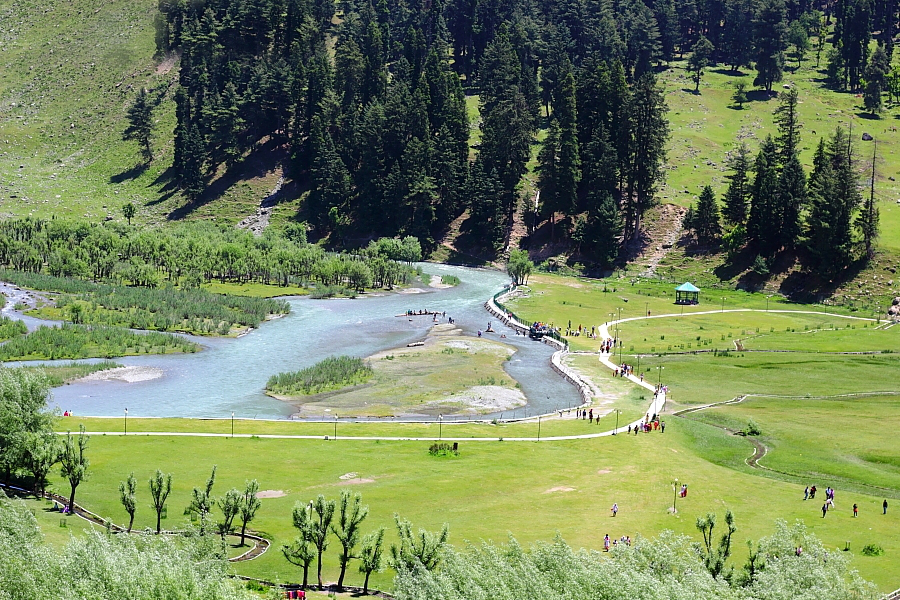
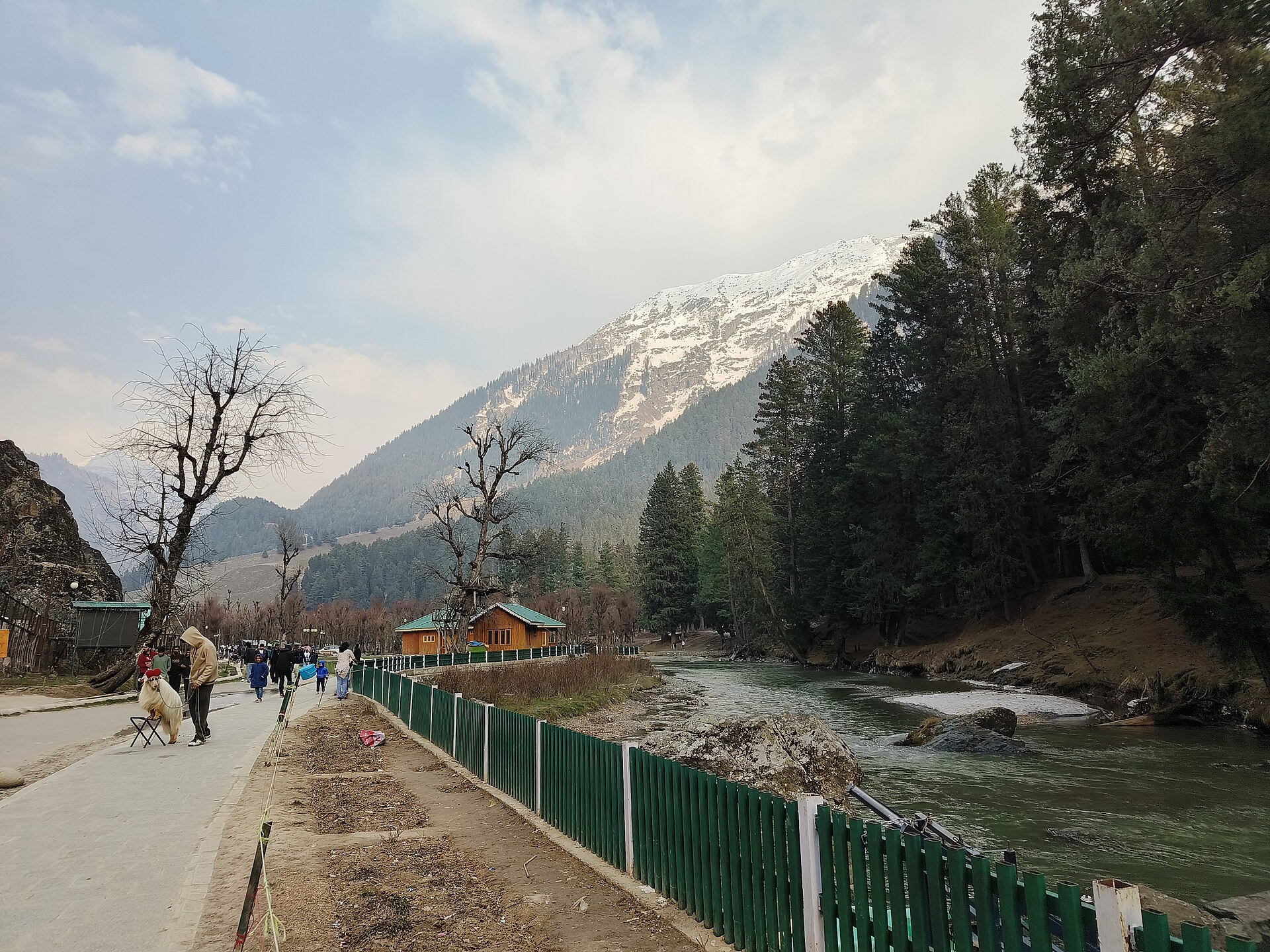
Betaab Valley lies just seven kilometres east of Pahalgam on the road to Chandanwari. Formerly known as Hajan Valley, it was renamed after the 1983 Bollywood film shot here. Unlike the high open plateaus of Aru, Betaab is a dramatic river valley enclosed by sheer vertical rock walls and thick willow and pine forests.
The local development authority maintains manicured lawns, wooden bridges crossing crystal-clear streams, and paved walking paths. It is extremely accessible, making it popular with families and day-trippers who want striking mountain backdrops without a strenuous hike. You can easily spend two or three hours here sitting by the water or having a picnic under the willow trees.
- Distance from Pahalgam: 7 km (20-minute drive)
- Best for: Families, photography, relaxing riverside picnics
- Crowd factor: High during peak season due to easy access
- Terrain: Flat lawns, boardwalks, and riverside boulders
Most first-time visitors assume these valleys are all similar stretches of grass. In reality, each road leads to an entirely different landscape.
Chandanwari for the Adventurous and Rugged
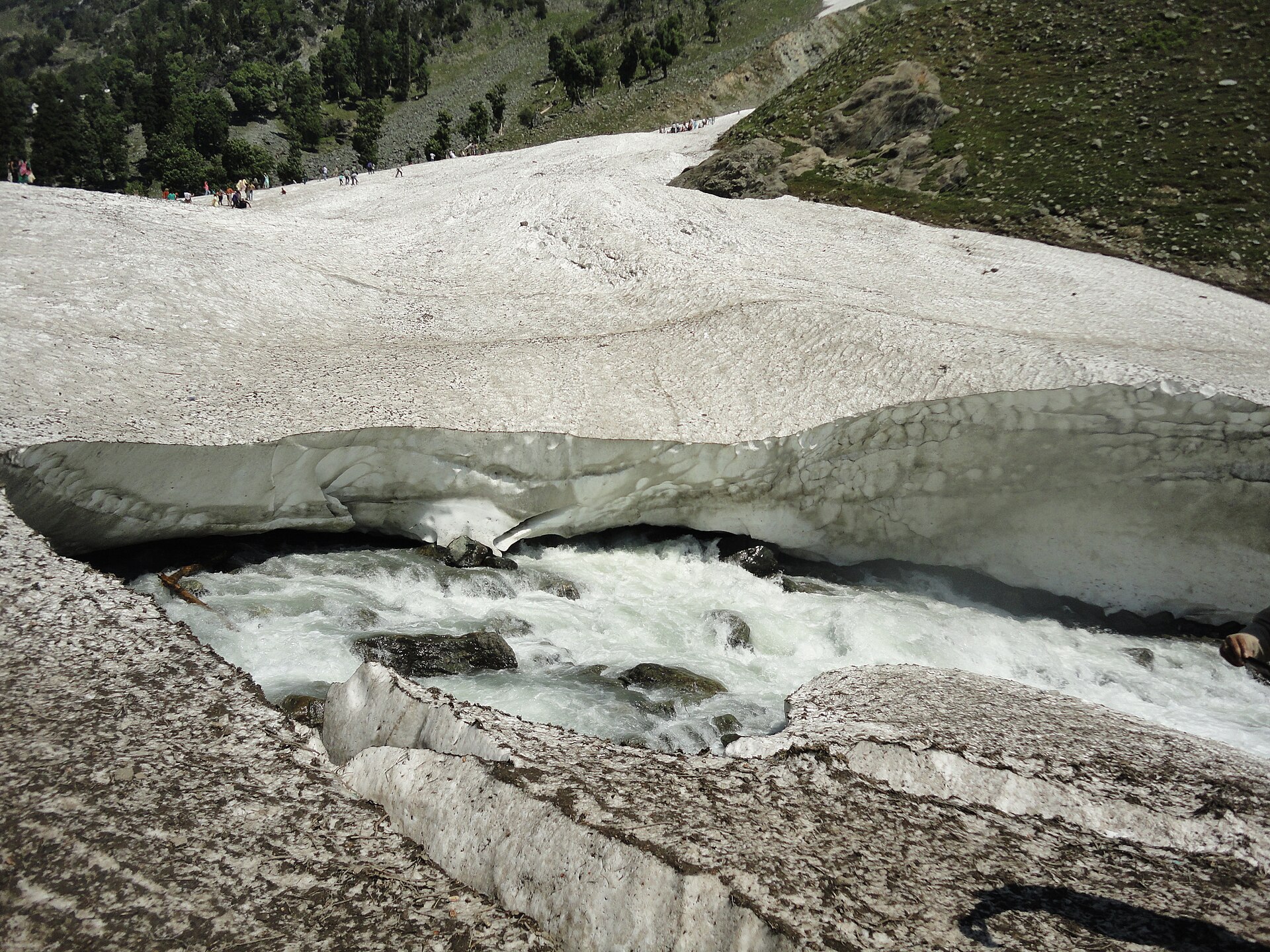
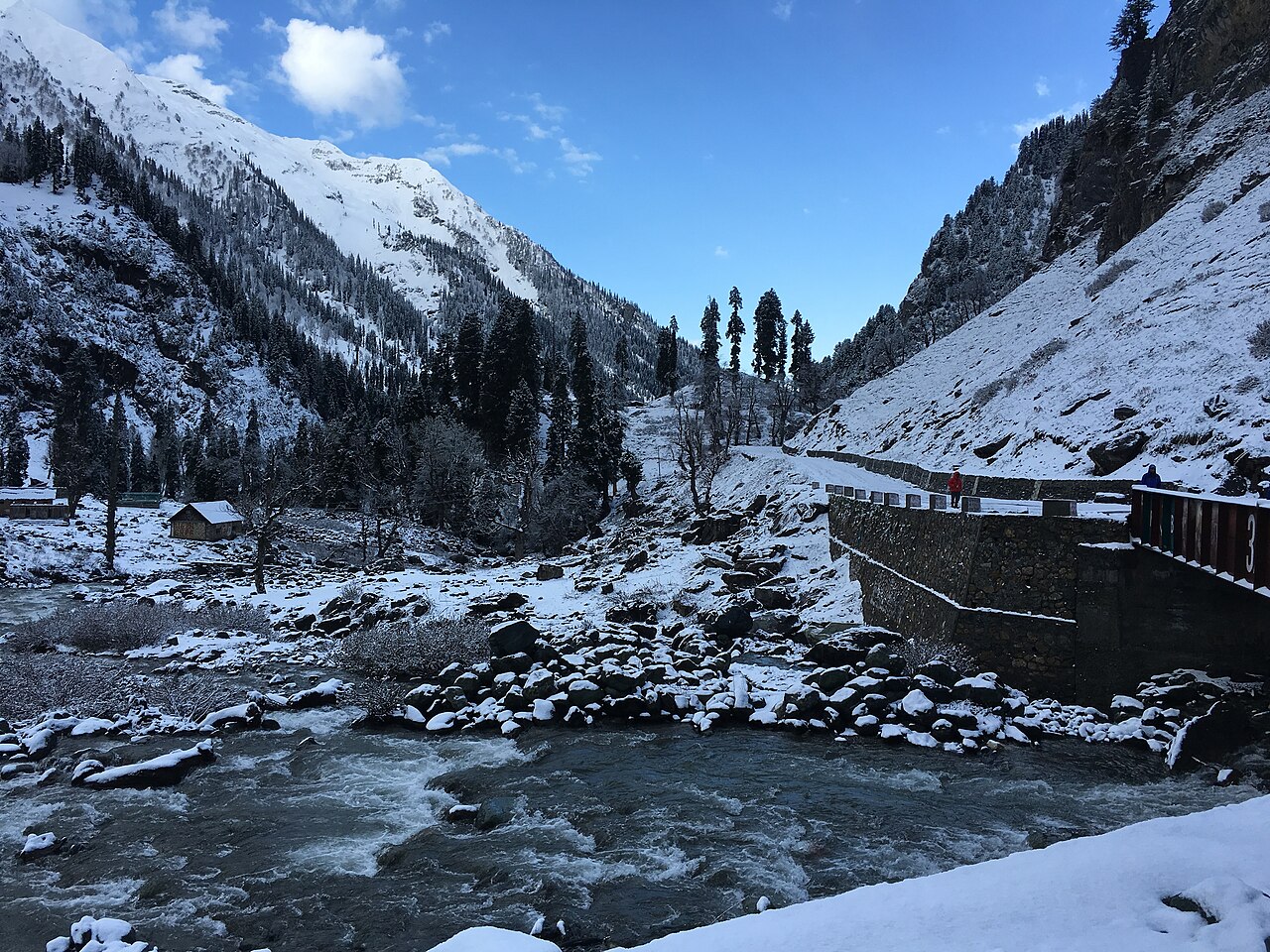
Pushing sixteen kilometres past Pahalgam brings you to Chandanwari, the highest and most rugged of the three destinations at an elevation of nearly 3,000 metres. The road follows the roaring Sheshnag stream through an increasingly narrow gorge until vegetation gives way to bare rock and lingering patches of winter snow.
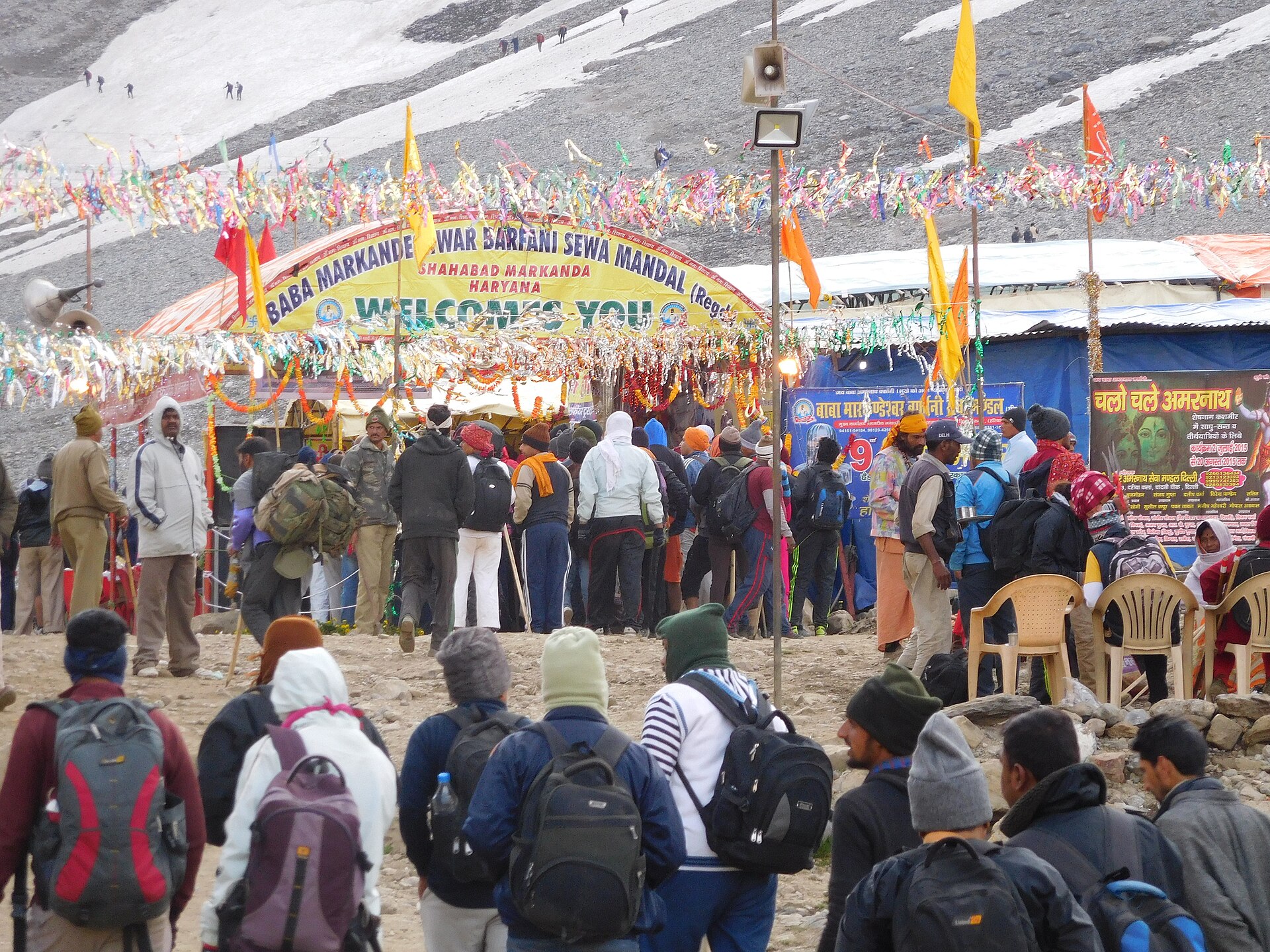
This is the official starting point of the holy Amarnath Yatra pilgrimage. It is not a manicured park with manicured lawns; it is a dramatic mountain gateway where you can walk across ancient snow bridges spanning the icy river. If you want a taste of high-altitude terrain without strapping on a heavy backpack for a multi-day trek, Chandanwari delivers raw mountain atmosphere.
- Distance from Pahalgam: 16 km (45-to-50-minute drive)
- Best for: High-altitude scenery, snow patches, pilgrims, rugged landscape
- Crowd factor: Seasonal surges during the yatra period
- Terrain: Rocky paths, riverbeds, and seasonal snowfields
Comparing Travel Time and Local Taxi Accessibility
One crucial factor in planning your Pahalgam sightseeing is transport logistics. Private cars from Srinagar or other cities are restricted from taking you to these individual valleys. You must hire local union taxis from the main Pahalgam taxi stand for each route independently, or as a combined package if negotiated beforehand.
Aru Valley and Betaab Valley are usually visited as separate half-day trips, while Chandanwari takes a bit longer due to the winding road conditions. Many travellers try to cram all three into a single frantic afternoon, which results in spending most of your day sitting in a taxi cab. We always recommend spacing them out across two days if your schedule allows.
- Union taxi fares are fixed by the local transport association
- Outside tourist cabs are not permitted on valley routes
- Combining Betaab and Chandanwari in one morning is common
- Aru Valley requires a separate half-day allocation
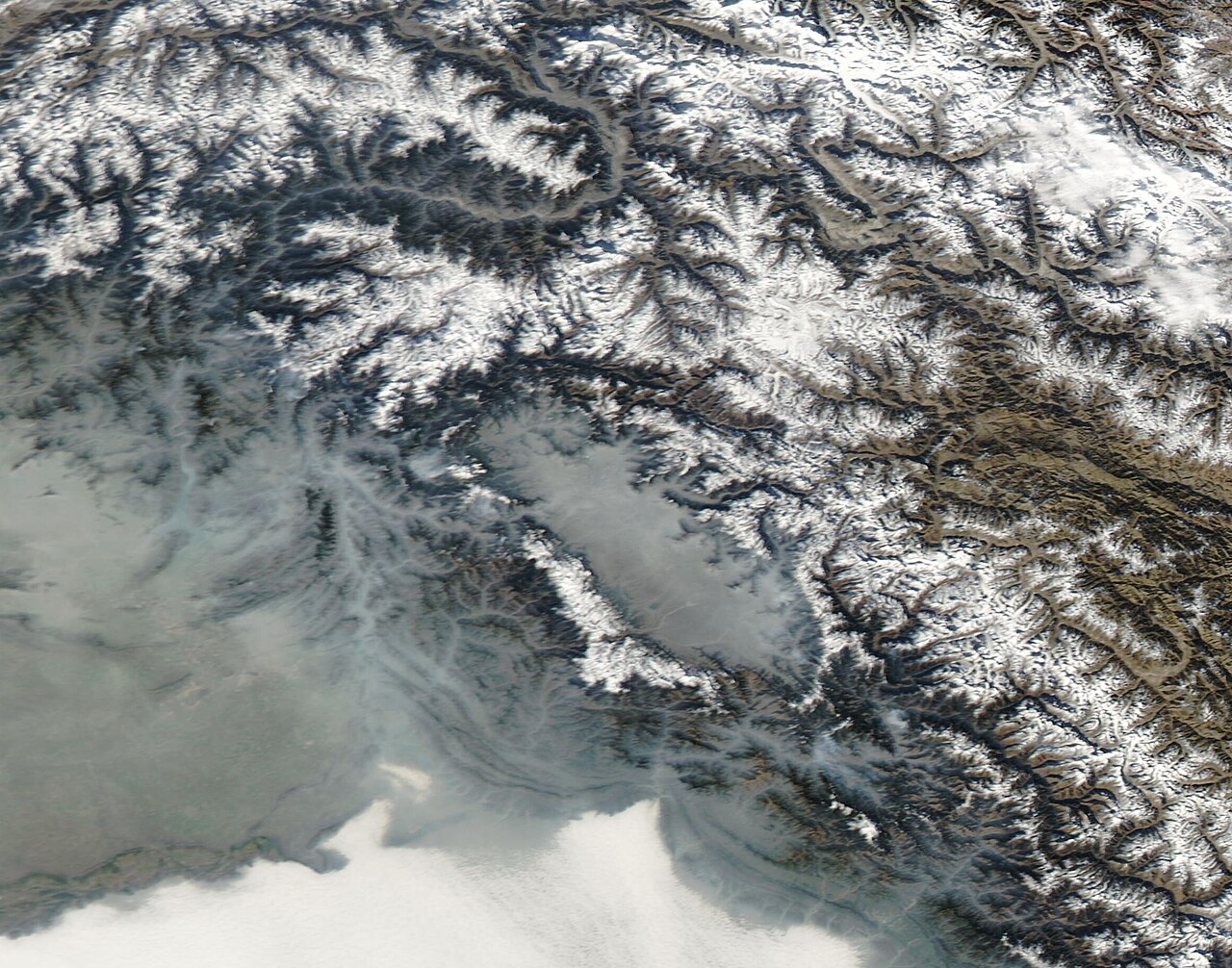
Which Valley Fits Your Specific Travel Style?
If you are travelling with young children or elderly family members who prefer flat walking paths and easy amenities, prioritize Betaab Valley. The paved walkways and gentle riverside spots require zero strenuous effort while still delivering classic mountain scenery.
If you are an active hiker, photographer, or nature lover who wants to escape the crowds, head straight to Aru Valley and spend your afternoon walking the upper pastures. Choose Chandanwari if you crave high-altitude drama, glacial streams, and a glimpse of the rugged terrain that leads deeper into the Zanskar range.
- Choose Betaab for accessibility and family picnics
- Choose Aru for endless meadows and quiet walks
- Choose Chandanwari for snow, rivers, and high-altitude drama
- Visit all three if you have a full two days in Pahalgam
Before you book
Every traveller pictures something different when they dream of the mountains around Pahalgam. Whether you want the cinematic picnic lawns of Betaab, the sweeping shepherd trails of Aru, or the rugged glacial frontier of Chandanwari, knowing what to expect helps you make the right choice.
If you want help weaving these valleys into a balanced itinerary without transport headaches, get in touch with our team in Srinagar today.
Let Us Map Your Pahalgam Itinerary
Tell us your travel style, and we will arrange the exact union cabs and permits for your valley visits.
Customize Your TripCaption for your own post
Aru meadows, Betaab riverbanks, or Chandanwari snow? We compare the three signature valleys of Pahalgam so you can choose your favourite. Link in bio.
Written by
Kashmir, Jammu & Ladakh specialists
We plan and run trips across Kashmir, Jammu and Ladakh every week of the year. Everything here comes from routes we drive, stays we inspect and questions our travellers actually ask.
Written by Bilal, field logistics coordinator for Skywale Packages, who drives these valley routes every week of the year.
Quick answers
Questions we get asked
Can I visit all three valleys in a single day?
It is physically possible to drive to all three in one long day, but you will spend most of your time in the car. We recommend splitting them across two days.
Do I need separate union taxi bookings for each valley?
Yes, union regulations mean different sectors have distinct fare structures, though our tour packages handle these bookings seamlessly for you.
Which valley is best for seeing snow during summer months?
Chandanwari is your best bet for spotting residual snow bridges and patches even deep into the summer season due to its higher elevation.
Are pony rides necessary to enjoy Aru Valley?
Not at all. The main meadow and village areas are easily explored on foot via gentle dirt paths without hiring a pony.
Which valley is most suitable for elderly travellers?
Betaab Valley is the most accessible, featuring flat walking paths, minimal climbing, and plenty of benches to sit and enjoy the river views.
Photography credits
- Photo: TheAutumnal · CC BY-SA 4.0
- Photo: ThePoeticFrame · CC BY-SA 4.0
- Photo: Nandanupadhyay · CC BY-SA 3.0
- Photo: Narender9 · CC BY-SA 3.0
- Photo: Akigupta131 · CC BY-SA 4.0
- Photo: MODIS Land Rapid Response Team, NASA GSFC · Public domain
- Photo: Faisalrafiqkhan · CC BY-SA 4.0