Ladakh Monastery Tours: Choosing the Best Travel Season
An unvarnished look at weather patterns, road access, and crowd levels across the Ladakh travel calendar.
Planning your trip? Discover the best season for ladakh monastery tours, what the weather holds, and when to book.
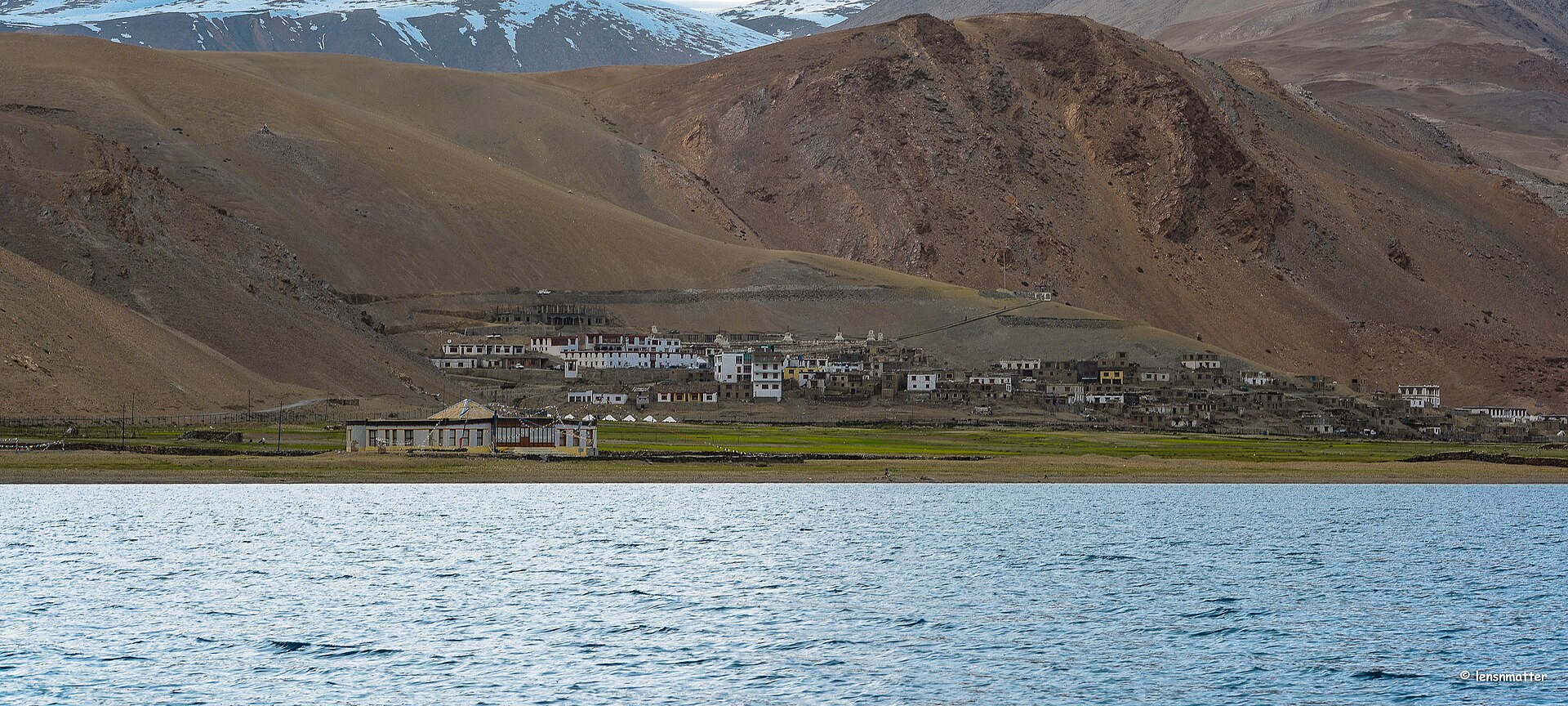
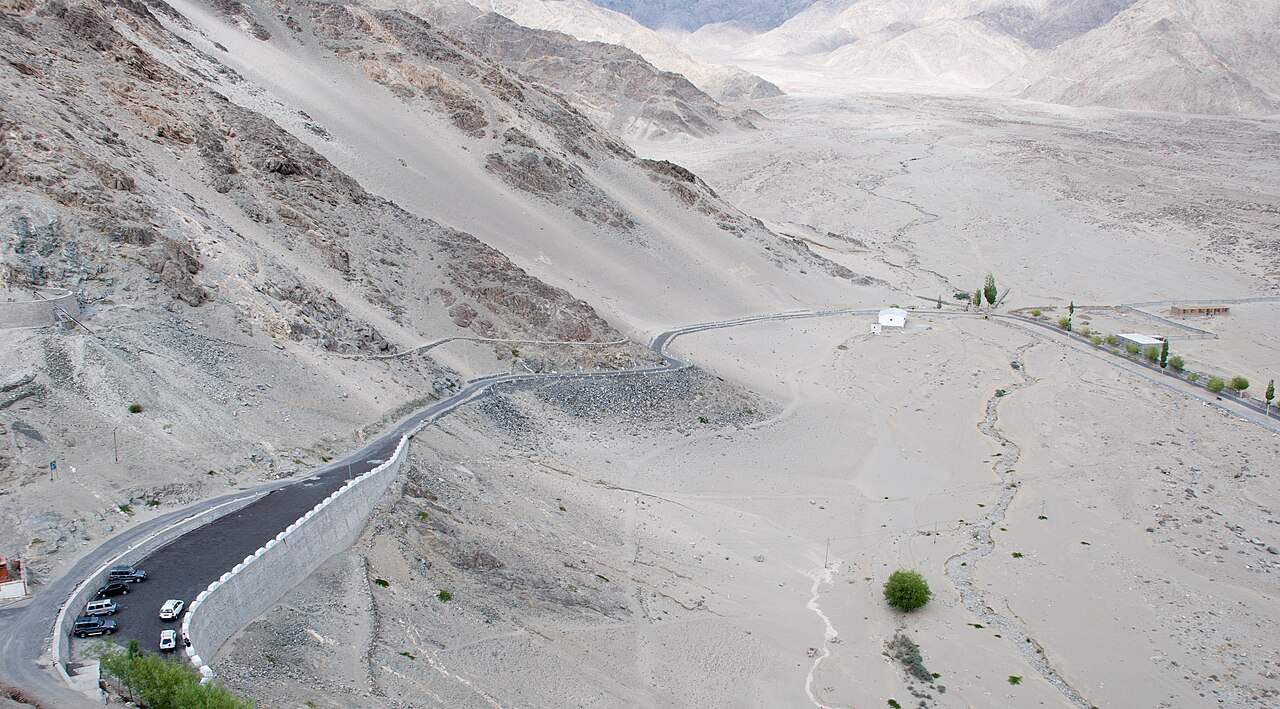
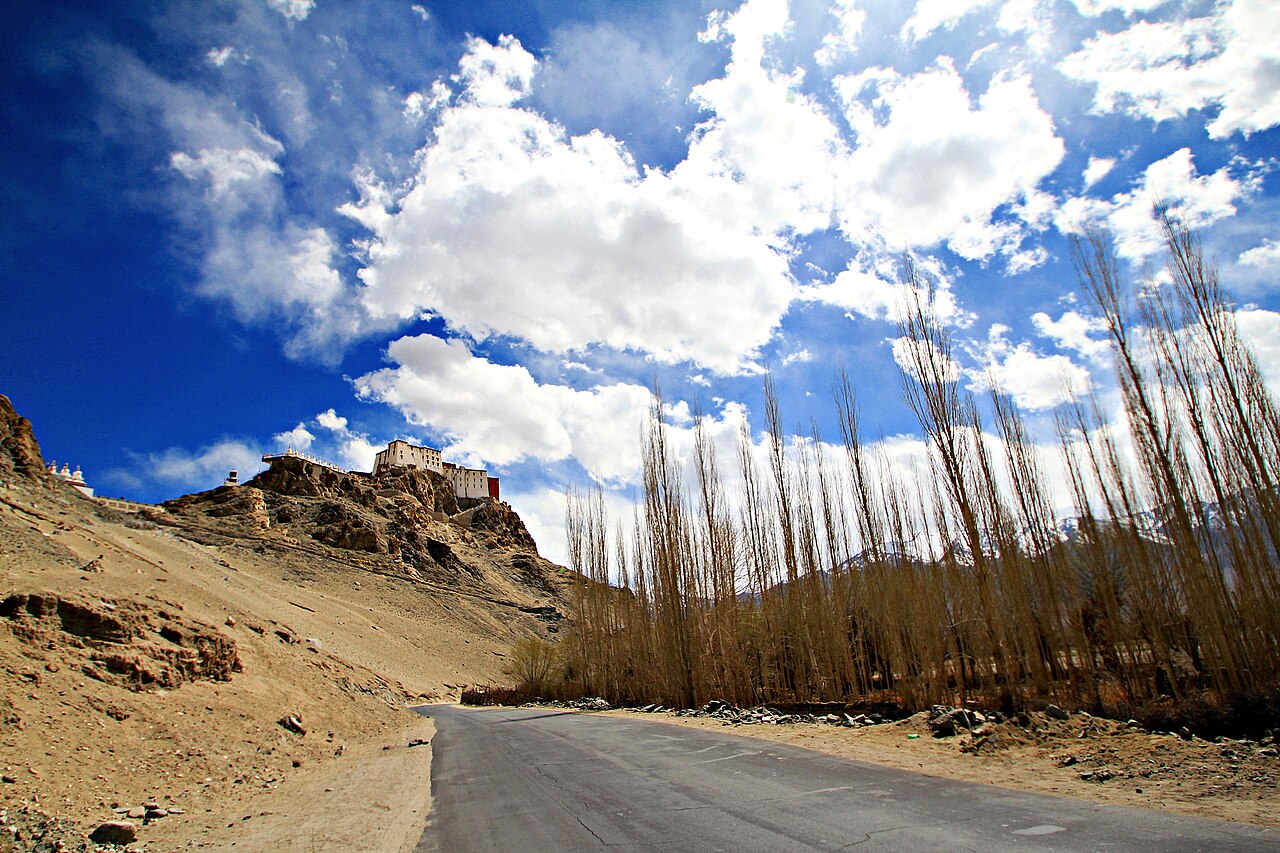
Summer brings clear skies and warm sun to the high-altitude desert valleys.Photo: lensnmatter · CC BY 2.0
Standing on the roof of Thiksey in late July, the glare off the whitewashed parapets is fierce enough to weld your sunglasses to your face. Yet three months earlier, in April, I stood on that exact same spot wearing down jackets and thermal gloves while icy gusts whipped prayer flags into a frenzy. Choosing the right time to visit changes everything about how you experience these high-altitude sanctuaries.
Many first-time visitors assume Ladakh operates on a standard year-round tourism calendar. In reality, winter seals off mountain passes and drops temperatures well below freezing, while peak summer brings sun-drenched valleys and packed courtyards. Let us break down how the seasons actually treat travellers on the ground.
The Peak Season: June to September
Summer is indisputably the best season for ladakh monastery tours if your priority is hassle-free road access and warm daytime temperatures. High mountain passes like Zoji La and Tanglang La remain fully open, allowing easy travel between Srinagar, Manali, and Leh.
Thiksey weather during these months is characterised by clear blue skies, blistering daytime sun peaking around 25°C, and chilly nights that demand a light fleece. The downside is volume. July and August bring the highest concentration of domestic and international travellers, meaning you will share the inner courtyards with tour groups and clicking camera shutters.
- Daytime temperatures: 20°C to 28°C
- Nighttime temperatures: 5°C to 10°C
- Road status: All major highways fully operational
The Benefit of Travelling in Spring: May and June
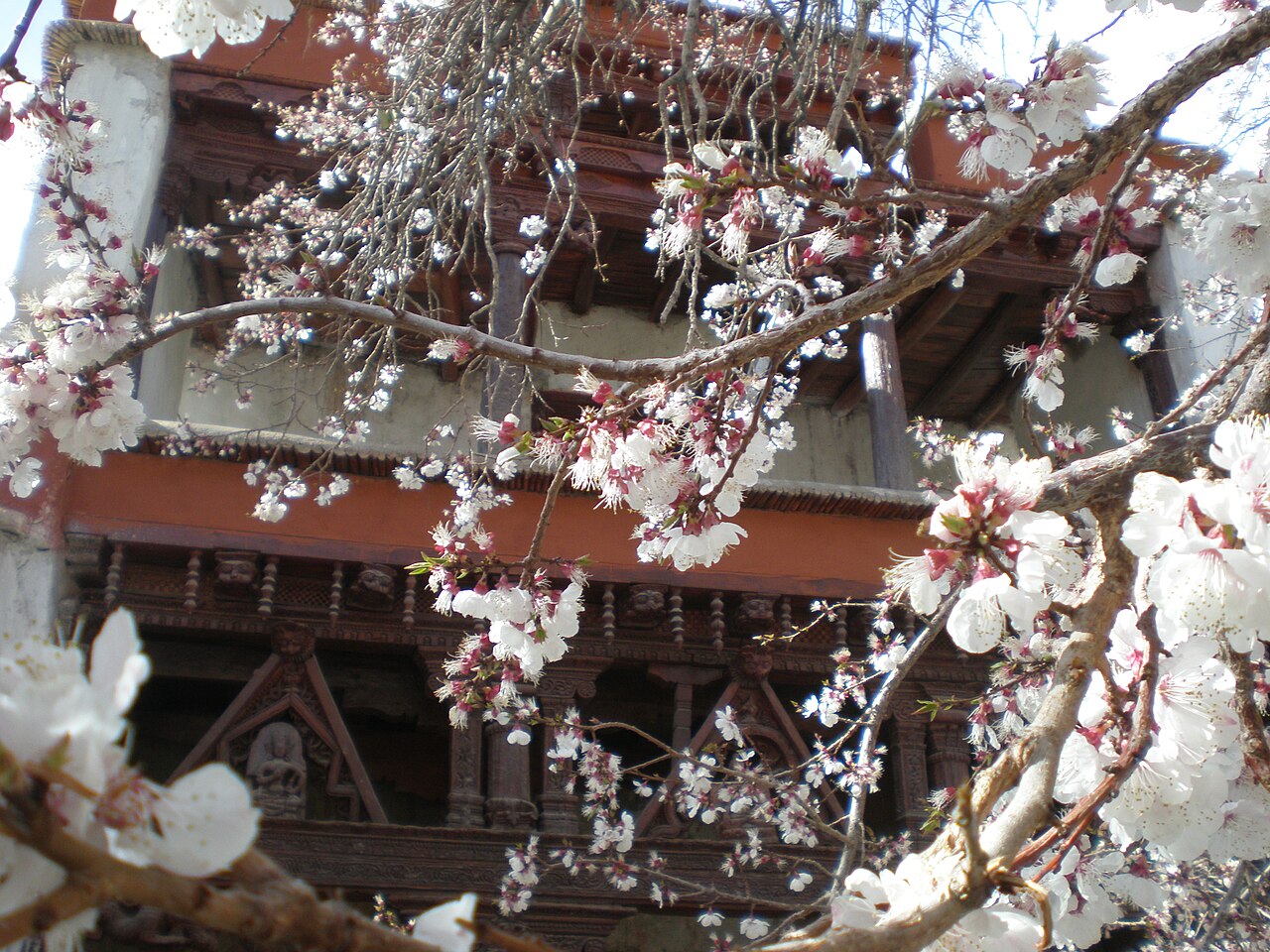
If you want warm weather without the crushing crowds of peak summer, look closely at late May and early June. The apricot blossoms are finishing their bloom across the lower Indus Valley, and the tourist influx has not yet hit its stride.
Thiksey weather during this window can be unpredictable, swinging from pleasant sunshine to sudden afternoon squalls. However, the monasteries feel remarkably peaceful compared to the rush of August. Monks have more time to chat in the courtyards, and finding a quiet corner for meditation takes zero effort.
What to Expect in the Shoulder Months: April and October
Shoulder season travel in Ladakh is not for the faint of heart, but it offers a stark, haunting beauty that summer visitors never see. In April, prayer halls are heated only by yak-butter lamps, and breath mists in the air as monks chant their morning prayers.
October brings golden poplar trees against stark brown mountains, though temperatures plunge rapidly after sunset. Be prepared for unheated hotel rooms and occasional flight delays out of Leh due to early morning frost or sudden mountain flurries.
Winter Closures and Reduced Access
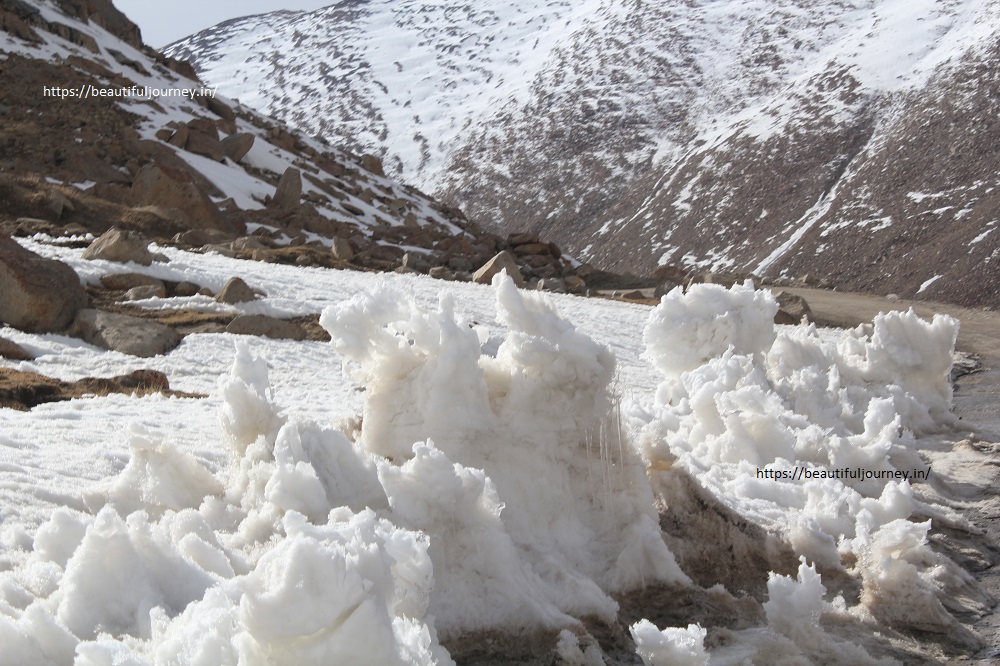
By November, most high-altitude home stays shut down, and road access relies entirely on flights into Leh Airport. While monasteries like Thiksey remain technically open, getting there requires navigating packed snow and sub-zero wind chills.
Road Access and Travel Logistics Across Seasons
Your transport planning must adapt directly to the calendar. Between July and September, you can drive into Ladakh via Manali or Srinagar with confidence. Rental cars and local taxis operate without seasonal restrictions.
Once October arrives, land routes become a gamble. By December, Srinagar and Manali highways close completely until May, leaving air travel as your sole entry point. Always verify flight schedules and keep a buffer day in your itinerary for weather-related groundings.
Preparing for High-Altitude Weather Realities
No matter what month you pick, Ladakh’s altitude of 3,500 metres in Leh and surrounding valleys demands respect. The sun here is remarkably harsh due to the thin atmosphere, meaning sunburns happen in minutes even when the air feels cool.
Layering is your best defence against shifting monastery temperatures. You might sweat climbing stone stairs under a blazing noon sun, only to freeze the moment you step inside a dark, shaded assembly hall. Pack a sturdy windbreaker, good sunglasses, and high-SPF sunscreen regardless of the season.
Before you book
Every season in Ladakh paints the monastery walls in a completely different light. Whether you choose the bustling warmth of August or the crisp silence of an October morning, the key is matching your personal tolerance for cold and crowds with the right travel window.
If you want help picking the exact weeks that fit your travel style, our team is always ready to share real-time ground updates and craft a balanced schedule.
Ready to plan your seasonal Ladakh journey?
Tell us when you want to travel, and we will build a custom itinerary tailored to current weather and road conditions.
Check Seasonal AvailabilityWritten by
Kashmir, Jammu & Ladakh specialists
We plan and run trips across Kashmir, Jammu and Ladakh every week of the year. Everything here comes from routes we drive, stays we inspect and questions our travellers actually ask.
Quick answers
Questions we get asked
What is the best time of year to visit Thiksey Monastery?
The ideal window is between June and September for reliable road access, warm sunny days, and fully open facilities across the region.
Is Thiksey Monastery open during winter?
Yes, monasteries remain open year-round, but winter visits mean sub-zero temperatures, unheated halls, and reliance on flights into Leh due to closed mountain roads.
How cold does Thiksey weather get in summer?
Summer days are pleasantly warm around 22°C to 25°C, but temperatures drop quickly after sunset, often falling below 10°C at night.
Are roads into Ladakh open in April?
Major overland routes from Manali and Srinagar are typically closed in April due to heavy snow. Access during this time is restricted to flights into Leh.
Do I need special clothing for summer monastery visits?
Yes. Even in July, you need light layers, sunglasses, and sunscreen because the high-altitude sun is intense and monastery interiors are shaded and cool.
Photography credits
- Photo: lensnmatter · CC BY 2.0
- Photo: Bernard Gagnon Canon EOS REBEL T4i · CC BY-SA 4.0
- Photo: Kiran Jonnalagadda from Bangalore, India · CC BY-SA 2.0
- Photo: Intrepid wanderer · CC BY-SA 2.0
- Photo: httpsC://Beautifuljourney.in · CC BY-SA 3.0
- Photo: Arindam Das · CC BY 3.0
- Photo: Sumita Roy Dutta · CC BY-SA 4.0