How to Reach Chandanwari from Pahalgam
Navigating the mountain roads to the base of the Amarnath trail.
Planning your trip up the Lidder Valley? Learn exactly how to reach Chandanwari from Pahalgam, including transport options and road safety advice.
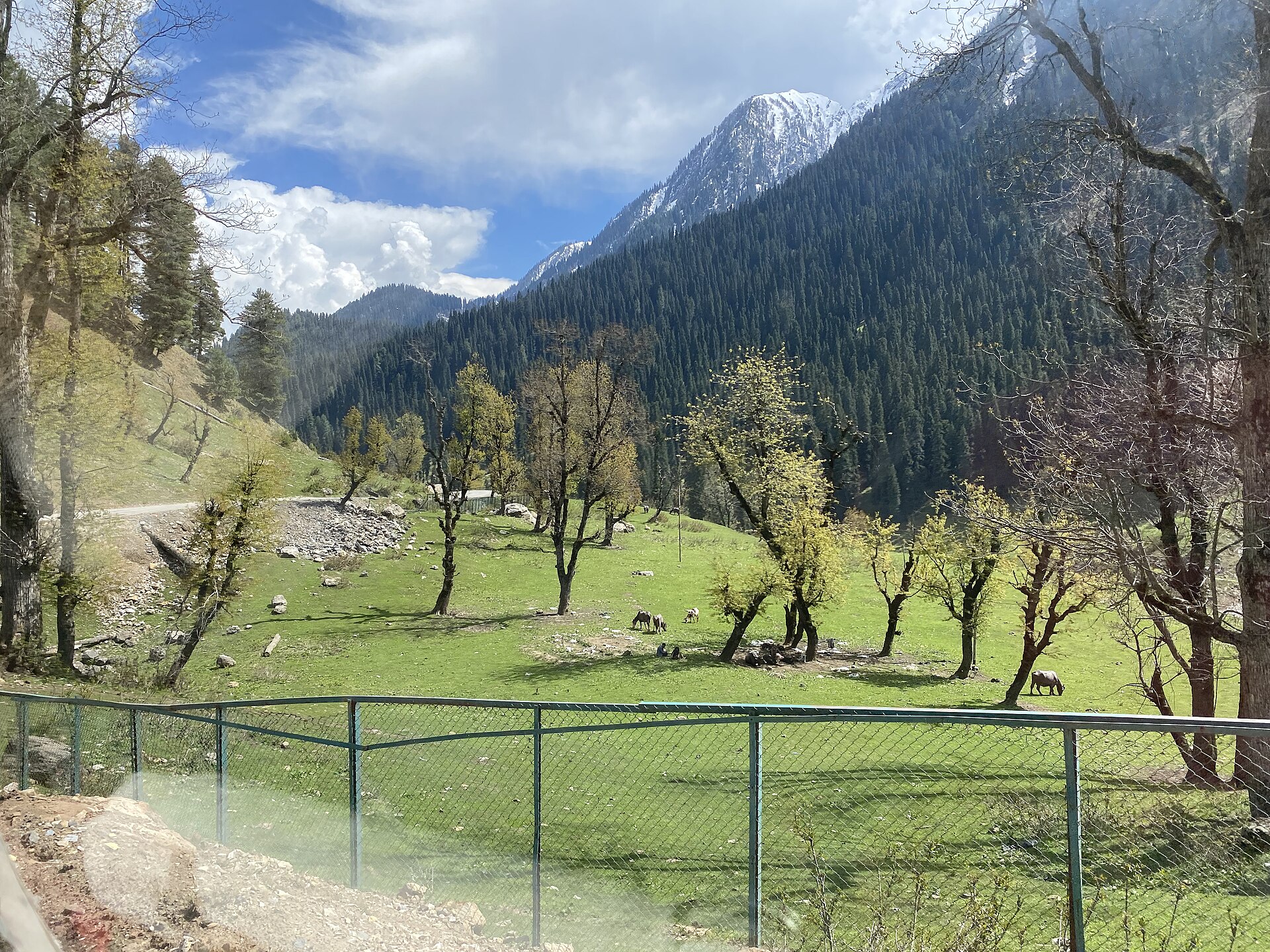
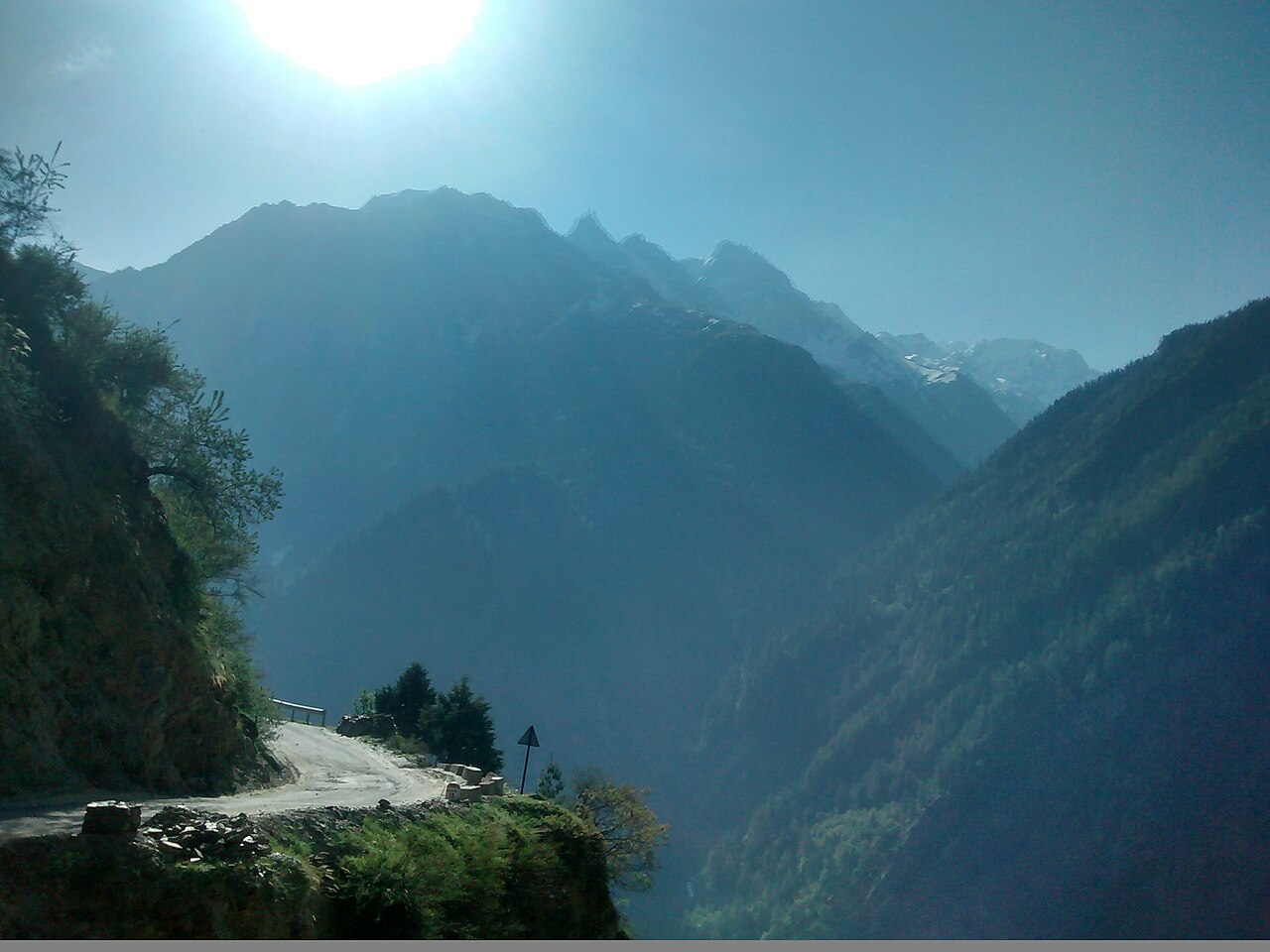
The road climbs steadily from Pahalgam toward the glacial regions of Chandanwari.Photo: Vinayaraj · CC BY-SA 4.0
The road to Chandanwari begins where the concrete of Pahalgam town fades into the rushing grey currents of the Lidder River.
I recall my first drive up this stretch; the air turns noticeably colder as you climb, and the pine forests seem to tighten their grip on the mountainsides. It is one of those classic Himalayan transits that feels like you are entering a different world entirely.
Most travellers looking for how to reach Chandanwari from Pahalgam find themselves navigating a 16-kilometre stretch that requires a bit of local know-how. Whether you are aiming for a day of snow play or starting an arduous trek, here is how you manage the journey.
Transport options from Pahalgam
In the town of Pahalgam, the taxi union exerts strict control over vehicle movement to ensure safety and order. You cannot simply hail a taxi on the street. Instead, you must head to the main taxi stand in town to book your vehicle.
Most visitors choose an 'Amarnath route' taxi, which is a pre-negotiated package covering the round trip. The drivers here are seasoned professionals who understand every hairpin bend of this narrow road. Private taxis are the only viable way to reach the destination, as there is no public bus service that runs this specific high-altitude route regularly.
- Pre-book your taxi through a registered operator.
- Check the vehicle's tyre tread, as roads can be slushy even in spring.
- Negotiate the return fare before you leave town.
Understanding road conditions
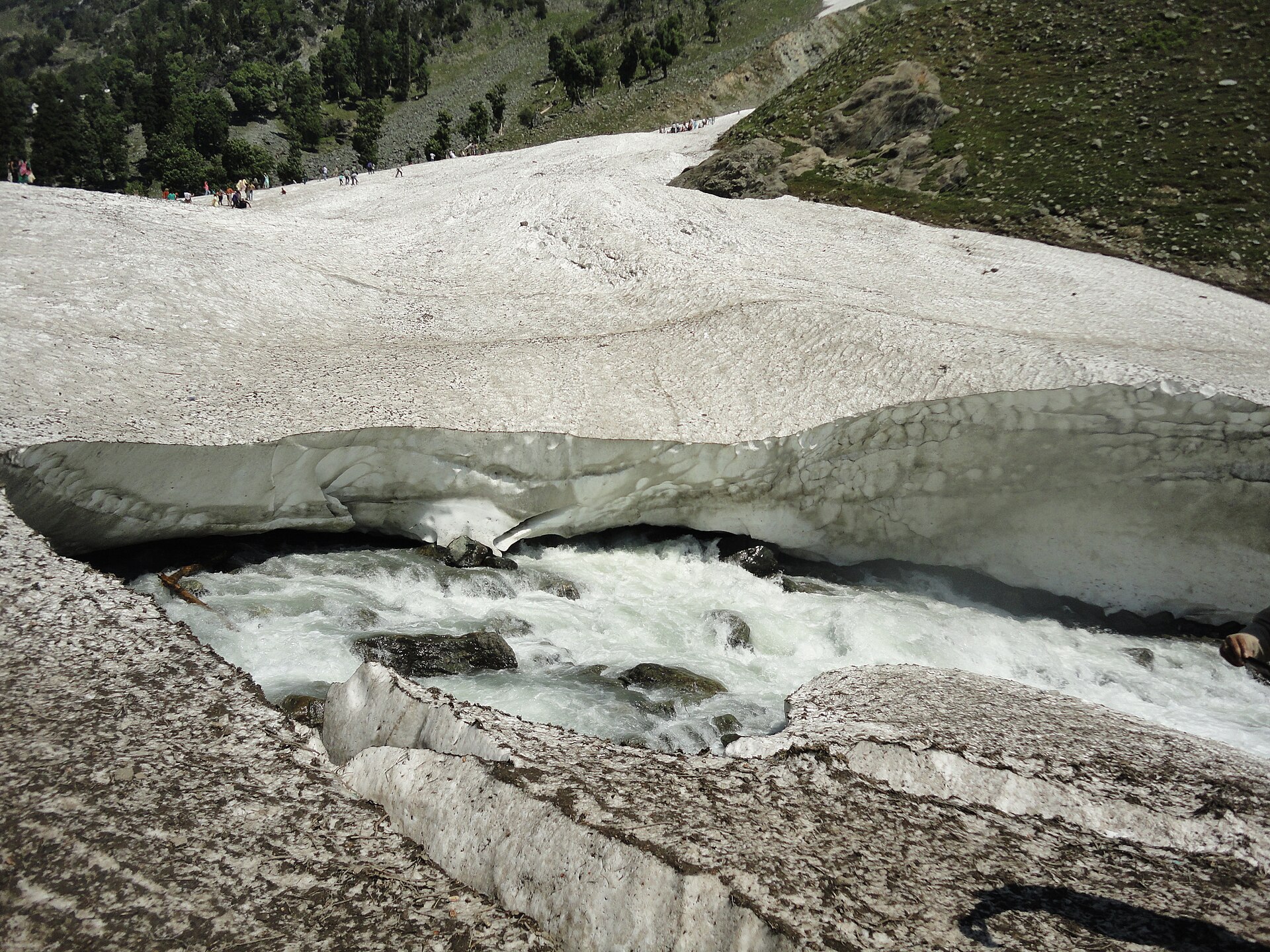
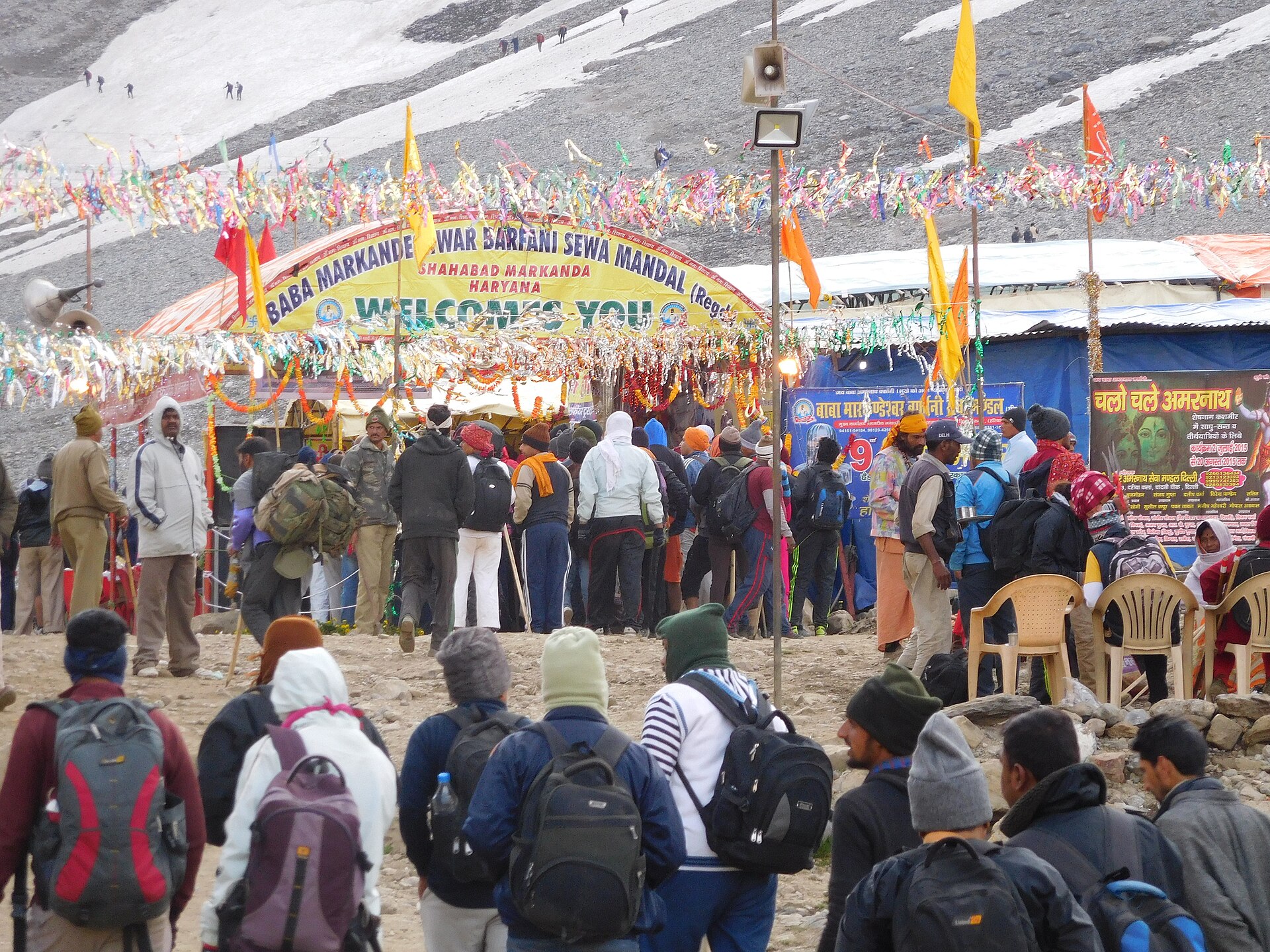
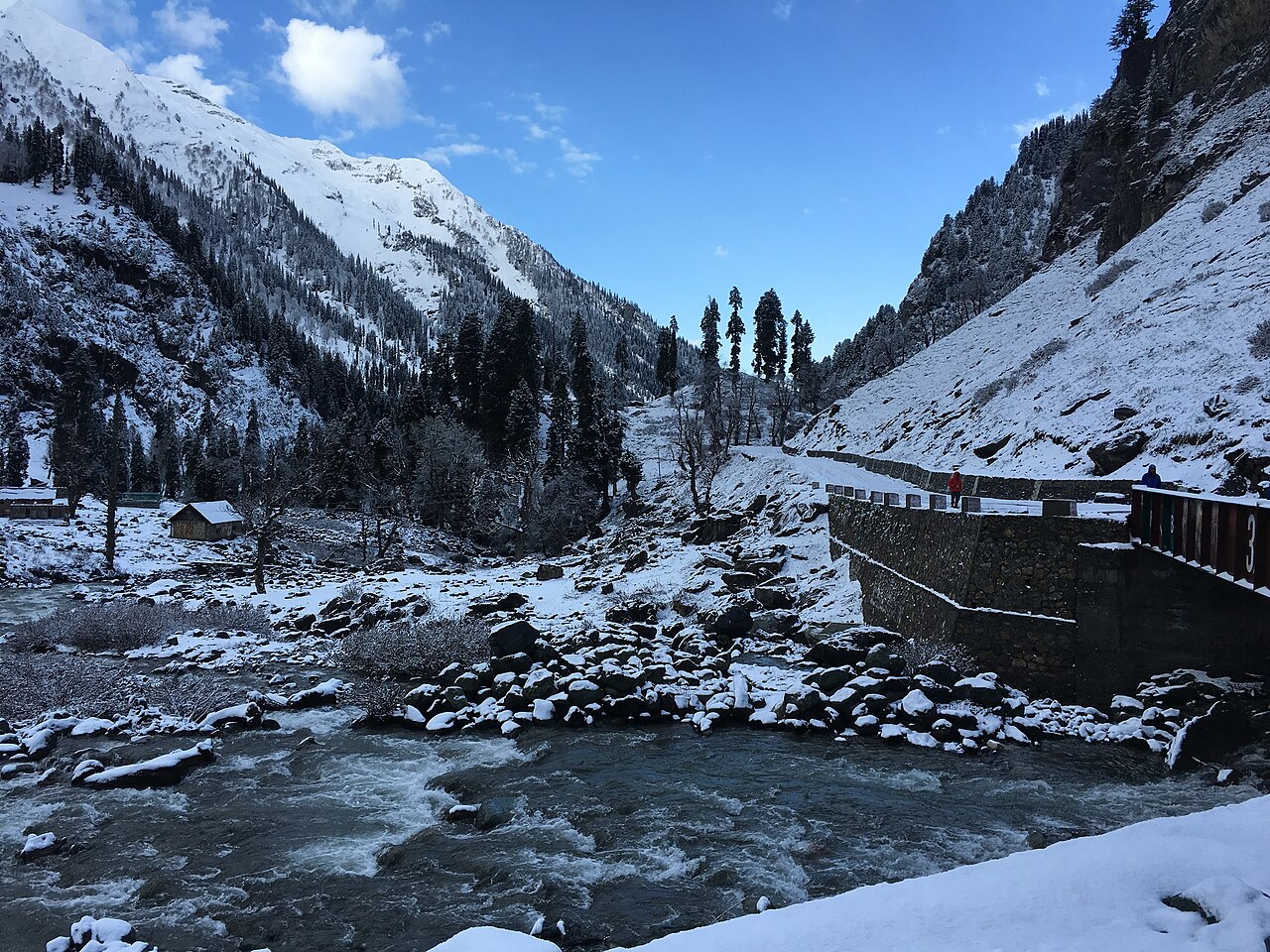
The road to Chandanwari is not a highway. It is a single-lane mountain track that winds precariously along the Lidder River. During the peak of the Amarnath Yatra, this road becomes extremely congested, and local authorities often restrict movement to specific time slots to prevent gridlock.
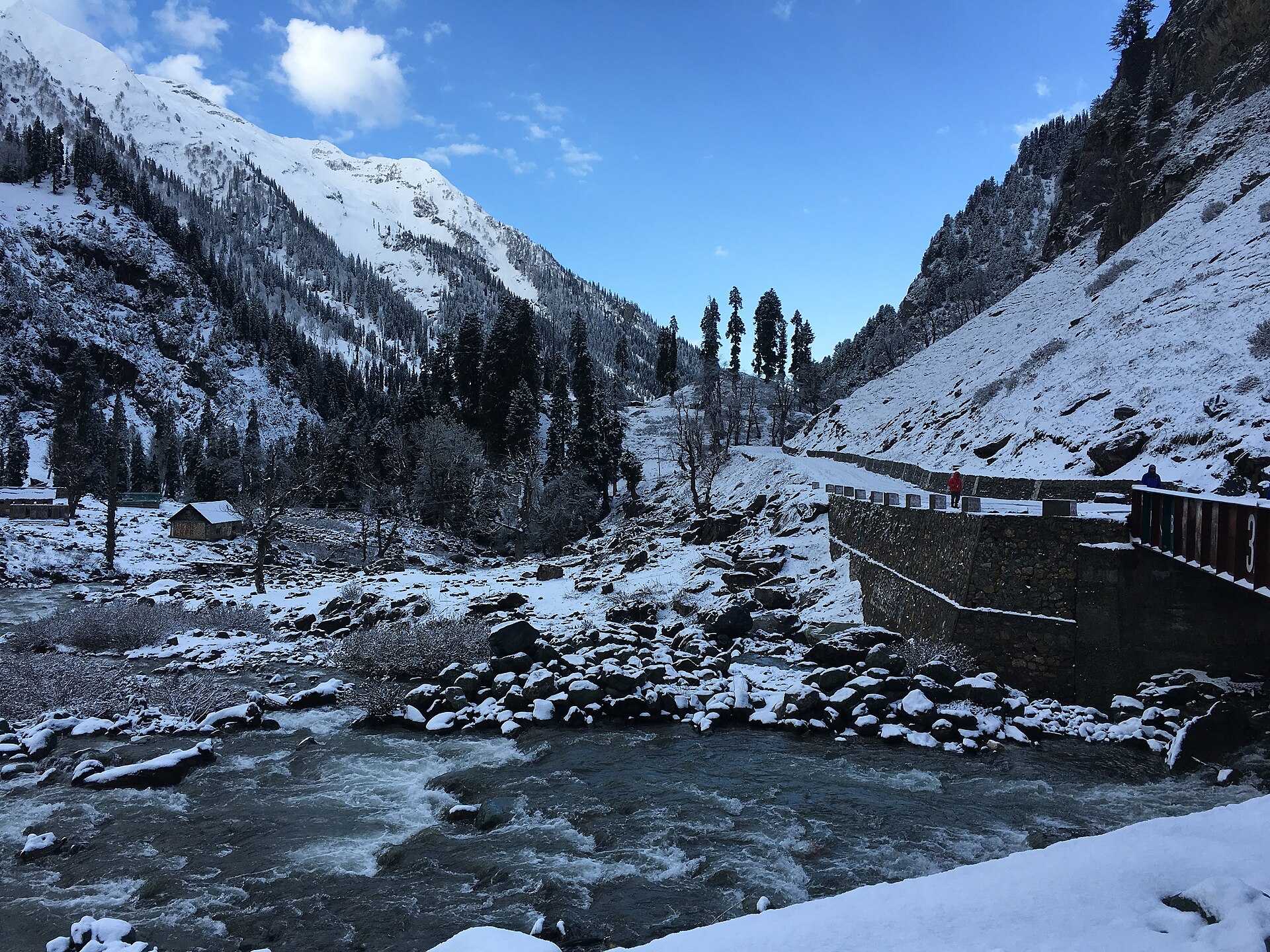
In the winter months, from late December through March, you might find the road blocked by snow. If you are travelling during this period, ensure your driver has experience with chains, as the inclines leading up to the valley can be treacherous.
Travel time and best departure hours
On a clear day without traffic, the 16-kilometre drive should take roughly 45 to 60 minutes. However, during the summer tourist season or the Yatra, this can easily stretch to two or three hours. I always suggest leaving by 7:00 AM to beat the mid-morning rush.
By departing early, you avoid the heavy influx of tourist vehicles coming from Srinagar. You also get to see the morning light hitting the peaks of the surrounding glaciers before the clouds roll in, which happens reliably around mid-afternoon.
Important tips for a smooth trip
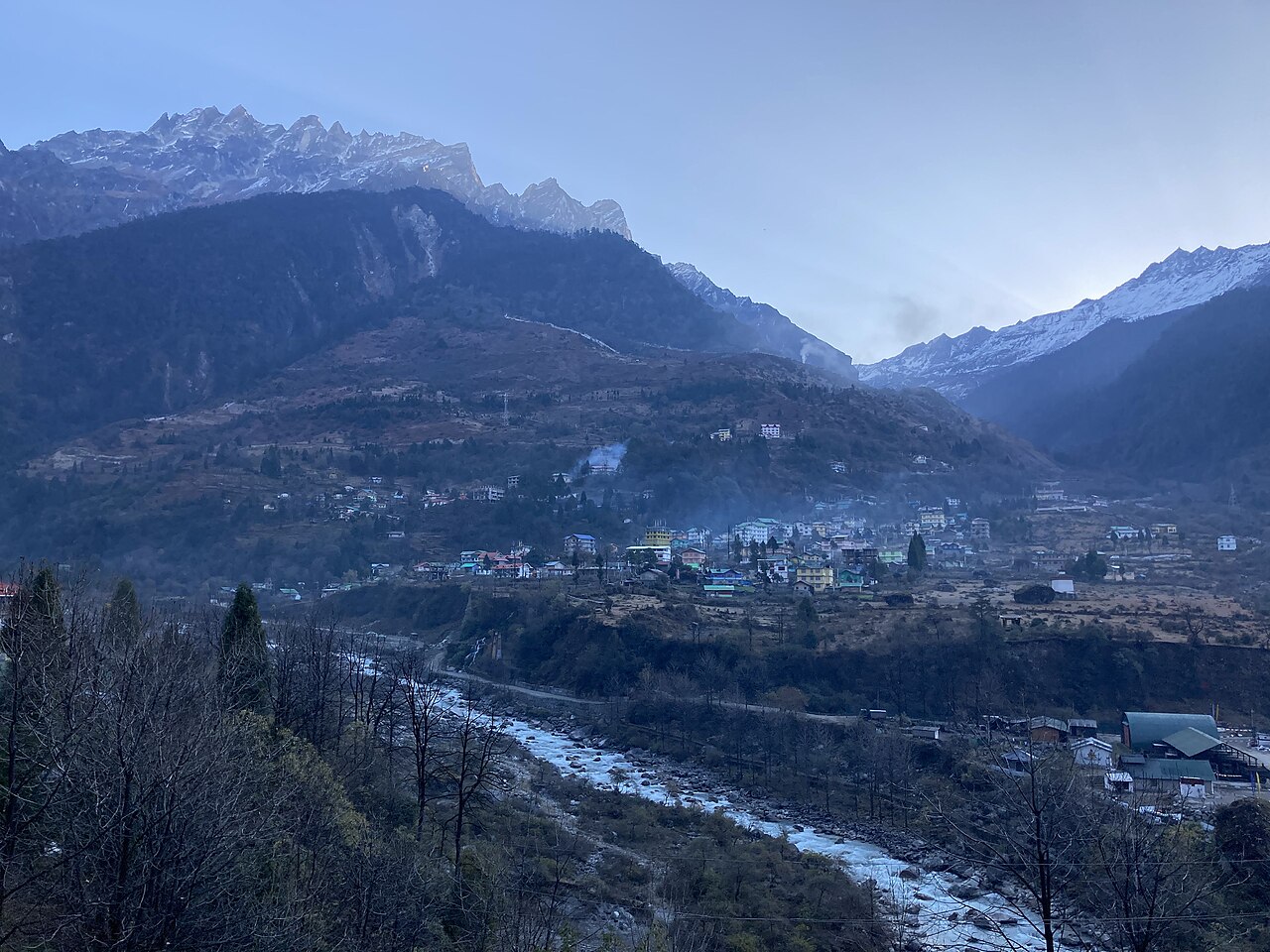
Pack a light jacket regardless of the season. Even if it is pleasant in Pahalgam, the temperature at the glacial point of Chandanwari is significantly lower. Carry enough drinking water, as facilities are sparse once you leave the town limits.
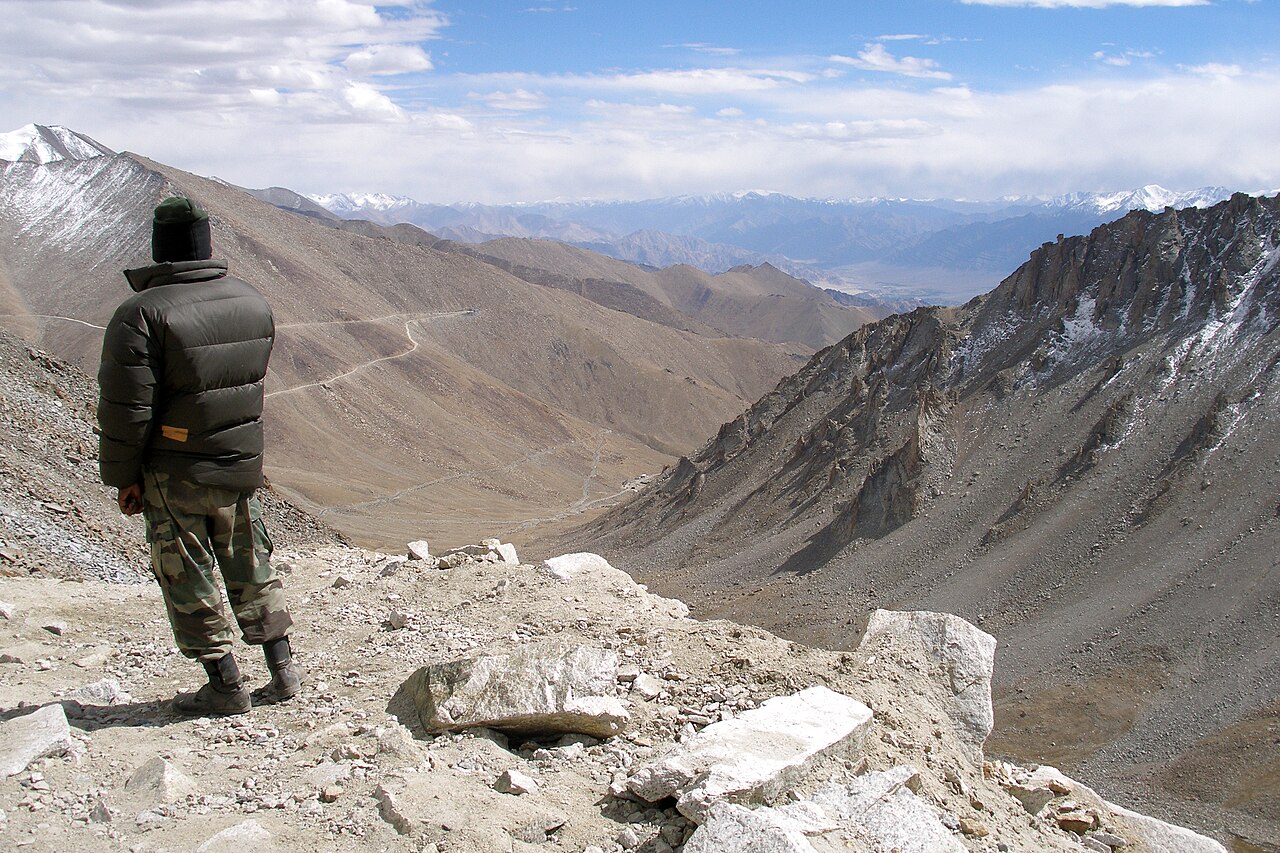
If you are planning to continue toward the mountain passes, ensure you have your identity documents and any required permits handy. Security checkpoints are common, and you do not want to be fumbling through your bags while holding up the line.
Permits and local regulations
While casual tourists rarely need special permits to reach the Chandanwari parking area, the rules shift drastically during the Yatra. Always check with our office in Srinagar a few days before your trip. Local administration can impose sudden travel bans or vehicle restrictions based on crowd size or weather-induced risks.
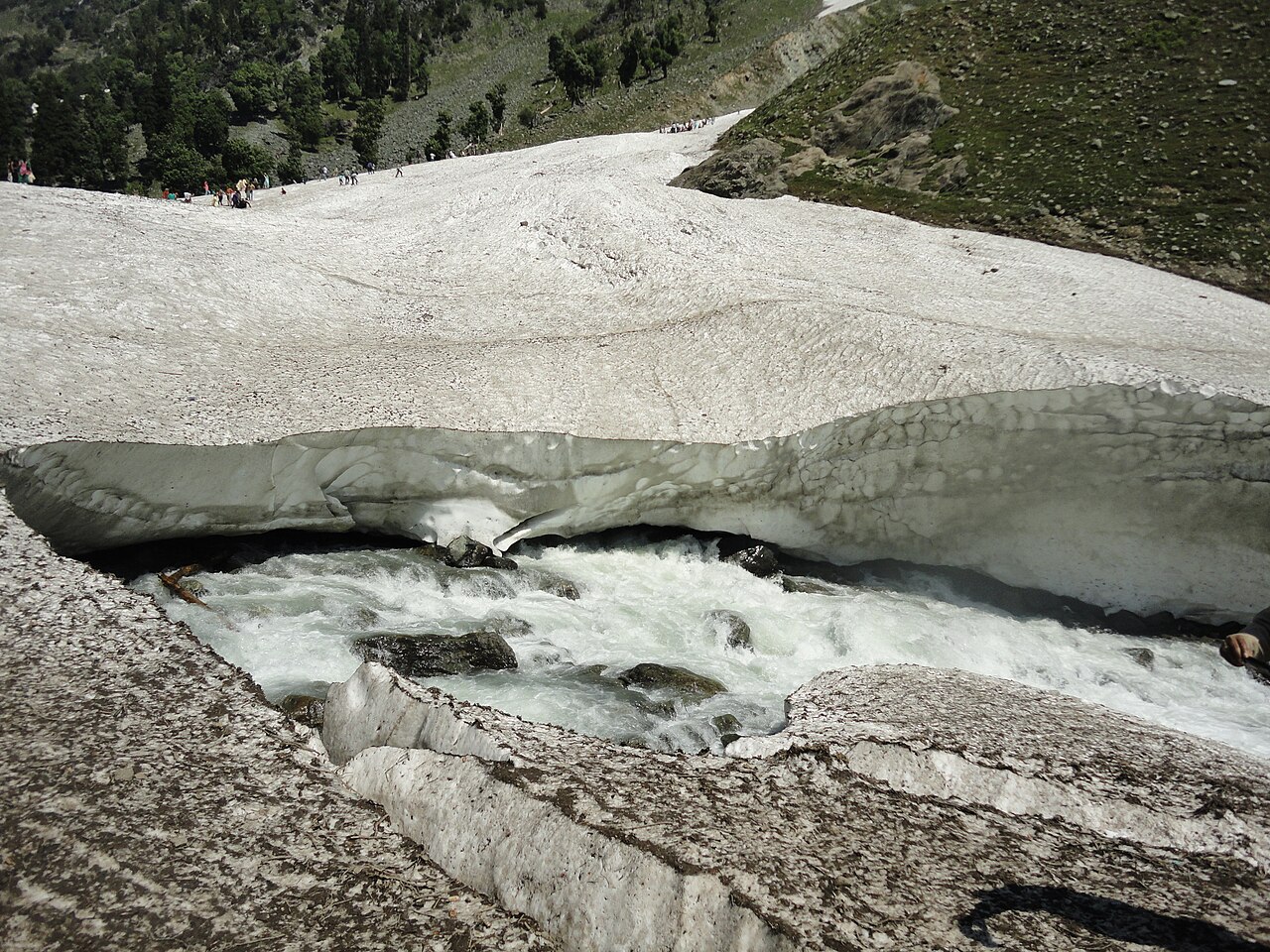
Remember that Chandanwari is not just a destination; it is a gateway. Respect the silence of the region and dispose of your waste responsibly. The fragile alpine ecosystem does not recover quickly from the litter left behind by thousands of visitors.
Before you book
Reaching Chandanwari is a journey that rewards the early riser. The shift from the bustling riverside streets of Pahalgam to the quiet, sharp air of the high valley is a transition that stays with you long after the trip concludes.
If you are finding the planning process complex, we are here to help. Whether you need a reliable driver or just the latest update on road status, reach out to our team at Skywale Packages.
Need help planning your mountain journey?
We know these roads better than anyone. Let us handle the transport logistics for you.
Contact UsWritten by
Kashmir, Jammu & Ladakh specialists
We plan and run trips across Kashmir, Jammu and Ladakh every week of the year. Everything here comes from routes we drive, stays we inspect and questions our travellers actually ask.
Quick answers
Questions we get asked
Can I drive my own car to Chandanwari?
Technically yes, but it is strongly discouraged. Mountain driving here requires local knowledge of narrow roads and sudden, heavy traffic. It is much safer and more efficient to hire a local driver who knows the terrain.
Is the road open all year?
The road is usually open from April to December. January to March often sees heavy snowfall that may close the route beyond a certain point, depending on the intensity of the winter.
How far is the walk from the taxi drop-off?
The taxi drops you at a designated parking area. From there, you are already in the valley, though exploring the nearby glacier or hiking toward the Pissu Top trail will involve further walking.
Are there restrooms on the way?
There are very limited public facilities between Pahalgam and Chandanwari. Use the toilets in Pahalgam town before you leave, as you will find almost nothing between there and the destination.
Do I need a special permit?
For general sightseeing, no. If you are participating in the Amarnath Yatra or trekking beyond marked tourist zones, strict medical and state-issued permits are required.
Photography credits
- Photo: Vinayaraj · CC BY-SA 4.0
- Photo: Dewan Alim Chand · CC BY-SA 4.0
- Photo: Akigupta131 · CC BY-SA 4.0
- Photo: Rishik Kandiraju · CC BY-SA 4.0
- Photo: Mananjpatel1996 · CC BY 4.0
- Photo: Vyacheslav Argenberg · CC BY 4.0
- Photo: Akshey25 · CC BY 3.0