How to Reach Turtuk from Leh: A Practical Guide
Navigating the high-altitude routes and requirements for your northern Ladakh trip
A straightforward guide on transport, permits, and road conditions for travelling to the village of Turtuk from Leh.
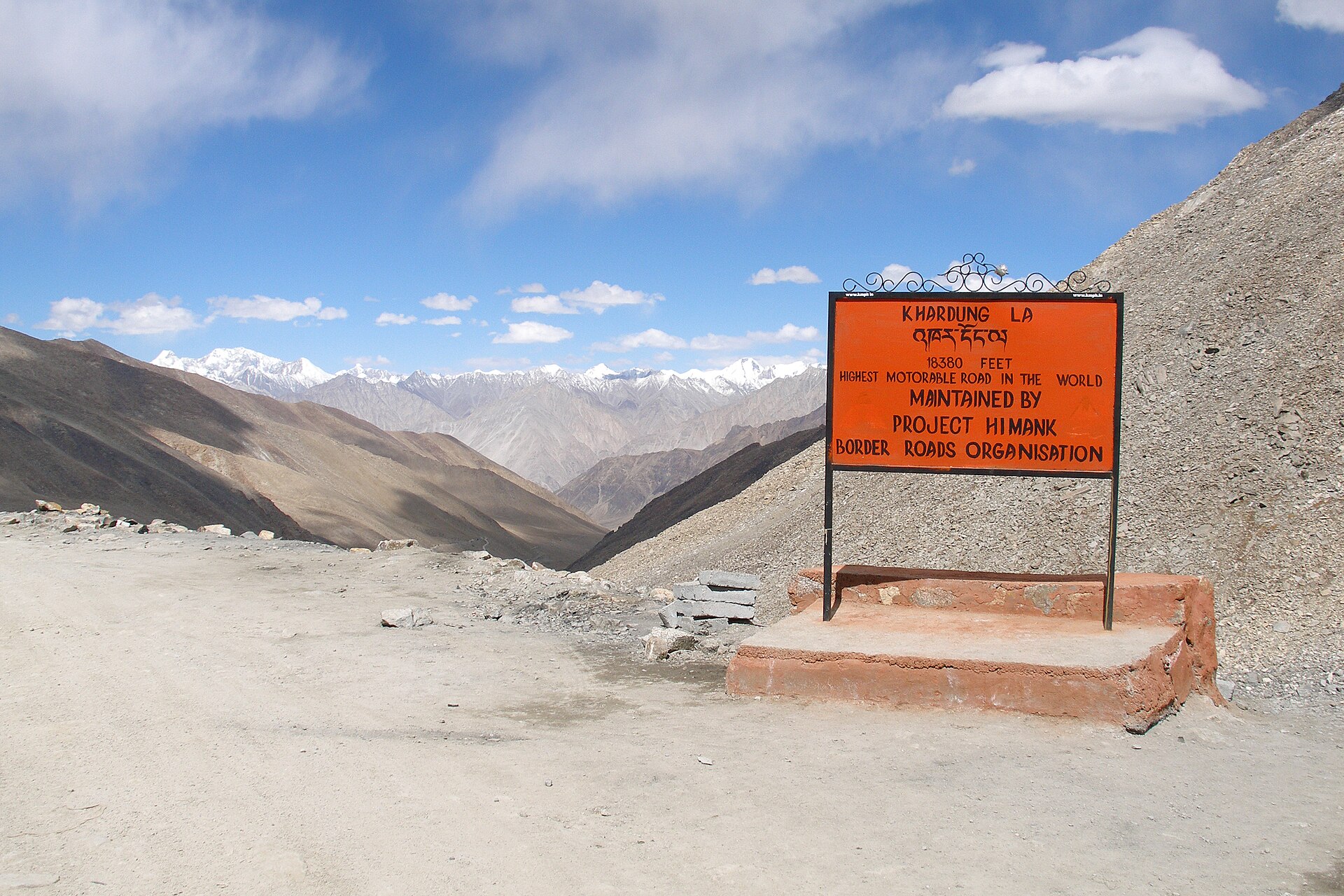
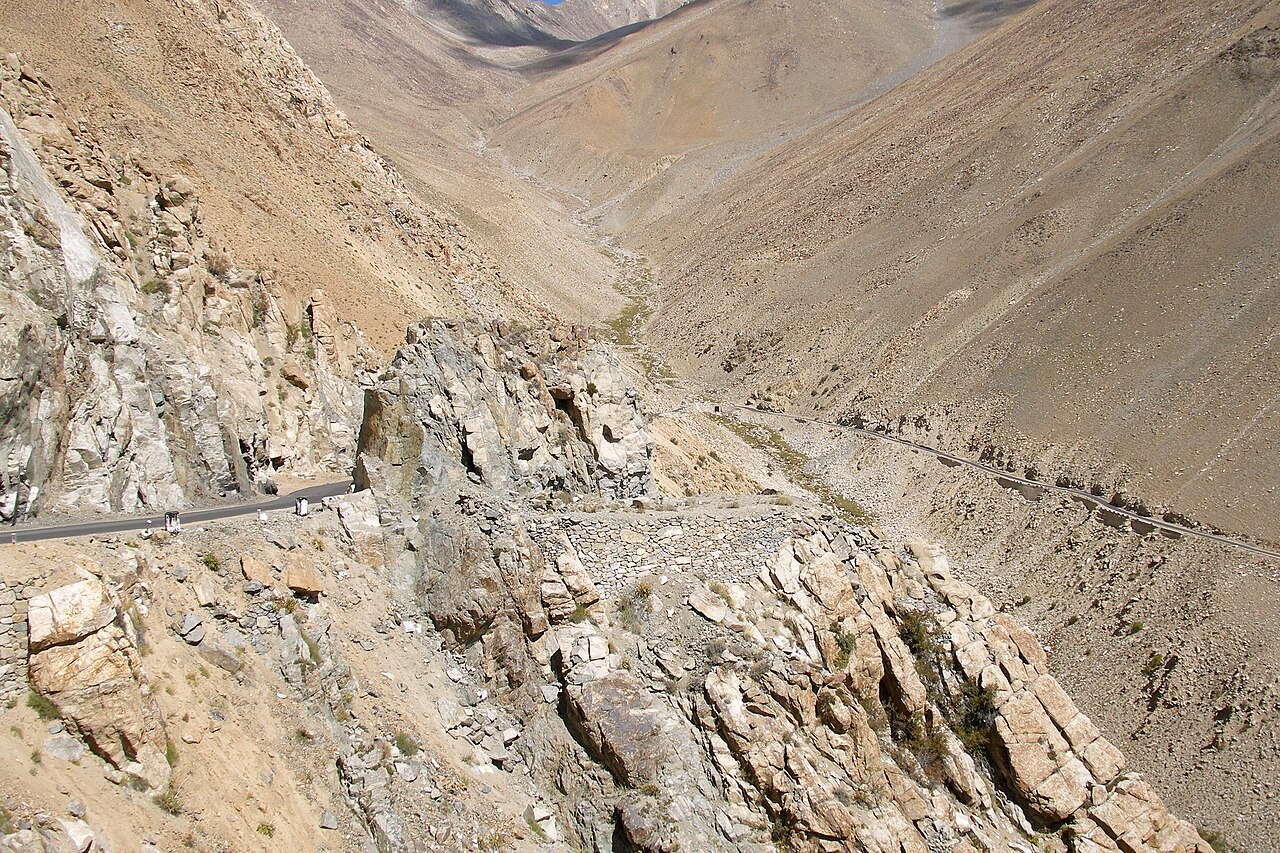
Choosing the right vehicle is critical for navigating the mountain passes safely.Photo: Vyacheslav Argenberg · CC BY 4.0
The road to Turtuk feels less like a journey and more like a slow, deliberate ascent into a forgotten corner of the map, and the way you choose to travel determines whether you see the scenery or just the back of your eyelids. Knowing how to reach turtuk from leh effectively means weighing the comfort of a private vehicle against the unpredictable nature of mountain road closures.
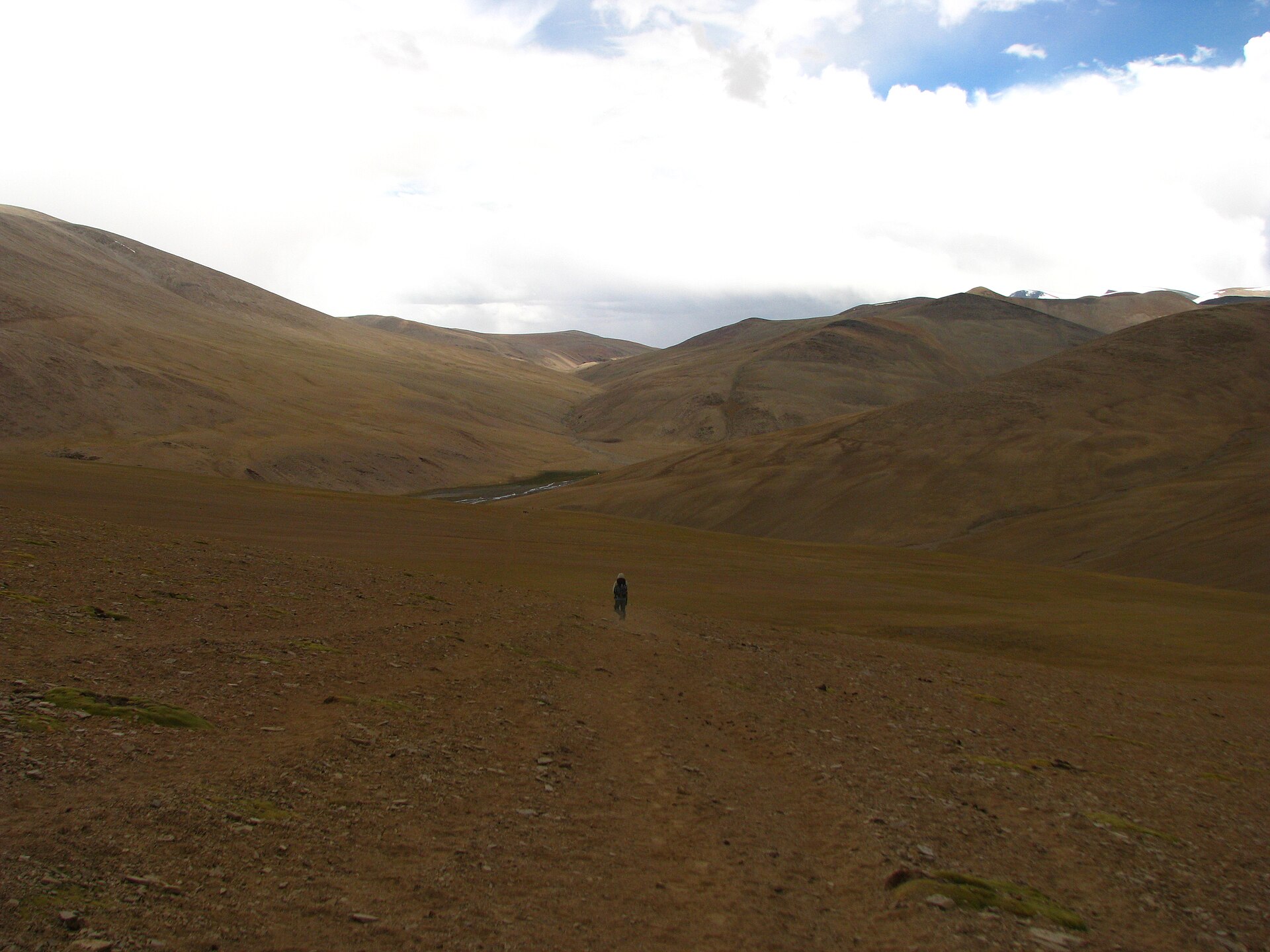
Many travellers underestimate the difficulty of this route. It involves crossing one of the highest motorable passes in the world and then navigating the cliffside tracks along the Shyok River. This is not a route for public buses or inexperienced drivers. Proper preparation here is the difference between a successful adventure and spending your holiday waiting for a mechanic.
Transport Options from Leh
For the vast majority of visitors, hiring a private vehicle with a local driver is the only logical way to go. You want a 4x4, usually a Toyota Innova or a Mahindra Scorpio, which is familiar to the terrain. These drivers are not just transport; they are local experts who know which parts of the road are prone to flooding and when the traffic at the passes is likely to peak.
Public transport does not exist in a way that is useful for this trip. While there are irregular shared taxis, they are often crowded, uncomfortable, and do not provide the flexibility needed for photography or rest stops. Since you need a permit anyway, the most seamless approach is to book your car and driver as part of a package.
If you are attempting this with a rental car, be warned. Unless you are an expert at driving on high-altitude loose rock and dealing with glacial stream crossings, it is an unnecessary risk. Rental companies in Leh will often place strict restrictions on their vehicles being taken onto the more remote Shyok routes.
Navigating the Route and Passes
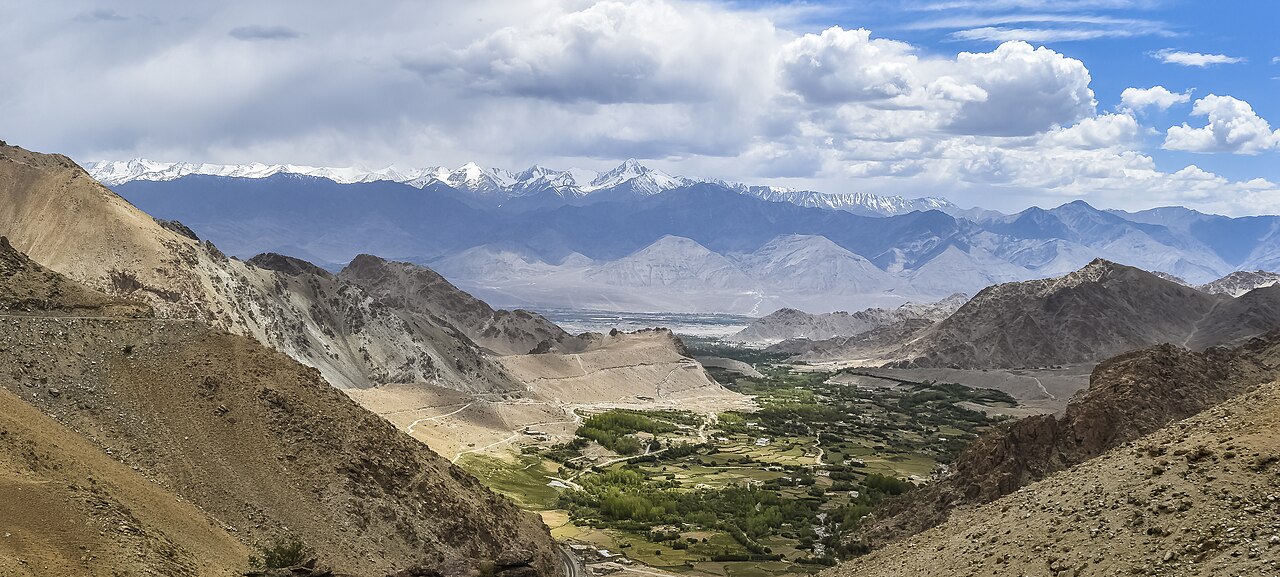
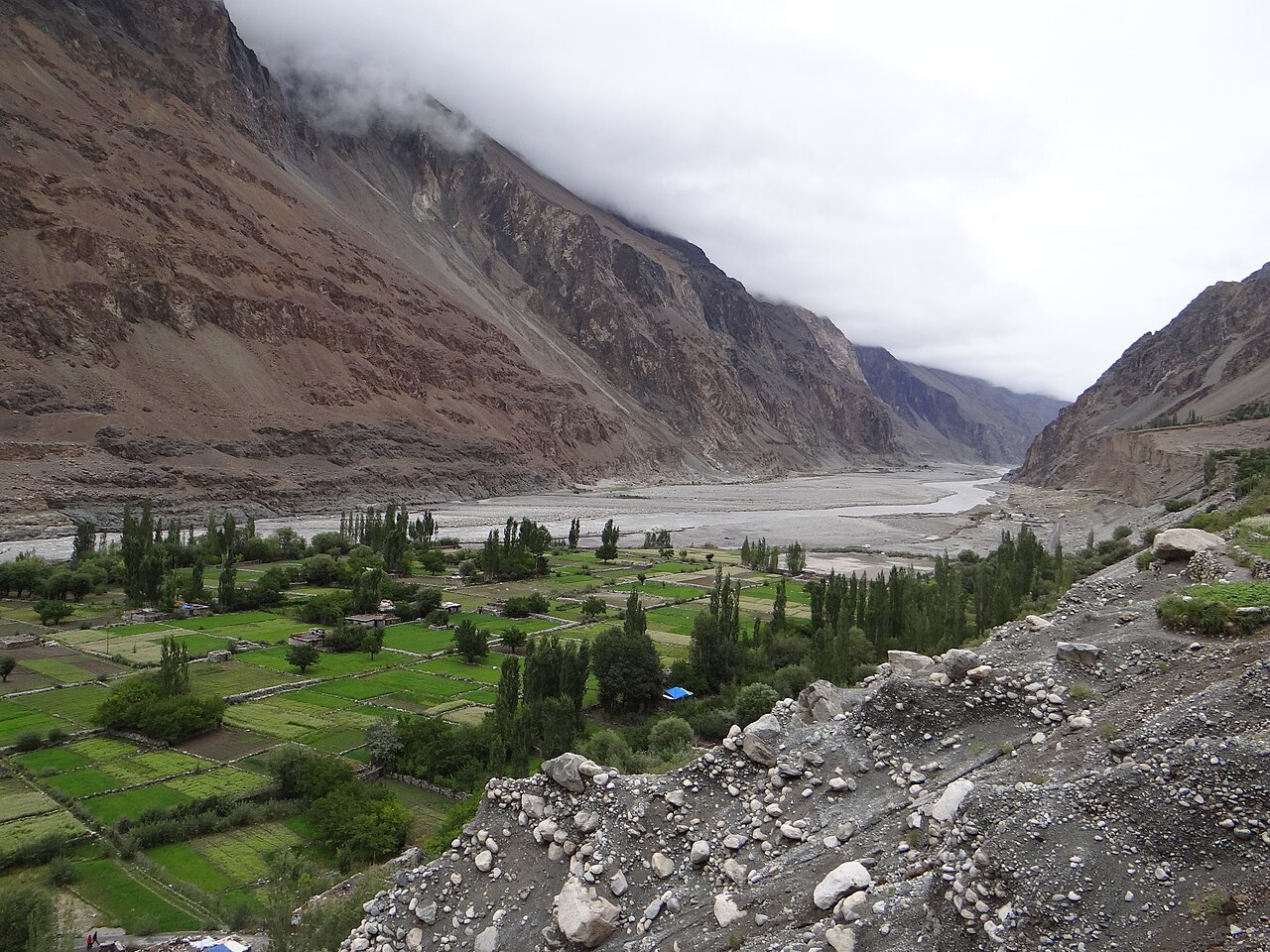
The most common way to reach the village is via the Khardung La pass. You climb from Leh, hit the pass, and descend into the Nubra Valley. From there, you head northwest along the Shyok river for another three to four hours. The total distance is about 205 kilometres.
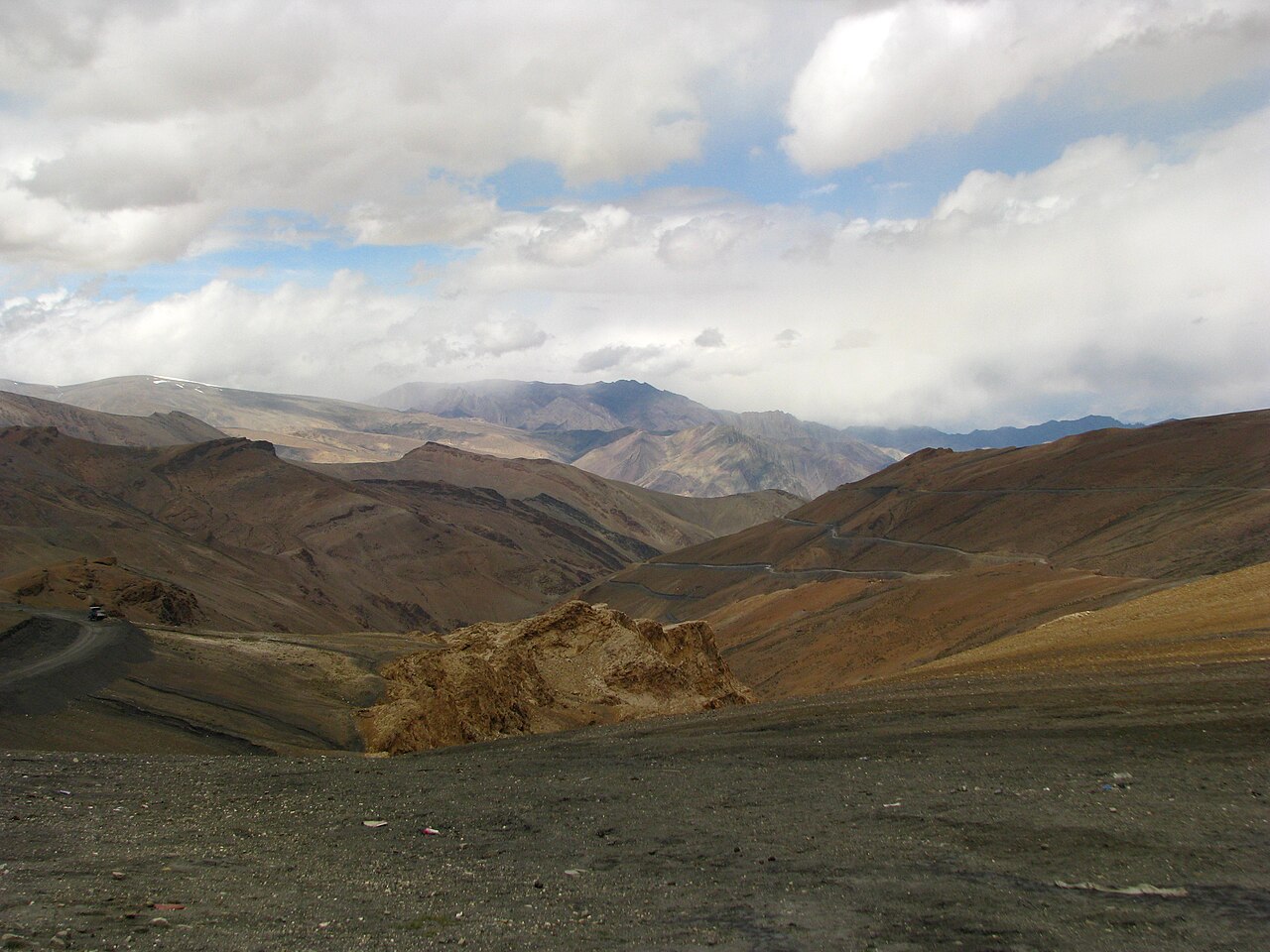
The condition of the road varies wildly. During the summer, you might encounter massive road construction projects or stretches where the tarmac has been completely washed away by a stream. This is why we insist on travel starting before dawn. The morning light reveals road damage, whereas night driving in this region is simply dangerous.
Be prepared for altitude sickness. Regardless of how well you travel, moving from Leh's altitude to the mountain passes will affect you. Hydrate constantly. The air in the valley is extremely dry, and you will lose more moisture than you think.
Essential Travel Permits
You cannot just drive to Turtuk. Because of its proximity to the border, the area is under strict military administration. Indian citizens require an Inner Line Permit (ILP), while foreign nationals need a Protected Area Permit (PAP).
You must carry at least five to six photocopies of these permits. You will be stopped at multiple checkpoints—South Pullu, Diskit, and the final checkpost before the village. At each one, the officers will take a copy. If you run out of copies, you may be turned back.
We handle these permits for all our clients through our office in Srinagar and Leh. If you are doing this independently, you can apply online through the official portal, but printing the copies is your responsibility. Do not rely on finding a print shop in the middle of the Nubra Valley.
Driving Time and Logistics
Do not trust Google Maps here. A travel time estimate of five hours on a digital map can easily turn into ten hours in reality. Factors like a slow-moving military convoy, a breakdown on a narrow pass, or a local landslide are part of the daily rhythm here.
The stretch from Hundar to Turtuk is the most isolated. There are very few places to pull over, and even fewer where you can find food or water. Pack a day bag with extra water, high-energy snacks, and a spare jacket. You will likely want to reach the village by late afternoon so you have time to find your guesthouse before the temperature drops after sunset.
Why a Local Operator Makes a Difference
Working with a local team means we know the road condition before you even wake up. If the weather looks like it will close the pass, we adjust the itinerary immediately rather than sending you into a potential trap. We coordinate with drivers who have traversed this specific path hundreds of times.
Beyond logistics, we provide context. Reaching Turtuk is meaningful when you understand the local Balti history and the complex geopolitical situation. A driver who speaks the language and knows the families in the village can offer you experiences—like a home-cooked meal in a traditional house—that you would never find on your own.
Before you book
Getting to Turtuk is a significant journey, but it is one of the most rewarding drives in the Ladakh region. The silence of the valley and the warmth of the village await those who prepare correctly.
If you would like a stress-free experience, reach out to us at Skywale Packages. We specialise in these northern routes and would be happy to organise your transport and permits so you can enjoy the road.
Planning Your Trip?
Let us take care of the heavy lifting. From permits to 4x4 arrangements, we ensure you reach Turtuk safely and comfortably.
Get a QuoteWritten by
Kashmir, Jammu & Ladakh specialists
We plan and run trips across Kashmir, Jammu and Ladakh every week of the year. Everything here comes from routes we drive, stays we inspect and questions our travellers actually ask.
Quick answers
Questions we get asked
How long does the drive take?
It is roughly 205 kilometres from Leh. In good conditions, allow 7 to 9 hours of driving. Always account for extra time for checkpoints and road conditions.
Can I reach Turtuk by public bus?
There is no reliable public bus service that goes all the way to Turtuk. You will have to change transport multiple times, which is not feasible for a standard holiday schedule.
Is the route dangerous?
The road is narrow and traverses cliff sides. While standard for our experienced drivers, it requires caution and strict adherence to safety rules, especially on the Shyok river section.
Do I need to carry my passport?
Yes, always carry your original identification documents. The checkpoints are strict, and you will be asked to present the originals alongside your printed permits.
What is the distance between Turtuk and the border?
Turtuk is only a few kilometres from the Line of Control. Visitors are allowed to reach the village, but you must respect all local military restrictions and signage.
Photography credits
- Photo: Vyacheslav Argenberg · CC BY 4.0
- Photo: Fulvio Spada from Torino, Italy · CC BY-SA 2.0
- Photo: Vyacheslav Argenberg · CC BY 4.0
- Photo: Always urs0509 · CC BY-SA 4.0
- Photo: KartikiGonsalves · CC BY-SA 4.0
- Photo: Rajnish71 · CC BY-SA 4.0
- Photo: McKay Savage from London, UK · CC BY 2.0