Achabal Garden entry fees and visitor guidelines
Everything you need to know about navigating the heritage sites of Kashmir.
Planning your trip to Achabal? Here is the breakdown of entry fees, what your ticket covers, and how to respectfully visit these historic gardens.
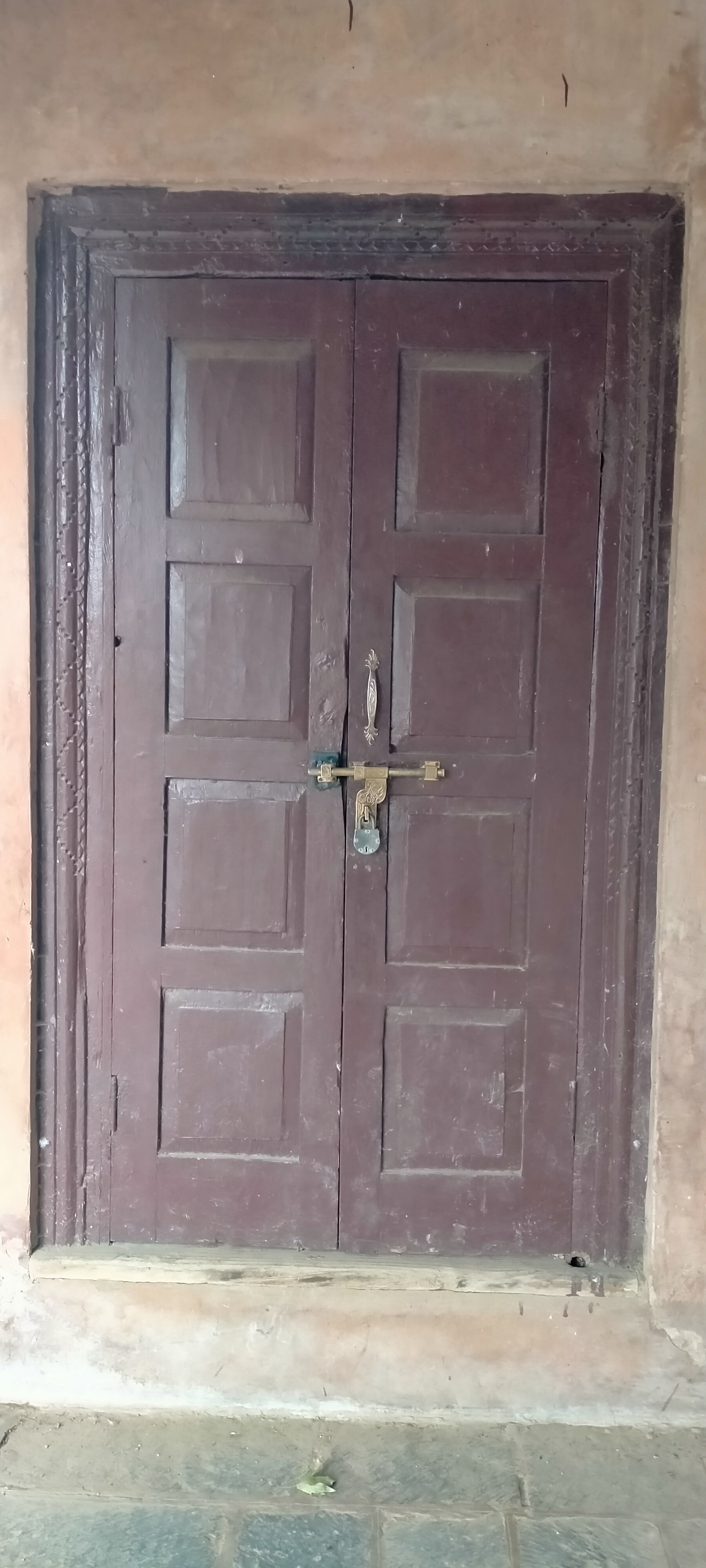
The heritage gates of Kashmir mark the boundary between the modern world and history.Photo: Sabaaya · CC BY-SA 4.0
I recall my first visit to Achabal when I realised I had forgotten small change, leading to a scramble at the ticket booth that could have been avoided with a bit of local foresight. Understanding the Achabal Garden entry fees is straightforward, but it is often the practical details of how you interact with the site that make for a smoother day.
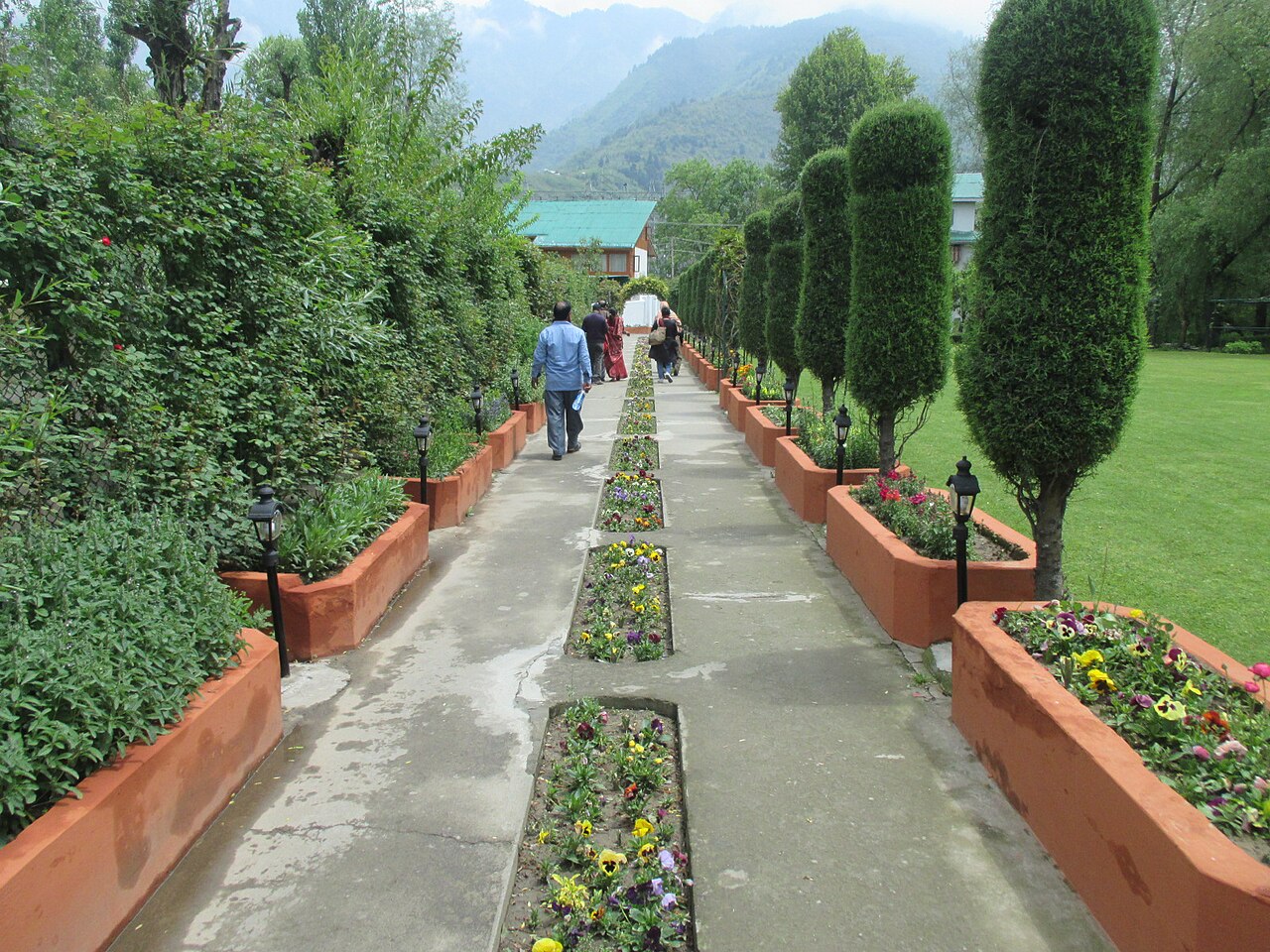
As a visitor to Kashmir, you will find that these gardens are maintained not just as tourist sites, but as living pieces of heritage. A small fee goes a long way here, and knowing how the system works ensures you spend less time at the gate and more time walking the terraces.
Entry Fee Overview for Mughal Gardens
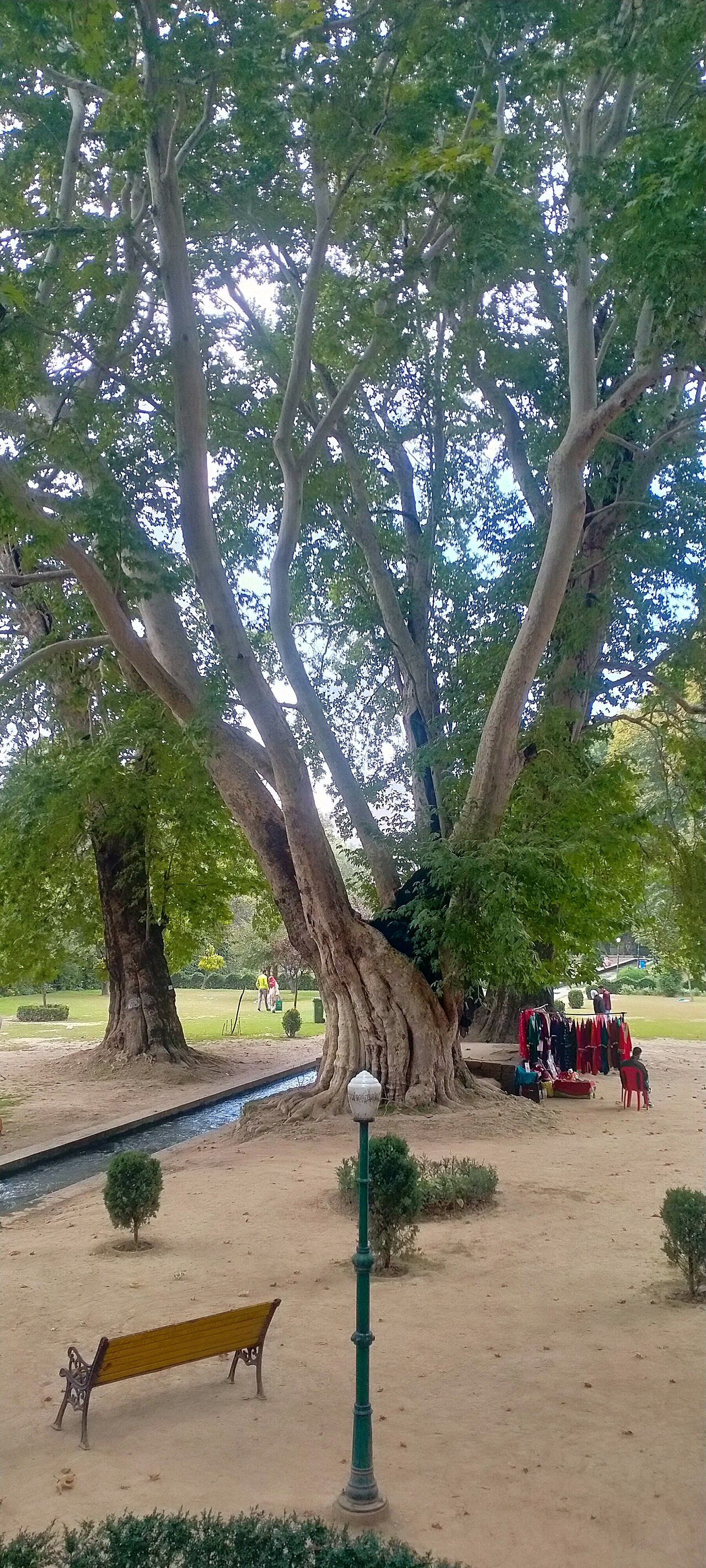
Most Mughal gardens in Kashmir, including Achabal, operate on a very modest entry fee system. You are generally looking at a nominal amount, often under 50 rupees for domestic visitors and slightly more for foreign nationals. This fee is used exclusively for the ongoing maintenance of the water channels and the preservation of the ancient chinar trees.
Because these fees are so low, they are almost always payable in cash. Do not count on card machines or digital payment apps being available at the remote entrance booths, though some areas are slowly integrating these technologies.
How Fees are Structured
The ticketing is usually managed by the local tourism department or the municipal authorities. The price covers entry for the entire day. There is no 'hourly' rate, so once you are inside, you can stay as long as you like.
If you are arriving with a large group or a private guide, ensure the driver or guide is clear on whether they are included in your ticket or if they have their own entry procedure. Usually, the entry fee applies per person regardless of group size.
Benefits of Purchasing Local Tickets
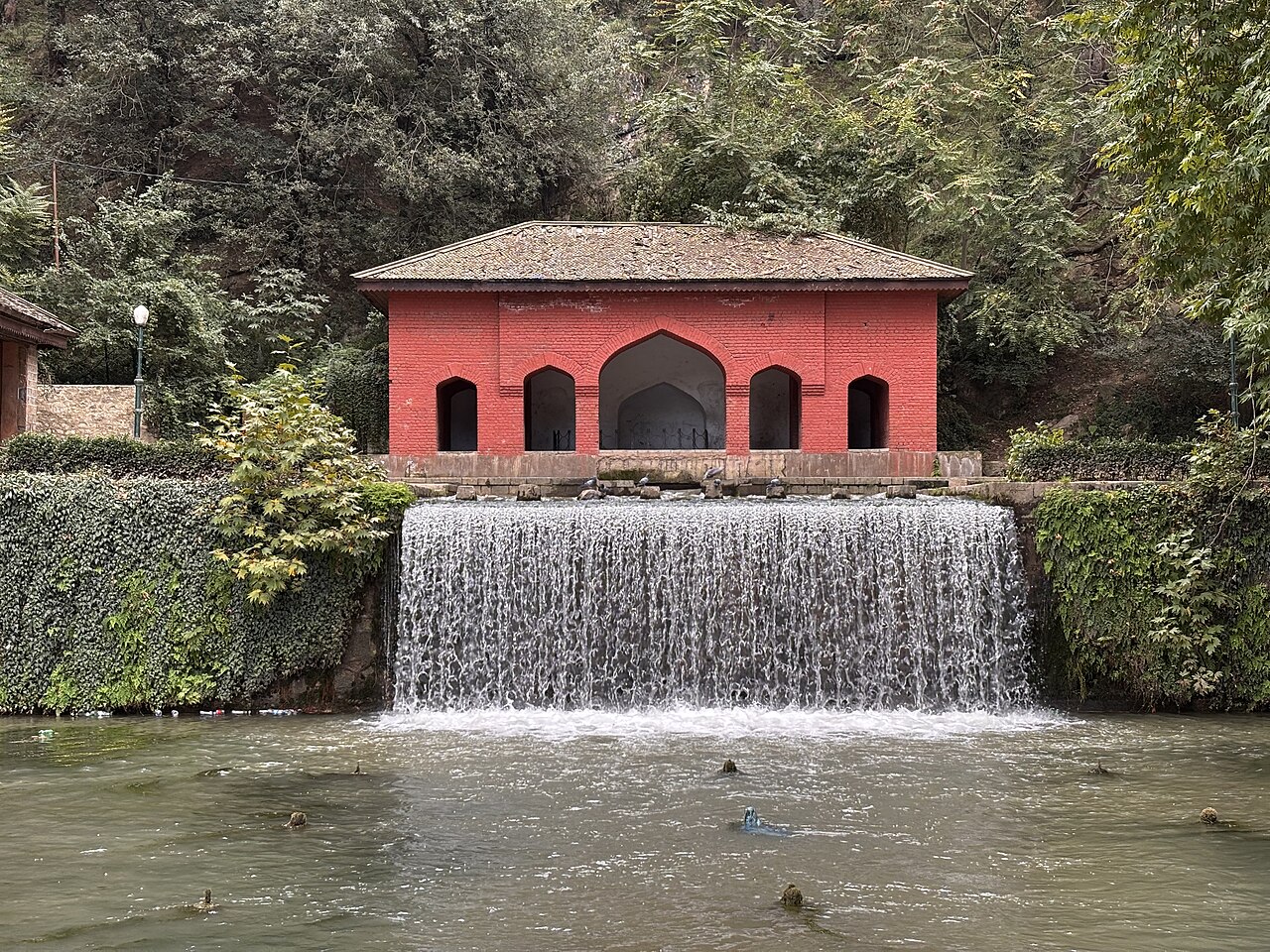
Paying your entry fee directly at the official counter helps ensure that funds are directed into the site’s preservation. While it might seem like a small amount, these contributions are what allow the local staff to maintain the complex network of irrigation that defines Achabal.
If you want to support the local economy further, consider hiring a local guide near the entrance. They can explain the history of the spring far better than a guidebook can, and the fee you pay them stays directly within the community.

Respecting Heritage Sites as a Visitor
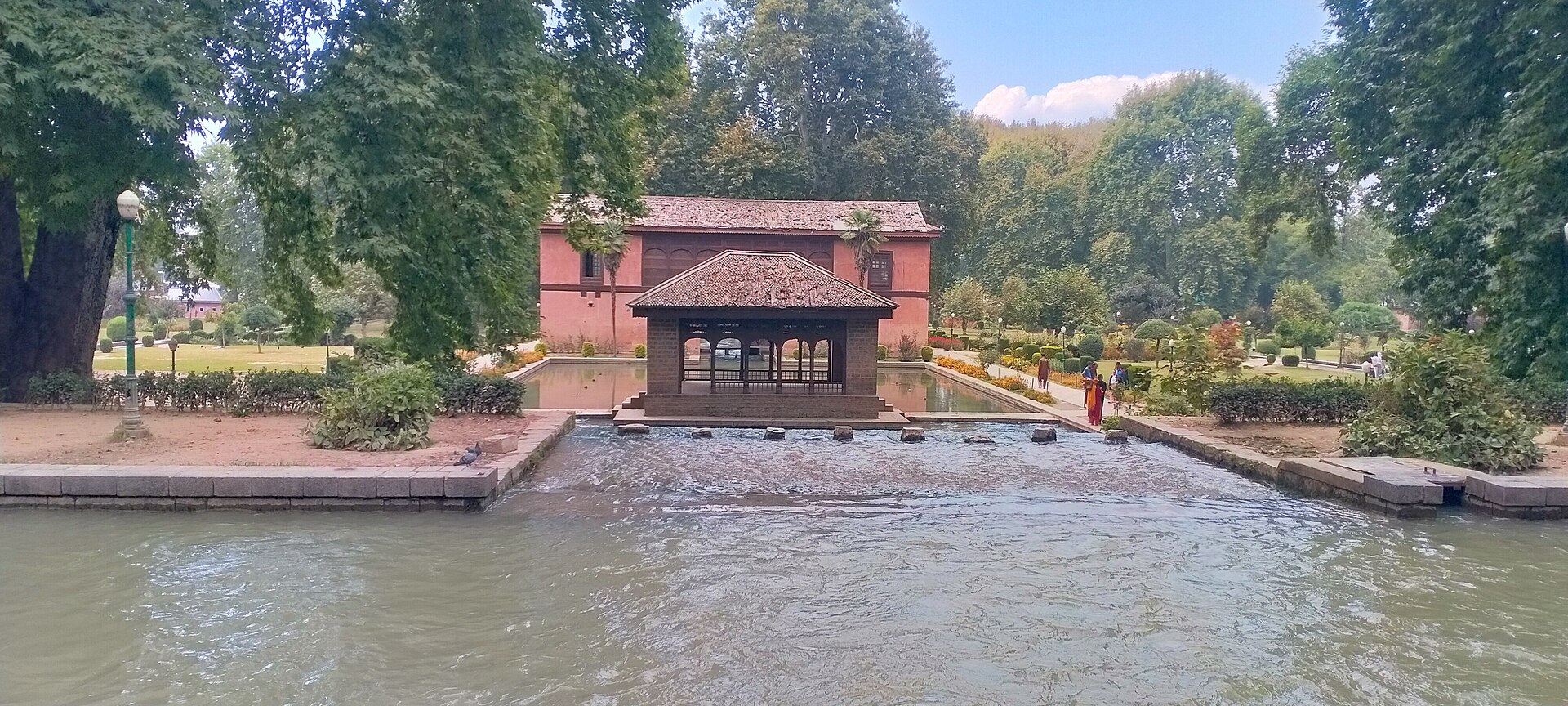
Achabal is a delicate site. The water systems date back centuries, and the stone structures require gentle treatment. Please ensure you stay on the marked paths. It is tempting to walk through the flower beds for a better photo, but this contributes to soil compaction that damages the garden.
Rubbish is another concern. There are bins near the entrance, but they are sparse inside. The best policy is to carry out whatever you carry in. Leaving the site exactly as you found it is the most important part of your visit.
Practical Tips for Budgeting Your Day
While the Achabal Garden entry fees are negligible, you should budget for the surrounding costs. Parking fees might apply if you are renting a vehicle. If you are travelling from <a href="/destinations/kashmir/pahalgam">Pahalgam</a> or <a href="/destinations/kashmir/kokernag">Kokernag</a>, remember to factor in the fuel and driver costs for the day.
If you plan to see multiple sites, such as visiting <a href="/destinations/kashmir/verinag">Verinag</a> on the same trip, confirm your total daily budget with your driver. Having a fixed daily rate for a car and driver is often the easiest way to manage your expenses in Kashmir.
Before you book
Visiting the heritage gardens of Kashmir provides a rare window into the history of the region. By respecting the simple guidelines and managing your small entry fees effectively, you help ensure these places remain available for future travellers.
If you are planning your visit and want to know more about the best ways to structure your day, feel free to <a href="/contact">reach out to our office</a>. We are always happy to help you refine your plans.
Planning your trip?
We can help you arrange transport and guides to make your Kashmir visit effortless.
Contact us for supportWritten by
Kashmir, Jammu & Ladakh specialists
We plan and run trips across Kashmir, Jammu and Ladakh every week of the year. Everything here comes from routes we drive, stays we inspect and questions our travellers actually ask.
Quick answers
Questions we get asked
Do I need to pay for a camera?
Generally, there is no additional fee for personal cameras in Achabal. Professional filming gear may require prior permission from the local tourism department.
Are there student discounts?
Discounts are not standard practice at these sites. Given that the base entry fee is already very low, there is rarely a need for a concessions policy.
Can I pay with a credit card?
It is unlikely. Always carry sufficient cash in small denominations when travelling to rural heritage sites in the Anantnag district.
Is the entry fee the same for everyone?
There is a standard rate for local residents and a separate, higher rate for international tourists. Always bring identification just in case.
Does the entry fee include a tour?
No, your entry fee covers access to the garden grounds only. If you would like a guided tour, you will need to negotiate that separately with local guides.
Photography credits
- Photo: Sabaaya · CC BY-SA 4.0
- Photo: KahkashaaN · CC BY-SA 4.0
- Photo: Billjones94 · CC BY-SA 4.0
- Photo: KahkashaaN · CC BY-SA 4.0
- Photo: Dennis G. Jarvis · CC BY-SA 2.0
- Photo: John Burke · Public domain
- Photo: Sabaaya · CC BY-SA 4.0