Why Achabal Garden is also known as the Garden of Falling Water
Uncover the history and engineering behind one of Kashmir's most serene Mughal retreats.
Learn about the history of Achabal Garden, often referred to as the Garden of Falling Water, and how the influence of Nur Jahan created this masterpiece.
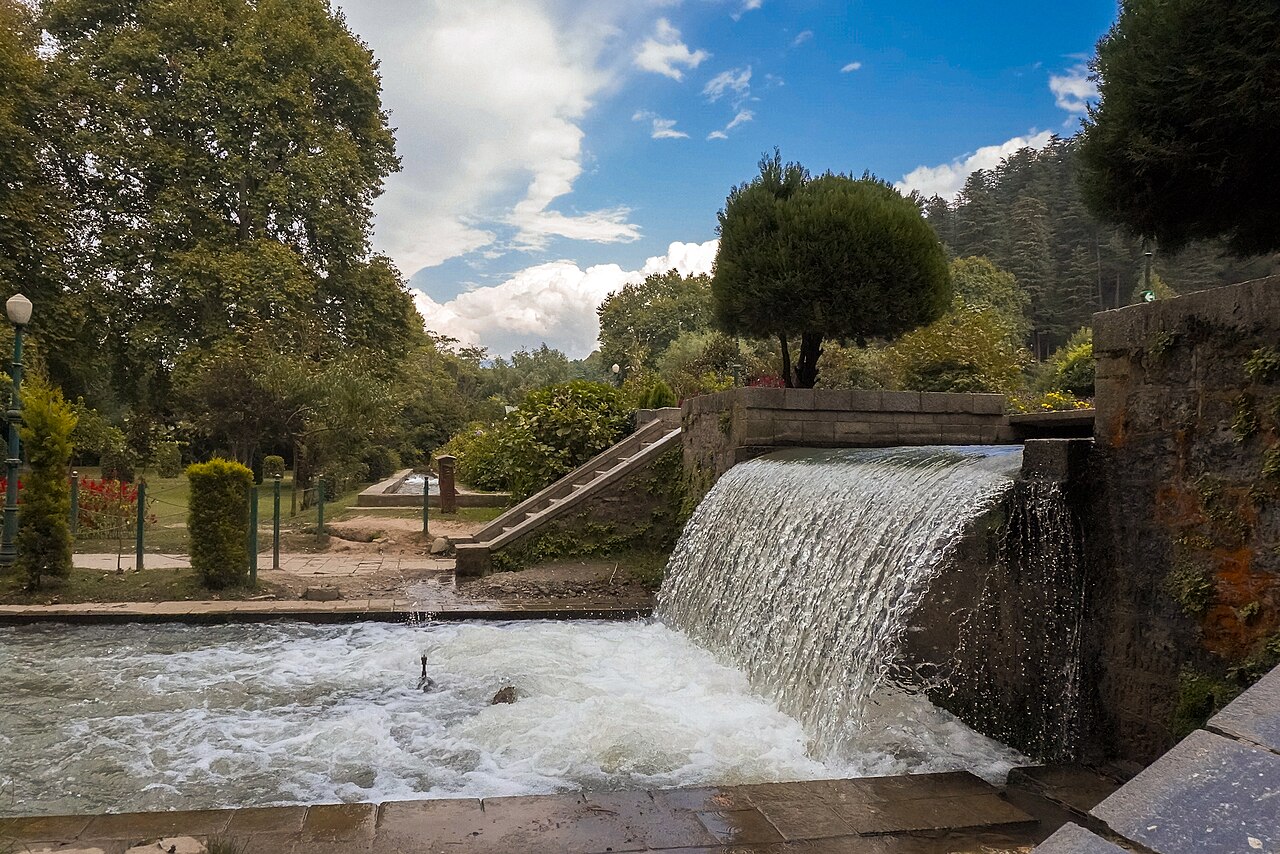
The engineered stone cascades create the musical sound of falling water.Photo: KahkashaaN · CC BY-SA 4.0
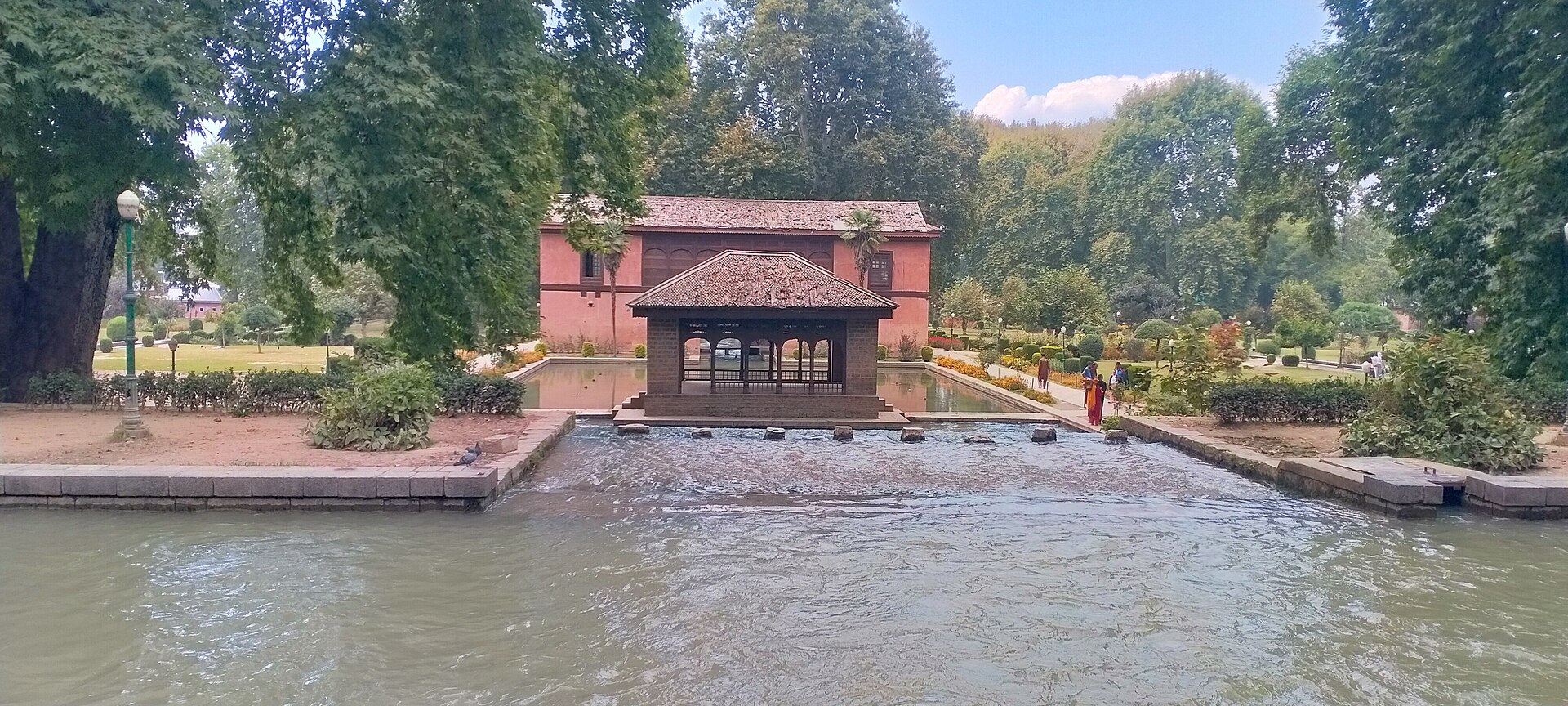
When I first sat by the cascades of Achabal, I finally understood why this place is also known as the Garden of Falling Water—the sound of the spring is not merely a background noise, but the very heartbeat of the entire site. Unlike the static pools of other gardens, here the water is always moving, dropping over carved stones and rushing through channels designed in the 17th century.
The garden is a masterpiece of Mughal planning, but its true magic lies in the natural spring that feeds it. If you want to move beyond the usual tourist stops, spending an afternoon here is an essential part of understanding the heritage of Anantnag.
The Legacy of Achabal Bagh
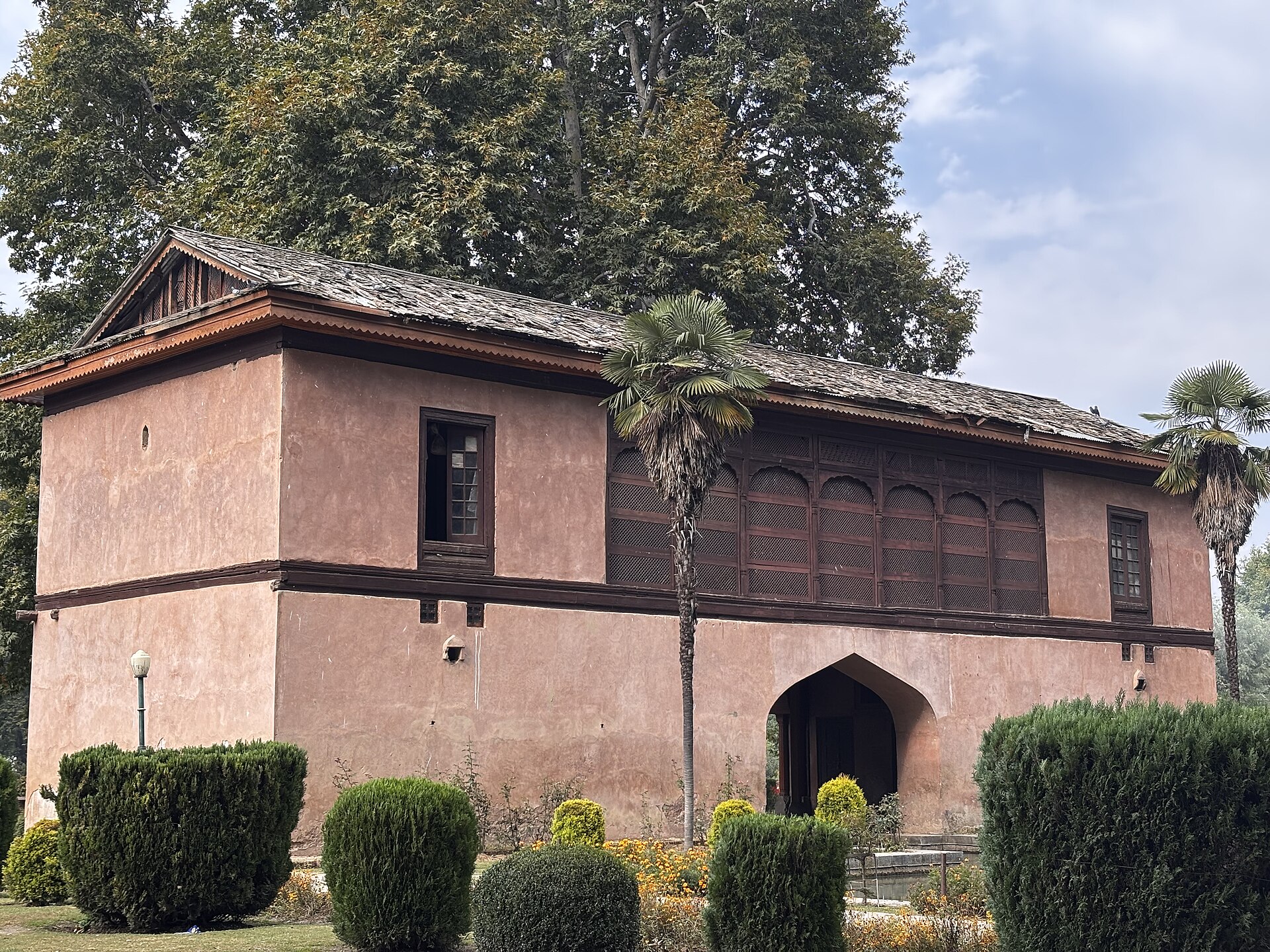
Achabal Bagh, or simply Achabal, represents the peak of Mughal leisure architecture in Kashmir. It was not intended as a fortification or a palace for administration, but as a retreat. The location was chosen specifically for the spring, which has been considered sacred and medicinal for centuries.
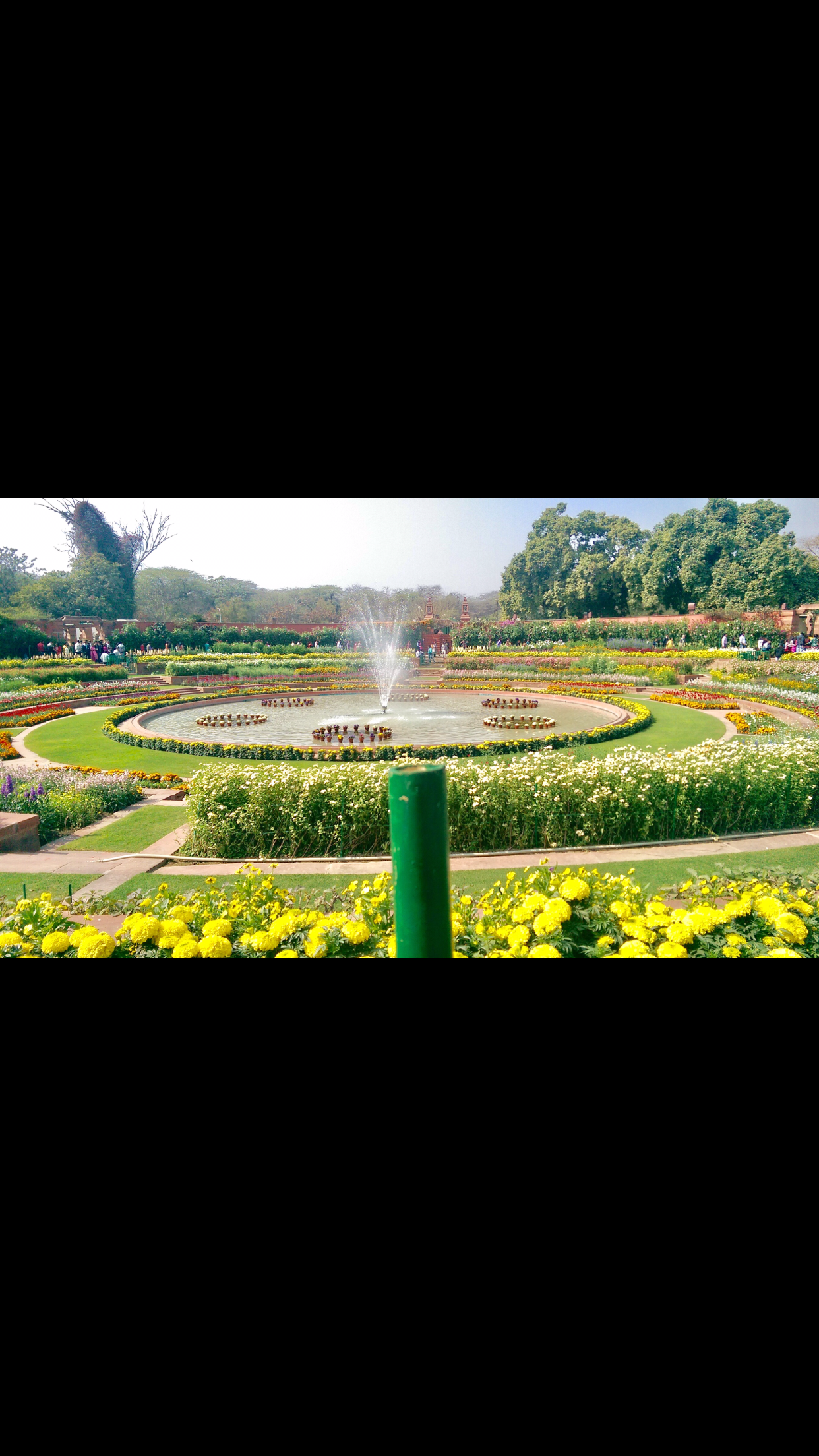
The layout is classic 'charbagh' style, yet modified to fit the sloping terrain of the hillside. The architects chose to work with the natural topography rather than fighting against it, which is why the water creates such an impressive display as it travels from the upper terraces to the lower ones.
Nur Jahan's Influence on Design
History credits Empress Nur Jahan with the development of the garden as it exists today. Her influence is visible in the refined stonework and the precise placement of the pavilions. She had a keen eye for landscaping, and her touch turned the site into one of the most beautiful retreats of the Mughal era.
The design elements often mirror those she championed elsewhere in the valley, such as the use of limestone and local cedar. She ensured the garden wasn't just a place for flowers, but a place for the senses—the temperature here is always a few degrees cooler than the surrounding valley, thanks to the spring.
The Meaning Behind the Name
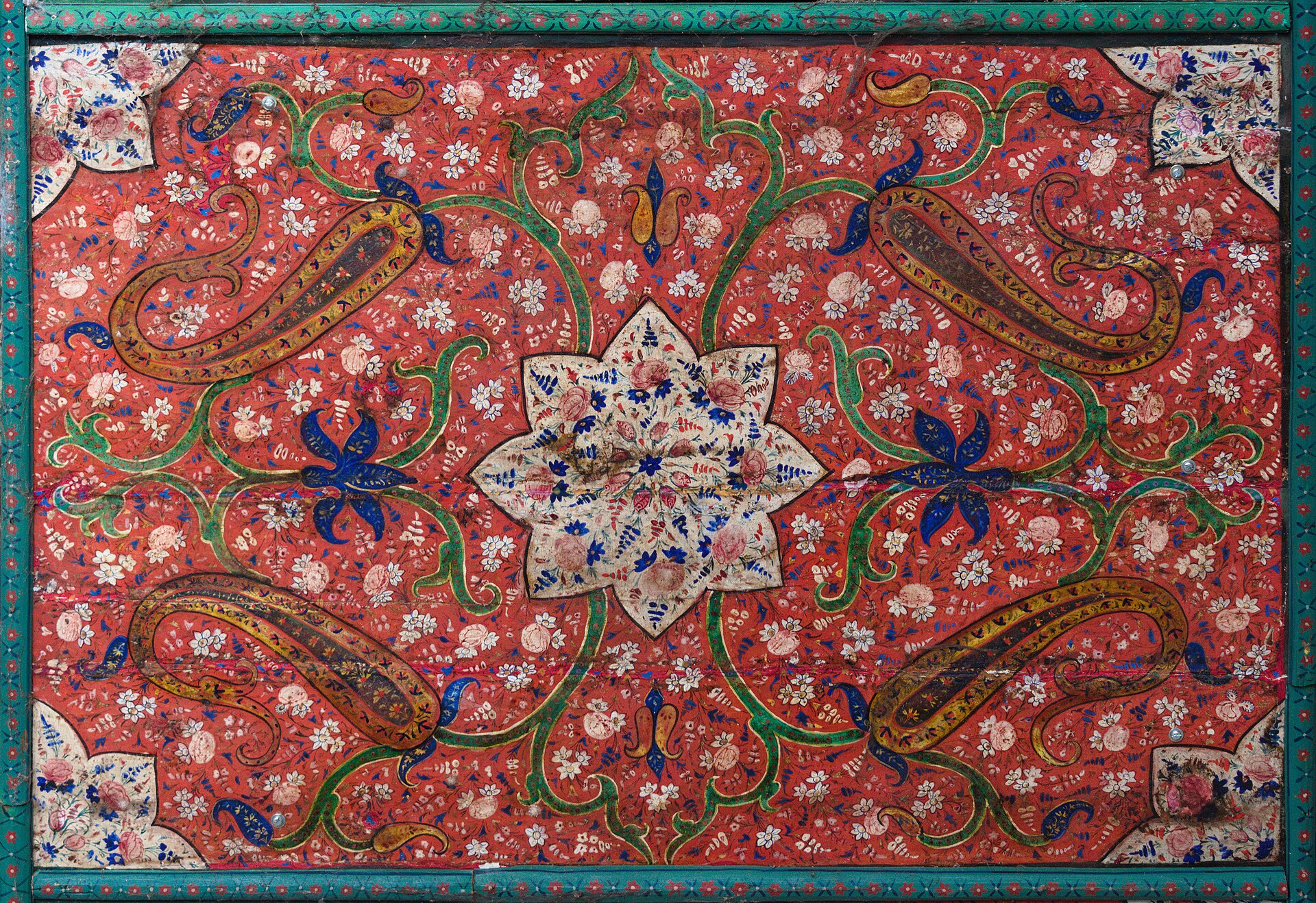
Achabal Garden is also known as the 'Garden of Falling Water' because of the unique way the water cascades over the stone 'chaddars' (the carved, sloped stones designed to create ripples and sounds). These stones are carved with intricate patterns to ensure the water breaks into a shimmering, musical flow.
It is a feat of ancient engineering. The water pressure is constant, fed by the mountain aquifer, which means the 'falling water' effect works perfectly regardless of the time of year. It is this sound that gives the garden its meditative, quiet character.

The Significance of the Spring
The spring at the heart of the garden is not just for decoration. Historically, it served as the lifeblood of the local area. The water emerges from the base of the hill at a consistent, cold temperature, and it remains crystal clear all year round.
When you stand at the head of the garden where the water first breaks through, you are seeing the same source that has been admired for centuries. The surrounding <a href="/destinations/kashmir/kokernag">Kokernag</a> and <a href="/destinations/kashmir/verinag">Verinag</a> areas are also famous for their springs, but Achabal is unique in how it integrates that power into its architecture.
Before you book
Achabal is a place where you can still feel the intent of its creators. It is a rare, preserved slice of history that hasn't been overwhelmed by the pace of modern tourism. Its calm atmosphere is a testament to the enduring vision of the Mughal era and the power of the natural landscape.
If you would like to incorporate Achabal into a larger Kashmir itinerary, <a href="/contact">contact our team</a>. We would love to help you build a journey that leaves room for these quieter, more historic corners.
Ready to visit?
Let us craft a bespoke tour that explores the best of Kashmir’s history and hidden retreats.
Start planning your tripWritten by
Kashmir, Jammu & Ladakh specialists
We plan and run trips across Kashmir, Jammu and Ladakh every week of the year. Everything here comes from routes we drive, stays we inspect and questions our travellers actually ask.
Quick answers
Questions we get asked
Is Achabal worth a trip from Srinagar?
If you enjoy history, quiet gardens, and scenic drives, yes. It is best combined with a visit to Verinag or Kokernag as part of an Anantnag-focused day.
Why is the garden built on a slope?
The hillside location was chosen to harness the natural mountain spring, allowing for the cascading water features that define the 'Garden of Falling Water'.
Can I visit Achabal as a day trip?
Absolutely. A round trip from Srinagar takes about 4 to 5 hours total, including time to explore the gardens and enjoy a relaxed lunch in the area.
Is the architecture original?
Much of the base structure and stone layout dates back to the Mughal era, though periodic restorations have been necessary to maintain the integrity of the water channels.
What is the best way to see the garden's features?
Start at the top of the garden where the spring emerges. Follow the water channel as it moves down through the terraces, and notice how the design changes at each level.
Photography credits
- Photo: KahkashaaN · CC BY-SA 4.0
- Photo: Rohit14400 · CC BY-SA 4.0
- Photo: Mahi zahidi · CC BY-SA 4.0
- Photo: Komal lubana · CC BY-SA 4.0
- Photo: Suhail Skindar Sofi · CC BY-SA 4.0
- Photo: Suraj Belbase · CC BY-SA 4.0
- Photo: Umairbhopal · CC BY-SA 4.0