Capturing Dachigam: A Visual Guide to the Park Through a Lens
A photographer's perspective on documenting the landscapes, flora, and elusive wildlife of Kashmir's premier sanctuary.
Discover how to frame the changing seasons, understand the dachigam national park entry fee, and capture the elusive Hangul deer.
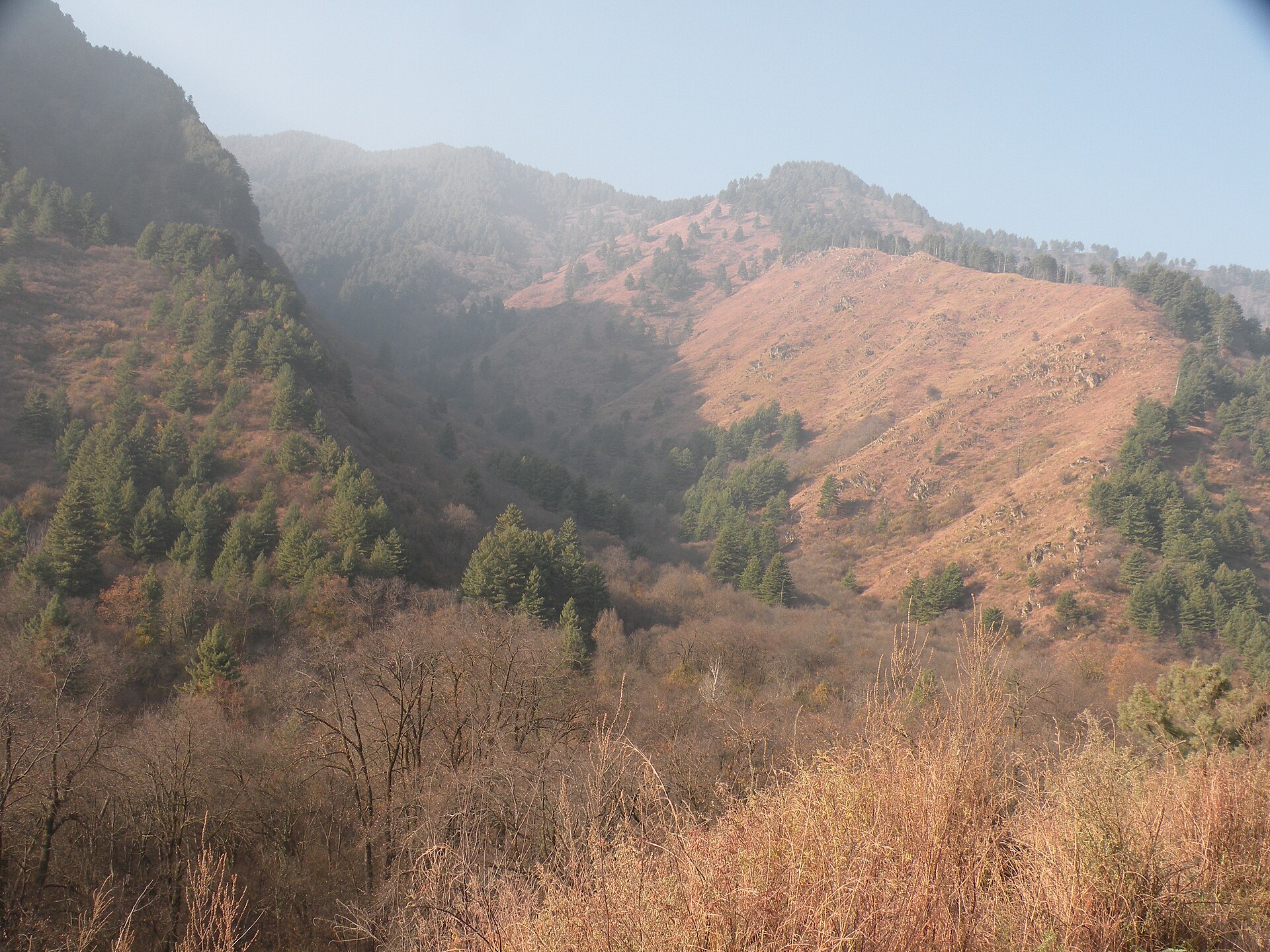
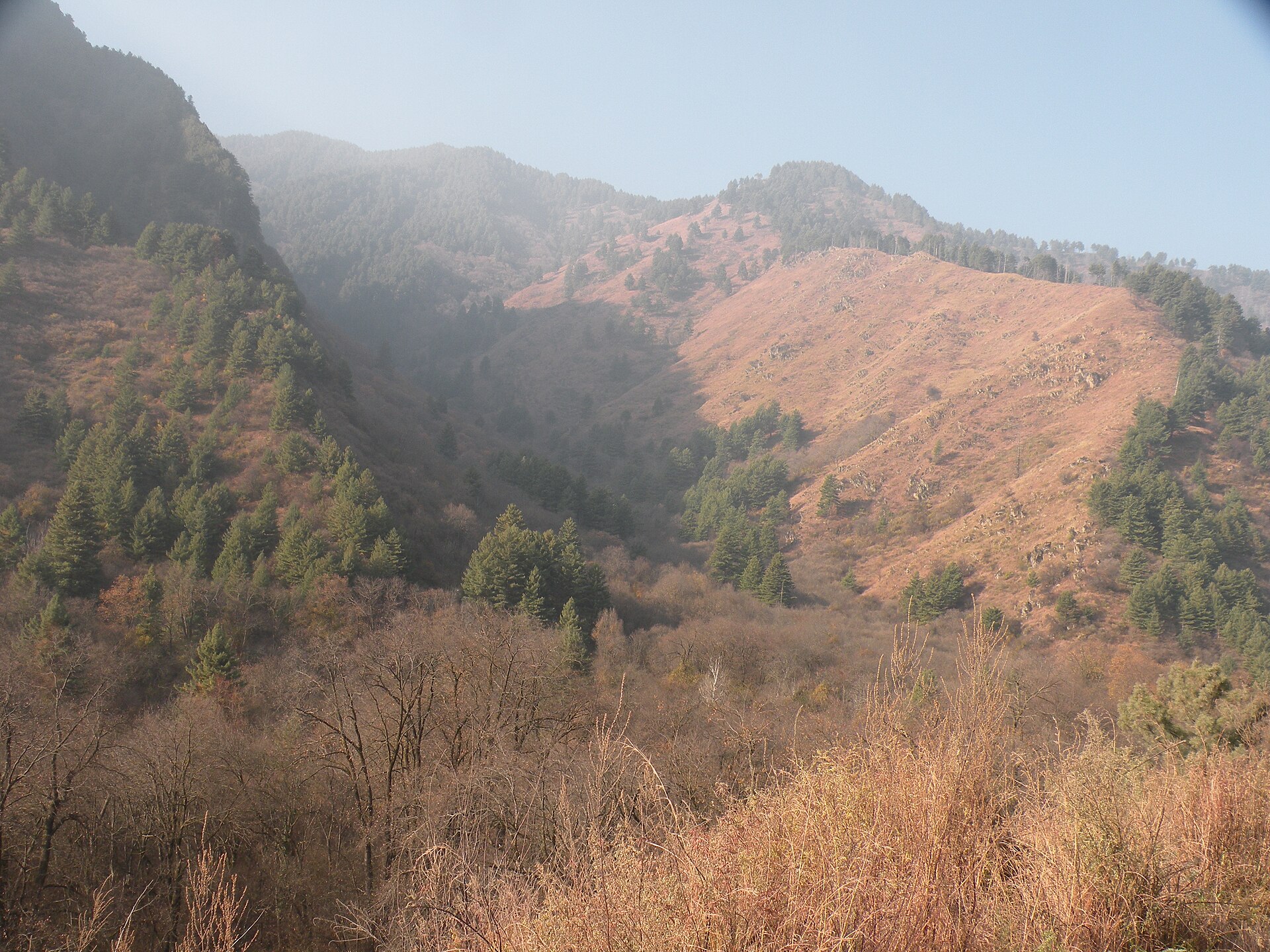
The rolling scrub forests and distant ridges of Lower Dachigam under an autumn sky.Photo: A. J. T. Johnsingh, WWF-India and NCF · CC BY-SA 4.0
The morning mist hangs low over the scrub oak and walnut trees, blurring the line between the valley floor and the towering Zabarwan ridges. Standing here with a telephoto lens pressed against your shoulder, the city of Srinagar feels a hundred miles away, even though you are only twenty-two kilometres from Dal Lake. This protected forest has a raw, unmanicured quality that appeals directly to anyone carrying a camera.
Navigating the administrative side of a visit requires patience, starting with the dachigam national park entry fee, which is structured to keep commercial vehicle traffic out while funding local conservation efforts. Before you even think about setting up a tripod, you need to clear the paperwork at the main gate. Here is how we break down the visual reality of the park, from the broad valley landscapes down to the single-digit populations of its rarest residents.
Reading the Landscapes of the Lower and Upper Valleys
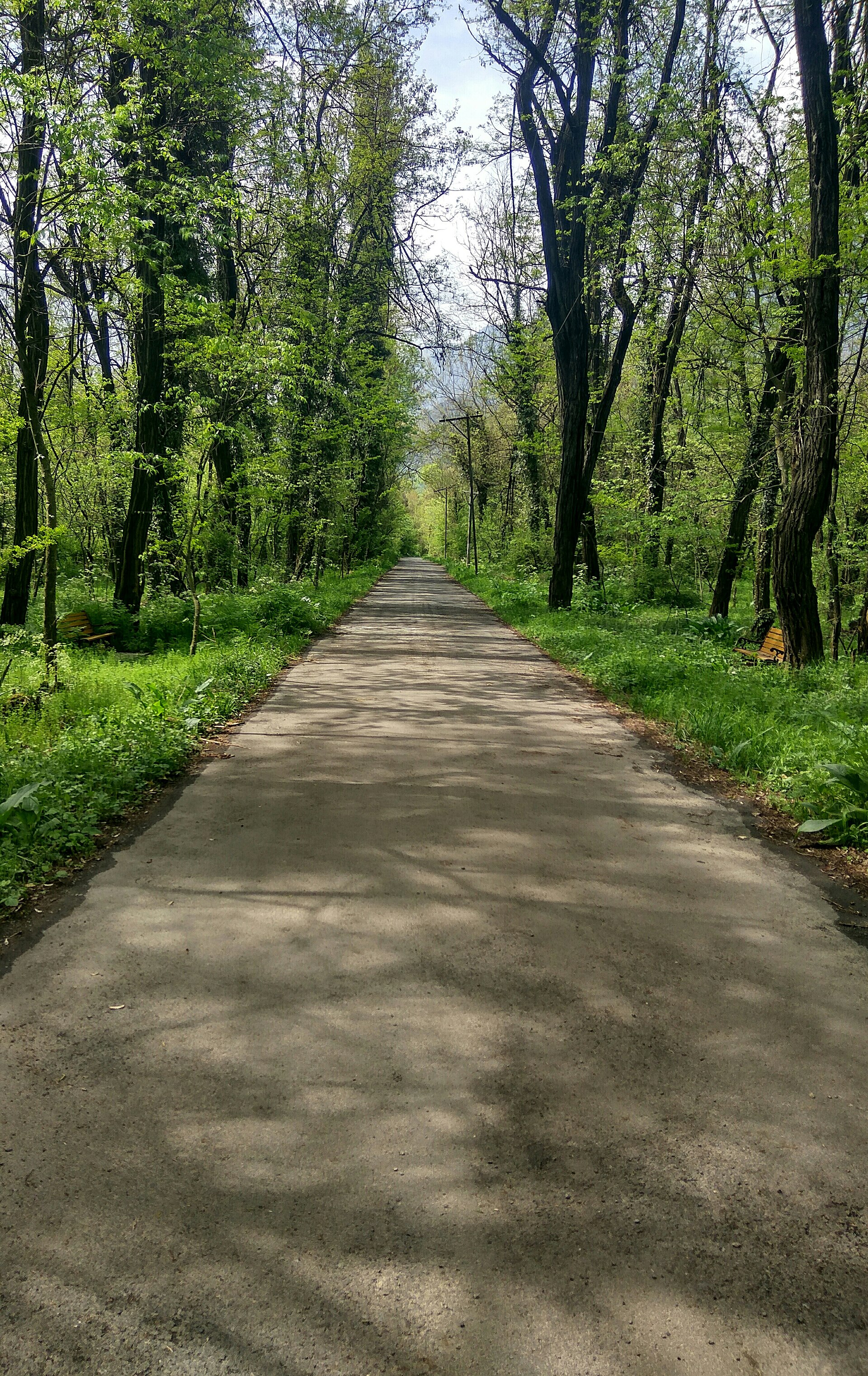
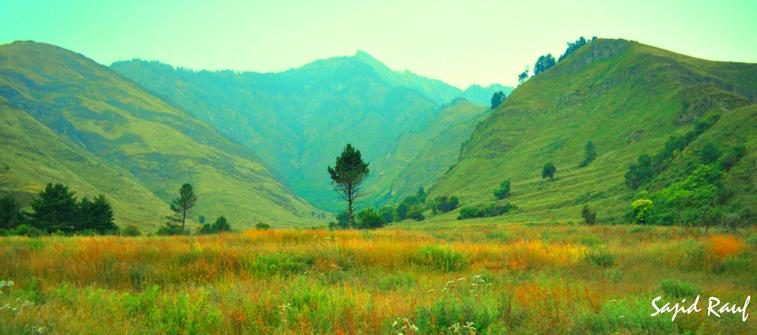
Lower Dachigam is where most photographers start their morning. The terrain here is open, characterized by grassy meadows, rolling hills, and thickets of wild fruit trees that draw red foxes and yellow-throated martens into the open early in the day. The light filters through the canopy in distinct shafts, making it an ideal place to practise landscape framing with a standard zoom lens.
As you push further towards Upper Dachigam, the terrain changes dramatically. The path climbs steeply alongside the Marsar stream, narrowing into rocky gorges flanked by pine and birch forests. The scale shifts from intimate forest clearings to vast alpine amphitheatres. You will want a wide-angle glass here to capture the sheer drop of the valley walls and the stubborn persistence of snow patches that linger well into June.
- Lower Dachigam offers rolling meadows and gentle morning light for general landscape shots.
- Upper Dachigam requires a sturdy tripod and wide-angle lenses for dramatic alpine gorges.
- River crossings along the Marsar stream provide excellent leading lines for composition.
Tracking and Photographing the Elusive Hangul
The Kashmir stag, locally known as the Hangul, is the primary draw for wildlife photographers visiting this valley. Finding them is rarely easy. They spend the summer months grazing high up near the tree line before descending into the lower valleys as the first autumn frost hardens the ground in October.
When you do spot a stag, patience is your only tool. Sudden movements will send the entire herd crashing into the dense scrub before you can adjust your shutter speed. Keep a 400mm or 500mm lens mounted on a monopod, stay low to the ground, and let the animals move towards you naturally. The distinctive spread of their antlers against a backdrop of autumn-gold oak leaves makes every hour of waiting worthwhile.
Standing here with a telephoto lens pressed against your shoulder, the city of Srinagar feels a hundred miles away.
Navigating the Administrative Entry Process
Before you can point a camera at anything inside the sanctuary, you have to deal with the paperwork. The dachigam national park entry fee is nominal for Indian citizens, usually structured around a per-person charge with a slight addition if you are carrying professional camera gear with heavy tripods or multiple lenses.
Foreign nationals require additional clearances processed through the Department of Wildlife Protection in Srinagar. We always advise clients to let us handle these permits a few days in advance. Arriving at the gate without prior written permission from the Chief Wildlife Warden is the quickest way to end your photography trip before it begins.
Permit Documentation Requirements
You must carry a valid government-issued photo ID, such as a passport or Aadhaar card, at all times inside the reserve. The guards at the checkpoint record every serial number of high-end camera bodies and lenses to ensure that commercial filming rules are strictly observed without dispute.
Flora and Fauna Beyond the Main Attraction
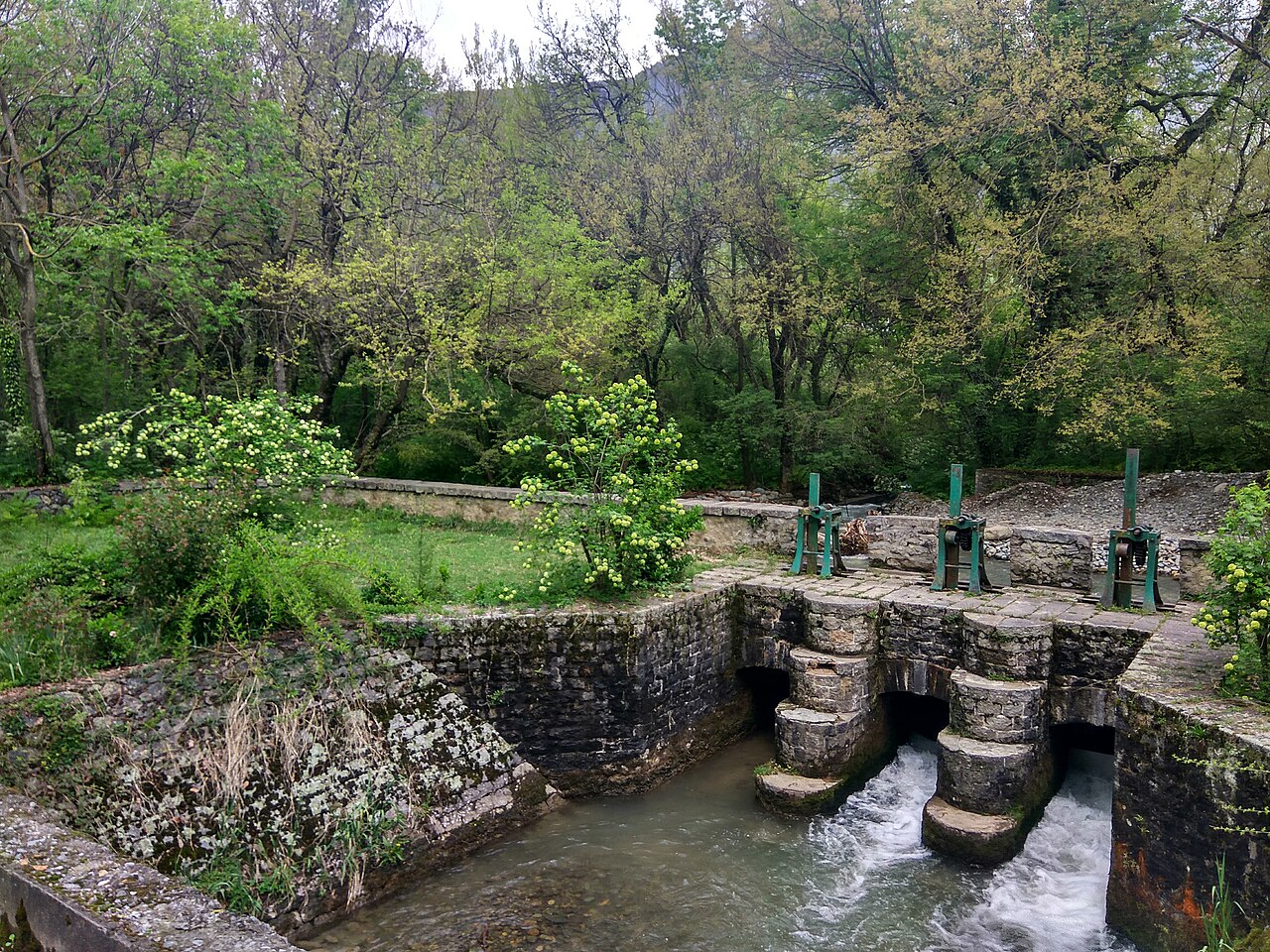
While the Hangul steals the headlines, the park supports a rich ecosystem that rewards a macro lens. Wild strawberries, alpine buttercups, and thick carpets of moss provide vibrant foregrounds for landscape studies. Keep your eyes peeled for the elusive leopard cat hiding in the fork of an old Himalayan horse chestnut tree.
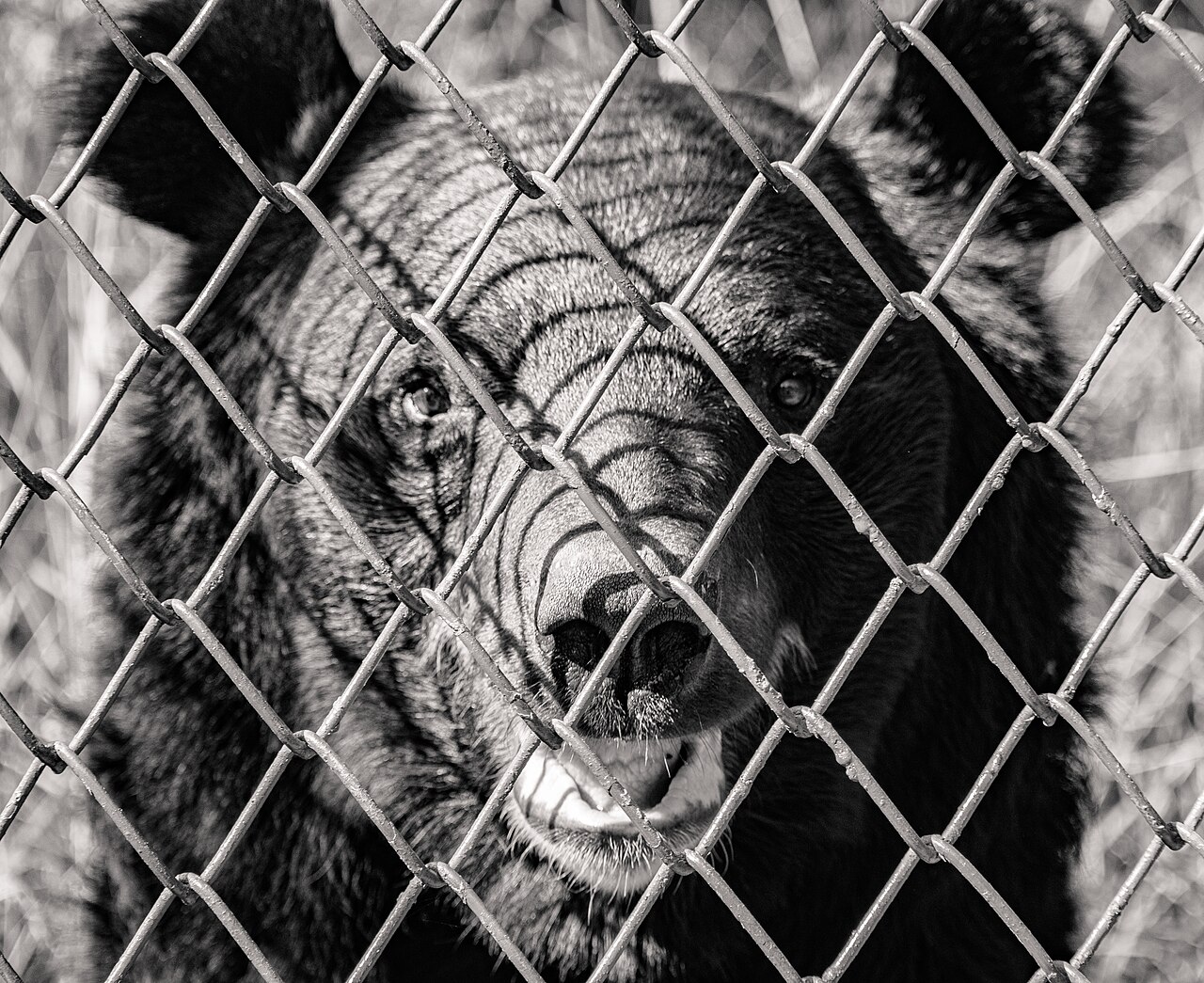
Birdwatchers will find plenty to keep their viewfinders busy, too. From the flash of a blue whistling thrush along the stream banks to the heavy flight of the koklass pheasant through the lower underbrush, the auditory landscape is just as rich as the visual one. Sound travels cleanly across the quiet valley, often warning you of a black bear moving through the brush long before you see it.
Essential Guidelines for Field Photography
Shooting in a high-security protected area comes with strict boundaries. Drones are entirely prohibited without a special scientific exemption from the state government, so leave your quadcopters in your hotel room. Flash photography is also banned to prevent startling the nocturnal mammals and nesting birds.
Respect the distance rules enforced by the forest department guards who accompany photographic excursions. They know the temperament of the local wildlife and will tell you when you have stepped past a comfortable boundary. Operating with patience and humility inside this valley ensures that the animals remain wild and approachable for the next photographer who follows your tracks.
Before you book
Capturing the raw spirit of this protected sanctuary requires patience, preparation, and respect for the regulations that keep its wildlife safe. Every season alters the palette of the valley, from the vibrant greens of summer to the stark, snow-dusted branches of mid-winter.
If you want to weave a visit to this sanctuary into a broader itinerary that includes the Mughal Gardens and a stay on Dal Lake, drop us a line at our Srinagar office. We can sort out your permits, arrange local transport, and set you up with experienced guides who know every trail in the Zabarwan range.
Ready to Plan Your Photography Trip?
Let our local team handle your permits and logistics while you focus on framing the perfect shot.
Contact Our Srinagar DeskCaption for your own post
Chasing morning light and golden-antlered stags in the heart of Dachigam National Park. Patience is everything when photographing Kashmir's wild edge.
Written by
Kashmir, Jammu & Ladakh specialists
We plan and run trips across Kashmir, Jammu and Ladakh every week of the year. Everything here comes from routes we drive, stays we inspect and questions our travellers actually ask.
Written by a Skywale field editor who has spent countless damp mornings waiting for the mist to clear off the Marsar stream.
Quick answers
Questions we get asked
What is the current dachigam national park entry fee for tourists?
The standard entry fee is modest, typically ranging between fifty to one hundred rupees for domestic visitors, with additional nominal charges for still cameras. Professional video gear requires prior clearance and higher permit fees through the wildlife department.
Do I need a special permit to carry a DSLR camera inside Dachigam?
Standard consumer DSLRs and mirrorless cameras usually pass with a basic fee. However, large telephoto prime lenses and heavy professional video setups require documented approval from the wildlife warden in Srinagar before entering the gate.
When is the best time of year to photograph the Hangul?
The autumn rutting season, spanning from September through November, provides the greatest chance to capture the stag with full antlers in the lower altitudes as they move down from the alpine pastures.
Are guides mandatory for photographers entering the park?
Yes, a forest department guide or guard accompanies all visitors past the main gate to ensure safety, enforce conservation rules, and help spot elusive wildlife species in the dense brush.
Photography credits
- Photo: A. J. T. Johnsingh, WWF-India and NCF · CC BY-SA 4.0
- Photo: Billyakhtar · CC BY-SA 4.0
- Photo: Dietmar Rabich · CC BY-SA 4.0
- Photo: Rohit Sharma · CC BY-SA 4.0
- Photo: SR Sajid Rauf · CC BY-SA 4.0
- Photo: Jyoti Chaurasia · CC BY-SA 4.0
- Photo: Jyoti Chaurasia · CC BY-SA 4.0