The Best Time to Visit Dachigam National Park
Planning your trip to the home of the Hangul
Dachigam National Park changes dramatically with the seasons. We break down when to go to catch the Hangul rut, see spring blooms, or navigate the winter silence.
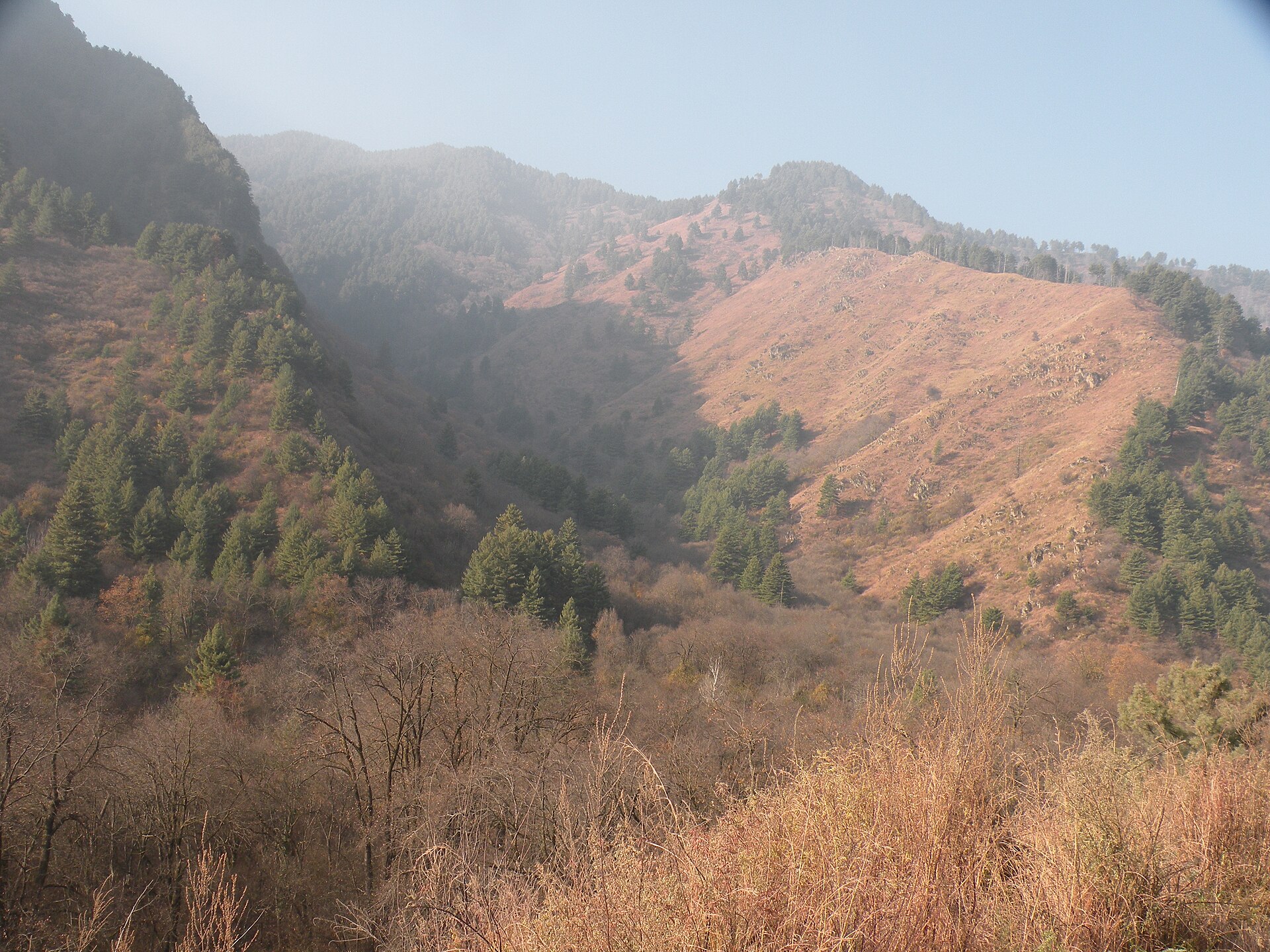
The changing leaves of the Dachigam forest during late October.Photo: Jyoti Chaurasia · CC BY-SA 4.0
I remember the first time I stood at the edge of the lower Dachigam valley in late September, the air already holding that sharp, metallic tang of the coming winter. The silence was absolute, broken only by the distant, haunting bugle of a stag. This is the moment most wildlife enthusiasts hope for, but the park has an entirely different character depending on when you choose to arrive.
Deciding on the best time to visit Dachigam National Park is rarely about finding 'perfect' weather. It is about aligning your expectations with the natural rhythms of the Zabarwan Range. Whether you are after the frantic energy of the breeding season or the quiet stillness of a snow-covered landscape, your experience will depend heavily on the calendar.
Understanding the Hangul Rutting Season
If your primary motivation is to see the Kashmir Stag, or Hangul, you must focus on the rutting season. This typically begins in late September and stretches through October. During this window, the solitary stags descend from the higher reaches of the forest to seek out females, often congregating in the meadows of the lower valley.
The air during this period is tense. You will hear the distinct, rhythmic calls of the stags echoing across the valley walls. I often tell my clients that patience is the only reliable tool here. You might spend six hours sitting near the treeline, shivering, only for a stag to appear twenty metres away as the light fades. It is a raw, unscripted display that justifies the long wait.
Because this is a sensitive period for the animals, park authorities maintain strict protocols. Do not expect to roam freely. You will likely be accompanied by forest officials, and you must adhere to noise restrictions. If you chase the perfect photograph, remember that the animal's welfare comes before your frame.
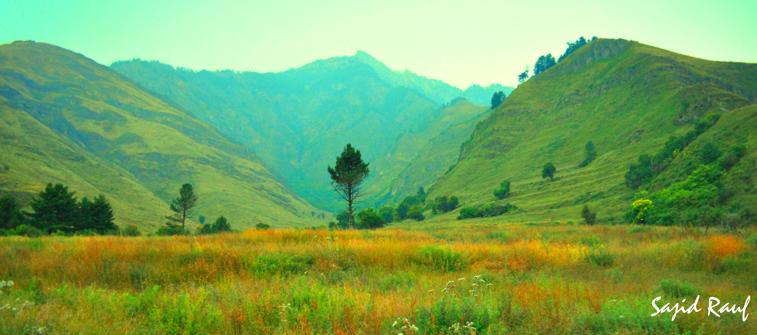
Springtime Blooms and Wildlife Activity
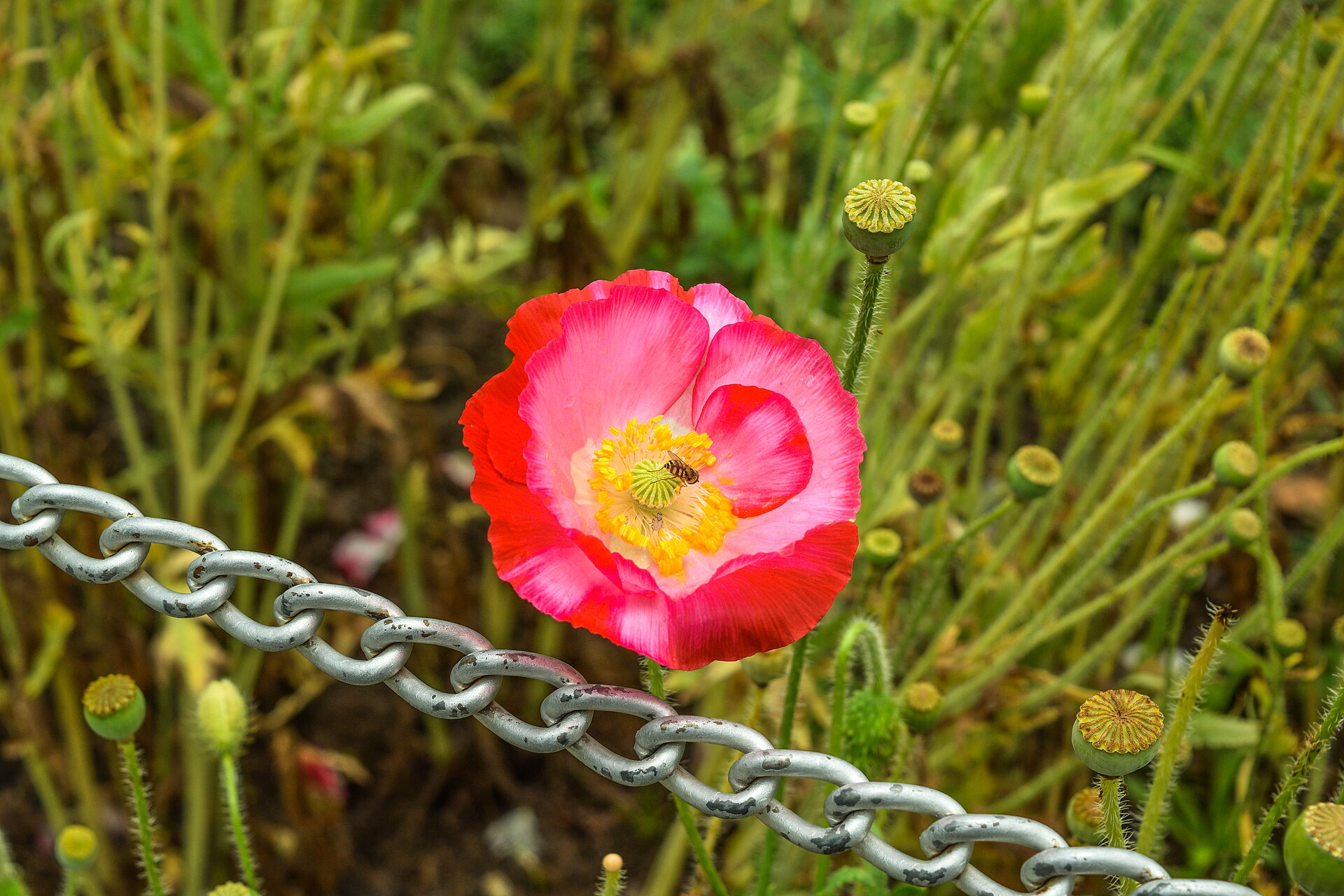
As the snow melts from the lower slopes in April and May, the park undergoes a violent transformation. The grey, muted colours of winter are replaced by the vibrant greens of new growth and the arrival of thousands of migratory birds. The meadows become carpets of wildflowers, and the streams run high with glacial melt.
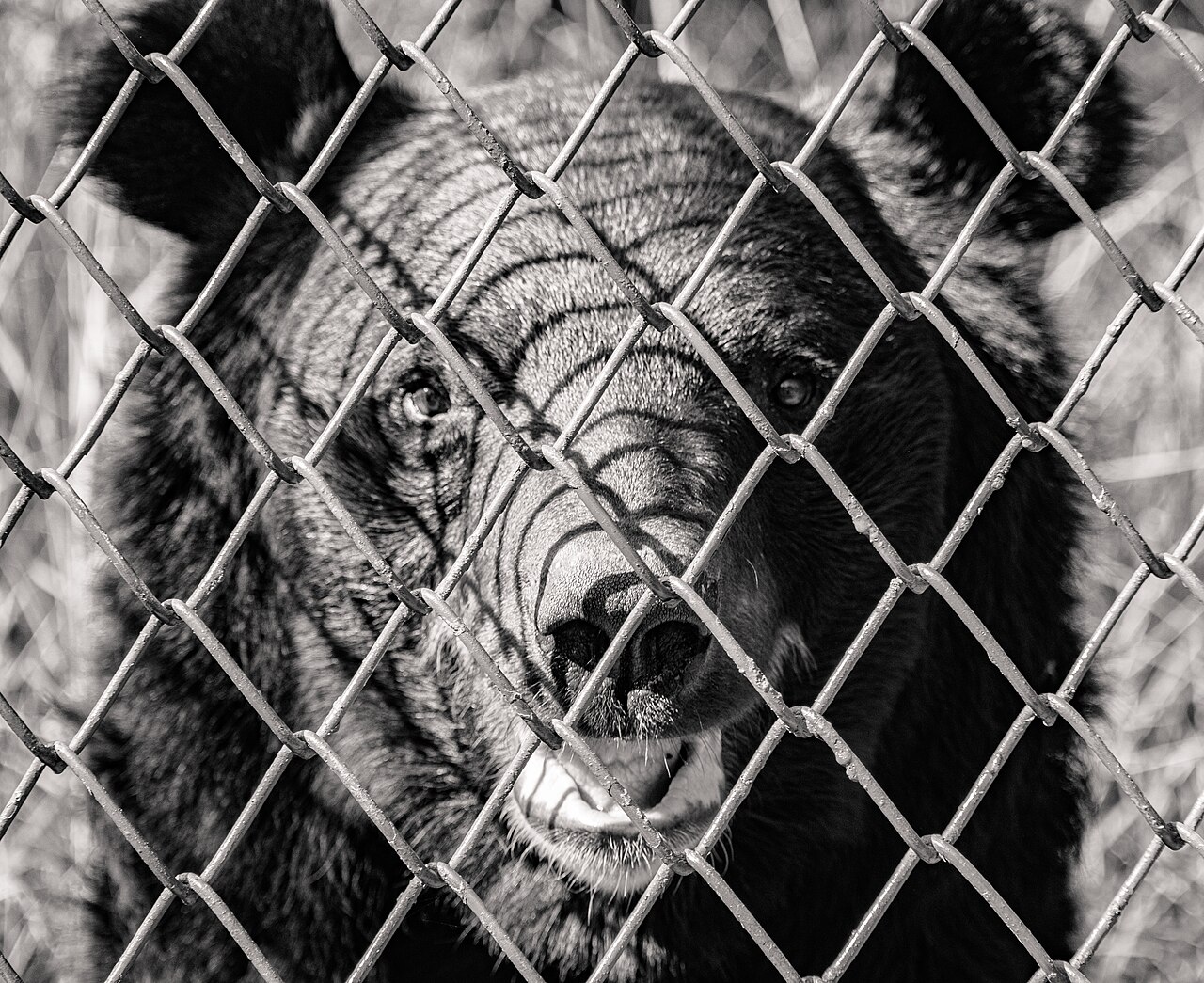
Wildlife activity during spring is high, though sightings are different from those in autumn. The Hangul are usually dispersed, moving back toward the higher elevations. However, this is the prime season to spot black bears waking from hibernation. You are more likely to see them foraging in the lower valleys, turning over logs and stones, emboldened by the hunger that follows the winter months.
I prefer visiting in May. The temperature is mild, usually between 12°C and 20°C during the day. It is comfortable for long walks, and the park feels full of life. It lacks the intense, singular focus of the autumn rut, but it offers a broader look at the ecosystem in a state of rapid renewal.
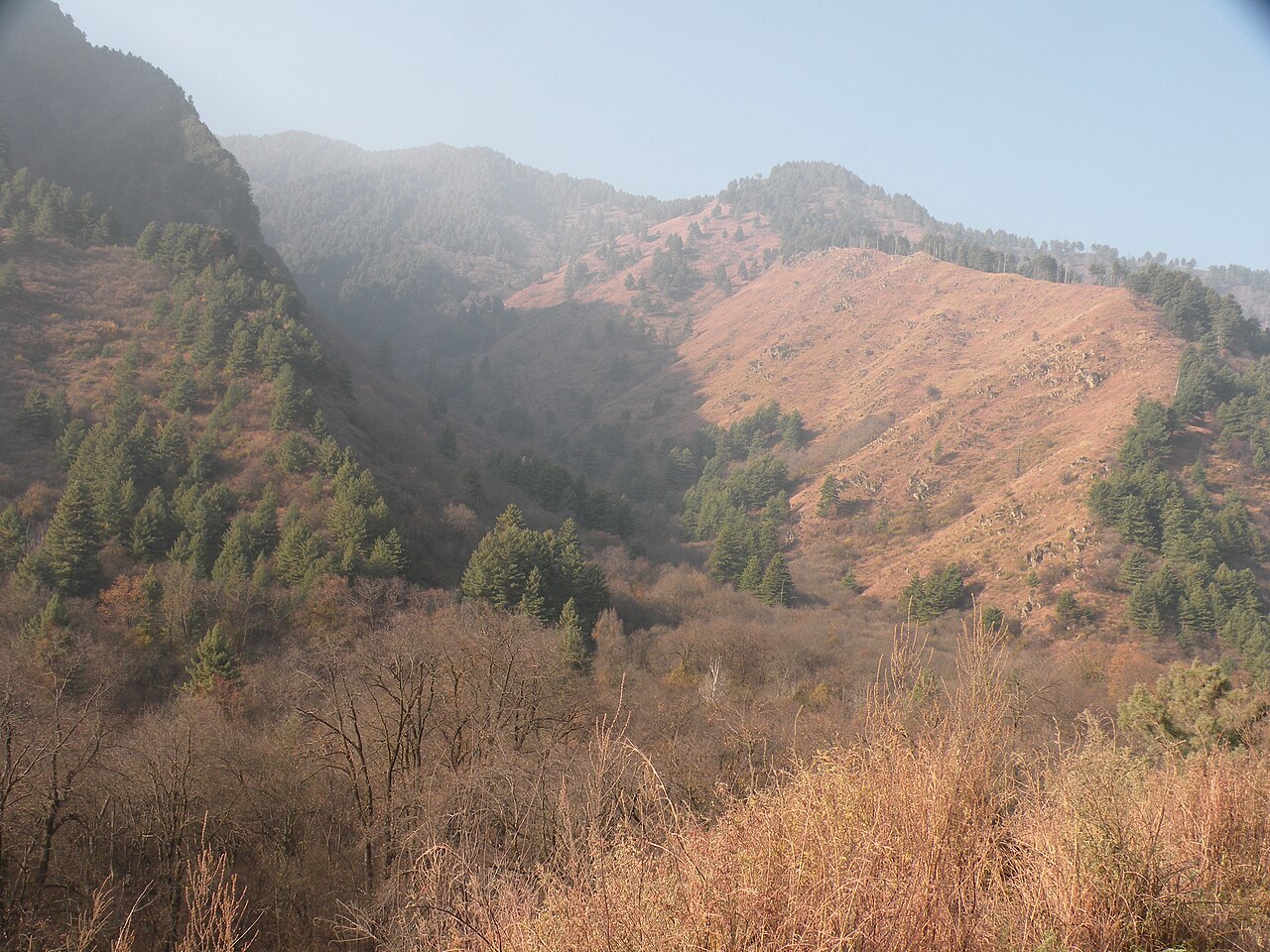
Why Autumn is the Best Time for Visitors
For many, Dachigam in autumn is the pinnacle of a Kashmir trip. Aside from the wildlife activity, the forest itself changes colour. The chinars and poplars turn a deep, burnished gold, and the contrast against the dark, jagged rocks of the Zabarwan Mountains is striking.
The weather in October is generally dry and stable. You get clear, crisp mornings that make the valley feel vast. It is the most consistent time of year for logistics as well. Roads are clear, and the likelihood of sudden closures due to weather is minimal compared to winter.
When we plan trips for groups, we almost always suggest late October. The tourist rush at the nearby Mughal Gardens has subsided, and there is a sense of genuine isolation in the park. Just ensure you carry layers, as the temperature can drop rapidly once the sun slips behind the ridge.
Winter Conditions in the Valley
Winter in Dachigam is severe and deeply beautiful. From late December through February, the valley is often blanketed in thick snow. This is not a time for casual visits; it is a time for serious, prepared observation. Many of the trails become impassable, and the wildlife shifts its range significantly.
The park management often restricts movement during heavy snows to protect the habitat. While the sight of a snow-dusted stag is truly something, you must manage your expectations. You are battling sub-zero temperatures and the physical challenge of moving through deep powder. It is a visceral, demanding experience that requires proper gear and a flexible itinerary.
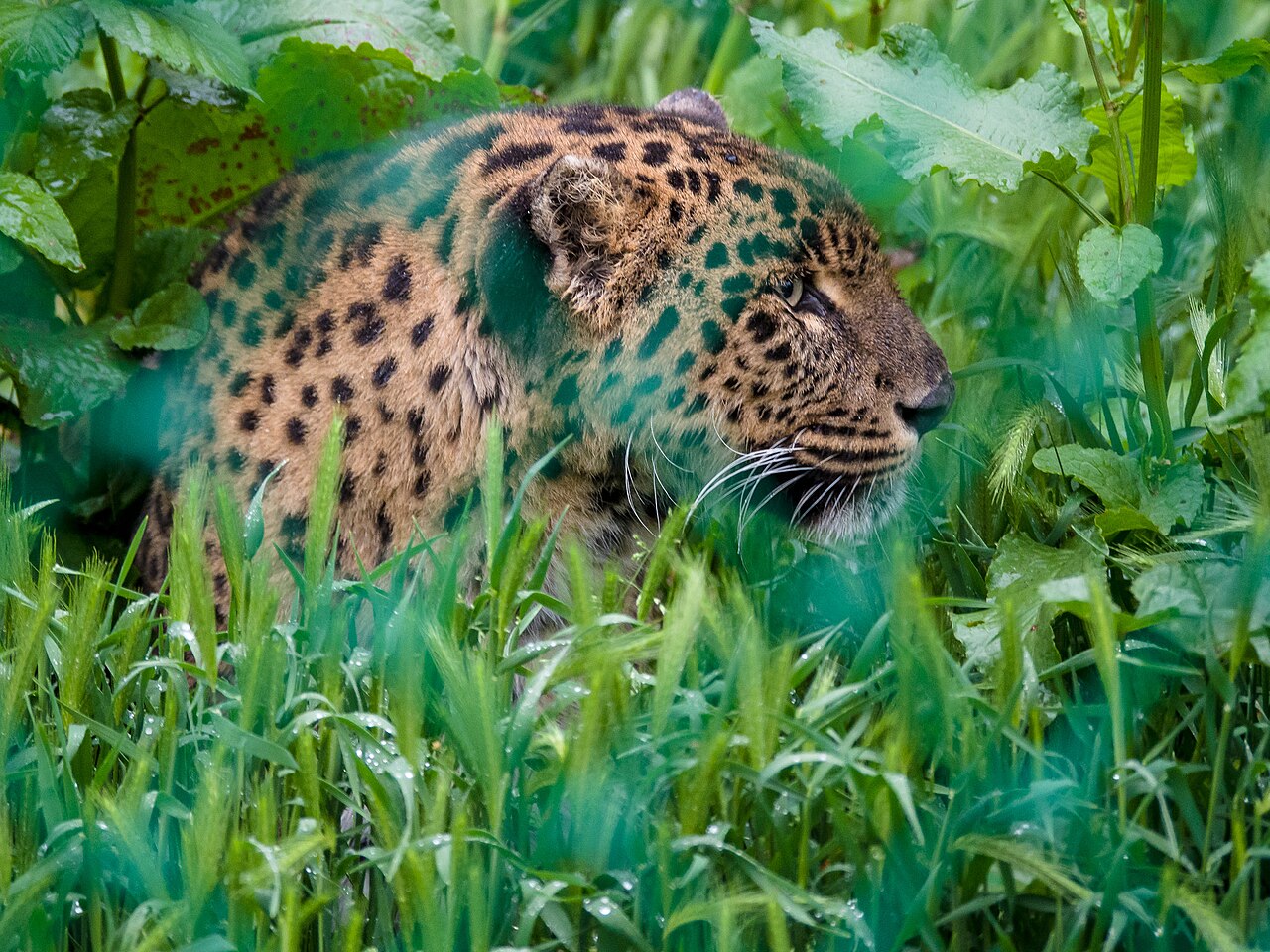
Preparing for Seasonal Weather Changes
The golden rule in Kashmir is to always pack for two seasons at once. Even in mid-summer, a storm can roll over the mountains and drop the temperature by ten degrees in an hour. When visiting in the shoulder months, thermal base layers are not optional.
Always check with your local guide or our office in Srinagar before heading out, especially if you are visiting in late autumn or spring. Rainfall can change the ground conditions of the tracks within hours. Being prepared allows you to focus on the terrain rather than your own discomfort.
Before you book
Choosing when to head into the Zabarwan hills is about what you want to witness. Whether you arrive for the dramatic calls of the rut in October or the quiet green thaw of May, Dachigam rewards those who are patient.
If you are still deciding, send our team a message. We can walk you through the current state of the park and help you pick the dates that best suit your interests.
Ready to plan your visit?
We help travellers navigate the permit process and secure the best local guides for a respectful, insightful day in the park.
Get in touchWritten by
Kashmir, Jammu & Ladakh specialists
We plan and run trips across Kashmir, Jammu and Ladakh every week of the year. Everything here comes from routes we drive, stays we inspect and questions our travellers actually ask.
Quick answers
Questions we get asked
Can I visit Dachigam all year round?
Yes, but the experience changes drastically. Wildlife spotting depends on the season, with autumn being best for the stag rut and spring for general wildlife and birds.
How cold does it get in autumn?
Expect daytime highs around 15°C, but nights can drop to 5°C or lower. October is usually crisp and sunny, perfect for outdoor observation.
Is the park accessible during winter?
Yes, but heavy snow can limit access to certain trails. It is best to consult with your guide about the specific conditions of the season before planning.
What is the best time of day to spot animals?
Early morning (just as the gate opens) and late afternoon are the best times. Animals are most active when the light is low.
Do I need a permit to visit?
Yes, permission from the Wildlife Department is mandatory. We typically manage this documentation for our guests as part of our safari packages.
Photography credits
- Photo: Jyoti Chaurasia · CC BY-SA 4.0
- Photo: Billyakhtar · CC BY-SA 4.0
- Photo: SR Sajid Rauf · CC BY-SA 4.0
- Photo: A. J. T. Johnsingh, WWF-India and NCF · CC BY-SA 4.0
- Photo: Jyoti Chaurasia · CC BY-SA 4.0
- Photo: Mike Prince from Bangalore, India · CC BY 2.0
- Photo: Rohit Sharma · CC BY-SA 4.0