Exploring Dachigam National Park
Discover autumn trails, birdwatching spots, and the natural heritage of the sanctuary.
Immerse yourself in nature with our guide covering things to do in dachigam national park during the autumn season.
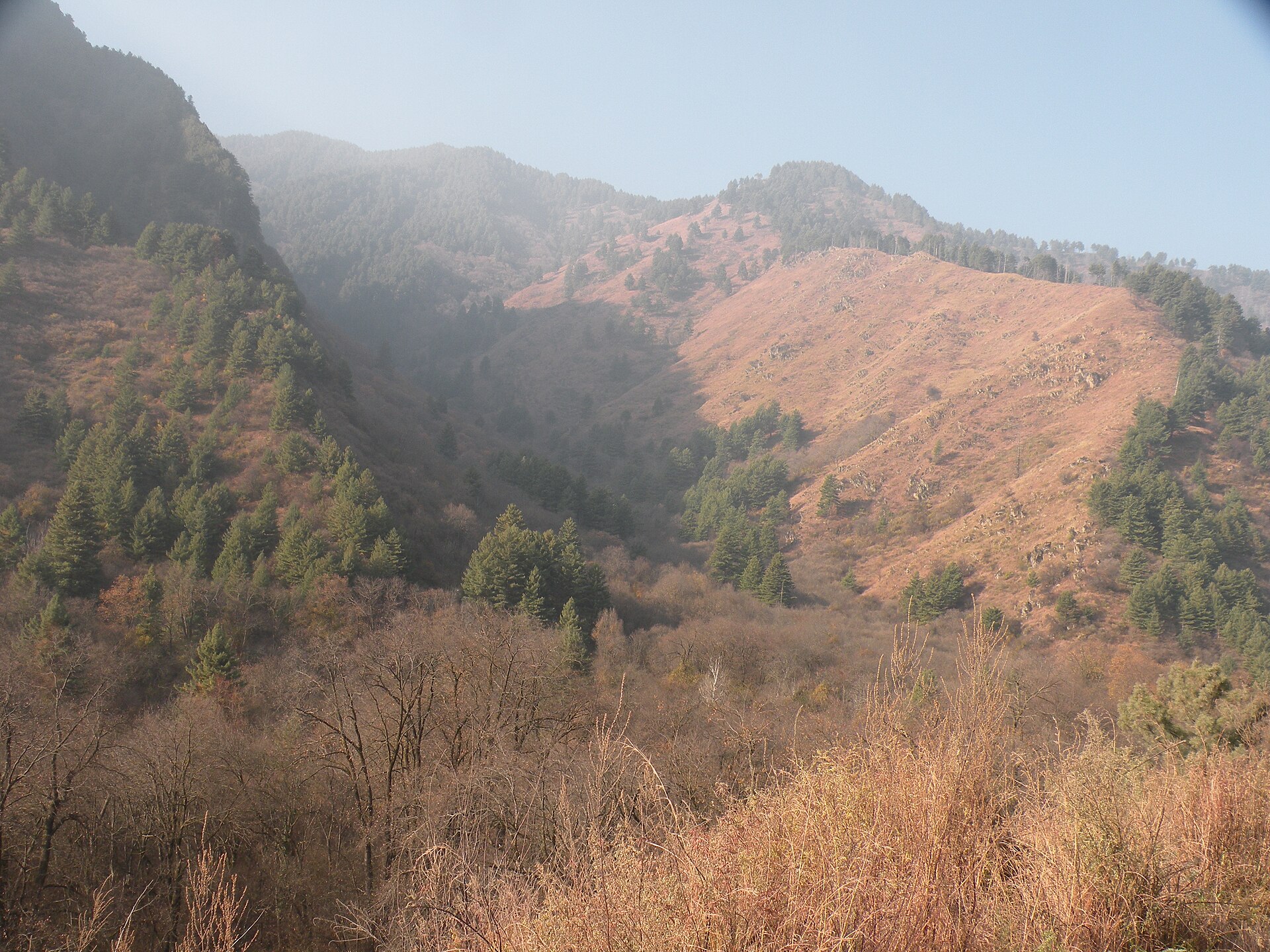
Golden autumn foliage blankets the floor of Dachigam National Park.Photo: A. J. T. Johnsingh, WWF-India and NCF · CC BY-SA 4.0
The dry oak leaves crunched sharply under our boots as the morning frost slowly melted off the forest floor in the lower sanctuary. Compiling a list of things to do in dachigam national park reveals a protected wilderness that feels worlds away from the bustling streets of the nearby city.
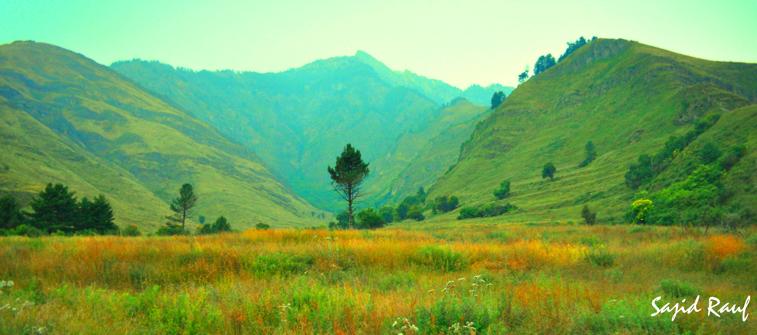
Located just a short drive from the urban centre, this sanctuary preserves the last viable population of the endangered Hangul stag. Walking its quiet forest tracks in autumn offers a rare glimpse into a Himalayan ecosystem undergoing its most dramatic seasonal transition.
Trekking the Lower Dachigam Forest Trail
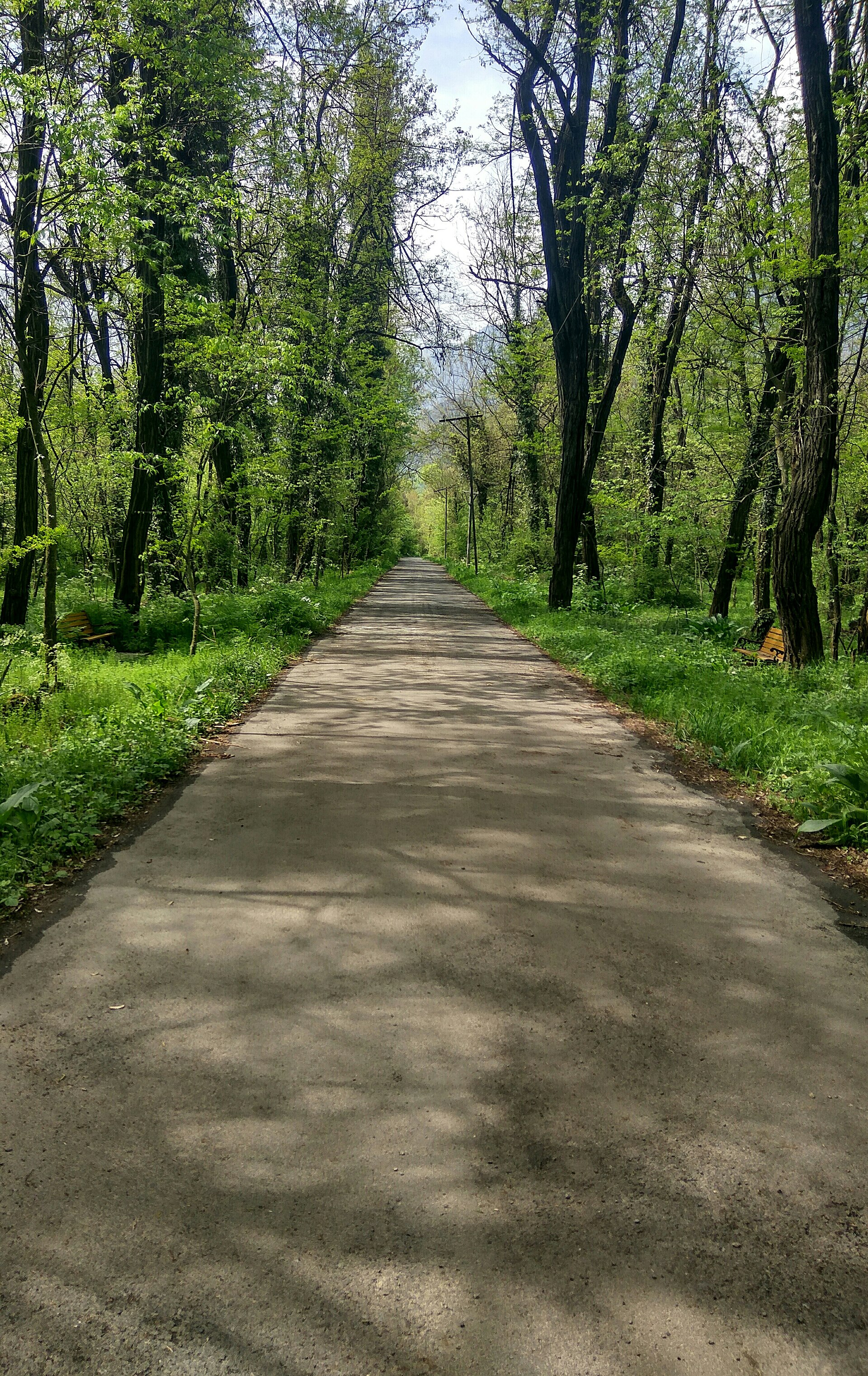
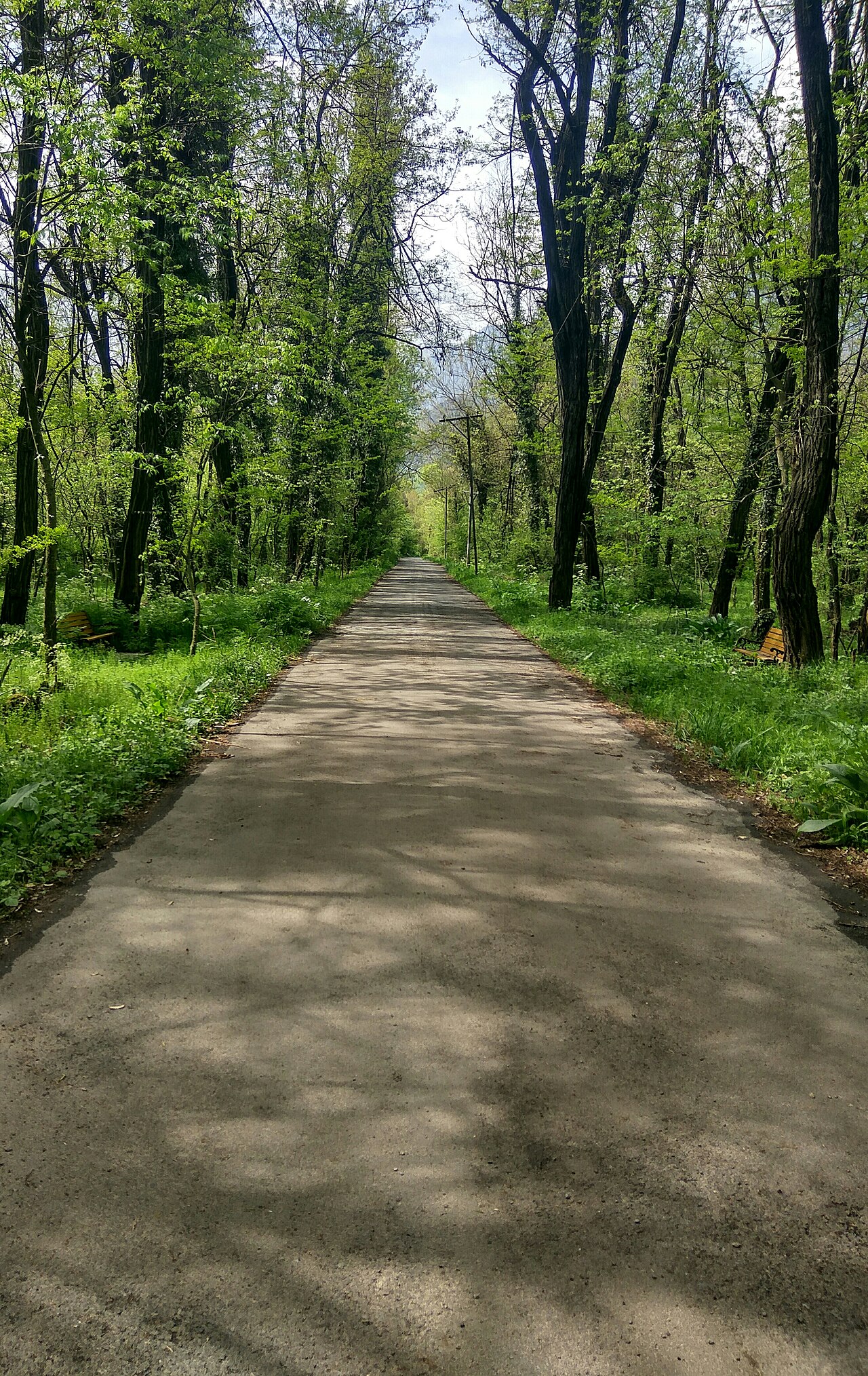
The Lower Dachigam trail is the most accessible route for visitors, following the course of the tumbling Marsar stream as it cuts through dense stands of Himalayan walnut, oak, and pine. The path is relatively gentle, making it suitable for walkers who want an immersive forest experience without tackling extreme elevation gains.
Walking this trail early in the day gives you the best chance of spotting wildlife. The canopy overhead filters the autumn sunlight into long, golden beams, illuminating the colourful foliage that carpets the valley floor.
- Gentle gradients suitable for casual hikers
- Close proximity to the main entrance gate
- Abundant oak and walnut forest cover
- Regular sightings of local bird species
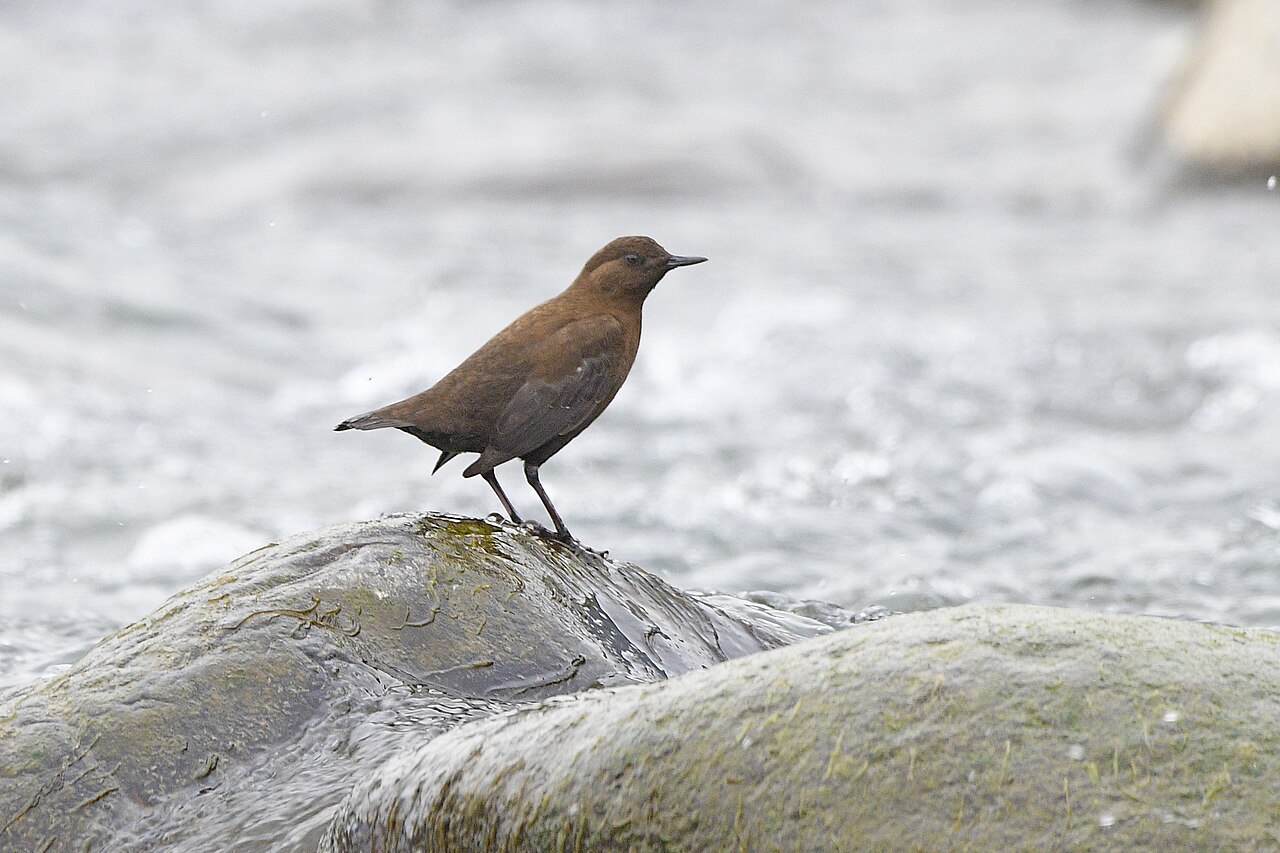
Morning Birdwatching at the Sanctuary
For anyone interested in birdwatching Kashmir offers exceptional opportunities, and Dachigam stands out as a prime avian habitat. The diverse altitudes and dense riverine vegetation attract an impressive variety of resident and migratory species.
Equipping yourself with a good pair of binoculars allows you to spot species like the Koklass pheasant, the golden-backed woodpecker, and various colourful flycatchers darting through the lower branches during the crisp morning hours.
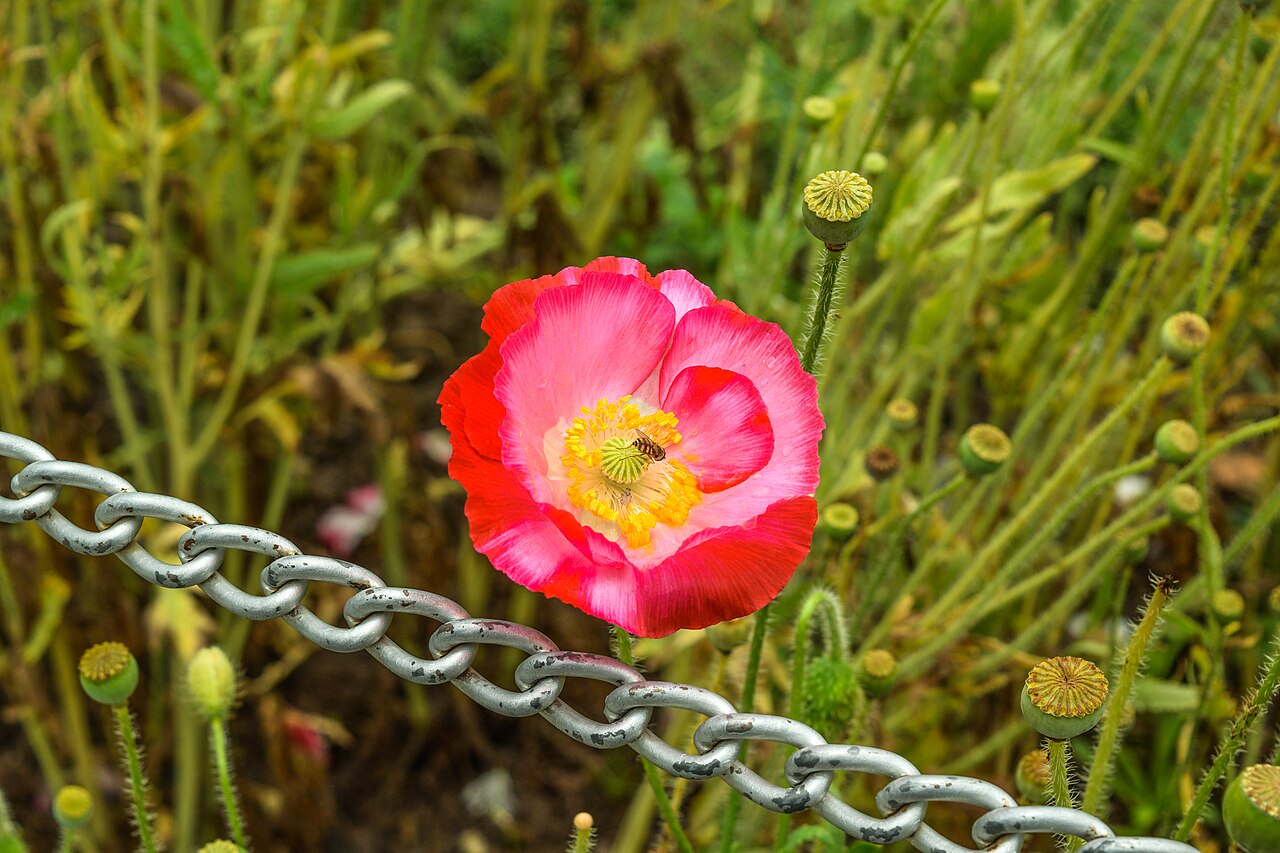
Observing the Autumn Rut
Autumn marks the breeding season for the Hangul, or Kashmiri stag, creating a unique window for wildlife observation. During this period, the stags descend from the higher alpine pastures into the lower valleys, and their resonant bugling calls echo through the gorges.
Observing this natural behaviour requires patience and a quiet presence. Staying with an experienced local guide ensures you maintain a respectful distance while increasing your chances of spotting these magnificent animals among the autumn trees.
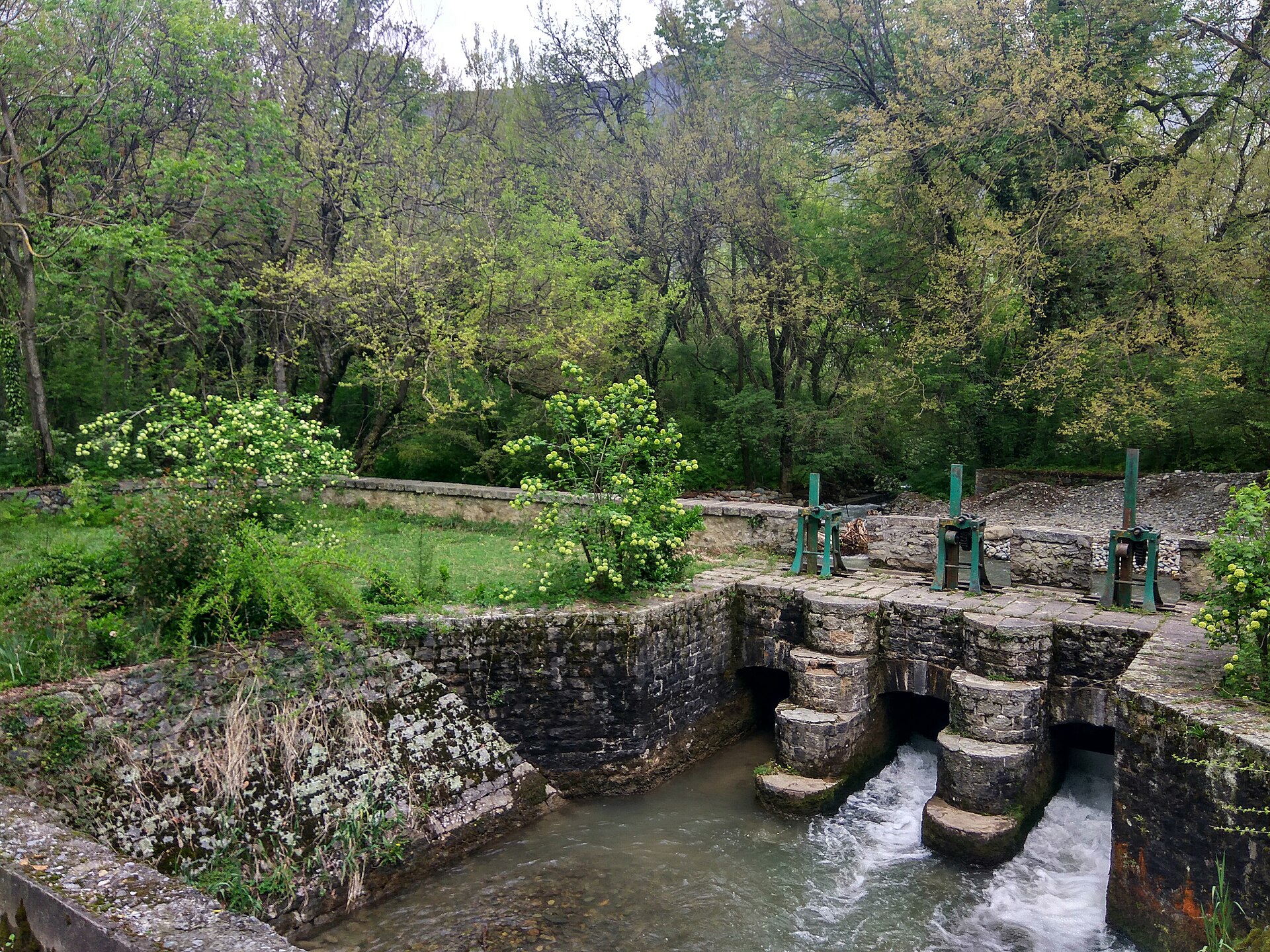
The Historical Trout Hatchery
Established decades ago to stock the cold mountain streams of the region, the trout hatchery inside the park is a fascinating stop of historical and ecological interest. You can observe the breeding pools and learn about conservation efforts aimed at protecting native fish populations.
The clear, rushing waters surrounding the hatchery provide a tranquil spot to pause and examine the aquatic life that supports the broader food web of the sanctuary.
Responsible Wildlife Photography Tips
Capturing images of Himalayan wildlife demands restraint and proper equipment. A telephoto lens is essential, as approaching animals on foot disrupts their natural behaviour and violates park regulations.
Always prioritise animal welfare over getting a close-up shot. Respecting park boundaries and keeping noise to a minimum ensures the sanctuary remains a safe haven for its endangered inhabitants.
Planning Your Visit from the City
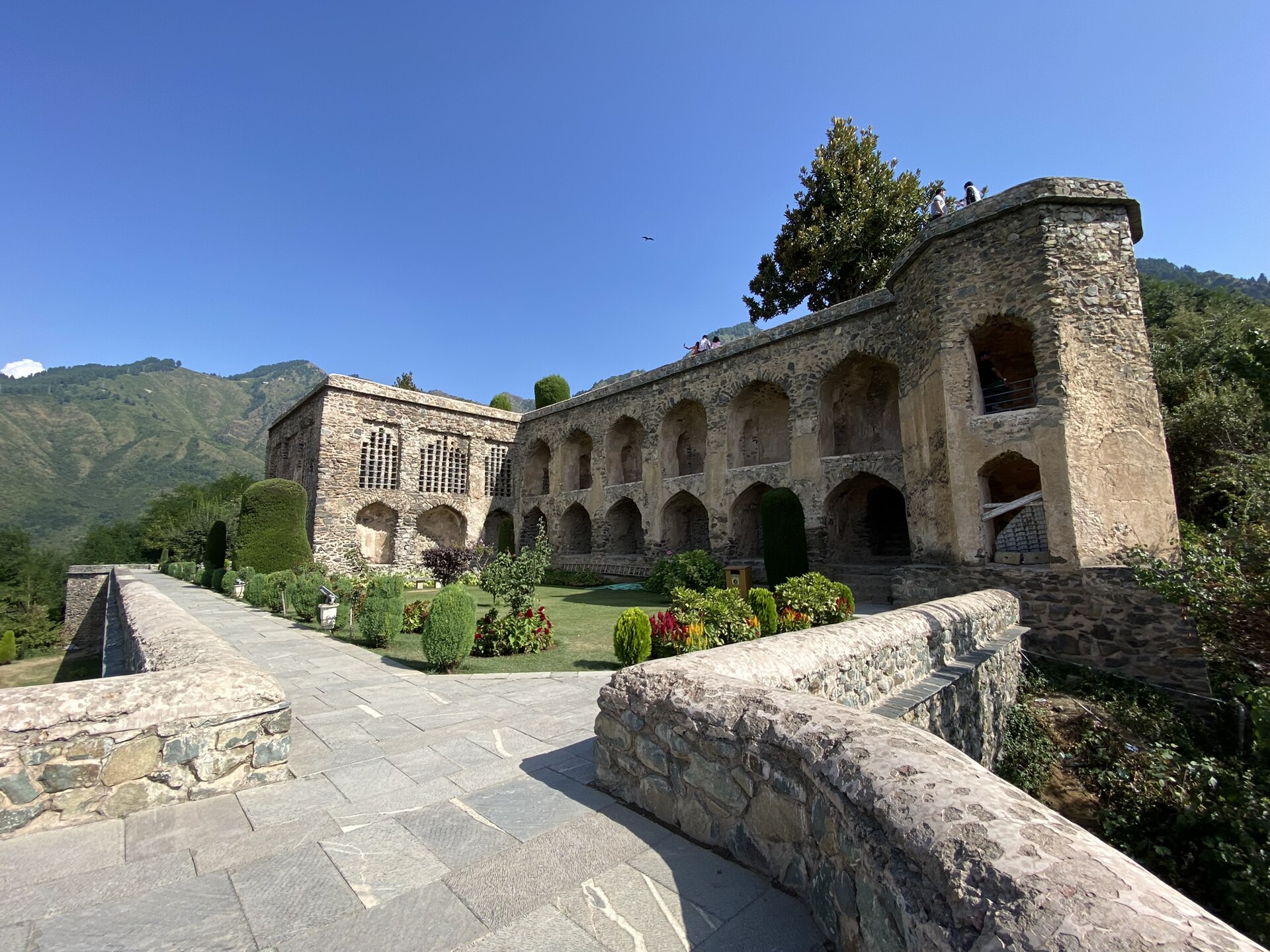
Because the park is situated only a short distance from major urban hubs, it pairs easily with other cultural landmarks. You can spend your morning exploring /destinations/kashmir/dachigam-national-park and your afternoon visiting /destinations/kashmir/mughal-gardens or taking a boat ride on /destinations/kashmir/dal-lake.
Remember that entry requires permission from the Department of Wildlife Protection. If you need help arranging permits, transport from /destinations/kashmir/srinagar, or an expert naturalist guide, feel free to drop us a note via our /contact page.
Before you book
Stepping into the quiet interior of the sanctuary offers a refreshing contrast to the lively energy of the valley's lakes and gardens. The crisp autumn air and golden forest canopy create an ideal setting for mindful exploration and wildlife observation.
Whether you come to spot the elusive Hangul or simply walk beneath the changing oak trees, Dachigam provides a profound connection to the natural heritage of the region. Reach out to our team to incorporate a guided wildlife day into your upcoming itinerary.
Explore Kashmir's Wildlife
Let us help you arrange permits, transport, and naturalist guides for your visit to Dachigam.
Plan Your Wildlife TripWritten by
Kashmir, Jammu & Ladakh specialists
We plan and run trips across Kashmir, Jammu and Ladakh every week of the year. Everything here comes from routes we drive, stays we inspect and questions our travellers actually ask.
Quick answers
Questions we get asked
What animals can you see in Dachigam National Park?
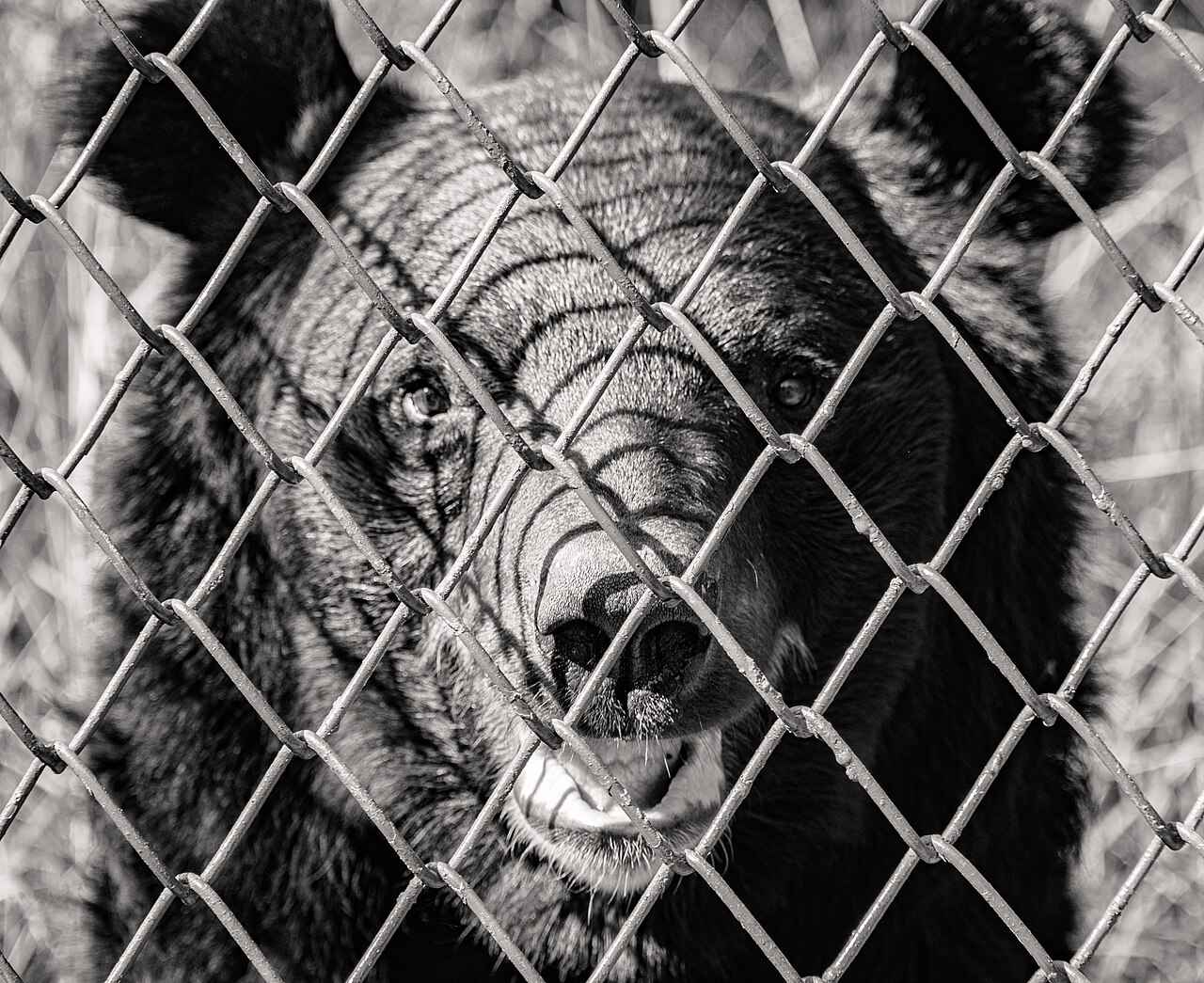
The park is famous for the Hangul stag, along with leopard, musk deer, black bear, and numerous bird species inhabiting the forest.
Is the Upper Dachigam trail open to general tourists?
Upper Dachigam requires special permits from the wildlife department and is generally restricted to researchers and serious trekkers due to its rugged terrain.
How far is Dachigam from Srinagar city centre?
The park is located approximately 22 kilometres from the centre of Srinagar, making it an easy half-day or day trip by car.
What is the best time of day to visit the park?
Early morning is by far the best time to visit, as animals are most active and the lighting through the forest canopy is ideal for observation.
Photography credits
- Photo: A. J. T. Johnsingh, WWF-India and NCF · CC BY-SA 4.0
- Photo: Jyoti Chaurasia · CC BY-SA 4.0
- Photo: Shiv's fotografia · CC BY-SA 4.0
- Photo: Billyakhtar · CC BY-SA 4.0
- Photo: Jyoti Chaurasia · CC BY-SA 4.0
- Photo: Rohit Sharma · CC BY-SA 4.0
- Photo: SR Sajid Rauf · CC BY-SA 4.0