Budgeting for Your Thajiwas Glacier Experience: A Real-World Cost Breakdown
What to expect to spend on ponies, permits, guides, and food during your Sonmarg day out.
A transparent cost breakdown for visiting Thajiwas Glacier, including pony ride prices, entry fees, and bargaining tips.
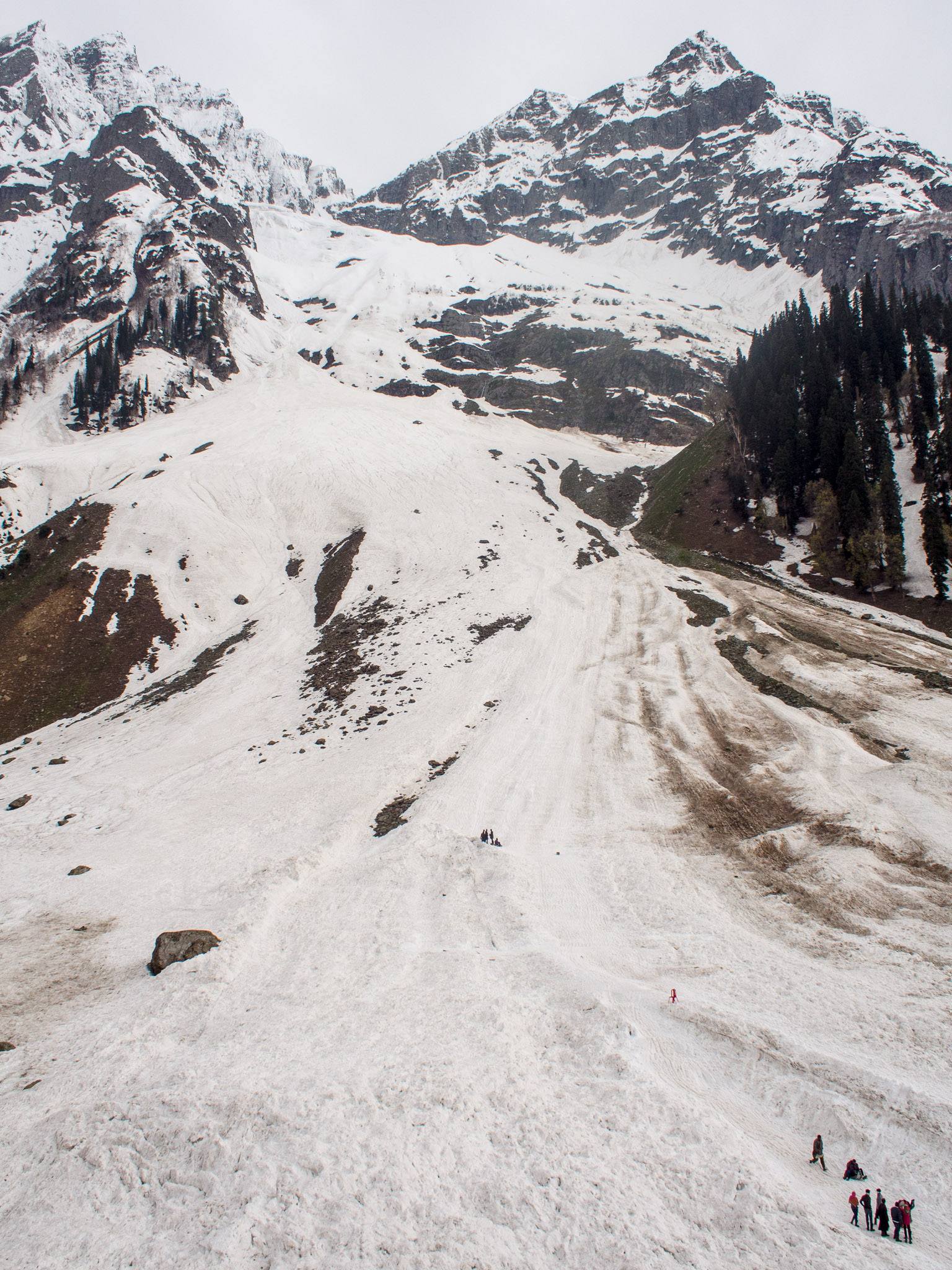
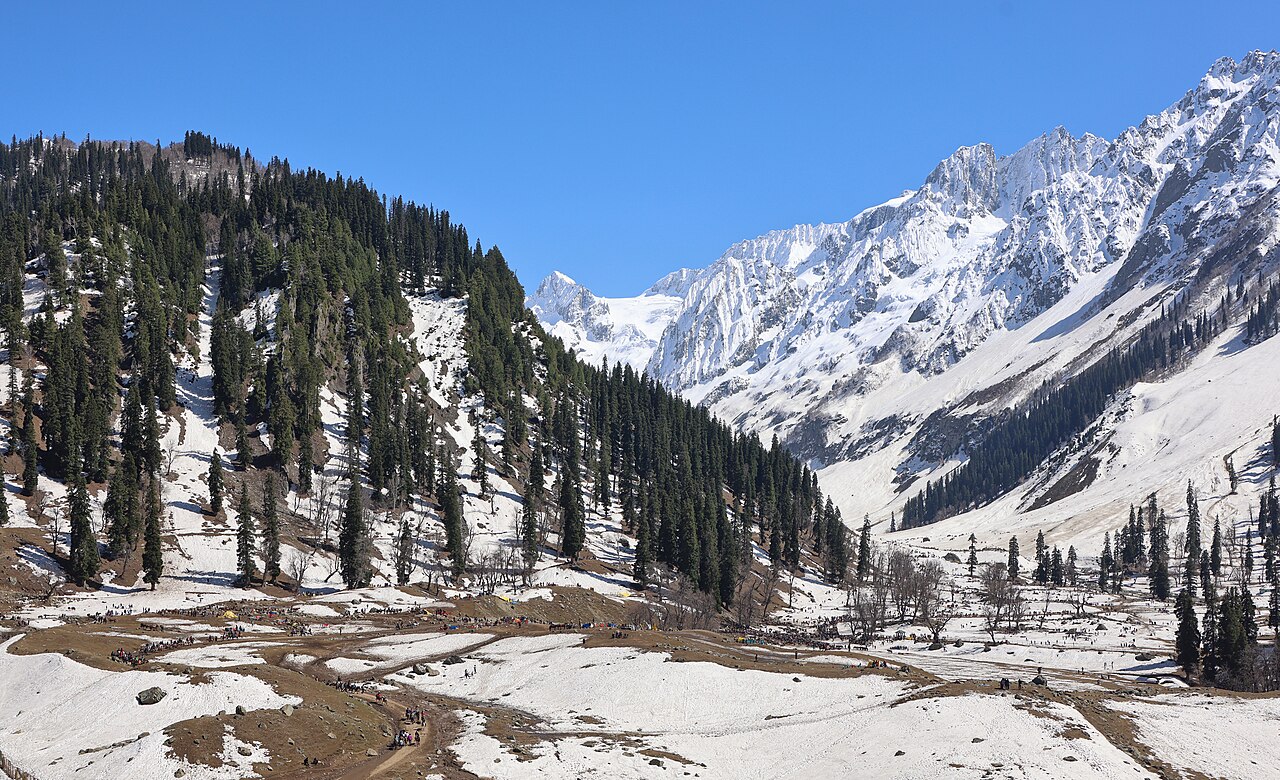
Carrying sufficient cash is essential for small transactions in remote mountain areas.Photo: Mike Prince from Bangalore, India · CC BY 2.0
Money conversations in the mountains are often awkward, but transparency saves travellers from unpleasant surprises at the ticket counter. When people look into a thajiwas glacier cost, they usually find vague estimates online that ignore local union rates, seasonal inflation, and hidden add-ons like rubber boot rentals. Having run trips through this valley for years, we prefer laying out the exact figures so you can pack your wallet accordingly.
Visiting the glacier is technically free if you rely entirely on your own legs, but most travellers end up spending money on transport, animal rentals, or basic refreshments. Prices fluctuate depending on whether you visit during the peak summer rush in July or the shoulder months of May and September. Understanding these costs beforehand helps you negotiate fairly without short-changing the hardworking local handlers.
Let us walk through every expense you are likely to encounter during a day in Sonmarg, separating fixed costs from optional splurges so you can build a realistic travel budget.
Understanding Local Pony Charges and Rentals
The most common expense for visitors heading up to the ice is hiring a pony from the designated union stand in Sonmarg. Official rates are set by the local tourism development authority, but they do change periodically to match fuel and feed cost adjustments. Expect to pay anywhere from 1,500 to 2,500 rupees for a standard round trip to the glacier viewpoint and back.
Be aware that prices quoted at the stand sometimes exclude tips or extra charges if you ask the handler to wait for you longer than the allotted time. It is always wise to confirm whether the quoted price covers the entire journey to the upper snow point or just a partial drop-off. If you prefer walking, this entire line item disappears from your ledger.
- Standard union pony ride: 1,500 to 2,500 INR per person
- Rubber boot rental for muddy paths: 150 to 300 INR
- Optional handler tip: 200 to 500 INR for good service
Entry Fees and Environmental Considerations
Unlike major wildlife sanctuaries or ticketed monuments in other parts of India, accessing the natural trails around Thajiwas does not require a formal entry ticket from the government. The paths are open public mountain routes managed loosely by local village councils.
However, you may encounter small local parking fees near the main commercial hub of Sonmarg, typically ranging from 50 to 100 rupees depending on the size of your vehicle. Keeping a handful of small denomination currency notes in your pocket makes these minor transactions smooth and painless.
Transparent pricing ensures your mind stays focused on the scenery rather than your wallet.
Tips for Fair Price Negotiation
Bargaining is a standard part of commerce in many tourist spots, but there is a fine line between securing a fair deal and exploiting local workers. The families who handle the ponies rely on this short summer season to sustain their households through the long winter months when Sonmarg is snowbound.
When discussing rates with union representatives, be polite, firm, and realistic. Refuse inflated opening quotes that double the official tariff, but do not try to beat down the price below what covers their daily feed and effort. Working with pre-established standard rates eliminates the stress of negotiation entirely.
Budgeting for a Full Sonmarg Day Out
A complete day in the valley involves more than just the glacier walk. You will need to account for meals, hot drinks at roadside stalls, and potentially a hired cab if you are not travelling on an all-inclusive package.
A simple meal of rajma chawal or maggi noodles at a wooden stall near the trail costs around 150 to 300 rupees per person. If you want a sit-down meal at a proper hotel restaurant in Sonmarg, budget between 500 and 800 rupees per head. Factor in bottled water, snacks, and warm tea to arrive at your daily total.
How Pre-Booked Packages Help Control Costs
Managing individual cash payments on the ground can become tedious, which is why many travellers prefer wrapping their expenses into a comprehensive tour package. When transport, accommodation, and local guide services are bundled together, you eliminate day-to-day price volatility.
A well-structured package ensures that union fees, transport permits, and vetted pony handlers are arranged in advance without last-minute haggling. This predictability is especially valuable for families or larger groups trying to stick to a strict holiday budget.
Before you book
Keeping your finances clear and predictable ensures your mind stays focused on the scenery rather than your wallet. By knowing the standard rates for ponies, food, and parking, you can navigate the Sonmarg market with confidence and ease.
If you want to take the guesswork out of your travel budget, get in touch with our team at Skywale Packages. We provide transparent, all-inclusive itineraries that cover every detail from Srinagar to the glacier edge.
Want Transparent Pricing?
Check out our structured tour packages designed to keep your holiday budget clear and stress-free.
View Our PackagesCaption for your own post
Keeping track of travel expenses in Sonmarg. Knowing local rates makes your mountain day stress-free.
Written by
Kashmir, Jammu & Ladakh specialists
We plan and run trips across Kashmir, Jammu and Ladakh every week of the year. Everything here comes from routes we drive, stays we inspect and questions our travellers actually ask.
Quick answers
Questions we get asked
Are credit cards accepted for pony rides in Sonmarg?
No, local pony handlers and small food stalls operate strictly on cash. Ensure you withdraw enough rupees in Srinagar before heading up into the mountains.
Is tipping mandatory for pony handlers?
Tipping is not strictly mandatory, but it is customary if your handler is helpful and patient throughout the trek. A tip of 200 to 500 rupees is standard for good service.
Why do pony prices change between seasons?
Prices adjust based on demand, peak holiday periods, and official union revisions that account for rising fodder costs during the harsh winter months.
Can I rent gumboots at the glacier base?
Yes, several local shops near the parking area rent out rubber boots for a small fee of 150 to 300 rupees, which is very helpful when the track is muddy.
Photography credits
- Photo: Mike Prince from Bangalore, India · CC BY 2.0
- Photo: Biswarup Bhattacharjee · CC BY-SA 4.0
- Photo: Original: Ganesh Mohan T Derivative work: UnpetitproleX · CC BY 4.0
- Photo: Madhrakangri · CC BY-SA 4.0
- Photo: Utsa Praveen · CC0
- Photo: Pawneegoddess · CC BY-SA 4.0
- Photo: Vikas Panwar · CC BY-SA 4.0