Thajiwas Glacier Snow in Summer: What You Can Actually Expect
Understanding how the glacier changes through the seasons in Sonmarg.
Curious if you will find snow at Thajiwas Glacier this summer? We break down the seasonal reality of visiting this iconic Kashmir landmark.
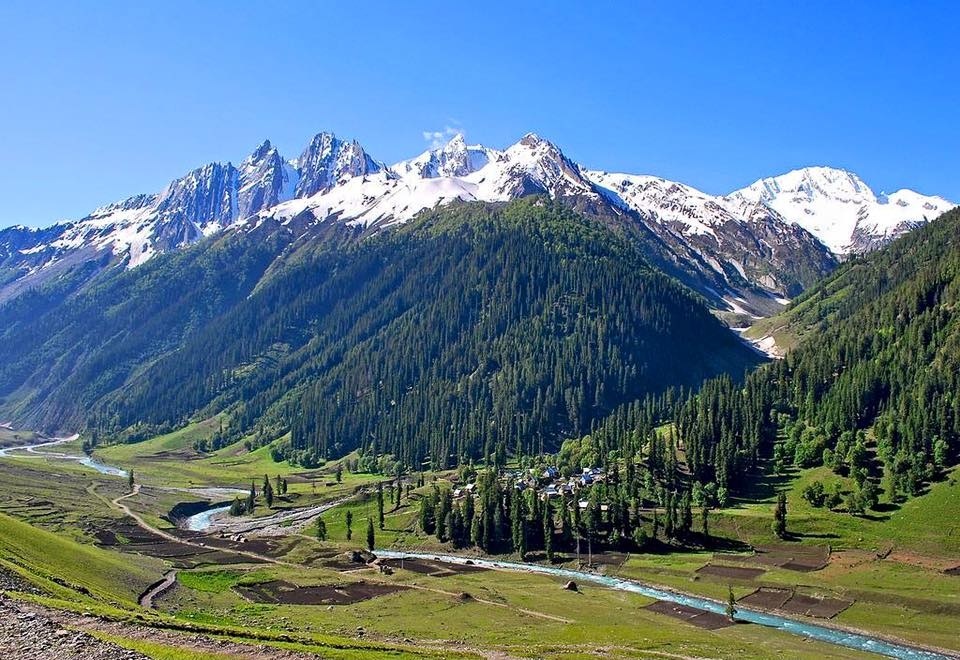
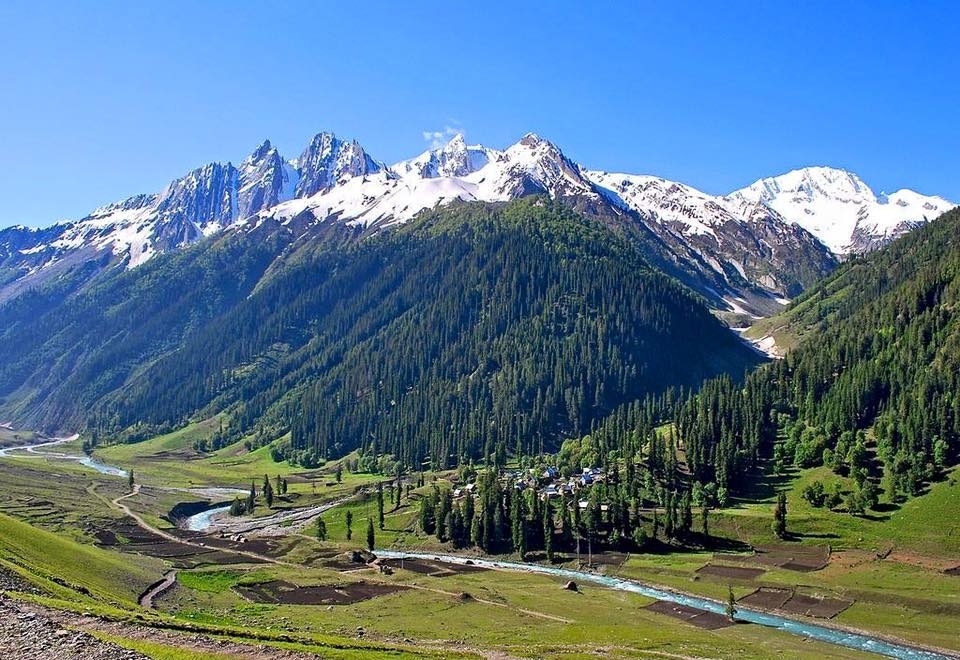
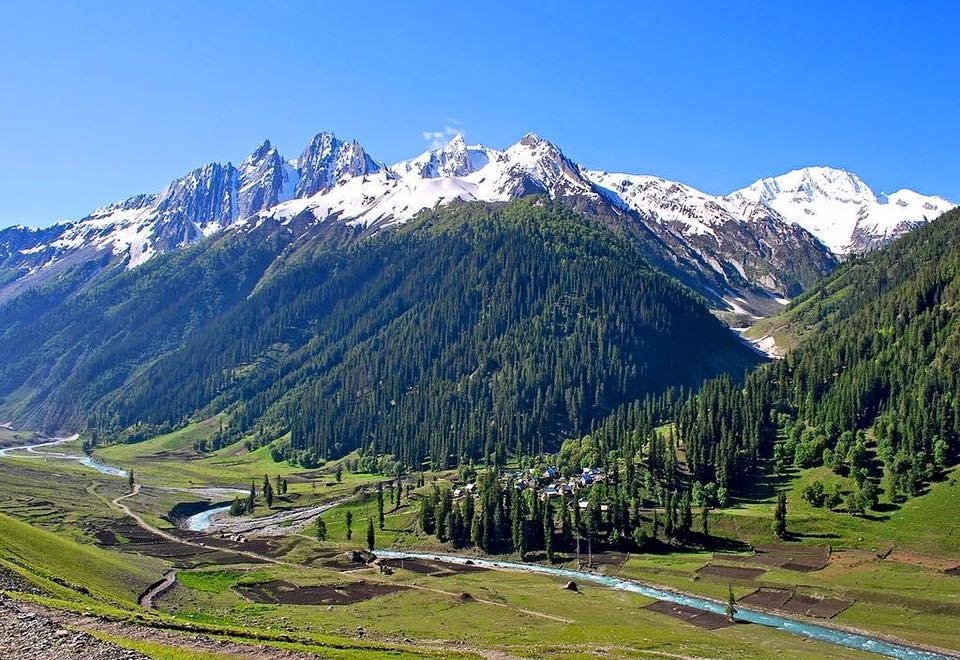
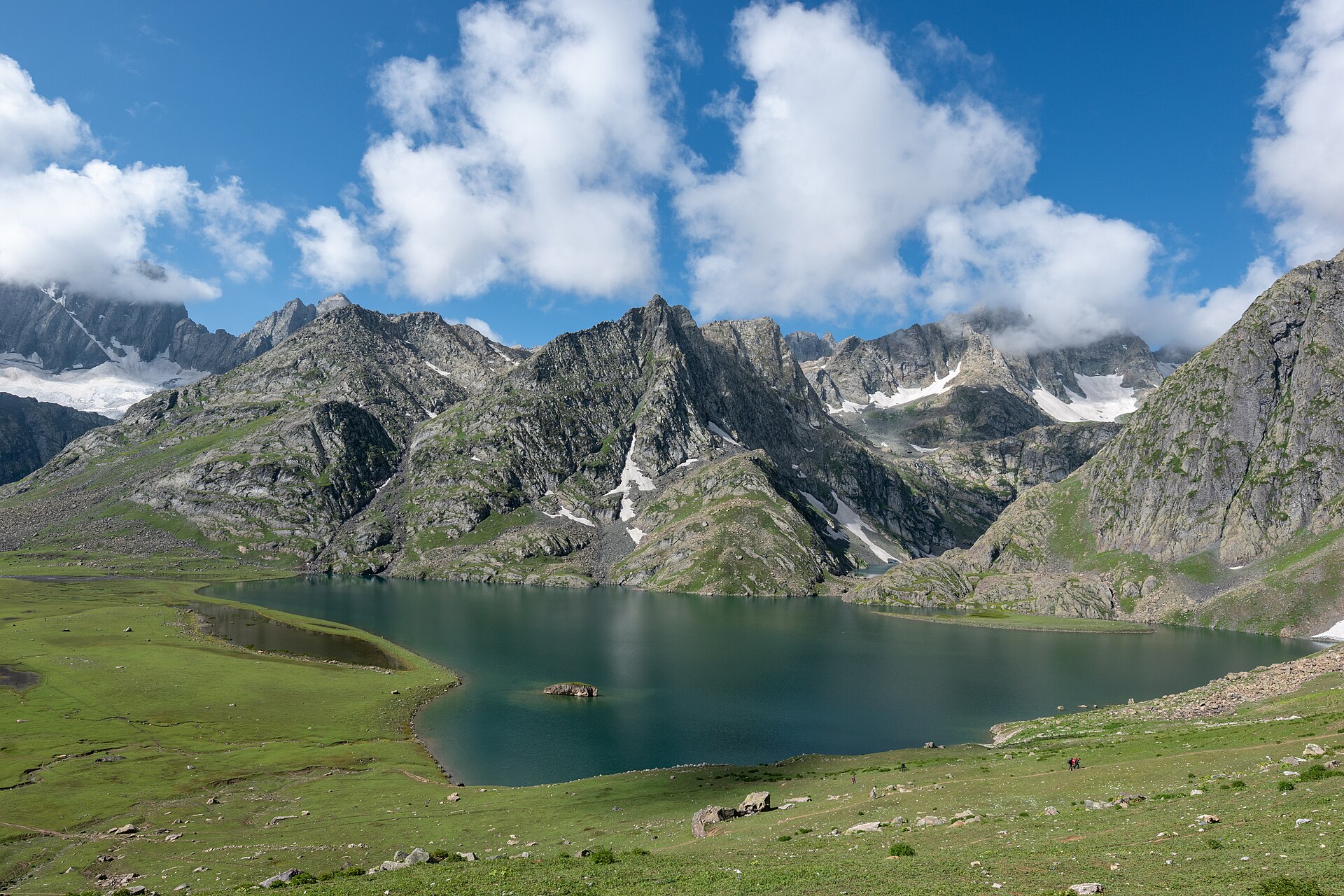
The glacier remains a cool, refreshing sight even in the height of the summer season.Photo: Biswarup Bhattacharjee · CC BY-SA 4.0
I remember the first time I reached the upper reaches of the Thajiwas valley in July; the air was sharp, smelling of wet pine and crushed shale, and yes, there was still a thick, stubborn patch of white waiting for us.
Many travellers arrive in Sonmarg convinced that the glacier will be a massive, snow-covered amphitheatre regardless of the date on their calendar. I have spent years guiding clients through Kashmir, and the reality of thajiwas glacier snow in summer is far more nuanced than brochure photos suggest.
The glacier is essentially a permanent snowfield, but its character changes dramatically as the sun climbs higher throughout the season. Whether you find deep powder or slushy ice depends entirely on when you stand at the base.
Understanding the Glacier's Persistence
Thajiwas doesn't act like the massive ice sheets of the Alps. It is a high-altitude snow accumulation area that feeds into the valley. During a harsh winter, the snow piles up several metres deep. As spring arrives, the cycle of melting begins, carving out channels and exposing the dark, layered rock beneath.
If you visit in early June, you will see a much more substantial presence of snow than in August. The lower slopes begin to green up, providing a striking contrast between alpine flowers and lingering ice. It is worth remembering that this is a living, breathing natural feature that reacts to the specific winter snowfall we received months prior.
Snow Conditions in Spring and Summer
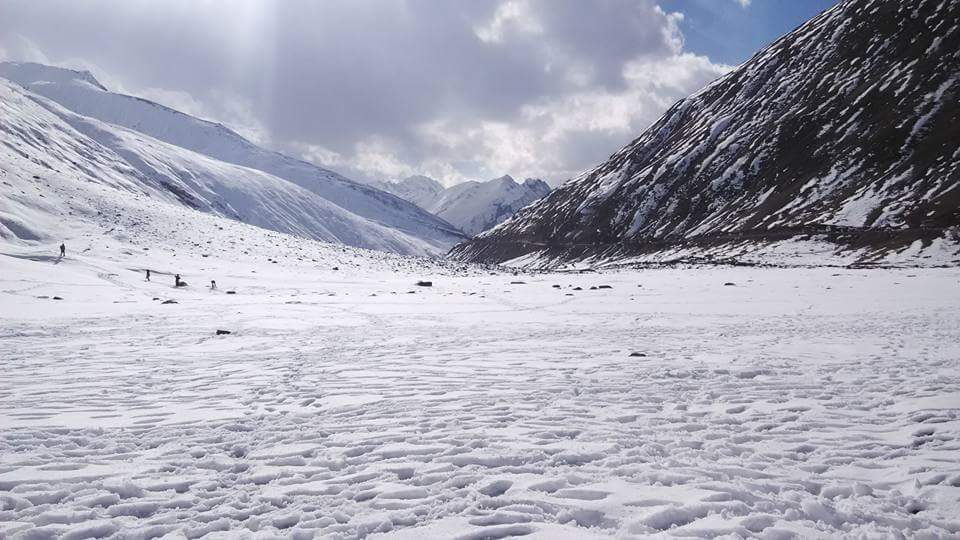
By late May, the trek path is mostly clear of heavy drifts, but the main glacier bowl remains impressive. You can expect crunchy, granular snow—what we often call 'corn snow'—that remains after the initial deep winter accumulation has settled.
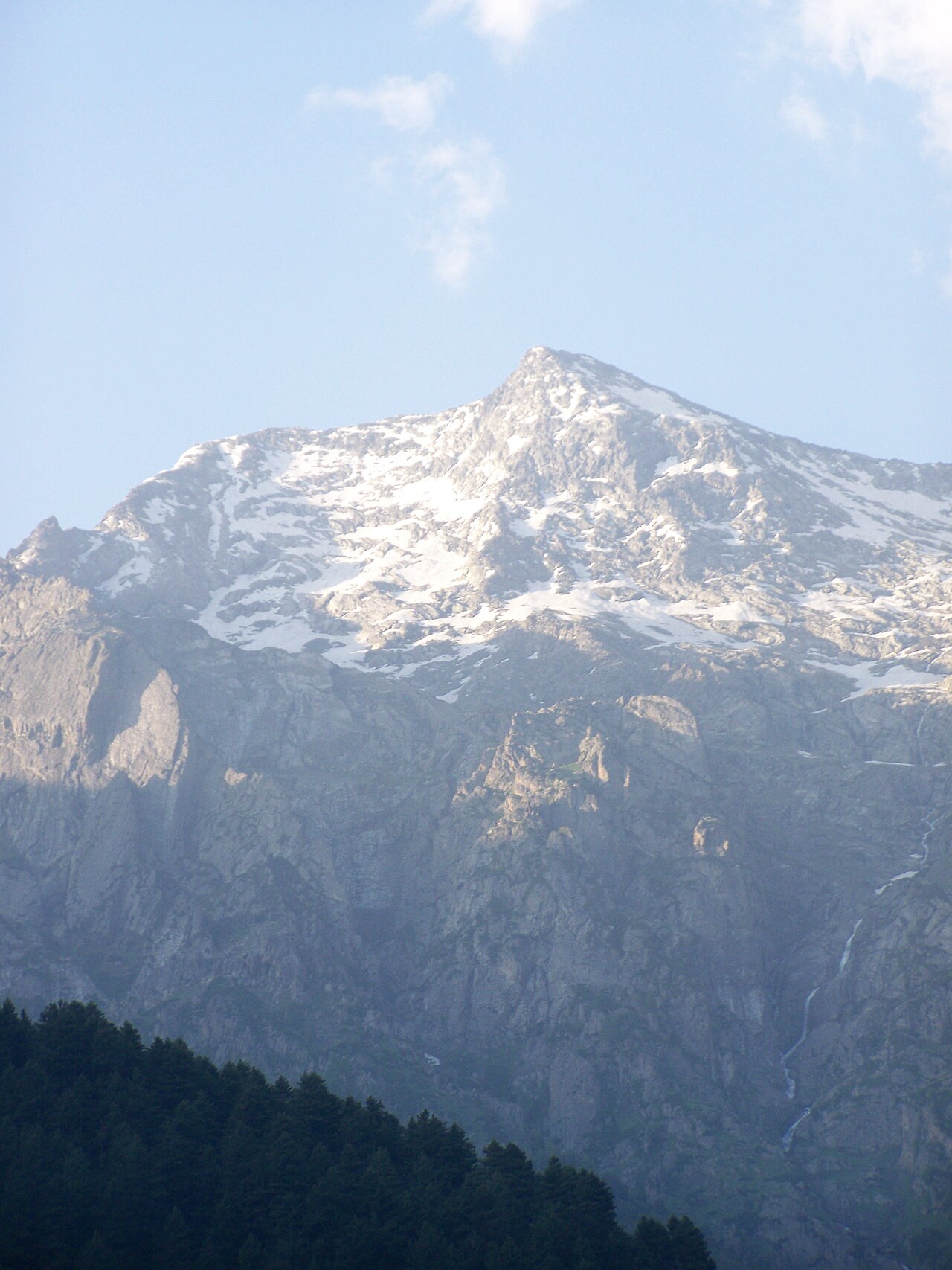
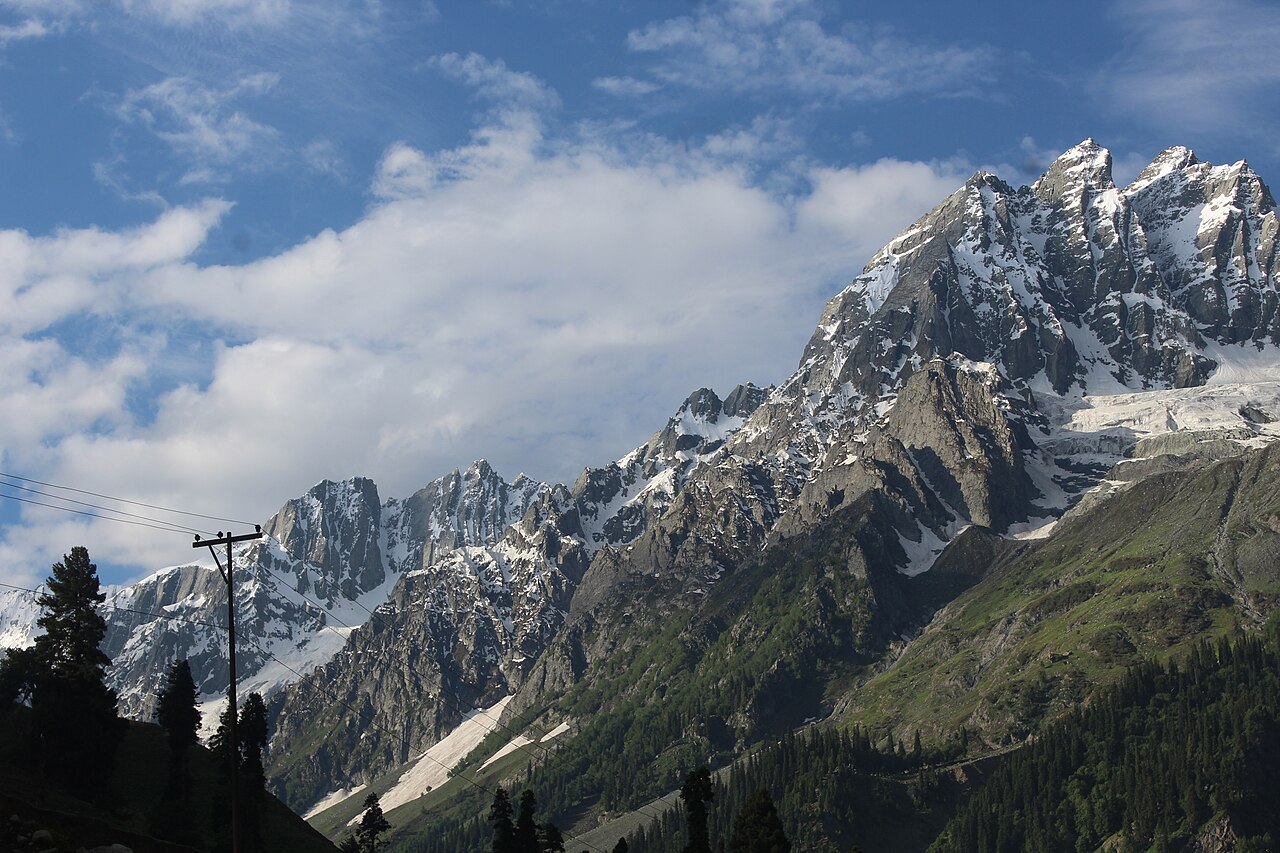
In the peak of summer, specifically late July through August, the snow retreats significantly to the higher crevices. You won't be walking on miles of white, but you will almost certainly find enough at the base to get a feel for the scale. The temperature near the glacier often drops by 5 to 7 degrees Celsius compared to the main Sonmarg road, which makes for a welcome escape from the heat.
What to Expect in Autumn
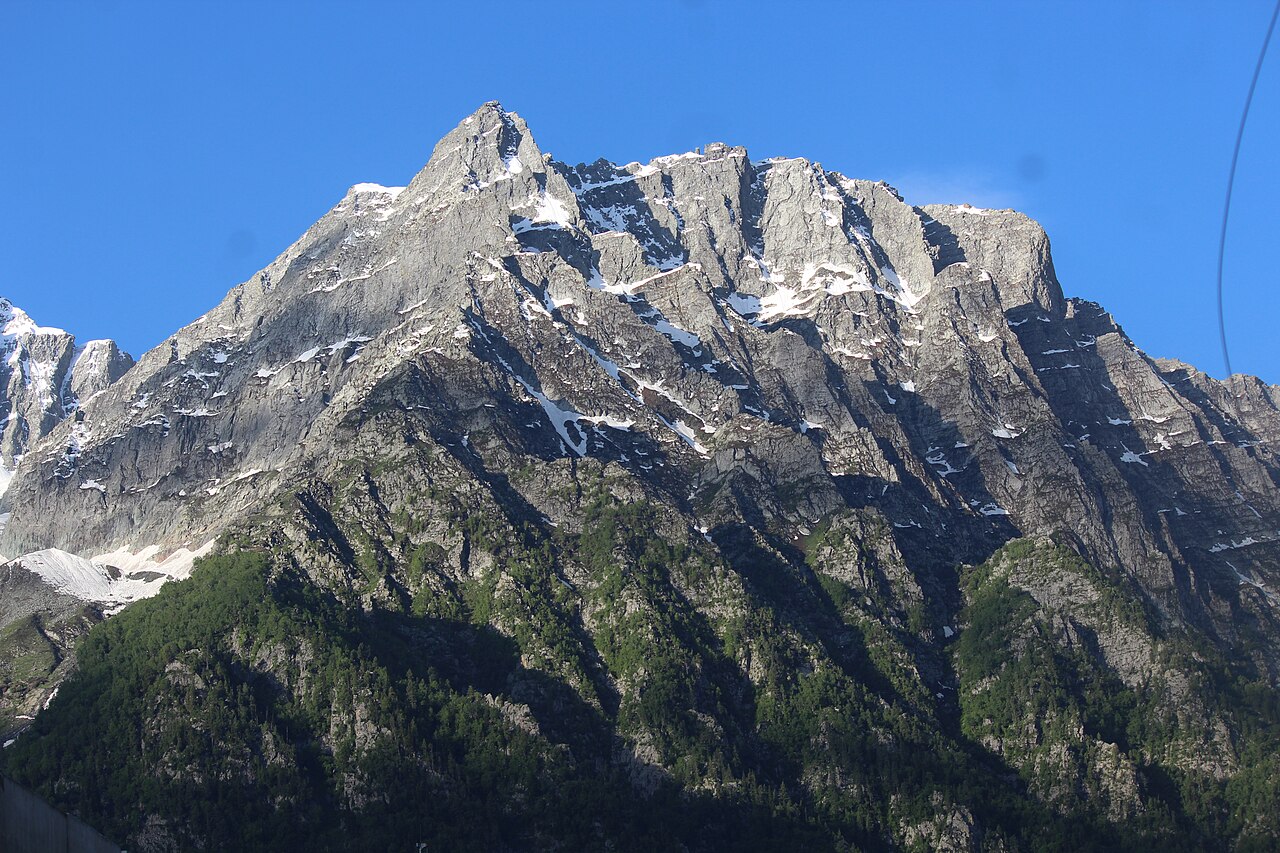
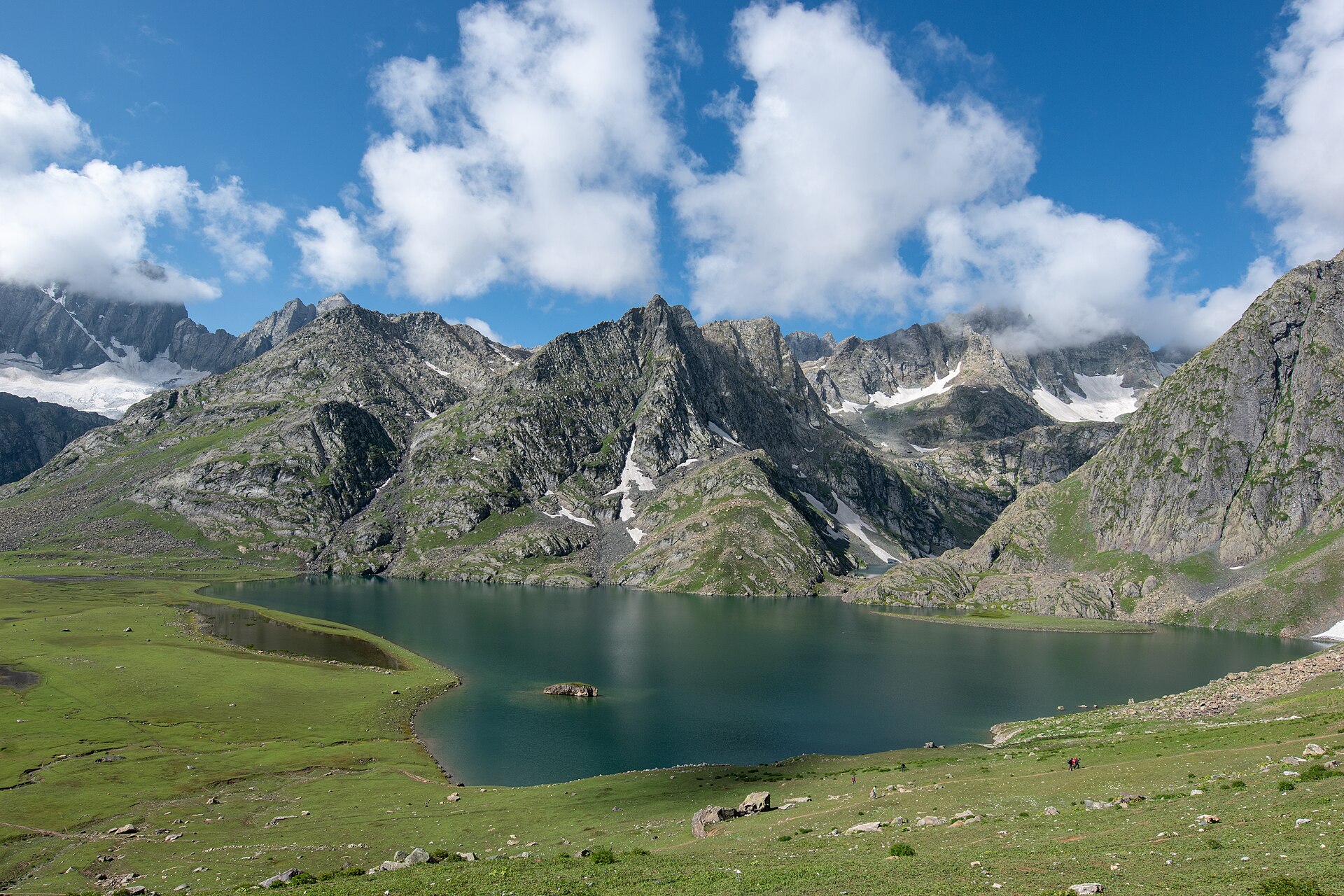
September brings a crispness to the valley. The melting has slowed, and the glacier often looks smaller and a bit dirtier, stained by the sediment it has collected over the preceding months. However, the light in autumn is unparalleled for photography.
If early snowfall hits in late September or October, the landscape can transform overnight. You might catch the first dustings of a new winter cycle, which creates an entirely different mood compared to the thawing summer remnants.
Why Winter Access is Limited
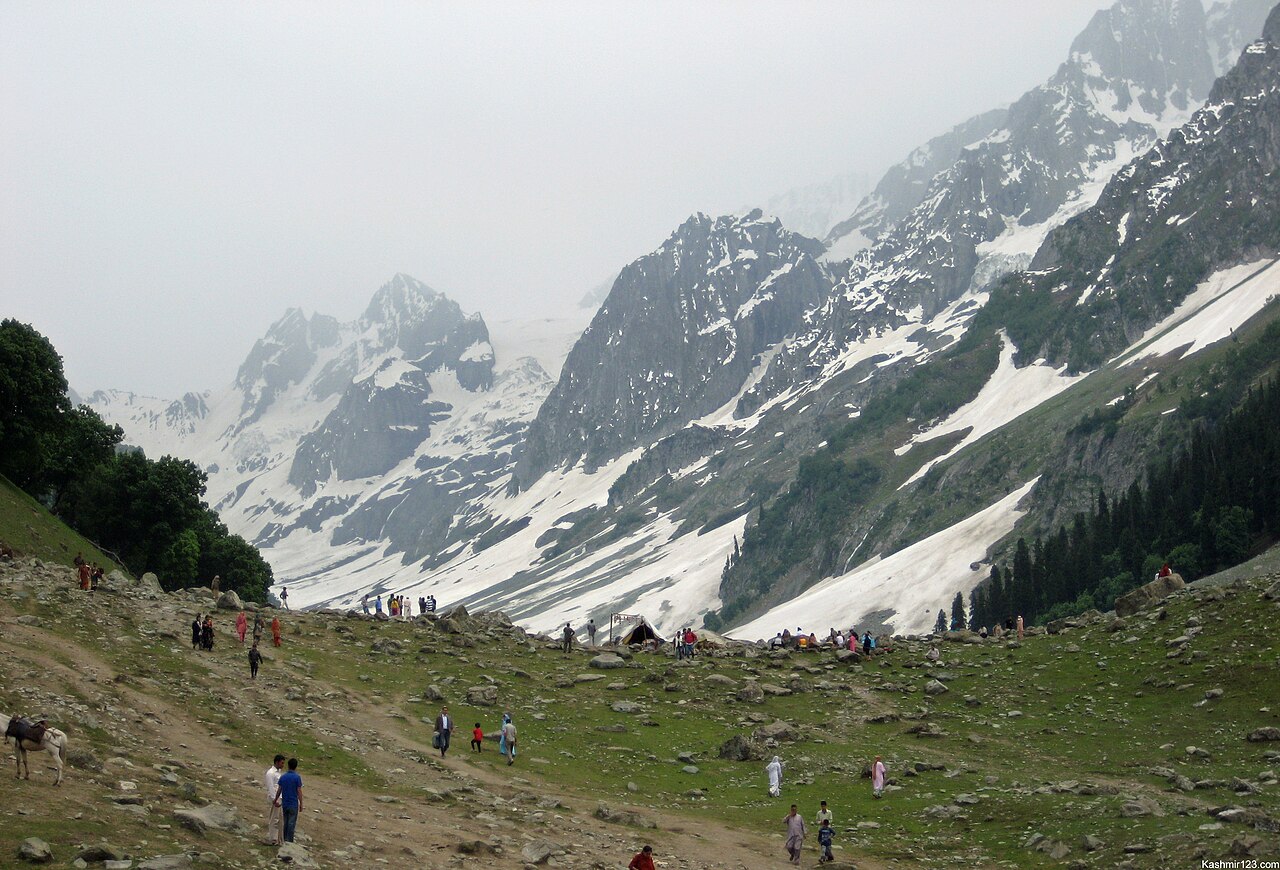
People often ask if they can go in January or February to see the glacier in its full glory. We strongly advise against attempting to reach the upper glacier during deep winter. The route from Sonmarg becomes prone to heavy snowdrifts and, more importantly, high avalanche risk.
The main Srinagar-Leh highway that cuts through Sonmarg is closed due to snow, and local authorities strictly regulate movement. The glacier exists, but it is effectively off-limits to visitors for safety reasons. It is better to admire the range from afar.
Tips for Viewing the Glacier
If you want the best vantage point, start your journey early in the morning. By 10:00 AM, the sun hits the slope directly, and the clarity of the ice diminishes under the harsh midday light. We usually recommend our guests aim to be at the prime viewing spots before 11:00 AM.
Bring layers. Even if the sun is bright, the reflective glare off the snow and the altitude make it colder than you anticipate. A pair of decent sunglasses is non-negotiable to avoid eye strain from the intense mountain brightness.
Before you book
Visiting the Thajiwas Glacier is less about seeking a perfectly white landscape and more about witnessing the raw, seasonal transition of the Himalayas. Whether you are catching the last of the spring runoff or the stark, high-altitude ice of late August, the experience of the valley remains one of the highlights of a Kashmir itinerary.
If you are planning your trip, feel free to reach out to us at [Skywale Packages](/contact) for the latest updates on road conditions and local accessibility. We would be happy to help you map out your visit to ensure you catch the mountain at its most beautiful.
Need help planning your Kashmir trip?
Our local team knows every turn in the road. Let us take the stress out of your logistics.
Contact Our TeamWritten by
Kashmir, Jammu & Ladakh specialists
We plan and run trips across Kashmir, Jammu and Ladakh every week of the year. Everything here comes from routes we drive, stays we inspect and questions our travellers actually ask.
Quick answers
Questions we get asked
Is there always snow at Thajiwas Glacier?
Yes, it is a perennial snowfield, meaning patches of ice exist year-round. However, the amount and condition vary drastically between May and September.
What is the best month to see snow at Thajiwas?
May and early June are your best bets. The snow is still extensive, the waterfalls are in full flow, and the meadow wildflowers are just starting to bloom.
Can I touch the snow in July?
Absolutely. You can reach the base of the glacier and walk on the snow, but do be careful as the edges can be slippery or unstable as they melt.
How cold does it get at the glacier?
Even on a sunny summer day, expect temperatures to drop to around 5-10 degrees Celsius at the glacier base, necessitating a fleece or windbreaker.
Do I need special gear to visit?
In summer, sturdy hiking shoes with good grip are sufficient. You do not need professional climbing gear for the standard visitor viewpoints.
Photography credits
- Photo: Biswarup Bhattacharjee · CC BY-SA 4.0
- Photo: Rohit Sharma · CC BY-SA 4.0
- Photo: Akashchaturvedi1 · CC BY-SA 4.0
- Photo: Madhrakangri · CC BY-SA 4.0
- Photo: Kashmir Pictures · CC BY 2.0
- Photo: Vikas Panwar · CC BY-SA 4.0
- Photo: Madhrakangri · CC BY-SA 4.0