The Perfect Nubra to Turtuk Itinerary for Your Ladakh Trip
How to spend a meaningful day in the final Balti village.
Planning a day trip to Turtuk from your Nubra base? We have mapped out a route that covers the best heritage walks, viewpoints, and local encounters in this remote village.
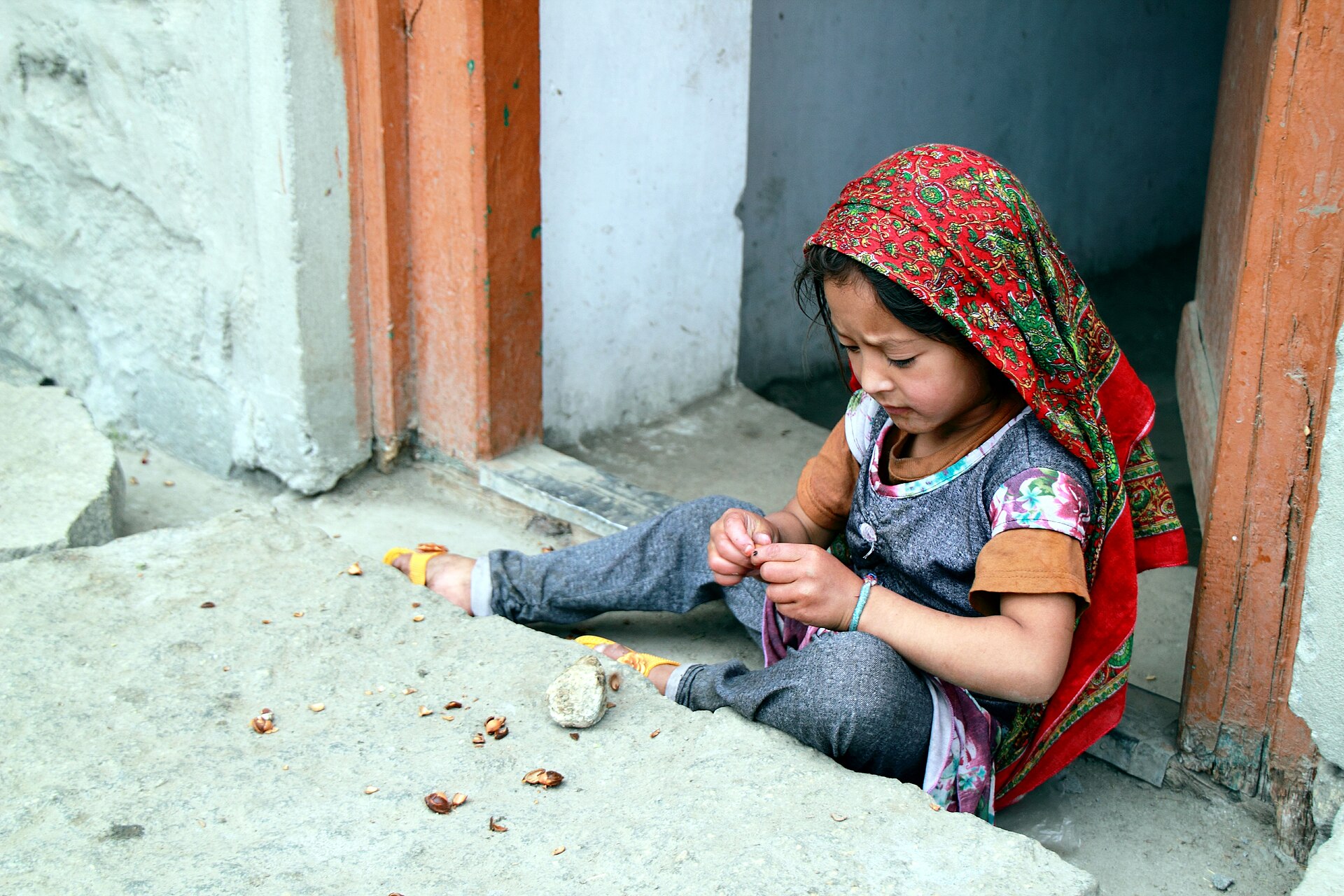
The quiet beauty of the apricot orchards is a highlight of any visit.Photo: Fulvio Spada from Torino, Italy · CC BY-SA 2.0
The light catches the stone walls of Turtuk differently than anywhere else in Ladakh, a soft, golden hue that makes you feel as though you have wandered into a storybook. If you have a day to spare in your Nubra Valley schedule, adding this village to your itinerary is the best decision you can make.
This isn't a place for ticking off attractions. It is a place to walk. In this guide, I have put together a flow that helps you transition from the rush of the road to the slow, deliberate pace of village life. We start early, move through the heritage zones, and finish with a view that looks directly into the heart of the Karakoram range.
Morning Departure from Nubra
Set your alarm for 6:30 AM. You want to be on the road by 7:30 AM at the latest. The morning light on the river is spectacular, and you beat the tour groups heading in the same direction. Grab a quick breakfast at your guesthouse in Hundar, ensuring you have enough water for the day.
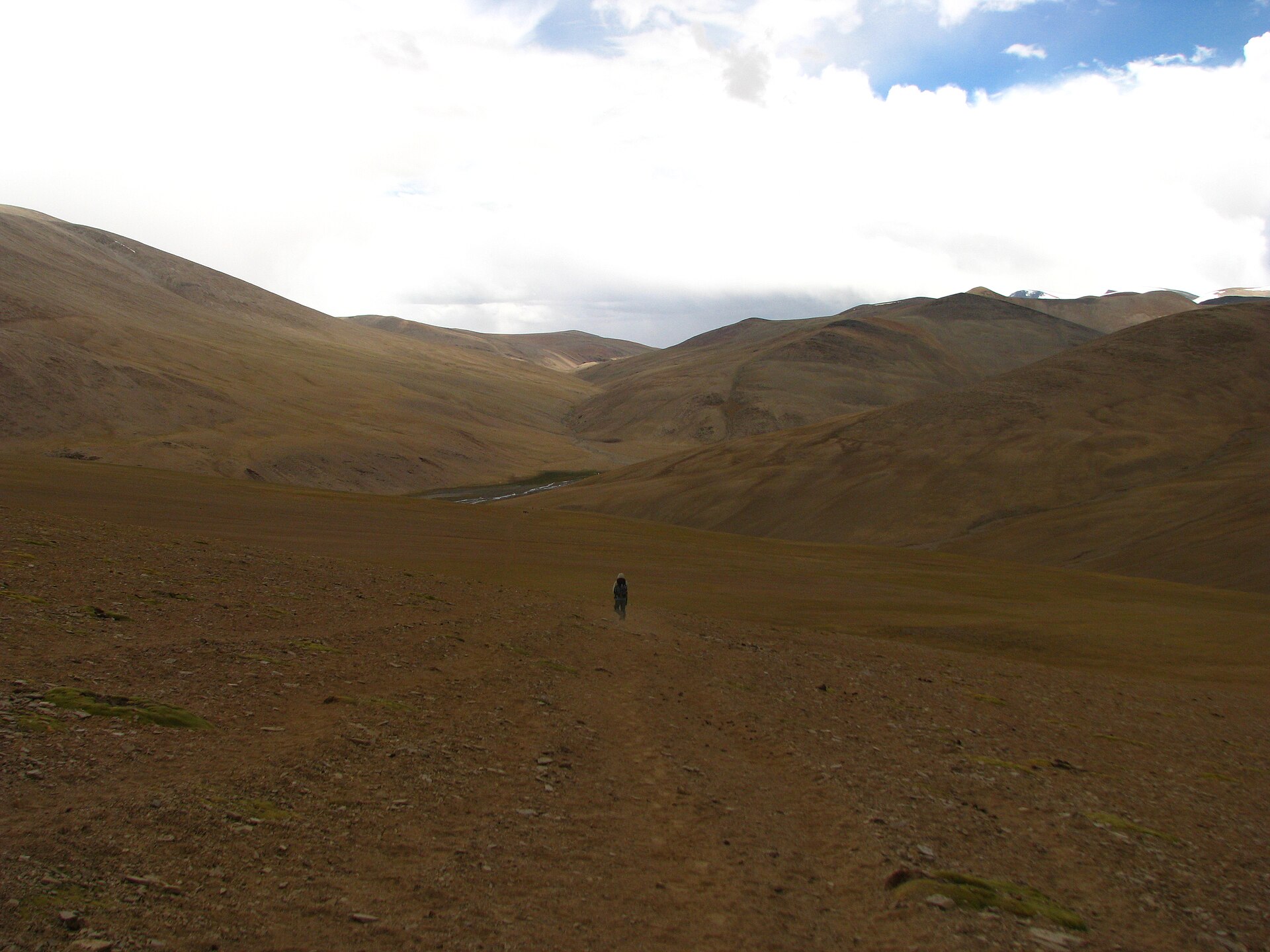
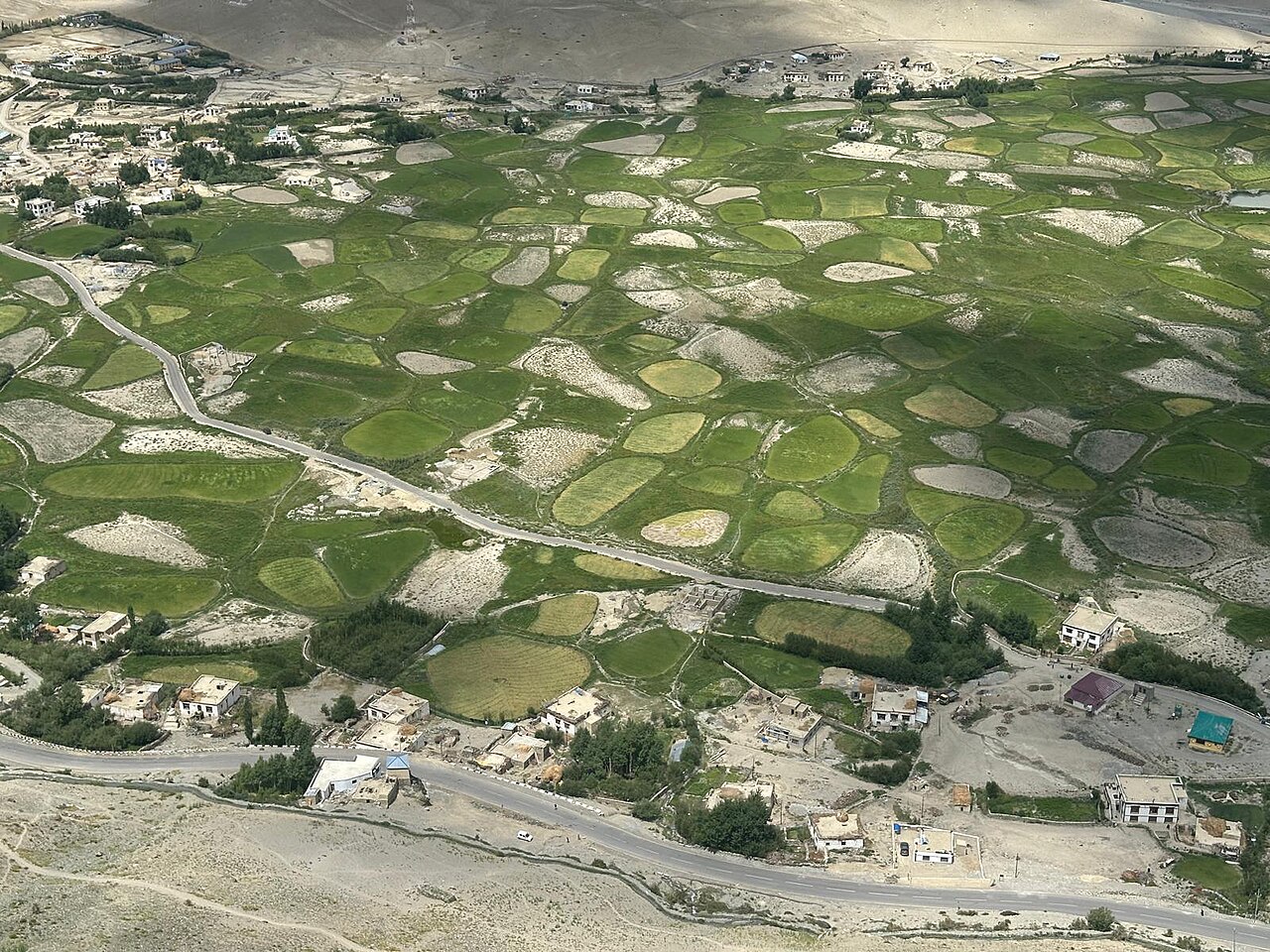
The drive takes you through the heart of the Shyok Valley. As you climb out of the wider plains, notice the change in the geology. The mountains start closing in. Keep your cameras ready, but remember that the best photos are the ones you take when you stop the car intentionally, rather than trying to snap while moving on this bumpy road.
The Journey Through the Shyok Valley
This 4-5 hour stretch is your prologue. Watch for the way the riverbed changes—wide, sandy banks shifting into narrow, jagged canyons. You are traversing the path that served as a vital link for the Silk Road centuries ago.
If your driver stops for a quick break at a roadside tea shop, do not hesitate. These pauses are where you get a feel for the local rhythm. Ask your driver about the history of the bridge crossings; they often have stories about how these connections have evolved over the last thirty years.
Afternoon Heritage Walks in Turtuk
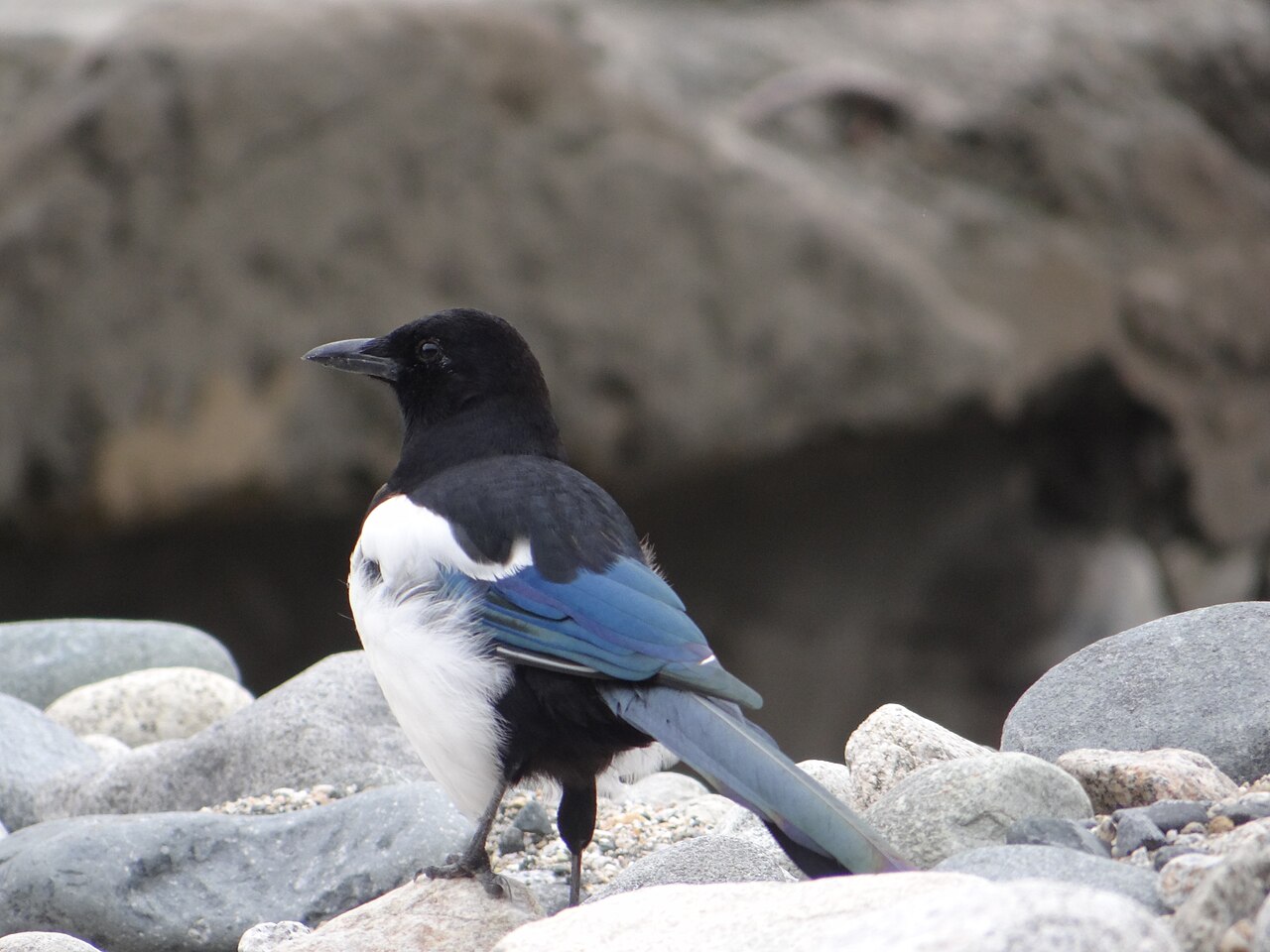
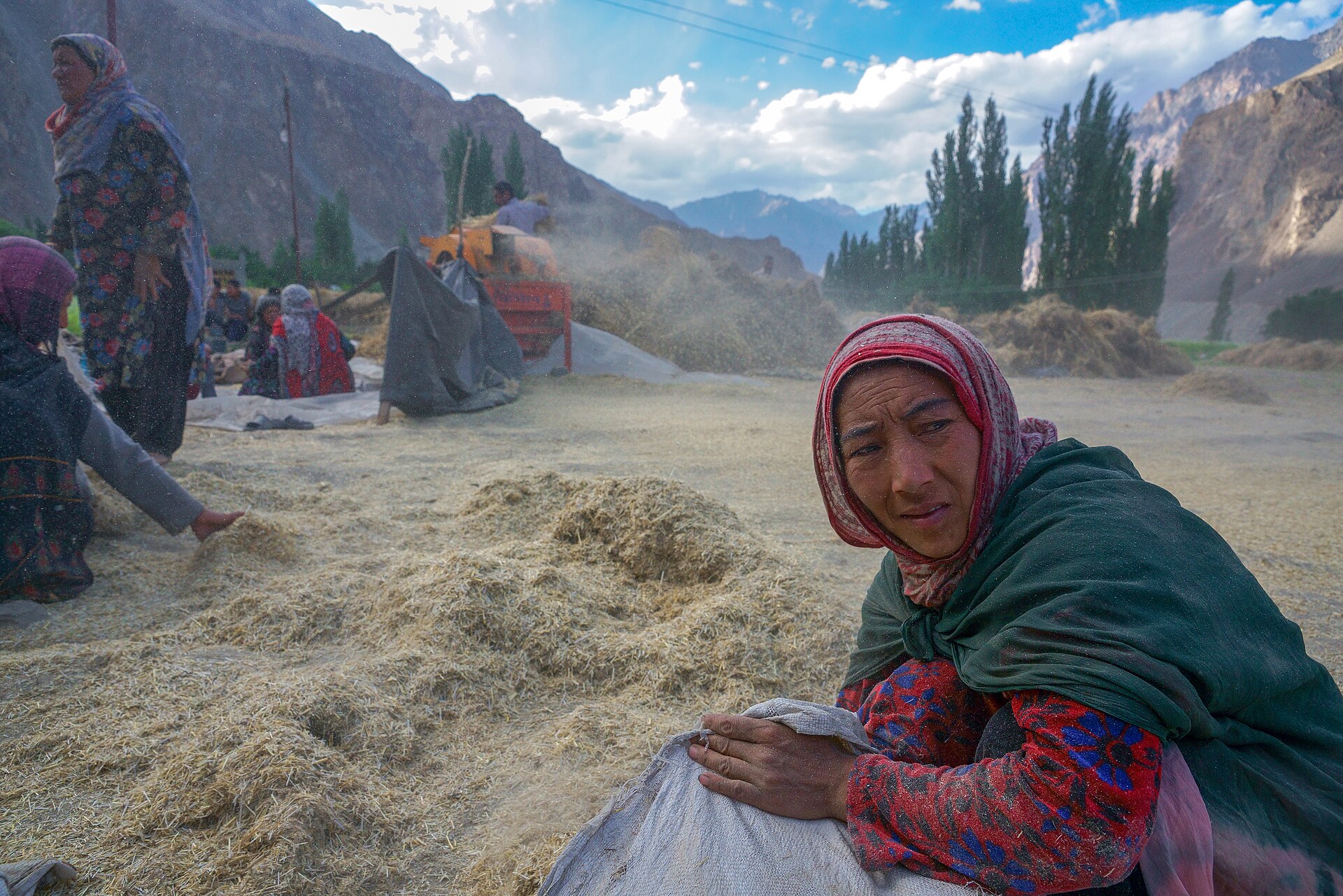
Once you arrive around noon, head straight into the old village. This is the heart of the Balti heritage. The houses are built of stone and wood, huddled together to conserve heat. Spend your afternoon wandering the narrow lanes where the sounds of the running water channels replace the sound of engines.
Visit the small local museum if it is open; it holds artifacts from the pre-1971 period that explain the village's unique transition. Do not rush. The village is small, but its layers are deep. Take time to look at the traditional stonework and the apricot orchards that define the village's agricultural wealth.
Sunset Views from Thang
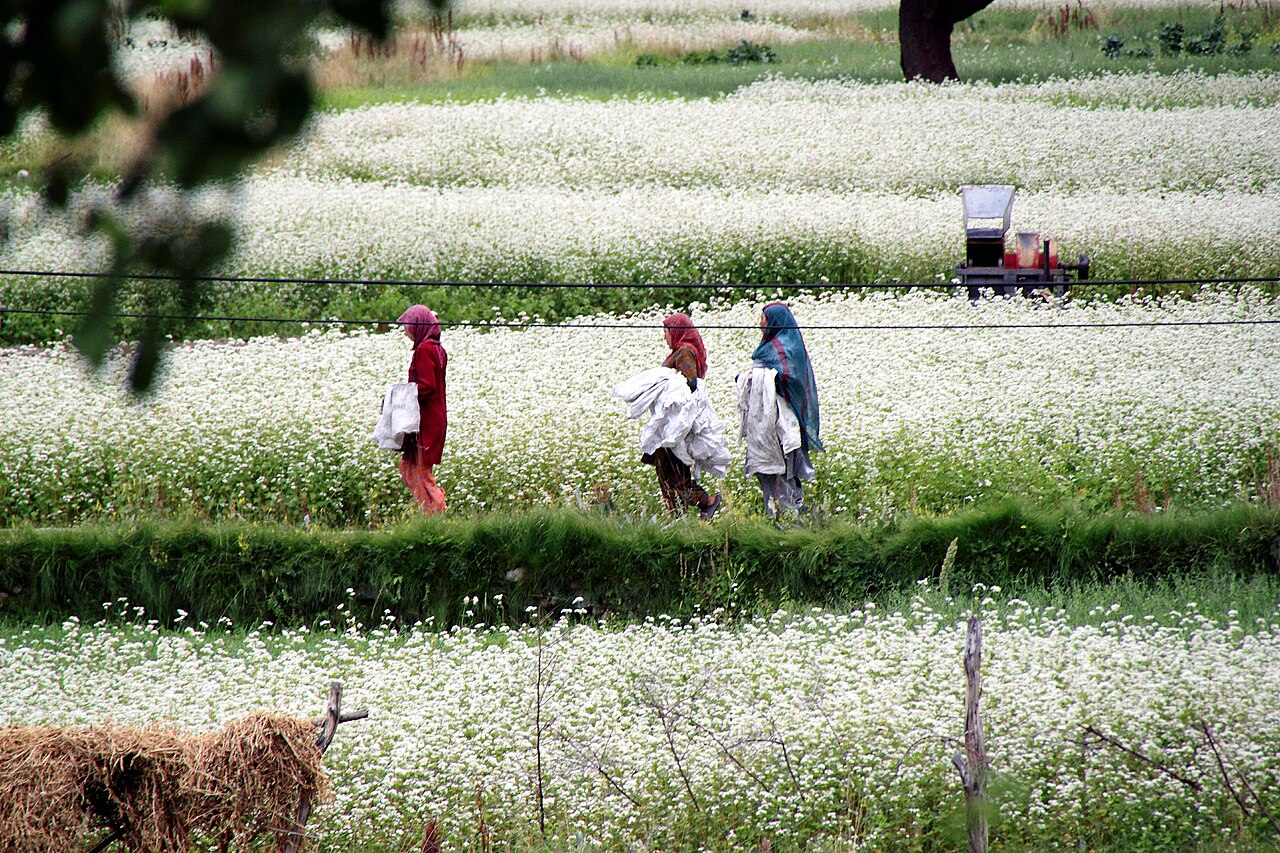
Around 4:00 PM, make the short trip to the border village of Thang. This is the closest point you can get to the Line of Control. The perspective here is different—you are looking across at mountains that hold decades of complex history.
The view is expansive and quiet. It is a place for reflection. Stay until the sun begins to drop behind the peaks, which casts a long, sharp shadow across the valley floor. It is perhaps the most profound part of the entire trip, providing a sense of scale that you cannot get anywhere else.
Returning to Nubra or Staying Overnight
By 5:30 PM, you need to start thinking about your next move. If you are staying the night, you have the luxury of dinner under the stars, which are incredibly bright here due to the lack of light pollution. If you are heading back, be prepared for a drive that will feel significantly different in the dark.
Driving the Shyok road at night is not something I recommend unless your driver is local and has years of experience. We usually suggest to our guests that they book an overnight stay in a local homestay. It changes the entire experience from a transit visit to an immersive one.
Before you book
A day in Turtuk stays with you long after the dust of the road has settled. It is a quiet place that demands your attention and rewards you with a glimpse into a way of life that remains resilient despite the isolation.
If you need help building this into your broader Ladakh itinerary, we have the connections to make it happen. Reach out and let us help you map it out.
Want help with your itinerary?
We specialize in creating balanced Ladakh itineraries that include enough time in places like Turtuk. Contact us to start refining your trip plan.
Contact UsWritten by
Kashmir, Jammu & Ladakh specialists
We plan and run trips across Kashmir, Jammu and Ladakh every week of the year. Everything here comes from routes we drive, stays we inspect and questions our travellers actually ask.
Quick answers
Questions we get asked
Is one day enough for Turtuk?
It is enough to see the village, but it feels rushed. If you can, stay one night to appreciate the silence and the evening atmosphere.
Are there restaurants in Turtuk?
There are small cafes and guesthouses that serve simple local Balti food. Don't expect large menus; usually, it is dal, rice, or local bread.
Do I need a guide to walk around the village?
You can explore on your own, but a local guide can help explain the architecture and the history of the houses, which you might miss otherwise.
Can I buy souvenirs in Turtuk?
You can find local apricot products, such as dried apricots and apricot oil, which are excellent and support the local farmers.
Is there electricity in the village?
There is a power supply, but it is intermittent. Carry a power bank and don't rely on being able to charge your devices constantly.
Photography credits
- Photo: Fulvio Spada from Torino, Italy · CC BY-SA 2.0
- Photo: KartikiGonsalves · CC BY-SA 4.0
- Photo: Tseringangchuk502 · CC BY 4.0
- Photo: Rajnish71 · CC BY-SA 4.0
- Photo: Fulvio Spada from Torino, Italy · CC BY-SA 2.0
- Photo: Elroy Serrao · CC BY-SA 2.0
- Photo: Fulvio Spada from Torino, Italy · CC BY-SA 2.0