Your 5-Day Amarnath Yatra Package Itinerary
Looking for a structured route? We break down a 5-day amarnath yatra itinerary to help you pace your journey from Srinagar to the cave.
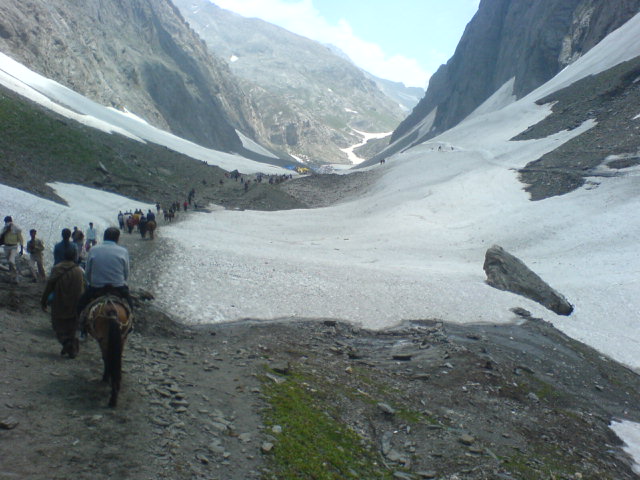
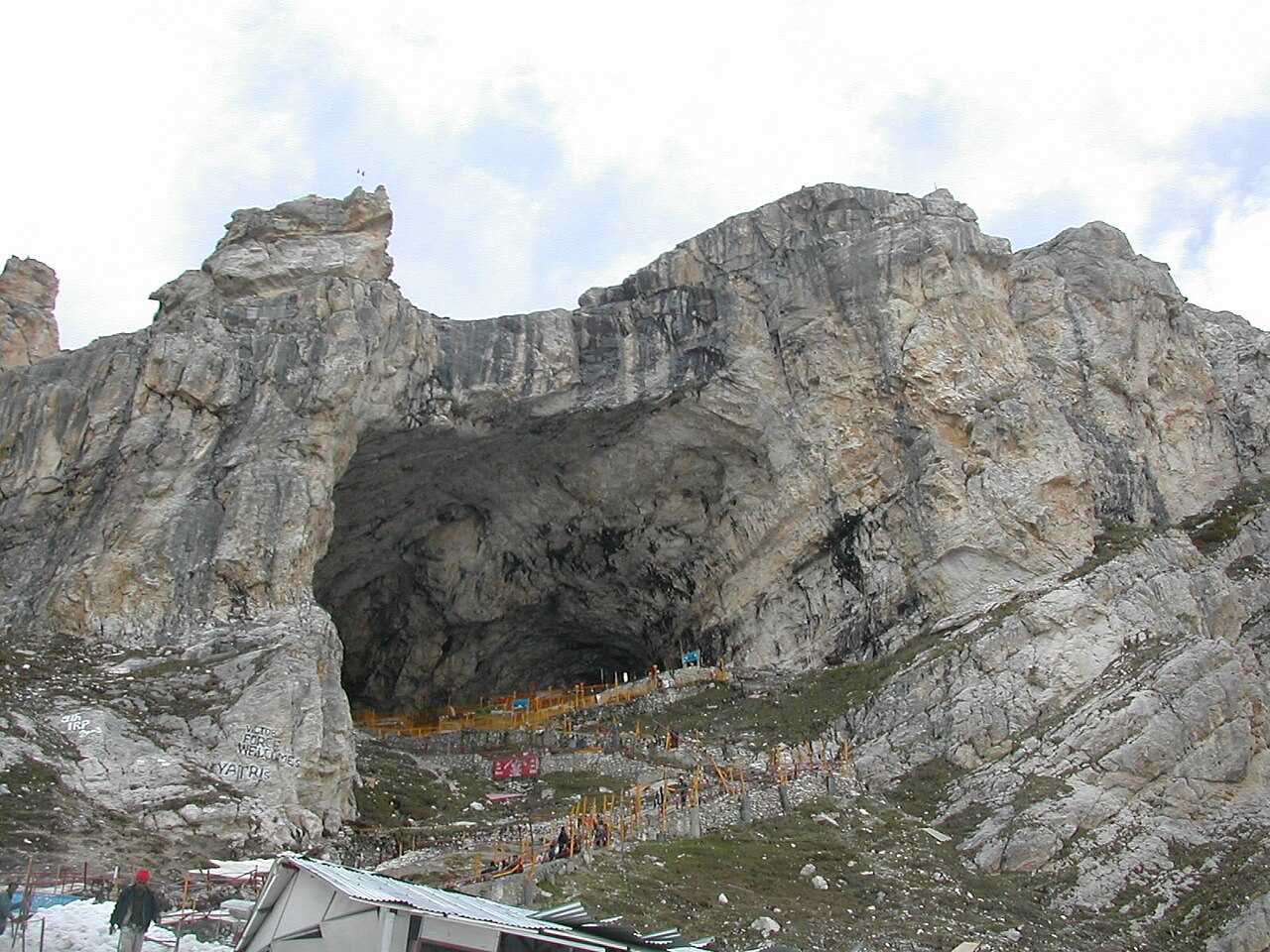
The journey involves long days of trekking through high-altitude terrain.Photo: AshuGarg · CC BY-SA 4.0
I often see people trying to sprint through their pilgrimage in three days, only to find themselves breathless and exhausted before they even reach the cave. A 5-day amarnath yatra itinerary is the sweet spot. It gives you the necessary time to let your lungs adjust to the thin mountain air and allows for the inevitable delays that happen in the high Himalayas.
The route via Baltal is the most efficient for this timeframe. It is steep, but it moves you through the mountain landscape with a clear beginning and end. Here is how we structure these five days for our clients to maximize both safety and spiritual focus.
Arrival and Acclimatization in Srinagar
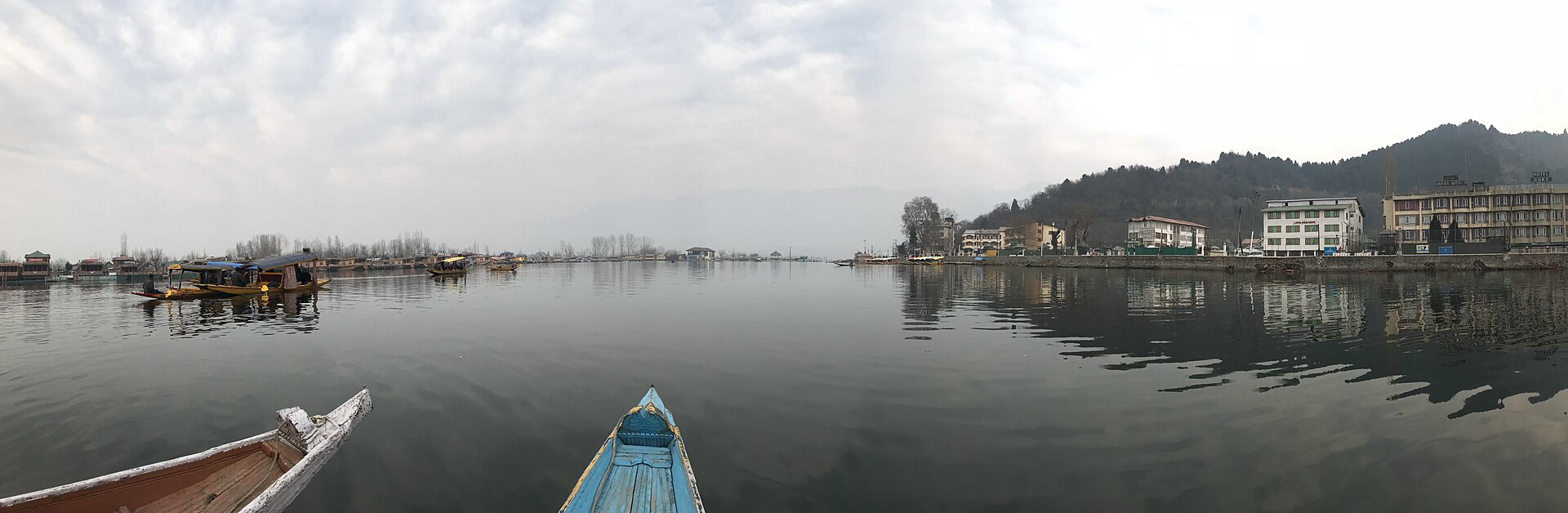
Day one is for Srinagar. Do not skip this. Your flight lands, you drop your bags, and you rest. Use this time to buy any missing gear and, more importantly, to verify your registration papers. I always take a walk by the Dal Lake to clear my head; the relative low altitude of the valley is essential for those few hours of rest before the climb.
Stay hydrated and avoid heavy meals. Your body is about to undergo a significant physical challenge, so treat the first day as an essential period of preparation.
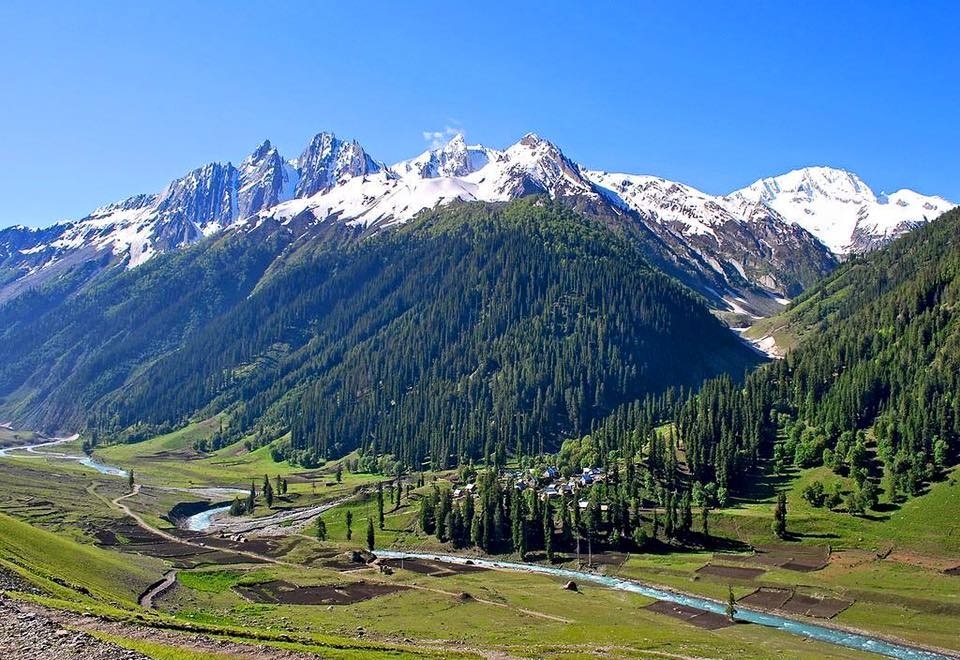
Journey to the Base Camp
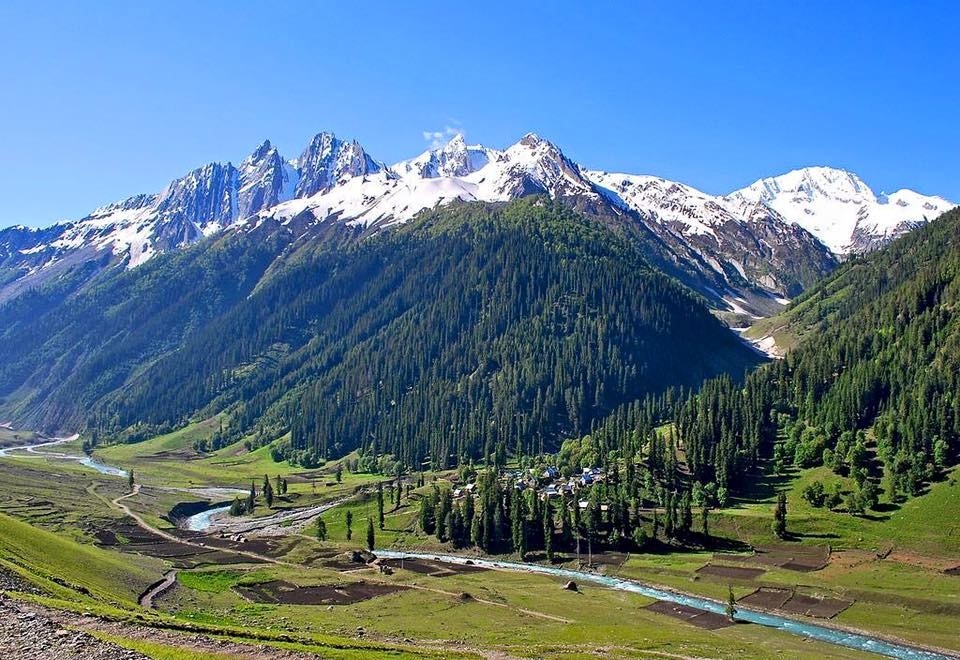
Day two involves the drive to the Baltal or Sonmarg base camp. The road winds through stunning scenery, but it can be slow due to traffic. By the time you reach the camp, the air will be significantly crisper.
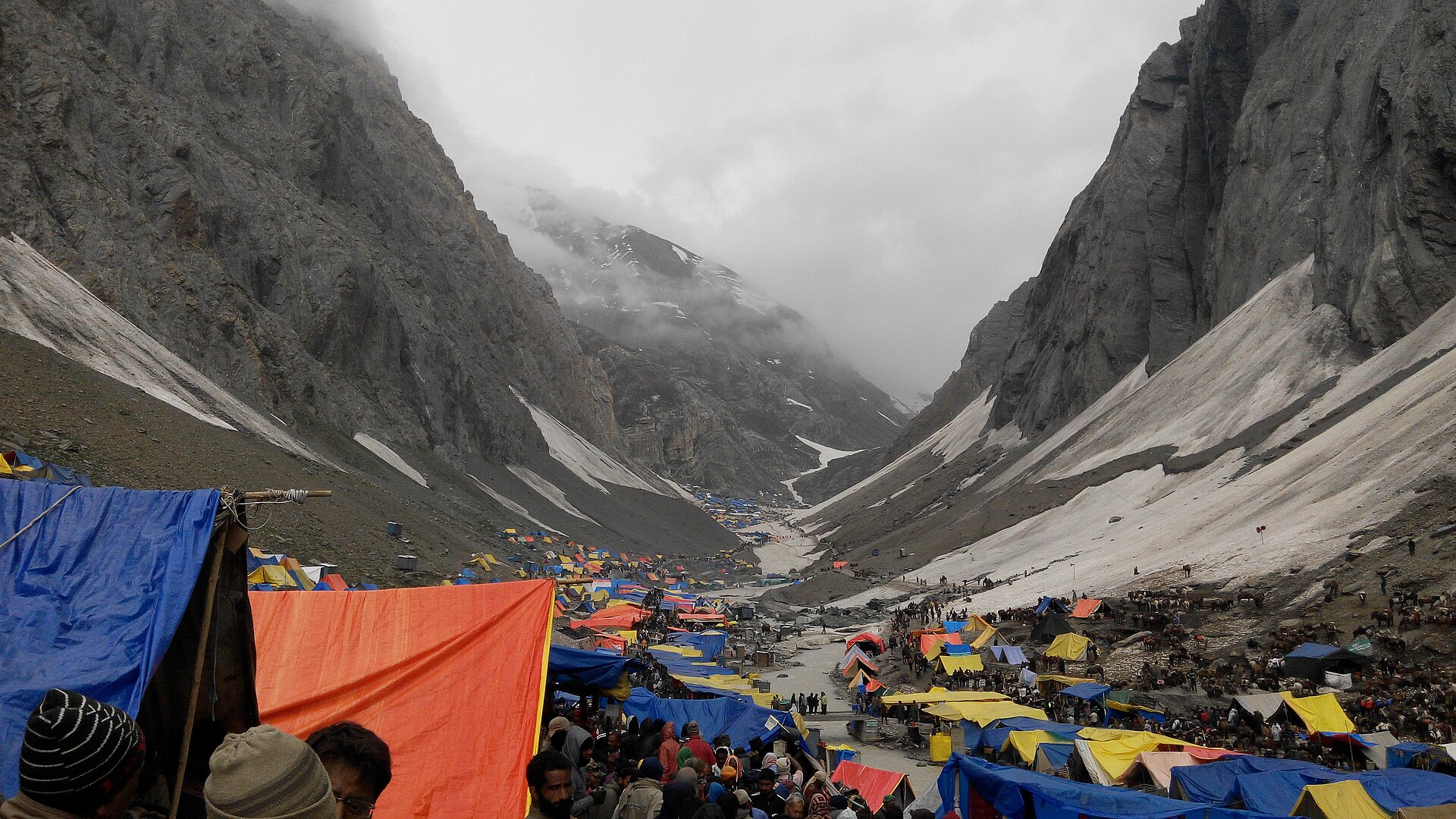
Check into your tented accommodation immediately upon arrival. Take another afternoon to walk around the base camp at a slow pace. You are now at a higher elevation, and your goal for the rest of the day is simply to stay stable and keep your energy levels up for the next day.
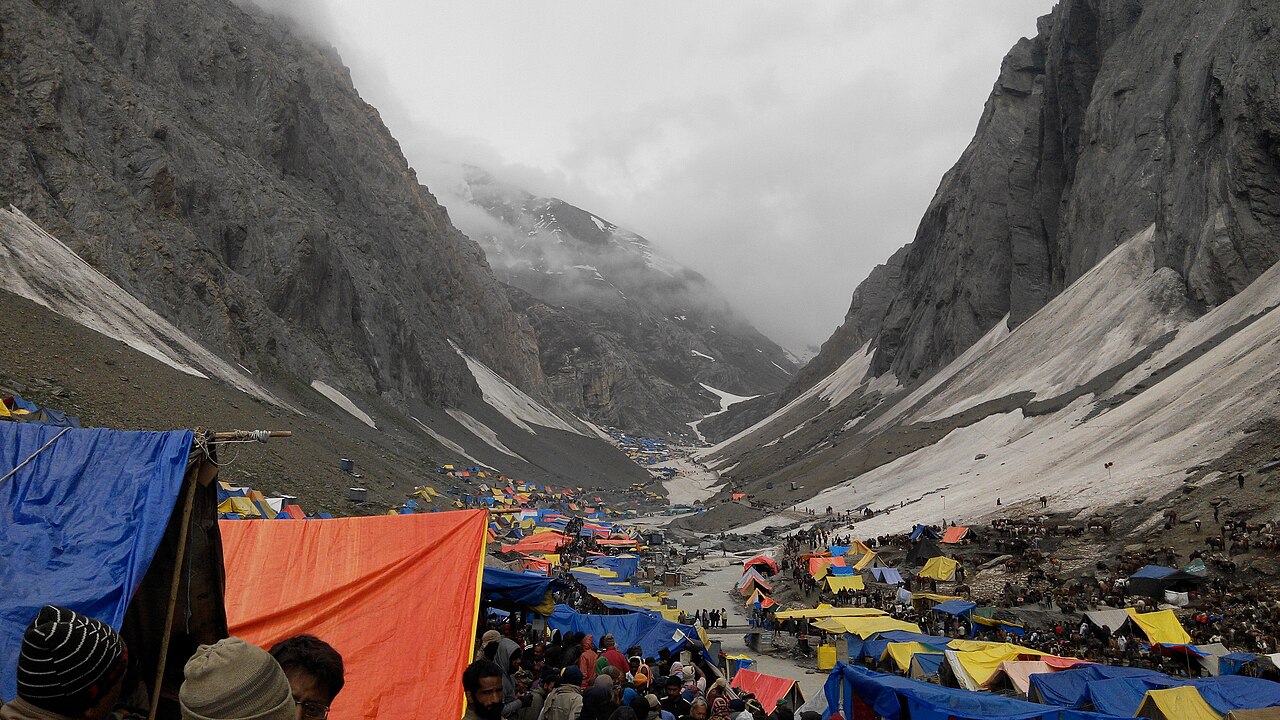
The Trekking Days: Milestones and Rest Stops
Day three is your ascent toward the cave. Whether you are trekking or using a pony, it is a long, arduous day. The trail from Baltal is steep and demanding. You will pass several points where the path narrows, so be patient and follow your guide's instructions.
We usually aim to reach the Panjtarni camp by the late afternoon. It is the last major stop before the final approach to the cave. The beauty here is stark, and the sheer number of pilgrims moving in silence toward the same goal creates an atmosphere you won't find anywhere else.
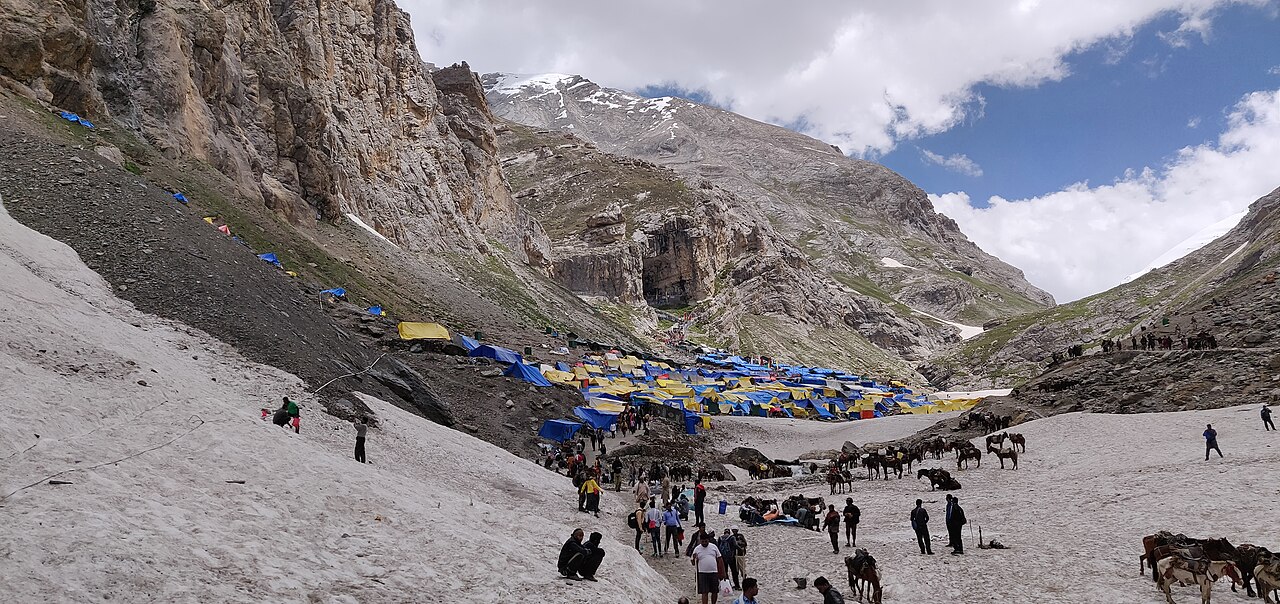
Darshan and Return Logistics
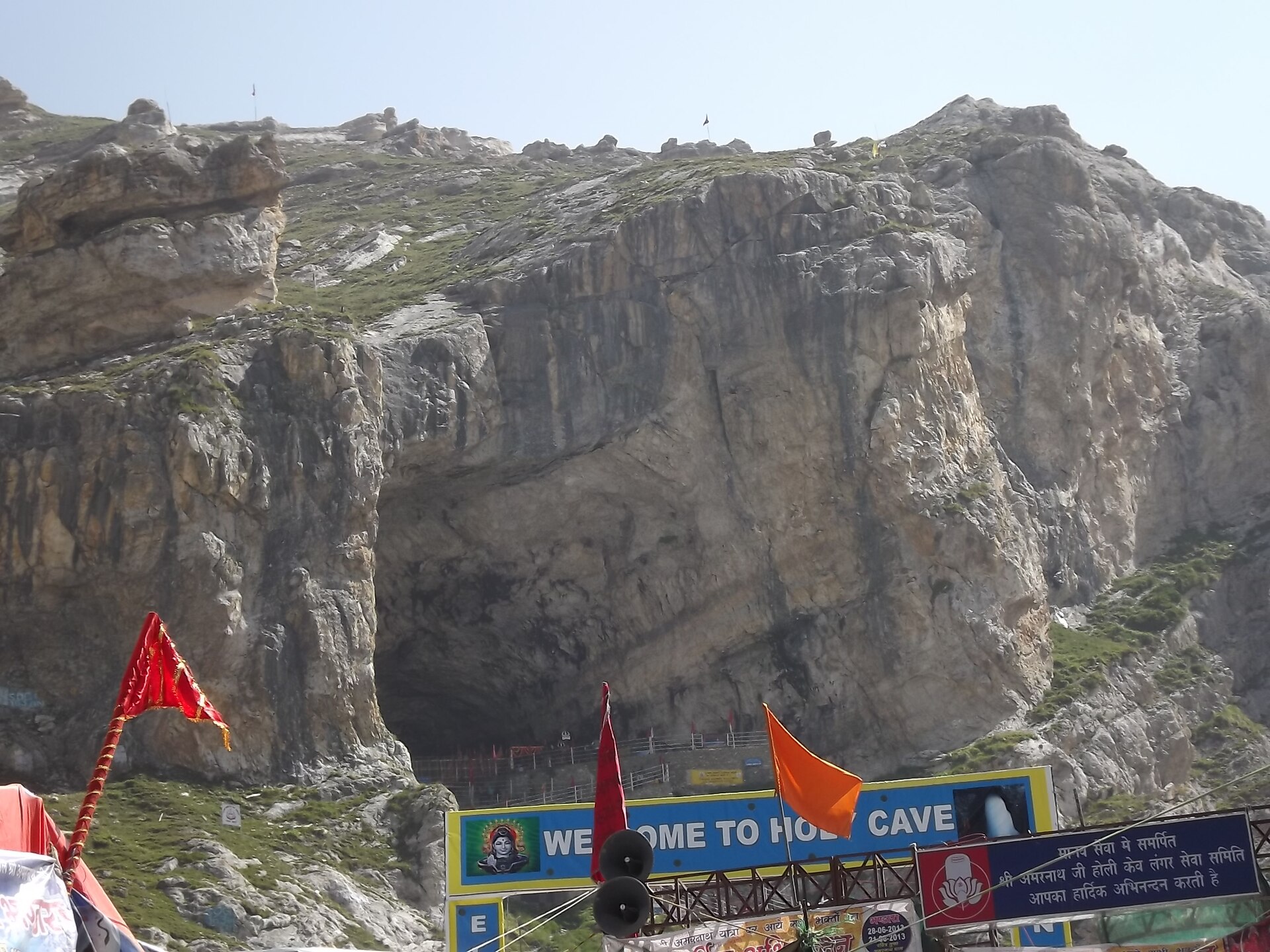
Day four is the summit day. You wake up long before dawn to make the final push to the Amarnath cave for Darshan. The energy of the crowd is intense, and the wait to enter can be long, so keep your water and snacks handy.
After the Darshan, you begin the descent. Do not rush. Knees take a beating on the way down, and the trail can be slippery. Returning to the base camp is a relief, and you will likely spend your final night in the mountains, tired but accomplished.
Why a Structured Itinerary Ensures Safety
The biggest mistake is having no plan. By breaking the journey into these segments, you force yourself to account for the altitude. A 5-day itinerary isn't about moving slowly; it's about moving intelligently.
On day five, you head back down to Srinagar. You will be tired, but having a transport plan confirmed means you aren't fighting for a cab when your legs are already exhausted. A structured plan is your best safety device.
Before you book
Following a set plan allows you to focus on the significance of the pilgrimage. Don't leave your route to chance; a good itinerary is the backbone of a successful Yatra.
If you are ready to start planning your specific 2026 route, reach out to us. We can help you build an itinerary that fits your fitness level and your schedule.
Planning your Yatra route?
We specialize in crafting 5-day itineraries that prioritize your safety and pacing.
Speak with an ExpertWritten by
Kashmir, Jammu & Ladakh specialists
We plan and run trips across Kashmir, Jammu and Ladakh every week of the year. Everything here comes from routes we drive, stays we inspect and questions our travellers actually ask.
Quick answers
Questions we get asked
Is 5 days enough for the Amarnath Yatra?
Yes, 5 days is a perfect, balanced timeframe that allows for travel, acclimatization, the trek, the Darshan, and the return trip without rushing excessively.
Can I do the Yatra in fewer days?
You can, but it significantly increases your risk of altitude sickness and exhaustion. We strongly recommend at least 5 days for a safer experience.
What is the hardest part of this itinerary?
The trek from Baltal toward the higher camps is physically the most challenging section due to the incline and the thinning air.
Do I need to carry all my luggage during the trek?
No, you should only carry a small daypack with essentials. You can leave your main luggage at your base camp in Srinagar or at the secure cloakroom at the Baltal base camp.
What happens if I feel sick on day three?
Your guide will assess your condition. It is common practice to stay an extra night at the base camp to let your body adjust before attempting the final climb.
Photography credits
- Photo: AshuGarg · CC BY-SA 4.0
- Photo: Slyronit · CC BY-SA 4.0
- Photo: Biswarup Bhattacharjee · CC BY-SA 4.0
- Photo: Spsarvana · CC BY-SA 4.0
- Photo: Ckbmohankumar · CC BY-SA 4.0
- Photo: Gktambe at English Wikipedia · Public domain
- Photo: Unknown author Unknown author · Public domain