The Best Time to Visit Amarnath Cave: A Seasonal Guide
Navigating the narrow summer window when the mountain paths melt enough for the sacred pilgrimage.
A practical seasonal breakdown for planning your journey to the high-altitude Amarnath Cave shrine.
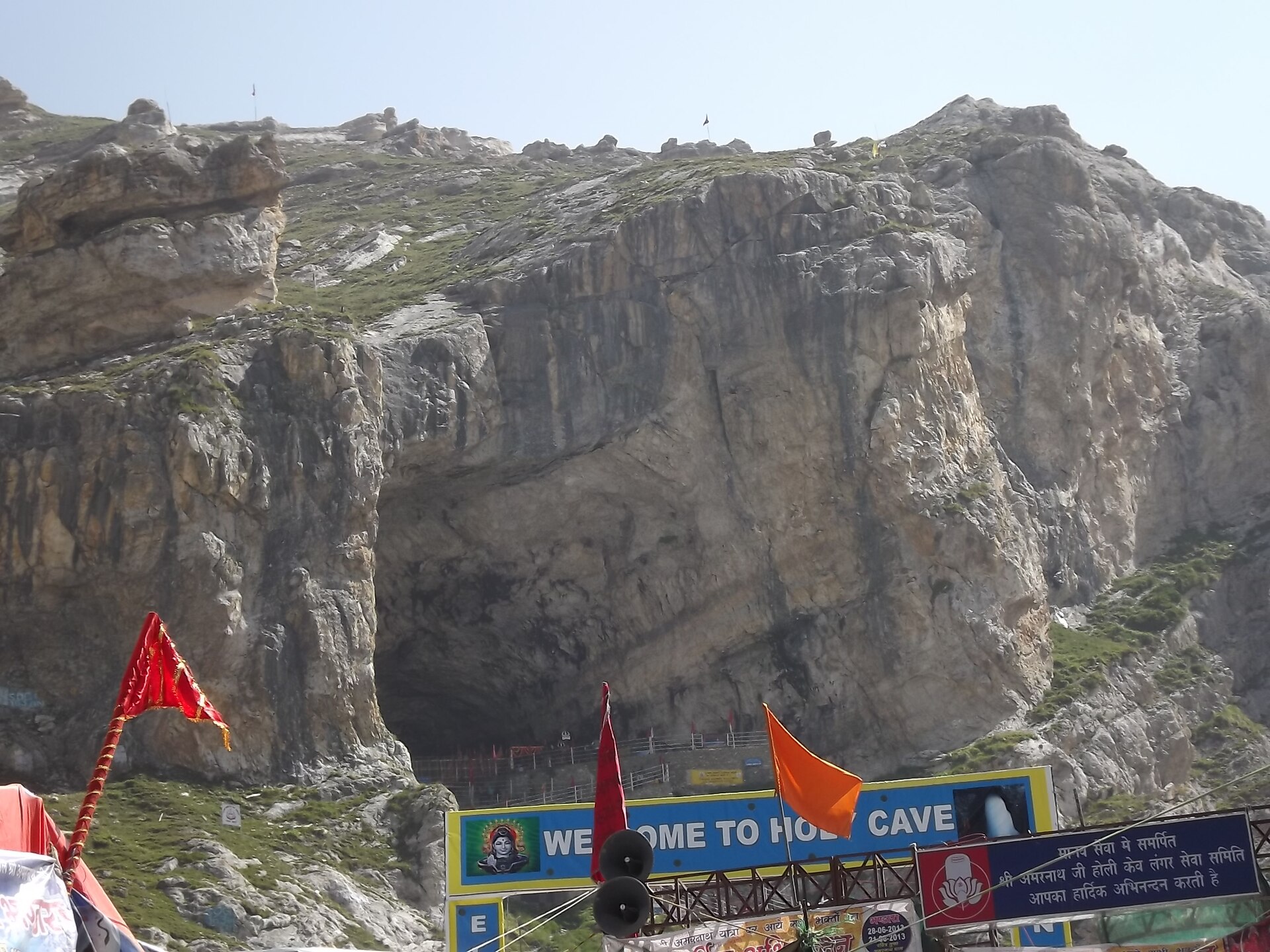
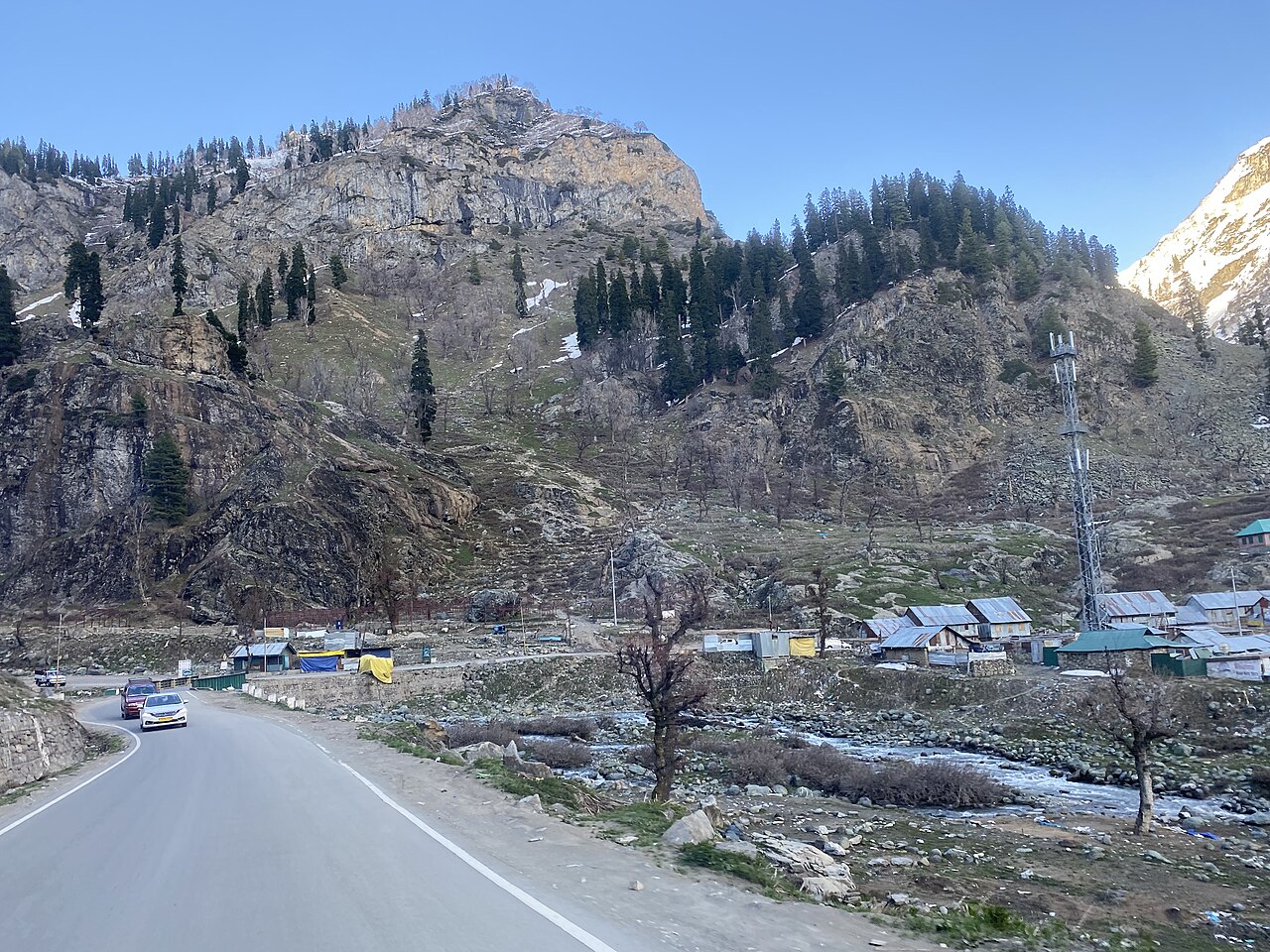
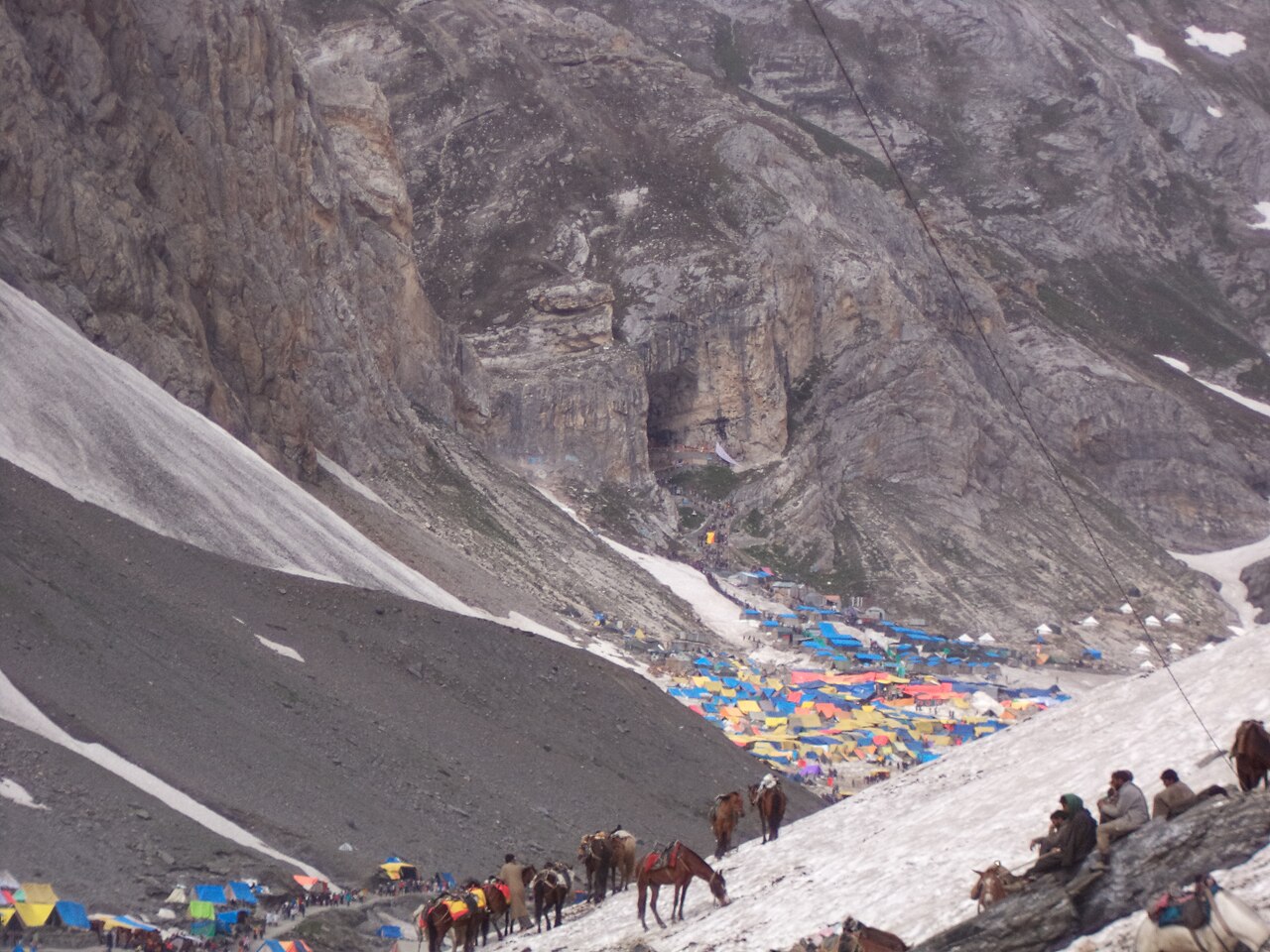
The high-altitude landscape remains wrapped in snow and glacial ice for most of the year.Photo: Guptaele · CC BY-SA 4.0
Standing outside the limestone cavity at 3,888 metres while fresh July sleet rattles against your nylon tent has a way of resetting your perspective on mountain weather. You do not plan a journey here based on holiday brochures or resort opening dates. You plan it around the unyielding calendar of Himalayan snowmelt.
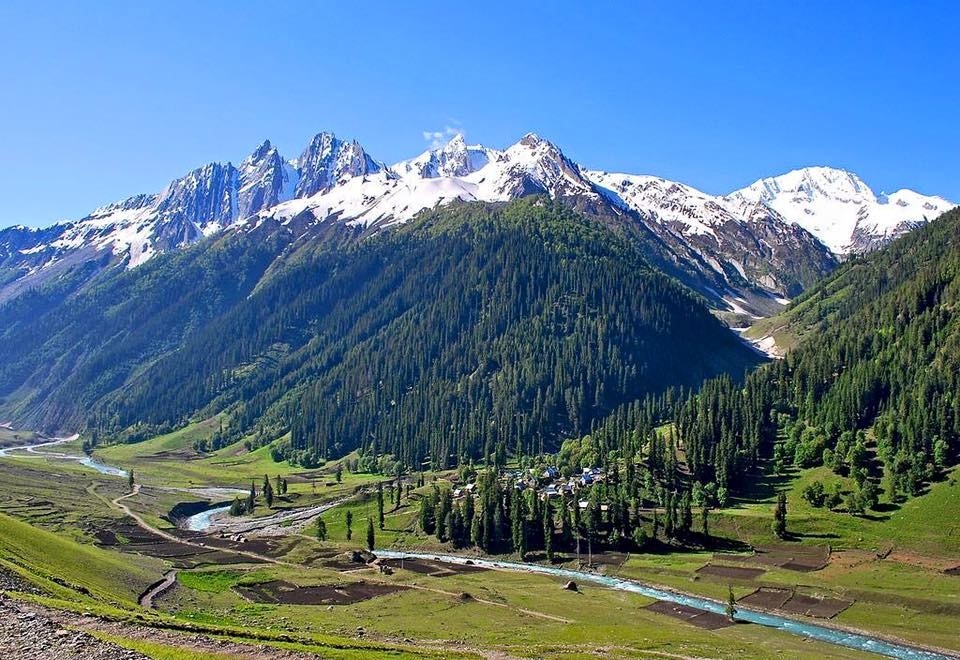
Pinpointing the best time to visit amarnath cave requires understanding that the shrine is completely inaccessible for nine months of the year. Deep snow drifts block the mountain passes, and sub-zero winter temperatures make the upper Lidder valley a frozen wasteland. The gates open only during the peak of summer, typically spanning thirty to sixty days between June and August.
We assist hundreds of pilgrims and trekkers through this window every season. The timing shifts slightly each year based on lunar calendars and PWD snow clearance reports, making preparation an exercise in careful flexibility.
Understanding the strict Yatra season window
The annual pilgrimage is not an open-ended tourist activity. The Shri Amarnathji Shrine Board coordinates dates that usually coincide with the Hindu lunar month of Shravan, typically running from late June to August. Trying to trek up to the cave outside this official window is both dangerous and prohibited by local security forces.
Snow bridges over glacial streams remain dangerously unstable in May and early June. By September, the first winter storms begin rolling over the upper ridges, dropping fresh powder that traps unwary travellers. That leaves a very narrow, high-stakes summer corridor for the journey.
When clients ask us about scheduling, we always advise keeping a three-day buffer around your actual travel dates. Flight delays in Srinagar or sudden weather blockades on the transit routes are common occurrences during monsoon season.
- Official pilgrimage window lasts 30 to 60 days in peak summer.
- Dates are set annually according to the Hindu lunar calendar.
- Pre-season trekking is blocked by deep snow and unstable ice bridges.
- Post-season brings sudden freezing temperatures and early blizzards.
Weather patterns and temperature swings at 3,888 metres
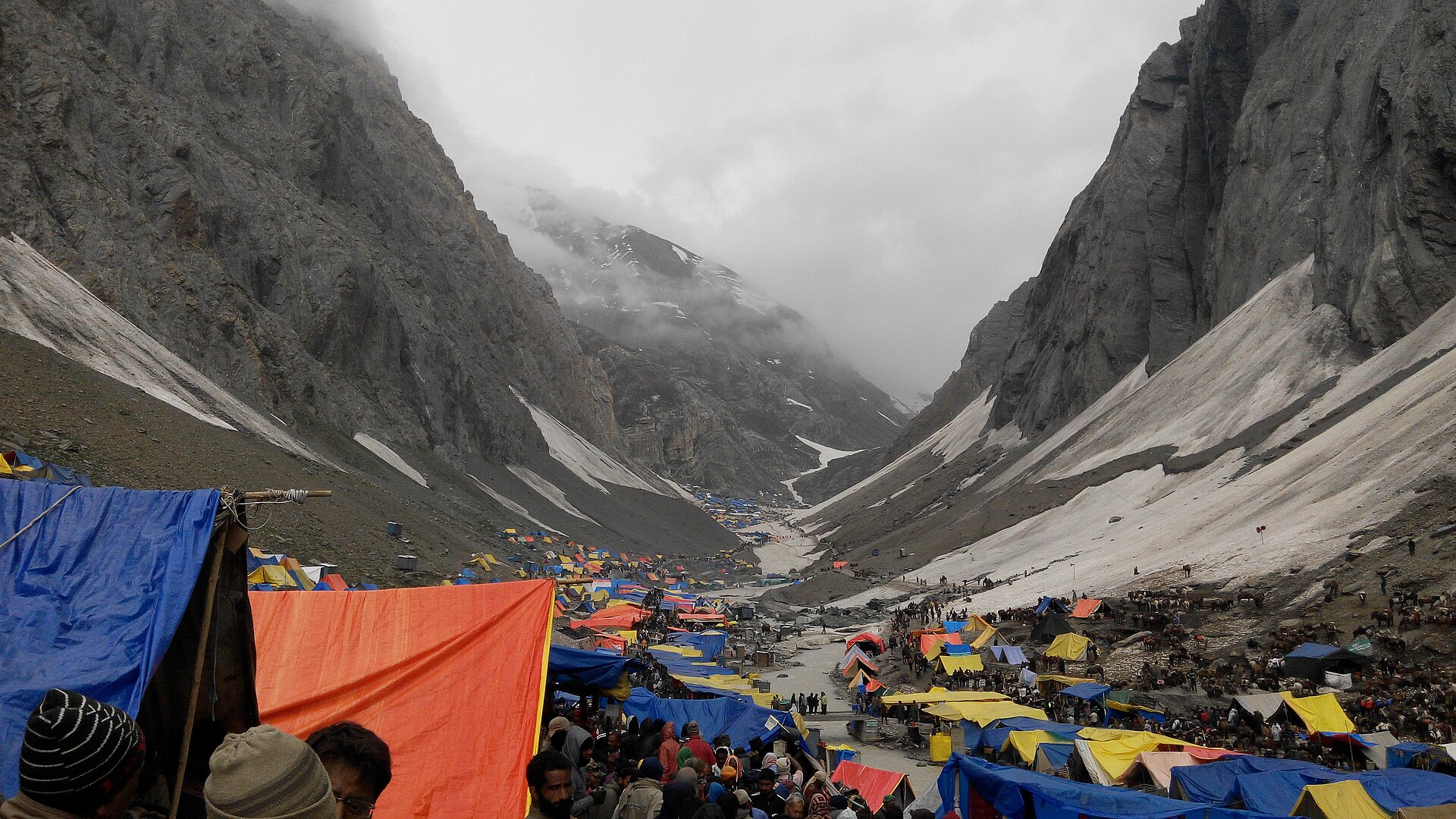
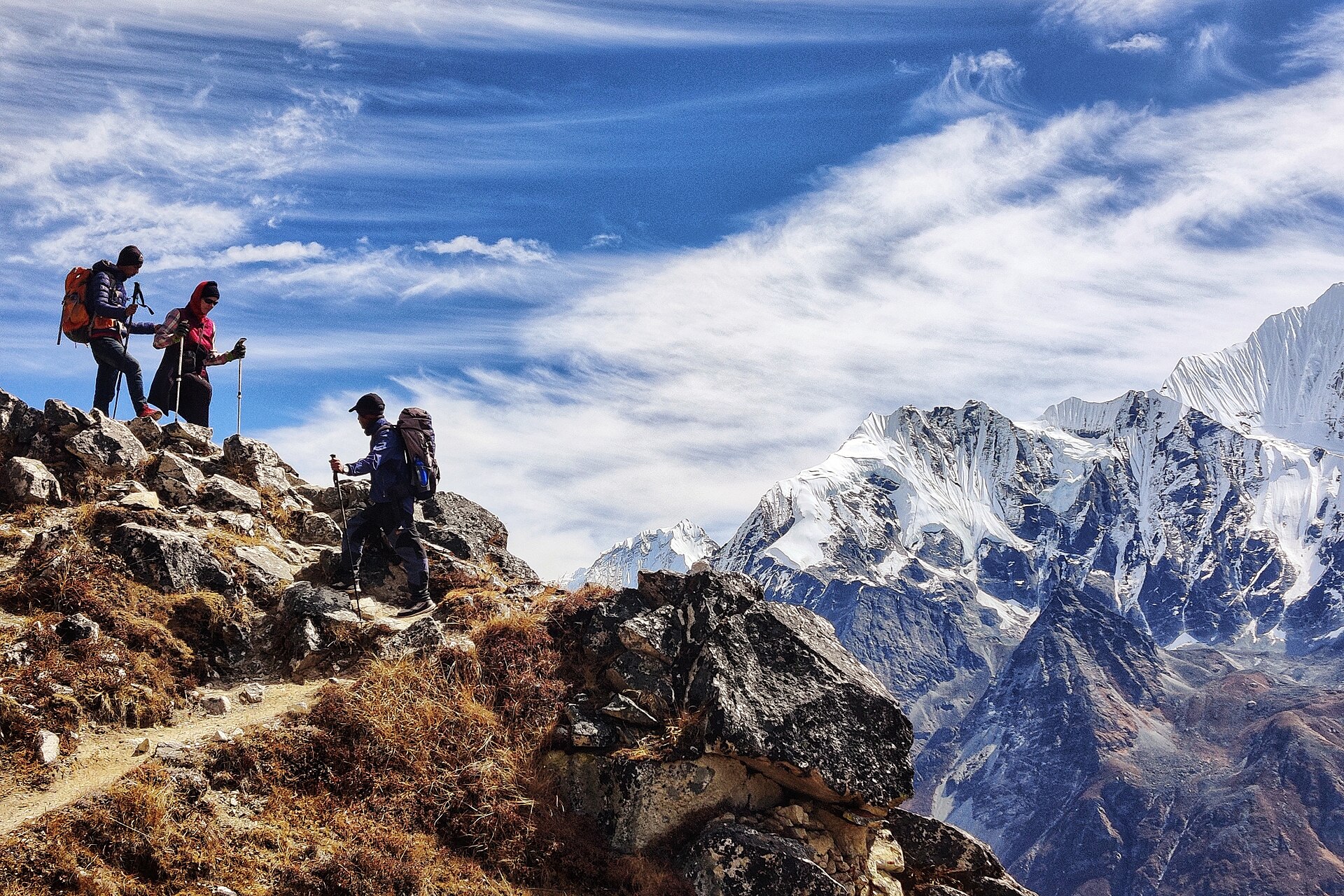
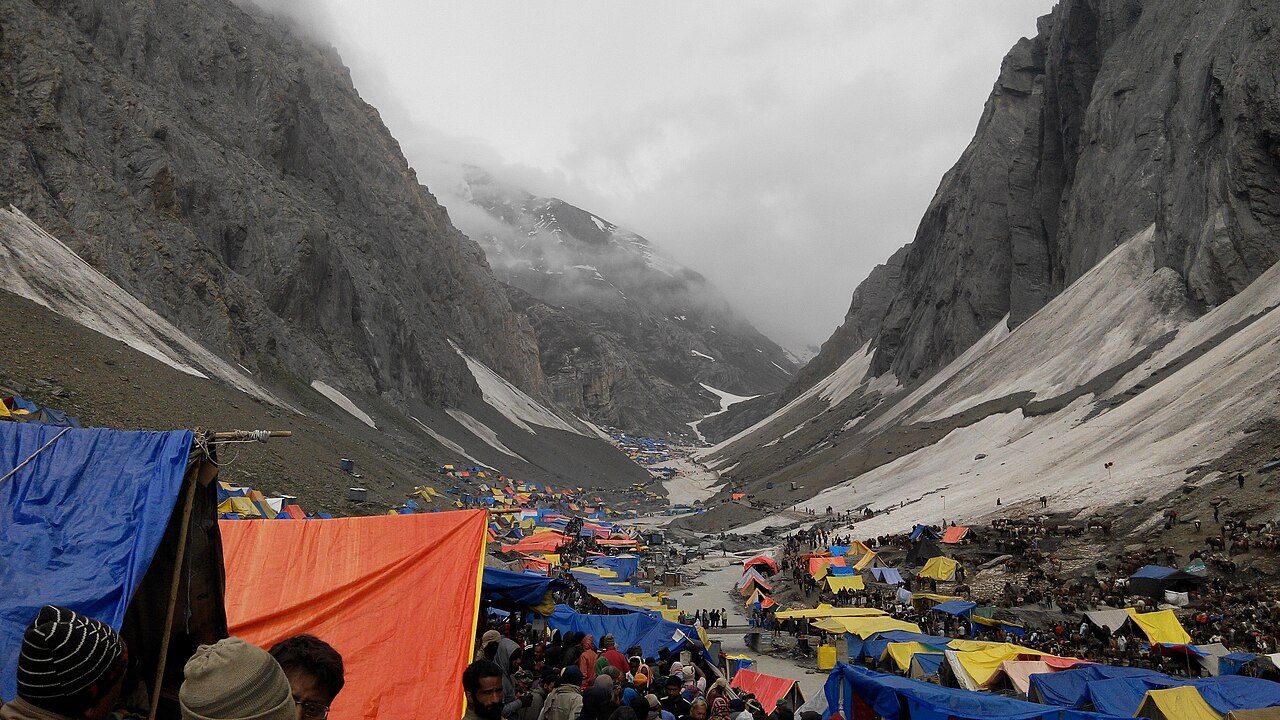
The climate at the cave defies simple categorization. You can start a morning trek from Chandanwari under clear blue skies, sweating in a light fleece, only to experience freezing rain, howling winds, and sudden fog by the time you reach Panchtarni in the afternoon.
Daytime temperatures in July hover around 10 to 15 degrees Celsius if the sun is out, but the moment a cloud covers the peaks or the sun sets behind the ridge, the thermometer plunges well below freezing. Glacial winds funneling through the gorge bite right through standard clothing.
Packing requires a strict layering system. A waterproof outer shell is non-negotiable, as is heavy thermal wear and proper mountain footwear with deep treads to handle wet, muddy paths.
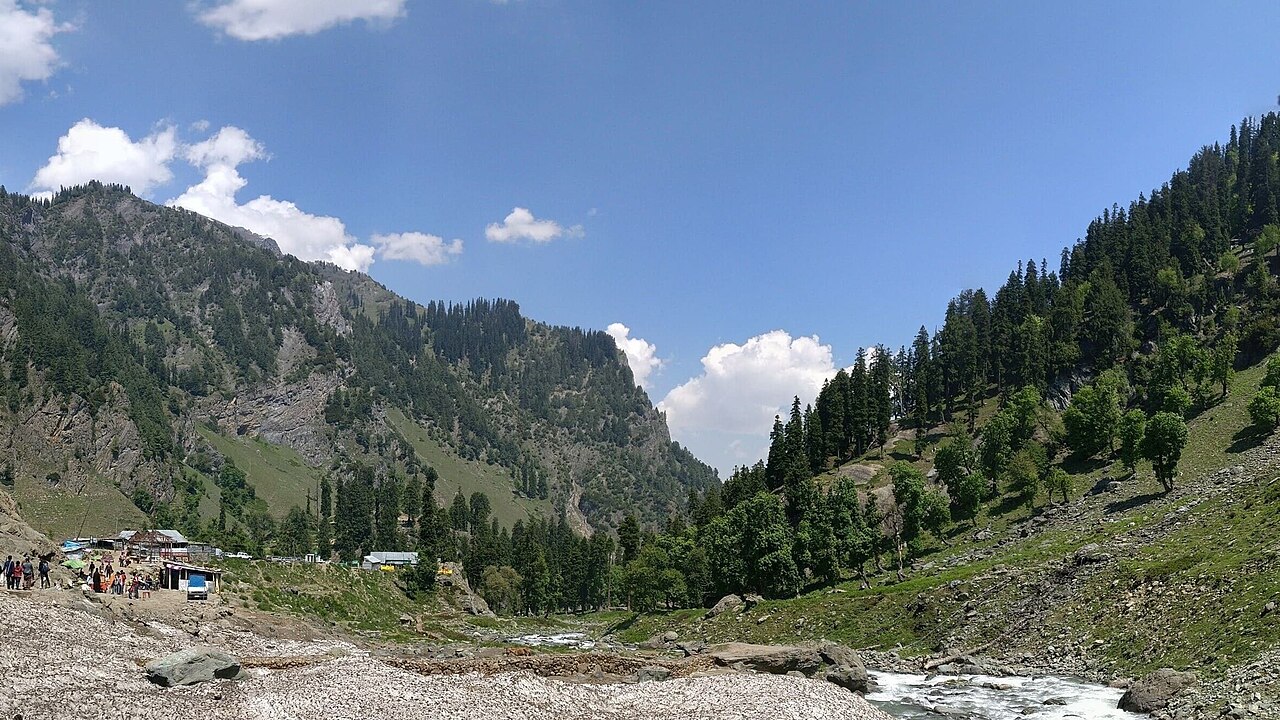
Pinpointing the best time to visit amarnath cave requires understanding that the shrine is completely inaccessible for nine months of the year.
Why annual dates shift according to lunar cycles
Unlike standard tourist spots that operate on fixed calendar months, the Amarnath Yatra schedule is tethered to the Hindu lunar calendar, specifically starting on Guru Purnima and concluding on Shravan Purnima (Raksha Bandhan).
This means the exact weeks shift slightly year-on-year by the Gregorian calendar. Some years the pilgrimage begins in late June, while in other years it starts in mid-July. Always verify the official notification before booking non-refundable flights.
The condition of the ice lingam inside the cave also depends on these dates. Earlier in the season, the ice formation is usually larger and more solid; by late August, warmer summer temperatures often cause the natural formation to melt significantly.
Preparing for different seasonal conditions on the trail
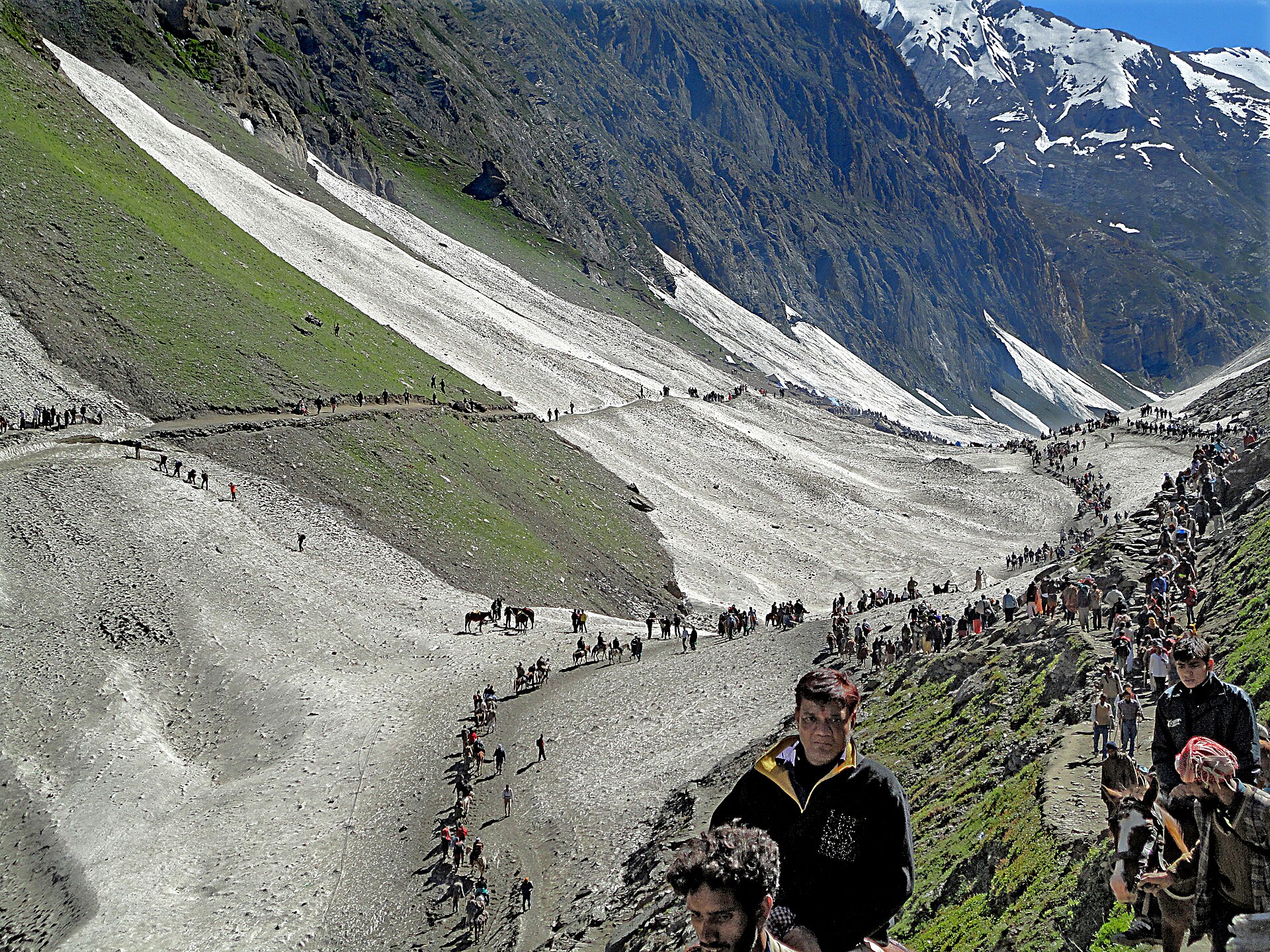
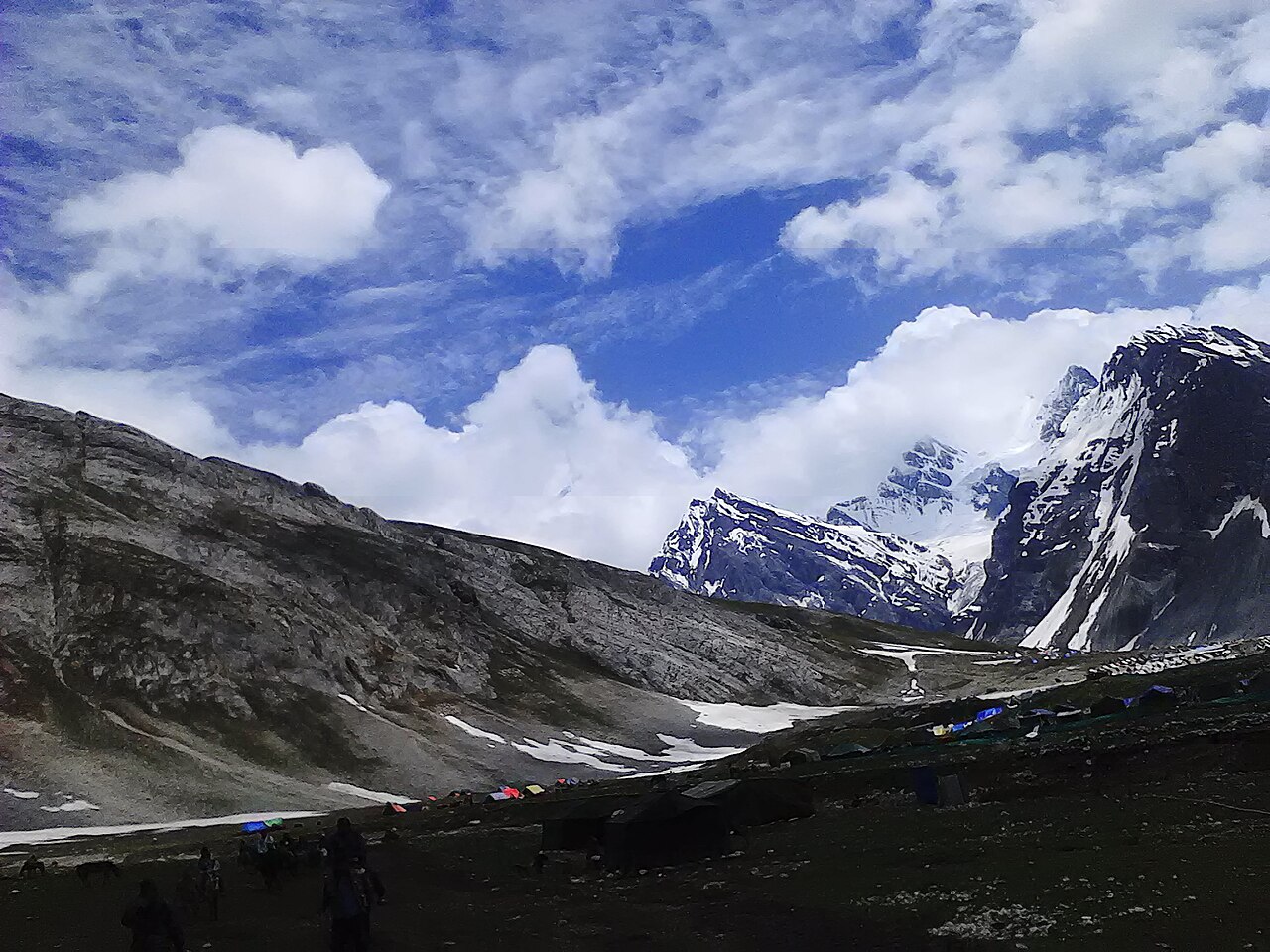
No two days on the mountain are identical, and your preparation must account for the full spectrum of high-altitude weather. Heavy downpours turn the pony tracks into thick, slippery mud, while bright midday sun at high elevation can cause severe sunburn without proper protection.
Hydration is tricky in cold weather because you rarely feel thirsty, but dry mountain air dehydrates you rapidly. Carrying a thermos of warm water and high-energy dry fruits is essential for maintaining stamina during the steep climbs.
Tents and resting camps along the route are set up by local authorities and charitable organizations, providing basic shelter, hot meals, and medical aid stations at regular intervals.
Handling heavy monsoon rains on lower tracks
Lower sections passing through Pahalgam and Sonmarg experience heavy rain during the summer monsoon months. Good rain gear and waterproof backpack covers are absolute necessities.
Managing intense UV exposure at high elevation
Thin mountain air filters very little ultraviolet radiation. Polarized sunglasses, broad-brimmed hats, and high-SPF sunscreen prevent painful burns on exposed skin.
Tips for navigating the high-altitude climate safely
Altitude sickness is the single biggest threat to travellers on this route. It does not care about your age, gym fitness, or previous trekking experience; it strikes randomly when the body fails to adjust to the drop in atmospheric pressure.
Ascend gradually. Spend at least two nights acclimatizing in Pahalgam or Sonmarg before attempting the steeper climbs towards Sheshnag and the cave. Listen to your body, and do not ignore persistent headaches, nausea, or dizziness.
If symptoms worsen, descend immediately. Medical response teams stationed along the tracks are equipped with oxygen cylinders and emergency evacuation protocols.
Before you book
Timing your journey to the high-altitude shrine requires respect for the mountain's rules. By aligning your travel with the official summer window and packing for erratic weather, you ensure a safe and memorable pilgrimage.
Preparation is everything when heading into the upper Himalayas. Take your time, respect the altitude, and let the majesty of the high mountain passes unfold at their own pace.
Need help planning your Yatra logistics?
Our team assists with registrations, permits, local transport, and acclimatization schedules to make your pilgrimage smooth and secure.
Speak with our Yatra specialistsCaption for your own post
Limestone caves at 3,888 metres, sudden summer snow flurries, and ancient trails. Here is what you need to know about timing your Amarnath journey.
Written by
Kashmir, Jammu & Ladakh specialists
We plan and run trips across Kashmir, Jammu and Ladakh every week of the year. Everything here comes from routes we drive, stays we inspect and questions our travellers actually ask.
Written from firsthand experience managing high-altitude logistics and supporting travellers through unpredictable Himalayan weather.
Quick answers
Questions we get asked
Can I visit Amarnath Cave in September or October?
No, the official pilgrimage concludes in August. Visiting after this period is dangerous due to early snowfall, freezing temperatures, and the withdrawal of medical and security camps.
What is the typical daytime temperature at the cave in July?
Daytime temperatures usually range between 5 and 15 degrees Celsius under clear skies, dropping below freezing as soon as the sun goes down or storms roll in.
Why do the pilgrimage dates change every year?
The schedule is tied to the Hindu lunar calendar, beginning on Guru Purnima and ending on Shravan Purnima, which shifts relative to the standard Gregorian calendar.
Is it better to travel in June or August?
June offers a more robust ice lingam inside the cave, while August often sees slightly warmer weather, though late-season melt reduces the size of the ice formation.
Photography credits
- Photo: Guptaele · CC BY-SA 4.0
- Photo: Prabeshsdev · CC BY-SA 4.0
- Photo: Vinayaraj · CC BY-SA 4.0
- Photo: Photos Worldwide · CC0
- Photo: Rushi Mehta · CC BY 3.0
- Photo: Kasisripada17 · CC BY-SA 4.0
- Photo: Spsarvana · CC BY-SA 4.0