A Guide to the Amarnath Yatra Route
Understanding the paths to the shrine.
A detailed look at the primary trekking paths for the Amarnath Yatra. We explore the Pahalgam and Baltal routes to help you plan your journey.
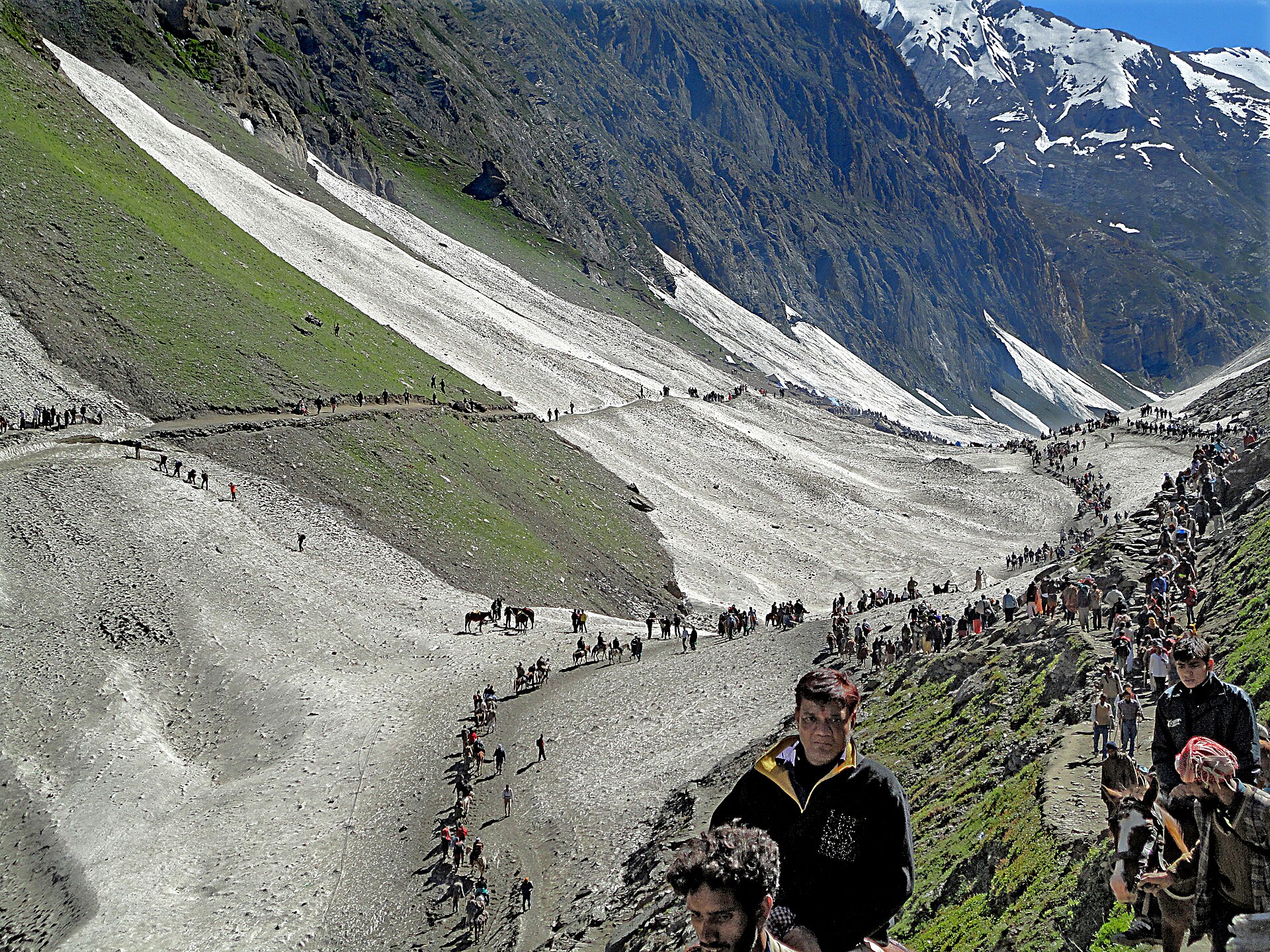
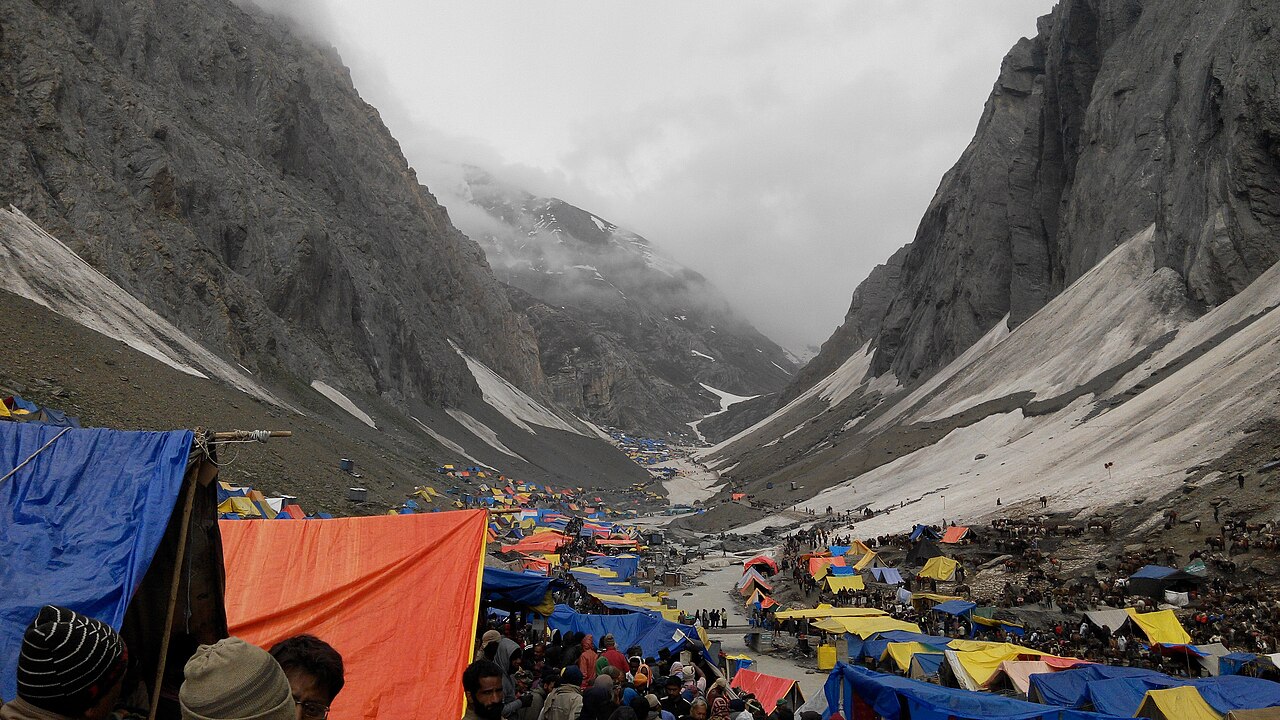
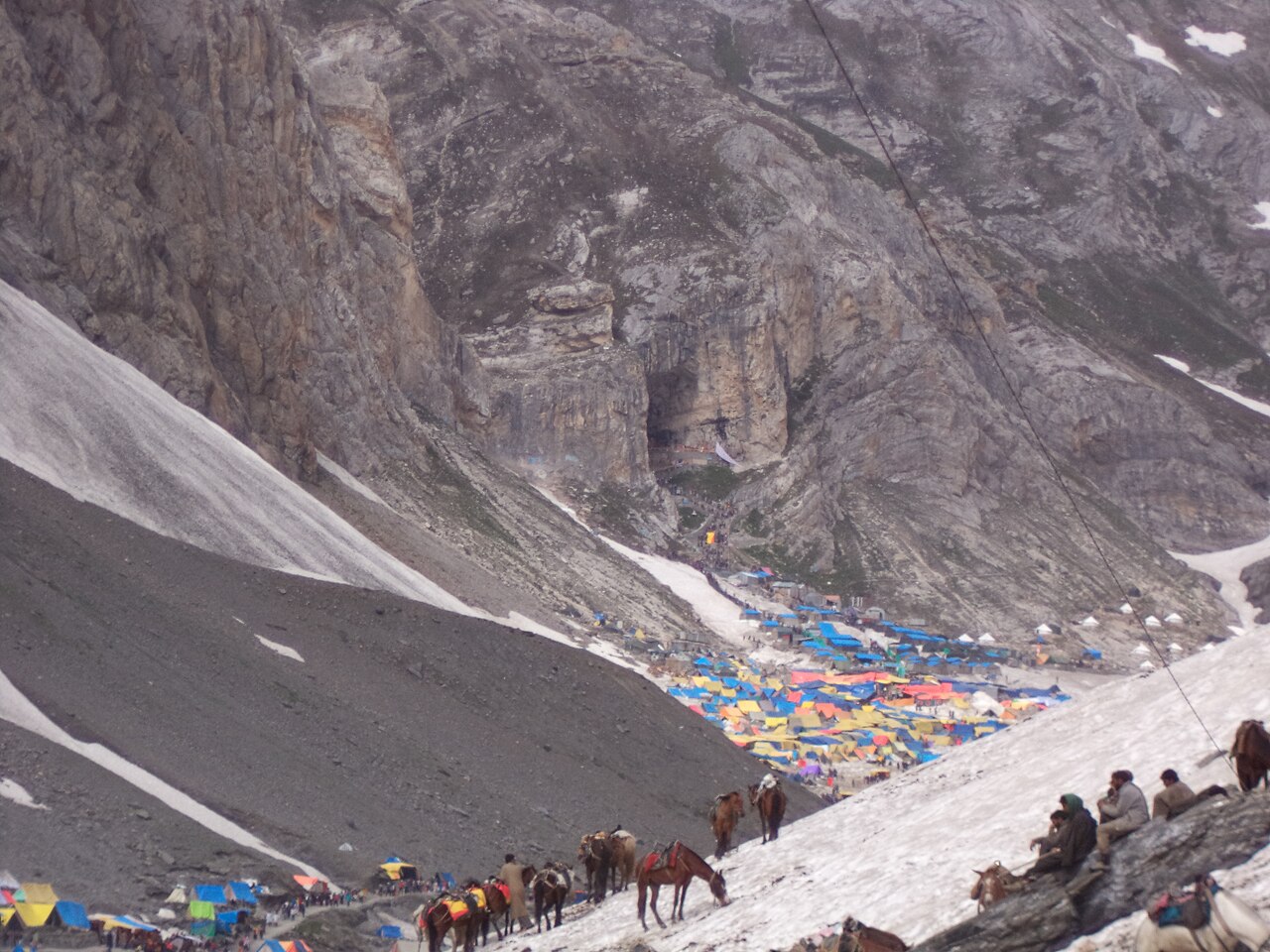
The trekking paths vary greatly between the two primary entry points.Photo: Nittin sain · CC BY 3.0
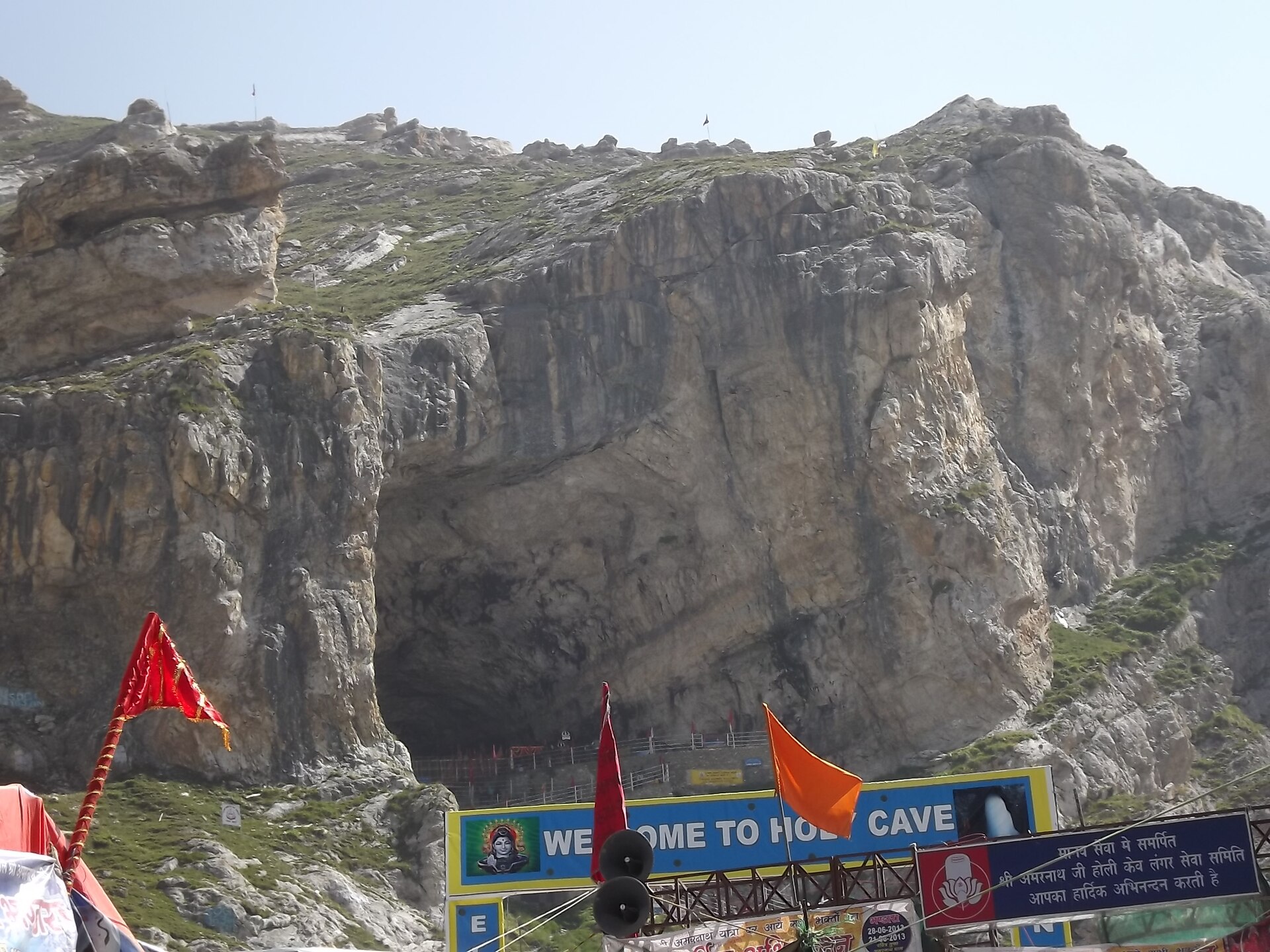
I remember the first time I stood at the junction where the paths split, the air thick with the sound of prayer and the crunch of boots on loose rock. Whether you are choosing the traditional approach or the shorter, steeper path, having a clear amarnath cave route map in your mind is essential for a safe transition through the mountains.
The Yatra is not just a destination; it is a long, arduous process of movement through some of the most challenging terrain in Kashmir. Understanding the differences between the two main arteries—Pahalgam and Baltal—will define the entire tone of your experience.
Mapping the Pahalgam route
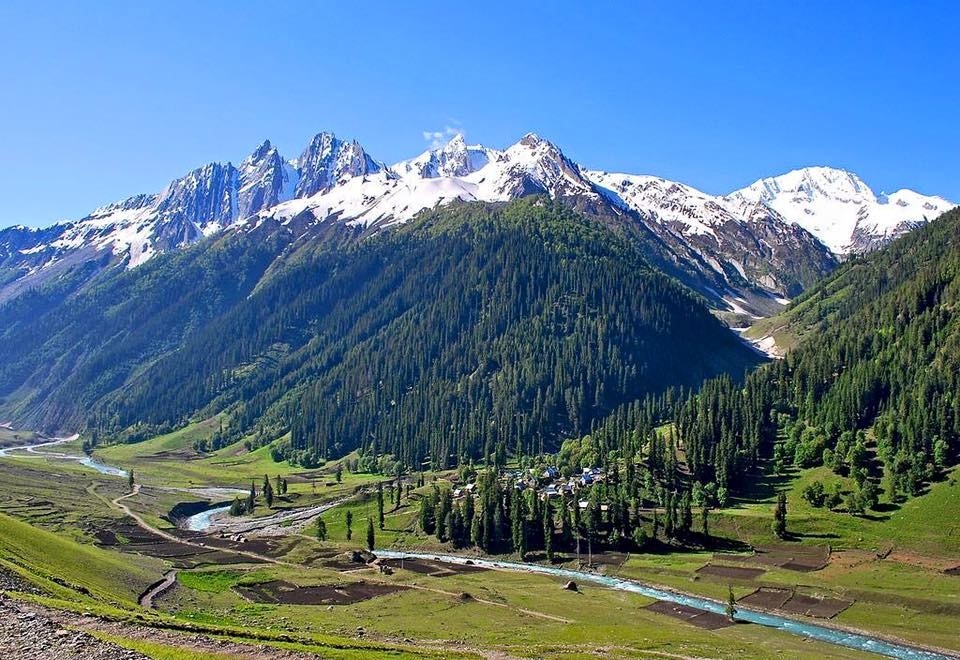
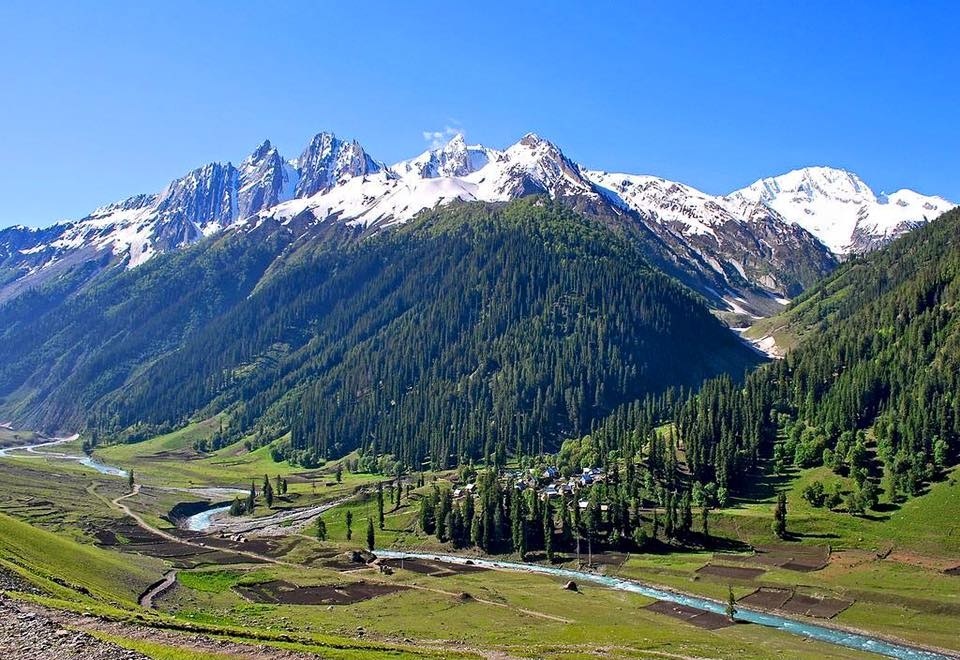
The Pahalgam route is the classic choice, favoured by those who prefer a longer, more gradual ascent. It begins in the valley of Pahalgam and travels through Chandanwari, Sheshnag, and finally Panchtarni. This path covers approximately 45 kilometres of ground and usually takes 3 to 5 days to complete on foot.
The beauty of this route lies in its gradual acclimatisation. Because you spend more time walking, your body has a better chance to adjust to the rising elevation. You will pass through lush meadows before entering the stark, high-altitude desert regions.
Mapping the Baltal route
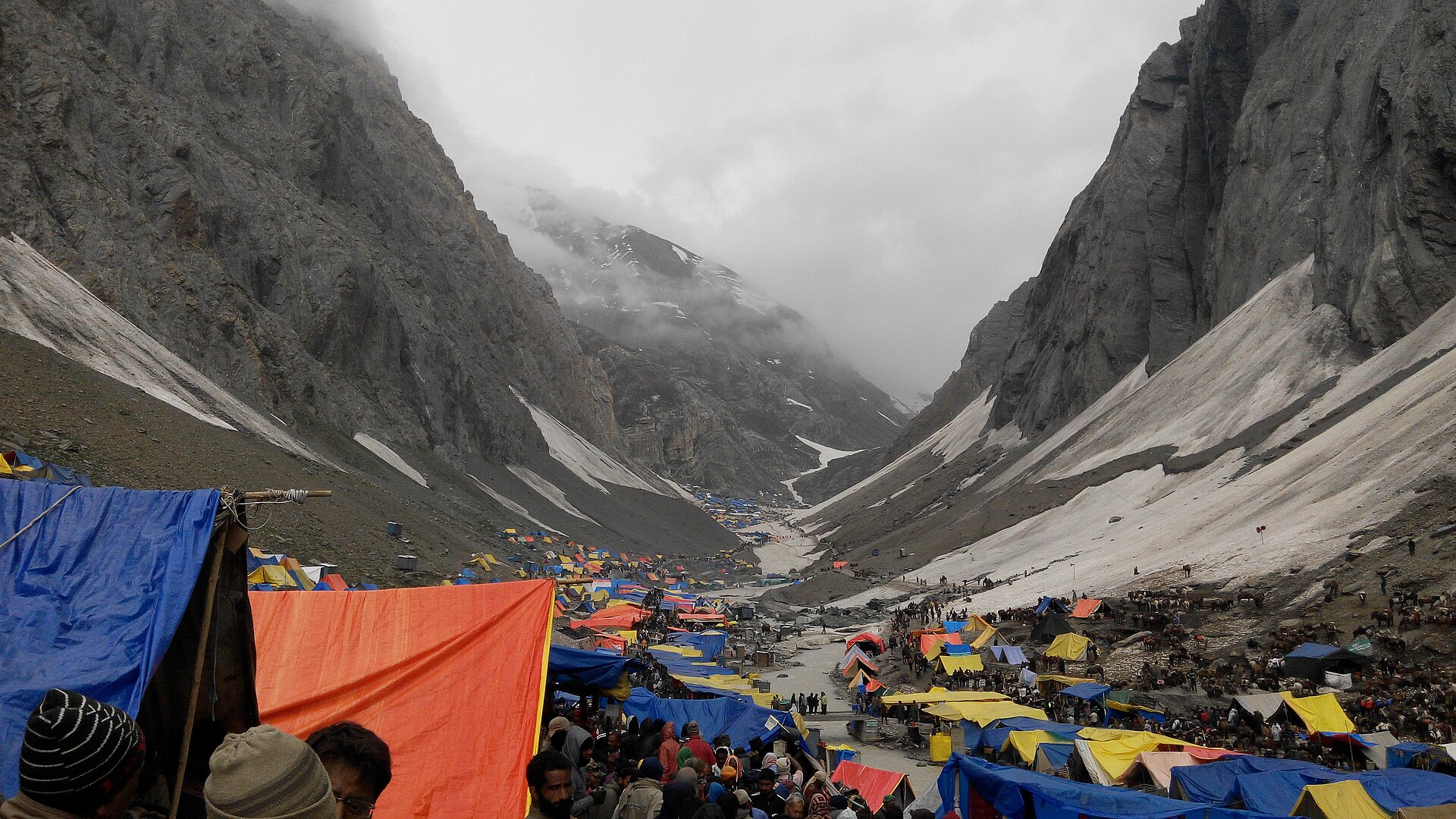
In contrast, the Baltal route is direct and punishing. It is significantly shorter—around 14 to 16 kilometres—but it climbs rapidly. You are starting from the Baltal base camp and heading almost vertically toward the cave.
If you are physically fit and time-constrained, this is the path most choose. However, be warned: the gradient is severe. It is not uncommon to see experienced trekkers struggling with the sudden change in altitude. Always allow for more time than you think you need.
Key milestones and stopovers
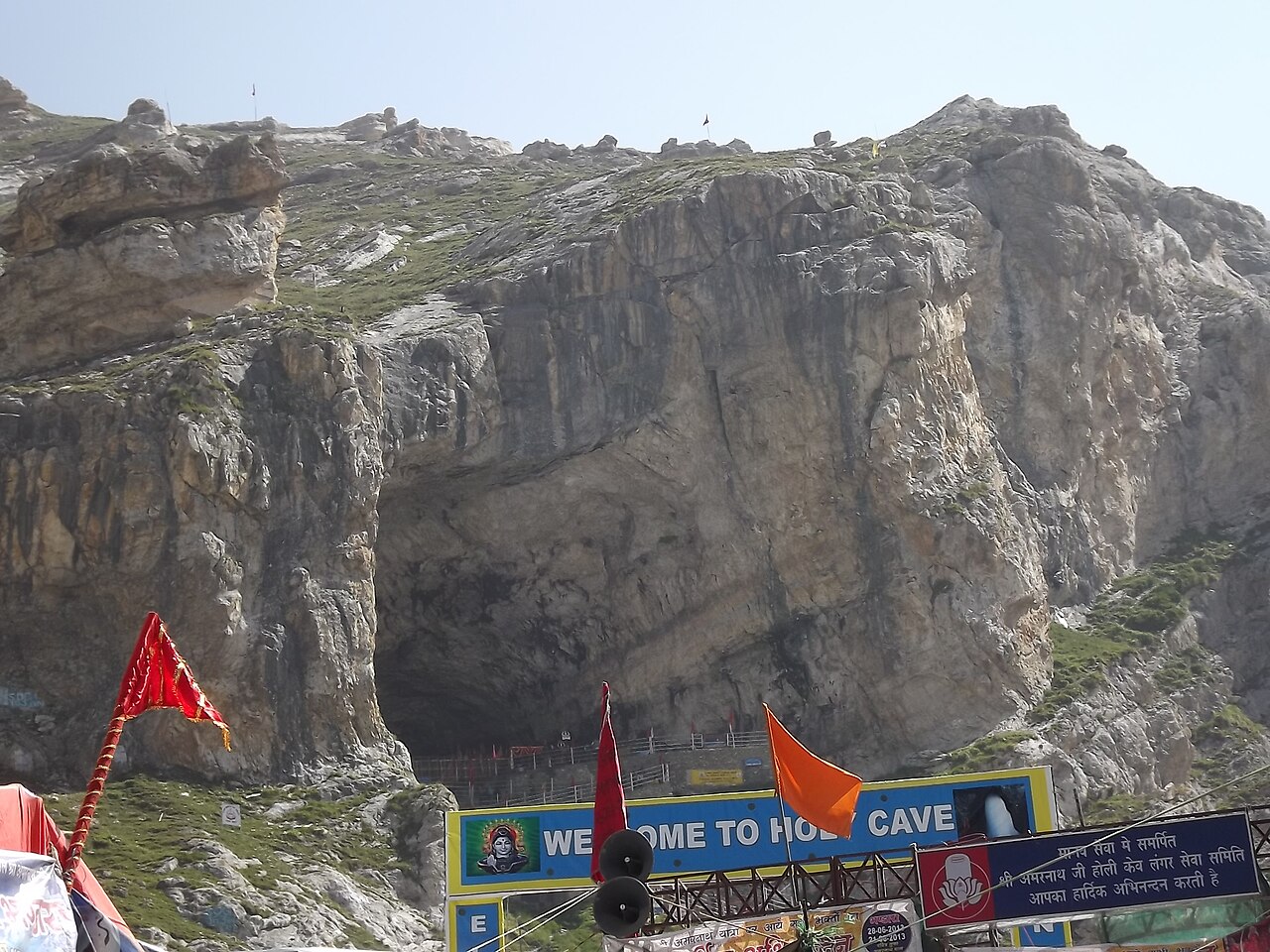
On the Pahalgam side, Sheshnag is the standout stop. The lake, nestled deep in a high mountain basin, is a place where many pilgrims choose to rest for a full day. It is the perfect spot to reset before tackling the Mahagunas Pass.
On the Baltal side, the journey is more continuous. There are fewer 'stopovers' in the traditional sense; rather, the path is punctuated by small supply stations. Do not plan on luxury; plan on endurance.
Comparing route difficulties
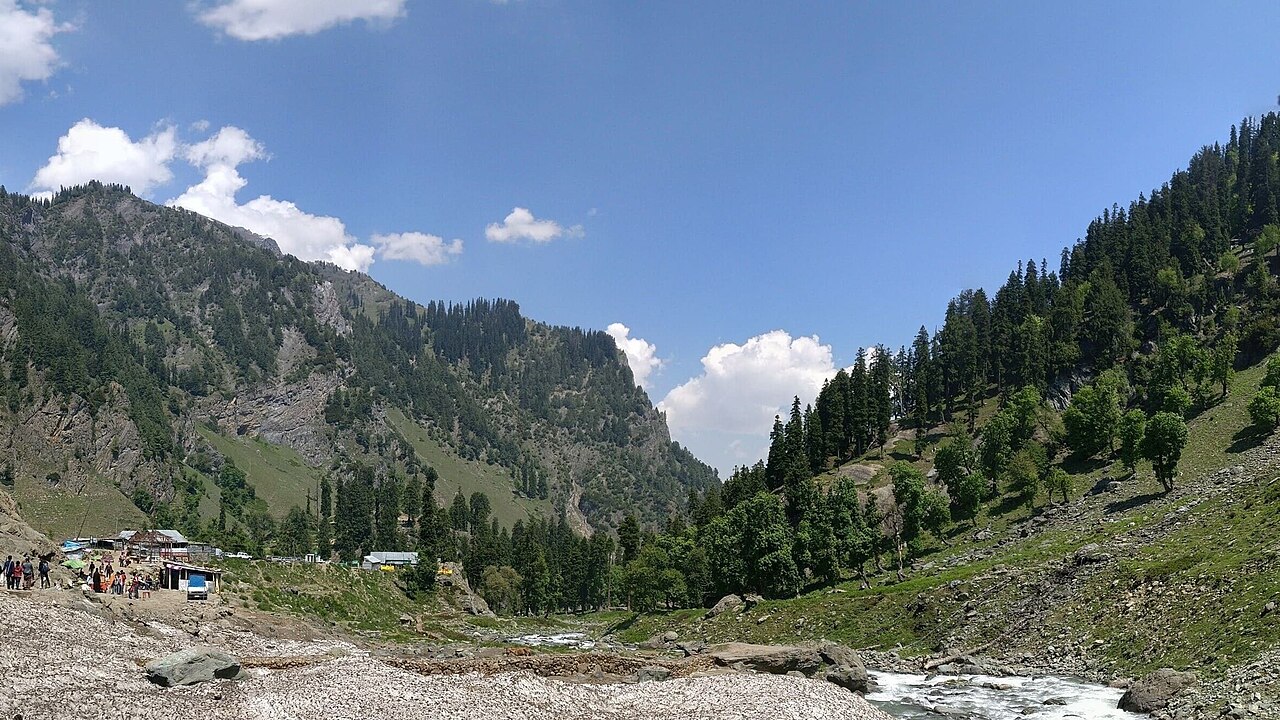
Pahalgam is a marathon; Baltal is a sprint at altitude. I always tell my clients that if they have knee issues, the long, slow descent of the Pahalgam route might actually be harder on their joints than the steep climb of Baltal.
Evaluate your physical history. Have you done high-altitude trekking before? If the answer is no, the Pahalgam path offers a more forgiving learning curve. If you are a seasoned hiker, the Baltal route is an efficient, though demanding, way to reach the objective.
Safety markers along the path
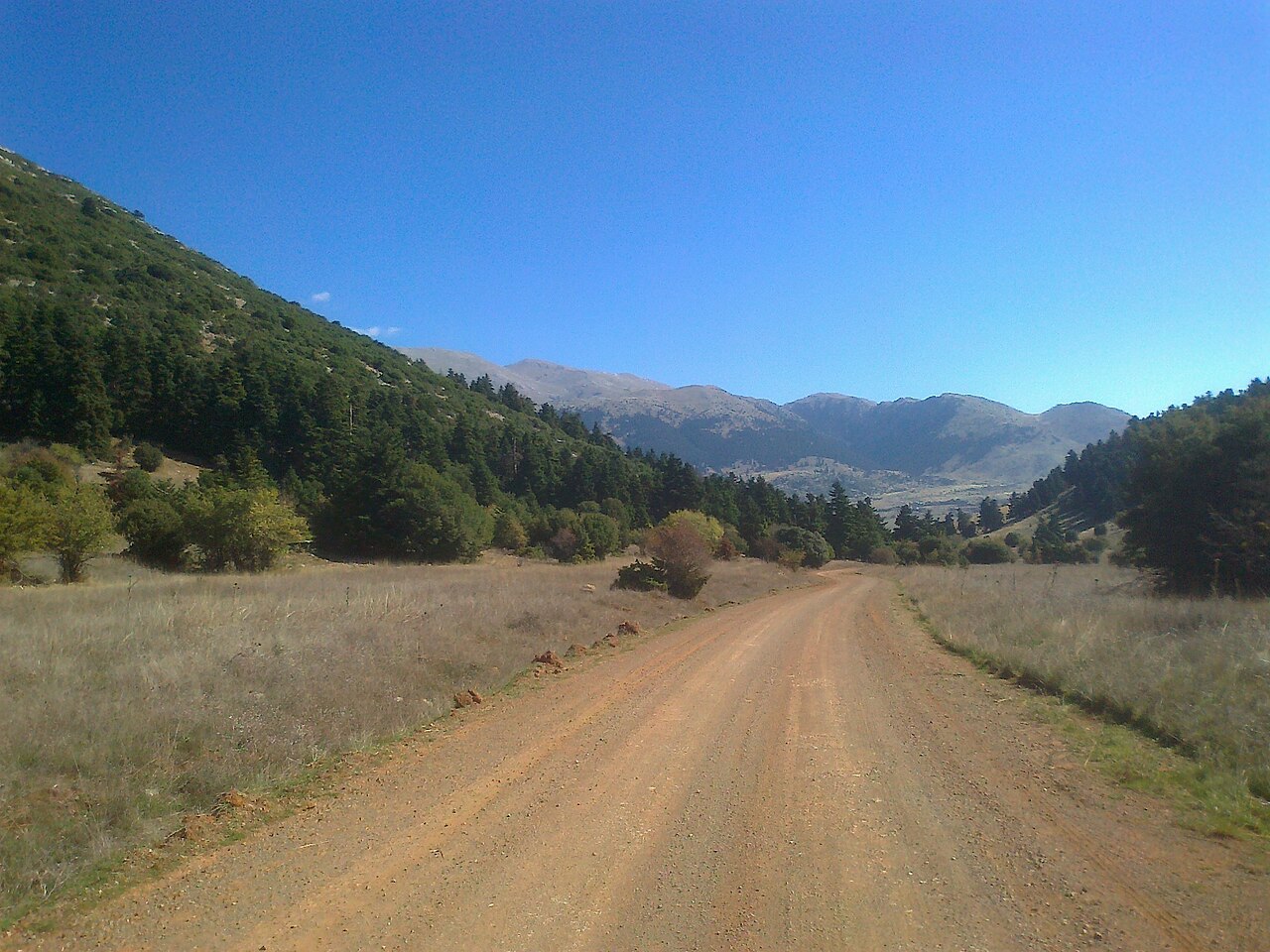
Regardless of your chosen route, the security and medical setup is robust. You will find army outposts and emergency medical camps every few kilometres. If you feel lightheaded, stop at the nearest red-cross marked tent.
Follow the signage. During the season, the paths are marked with fluorescent indicators, which are lifesavers during sudden evening fog. Never leave the marked trail, even if it looks like a faster way around a congested section.
Before you book
Choosing your route is the first step in your pilgrimage. Whether you prefer the slow, meditative ascent from Pahalgam or the intense, direct climb from Baltal, both offer a profound connection to the landscape of the Himalayas.
Take your time to prepare physically and ensure your travel plans are flexible. We are here to help you navigate the nuances of the Yatra.
Need help planning your route?
Let us assist you in selecting the right path for your fitness level and travel preferences.
Get in touchWritten by
Kashmir, Jammu & Ladakh specialists
We plan and run trips across Kashmir, Jammu and Ladakh every week of the year. Everything here comes from routes we drive, stays we inspect and questions our travellers actually ask.
Quick answers
Questions we get asked
Which route is better for first-timers?
The Pahalgam route is generally recommended for first-timers because the gradual incline allows for better acclimatisation to the altitude.
How long does the trek take via Pahalgam?
The trek from Pahalgam typically takes 3 to 5 days, covering a distance of approximately 45 kilometres.
Is the Baltal route dangerous?
The Baltal route is steep and strenuous, which poses challenges for those not used to high altitudes, but it is well-maintained and heavily patrolled.
Can I switch routes mid-journey?
It is generally not advised. Stick to the route you have planned and for which you have registered, as logistics and support are route-specific.
Are there medical facilities on the trek?
Yes, there are government-run medical camps and military outposts stationed at various intervals along both routes to assist with health issues.
Photography credits
- Photo: Nittin sain · CC BY 3.0
- Photo: Biswarup Bhattacharjee · CC BY-SA 4.0
- Photo: Spsarvana · CC BY-SA 4.0
- Photo: Guptaele · CC BY-SA 4.0
- Photo: Photos Worldwide · CC0
- Photo: Kasisripada17 · CC BY-SA 4.0
- Photo: Paul Stephenson from London · CC BY 2.0