Understanding Amarnath Cave: Altitude and Health
A medical and practical guide to managing high-altitude physiology on the pilgrimage trail.
Essential advice on recognizing altitude sickness, building acclimatization, and staying safe at 3,888 metres.
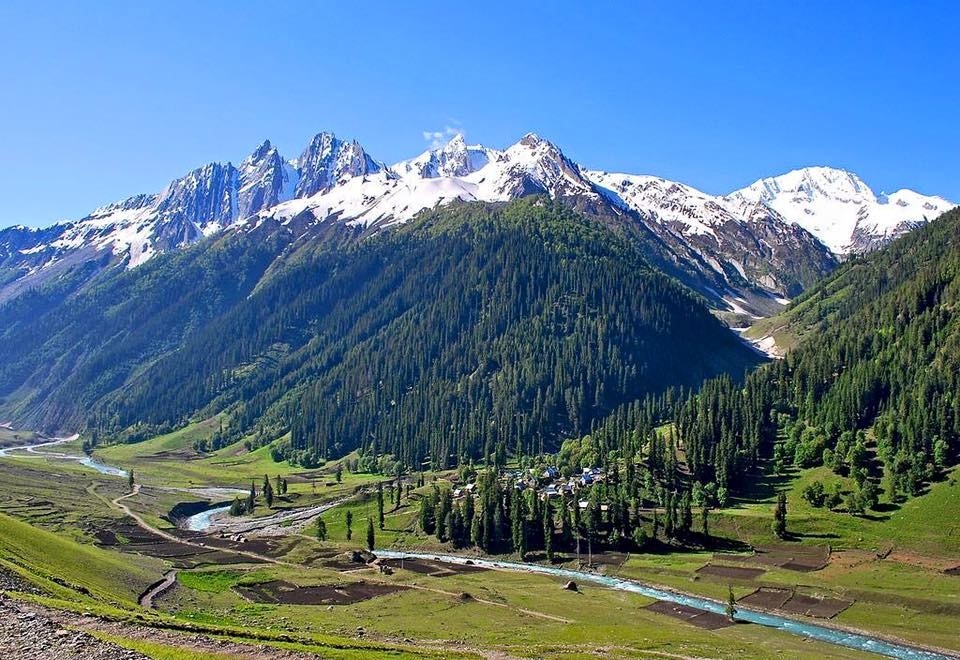
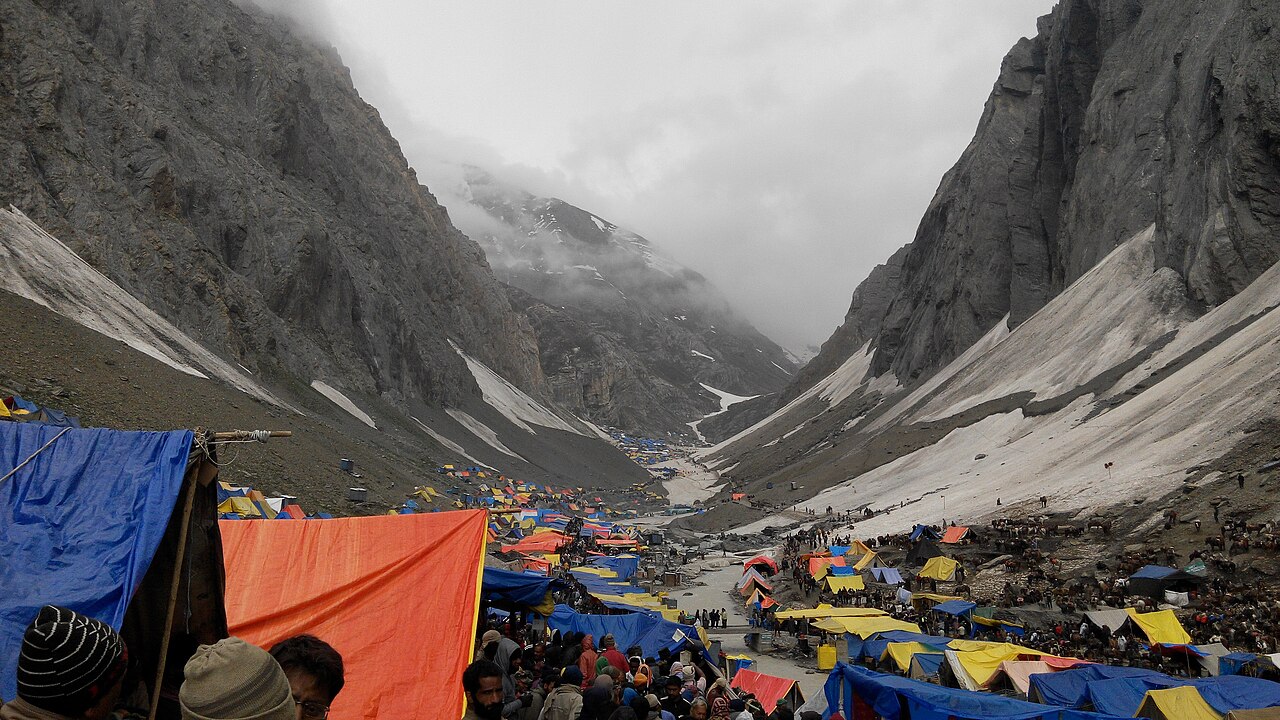
The dramatic upper ridges demand careful physiological preparation from every traveller.Photo: Biswarup Bhattacharjee · CC BY-SA 4.0
Your heart races, your temples throb with a dull drumbeat, and a sudden wave of nausea hits you just as you cross the 3,500-metre mark above Pahalgam. That is the moment most travellers realize that high-altitude mountain travel is not just a test of mental willpower—it is a strict biological negotiation.
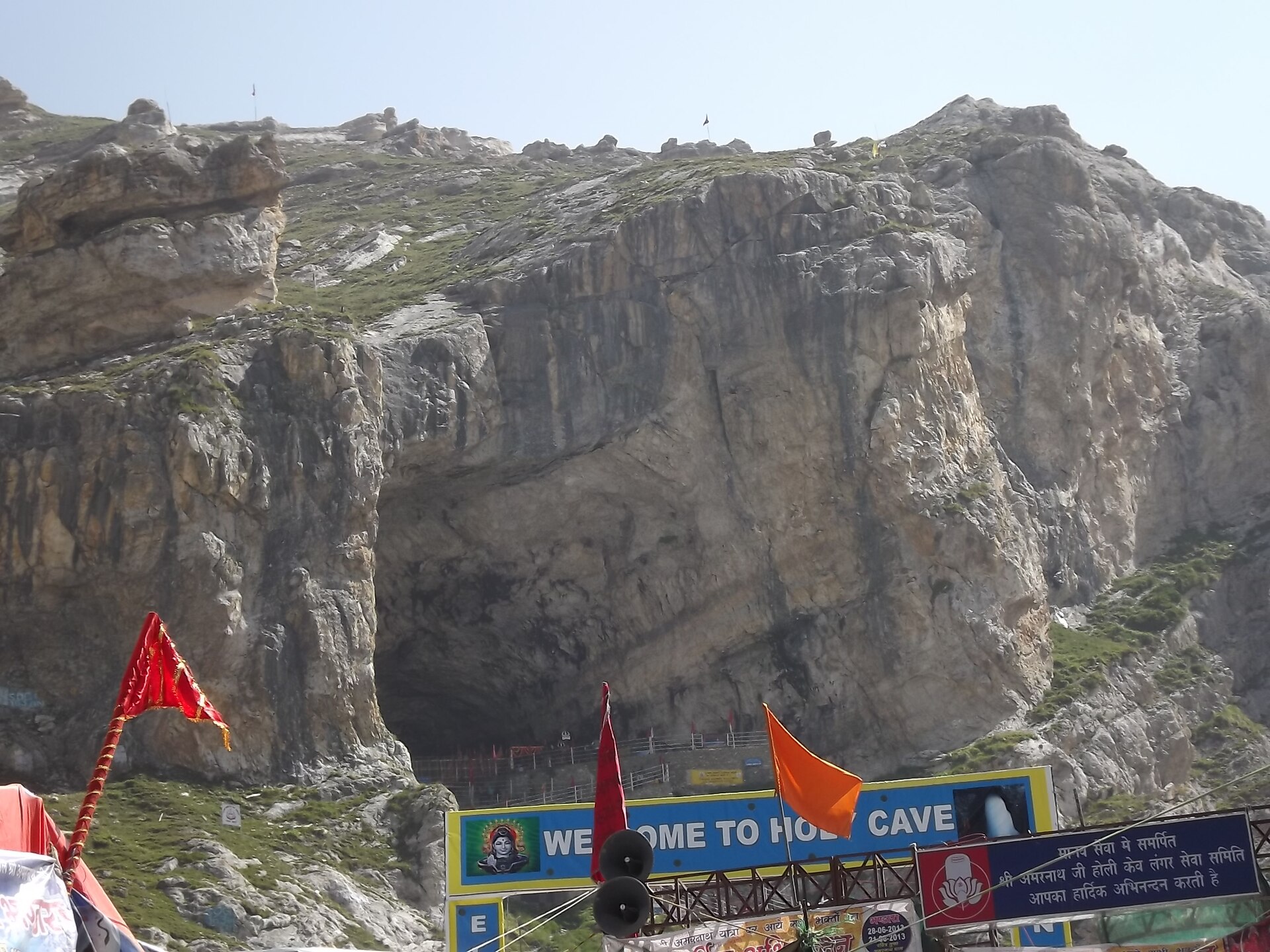
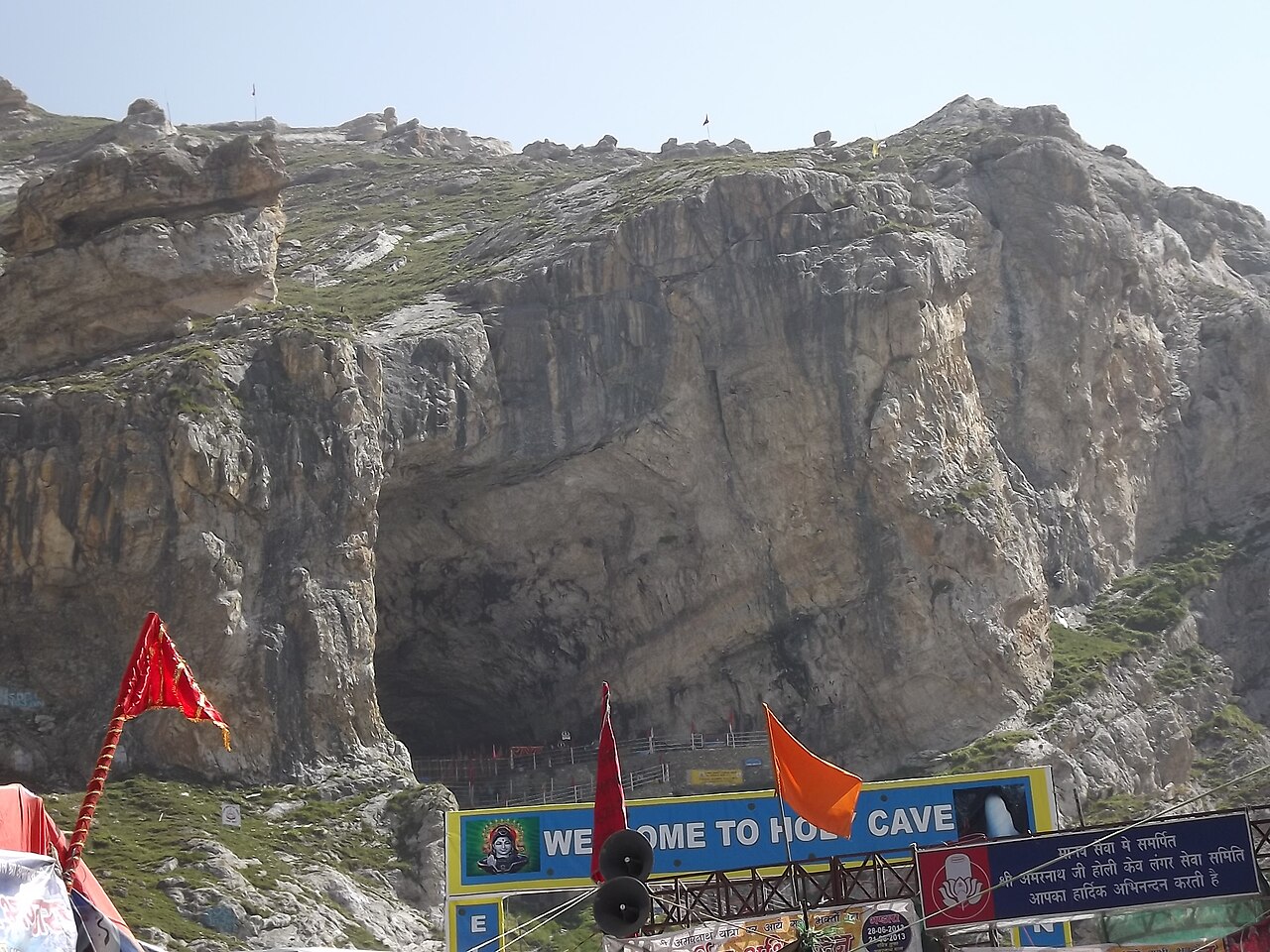
Dealing with the amarnath cave altitude means accepting that human physiology has hard limits. Sitting at 3,888 metres above sea level, the shrine exposes your lungs and bloodstream to significantly lower atmospheric pressure and reduced oxygen molecules per breath than you experience at sea level.
We coordinate safety protocols and medical support for groups navigating this route every season. Understanding how your body reacts to thin air, recognizing early warning signs of distress, and following a strict pacing strategy can mean the difference between a deeply spiritual journey and an emergency evacuation.
The physiological challenge of 3,888 metres
At sea level, the air pressure packs oxygen tightly into every breath. As you ascend toward the Amarnath shrine via Chandanwari or Baltal, that barometric pressure drops steadily. By the time you reach the cave, the effective oxygen available to your lungs is roughly forty percent lower than it is at sea level.
Your body responds by pumping blood faster, increasing your breathing rate, and releasing hormones to stimulate red blood cell production. This transition takes time. If you rush the ascent, your cardiovascular system cannot keep up, leading directly to Acute Mountain Sickness (AMS).
Age, athletic build, and gym stamina offer zero immunity against low pressure. We have seen seasoned marathon runners struck down with severe headaches while older, steady walkers who take their time ascend without a single issue.
- Atmospheric pressure drops significantly above 3,000 metres.
- Available oxygen at the cave is nearly half of sea-level density.
- Physical fitness does not prevent altitude sickness.
- Gradual ascent is the only reliable defense against physiological distress.
Symptoms of altitude sickness to watch for
Altitude sickness starts quietly. A mild throbbing headache at the base of the skull is usually the first warning sign. You might also feel unusually fatigued after a short walk that would normally feel effortless.
As condition levels worsen, symptoms progress to persistent dizziness, loss of appetite, vomiting, and a shortness of breath that does not subside with rest. Ignoring these red flags can lead to dangerous conditions such as High Altitude Pulmonary Edema (HAPE) or Cerebral Edema.
Never assume a headache will simply 'wear off' while climbing higher. If symptoms persist or worsen overnight, descending immediately to a lower altitude is the only effective treatment.
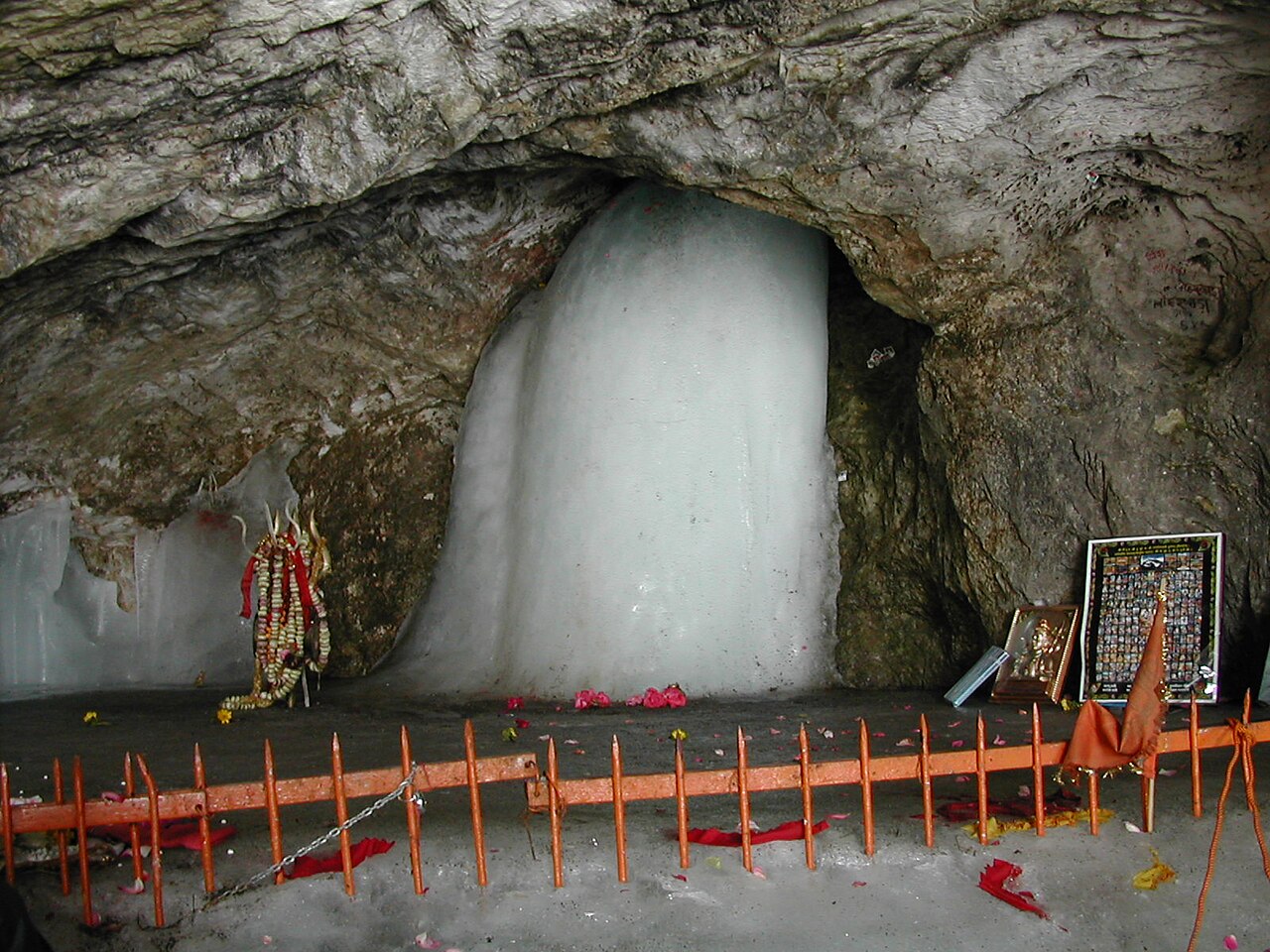
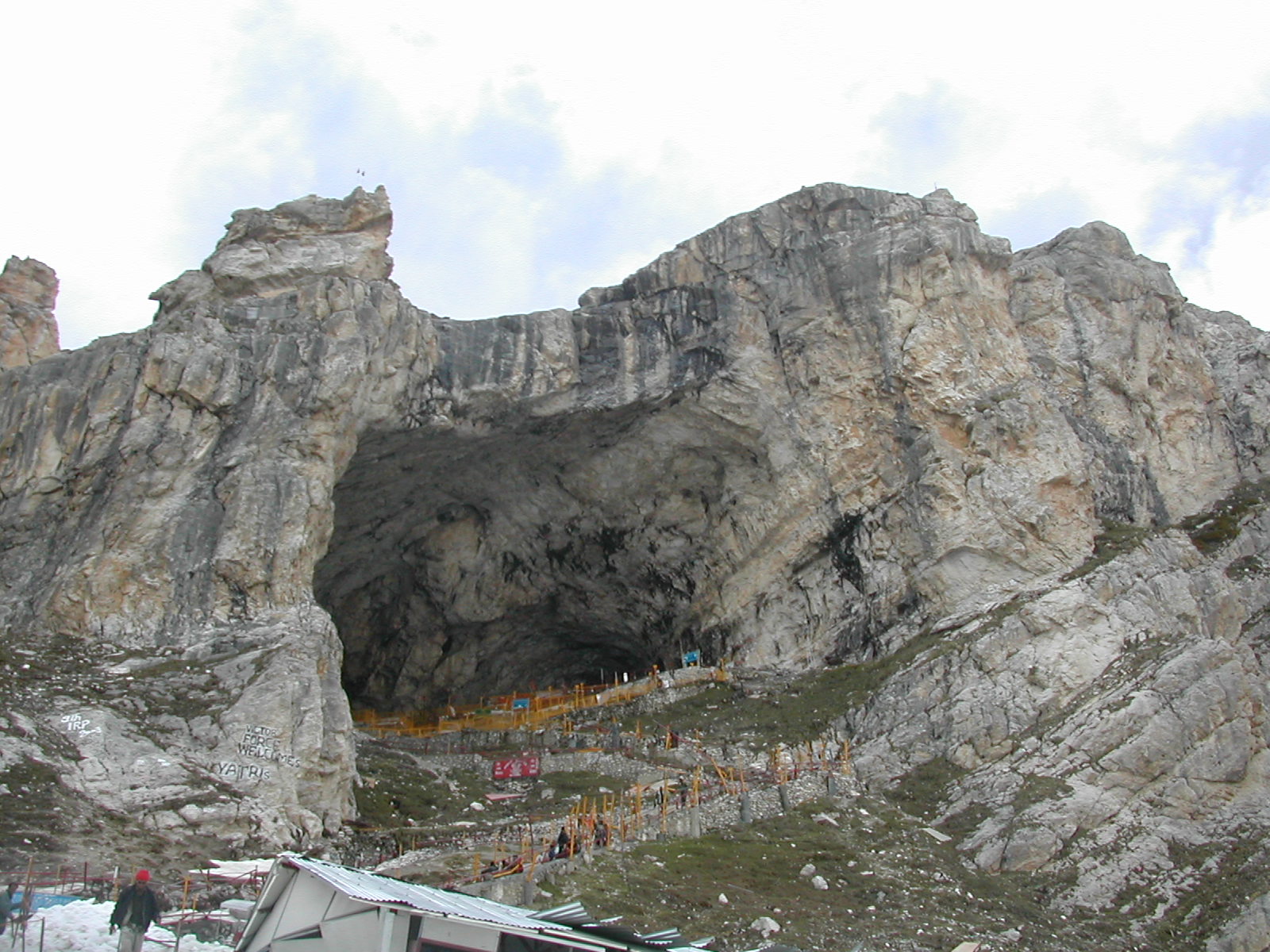
Dealing with the amarnath cave altitude means accepting that human physiology has hard limits.
Essential acclimatization advice for the trek
Acclimatization is the process your body uses to adapt slowly to lower oxygen levels. The golden rule is simple: climb high, sleep low, and never jump straight from the valley floor to the high camps in a single day.
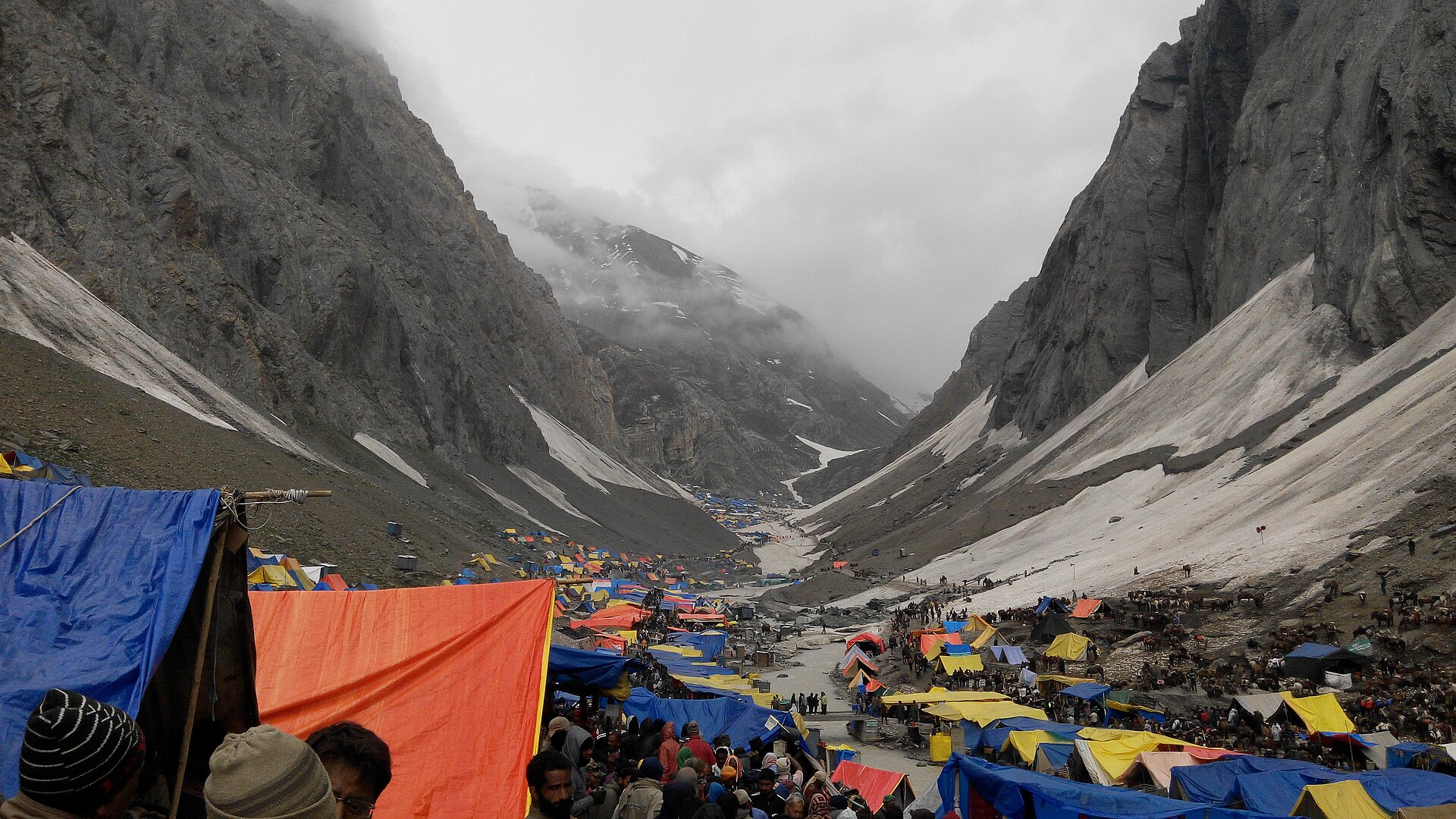
Spend at least two full days in Pahalgam or Sonmarg before stepping foot on the actual trail. Use those days for short, easy walks around the valley to test your breathing and get your legs moving in thin air.
Keep your daily climbing elevation gains modest once the trek begins. Hydrate aggressively, drinking three to four litres of water daily, and avoid alcohol, smoking, and heavy sedatives that suppress your natural breathing reflex during sleep.
Physical fitness requirements for the trek
While altitude sickness can strike anyone, arriving with a solid baseline of cardiovascular fitness makes the physical effort of climbing steep mountain paths vastly easier. You should start a routine of brisk walking, stair climbing, or cycling at least two months before your trip.
Focus on building core strength and leg endurance. Carrying a daypack weighing five kilograms while stepping up uneven stone stairs at an incline will test your quadriceps and lower back like few gym exercises can.
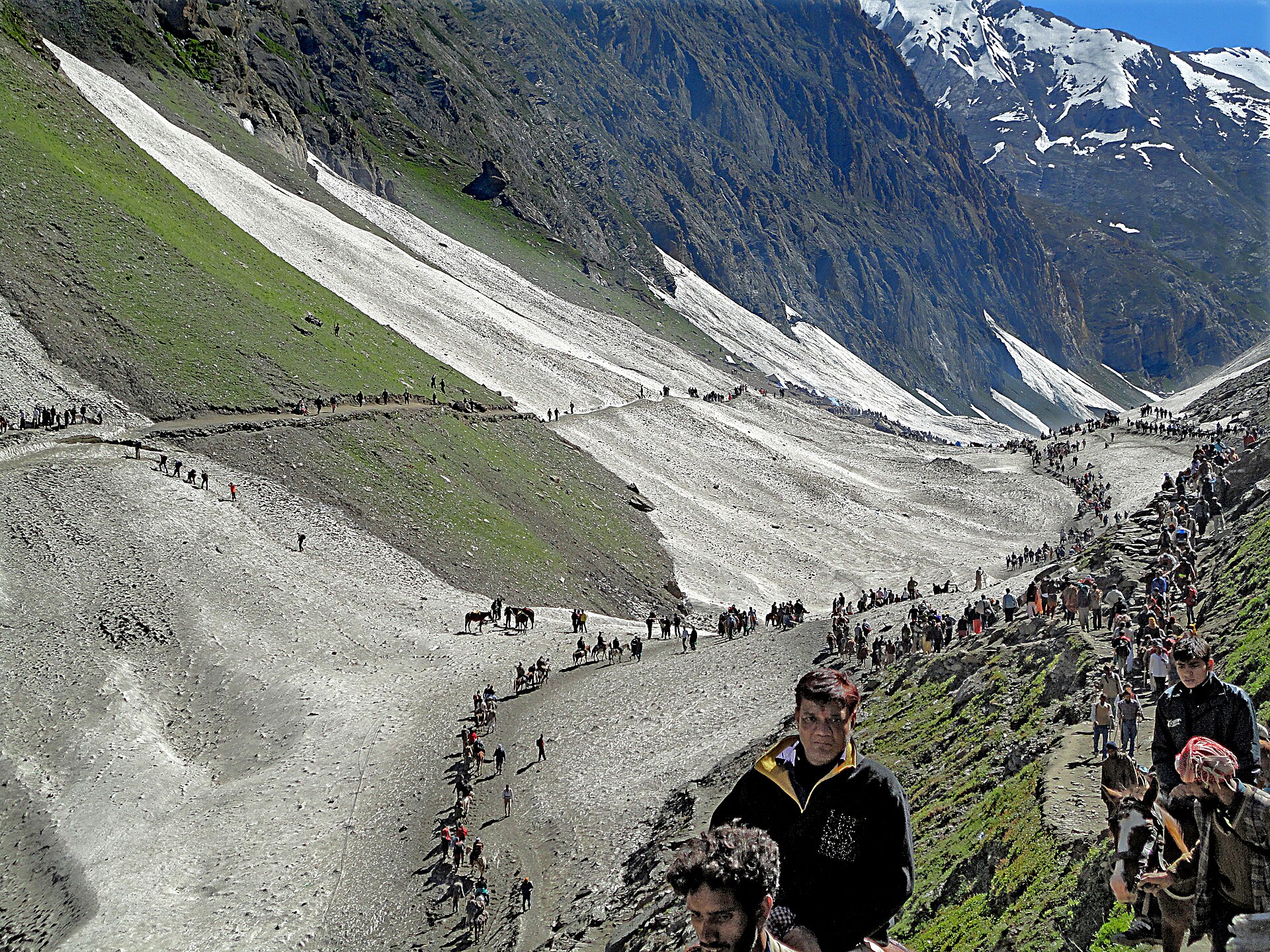
If walking the entire distance feels too demanding, reliable pony and palki services are available at regulated rates from the base camps, allowing you to manage your physical exertion levels.
Cardiovascular conditioning routines
Incorporate daily brisk walks and stair workouts into your schedule to prepare your heart and lungs for continuous uphill climbing.
Leg endurance and weight training
Strengthen your legs and lower back to handle hours of stepping over uneven rocks and steep mountain tracks without injury.
Medical support and emergency facilities on the route
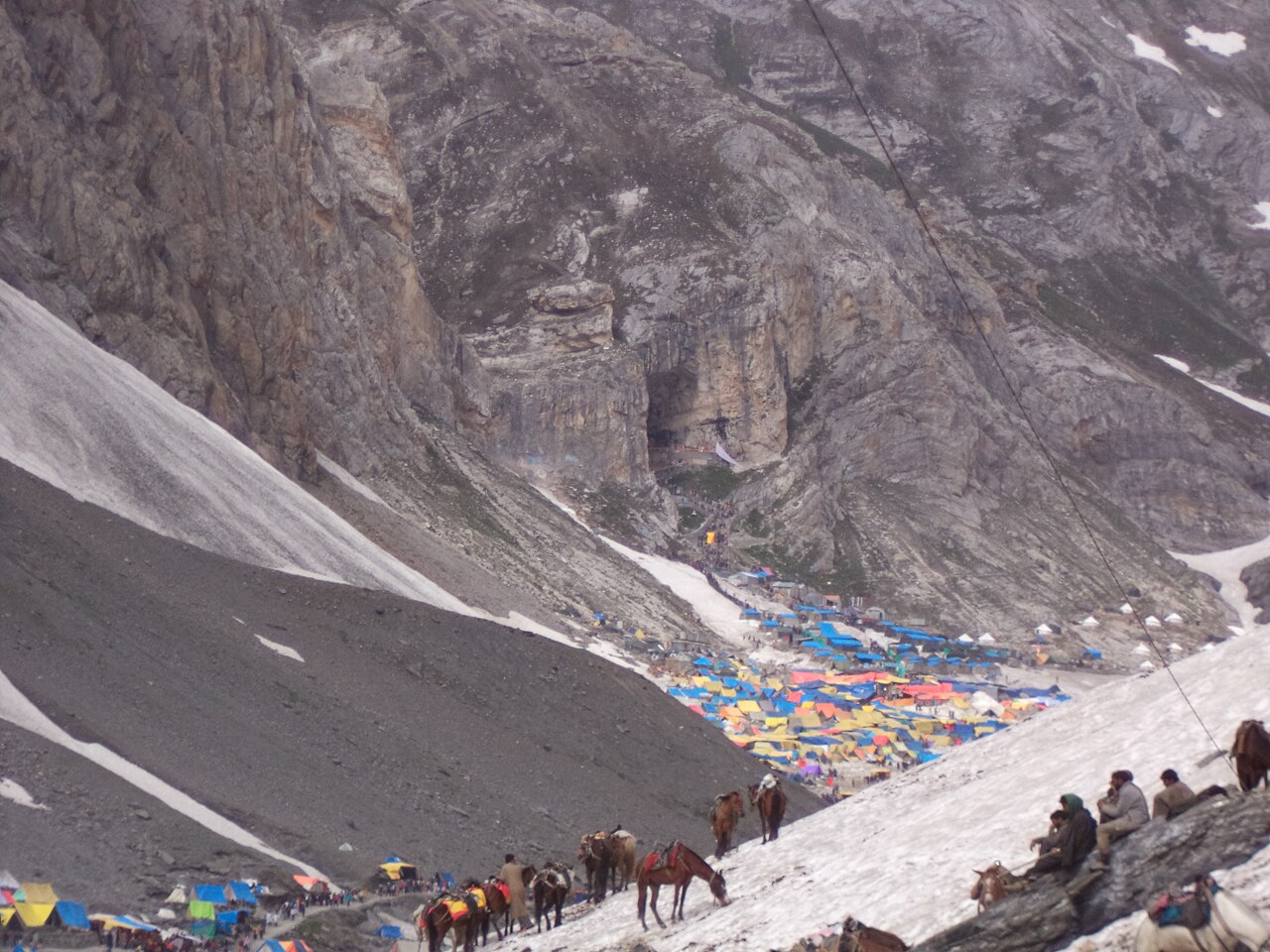
The Shrine Board and local health authorities set up numerous emergency medical aid stations, oxygen booths, and temporary hospitals along both the Pahalgam and Baltal routes.
Doctors stationed at camps in Chandanwari, Sheshnag, Panchtarni, and Baltal are equipped with pulse oximeters, oxygen cylinders, and essential medications to treat altitude sickness and minor injuries.
In severe medical emergencies, coordinated rescue teams and emergency helicopter services operate from high-altitude helipads, weather permitting, to evacuate patients down to base hospitals in Srinagar or Anantnag.
Before you book
Respecting high-altitude physiology is the single most important part of preparing for a journey to the shrine. By taking acclimatization seriously and listening closely to your body's signals, you protect your health while enjoying the high mountain wilderness.
Plan your training early, follow a sensible pacing schedule, and lean on the established medical support network along the trail to ensure a safe and memorable pilgrimage.
Plan your pilgrimage with expert medical safety support
Our team builds structured acclimatization days into every itinerary, ensuring you have the right pacing and support for your journey to the high peaks.
Speak with our travel coordinatorsCaption for your own post
Thin air, steep mountain tracks, and high-altitude endurance. Here is how to prepare your body for the journey to 3,888 metres.
Written by
Kashmir, Jammu & Ladakh specialists
We plan and run trips across Kashmir, Jammu and Ladakh every week of the year. Everything here comes from routes we drive, stays we inspect and questions our travellers actually ask.
Written with clinical attention to high-altitude safety, drawing from years of guiding travellers through Himalayan mountain passes.
Quick answers
Questions we get asked
What altitude is the Amarnath Cave shrine located at?
The cave shrine sits at an elevation of 3,888 metres (approx. 12,756 feet) above sea level in the upper Himalayas.
Can I take medications to prevent altitude sickness?
Yes, medications like Acetazolamide are commonly used under medical supervision to aid acclimatization, but you must consult your doctor first.
How long should I spend acclimatizing before the trek?
Plan for a minimum of two full days of rest and light walking in Pahalgam or Sonmarg before starting your ascent toward the higher camps.
What should I do if I experience severe shortness of breath?
Inform your group or medical staff immediately, administer supplemental oxygen if available, and prepare to descend to a lower altitude without delay.
Photography credits
- Photo: Biswarup Bhattacharjee · CC BY-SA 4.0
- Photo: Gktambe at English Wikipedia · Public domain
- Photo: Spsarvana · CC BY-SA 4.0
- Photo: Gktambe at English Wikipedia · Public domain
- Photo: Guptaele · CC BY-SA 4.0
- Photo: Unknown · CC BY 2.5
- Photo: Kasisripada17 · CC BY-SA 4.0