Why Kashmir Is Known as Heaven on Earth
Unpacking the history, landscapes, and enduring mythology behind the valley's famous moniker.
Curious why kashmir is called heaven? Explore the history, majestic landscapes, iconic houseboats, and rich hospitality that earned the valley its title.
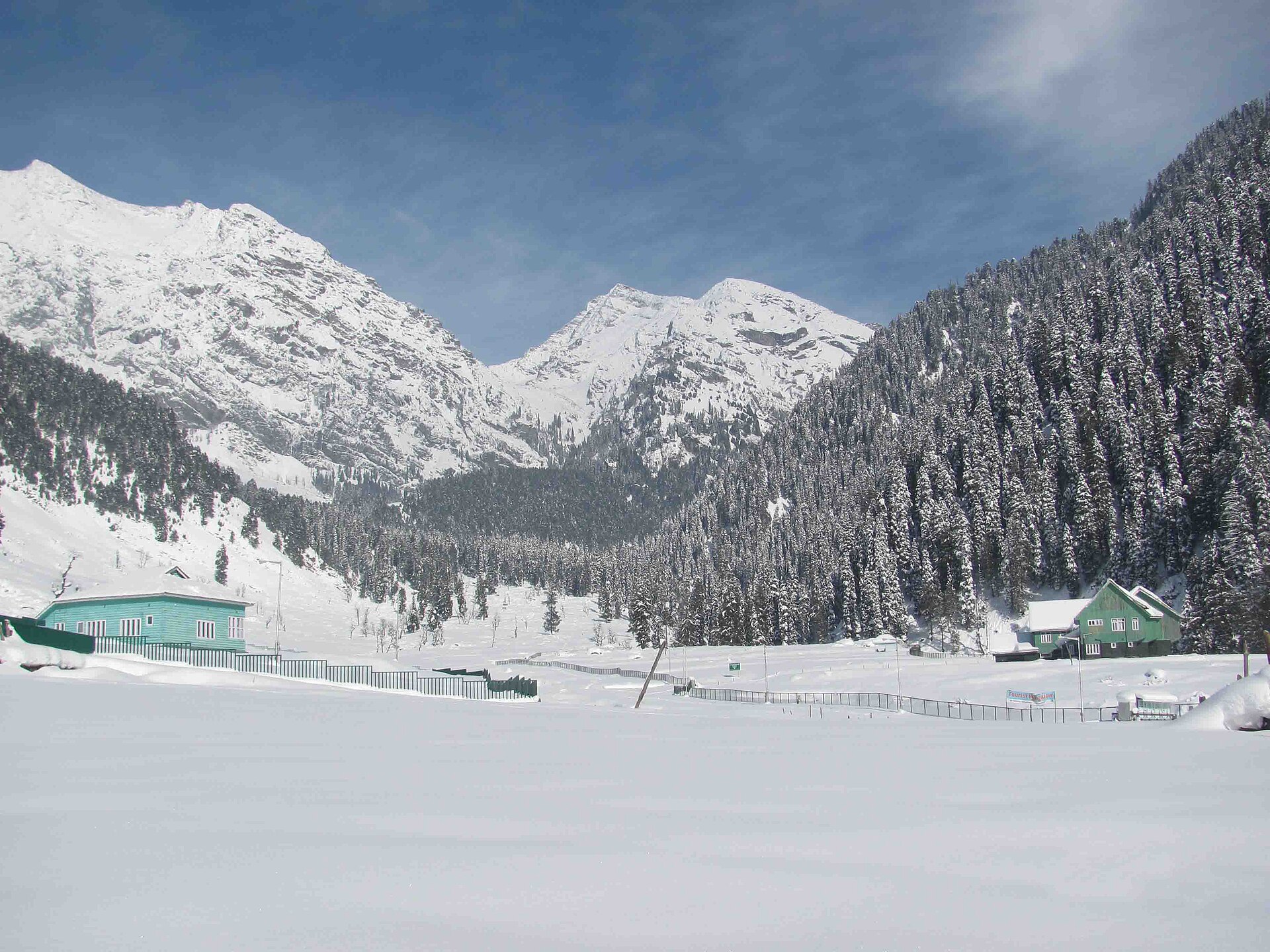
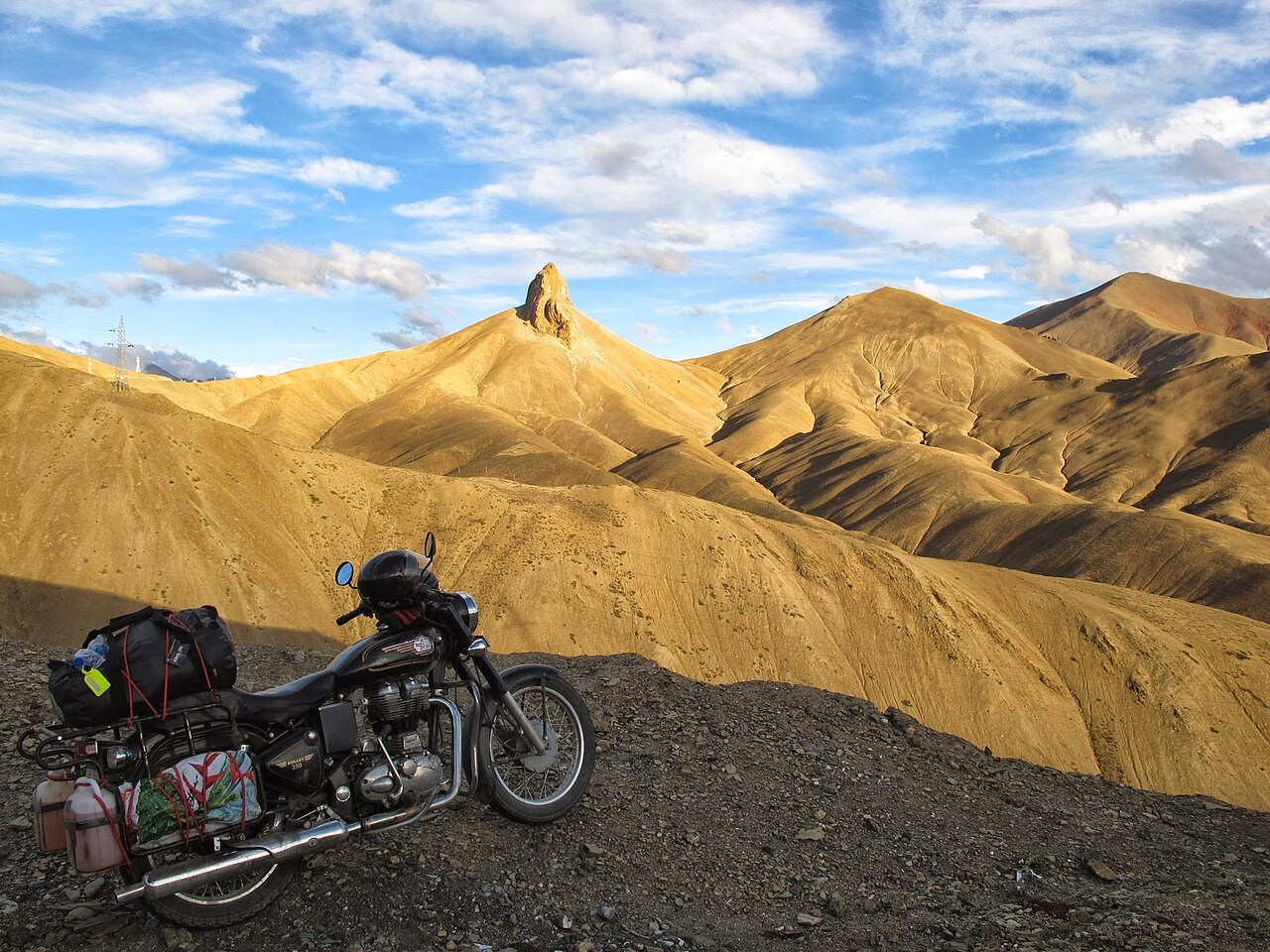
The dramatic valley landscapes have inspired travellers for centuries.Photo: Subhrajyoti Parida · CC BY 4.0
When the Mughal Emperor Jehangir lay dying in his tent while returning from the valley, his courtiers asked if he had any final wish. He reportedly whispered, 'Kashmir, only Kashmir, the rest is worthless.' That sentiment cemented a title that has endured for four centuries among poets, travellers, and writers.
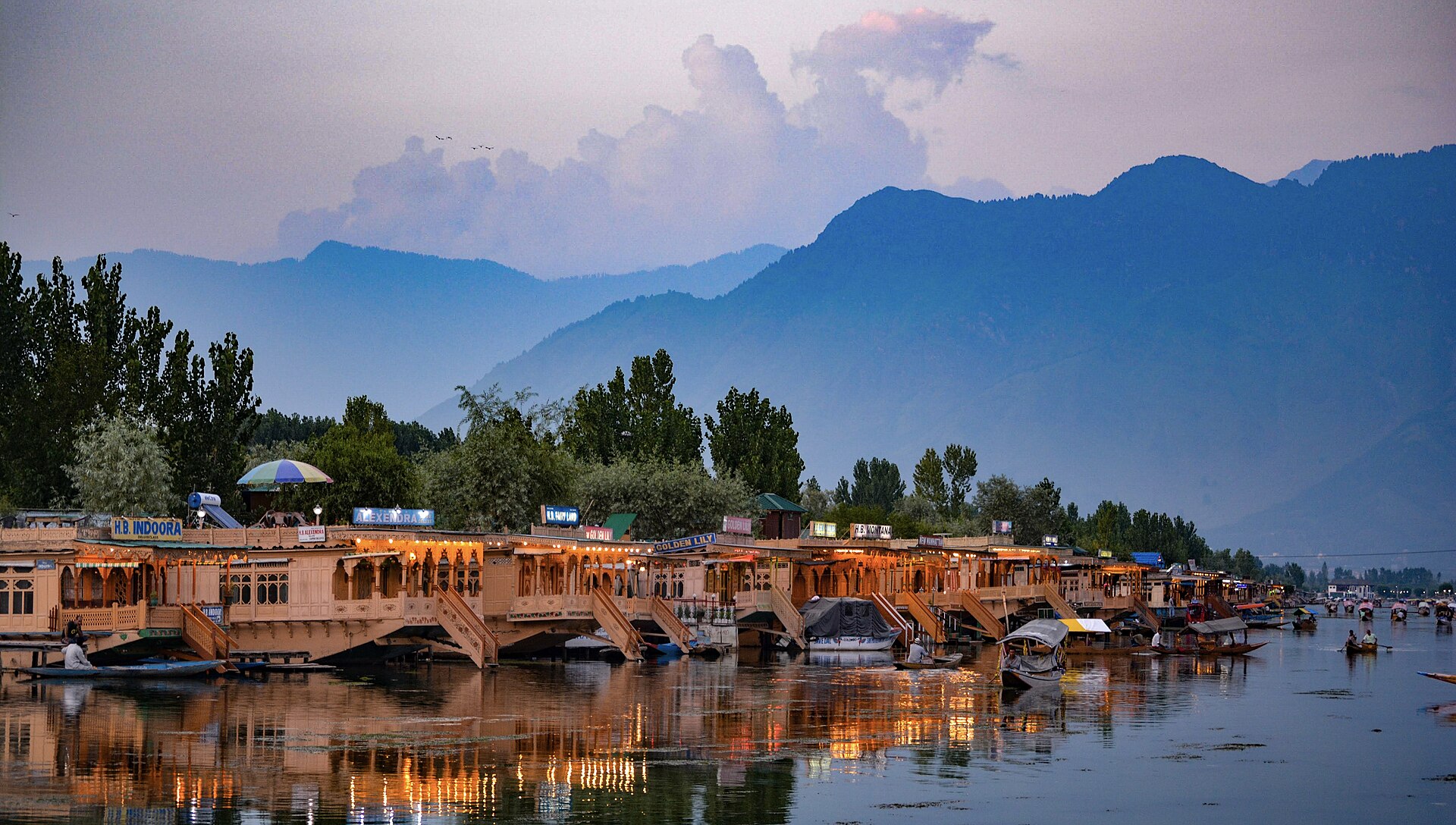
People often wonder why kashmir is called heaven on earth once they stand on the deck of a wooden houseboat at dusk. It is not just the visual symmetry of snow peaks reflecting in still water or the blinding white of winter snowfields. It is the sensory layering of walnut wood carvings, saffron fields, and the smell of burning pine that makes the valley feel entirely distinct from the rest of the world.
The Origin of the Title: Mughal Poetry and Praise
The moniker 'heaven on earth' traces its roots directly to Persian poetry and imperial patronage. The Mughal emperors visited the valley to escape the sweltering heat of Delhi and Agra, transforming the landscape by building terraced gardens like Shalimar Bagh and Nishat Bagh.
Court poets wrote verses in Persian declaring that if there was a paradise anywhere on the face of the earth, it was here, it was here, it was here. This phrase, *Gar zamin-o hamin ast, hamin ast, o hamin ast*, remains carved into the stone walls of the royal pavilions in Srinagar today.
- Coined by Persian poets and Mughal royalty
- Popularised by Emperor Jehangir and Nur Jahan
- Inscribed in stone at the historic Shalimar Bagh
The Iconic Dal Lake and Wooden Houseboats
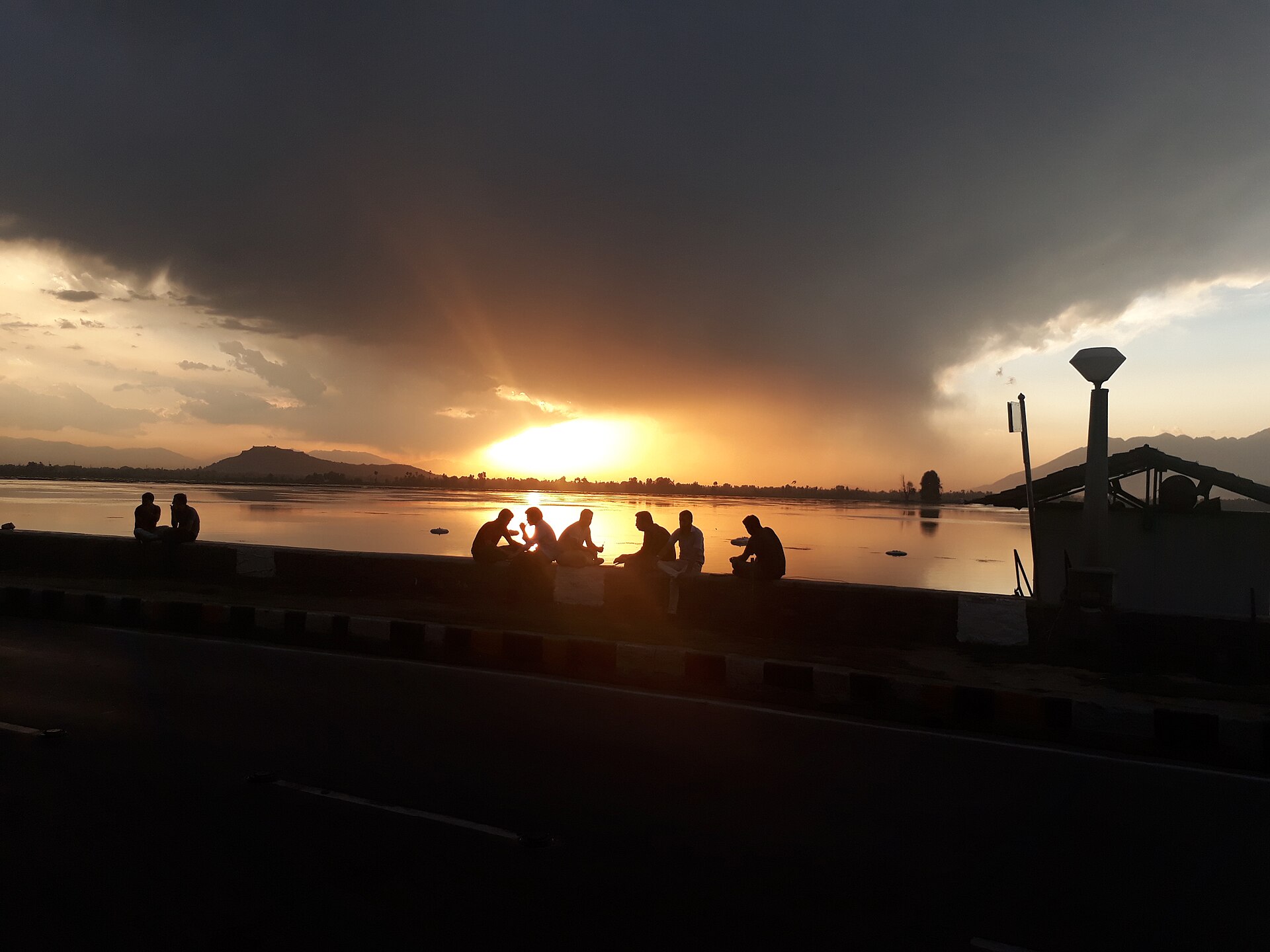
No element defines the imagery of the valley quite like Dal Lake and its floating architecture. Carved wooden houseboats, built during the British colonial era when foreigners were barred from owning land, bob gently along the water with intricately carved cedar panels and woollen carpets.
At dawn, the floating vegetable market comes alive on wooden shikaras as vendors trade cucumbers, tomatoes, and lotus stems in the misty grey light. This watery neighbourhood operates like an independent village, complete with floating bakeries and flower sellers. Explore our /destinations page to plan a night on the water.
Life on the Water
Staying on a houseboat offers a glimpse into a vanishing lifestyle. The owners treat guests like visiting family, serving home-cooked Wazwan dishes in dining rooms lined with walnut wood furniture.
Watching the sunset turn the Pir Panjal range to a bruised purple while sitting on the front porch of a houseboat explains better than any textbook why people romanticise this place.
Kashmir, only Kashmir, the rest is worthless.
Majestic Mountain Ranges and Alpine Valleys
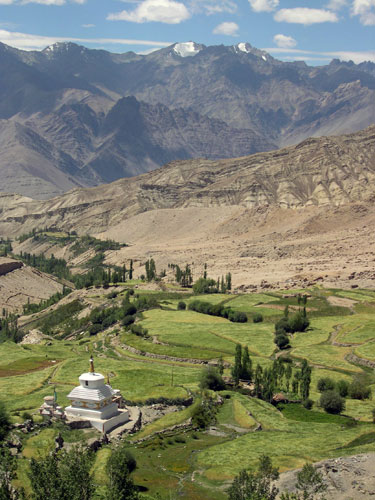
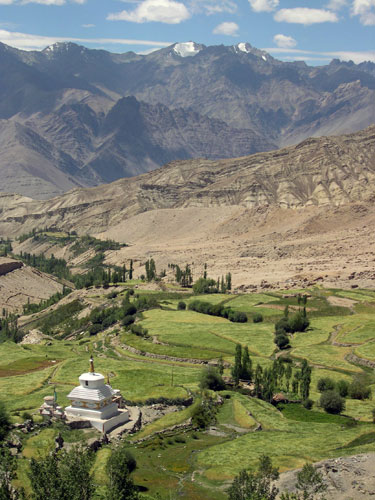
Beyond the cities, the geography shifts into dramatic alpine proportions. The valley is a deep trough enclosed by the towering Pir Panjal and Great Himalayan ranges, trapping moisture that feeds dense pine forests, rushing rivers, and high-altitude meadows.
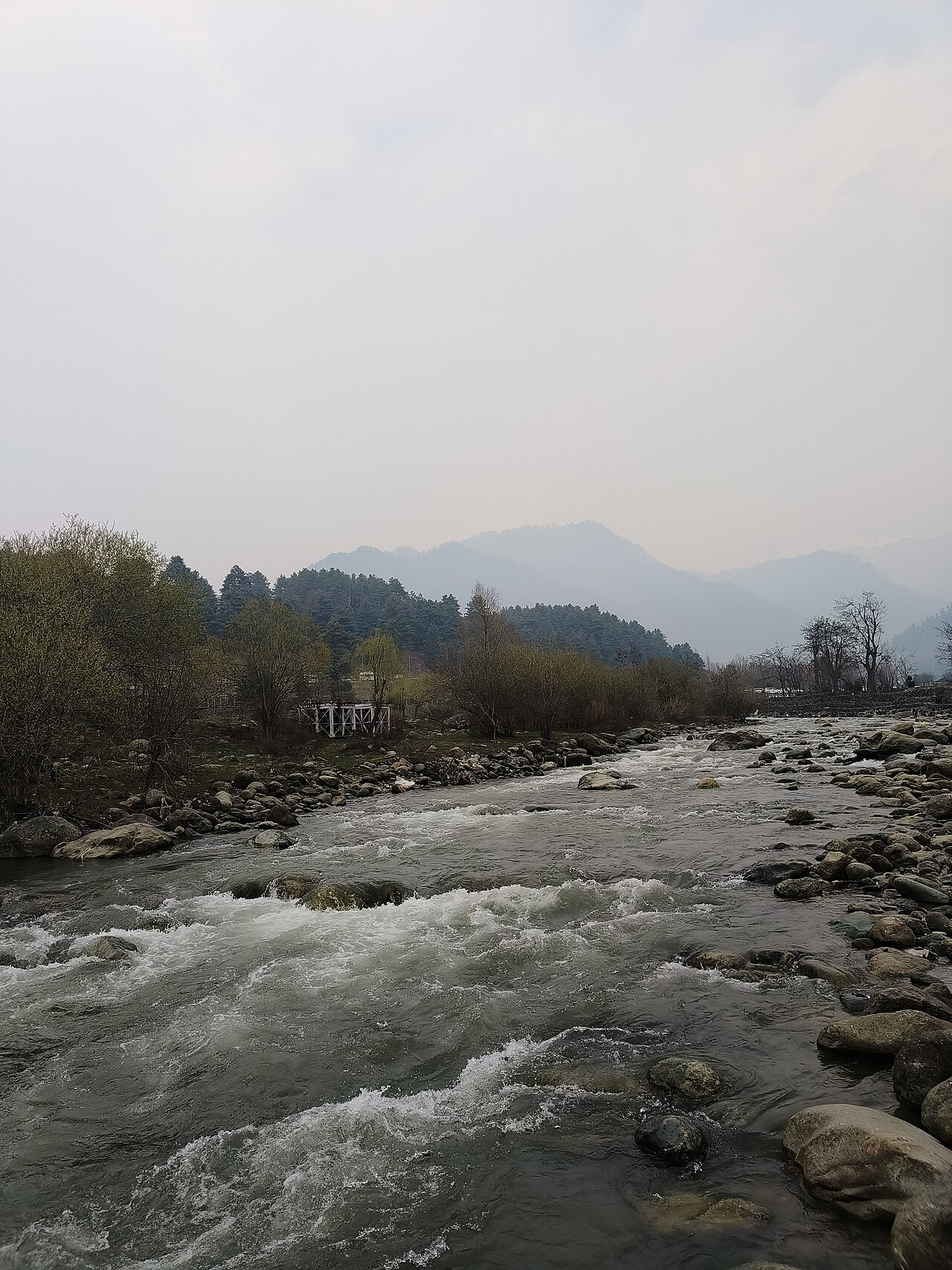
In Pahalgam, the Lidder river cuts through pine-covered gorges where shepherds graze their flocks during summer. In Sonamarg, the Thajiwas glacier sits within arm's reach of green pastures. Every turn in the road opens up a new postcard vista that rivals the most famous mountain ranges in Europe or Central Asia.
- Enclosed by the Pir Panjal and Great Himalayan ranges
- Flowing rivers including the Jhelum and Lidder
- Alpine meadows and glacial valleys
The Changing Colours of the Seasons
A major reason the valley retains its mythical status is its dramatic seasonal transformation. Unlike tropical destinations that remain green year-round, Kashmir experiences four distinct acts, each completely altering the terrain.
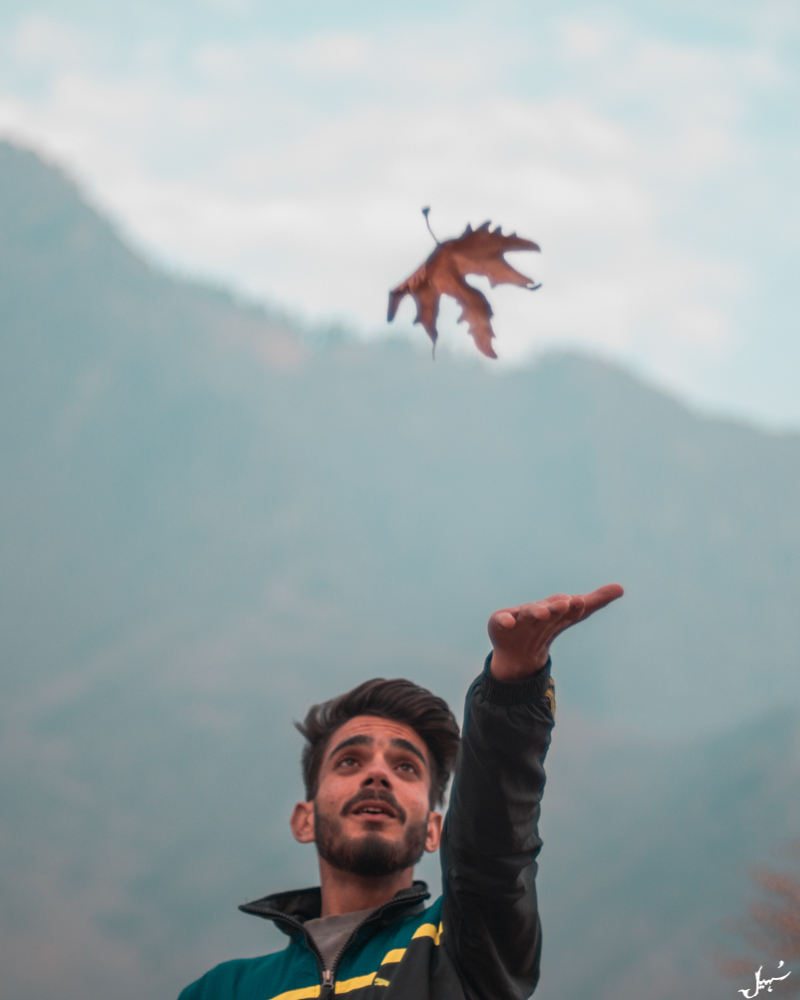
Spring brings pastel almond blossoms and tulip fields. Summer blankets the meadows in emerald grass and wild flowers. Autumn sets the Chinar trees ablaze with copper and rust, while winter wraps everything in deep, silent snow. Check out our /experiences section for seasonal tour ideas.
Experiencing Legendary Kashmiri Hospitality
The landscape alone does not earn a place such a lofty title; the human element completes the experience. Kashmiri hospitality is legendary, rooted in a culture where guests are treated as emissaries of grace.
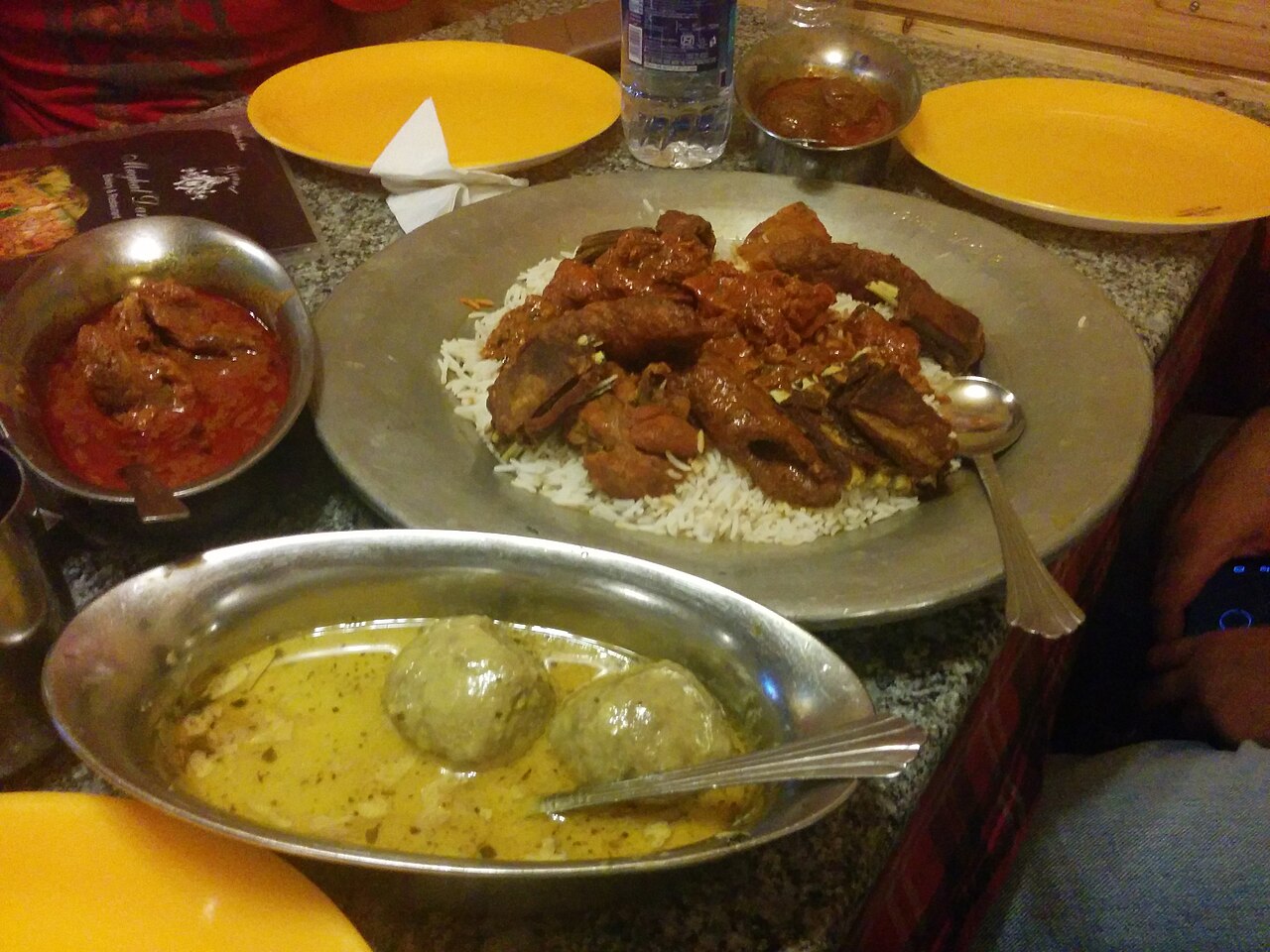
Whether it is an elderly shopkeeper insisting you share a cup of salt tea (*noon chai*) while chatting about the weather, or a homestay host preparing a feast of rogan josh and goshtaba, the warmth of the people lingers long after the mountain views fade. Visit our /contact page to start planning your journey.
Before you book
Labels like 'heaven on earth' can sometimes create unrealistic expectations, but Kashmir manages to meet them through quiet, understated details. It is found in the curve of a wooden paddle dipping into Dal Lake, the steam rising from a brass samovar, and the silence of a pine forest in autumn.
If you are ready to experience the landscapes and culture that inspired emperors and poets for centuries, we are here to help you make it happen. Reach out through our /contact page to begin planning your trip.
Ready to Experience Paradise?
Let our local experts craft a bespoke itinerary that takes you beyond the guidebooks into the true heart of Kashmir.
Plan Your JourneyCaption for your own post
From Mughal gardens to golden Chinar trees, discover why Kashmir earned its legendary title.
Written by
Kashmir, Jammu & Ladakh specialists
We plan and run trips across Kashmir, Jammu and Ladakh every week of the year. Everything here comes from routes we drive, stays we inspect and questions our travellers actually ask.
Written by an editor and traveller who has spent years exploring the valleys, lakes, and mountain trails of Kashmir.
Quick answers
Questions we get asked
Who originally called Kashmir heaven on earth?
The Mughal Emperor Jehangir famously praised Kashmir as paradise on earth, echoing Persian poets who wrote about the valley's unmatched natural beauty and temperate climate during summer.
What are the historic Mughal Gardens in Srinagar?
The major Mughal Gardens include Shalimar Bagh, Nishat Bagh, and Chashme Shahi. Built in the 16th and 17th centuries by Mughal emperors, they feature terraced lawns, cascading fountains, and vibrant flower beds.
What is unique about Kashmiri houseboats?
Kashmiri houseboats on Dal Lake and Nigeen Lake are crafted from cedar wood, featuring intricate hand-carved interiors, antique furniture, and woollen carpets, offering a floating hotel experience.
What is Kashmiri Wazwan?
Wazwan is a multi-course traditional meal in Kashmiri cuisine, mostly centered around meat dishes like rogan josh, kebabs, and goshtaba, prepared masterfully by hereditary chefs known as wazas.
Why are Chinar trees important to Kashmir?
Chinar trees, introduced centuries ago, are iconic symbols of the landscape. Their large leaves turn brilliant shades of red, copper, and gold in autumn, defining the visual identity of the valley.
Photography credits
- Photo: Subhrajyoti Parida · CC BY 4.0
- Photo: Rayeesmaqboolkashmir · CC BY-SA 4.0
- Photo: Markusmarschall · CC BY 3.0
- Photo: Baldiri · Public domain
- Photo: ThePoeticFrame · CC BY-SA 4.0
- Photo: Suhail Skindar Sofi · CC BY-SA 4.0
- Photo: Aakash Goyal · CC BY-SA 4.0