When to Visit Kashmir for the Best Snowfall Experiences
A month-by-month breakdown of winters in the valley and the mountains.
Planning a winter trip? Here is a realistic look at the best time to see snow in Kashmir, from the valley floor to the high bowls of Gulmarg.
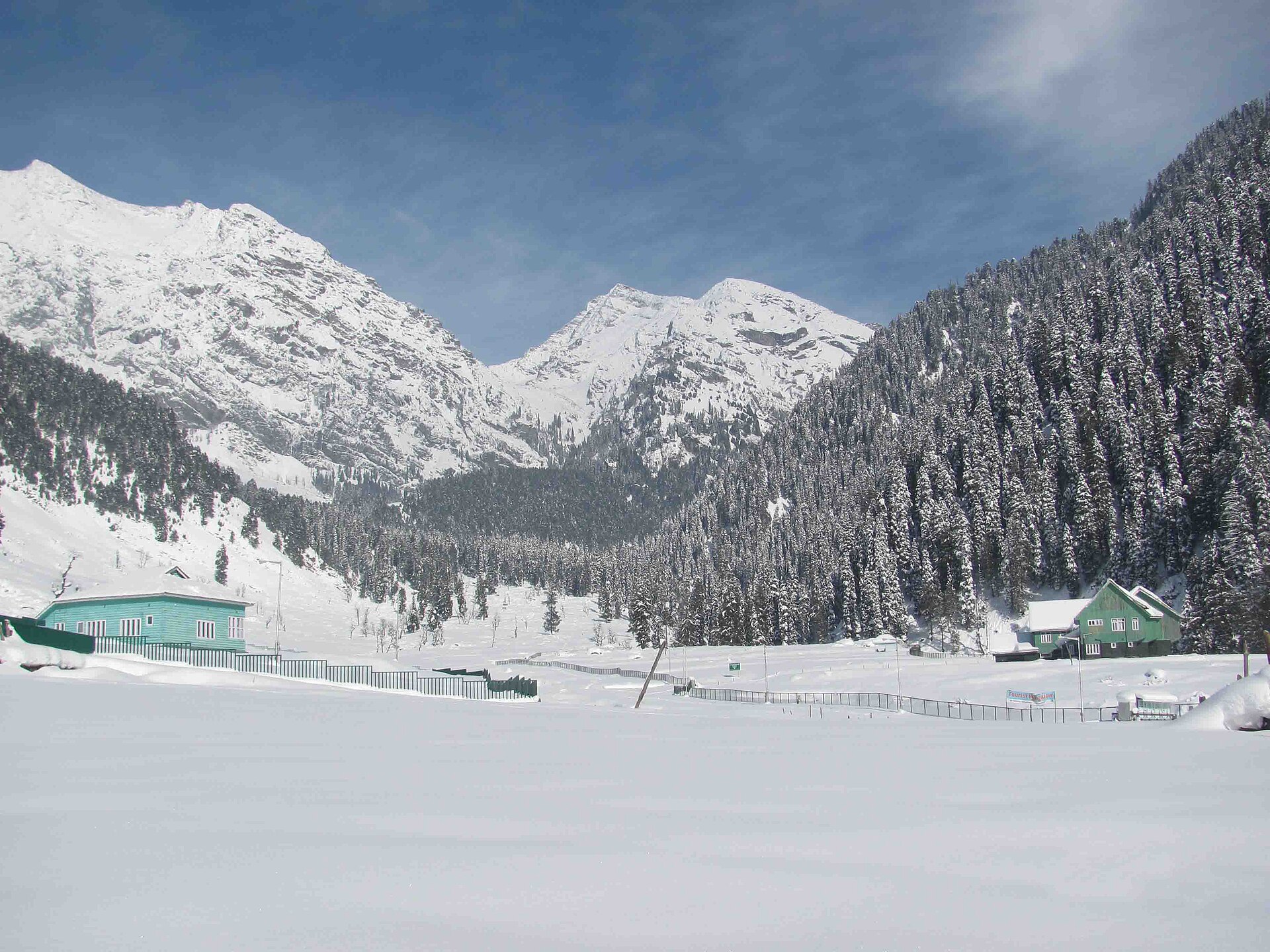
The upper reaches of Gulmarg offer deep powder snow from January through March.Photo: Baldiri · Public domain
The tea in my cup was cooling too fast on the balcony of a wooden lodge in Gulmarg, skimmed with a thin sheet of ice. Down below, the pine branches were sagging under six inches of fresh powder that had fallen silently overnight. This is the moment most travellers picture when they dream of a winter holiday.
Timing that moment, however, requires a bit of local knowledge. Weather patterns in the Himalayas have shifted over the years, and what works for a ski trip in January might leave you staring at brown grass in Srinagar if you arrive too early in December. Finding the best time to see snow in Kashmir depends entirely on whether you want a dusting on the Mughal gardens or deep, waist-high drifts on the mountain slopes.
We spend our winters answering calls from travellers anxious about snow forecasts. Let us walk through the months, the regions, and the reality of winter weather so you can plan your trip without guesswork.
The Peak Snowfall Months in the Valley and Mountains
If your primary goal is guaranteed deep snow, you need to look at the calendar squarely between late December and late February. These are the core Kashmir snowfall months, driven by western disturbances sweeping in from the Mediterranean. They bring precipitation across Jammu and Kashmir, turning rain in the lower plains into heavy snow above two thousand metres.
December can be a gamble. You might arrive to crisp blue skies and dry grass, or you might hit a freak early blizzard that closes the mountain passes for days. By the time January rolls around, the weather settles into a reliable rhythm of freezing nights and heavy snowstorms. February keeps the momentum going, often delivering the biggest powder days of the season for skiers heading up the ridge.
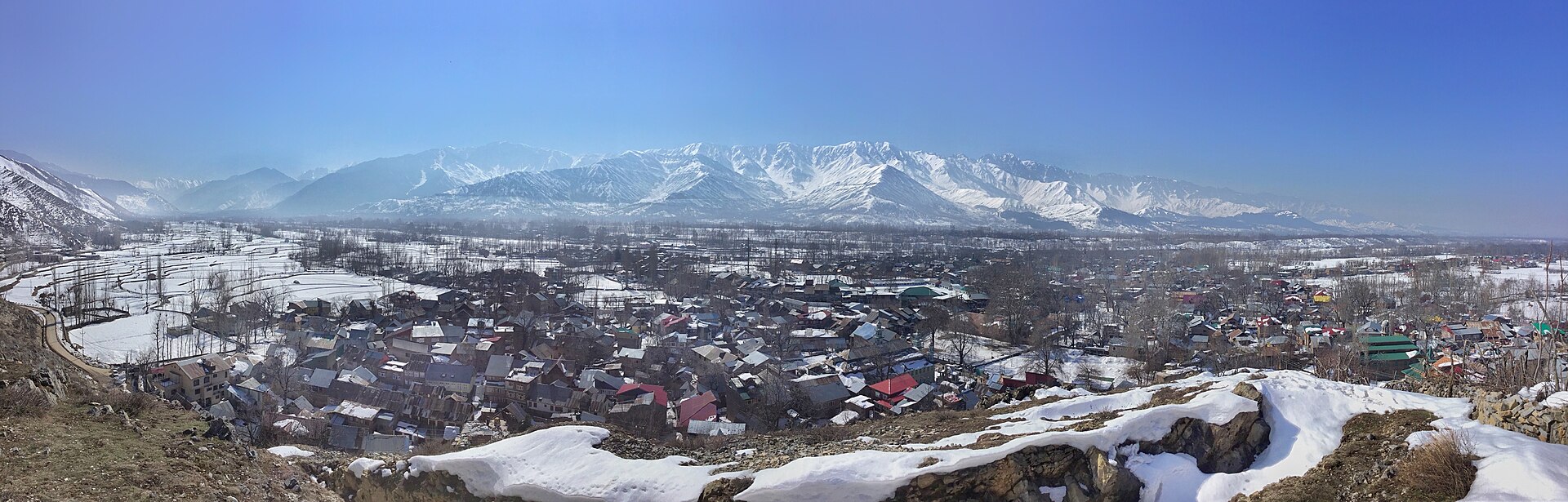
March brings a distinct shift. While the high altitude resorts like Gulmarg and Sonamarg stay white well into spring, the valley floor around Srinagar starts to thaw. Snow turns to slush in the afternoons, and the Chinar trees drop their wet leaves into the melting slush on the pathways.
- December: Unpredictable, can range from dry cold to sudden heavy snow.
- January: Coldest month, frequent heavy snowstorms, ideal for deep powder.
- February: Consistent snowfall, slightly longer daylight hours, great for exploring.
- March: Melting in Srinagar, but excellent spring skiing higher up.
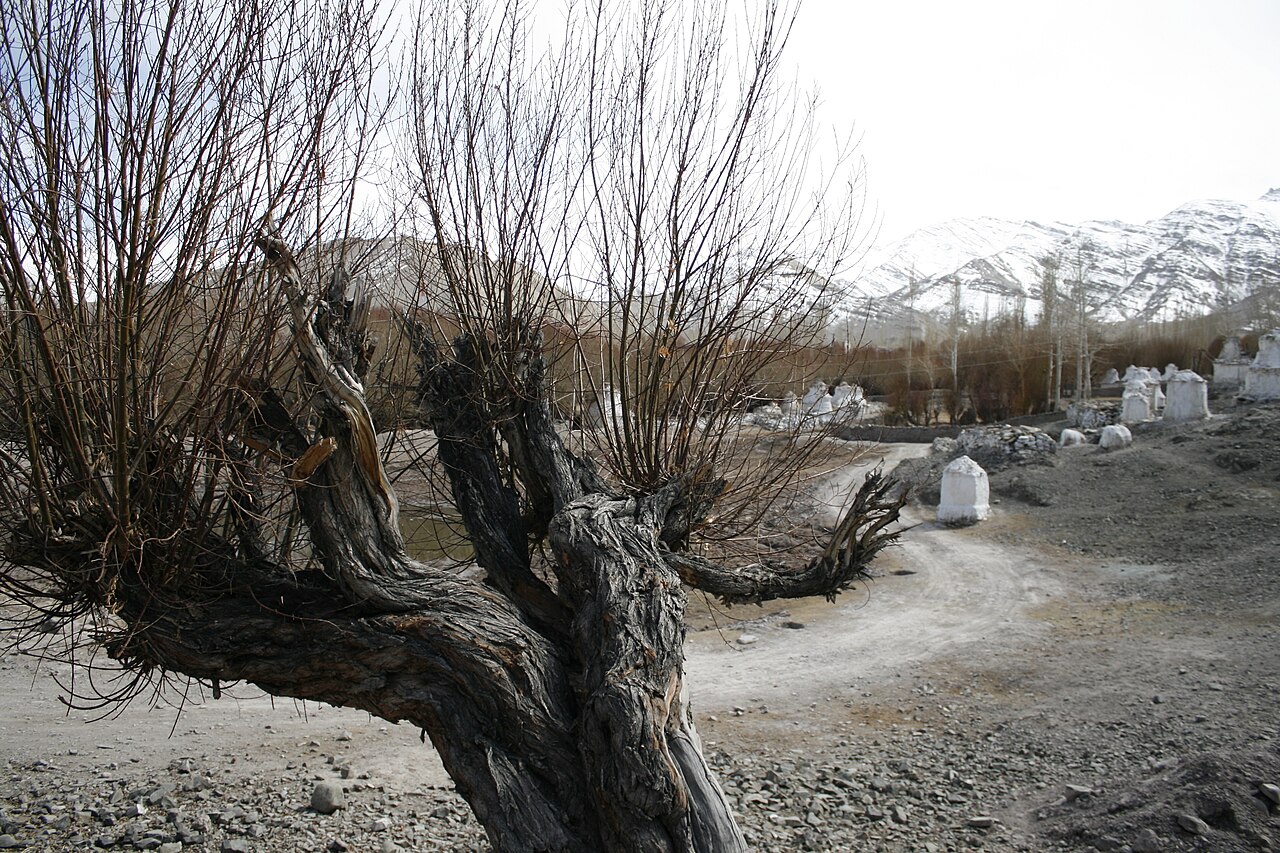
Why January and February Rule the Winter Calendar
There is a stark difference between seeing a few flakes drift past your window and watching a landscape transform completely. January and February offer the most reliable conditions for a true winter wonderland experience. Temperatures regularly drop below zero at night, ensuring that every flake that falls stays put on the ground.
During these weeks, the famous meadows of Gulmarg turn into a high altitude playground for skiers and snowboarders. Even if you do not ski, riding the gondola up to Phase One or Phase Two puts you in an alpine desert of blinding white. The air is sharp, the pine trees are heavy with drifts, and the local tea sellers on the slopes are doing a roaring trade in spiced kahwa.
The trade-off for this perfection is the cold. You will need serious thermal layers, waterproof boots with good grip, and patience if flights are delayed due to low visibility at Srinagar airport. We always advise clients to build a buffer day into their itinerary just in case the highway or the skies decide to close for twenty-four hours.
Srinagar vs Gulmarg: Where to Find the Best Snow
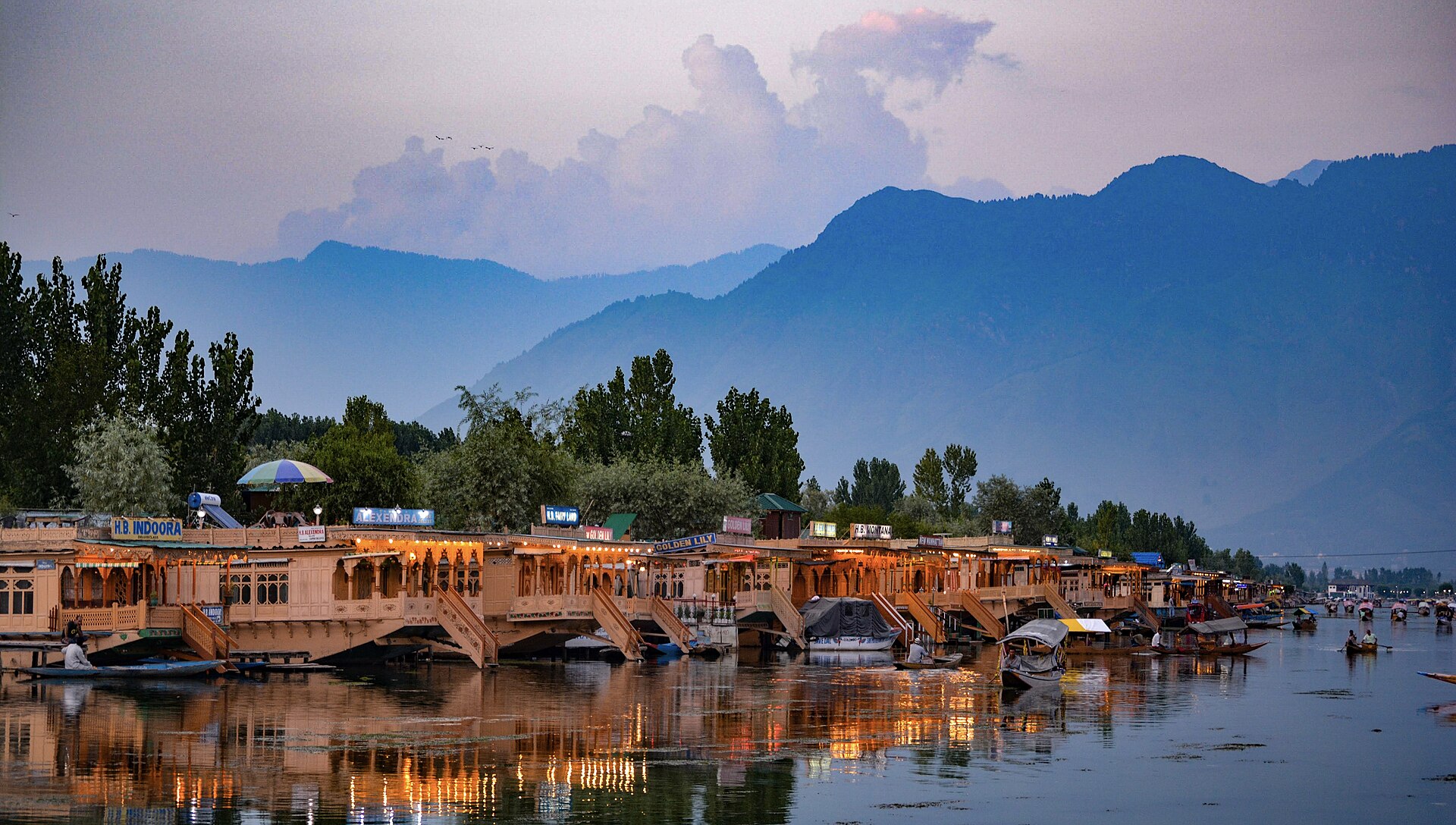
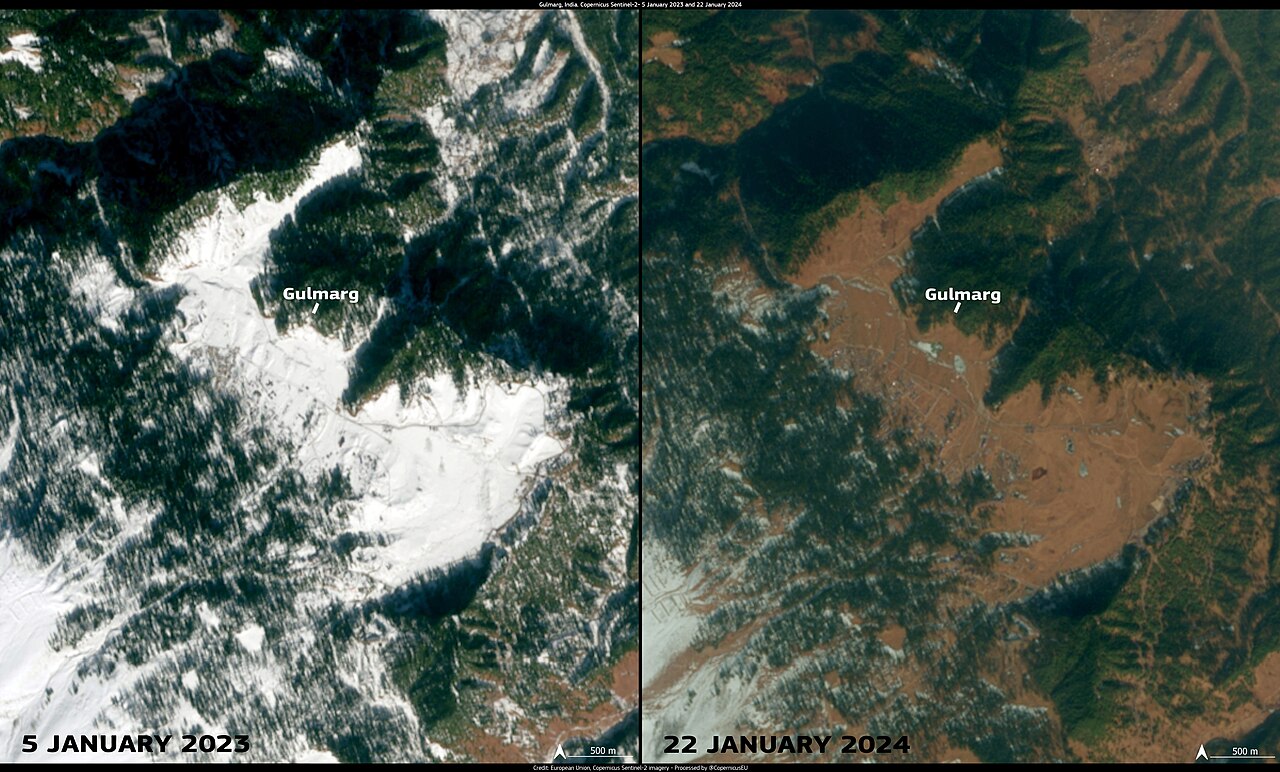
First-time visitors often assume that Srinagar gets buried in snow just like the mountains. In reality, Srinagar experiences a much milder winter. While it does snow in the city, the accumulation rarely stays pristine for long amidst the urban movement. You might wake up to a gorgeous white crust on the Dal Lake houseboats, only for it to turn into grey slush by midday.
If consistent snow is what you are after, you must head upwards. Gulmarg sits at nearly 2,650 metres, and the upper reaches of Apharwat touch 4,000 metres. The climate here is entirely different. Snow falls earlier, stays longer, and accumulates in depths that can swallow a low fence.
Pahalgam sits somewhere in the middle. It gets lovely snowfalls that coat the Lidder valley in white, making it quieter and more pastoral than Gulmarg. If you want solitude paired with snow-covered pine forests, Pahalgam in January is hard to beat.
City Snow vs Mountain Powder
Srinagar is lovely when it snows, but the streets clear quickly. For deep snow, commit to staying in the higher altitudes for at least part of your trip.
What to Expect During the Winter Months
Visiting Kashmir in winter requires a mental shift. Days are short, with the sun dipping behind the mountains by five in the evening. Central heating is standard in good hotels, but traditional wooden heritage homes can take time to warm up. Power cuts can happen due to heavy snow loading on the local grid, though most good properties run heavy-duty generators.
Road travel changes character entirely. The drive from Srinagar to Gulmarg can take twice as long if snow chains are mandatory on the vehicles. Our drivers carry these chains in the boot all winter and know exactly when to pull over to fit them. Do not attempt this drive in a standard rental car without an experienced local driver who knows the black ice spots.
Food shifts to heartier fare. You will find yourself eating more mutton rogan josh, drinking endless cups of copper kettle tea, and gathering around indoor Bukhari heaters that burn wood or coal to keep the chill at bay.
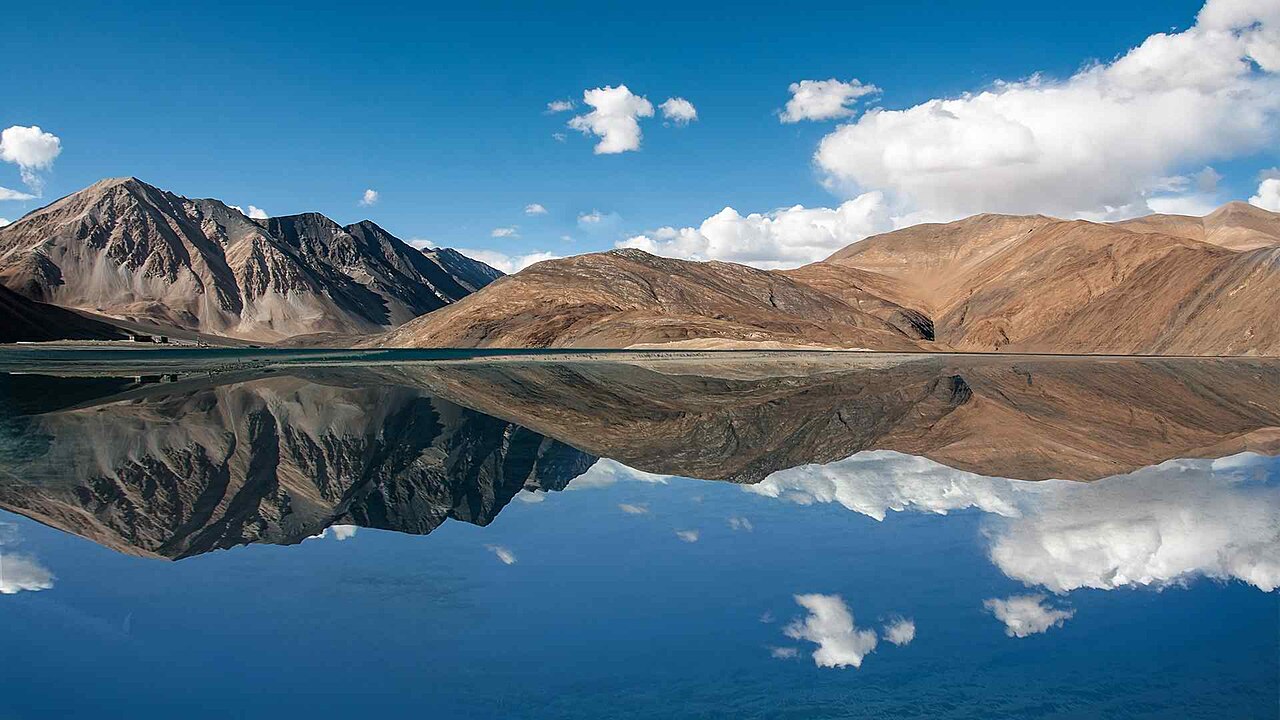
How to Prepare for Freezing Temperatures
Packing for a winter trip to Kashmir is not the time to travel light. Temperatures in Srinagar hover around zero during the day and drop to minus six at night. In Gulmarg, minus ten is common after sunset. You need a proper layering system rather than one thick jacket.
Start with thermal inner wear made of merino wool or synthetic blends. Add a fleece mid-layer, followed by a windproof and waterproof outer shell. Footwear is critical; ordinary fashion boots will soak through within ten minutes in wet snow. Get proper snow boots with deep rubber treads, and bring thick woollen socks.
Do not forget accessories. Sunglasses are non-negotiable because the glare off the snowfields on a sunny afternoon can cause snow blindness. Lip balm, cold cream, and moisturiser will save your skin from the dry mountain air.
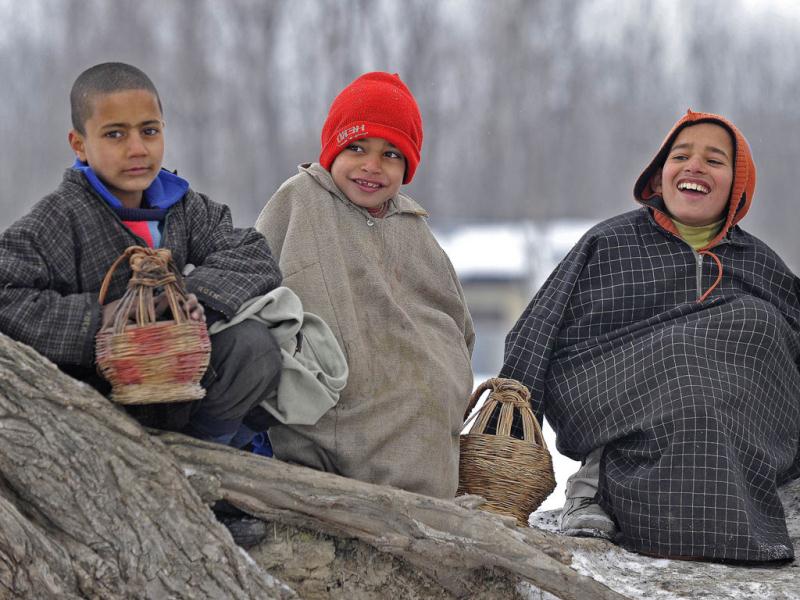
Before you book
Winter in the valley is a quiet, contemplative season. The tourist crowds of summer are gone, replaced by the muffled silence of snow falling on pine needles and rooftops. When timed right, a winter journey here offers memories that no summer meadow can match.
If you are ready to map out your winter escape or want to check current snow conditions on the ground, reach out to our team at Skywale Packages. We handle the logistics so you can simply enjoy the cold air and the hot tea.
Plan Your Winter Journey to Kashmir
Let us help you design a warm, comfortable itinerary through the snow-covered valleys and peaks.
Get in TouchWritten by
Kashmir, Jammu & Ladakh specialists
We plan and run trips across Kashmir, Jammu and Ladakh every week of the year. Everything here comes from routes we drive, stays we inspect and questions our travellers actually ask.
Quick answers
Questions we get asked
Does it snow in Srinagar in December?
Srinagar occasionally gets its first dusting in late December, but heavy snowfall is rare before January. If you want guaranteed deep snow, plan for mid-January onwards and head up to Gulmarg or Pahalgam instead of staying in the city.
Is Srinagar airport closed often due to snow?
Flights in and out of Srinagar can be delayed or cancelled during heavy winter snowstorms due to low visibility. We always recommend keeping a flexible itinerary with a buffer day at the end of your trip to accommodate any weather-related disruptions.
Can I visit Gulmarg in winter even if I don't ski?
Absolutely. While Gulmarg is famous for skiing, thousands of visitors come just to ride the gondola, walk through the snow-covered meadows, and enjoy the alpine scenery. You do not need any skiing experience to enjoy the winter atmosphere.
What kind of clothing do I need for Kashmir in January?
You need a three-layer system: thermal inner wear, a fleece or woollen mid-layer, and a heavy waterproof outer jacket. Waterproof snow boots, thick woollen socks, gloves, a woollen cap, and UV-protection sunglasses are also essential.
Photography credits
- Photo: Baldiri · Public domain
- Photo: Steve Evans from Citizen of the World · CC BY 2.0
- Photo: Incomposition · CC BY-SA 3.0
- Photo: European Union, Copernicus Sentinel-2 imagery · Attribution
- Photo: Niral Bhatt · CC0
- Photo: SarimTariq · CC BY-SA 4.0
- Photo: Hakimdanish4 · CC BY-SA 4.0