Is Kashmir Safe for Tourists? Current Travel Safety Advice
An honest, ground-level assessment of security, logistics, and local hospitality for travellers planning a visit.
Wondering if it is safe to travel to the valley right now? Here is a grounded look at the current security situation, local realities, and practical precautions.
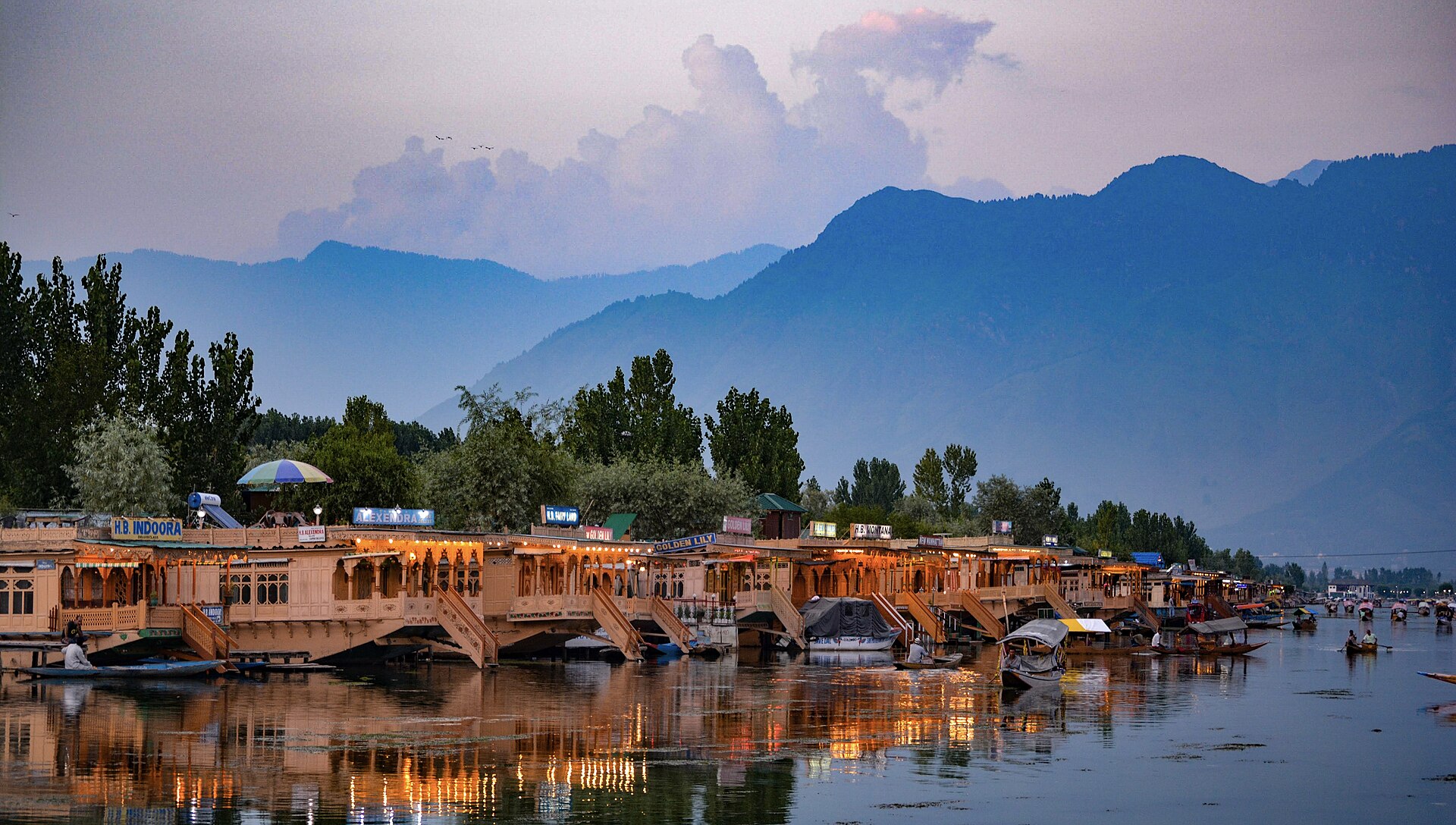
Everyday life along Boulevard road in Srinagar is peaceful and welcoming.Photo: Madhumita Das · CC BY-SA 4.0
The security guard outside our office in Srinagar was drinking noon chai from a cracked mug and chatting with a vegetable vendor about the price of onions. It is a mundane scene, repeated on every corner, yet it rarely makes the evening news broadcasts that focus exclusively on border tensions.
When travellers ask if kashmir safe for tourists, they are usually weighing media headlines against the vivid stories of hospitality they have heard from friends. The reality on the ground is nuanced. Millions of travellers visit every year without incident, moving easily between Srinagar, Gulmarg, and Pahalgam. At the same time, this is a region with a complex political history and a heavy security footprint that requires visitors to keep their wits about them.
As a local tour operator based right here in Srinagar, our job is not to sugarcoat the situation or to dismiss legitimate concerns. Our job is to give you clear, factual information so you can make an informed decision about your travel plans.
Understanding the Current Security Climate
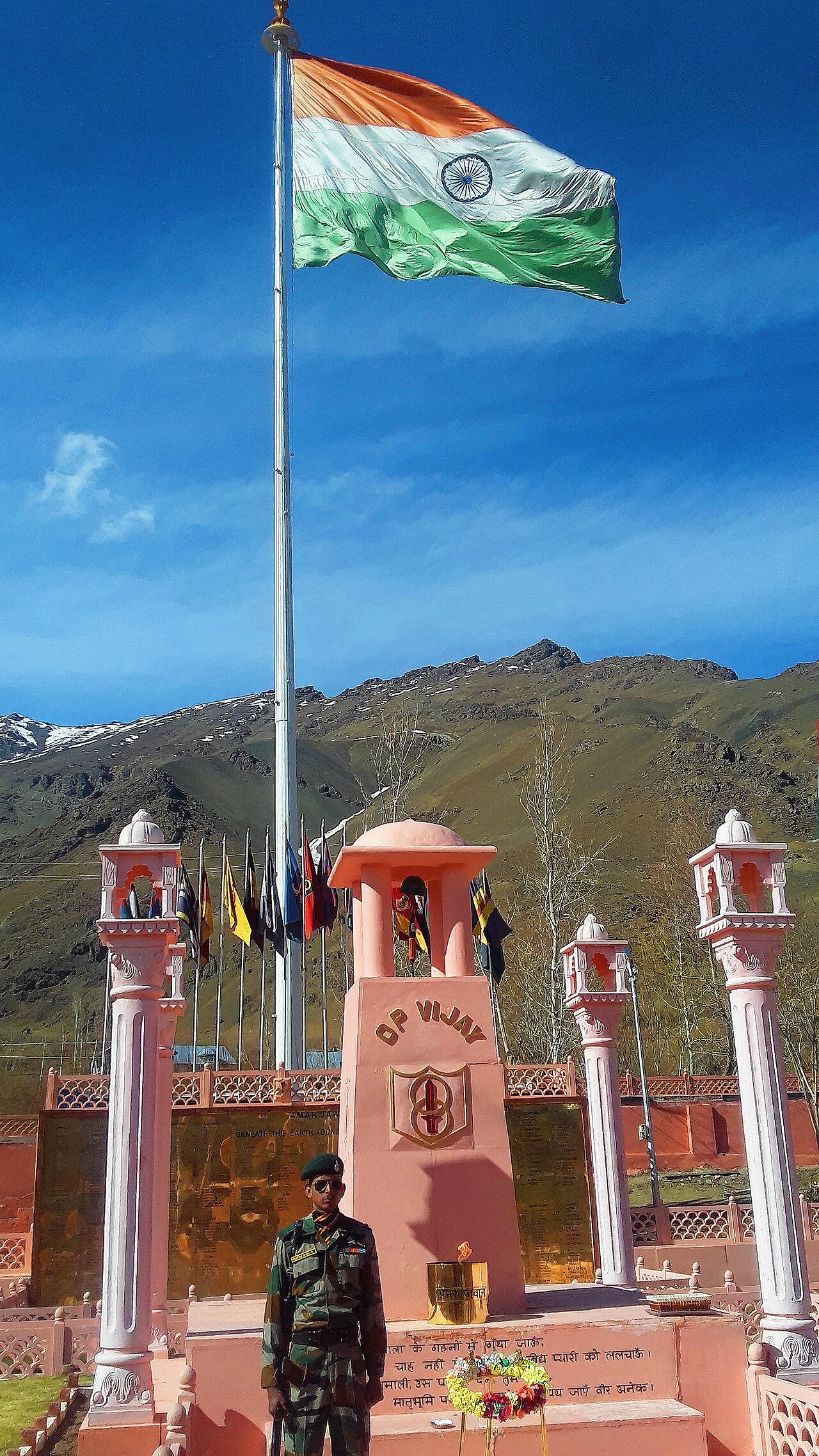
To understand safety in the region, you have to look beyond broad national headlines and examine day-to-day conditions. The primary tourist circuits—including Srinagar, Gulmarg, Pahalgam, and Sonamarg—operate under robust security management. Checkpoints are common on major transit routes, and you will see security personnel stationed near public squares and bridges.
For most travellers, these checkpoints are simply a routine part of the journey. Vehicles are occasionally stopped for random checks, and identity documents may be requested. While this can feel jarring if you are used to unrestricted travel in other parts of India, it is designed to maintain public order and deter unlawful activity.
Over the past few years, the local administration has placed immense emphasis on protecting the tourism sector. Tourism is the backbone of the regional economy, and local communities take a protective stance towards visitors. Incidents targeting travellers are exceptionally rare on established tourist routes.
- Routine security checkpoints operate on all major highways.
- Tourist hubs maintain a heavy policing presence to ensure public safety.
- Local communities actively safeguard visitors and the tourism economy.
- Major incidents are statistically rare in core leisure zones.
Why Thousands of Tourists Visit Annually Without Trouble
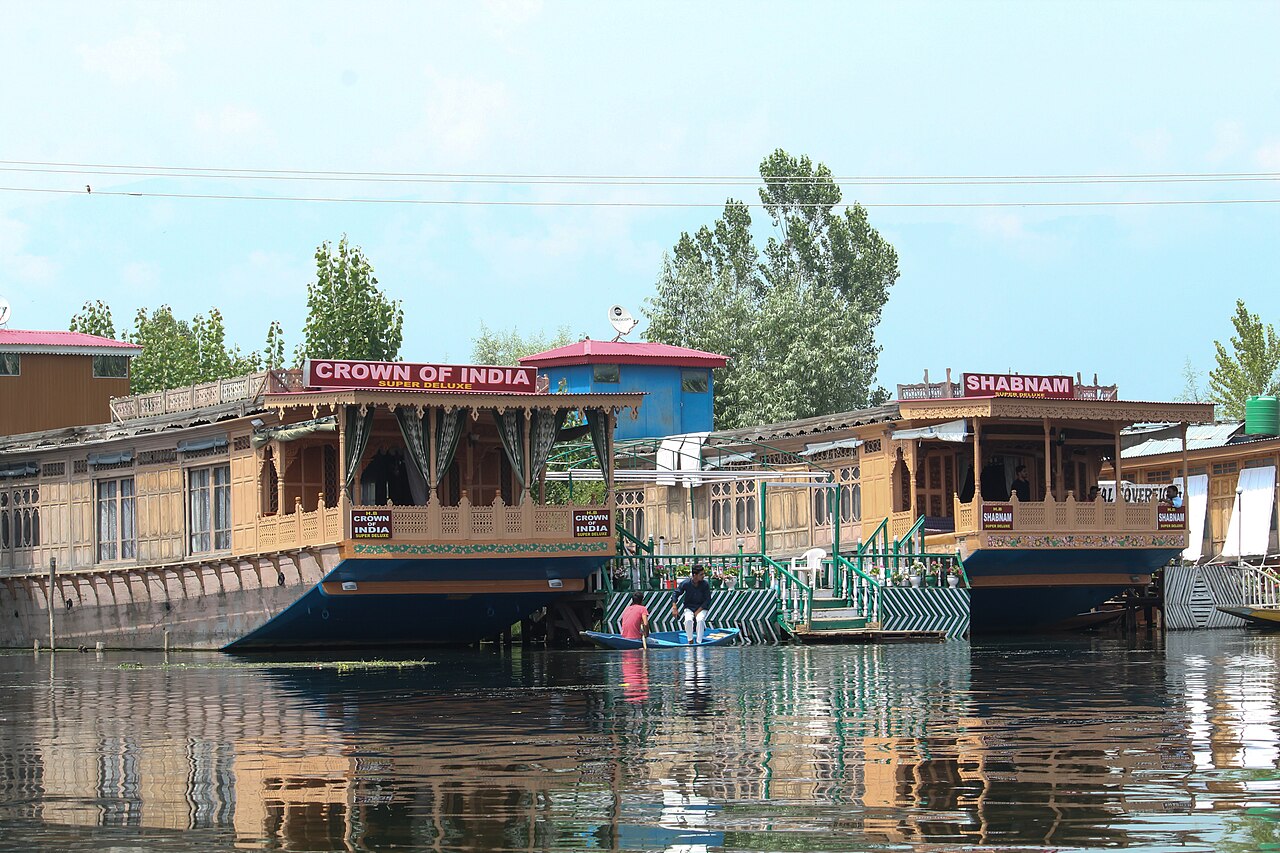
Statistics tell a story that television screens often miss. Year after year, record numbers of travellers arrive in the valley to walk through the Mughal gardens, stay on Dal Lake houseboats, and trek through alpine meadows. Families, solo travellers, and photography groups move through these landscapes daily.
The hospitality of the local population is legendary for a reason. From houseboat owners offering endless pots of saffron tea to taxi drivers sharing stories of their ancestral villages, the warmth you encounter is genuine. People here understand that every visitor represents a livelihood and an ambassador who returns home to dispel myths.
When you walk down the Boulevard road in Srinagar at dusk, past families eating ice cream and children playing cricket, the atmosphere feels remarkably ordinary. It is this mundane, everyday rhythm that surprises most first-time visitors who arrived with preconceived anxieties.

Practical Safety Precautions for Travellers
While the tourist areas are secure, basic situational awareness remains essential. Common sense goes a long way here, just as it does in any unfamiliar destination around the world. Avoid political gatherings, protests, or demonstrations if they happen to occur in urban centers.
Stay connected at all times. Prepaid mobile connections from other states often do not work in Jammu and Kashmir due to security regulations. Make sure you obtain a local tourist SIM card upon arrival at Srinagar airport, or ensure your postpaid plan has active roaming. Being able to call your hotel or driver is your best safeguard against getting stranded.
Register your itinerary with a trusted local operator or your hotel desk if you are heading into remote trekking regions. Weather and terrain can present natural hazards that are far more likely to impact your trip than security issues.
Staying Informed Through Local Channels
Information travels fast in the valley, but rumours travel faster. Social media platforms can sometimes amplify unverified news or old footage, creating panic where none is warranted. When you want to know what is actually happening on the ground, rely on verified local news sources and direct updates from your accommodation or travel partner.
Our team monitors local advisories daily. If there is a roadblock, a weather warning, or a security drill that might affect travel times between districts, we know about it hours in advance and adjust our routes accordingly.
Do not hesitate to ask your hotel manager or driver for advice before heading out for independent exploration. They have lived through every seasonal shift and political nuance, and their guidance is almost always more reliable than external commentary.
Common Myths vs Reality on the Ground
One common myth is that tourists are constantly restricted to their hotels under curfew conditions. In reality, curfews are exceedingly rare in tourist zones today, and normal commercial life hums along from morning until late evening. Markets are bustling, restaurants are full, and evening walks along the riverbanks are a daily ritual.
Another misconception is that hostility is directed towards visitors from other parts of India or international guests. This could not be further from the truth. The regional economy depends entirely on welcoming people from all backgrounds, and cultural exchange is welcomed with open arms and deep respect.
The reality is a place of profound natural beauty coexisting with a complex administrative reality. If you respect local customs, maintain basic awareness, and avoid unnecessary risks, you will find the experience remarkably peaceful.
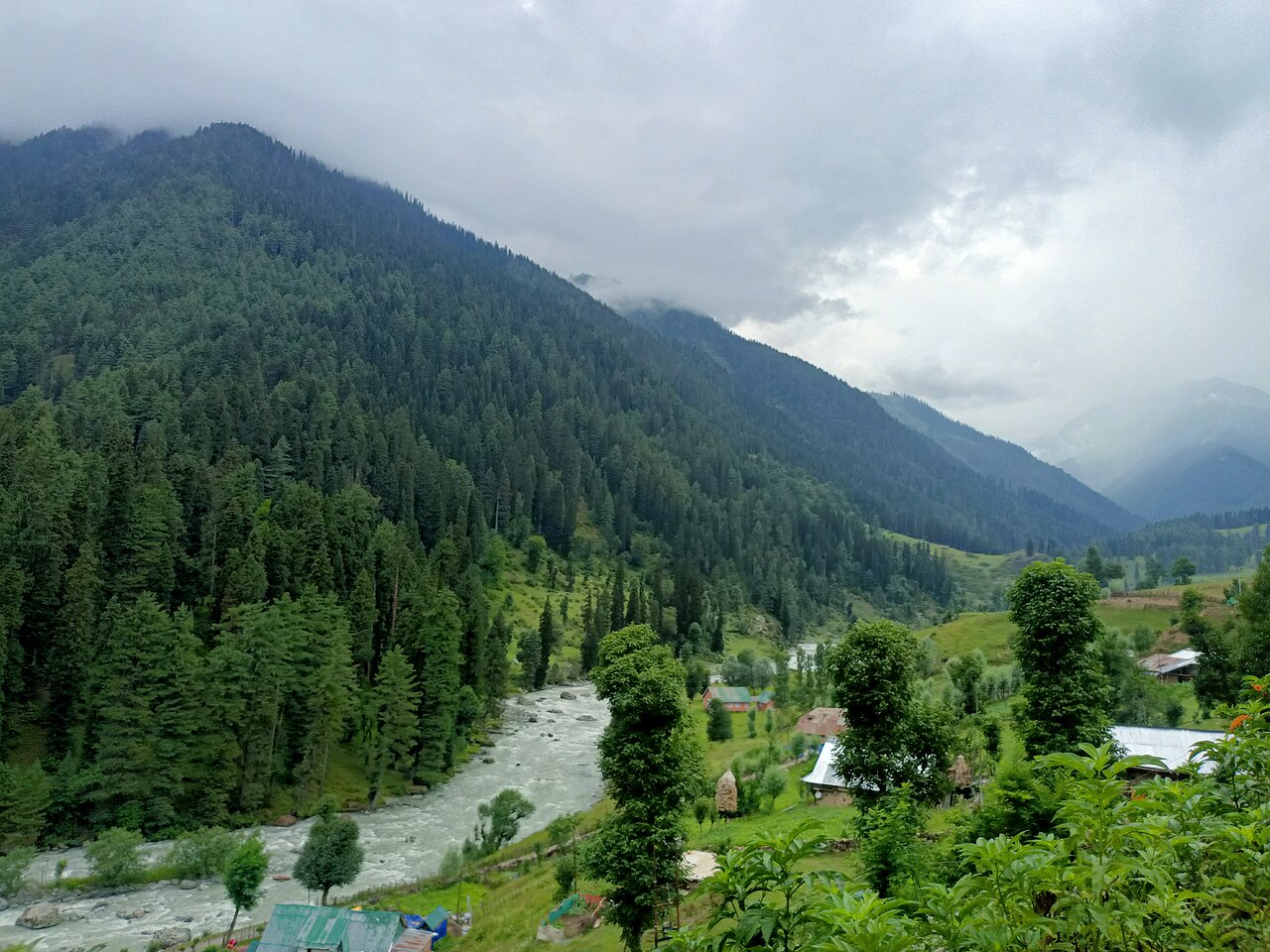
Resources for Real-Time Updates and Emergency Contacts
Preparation is the best antidote to anxiety. Before you board your flight, make a note of key emergency numbers and support resources available to travellers in the region.
The Jammu and Kashmir tourism department operates dedicated tourist police stations and help desks in major hubs like Srinagar, Gulmarg, and Pahalgam. These units are specifically trained to assist visitors with directions, transport issues, or general safety inquiries.
Keep your embassy contact details handy if you are an international traveller, and ensure your travel insurance policy covers medical evacuation and trip interruption in mountain regions.
Key Numbers to Save
Save the local tourism police helpline and your tour operator's direct emergency number on your phone before stepping out of the airport.
Before you book
Travel always requires a balance of curiosity and caution. Kashmir is no different. While it carries a unique political backdrop, the day-to-day experience for travellers is defined by stunning landscapes, quiet lakes, and some of the warmest hospitality you will find anywhere in Asia.
If you have specific questions about current conditions or want someone to handle every logistical detail of your trip safely, our team at Skywale Packages is always here to talk through your concerns.
Plan Your Safe Journey With Experts
Speak directly with our local team in Srinagar for up-to-date travel advice and custom itineraries.
Talk to UsWritten by
Kashmir, Jammu & Ladakh specialists
We plan and run trips across Kashmir, Jammu and Ladakh every week of the year. Everything here comes from routes we drive, stays we inspect and questions our travellers actually ask.
Quick answers
Questions we get asked
Are tourists allowed to visit Kashmir freely?
Yes, tourists can move freely between major destinations like Srinagar, Gulmarg, Pahalgam, and Sonamarg. You do not need special permits for standard leisure travel within these main tourist circuits.
Do my mobile phone and internet work in Kashmir?
Postpaid mobile connections from major operators work fine. However, prepaid SIM cards purchased in other Indian states do not function in Jammu and Kashmir. You can easily pick up a local prepaid tourist SIM at Srinagar airport with valid ID.
Is it safe for solo female travellers to visit Kashmir?
Many solo female travellers visit the region annually without issues, aided by the respectful local culture and helpful tourism police. Standard urban safety precautions apply here just as they do anywhere else in the world.
What should I do if a strike or shutdown is announced?
If a local shutdown or strike occurs, public transport may be limited and shops might close for the day. Stay indoors at your hotel or houseboat, follow guidance from your host or tour operator, and avoid venturing into crowded commercial areas.
Photography credits
- Photo: Madhumita Das · CC BY-SA 4.0
- Photo: Subhrajyoti Parida · CC BY 4.0
- Photo: Mansi singh200310 · CC BY-SA 4.0
- Photo: Dashrathgoyal85 · CC BY-SA 4.0
- Photo: Baldiri · Public domain
- Photo: Faisalrafiqkhan · CC BY-SA 4.0
- Photo: TheAutumnal · CC BY-SA 4.0