Why Bahu Fort Should Be on Your Jammu Itinerary
Discovering the historic heart of the Dogra kingdom
Looking for the right bahu fort package for your Jammu trip? We break down why this historic site is the essential anchor for any city itinerary.
The main gate of the historic Bahu Fort stands as a proud reminder of Jammu's past.Photo: Ms Sarah Welch · CC0
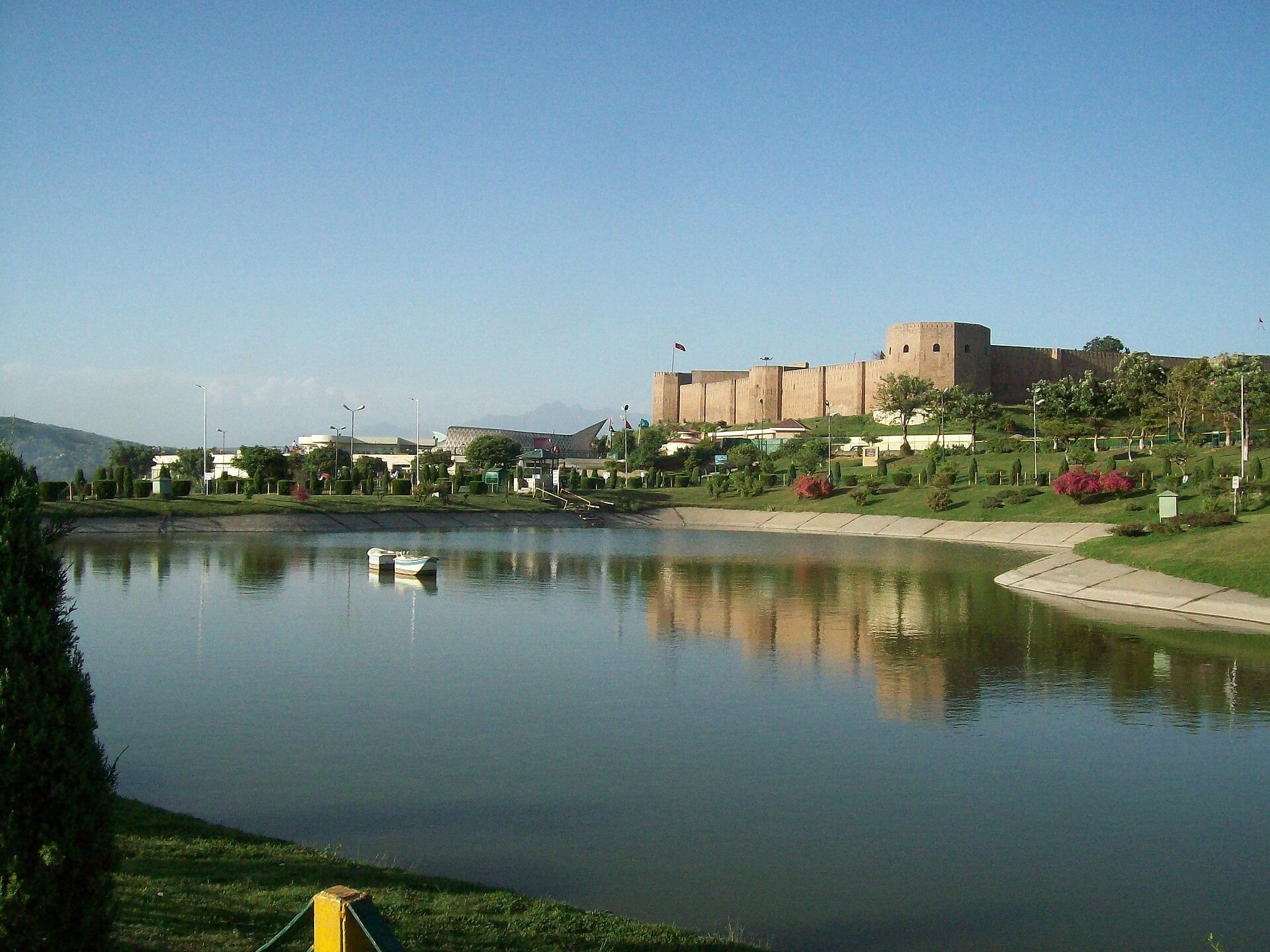
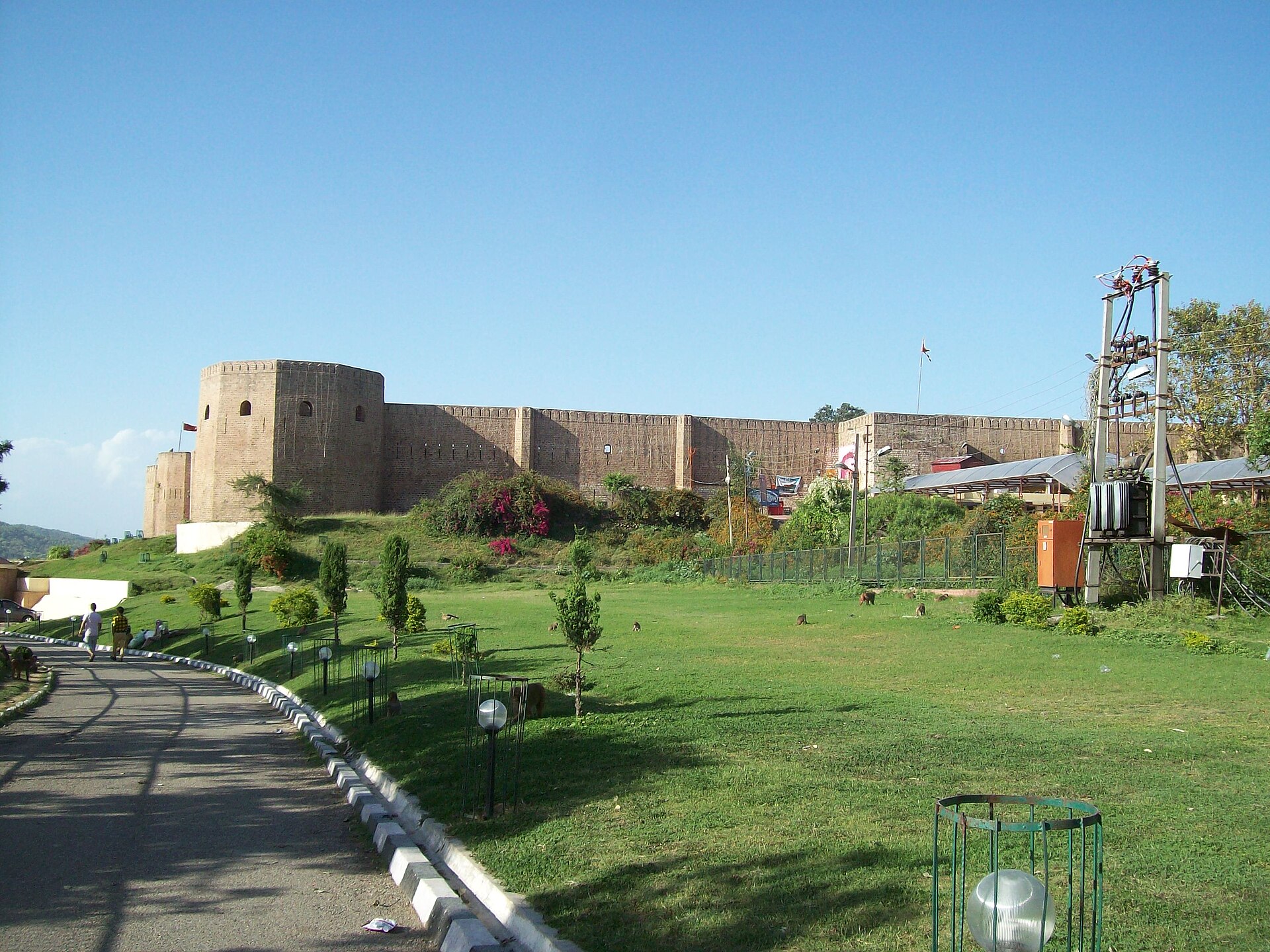
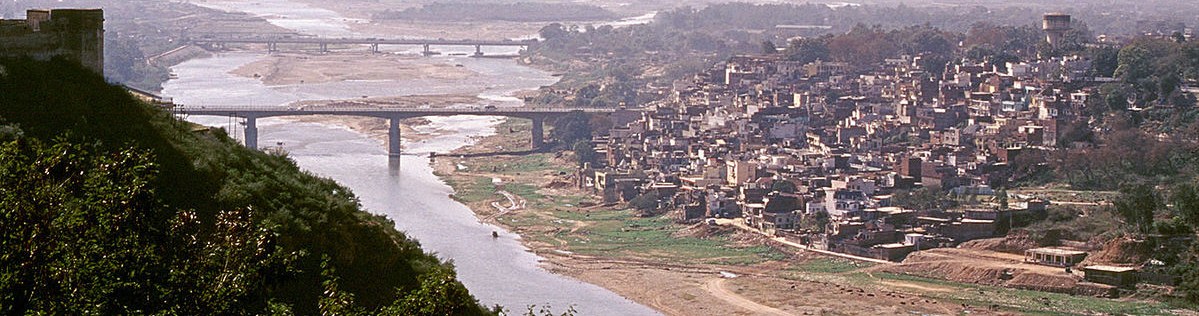
The first time I climbed the stone steps toward the main entrance of Bahu Fort, the sheer thickness of the walls surprised me. It sits high above the Tawi River, a silent witness to centuries of Dogra rule. While many travellers treat Jammu as a mere transit point for Kashmir, staying an extra day to wander these ramparts changes the entire perspective of the region.
Choosing a comprehensive bahu fort package allows you to look past the stone and understand the military and spiritual architecture. It isn't just a sightseeing stop; it's the foundation of Jammu's history. When we build itineraries for our clients, we make sure they reach this spot before the afternoon heat settles, ensuring they have enough time to explore the adjacent gardens properly.
The Cultural Heart of Jammu
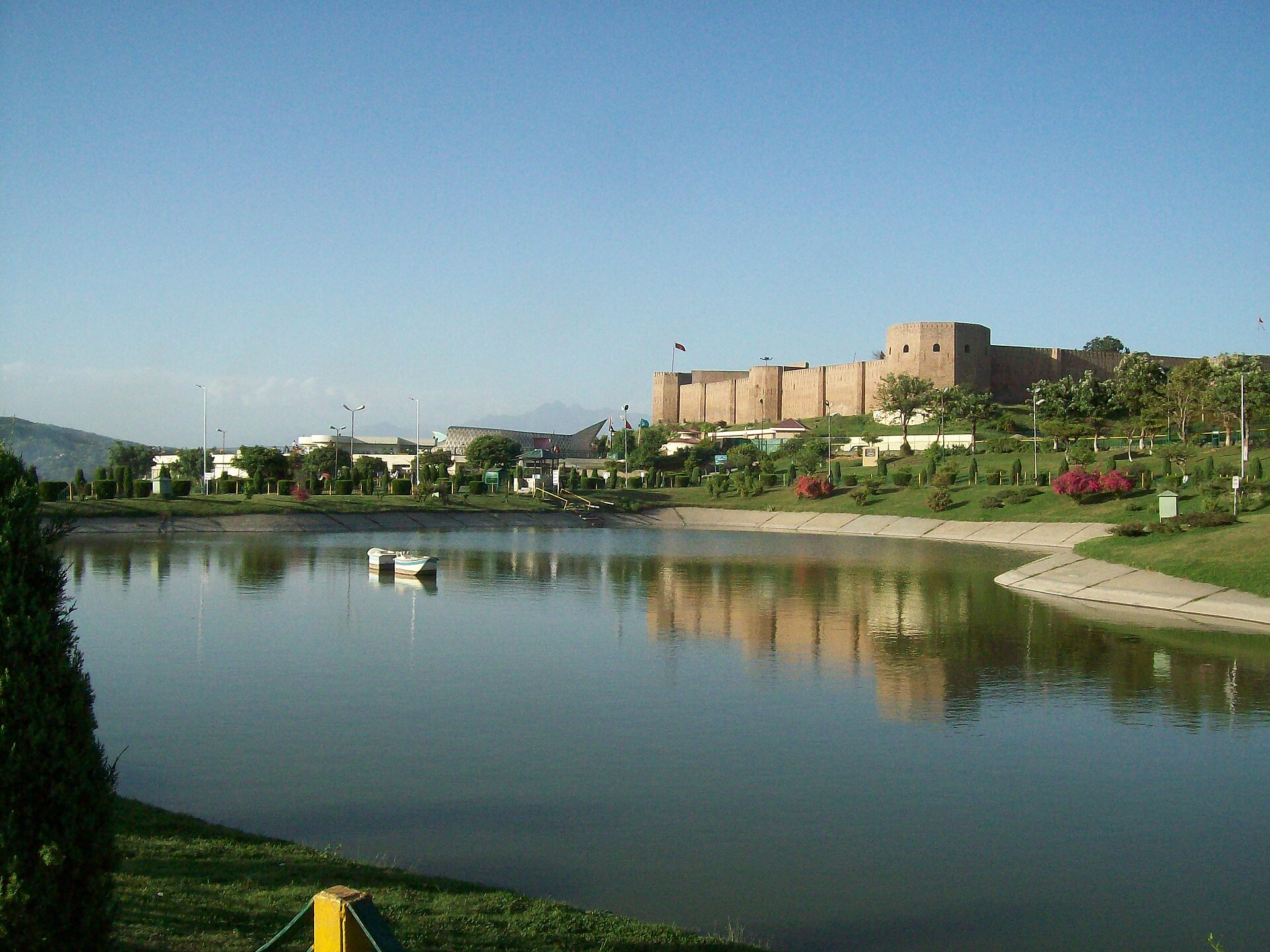
Bahu Fort is not just old; it is the oldest structure in the city. Raja Bahulochan founded it, and while the present structure has been renovated over the years, the core remains a testament to the resilience of the Dogra kings. Walking through the inner courtyard, you can feel the shift in pace from the busy city streets down below.
The temple inside, dedicated to Goddess Kali, is locally known as Bawe Wali Mata. It’s an active place of worship. You will see local families offering flowers and prayers throughout the day. It provides a raw, authentic connection to the local faith that you rarely get at more commercialized sites elsewhere in India.
- Ancient temple architecture
- Panoramic river views
- Original defensive masonry
Highlighting the Fort on Guided Tours
Most visitors walk through the gate and leave within twenty minutes. That is a mistake. A good guided experience ensures you visit the museum located within the complex. It houses local artefacts that tell stories of past wars and trade routes. When you book a specific bahu fort package, you get a local guide who can point out the specific defensive features that once made this fort near-impenetrable.
Timing is everything. We recommend heading here in the early morning or late afternoon. The light hits the river valley perfectly during these times, and the temperature is bearable even in the height of summer. The guide will help navigate the busy entry points, saving you from the standard tourist queues.
Why Private Tours Offer Better Insights
Group tours have their place, but a private Jammu city tour changes the depth of your visit to the fort. A private guide can adjust the pace based on your interests. If you want to spend an hour photographing the intricate carvings or discussing the history of the Dogra dynasty, they are there to help.
We have found that our clients who opt for private arrangements walk away with a much better understanding of why Jammu holds such significance in the north. It’s about the context—the 'why' behind the 'what.' Without this, it’s just another collection of stones and old gardens.
What to Look for in a Jammu Package
When you are comparing various travel offerings, look for the inclusions. A solid package should cover your transport, entrance fees, and, most importantly, the expertise of a local guide. Beware of generic itineraries that treat the fort as a 30-minute stop. You need at least two hours to properly see the fort and the adjoining Bagh-e-Bahu.
Check if your provider includes visits to other nearby historical sites. Linking the fort with a trip to the Raghunath Temple creates a cohesive narrative of Jammu's spiritual and secular history. It makes the day feel well-spent rather than rushed.
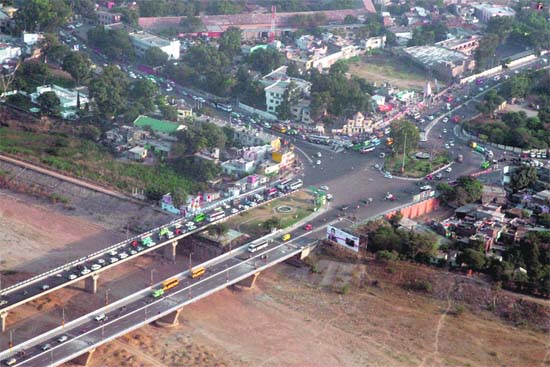
Combining Pilgrimage and Leisure
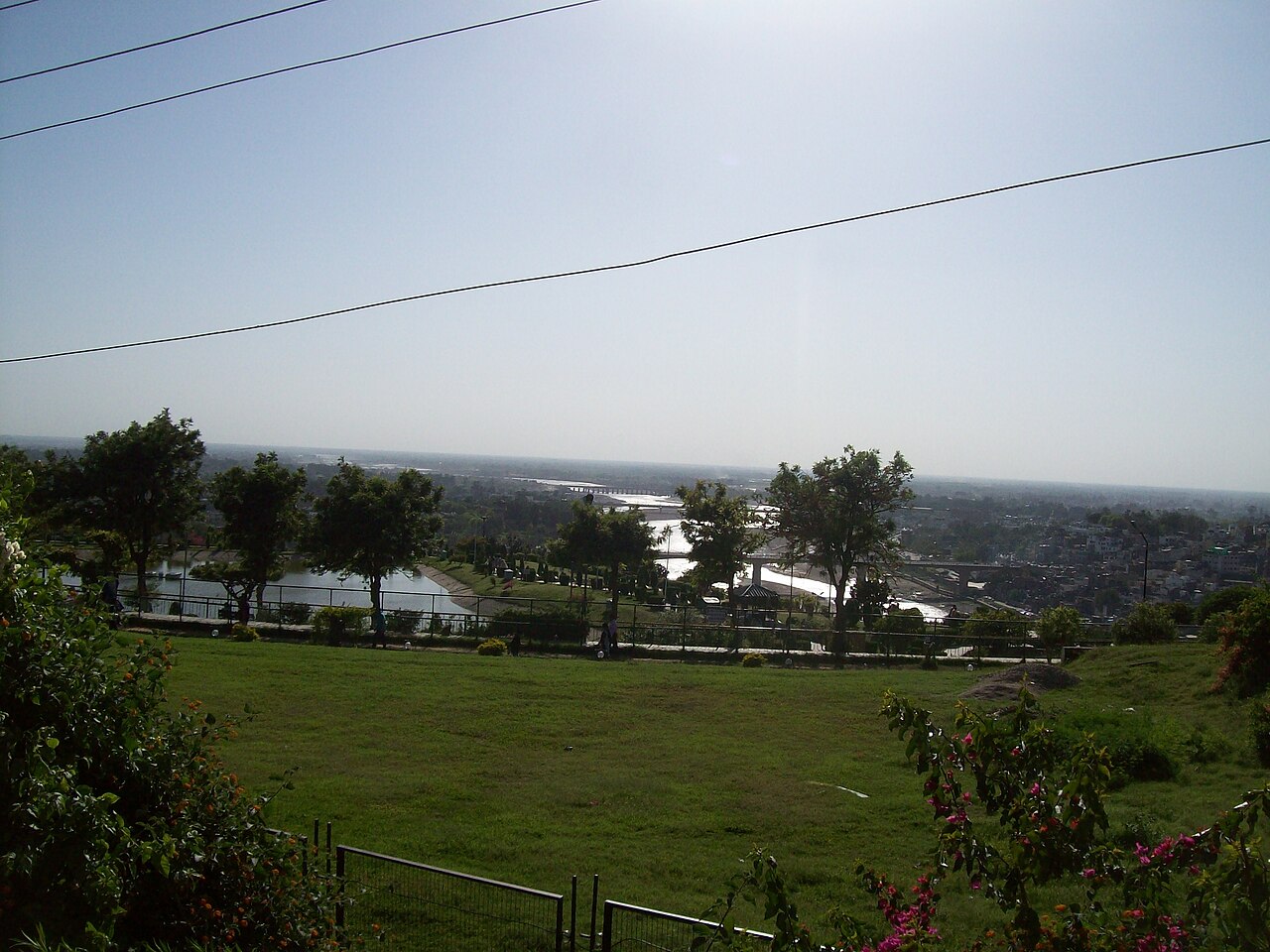
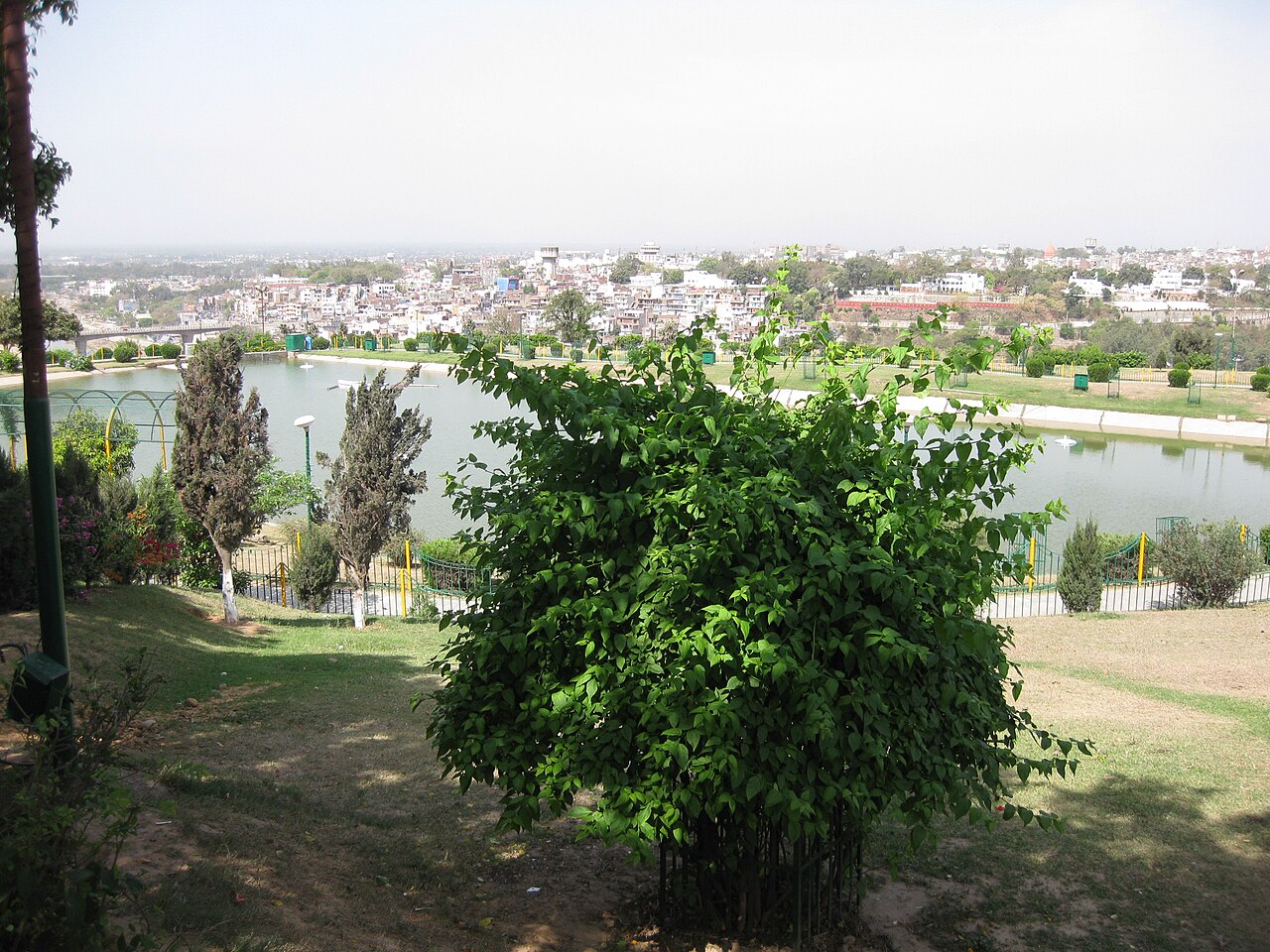
The Bagh-e-Bahu garden, situated right next to the fort, offers a sharp contrast to the stark, rugged stone of the battlements. It is beautifully landscaped and overlooks the Tawi river. It’s a place for a quiet walk after the intensity of the fort.
Many of our guests combine a visit here with trips to Mansar Lake or Surinsar Lake. It turns a short city stay into a rounded Jammu experience. The juxtaposition of the historic fort and the lush, curated gardens of the park makes for excellent photography and a relaxed afternoon.

Planning Your Visit with an Operator
Organising travel in Jammu requires a bit of local know-how. Road conditions change, and local festivals can impact access to the temple. By working with a local operator, you avoid these uncertainties. We know which roads are clear and which times of the day the temple is least crowded.
If you are ready to plan your trip, we can help you tailor an itinerary that includes the fort at its best. Get in touch with us to discuss your dates and preferences.
Before you book
Bahu Fort remains an essential pillar of any Jammu visit. By taking the time to explore its history and the surrounding gardens, you gain a better appreciation for the city's role in the wider Himalayan region. It is a site that rewards those who linger.
If you would like to explore this historic landmark as part of a curated trip, please reach out to our team. We are happy to help you design an itinerary that fits your schedule perfectly.
Start Planning Your Jammu Journey
We can help you craft the perfect itinerary for your time in Jammu.
Contact Our TeamWritten by
Kashmir, Jammu & Ladakh specialists
We plan and run trips across Kashmir, Jammu and Ladakh every week of the year. Everything here comes from routes we drive, stays we inspect and questions our travellers actually ask.
Quick answers
Questions we get asked
Is Bahu Fort safe for tourists?
Yes, it is a popular tourist destination. However, it is always wise to keep your travel documents handy and follow local guide advice regarding restricted photography zones.
How much time do I need at the fort?
Plan for two hours. This covers the fort architecture, the temple, and a walk through the surrounding Bagh-e-Bahu.
Can I visit the fort on my own?
You can, but you will miss the historical context. A local guide helps navigate the complex and explains the significance of the artifacts.
What is the best time of year to visit?
October to March is ideal. Summers in Jammu can be very hot, making outdoor exploration of the stone fort uncomfortable.
Does my package include transport?
Our standard packages typically include private transport within the city to ensure you reach the site comfortably and on time.
Photography credits
- Photo: Ms Sarah Welch · CC0
- Photo: Tejan gupta · CC BY-SA 4.0
- Photo: Tejan gupta · CC BY-SA 4.0
- Photo: Paul La Porte ( User:Laportechicago ) crop: Aryan wiki · CC BY-SA 3.0
- Photo: Nvvchar · CC BY-SA 3.0
- Photo: Ronny1985 · CC BY-SA 3.0
- Photo: Tejan gupta · CC BY-SA 4.0